
Reviewed · NEPALI COOKING CLASSES
Half Day Cooking Class in Thamel with Local Market Visit
A market hunt ends with a hot plate. This half-day cooking class in Thamel pairs a local ingredient walk with a hands-on kitchen session where you cook one course, then eat it fresh and hot. You also get the small-group feel, limited to 8 people, plus an English-speaking instructor guiding the whole process.
I like the built-in flexibility, too, because you can adjust how much of each ingredient goes into your dishes, including the level of chili. One caution: the local market visit is part of the plan, but in at least one case it did not happen for a specific shift, and buying spices there was pricey.
In This Review
- Key highlights worth your time
- Thamel Market To Hot Food, In Just 3 Hours
- The Local Market Visit: Why It’s More Than Photo Time
- The Kitchen Rhythm: Cook One Course, Eat While It’s Hot
- Four Courses From Traditional Nepali And Newari Menus
- Spices, Techniques, And The Real Skill You Leave With
- Price And Value: What $21 Buys In Thamel
- Timing And Getting There Inside Thamel
- Who Should Book This Cooking Class (And Who Might Want Another Option)
- Should You Book? My Practical Recommendation
- FAQ
- What times are the cooking classes offered?
- What’s included in the half-day class?
- Do I really cook and eat the food during the class?
- Is there a choice of dishes or menus?
- Is pickup provided from outside Thamel?
- Can the instructor accommodate dietary restrictions or allergies?
Key highlights worth your time
- Local market visit to pick ingredients before you cook
- Step-by-step class where you cook 4 courses and eat each one hot
- Three menus, each with 4 traditional dishes, with momos on every menu
- English-speaking instructor and a small group of up to 8
- Taste-your-own creations, with freedom to change spice and ingredient amounts
- Masala tea and drinking water included, plus all equipment and ingredients
Thamel Market To Hot Food, In Just 3 Hours
This experience is built for people who want real Nepalese food skills, not just a quick cooking demo. The schedule runs for 3 hours, and you can choose a morning session at 9:00 am, an afternoon one at 1:30 pm, or an evening class at 4:30 pm. Since you cook and eat, the class feels like it moves in “bite-size wins,” instead of a long waiting game.
The Thamel setting matters. You are in the tourist heart of Kathmandu, but the class is designed to drag you out of autopilot. First you head to a local market to source ingredients, then you return to the kitchen and cook what you picked. That link between shopping and dinner is one of the best reasons this is worth doing while you are in town.
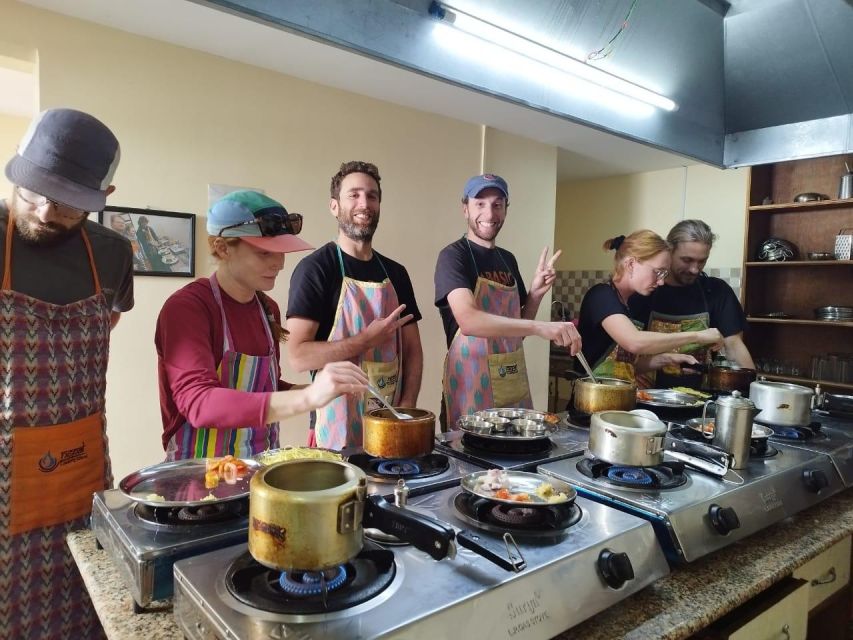
The class also avoids the usual “watch someone else cook” trap. Your chef takes you step by step through the whole process, and you get to adjust portions while you cook. If you love chili, you can add more. If you do not, you skip or go light. That sounds simple, but in practice it means you get a plate that tastes like your preferences, not just the instructor’s.
More Cooking Classes in Kathmandu
- Half day cooking class in Thamel kathmandu
★ 5.0 · 607 reviews - Kathmandu: Local Women-Led Nepali Cooking & Momo Class
★ 4.9 · 360 reviews - The best Private Nepali Cooking Class in Kathmandu
★ 5.0 · 83 reviews
The Local Market Visit: Why It’s More Than Photo Time
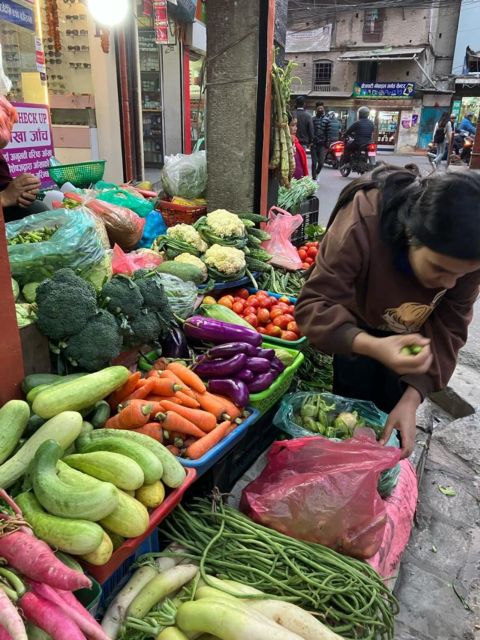
The tour includes a local market visit to find the ingredients you will cook with. This is where you start learning how Nepalese cooking ingredients work as a system, not as random bagfuls of spices. Your instructor brings you through what matters for the dishes you will make later, so you know what you are grabbing and why it matters.
You should also know the practical side. Market visits mean exposure to stalls, price differences, and the chance to buy a few spices if you want. In one experience, the market stop did not happen for that session, and another person mentioned the spices they bought there felt expensive. So if you are planning to shop heavily for spices, keep a little budget cushion in mind and be flexible about what you might be able to purchase.
Even if you do not buy much, the market portion still helps you connect ingredients to flavor. When you later cook in your own bowl, you can remember what you saw and what the instructor said about each item. It turns cooking from guesswork into a small set of clear choices.
The Kitchen Rhythm: Cook One Course, Eat While It’s Hot
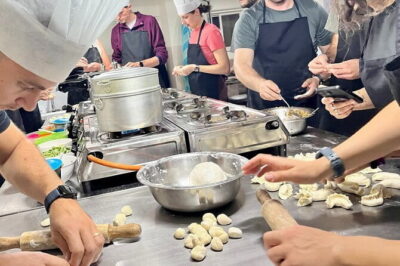
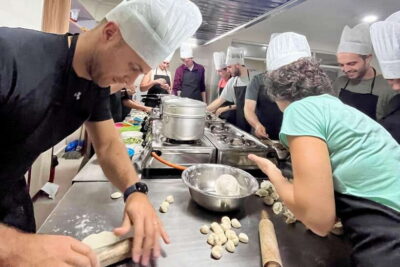
Here is the part that makes this class feel efficient and fun. Your chef takes you through the full flow of making dishes step by step. Then you cook one course, you eat it, and you move on.
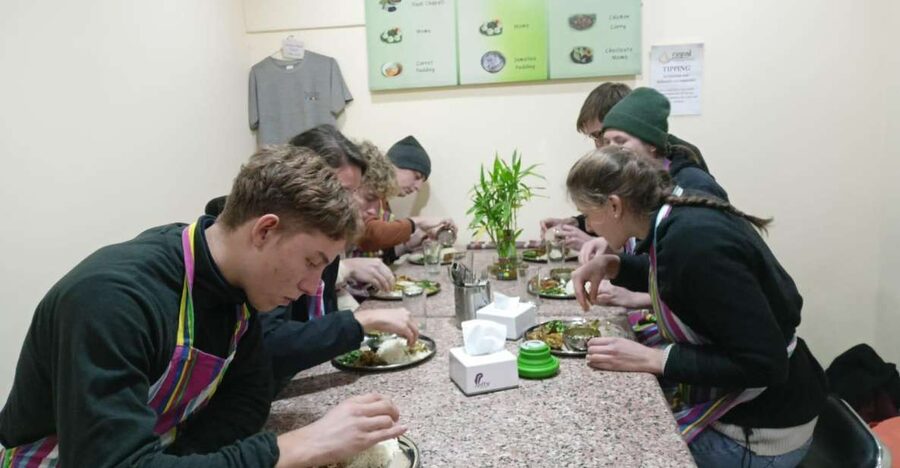
That one change in format is huge. Most classes in this price range either leave you hungry or stretch the meal across a long timeline. Here, the “cook then eat” cycle keeps you from forgetting what you just learned. It also means you taste the result while it is fresh and hot, so you can actually connect technique to flavor in real time.
It is also very interactive. You are not just repeating instructions like a robot. The instructor lets you control ingredient amounts as you go, which is especially helpful for chili and overall seasoning. If you want your dish to feel milder, you can choose that. If you want it bolder, you can make that call too.
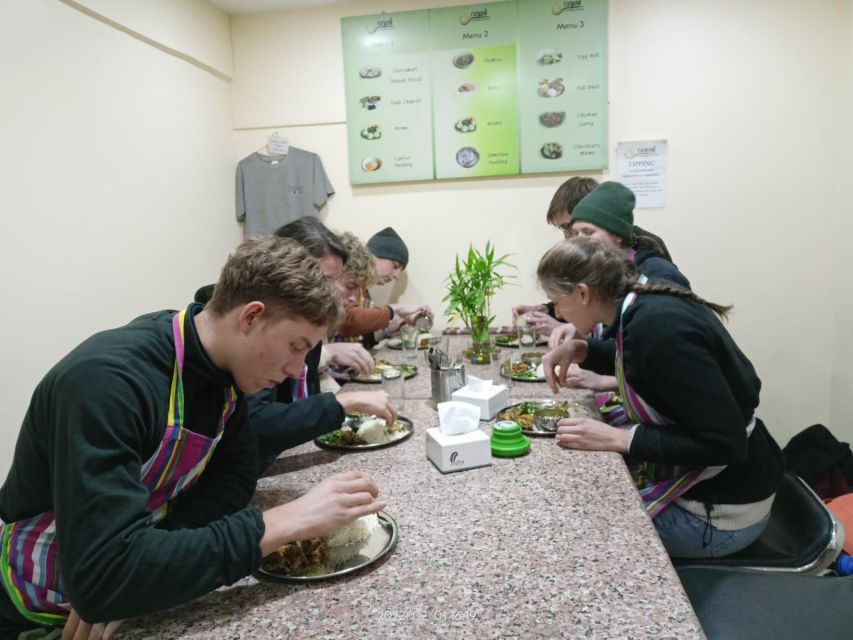
And yes, you should come hungry. The experience explicitly encourages that because you are going to cook and eat multiple courses, not just nibble at the end.
Four Courses From Traditional Nepali And Newari Menus
You cook a total of 4 courses of traditional Nepali and Newari food. The class offers three different menus, and each menu includes 4 traditional dishes. That matters because it keeps the class from feeling repetitive if you have dietary preferences, spice tolerance, or just a strong wish for a particular dish.
There is also a clear crowd-pleaser built in: you do not miss out on momos. The way it is set up, momos appear on each of the menus, so the class tries to work for people who come specifically for that.
One detail I appreciate for planning: the experience is described as allowing flexibility within the menus. For example, a solo participant reported that dishes could be swapped or adjusted inside the chosen menu. That is not something every cooking class offers. If you have a strong preference, it gives you better odds of getting a menu that fits your tastes.
Because the courses are traditional, do not expect “Western-style cooking techniques only.” You are learning Nepalese cooking through the actual process and ingredients used for these dishes. The recipes are taught by an English-speaking instructor, so you will not be left piecing things together.
Another way to spend the time in Nepal:
- Everest Base Camp Trek – 14 Days
★ 5.0 · 1,499 reviews - Everest Base Camp Trek
★ 5.0 · 842 reviews - Private Kathmandu Sightseeing Tour | UNESCO World Heritage sites
★ 5.0 · 756 reviews - Kathmandu: 7 UNESCO Sites with Lunch
★ 4.8 · 744 reviews
Spices, Techniques, And The Real Skill You Leave With
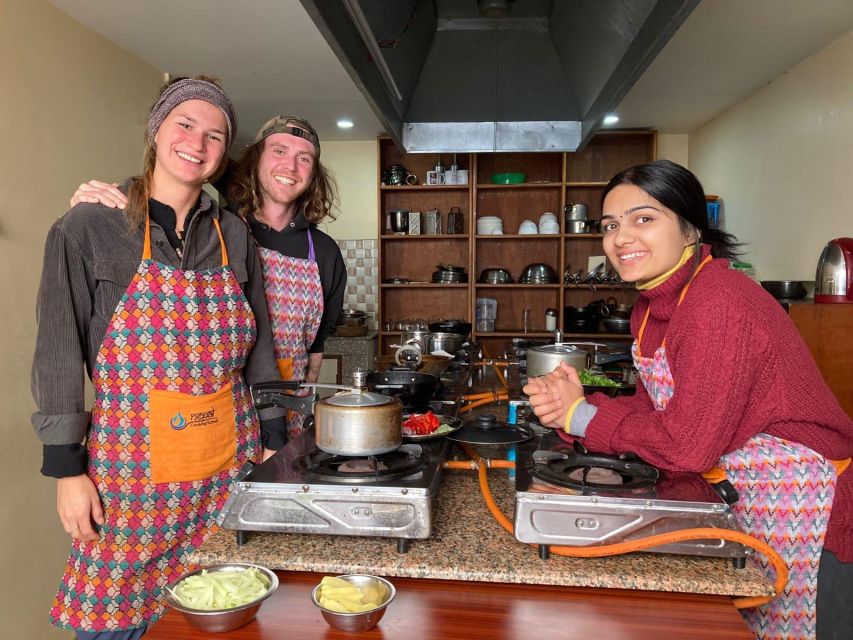
The class is not just about eating. You learn about Nepalese food, spices, and cooking techniques as you make each course. This is where the market visit connects back to the kitchen.
You will likely hear a lot about how spices are used and adjusted during cooking. That matches what the class promises, and at least one review specifically mentioned a family of cooks who grow their own spices. That kind of detail is more than interesting trivia. When cooks pay close attention to spices and where they come from, you tend to get clearer instruction on flavor choices.
The skill you take home is not memorizing exact measures for a recipe you will never cook again. It is learning how to adjust ingredients to match your preferences. The class explicitly supports that idea by letting you add as much or as little of certain ingredients as you like. When you can do that, you can recreate the dish style even when you are using different brands or substitutes at home.
Also, tasting matters. Since you taste what you just made, you learn what too much or too little seasoning does. That feedback loop is what turns a fun meal into actual technique you can use.
Price And Value: What $21 Buys In Thamel
At $21 per person for a 3-hour half-day experience, this is a pretty straightforward value equation. You get:
- A local market visit
- A small-group cooking class (limited to 8 participants)
- 4 courses you cook and eat
- An English-speaking instructor
- All equipment and ingredients
- Masala tea and drinking water
The value is strongest if you would otherwise spend money on multiple meals or a cooking class that does not include the full food portion. Four courses is not a “snack class.” It is a meal plan you create, then eat as you go.
It also gives you a practical cultural layer. You learn how Nepalese and Newari dishes are prepared, and you do it in a small group environment, which usually means more attention from the instructor. That matters because the instructor is the one explaining the steps and supporting you as you adjust ingredients.
One thing to watch: this is not a private tour, and it is not set up with private transportation. If you are far from Thamel or relying on a taxi, plan how you will reach the meeting point. The included pickup is described as within Thamel by walking, not outside the area.
Timing And Getting There Inside Thamel
This class runs at three times a day: 9:00 am, 1:30 pm, and 4:30 pm. Pick the shift that fits your Kathmandu rhythm. If you are doing other morning plans, the 9:00 am session might be a good anchor. If you prefer lighter mornings and a later food focus, go afternoon. The evening option can work if you want dinner energy without waiting until it is fully late.
Meeting logistics are simple but location-dependent. Pickup is included inside Thamel by walking, but pickup outside Thamel is not included. That means your best bet is to stay somewhere walkable in the Thamel area or to plan your own route into it.
The experience also lists a short, easy prep requirement: bring a camera. There is no other specified gear list, which usually signals a low-friction experience.
Who Should Book This Cooking Class (And Who Might Want Another Option)
This is a great fit if you want three things at once: Nepalese cooking, a hands-on approach, and a meal you actually get to eat while it is hot. I also think it fits solo travelers well. One person did the class alone and felt welcomed from the start, which lines up with the small-group cap of 8.
You should also consider it if you care about spice control. The class makes it clear you can add as much or as little of ingredients as you want, so you are not forced into a one-size-fits-all version of the dish.
It might be less ideal if you expect the market visit to be guaranteed and also your top shopping priority. One instance suggests the market stop did not happen for a specific shift, so if you are timing purchases tightly, you will want to double-check expectations with the school before you go. Also, if you are planning to buy expensive spices as souvenirs, be ready for the market pricing to be high.
Should You Book? My Practical Recommendation
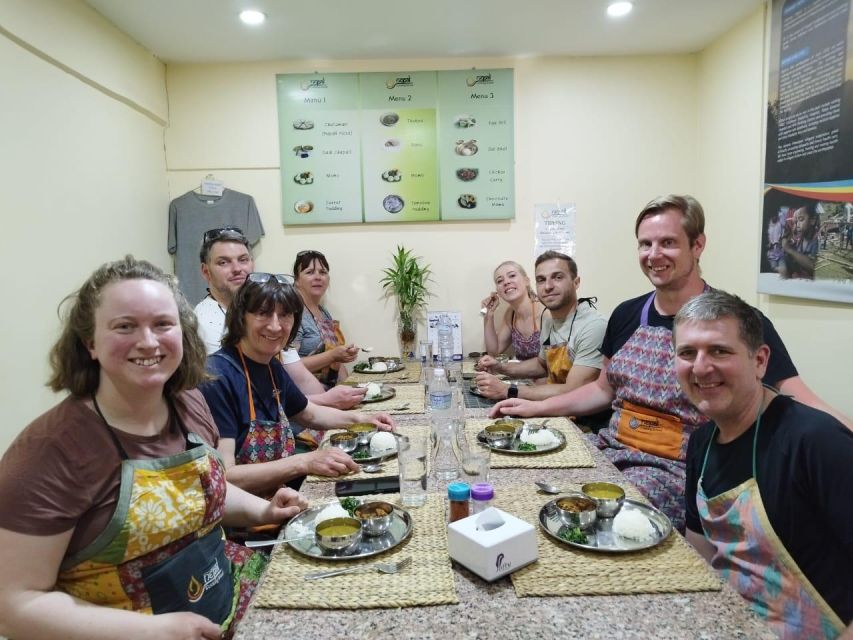
I would book this if you want a real cooking session in Kathmandu that ends with you eating what you made, in a small group, with an English-speaking instructor guiding you through spices and techniques. The “cook one course, eat it hot” structure is a big deal for value, because you get multiple tastes without wasting time.
Book it when:
- You want a hands-on meal experience, not just a class.
- You like the idea of 4 courses and learning how to adjust ingredients.
- You are staying in or near Thamel so the walk-in pickup makes sense.
Consider skipping or choosing another option if:
- Your main goal is shopping in a market and you need it to happen every time with no exceptions.
- You dislike spicy food but also want zero chance of chili creeping into dishes. Even though you can control ingredients, the cooking style is still built around Nepalese flavors.
If you fall in the first group, this is a strong way to spend a half-day in Kathmandu, learn how Nepalese and Newari food is built, and leave with a meal memory you can recreate at home in your own spice language.
FAQ
What times are the cooking classes offered?
Classes run at 9:00 am, 1:30 pm, and 4:30 pm. The total duration is listed as 3 hours, so you can plan around these start times.
What’s included in the half-day class?
You get a local market visit, a 2 to 3 hour cooking class, and you cook 4 courses of food. Equipment, ingredients, an English-speaking instructor, masala tea, drinking water, and tasting your own creations are included.
Do I really cook and eat the food during the class?
Yes. The chef teaches you step by step, and you cook one course and then eat it. That means your food is served fresh and hot.
Is there a choice of dishes or menus?
Yes. There are three different menus, and each menu offers 4 traditional dishes. Momos are included on each menu.
Is pickup provided from outside Thamel?
Pickup is included inside Thamel by walking, but pickup outside the Thamel area is not included.
Can the instructor accommodate dietary restrictions or allergies?
You should inform the cooking school about any dietary restrictions or allergies ahead of time so the instructor can suggest alternatives or make accommodations.
More Markets in Kathmandu
- Oldest Local Market Walking Tour with Living Goddess Kumari
★ 5.0 · 8 reviews - Oldest Local Market Walking Tour With Living Goddess Kumari
★ 5.0 · 8 reviews - Kathmandu Food Crawl & Market Tour
★ 5.0 · 8 reviews - Local Bazaar Walking Tour in Kathmandu with Professional Guide
★ 5.0 · 4 reviews
More Shopping Tours in Kathmandu
- Kathmandu Secret Food Crawl & Local Market Tour
★ 4.7 · 54 reviews - Kathmandu Food & Drink and Shopping Rickshaw Tour
★ 5.0 · 48 reviews - Kathmandu Food Crawl & Market Tour
★ 5.0 · 26 reviews - Best Nepali Cooking Class in Thamel with Local Market Trip
★ 5.0 · 26 reviews
Latest additions near Kathmandu
- White Water River Rafting – 1 Day★ 4.3 · 3 reviews
- Traditional Momo Making Class★ 5.0 · 10 reviews
- Kathmandu to Pokhara Premium sofa bus ticket★ 4.0 · 17 reviews
- Ghorepani Poon Hill Trek★ 5.0 · 16 reviews
- Amazing 1 Day Trekking Experience in Kathmandu Nepal★ 5.0 · 24 reviews
- Ghorepani Poonhill Trek★ 5.0 · 5 reviews
- Walking tour of real Kathmandu through back streets.★ 5.0 · 3 reviews
- Wildlife Adventure in Chitwan Nepal★ 4.0 · 4 reviews
Nepali Cooking Classes, compared.
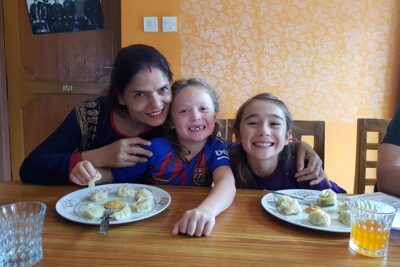
Nepalese Momos or Dal Bhat Cooking Class (Cook with Delight)
Read our review →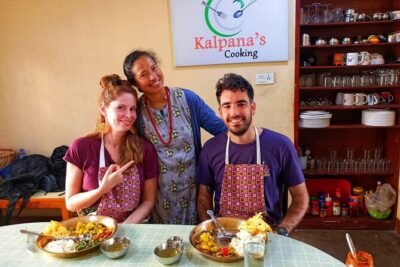
The best Private Nepali Cooking Class in Kathmandu
Read our review →
Nepalese Kitchen in Pokhara: Momos or Dal Bhat Cooking Class
Read our review →
Browse the lists this tour appears in