
Reviewed · WALKING TOURS
Oldest Local Market Walking Tour With Living Goddess Kumari
A living goddess changes how you see a market. This tour puts Kumari front and center while you walk through Ason, one of Kathmandu’s oldest local market areas. I like the mix of street-level shopping culture with a major sacred stop, and I also like how the English guide keeps the meaning clear, not vague. One thing to plan for, the Durbar Square entry fee is extra.
You’ll start near Thamel at the Chhaya Devi Complex and then head into central Kathmandu’s big historic square area. The session is short, just 2 hours, so it works best when you want a focused experience rather than a long day out.
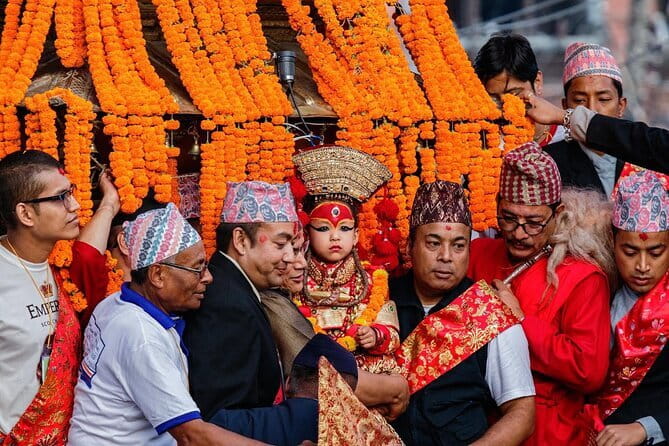
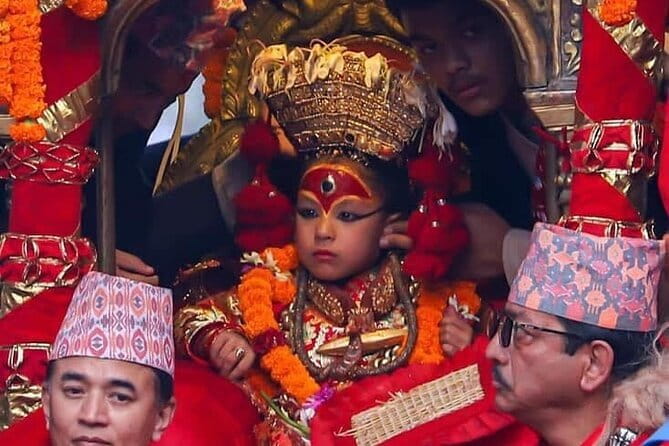
The highlight is seeing the Living Goddess Kumari associated with Taleju, a prepubescent girl viewed as a living embodiment of the goddess. She resides in the Kumari Ghar, and the role is tied to long-standing tradition and religious belief. If you’re the kind of traveler who likes your spiritual sights explained in plain language, this one feels worth it.
In This Review
- Key things that make this tour special
- Why this Living Goddess moment fits into a 2-hour walk
- Meeting at Chhaya Devi Complex in Thamel, and how to start smoothly
- Ason market streets: oldest local market energy and real shopping details
- Kathmandu Durbar Square: palaces, temples, and the meaning behind the setting
- Kumari at the Kumari Ghar: what you’re seeing and why it matters
- The English guide experience, and why communication is the real value
- Price and value: $39 plus the one extra fee that changes everything
- What you should expect during the walk, stop by stop
- Who this tour is best for, and who might feel it is not a fit
- Should you book the Oldest Local Market walking tour with Living Goddess Kumari?
- FAQ
- How long is the tour?
- Where is the meeting point?
- What is the price per person?
- What’s included in the tour?
- What is not included?
- How much is the Kathmandu Durbar Square entry fee?
- What language is the tour guide?
- Is free cancellation available?
- Is reserve and pay later available?
Key things that make this tour special
- Ason market first, sacred stop second, so you get local daily life before the big religious moment
- Kathmandu Durbar Square in the same walk, with palaces, temples, and courtyards as your backdrop
- The Kumari experience is explained, including the Taleju connection and the Kumari Ghar setting
- An English speaking guide with strong communication, including Santos in multiple past departures
- A tight 2-hour format, designed for travelers who want depth without losing the whole day
Why this Living Goddess moment fits into a 2-hour walk
Part of the magic here is how the schedule refuses to be complicated. You get a compact walking experience built around two very different Kathmandu realities: everyday trade and formal sacred space.
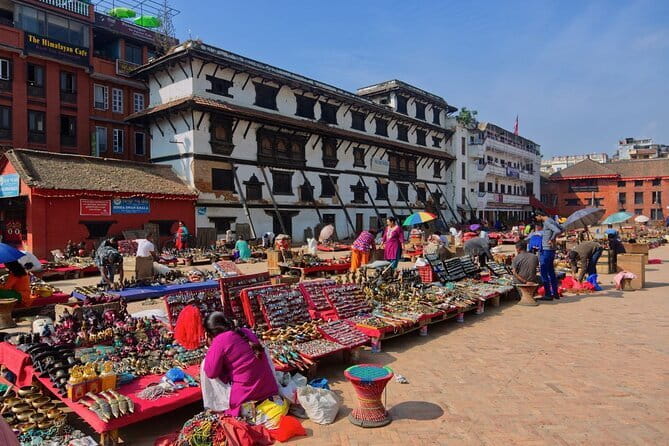
Ason is the kind of place where you immediately understand how locals move through a city, not just how it looks from a guidebook page. Then, at Kathmandu Durbar Square, you shift gears into palaces, temples, and courtyards. That contrast matters because it turns Kumari from an abstract religious idea into something you can situate in real neighborhoods and real sightlines.
The other reason I like the 2-hour format is practical. At this length, it’s easier to pair with other Kathmandu plans the same day, and you avoid the fatigue that sometimes comes with long temple marathons. You can stay present for the Kumari moment instead of checking your watch halfway through.
More Walking Tours in Kathmandu
- Kathmandu: Food and Drink Walking Tour
★ 4.9 · 292 reviews - Kathmandu Food and Drink Walking Tour
★ 5.0 · 266 reviews - Kathmandu: Food and Drink Walking Tour
★ 4.9 · 119 reviews
Meeting at Chhaya Devi Complex in Thamel, and how to start smoothly
Your meeting point is at the main gate side of the Chhaya Devi Complex in Thamel, Kathmandu. This is helpful because Thamel is a familiar base for many visitors, so you’re not hunting across town at the start of your day.
From this point, you’re set up for a walking route that stays central. That means you can think of it as a guided walk through Kathmandu’s story, not a drive that breaks the connection.
Also, you’ll have a guide in English, and you get a bottle of mineral water included. That small inclusion matters in a market setting. You can focus on the sights and let the guide do the explaining, without scrambling for basic supplies.
Ason market streets: oldest local market energy and real shopping details
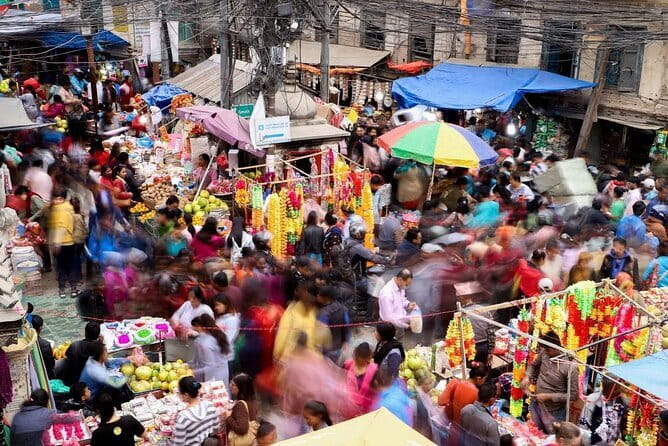
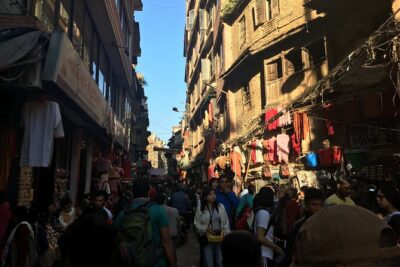
Ason is described as Kathmandu’s oldest local market area, and in practice that means you’re walking through a dense slice of how the city trades. Expect shops, stalls, and traditional architecture that helps you see the place as it functions day to day.
Here’s what you should watch for as you go. In markets like this, the products are the language. You’ll see spices, textiles, and souvenirs, and those categories tell you what people buy often, what they gift, and what the city’s visitors usually bring home. When you’re guided, you also get help reading what you see instead of just taking photos and moving on.
This is also where the tour’s structure pays off. Starting with Ason puts you in a mindset of everyday Kathmandu. Then when you reach Kathmandu Durbar Square and Kumari-related space, you’re not entering sacred sights as a separate world. You’re seeing how the sacred connects to the same city streets where regular life happens.
If you like culture that feels lived-in, not staged, this market segment is one of the best ways to ground your day fast.
Kathmandu Durbar Square: palaces, temples, and the meaning behind the setting
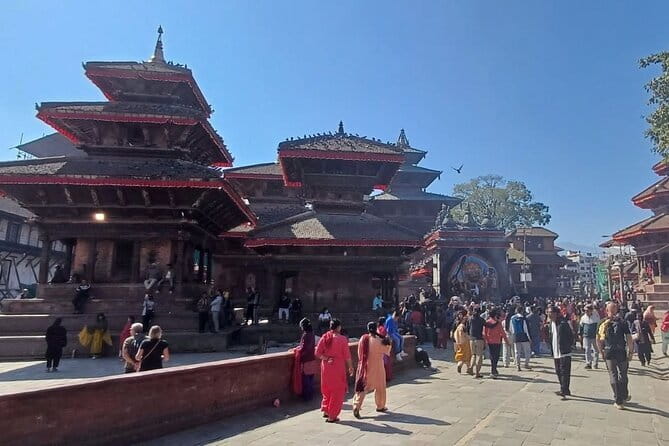
Kathmandu Durbar Square is a historic square in the heart of Kathmandu, known for cultural and architectural significance. It’s home to palaces, temples, and courtyards, which is exactly the kind of mix that makes it more than a single landmark.
The value of including Durbar Square in the same outing is simple. It gives context. Kumari is tied to deep religious tradition, but it’s not floating in isolation. You’re seeing her associated tradition within a wider sacred and ceremonial environment.
This stop also works well for photographers and quiet observers. Palaces and courtyards create layers of sightlines, so you can look up, look across, and still keep moving with the group. And because the square is built around multiple kinds of spaces, you’re not stuck staring at one wall for the whole time.
Keep in mind that Durbar Square entry fees are not included. The fee listed is 1000 Nepali Rupee. Budgeting for that in advance helps the experience stay smooth and reduces stress at the moment you’re trying to focus on the sights.
Another way to spend the time in Nepal:
- Everest Base Camp Trek – 14 Days
★ 5.0 · 1,499 reviews - Everest Base Camp Trek
★ 5.0 · 842 reviews - Private Kathmandu Sightseeing Tour | UNESCO World Heritage sites
★ 5.0 · 756 reviews - Kathmandu: 7 UNESCO Sites with Lunch
★ 4.8 · 744 reviews
Kumari at the Kumari Ghar: what you’re seeing and why it matters
The tour’s headline is the Living Goddess Kumari. In Kathmandu culture, Kumari refers to a prepubescent girl considered the living embodiment of the goddess Taleju. She resides in the Kumari Ghar, and the role is deeply rooted in tradition and religious beliefs.
That’s a lot of meaning packed into a single moment, and this is where a good guide makes the difference. The best part of this experience is not just witnessing the person, it’s understanding the framework behind why that presence is treated with reverence. When you know the Taleju connection and the Kumari Ghar context, your attention changes. You start looking at the experience as part of an ongoing religious role, not just a curious sightseeing stop.
From the strongest feedback, people leave with a vivid memory of the Kumari moment. The guide’s explanations also seem to land well, with visitors praising communication and detailed, clear explanations. So if you want your spirituality reading to be translated into straightforward language, this is the right kind of tour for that.
One practical consideration: this is a sensitive religious topic. You’ll be best served by keeping your tone calm and following whatever guidance the English-speaking guide gives you for how to behave around sacred areas. That helps everyone, including you, have a better moment.
The English guide experience, and why communication is the real value
The tour includes a well English speaking guide, and that’s not a small perk in Kathmandu. Market areas can move fast. Temples and sacred contexts can feel confusing if you don’t have someone to connect the dots.
In past departures, the guide Santos stands out for strong communication and for making the details easy to follow. That matters because Kumari-related tradition can sound dense if you’re reading a single sentence at a time. A good guide turns those sentences into a story you can actually use while you’re standing there.
You’ll also notice how guided explanation changes your pace. Instead of rushing to tick boxes, you start looking for the right things: what a place is used for, how the religious tradition is framed, and how Ason and Durbar Square fit into the broader picture of Hinduism and Buddhism the tour highlights.
So even though you might think a guided walking tour is mostly logistics, what you really pay for here is clarity. It’s the difference between seeing Kumari and understanding why people treat the experience as an honor.
Price and value: $39 plus the one extra fee that changes everything
The price is $39 per person for a 2-hour walking tour. What’s included is meaningful: the English speaking guide, government taxes and vats, and a bottle of mineral water.
To judge value, look at what you’re not buying. You’re not paying separately for guided interpretation, and you’re not paying for basic water. Those are small things, but they add up when you’re walking through busy areas.
The main cost you still need to plan for is Durbar Square entry fees. The fee listed is 1000 Nepali Rupee. That extra amount is the one budget item that can surprise people, so I recommend you treat it like part of the real trip cost, not an optional add-on.
You also won’t have meals included, so if you’re doing this earlier in the day, you’ll want to have a plan for food separately. Since the tour is only 2 hours, you’ll likely fit it into a day schedule with other stops. Just don’t assume you’ll be fed during the walk.
Overall, at $39 for an English guide plus interpretation across two major areas, this sits in a value sweet spot for travelers who want depth in a short window.
What you should expect during the walk, stop by stop
The experience is built around a straightforward flow. You start at the Chhaya Devi Complex main gate in Thamel, then you move into the Durbar Square area where the guided content concentrates.
While you’re there, the tour focuses on three main themes: the oldest market atmosphere around Ason, the Kathmandu Durbar Square setting, and witnessing the Living Goddess Kumari. The tour also explicitly frames the experience in terms of Hinduism and Buddhism, which helps you understand the spiritual landscape without turning it into a lecture.
Here’s the best way to think about timing. With only 2 hours, you should expect a guided path rather than free roaming. If you want to linger for shopping or to take lots of detours, you’ll probably feel rushed. If you want a clear, guided, high-impact experience, the short duration is a feature, not a flaw.
And because bottled mineral water is included, you can stay comfortable enough to keep your attention on the sights, rather than on small logistics.
Who this tour is best for, and who might feel it is not a fit
This tour is a great match for you if you want:
- A short, structured Kathmandu experience that still includes a major cultural and religious highlight
- A guided explanation of Kumari and the Taleju connection
- A pairing of street-level market life with a central sacred square
It may be less ideal if you want long time to wander without guidance, or if you’re mainly looking for food, shopping browsing, or museum-style time. The tour is designed to be focused, not sprawling.
It also suits travelers who care about respectful context. Because Kumari is tied to tradition and religious belief, having an English-speaking guide who can frame what you’re seeing helps you participate in the moment in a thoughtful way.
If you’re doing Kathmandu for the first time and you’re trying to decide what to prioritize, this has a strong “high meaning per hour” feel.
Should you book the Oldest Local Market walking tour with Living Goddess Kumari?
If you’re curious about Kumari and you don’t want to treat it like a random stop, I think you should book this. The combination of Ason market culture, Kathmandu Durbar Square context, and an English guide explaining the Kumari tradition is exactly the kind of smart value mix that makes a short tour feel more complete.
Book it if your priority is clarity and cultural respect, not long free time. Budget for the Kathmandu Durbar Square entry fee of 1000 Nepali Rupee so there are no last-minute surprises. If that extra fee and a focused 2-hour pace work for you, this tour is an easy yes.
FAQ
How long is the tour?
The tour lasts 2 hours.
Where is the meeting point?
You meet at the main gate side of the Chhaya Devi Complex at Thamel, Kathmandu.
What is the price per person?
The price is $39 per person.
What’s included in the tour?
It includes an English speaking tour guide, government taxes and vats, and a bottle of mineral water.
What is not included?
Meals and beverages are not included, and Kathmandu Durbar Square entry fees are not included. Personal expenses are also not included.
How much is the Kathmandu Durbar Square entry fee?
The Kathmandu Durbar Square entry fee listed is 1000 Nepali Rupee.
What language is the tour guide?
The tour guide speaks English.
Is free cancellation available?
Yes. You can cancel up to 24 hours in advance for a full refund.
Is reserve and pay later available?
Yes. You can reserve now and pay later, keeping your travel plans flexible.
More Markets in Kathmandu
- Oldest Local Market Walking Tour with Living Goddess Kumari
★ 5.0 · 8 reviews - Kathmandu Food Crawl & Market Tour
★ 5.0 · 8 reviews - Half Day Cooking Class in Thamel with Local Market Visit
★ 4.5 · 6 reviews - Local Bazaar Walking Tour in Kathmandu with Professional Guide
★ 5.0 · 4 reviews
More Shopping Tours in Kathmandu
- Kathmandu Secret Food Crawl & Local Market Tour
★ 4.7 · 54 reviews - Kathmandu Food & Drink and Shopping Rickshaw Tour
★ 5.0 · 48 reviews - Best Nepali Cooking Class in Thamel with Local Market Trip
★ 5.0 · 26 reviews - Kathmandu Food Crawl & Market Tour
★ 5.0 · 26 reviews
Latest additions near Kathmandu
- White Water River Rafting – 1 Day★ 4.3 · 3 reviews
- Traditional Momo Making Class★ 5.0 · 10 reviews
- Kathmandu to Pokhara Premium sofa bus ticket★ 4.0 · 17 reviews
- Ghorepani Poon Hill Trek★ 5.0 · 16 reviews
- Amazing 1 Day Trekking Experience in Kathmandu Nepal★ 5.0 · 24 reviews
- Ghorepani Poonhill Trek★ 5.0 · 5 reviews
- Walking tour of real Kathmandu through back streets.★ 5.0 · 3 reviews
- Wildlife Adventure in Chitwan Nepal★ 4.0 · 4 reviews
Walking Tours, compared.

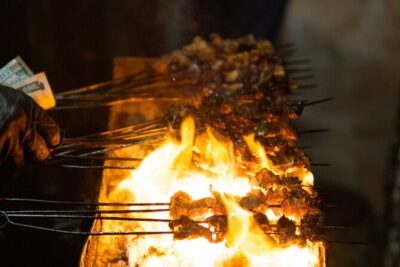
Walking Food Tour in Hidden Local Eateries of Kathmandu
Read our review →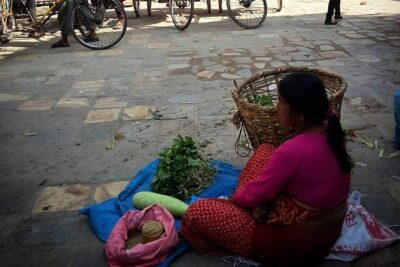
Old Kathmandu Walking Tour, Historic World Heritage Durbar Square
Read our review →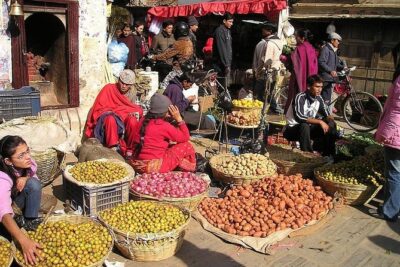
Browse the lists this tour appears in