Reviewed · KATHMANDU TOURS
Guided Everest expedition 2024- Nepal side
Everest planning starts with small-town logistics. What makes this Nepal-side program special is how it builds you up step by step, from Kathmandu prep to Everest base camp climbing support. I especially like the included 4 nights in a 5-star Kathmandu hotel before you head to higher ground, and the way the climbing portion comes with practical gear like fixed ropes, main rope access, and oxygen setup.
The price is steep, and the climbing costs do not end at checkout. You should factor in extra items like the guide summit bonus, base camp staff tips, and the fact that personal insurance and emergency helicopter coverage are not included. The big consideration is that you must be ready for a long, physically demanding timeline, plus extra out-of-pocket fees once you are on the mountain.
In This Review
- Key highlights before you read more
- Nepal-side Everest: what you are really signing up for
- Kathmandu prep: 4 nights of hotel comfort and expedition briefings
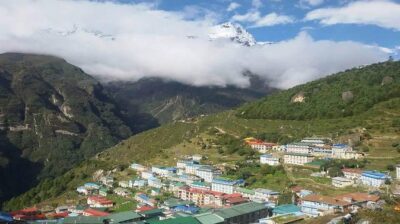
- The Lukla flight and the trek to Phakding and Namche
- Acclimatization stops: Namche, Thyangboche, Pheriche, and Lobuche
- Everest base camp support: ropes, oxygen, kitchen help, and camp facilities
- The 55-day climb window: what “climbing Everest” means operationally
- Kalapathar sunset and Sagarmatha National Park vibes
- Price and Logistics: what $42,000 covers, and what to plan for
- Who this Everest expedition is best for
- Should you book this Everest expedition for Everest 2024 Nepal side?
- FAQ
- Where does the Everest expedition start?
- How long is the guided Everest expedition?
- What is the price per person?
- Is pickup offered in Kathmandu?
- What is included for the trek to Everest base camp?
- Does the package include oxygen?
- What climbing and rope support is included?
- What permits are included?
- What is not included in the cost?
- What is the cancellation policy?
Key highlights before you read more
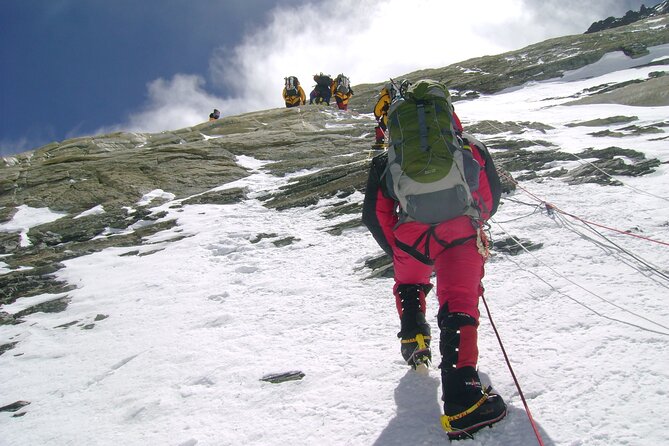
- Permit and route coverage for Nepal’s South side up to the summit
- Kathmandu-to-Lukla flights with 50 kg cargo included
- Full-board lodge trek through the main acclimatization stops
- Oxygen supply, regulators, and support for above-base-camp climbing
- Base camp comfort built in: dining, shower, toilet tent, and your own tent
- A long guided climbing window in the spring season (April to late May)
Nepal-side Everest: what you are really signing up for
This is a serious Everest expedition, not a “see the mountain from far away” trip. The schedule is built around altitude, with a trekking phase that climbs from Kathmandu’s valley level up to Everest base camp, then a long on-mountain period focused on the summit attempt window. If you are looking for a guided plan that handles permits, logistics, and climbing support, this type of itinerary is exactly that.
You will also be spending a lot of days in the Khumbu region rhythms: lodge stays, short hiking or acclimatization days, and then longer pushes between towns. That matters because Everest is as much about pacing as it is about ambition. Your success comes from handling fatigue, sleep, food, and altitude the way your guide and Sherpa team advise.
A few more Kathmandu routes to compare
- Kathmandu: Private City Guided Tour
★ 4.9 · 174 reviews - Full Day Guided Tour in Kathmandu
★ 5.0 · 61 reviews - Kathmandu Guided Tour
★ 5.0 · 59 reviews
Kathmandu prep: 4 nights of hotel comfort and expedition briefings
You start in Kathmandu, with an arrival day that includes a transfer to your hotel. Then you get two focused prep days at the hotel: expedition preparation and a briefing session in the tourism department. Having those days in the same place is useful because it reduces stress, lets you organize gear, and gives you time to get your body into a pre-trek routine.
What I like here is the value of included lodging. Four nights in a 5-star hotel with bed and breakfast gives you a real reset before the mountain takes over your schedule. You might find the comfort helpful if you need to recover from travel, handle paperwork calmly, or prepare mentally for the next phase.
One note: breakfast is included, but lunch and dinner in Kathmandu are not. So budget for some meals off-menu in the city. Also, your personal climbing gear is not included, so you will want to make sure you have it sorted during your Kathmandu days, not on the first day you land in Lukla.
The Lukla flight and the trek to Phakding and Namche
Day 4 is where the expedition truly begins. You fly from Kathmandu to Lukla, then trek to Phakding by lodge. Day 5 follows with Phakding to Namche Bazaar (3,440 m), also by lodge. This is classic Everest-route terrain: long stair-like climbs, breathing that feels heavier, and a steady rhythm you learn quickly.
The flight part is a big practical advantage. The package includes Kathmandu to Lukla and back, and it covers 50 kg cargo per climber. That means you are not trying to cram everything into carry-ons while also planning for oxygen, cooking equipment support, and your own climbing kit.
Why these early trek days matter: they help you start moving before the high camps. They also put you in the real social fabric of the route, where Sherpa culture and local traditions are part of the everyday experience. If you take the first trekking days slowly and eat well, you set yourself up for a smoother acclimatization stretch.
Acclimatization stops: Namche, Thyangboche, Pheriche, and Lobuche
Day 6 is an acclimatization day with a day hiking plan from Namche Bazaar. Day 7 moves you to Thyangboche (3,800 m), Day 8 to Pheriche (4,243 m), and Day 9 to Lobuche (4,930 m). Day 10 then brings you up to Everest base camp (5,360 m) by camp.
This sequence is where you earn your altitude gains. Each move is a little higher, each overnight gives your body another chance to adapt, and each acclimatization day reduces the odds of you rushing too hard. The drawback is obvious: you spend multiple days above 3,000 m, and the work never turns off.
Still, the logistics are handled for you. Trekking nights are in lodge until base camp, which typically means more stable routines for meals and rest than tent life. And your plan includes full board during the trek phase, so you are not constantly negotiating food options while you should be focusing on rest and hydration.
Another way to spend the time in Nepal:
- Everest Base Camp Trek – 14 Days
★ 5.0 · 1,499 reviews - Everest Base Camp Trek
★ 5.0 · 842 reviews - Private Kathmandu Sightseeing Tour | UNESCO World Heritage sites
★ 5.0 · 756 reviews - Kathmandu: 7 UNESCO Sites with Lunch
★ 4.8 · 744 reviews
Everest base camp support: ropes, oxygen, kitchen help, and camp facilities
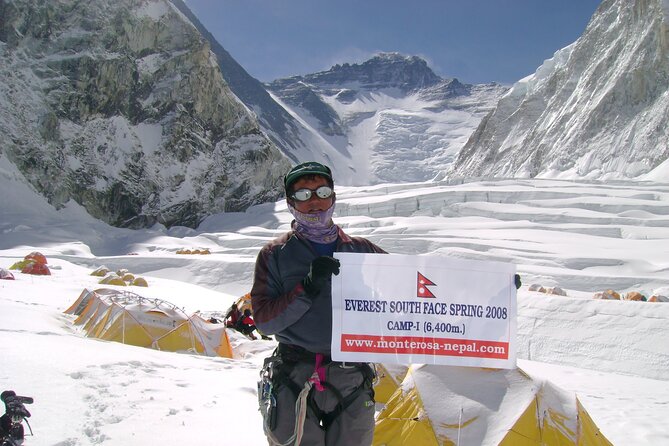
Day 10 lands you at Everest base camp, where the plan is not just “arrive and hope.” The package includes a long list of climbing support elements that make base camp function like a working hub.
Key items include 6 oxygen bottles (20 liters) with mask and regulator, plus high food, cooking pot, gas, and stove above base camp. It also includes your own north face tent (or similar) at base camp, along with camp amenities like dining, shower, store tent, toilet tent, and table and chair. This is one of the most valuable parts of the package because it reduces the number of moving parts you have to manage yourself.
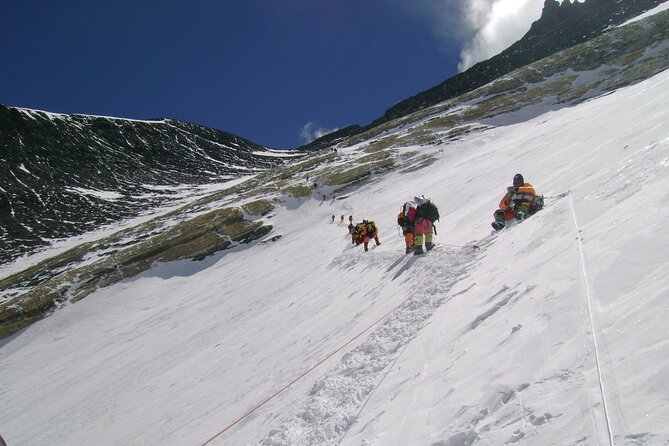
On the climbing side, you get icefall charges, fixed rope, and main rope climbing access. That matters because rope systems and route setup are where you want experienced handling, not guesswork.
One more practical point: you have a climbing Sherpa guide assigned for one climber to one guide, with a team described as experienced Sherpa support. In the Himalayan context, that level of guidance is often the difference between staying calm and staying efficient when weather, fatigue, and altitude all pile up at once.
The 55-day climb window: what “climbing Everest” means operationally
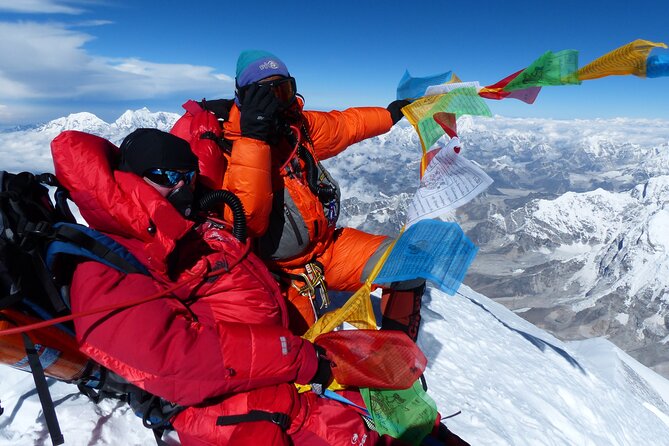
The plan states Day 11 through Day 55 as a climbing period targeting Mount Everest (8,848 m). The dates span late April into late May, and the expedition’s value is in how the schedule grants you time on the mountain rather than squeezing everything into a short, high-risk burst.
You should expect that during this long block, your day-to-day rhythm will be driven by safety, weather windows, and acclimatization needs set by your guide and Sherpa team. The itinerary does not list each camp rotation in minute detail, but the presence of oxygen support, cooking equipment above base camp, and rope access signals that the program is designed for repeated attempts or staged movement rather than one single push.
This is also where the included support becomes a quality-of-life factor. When you have gas, stove, cooking pot, and high food handled, you can focus on staying warm, eating what you can tolerate, and keeping your energy steady. If you are prone to getting cold or losing appetite at altitude, that kind of structure helps.
Kalapathar sunset and Sagarmatha National Park vibes
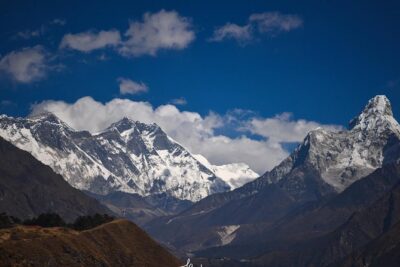
The overview mentions a breathtaking sunset view from Kalapathar and the chance to explore Sagarmatha National Park with its biodiversity. Even if you do not think about it at first, these are the “why it’s worth it” moments.
Kalapathar is a late-day tradition on this route because the light and the clear air can make Everest look almost unreal. You only get that kind of view if you stay disciplined and if you time the trek so you are positioned for it. The good news is that the itinerary includes the post-climb trek back down through the main towns, which naturally lines up with these classic viewpoint opportunities.
And because you are moving through the Khumbu region, you also experience the broader environment around Everest. That means more than just summit talk, it means learning how high-altitude life and ecosystems coexist in a harsh, beautiful place.
Price and Logistics: what $42,000 covers, and what to plan for
Let’s talk value, because Everest pricing can be confusing fast.
Included highlights:
- $42,000 per person buys you a lot of core expedition items, including permits for Everest 8,848 m South side up to the top
- Kathmandu to Lukla and back flights, including 50 kg cargo
- Trekking support with full board lodge from Lukla through Everest base camp
- 1 climber to 1 climbing Sherpa guide (Everest Summiteers is listed as part of the climbing support arrangement)
- 6 oxygen bottles (20 liters) with mask and regulator
- Above-base-camp climbing kitchen support: high food, cooking pot, gas, and stove
- Camp setup at Everest base camp: your tent plus dining, shower, store, and toilet tent
- Rope and access items: icefall charges, fixed rope, and main rope climbing
Not included highlights:
- Lunch and dinner in Kathmandu
- Personal climbing gear
- Life and medical insurance
- Emergency evacuation by helicopter
- Bar and beverage bills during the expedition
- Personal expenses
- Summit bonus for the guide: USD 1,800
- Base camp staff tips: USD 200 per climber
- Helicopter charter flights if required
So is it “worth it”? For the kind of expedition that includes permits, flights, oxygen, base camp infrastructure, and rope access, the package pricing can make sense if you are comparing it to piecing together all those services on your own. The part to watch is that the trip budget does not end at $42,000. You must be realistic about the added guide bonus, staff tips, insurance, and any emergency needs.
A smart move for your budget is to treat the summit bonus and base camp tips as part of the expedition cost of doing business. Also plan for gear purchases or rentals well before you arrive in Nepal, since the package expects you to show up equipped.
Who this Everest expedition is best for
This trip is for people with strong physical fitness, and it is structured for climbers who want guided, managed support at every major stage. If you want to focus on climbing and acclimatization without personally coordinating permits, flight logistics, camp setup, and oxygen distribution, this format fits well.
It also suits you if you appreciate clear group structure. The program allows a maximum of 15 travelers, which suggests you are not stepping into a huge moving crowd, but you still get group-scale expedition organization.
If you are the type who needs a lot of comfort before and after the mountain, the Kathmandu hotel component and the base camp facilities are a real plus. If you prefer a fully DIY approach, you may find the package too structured, especially given that personal gear and insurance remain your responsibility.
Should you book this Everest expedition for Everest 2024 Nepal side?
I’d book only if you meet three conditions.
First, you take conditioning seriously. The itinerary climbs from 3,440 m up through base camp at 5,360 m, then you spend a long period in the Everest climbing phase, targeting 8,848 m.
Second, you are ready for the full budget, not just the headline figure. Summit bonus and base camp staff tips are not included, and insurance and emergency helicopter evacuation coverage are your responsibility.
Third, you want real logistics support. The included oxygen supply, rope access, base camp facilities, cooking and stove support above base camp, and the one-to-one Sherpa climbing guidance are the kind of ingredients that make a high-altitude plan more workable.
If you tick those boxes, this Everest expedition looks like a practical, well-supported way to aim for the summit on the Nepal side.
FAQ
Where does the Everest expedition start?
The start point is Tribhuvan Airport, Kathmandu, Nepal.
How long is the guided Everest expedition?
The duration is about 60 days.
What is the price per person?
The price is $42,000.00 per person.
Is pickup offered in Kathmandu?
Yes, pickup is offered.
What is included for the trek to Everest base camp?
The trek includes Lukla, Namche, and Everest base camp with full board in lodge (and camp at Everest base camp).
Does the package include oxygen?
Yes. It includes 6 bottles of oxygen (20 liters) with a mask and regulator.
What climbing and rope support is included?
The package includes icefall charges, fixed rope, and main rope climbing for the Everest climb.
What permits are included?
It includes climbing permit for Everest 8,848 m South side up to the top.
What is not included in the cost?
Not included items are lunch and dinner in Kathmandu, personal climbing gear, life and medical insurance, emergency evacuation by helicopter, bar and beverage bills, personal expenses, the summit bonus for the guide (USD 1,800), and BC staff tips (USD 200 per climber). Helicopter charter flights are also not included if required.
What is the cancellation policy?
You can cancel for a full refund if you cancel at least 24 hours in advance of the experience start time. If you cancel less than 24 hours before, the amount paid is not refunded.
Latest additions near Kathmandu
- White Water River Rafting – 1 Day★ 4.3 · 3 reviews
- Traditional Momo Making Class★ 5.0 · 10 reviews
- Kathmandu to Pokhara Premium sofa bus ticket★ 4.0 · 17 reviews
- Ghorepani Poon Hill Trek★ 5.0 · 16 reviews
- Amazing 1 Day Trekking Experience in Kathmandu Nepal★ 5.0 · 24 reviews
- Ghorepani Poonhill Trek★ 5.0 · 5 reviews
- Walking tour of real Kathmandu through back streets.★ 5.0 · 3 reviews
- Wildlife Adventure in Chitwan Nepal★ 4.0 · 4 reviews
Kathmandu Tours, compared.
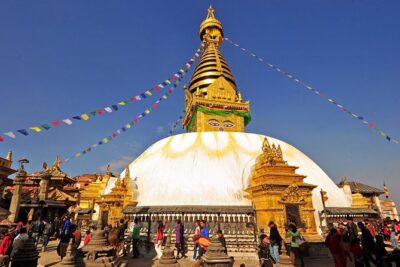
Private Kathmandu Sightseeing Tour | UNESCO World Heritage sites
Read our review →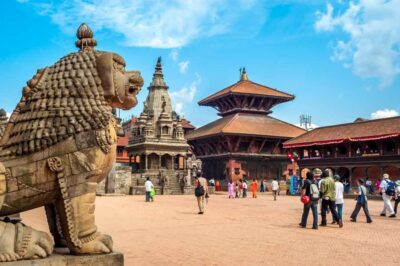
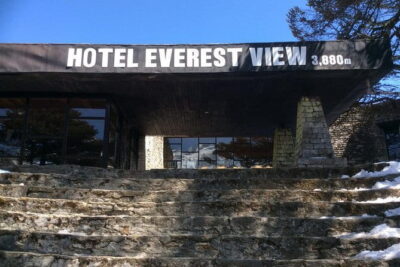
Everest Base Camp Helicopter Tour landing at Everest View Hotel
Read our review →