
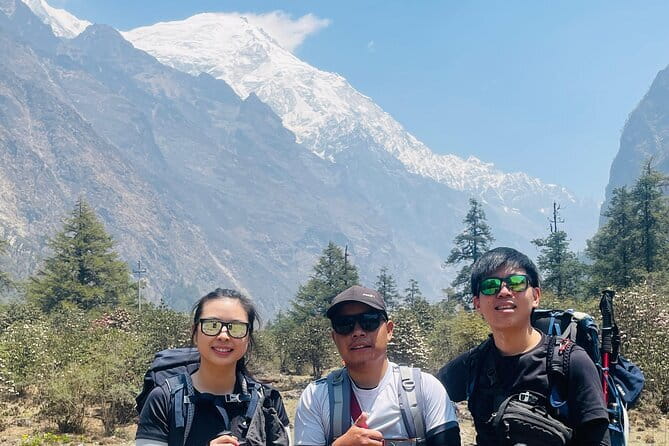
Reviewed · LANGTANG VALLEY TREKS
Explore The Beauty Of Langtang Valley In 8-Days Trek
Langtang Valley is the kind of trek that slows you down in the best way. This Langtang Valley itinerary is built for a comfortable rhythm, with flexible breaks for photos and breakfast along the route, plus solid teahouse time at the end of each day. I also like that it’s organized around best teahouses along the trekking route, not just basic “get by” lodging.
The support here is another big plus. Your trip is guided in person in English, and the company’s care shows up in how they work, with coordinators like Sorbit and guides such as Garap highlighted for custom help and steady, patient pacing. One consideration: it is still a real mountain trek, with trekking days often around 5 to 6 hours and altitude in the mix, so you need to take the beginner advice seriously and go at your own pace.
In This Review
- Key Things That Make This 8-Day Langtang Trek Worth It
- Langtang Valley, Up Close: What You’re Really Trekking Through
- Day 1 to Day 2: Kathmandu to Syabrubesi, Then Into the Trek Rhythm
- Day 3 to Day 4: Forests, Meadows, Langtang Village, Then Kyanjin Gompa
- Day 5: Kyanjin Gompa Morning, Then Optional Tserko Ri
- Day 6 to Day 7: The Return Down the Valley (Usually the Best Kind of Long Day)
- Day 8: Syabrubesi Back to Kathmandu, Where the Trek Finally Drops Into Real Life
- The Real Value Behind the $270 Price Tag
- Guides, Care, and Why Names Matter Here
- What You Should Expect from Each Day’s Pace
- Teahouses and Food: Comfort Without Fancy Promises
- Who This Trek Fits Best
- Should You Book This Langtang Valley 8-Day Trek?
- FAQ
- How long is the Langtang Valley trek in this experience?
- What is the total price per person?
- Are meals and teahouse accommodation included?
- Is pickup and drop-off provided in Kathmandu?
- Do I need to hike Tserko Ri, or is it optional?
- How many trekkers will the guide support at one time?
Key Things That Make This 8-Day Langtang Trek Worth It
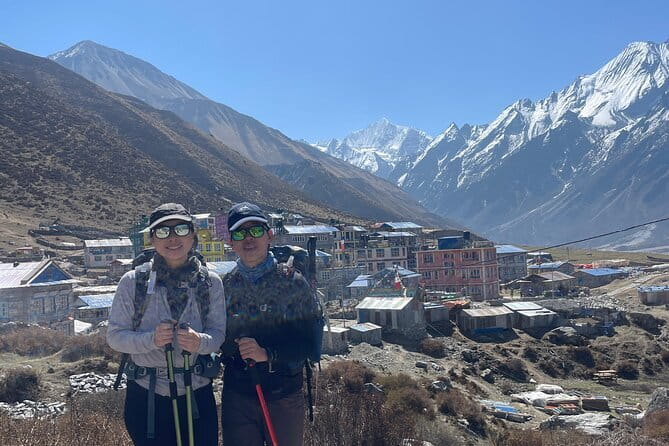
- Teahouse comfort included, with accommodation specifically arranged along the route
- Meals are part of the plan, including lunch, dinner, and breakfast at set points each day
- English in-person guidance, with a licensed trekking guide and group sizing up to 5 trekkers
- Good acclimation pacing, and an explicit recommendation for beginners to walk slowly and let your body adjust
- Iconic viewpoints without pressure, since Tserko Ri is optional at a higher altitude
- Culture built in, including a special cultural show and a farewell dinner program
Langtang Valley, Up Close: What You’re Really Trekking Through
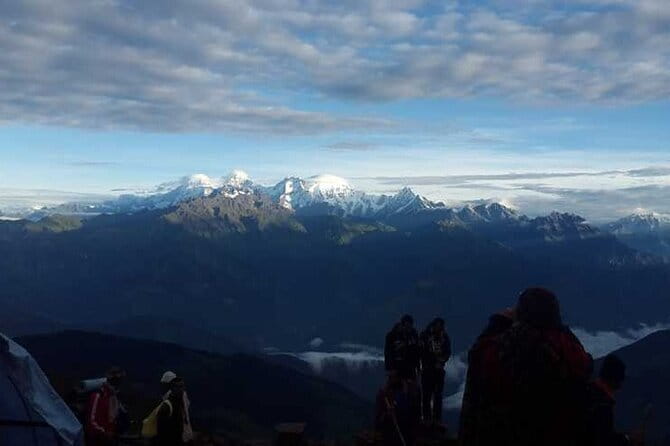
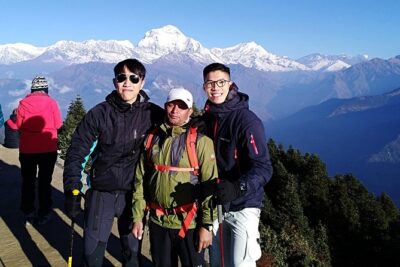
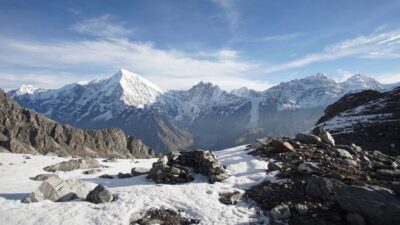
Langtang Valley sits in that classic Himalayan zone where the trail keeps changing as the weather and altitude change. You start from Syabrubesi, then you climb through forests and meadowy stretches, and eventually you reach the higher settlement area around Kyanjin Gompa. The route is not just about reaching a view, it’s about how the valley’s scenery shifts day by day.
What I find smart in this kind of trek setup is the pacing choices. You’re not sent sprinting through the mountains, and the plan builds in regular breaks and refreshments so you can actually enjoy the scenery instead of just surviving it. That matters most if you are doing your first higher-altitude trek, or if you have a slower natural trekking style.
You’ll also notice that the itinerary is flexible. It’s described as workable for beginners and experienced trekkers, which usually means the guide is prepared to adjust your pace, not force one uniform marching rhythm.
More Treks in Kathmandu
- Everest Base Camp Trek – 14 Days
★ 5.0 · 1,499 reviews - Everest Base Camp Trek
★ 5.0 · 842 reviews - Everest Base Camp Trekking
★ 5.0 · 485 reviews
Day 1 to Day 2: Kathmandu to Syabrubesi, Then Into the Trek Rhythm
Day 1 is mostly about getting positioned. You meet the Bold Himalaya team and then ride to Syabrubesi by shared jeep, about a 6-hour drive. This is a long day, but it also gives you your first proper look at how Nepal’s valleys and villages thread together, with rivers, waterfalls, and mountain views along the way.
If you’re the type who hates rushed logistics, you’ll probably appreciate the fact that pickup and drop-off in Kathmandu is included. The meeting point is tied to Tribhuvan International Airport and the Ring Road area, and that can make the start simpler when you’re arriving from overseas.
Day 2 is when the trek kicks in. After breakfast, you hike from Syabrubesi up to Lama Hotel at 2,380m, around 5.5 hours. This day is about early gains and learning the rhythm of walking on mountain trails. You’ll cross suspension bridges over the Bhote Koshi and Langtang areas, and those bridges add a real sense of movement and momentum, plus great quick photo stops when the weather behaves.
Practical note: suspension bridges can be wobbly and windy. If you get nervous on heights, keep your breathing steady, look at the next step, and remember the guide will be pacing the group.
Day 3 to Day 4: Forests, Meadows, Langtang Village, Then Kyanjin Gompa
On Day 3, the hike goes from Lama Hotel to Langtang Village at 3,430m, about 6 hours. Expect a trail that climbs through forests and meadows, which is a nice mix on a trek this length. These are the days where you can start noticing how the air feels different, and how your body handles steady effort.
Day 3 is also a good day for pacing practice. If you’re following the beginner advice, this is where slow and consistent beats fast. You’re climbing, so your goal is to keep the effort smooth, not spike it. The included breaks and refreshment stops are useful here because they let you reset without falling behind your group too much.
Day 4 climbs again, from Langtang Village to Kyanjin Gompa at 3,870m, around 4.5 hours. Even though it’s shorter than Day 3, it’s still meaningful altitude gain. The day is described as scenic and view-focused, which is exactly what you want before your higher-altitude options.
Kyanjin Gompa is the kind of place where the trek suddenly feels more “alpine” than “valley.” You’ll likely spend time soaking in the views and the high-mountain atmosphere, not just checking a box. Teahouses here matter too, because you want a warm, comfortable place after your hike, not another night of improvising.
Day 5: Kyanjin Gompa Morning, Then Optional Tserko Ri
Day 5 is a split personality day. You start with exploring Kyanjin Gompa and then you have the option of climbing to Tserko Ri at 4,984m. The trek to Tserko Ri is listed as optional and for the adventurous, and it takes about 7 hours.
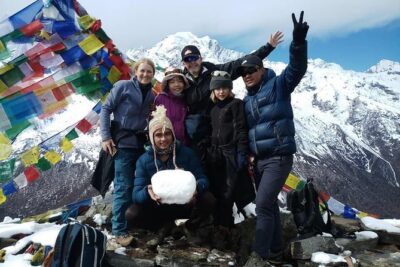
If you do Tserko Ri, you’re going for the big reward: a 360-degree view of the Himalayas. This is one of those choices that feels tempting even when conditions might not be perfect. If you’re sensitive to altitude, you’ll want to listen to your guide and take the day seriously. The plan does include an option, which is good, because it means you can still have a memorable Day 5 even if you skip the higher push.
If you skip Tserko Ri, you still have a full day component in Kyanjin Gompa, and that can be a real win. You’ll get more time to rest, hydrate, and enjoy the village atmosphere without spending extra hours above your comfort zone.
More Langtang Valley treks:
- Langtang Valley Trek
★ 5.0 · 140 reviews - Langtang Valley Trek
★ 5.0 · 61 reviews - 8 Days Tour in Langtang Valley Trek
★ 5.0 · 45 reviews - Private 8 – Day Langtang Trekking
★ 5.0 · 29 reviews
Day 6 to Day 7: The Return Down the Valley (Usually the Best Kind of Long Day)
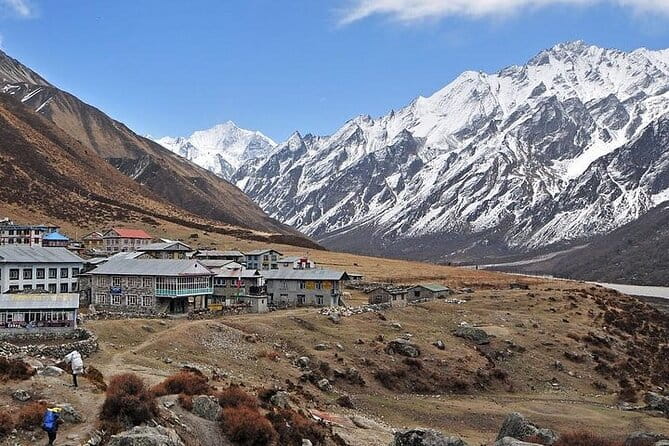
Day 6 hikes back from Kyanjin Gompa to Lama Hotel at 2,380m, about 6 hours. This is retracing your path, but it often feels different because you’re heading downward. The trail can be easier on your lungs, but harder on your knees, so it’s worth using trekking poles if you have them and going slow on descents.
This is also where the “value” of included teahouse stops shows up. You have predictable lodging at the end of the day, and meal planning is handled. That matters on a return day, when you might otherwise be tempted to grab whatever you find and rush the evening.
Day 7 continues the descent, from Lama Hotel to Syabrubesi, about 5 hours. The route is described through lush green forests and rolling hills, with the soothing sounds of rivers. That sensory shift is real. After a few days of higher air and heavier trekking effort, hearing water again and walking through greener corridors can feel like a reset.
Day 8: Syabrubesi Back to Kathmandu, Where the Trek Finally Drops Into Real Life
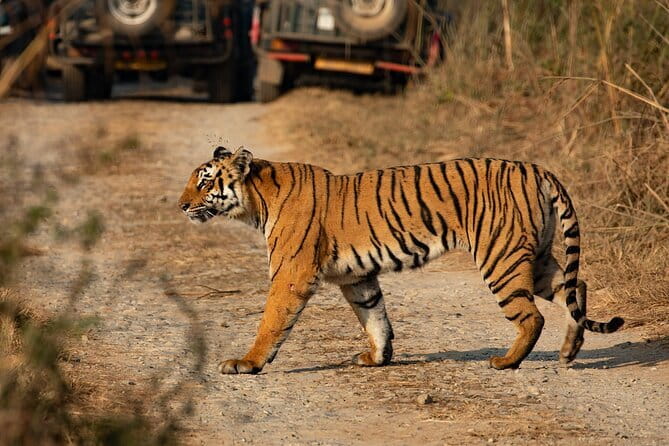
Day 8 is the payoff day for everyone who wants the mountains without an overly complicated end. You drive back to Kathmandu, about 6 hours, with scenic views of mountains and charming towns along the way. You’ll reflect on what you saw, eat something you don’t have to think about, and move from trekking pace back into normal traffic pace.
This is also where pickup and drop-off matter again. The experience is structured to bring you back to Kathmandu smoothly, instead of leaving you to solve last-mile transportation after your last big day in the hills.
The Real Value Behind the $270 Price Tag
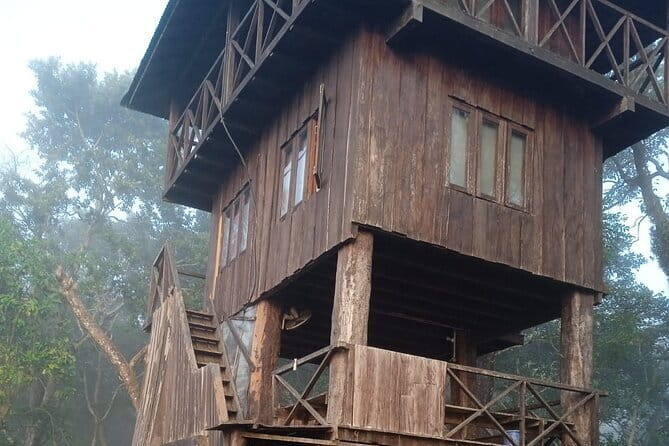
The advertised price is $270 per person for an 8-day trek format, and the best way to think about value is what you get bundled in.
You’re not just paying for a route. You’re paying for:
- Guiding support, including salary and lodging and insurance coverage for the guide
- Meals during the trek, including lunch and dinner and breakfast totals set across the itinerary
- Teahouse accommodation, arranged along the route
- Kathmandu pickup and drop-off, which can be a hidden cost on treks
- A cultural show and farewell dinner, which turns the end of your trek into a proper memory instead of a quiet check-out
That’s a lot of “stuff” to carry as responsibility on your own. Even if you have trekking experience, most people find it easier to focus on walking, hydration, and acclimation when meal planning and lodging are taken care of.
Not included is also clearly stated: bar bills and personal expenses. Translation: you’ll still want spending money for extras, but your core trek needs are handled.
Guides, Care, and Why Names Matter Here
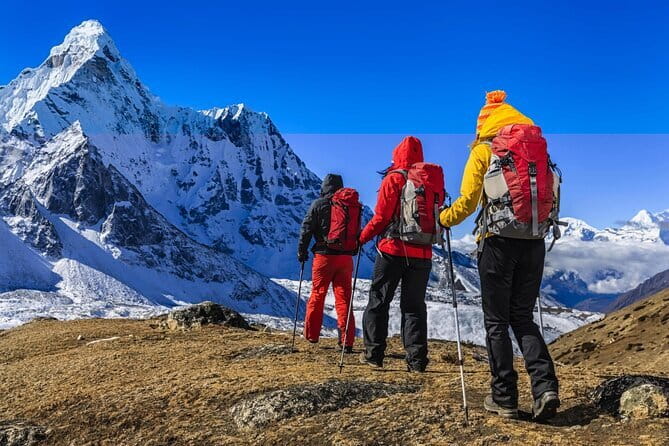
One reason I pay attention to guide stories is simple. On a trek, a good guide reduces stress in ways you cannot measure until you need it.
Bold Himalaya’s team support is highlighted through past experiences involving Sorbit and guides like Garap, described as responsive, warm, and tuned to individual needs. In one example, luggage not arriving in Kathmandu was handled with extra effort, including meeting and escorting someone around Thamel for shopping. That kind of problem-solving matters because travel rarely stays perfectly on script.
On the trek side, the guide is in English and is licensed for up to 5 trekkers. That small group structure usually helps with pacing and makes it easier to manage breaks, photo stops, and acclimation needs without turning every day into a traffic jam.
What You Should Expect from Each Day’s Pace
Even with a flexible itinerary, you should plan your body for consistent time on your feet.
Your trek days include climbs around:
- 5 to 6 hours most days
- a viewpoint day with an optional 7-hour plan to a higher peak
- a return with similar hours
If you’re a beginner, the plan explicitly recommends walking at your own pace to acclimate more effectively. That’s excellent advice and should shape how you approach each day: slow first, steady always, and do not treat altitude like a race.
A small humorous truth about trekking: your best plan is the one you can repeat day after day. This itinerary’s biggest strength is it gives you enough structure to repeat it without guessing.
Teahouses and Food: Comfort Without Fancy Promises
The itinerary includes accommodation in the “best teahouses along the trek route,” plus lunches, dinners, and breakfasts. It also mentions some seasonal fruits during the trek. That combination is exactly what you want when trekking for a week, because your food choices can either support your energy or fight it.
Teahouse food tends to be simple and filling, and the guide is there to help keep you on track. Regular breaks and refreshments also matter, especially if you’re trying to avoid getting overly hungry and then rushing through the next climb.
Comfort level is generally practical: warm layers, a place to rest, and meals that help you keep going. This is not a luxury lodge experience, and the value comes from having the essentials handled well.
Who This Trek Fits Best
This trip is listed as suitable for most travelers. It’s also explicitly framed for beginners through to experienced trekkers, which means you’ll have a better chance of finding a pace that works for you.
I’d especially point it toward:
- First-time trekkers who want an organized plan and guidance
- Solo travelers who like the comfort of a structured group and a responsive operator
- People who want the Langtang Valley route without building logistics themselves
- Anyone who likes culture time, since there’s a cultural show and farewell dinner
If you hate long drives, keep in mind Day 1 and Day 8 are about 6 hours each by shared jeep and then return driving. The trek itself is the main event, but you’re not escaping road time.
Should You Book This Langtang Valley 8-Day Trek?
I think this is a strong choice if you want Langtang Valley with clear structure, included meals, and a real guide relationship. The $270 price makes sense when you consider what’s bundled, especially teahouses, food, and Kathmandu transport.
Book it if:
- you like having a planned routine with room for breaks and flexibility
- you want an English in-person guide and a small group setup up to 5 trekkers
- you’re curious about Kyanjin Gompa and want a chance at the Tserko Ri viewpoint, but like that it’s optional
Consider a different option if:
- you dislike multi-hour mountain walks and don’t want any altitude-related challenge at all
- you need a zero-effort trek day every day, because the itinerary includes trekking hours and a real climb schedule
If you do book, go in with a calm plan. Slow steps, steady hydration, and a willingness to skip optional altitude if your body says not today. That’s how you get the best version of Langtang Valley.
FAQ
How long is the Langtang Valley trek in this experience?
It’s an 8-day trek, with timings listed as approximate for each day. Day 1 and Day 8 also include driving time between Kathmandu and Syabrubesi.
What is the total price per person?
The price is listed as $270.00 per person.
Are meals and teahouse accommodation included?
Yes. Accommodation is included in teahouses along the trek route, and meals are included during the trek, including breakfast and lunch and dinner. Some seasonal fruits are also mentioned.
Is pickup and drop-off provided in Kathmandu?
Yes. The experience includes pickup and drop-off in Kathmandu.
Do I need to hike Tserko Ri, or is it optional?
Tserko Ri is optional. The plan includes an optional hike to Tserko Ri (4,984m) for adventurous trekkers after exploring Kyanjin Gompa.
How many trekkers will the guide support at one time?
The licensed trekking guide is listed for up to 5 trekkers. The guide is in English and travels with you during the trek.
Latest additions near Kathmandu
- White Water River Rafting – 1 Day★ 4.3 · 3 reviews
- Traditional Momo Making Class★ 5.0 · 10 reviews
- Kathmandu to Pokhara Premium sofa bus ticket★ 4.0 · 17 reviews
- Ghorepani Poon Hill Trek★ 5.0 · 16 reviews
- Amazing 1 Day Trekking Experience in Kathmandu Nepal★ 5.0 · 24 reviews
- Ghorepani Poonhill Trek★ 5.0 · 5 reviews
- Walking tour of real Kathmandu through back streets.★ 5.0 · 3 reviews
- Wildlife Adventure in Chitwan Nepal★ 4.0 · 4 reviews
Langtang Valley Treks, compared.
Trekking in Annapurna/Langtang/Everest/Upper Mustang regions
Read our review →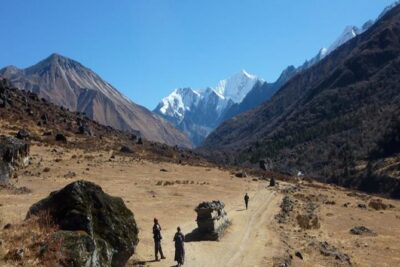
Browse the lists this tour appears in