
Reviewed · LANGTANG VALLEY TREKS
7 Days Langtang Valley Private Trek From Kathmandu
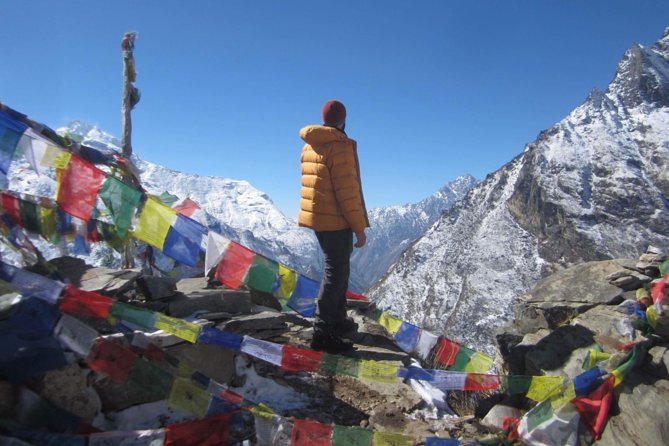
Glacier country in a quick Himalayan escape. Langtang Valley is often called the valley of glaciers, and this trek gives you a rare mix of Tibetan-influenced villages and high-mountain views without starting your hiking at extreme altitude. You also get a big nature hit in a short time, from rhododendron and bamboo forests to icy ridgelines and glaciated peaks.
I especially like that the plan is built around reasonable hiking days and gradual elevation, with nights at Lama Hotel and Langtang Village before you push up toward Kyanjin Gompa at 3,870m. You’ll likely feel taken care of too, since guide names like Rupak and Prakash, and customer support names like Dilli and Badri, show up in the operator’s feedback. One thing to consider: the trek lodging is basic tea houses, with toilet and bathing facilities outside the rooms, plus drinks like tea, coffee, and bottled water are not included.
In This Review
- Key takeaways before you go
- Langtang Valley, the fast route to glacier views
- Kathmandu to Syabru Bensi: the long start that sets the tone
- Lama Hotel (2,450m): your first acclimatization night
- Langtang Village (3,430m): the Tibetan vibe in the valley
- Kyanjin Gompa (3,870m): where glaciers feel close
- The return to Lama Hotel and Syabru Bensi: pay attention to your descent
- National Park context: why this trek feels more authentic
- Food, tea houses, and what meals actually mean on a trek
- Guides, pacing, and how support shows up in real life
- Price and value: $585 buys real structure
- What you should pack for this altitude range
- Getting the right fitness level for this trek
- Weather, safety, and realistic expectations
- Should you book this Langtang Valley private trek?
- FAQ
- What is the duration of the Langtang Valley private trek?
- Where does the trek start and how do you get there?
- What are the accommodation and bathroom details on the trek?
- What is included in the trek cost of $585 per person?
- Are beverages like tea, coffee, and bottled water included?
- Do I need permits and cards for the trek?
- Is a porter included?
- What gear should I bring?
- What fitness level do I need?
- Is travel insurance required, and is helicopter evacuation covered?
- What is the cancellation policy?
Key takeaways before you go
- Tibetan-style villages close to the national park: you’re walking a narrow valley that sits between the main Himalaya to the north and snowy peaks to the south.
- Comfort-focused pacing: built-in acclimatization stops at Lama Hotel and Langtang Village before going higher.
- Tea house trekking with real altitude logistics: twin sharing rooms, but outside toilets and bathrooms.
- Permits handled: Langtang National Park permit and TIMS card are included in the cost.
- Support for emergencies: emergency evacuation and medication service is included, with the note that helicopter costs depend on your travel insurance.
Langtang Valley, the fast route to glacier views
Langtang Valley sits near the Tibetan border and is framed by Himalayan giants. It’s a narrow valley, which matters because you’re not just walking from one distant viewpoint to another. The mountain walls help create frequent changes in scenery, and the air feels more high-mountain than lowland trekking routes.
The trek’s real appeal is that you can experience a true Himalayan setting in a week. Starting with a drive from Kathmandu to Syabru Bensi, then hiking day by day through forests, rivers, and valley paths, you end up in a glacier region where the peaks dominate the horizon.
I like that the route also gives you variety. Expect rhododendron forests, bamboo stands, pine areas, fast streams, and steep rocky sections. You’re also in Langtang National Park, Nepal’s first Himalayan national park, which is a big reason this trek feels more like a protected nature route than just a line on a map.
More Treks in Kathmandu
- Everest Base Camp Trek – 14 Days
★ 5.0 · 1,499 reviews - Everest Base Camp Trek
★ 5.0 · 842 reviews - Everest Base Camp Trekking
★ 5.0 · 485 reviews
Kathmandu to Syabru Bensi: the long start that sets the tone
Day 1 is all Kathmandu logistics: airport greeting and transfer to a hotel. Then you move on to the practical piece that many trekkers underestimate, the long drive to Syabru Bensi (about 7-8 hours).
That drive is not just time on a bus. It gives your body a chance to settle into Nepal trekking mode, meaning you’re not hiking on day one. It also helps you connect with the region slowly, rather than jumping straight into altitude.
A plus here is that the trip uses public bus for Kathmandu to Syabru Bensi and back, while airport transfers are private transport. So you get a smoother airport arrival without turning the start into a complicated chain of taxis and waits.
Lama Hotel (2,450m): your first acclimatization night
Your first real hiking day goes from Syabru Bensi to Lama Hotel, about 6-7 hours of walking and roughly 1,070m ascent. The altitude jump is meaningful, but the schedule is reasonable. This day is a chance to learn your pace and your breathing rhythm.
Lama Hotel at 2,450m is where the trek transitions from travel to trekking. The trail here is typically about steady effort, not huge drama. If you’re new to Nepal trekking, this is the day you’ll want to take slowly, hydrate often, and keep your pack weight realistic.
One practical consideration: because this is a tea house trek, you’ll be eating at the lodges where you sleep. That makes it easier day-to-day, but it also means you’ll want to plan on paying attention to what’s available for meals and hot drinks, since beverages are not included.
Langtang Village (3,430m): the Tibetan vibe in the valley
From Lama Hotel to Langtang Village, the hike is about 7-8 hours with around 980m ascent. This is where Langtang starts to feel like a place you could live in for a while. You pass through villages and see typical life shaped by the valley.
This is also where the trek’s theme becomes clear: Tibetan lifestyle influence in a Himalayan setting. In practical terms, that shows up in the way towns are arranged, the feel of local trails, and the sense that you’re moving through a living corridor, not a museum route.
At 3,430m, it’s also a turning point for your body. You’re high enough that you should feel the altitude if you go too fast. The good news is that this plan gives you time to adjust, because you’re not going from low to extreme in one leap.
A detail worth knowing: lodging is twin sharing in basic tea houses, with toilet and bathing outside your room. That’s normal on this type of trek, but it’s better to go in with eyes open, especially if you dislike early-morning cold toilet trips.
More Langtang Valley treks:
- Langtang Valley Trek
★ 5.0 · 140 reviews - Langtang Valley Trek
★ 5.0 · 61 reviews - 8 Days Tour in Langtang Valley Trek
★ 5.0 · 45 reviews - Private 8 – Day Langtang Trekking
★ 5.0 · 29 reviews
Kyanjin Gompa (3,870m): where glaciers feel close
Day 5 is short compared to the other hiking days, about 2-3 hours with around 460m ascent, from Langtang Village to Kyanjin Gompa at 3,870m. That shorter push is smart. It gives you a higher viewpoint without making the day a grind.
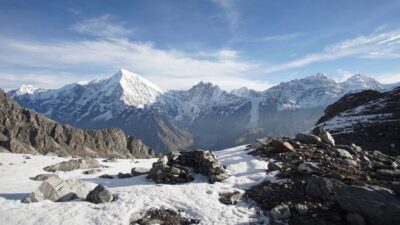
Kyanjin Gompa is also the point where the valley views tighten around you. Snowy ridges, glaciated giants, and steep slopes start to look less like distant art and more like a real climbing world. If time allows, you may also visit Kyanjing Ri in the afternoon, which is an extra push above Kyanjin Gompa for better panorama time.
If you care about photos, this is your window. Not because you’ll be taking pictures all day, but because you’ll likely be more willing to stop and stare. The valley’s “glacier” identity tends to hit hardest here.
Also, keep your energy for the afternoon, if you do the optional viewpoint. Even if the distance is short, altitude makes everything feel heavier, including simply walking to the next safe perch.
The return to Lama Hotel and Syabru Bensi: pay attention to your descent
Going back from Kyanjin Gompa to Lama Hotel is long, about 7-8 hours with around 1,430m descent and roughly 21.6km of walking. The next day continues with another about 5-6 hours walk from Lama Hotel to Syabru Bensi, descending about 1,070m.
Descent is often easier on breath than ascent, but it can be harder on your knees and ankles. This is not a day to rush. Take shorter steps, keep your weight stable, and use trekking poles if you have them. Trekking poles are included in the recommended gear, and they truly help on uneven valley trails.
One more comfort note: you’ll repeat tea house life on the way down. That includes outdoor bathroom setups, basic rooms, and meals at the lodge. If you want hot showers or charging, plan on it being personal expense, since those extras are not included.
National Park context: why this trek feels more authentic
Langtang National Park is 1,710 square kilometers and was Nepal’s first Himalayan national park in 1971. It’s not just scenery, it’s a protected habitat. If you’re the sort of person who likes looking at details, you’ll notice the ecology shifting as you climb.
The region can include rhododendron forests, fir and bamboo areas, and alpine meadow-like sections later on. Wildlife is part of the story too. The trek area has mentions of red pandas, Himalayan black bears, and wild boar, plus rare orchids and colorful rhododendrons. You may or may not see wildlife, but knowing you’re inside a national park changes how you experience the walk. It feels like you’re moving through a living system, not just hiking past rocks.
Food, tea houses, and what meals actually mean on a trek
Your trek includes 3 meals per day during the hiking days, meaning breakfast, lunch, and dinner. This is a big value point because meal planning in the Himalayas can get expensive quickly if you’re buying everything separately.
However, beverages are not included. So tea, coffee, mineral water, hot water, and other drinks are on you. If you rely on frequent warm drinks, budget for that. Also consider hydration. Even if tea helps, you still need enough water through the day, and you’ll need a water purification solution.
Tea house food is usually designed for trekkers: simple, filling, and fast to serve. That’s good for energy management. It’s not fancy, but it’s practical.
Lodging is also basic by design. Twin sharing rooms, outside toilets and bathrooms, and the usual cold nights. If you’re comfortable with simple, you’ll enjoy the rhythm of the trek instead of thinking about what you’re missing at home.
Guides, pacing, and how support shows up in real life
This trip is a private tour, meaning only your group participates. That matters because you’re not squeezed into someone else’s tempo. In a short trek like this, the leader’s pacing can make the difference between enjoying the views and feeling wiped out.
A professional English-speaking guide is included, along with their food, salary, accommodation, travel expenses, and insurance. That’s helpful because it reduces the chance you’ll end up managing the human side of trekking yourself. You can focus on walking, hydration, and acclimatization.
I also like that the support network is clearly real. Names like Rupak and Prakash show up as guides, while Dilli, Badri, and porter roles like Brokus and Arjun appear in the operator’s feedback. That doesn’t guarantee how your trip will feel, but it does suggest the company has staff who can handle different traveler styles.
Finally, there’s emergency evacuation and medication service included. The key detail is that you should make sure your travel insurance covers helicopter evacuation and medication, since the costs are tied to your insurance coverage.
Price and value: $585 buys real structure
At $585 per person for a 7-day trek, the value comes from what’s bundled. You’re not just paying for the walking. You get:
- 6 nights of basic tea house accommodation on a twin sharing basis
- 2 nights in Kathmandu at a deluxe hotel with breakfast
- 3 meals per day during the trek
- a professional English-speaking guide
- Langtang National Park permit and TIMS card
- Kathmandu to Syabru Bensi and back by public bus
- airport-hotel-airport transfer by private transport
- emergency evacuation and medication service (with insurance caveat)
What’s not included matters too. Drinks and bottled water are extra, porter support is optional, and personal items like charging fees and laundry are not covered. Nepal visa, international airfare, and travel insurance are also not included.
So the question isn’t only price. It’s whether you want a trek where permits, guide logistics, and core meals are handled. If yes, this looks like a straightforward package. If you want a cheaper route and plan to self-arrange permits, guides, and meals, you could spend less, but you’ll do more work and accept more uncertainty.
What you should pack for this altitude range
The trip recommends specific gear, and the list is practical. You’ll want to be ready for cold nights and possible rain.
Bring or plan to buy after arrival:
- sleeping bag
- down jacket
- LED headlight
- water bottle
- first-aid kit
- water purification solution
- trekking poles
- raincoat
- sunglasses
- full fingers gloves, socks, thermal cap
- fleece
- sunscreen
You can choose to bring these yourself, or ask the operator for help finding gear after you arrive if you want to travel light.
Also think about your daily comfort. Even in mild weather, trekking boots and warm layers matter. Nepal weather can shift fast, and the trek is described as operating in all weather conditions, so dress for conditions rather than for forecasts alone.
Getting the right fitness level for this trek
The physical requirement is moderate fitness. Days include 6-8 hours of walking most of the time, with a mix of ascent and descent. You’re also dealing with altitude up to 3,870m at Kyanjin Gompa.
If you’re new to altitude, take the pacing seriously. The climb is not only about lungs. It’s also about staying steady so you don’t burn energy you’ll need later in the trek.
The good news is the plan gives you time to adjust, with that short Kyanjin Gompa day and the multi-day return. If you treat the route like a steady progression, you’ll likely enjoy it more.
Weather, safety, and realistic expectations
This trek operates in all weather conditions, and the operator advises dressing appropriately. That means you should assume conditions can be foggy, cold, or damp even when skies look okay at the start of a day.
The highest elevation in the planned route you’ll reach is 3,870m. That’s high enough to matter, but it’s not an Everest-style acclimatization grind. Still, you should take altitude seriously, hydrate, and avoid sudden overexertion.
Emergency evacuation and medication service is included. The note about helicopter evacuation costs being borne by your travel insurance is crucial. If you don’t have appropriate coverage, you could be stuck with costs you didn’t plan for.
Should you book this Langtang Valley private trek?
Book it if you want a structured, value-heavy trek that’s close to Kathmandu and still feels like a real Himalayan adventure. This package is especially appealing if you like knowing that permits, core meals, guide support, and airport transfers are handled.
Skip it or ask questions before booking if you know you hate basic lodging. Tea houses here mean outside toilets and bathrooms, and beverages cost extra. Also, if you dislike long drive days, the 7-8 hour Kathmandu to Syabru Bensi transfer may be a factor.
If you’re aiming for the classic Langtang Valley experience, Tibetan-influenced villages, and glacier-country views on a week-long timeline, this one makes a lot of sense.
FAQ
What is the duration of the Langtang Valley private trek?
The trek is listed as 7 days approximately, with additional transfer time for the drive back to Kathmandu on the last day.
Where does the trek start and how do you get there?
It starts in Kathmandu, then you drive to Syabru Bensi. The Kathmandu to Syabru Bensi and back portion is by public bus, and airport-hotel-airport transfers are by private transport.
What are the accommodation and bathroom details on the trek?
You get 6 nights in basic tea house accommodation on a twin sharing basis. Toilet and bathroom are outside the room.
What is included in the trek cost of $585 per person?
Included are 3 meals per day during the trek, tea house accommodation for 6 nights, 2 nights in Kathmandu deluxe hotel with breakfast, a professional English-speaking trekking guide, Kathmandu-Syabrubeshi-Kathmandu by public bus, Langtang National park permit, TIMS card, airport-hotel-airport private transfers, and emergency evacuation and medication service.
Are beverages like tea, coffee, and bottled water included?
No. Beverages, including tea, coffee, mineral water, hot water, and other drinks are not included.
Do I need permits and cards for the trek?
Yes, the Langtang National Park permit and the TIMS card are included.
Is a porter included?
A porter is not included. If you need one, the operator says it can be arranged for an additional cost.
What gear should I bring?
The provided recommended equipment includes a sleeping bag, down jacket, LED headlight, water bottle, first-aid kit, water purification solution, trekking poles, raincoat, sunglasses, gloves, socks, thermal cap, fleece, and sunscreen.
What fitness level do I need?
The trip requires a moderate physical fitness level. The operator recommends a thorough physical examination before you start.
Is travel insurance required, and is helicopter evacuation covered?
Travel insurance is required, and you should make sure it covers helicopter evacuation and medication. The included emergency evacuation and medication service depends on your travel insurance for costs.
What is the cancellation policy?
You can cancel up to 24 hours in advance for a full refund. If you cancel less than 24 hours before the start time, you will not receive a refund. The experience also requires good weather, and if it is canceled due to poor weather, you’ll be offered a different date or a full refund.
More day tours out of Kathmandu
- Nagarkot Sunrise View and Day Hiking from Kathmandu
★ 5.0 · 471 reviews - Private Bhaktapur and Nagarkot Day Tour From Kathmandu
★ 5.0 · 305 reviews - Day Trip to Bhaktapur and Panauti from Kathmandu
★ 5.0 · 184 reviews - From Kathmandu: 1 hour Panoramic Everest Flight
★ 4.4 · 175 reviews
Latest additions near Kathmandu
- White Water River Rafting – 1 Day★ 4.3 · 3 reviews
- Traditional Momo Making Class★ 5.0 · 10 reviews
- Kathmandu to Pokhara Premium sofa bus ticket★ 4.0 · 17 reviews
- Ghorepani Poon Hill Trek★ 5.0 · 16 reviews
- Amazing 1 Day Trekking Experience in Kathmandu Nepal★ 5.0 · 24 reviews
- Ghorepani Poonhill Trek★ 5.0 · 5 reviews
- Walking tour of real Kathmandu through back streets.★ 5.0 · 3 reviews
- Wildlife Adventure in Chitwan Nepal★ 4.0 · 4 reviews
Langtang Valley Treks, compared.
Trekking in Annapurna/Langtang/Everest/Upper Mustang regions
Read our review →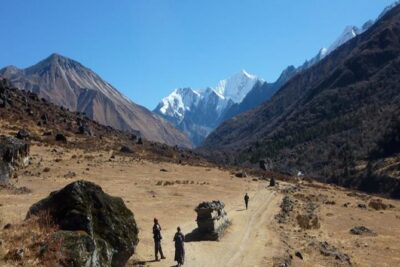
Browse the lists this tour appears in