
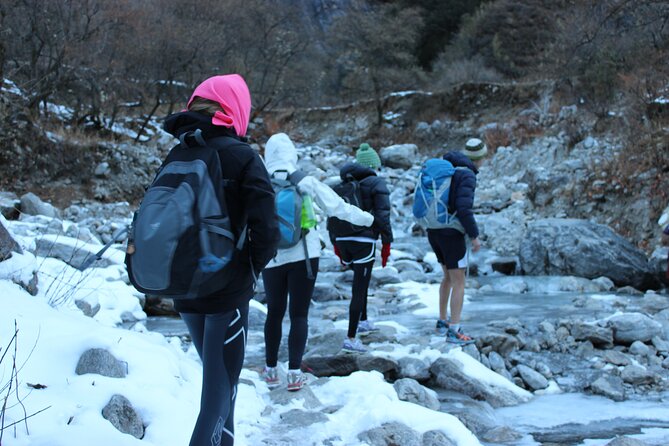
Reviewed · LANGTANG VALLEY TREKS
10-Days Private Langtang Valley Trek in Nepal
A hard-to-forget mountain route starts right after you leave Kathmandu. This private Langtang Valley trek focuses on village life, monastery sights at Kyanjin Gompa, and one very clear payoff, the sunrise from Tserko Ri. I like that the days are thoughtfully paced with forest trekking and cultural moments built in. I also like the practical support, a professional English-speaking guide, permits handled, and hotel or lodge nights. The one thing to keep in mind is that weather can force date changes, and the route expects a moderate fitness level.
You’ll spend your early days driving into the Langtang region, then settle into a gradual rhythm through oak and rhododendron forests, past small settlements and farmlands, and onward toward higher ground. The itinerary also includes time to recover and explore at altitude around Kyanjin Gompa, rather than rushing straight through. One drawback: Kathmandu meals during your stay are not included, so you’ll want to budget a bit for those dinners.
If you want organized logistics without losing the real feel of trekking Nepal, this is a strong fit. It is private, so you control the pace with just your group, and you get pickup options plus straightforward, end-to-end planning from Nepalaya Treks & Expedition.
In This Review
- Key highlights worth your attention
- Entering the Langtang Valley: why this route feels special
- Kathmandu welcome, then a proper start from the office
- The drive to Syabrubesi: where mountain views start
- Day 3 and beyond: forests, riverside walking, and Lama Hotel nights
- Ghoda Tabela and the earthquake reality at Longtang
- Kyanjin Gompa day: monastery culture and calm altitude time
- Tserko Ri sunrise: the most memorable part, scheduled right
- Returning to Lama Hotel and Syabrubesi: easier miles, same scenery
- Back to Kathmandu: shopping, food, and a clean wrap-up
- Price and what you truly get for $850 per person
- Pace, fitness, and altitude realities you should plan for
- Guide support and why a private team matters
- Who this trek suits best (and who should think twice)
- Should you book the 10-day Langtang Valley trek with Nepalaya?
- FAQ
- What is the duration of the Langtang Valley trek?
- What does the $850 per person price include?
- Are pickup and transportation included?
- Where do I meet to get the ticket?
- Do I need to bring meals for the whole trip?
- What kind of fitness level do I need?
- Is this a group or private tour?
- What happens if weather is poor?
Key highlights worth your attention
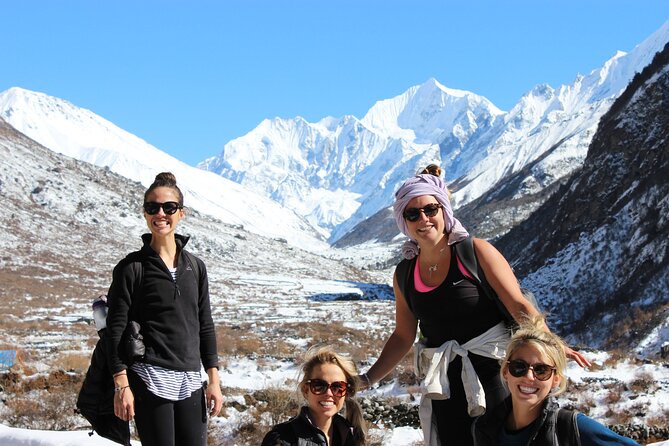
- Tserko Ri sunrise views over the Langtang ranges, built into a day with time to enjoy it
- Kyanjin Gompa time to slow down, visit a major monastery area, and see prayer wheels and sacred stops
- Forest trekking through oak and rhododendron, plus returns that often feel easier on the way down
- Longtang region context, including the reality of the 2015 earthquake impact in the area
- Private-trip flexibility, with a guide and team that have a track record of adjusting plans smoothly
- Value in logistics, permits, national park and TIMS fees, guide, and meals are bundled
Entering the Langtang Valley: why this route feels special
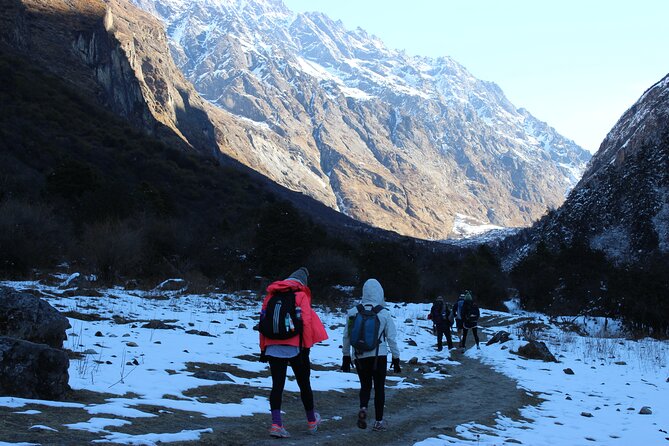
Langtang Valley is one of those treks that stays grounded in daily life. You are not just walking from viewpoint to viewpoint. You pass through working villages, farm fields, and forest paths where the trail feels like part of the community, not a theme park.
This specific trek route leans into three wins. First, it gets you to Kyanjin Gompa, which is more than a photo stop. You spend a full day around the monastery area, moving through prayer-wheel culture, water-mill setups, and small sacred features. Second, it schedules a dedicated Tserko Ri morning, so sunrise does not feel like an afterthought. Third, it keeps the trekking varied. You get forests early, meadows and ridge views around Ghoda Tabela, then a calmer, more reflective rhythm higher up.
The private format matters here. With only your group, it is easier to keep your pace steady, stop when you want, and avoid the awkward moments that happen when a big mixed group has different speed levels.
More Treks in Kathmandu
- Everest Base Camp Trek – 14 Days
★ 5.0 · 1,499 reviews - Everest Base Camp Trek
★ 5.0 · 842 reviews - Everest Base Camp Trekking
★ 5.0 · 485 reviews
Kathmandu welcome, then a proper start from the office
Your trip begins in Kathmandu. When you arrive, a representative takes you to a hotel and then you go over the plan. In the evening, you are treated to a special dinner that reflects Nepali food culture. That matters more than it sounds. If you arrive tired, you want one low-stress first night before the road and trail.
For the best first-day flow, try to land in Kathmandu with enough buffer for that hotel check-in and tour briefing. Also, note the meeting location for the ticket redemption is Nepalaya Treks & Expedition in Thamel, and the office is open in the early morning window. If you like to avoid last-minute scrambling, plan to handle any check-in steps right away.
If you want to add comfort days in Kathmandu, the team has experience coordinating extra time. One guest shared that they stayed at Hotel Nepalaya for a couple of days before a bigger trek, and the same main organizer helped link trips across Nepal afterward. Even if you do not add extra nights, this kind of experience suggests the team is used to building practical itineraries that fit real schedules.
The drive to Syabrubesi: where mountain views start
The trek proper is preceded by a drive from Kathmandu toward Syabrubesi. You head out in an air-conditioned vehicle, and the ride includes winding switchbacks and passes through settlements. It sounds like transport, but it also functions like your warm-up. You get that first stretch of mountain scenery before you commit to days of hiking.
On the way, you have a good chance to spot big peaks in the wider region. The route mentions Manas, Annapurna, and Ganesh Himal as visible from parts of the drive, so your “view moment” starts early. Keep expectations flexible, because mountain views depend on cloud cover.
Tonight is Syabrubesi, which is the launch point for the Langtang Valley trekking days. If you want a smoother start, use the evening to prep your daypack and check that your layers are working. Cold can show up quickly once you leave the city air.
Day 3 and beyond: forests, riverside walking, and Lama Hotel nights
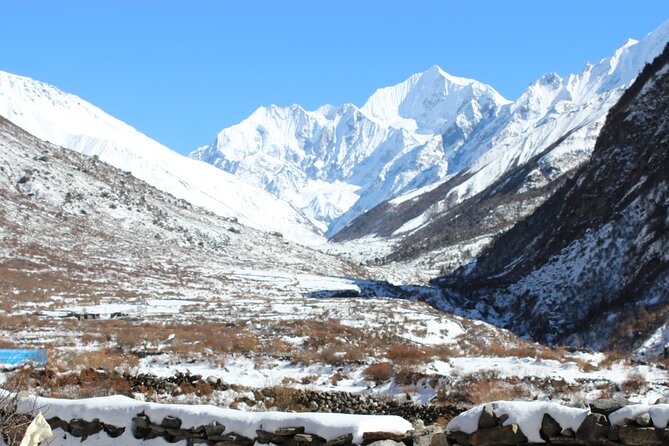
After breakfast, your trek begins with the journey toward Lama Hotel. You follow the Langtang Khola corridor and pass through oak and rhododendron forests. This is the kind of walking that feels steadily satisfying. You are not constantly climbing to a new height every minute. Instead, the trail rhythm lets you get into a trekking mindset.
A lodge night at Lama Hotel means you have a proper base before moving toward the valley’s higher viewpoints. Lodges here typically give you a place to dry out and eat without needing to plan anything complex. That is a real value on a multi-day trek.
One practical point: since meals are included (breakfast, lunch, and dinner, plus hot drinks and tea or coffee), you can focus on walking and hydration rather than hunting food at every stop. That is especially helpful if you want your evenings to be relaxing instead of logistical.
More Langtang Valley treks:
- Langtang Valley Trek
★ 5.0 · 140 reviews - Langtang Valley Trek
★ 5.0 · 61 reviews - 8 Days Tour in Langtang Valley Trek
★ 5.0 · 45 reviews - Private 8 – Day Langtang Trekking
★ 5.0 · 29 reviews
Ghoda Tabela and the earthquake reality at Longtang
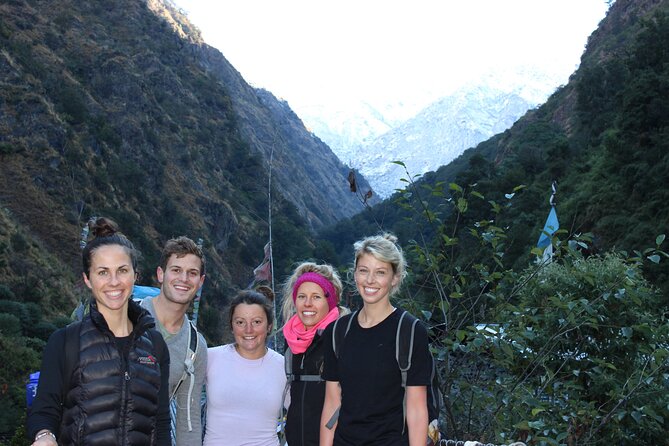
As you continue through the Langtang area, you reach Kala Ghoda and the Ghoda Tabela meadows. This is when the trekking shifts toward open views. From the meadows, you can see the white peaks of the Langtang range.
This is also where the area’s modern history shows up in a tangible way. The trek includes the reality that the village of Longtang was hit by the April 2015 earthquake. For you, this adds weight to the walk. It turns the valley into something living and changing, not just a scenic corridor.
If you are the kind of traveler who likes to understand what you are seeing, take a moment here. Ask your guide about how communities rebuilt and what daily life looks like now. That simple conversation often makes the views hit harder.
Kyanjin Gompa day: monastery culture and calm altitude time
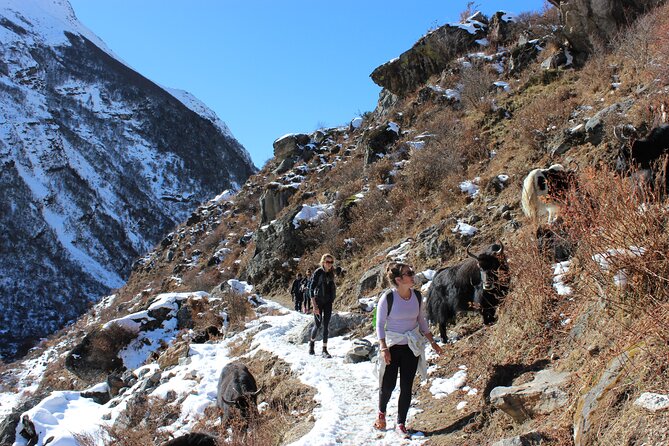
The route then brings you down toward Kyanjin Gompa, described as a major monastery area in the region. You spend a full day here, and that is a smart choice. It gives you time to explore rather than rushing through sacred spaces like they are a checklist.
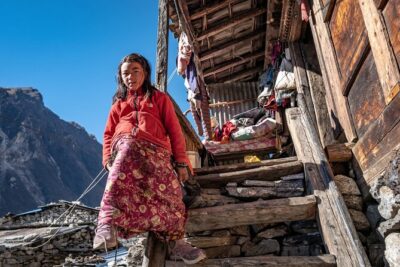
On the way into the monastery zone, you pass through details like water mills, prayer wheels, and sacred hills. Even if you are not deeply religious, these features are about how people live with the mountains and the seasons. You start to notice how the trail connects spirituality, work, and landscape.
That full-day pacing is also useful if your body needs time to adjust. Trekking works best when you avoid “hero mode.” This itinerary naturally builds in a pause, which can help you enjoy the higher morning without feeling wrecked.
Tserko Ri sunrise: the most memorable part, scheduled right
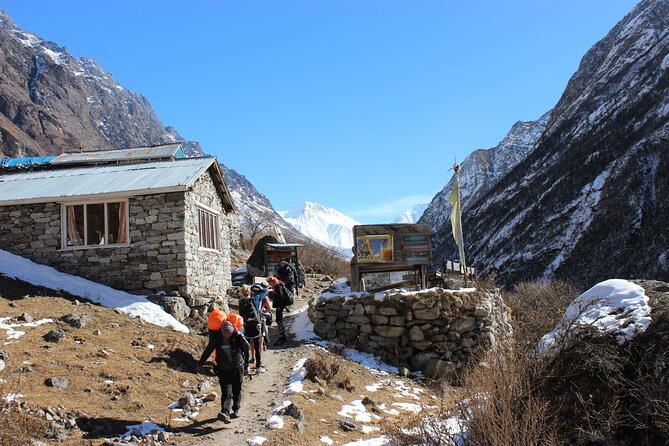
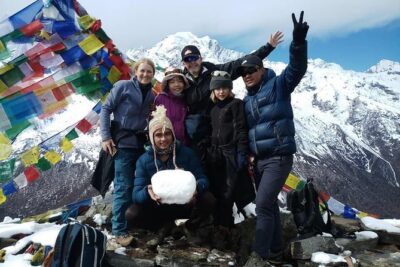
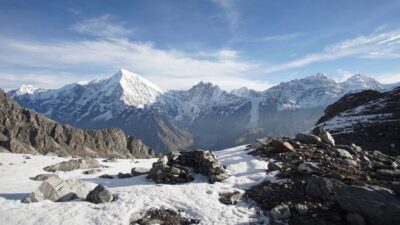
One day is set aside for resting and exploring around Tserko Ri. Then you go for the sunrise view over the Langtang ranges. This is your big payoff day, and the itinerary gives you the time you need to enjoy it.
Sunrise trekking is not just about standing in cold air. It is about the slow reveal of distance and shape as light climbs over the mountains. If you want the best experience, treat this morning like a “show up early and stay calm” event. Do not overpack your worries. Your guide and team handle timing and routing so you can focus on the view.
After sunrise and the time you take to enjoy the scenery, you return to Kyanjin Gompa for the night. That return matters, because it prevents you from turning sunrise into the start of a long, exhausting push.
Returning to Lama Hotel and Syabrubesi: easier miles, same scenery
The descent back begins early. You trek to Lama Hotel again, walking through forests and Tamang villages. Even when the days feel easier, this stage still brings you through places that shape your sense of the valley. The forest sections help your legs recover while keeping your eyes busy.
Day 8 continues toward Syabrubesi. The description highlights that the trek is a little easier on the bottom trails. That is a welcome change after several days of higher, more focused walking. It is the part of the trek where you start to feel proud of what you have done, not just tired.
Overnight in Syabrubesi gives you another chance to eat well and sleep normally before Kathmandu. Also, since accommodation is included as hotel or lodge, you do not need to think about booking anything for the trail nights.
Back to Kathmandu: shopping, food, and a clean wrap-up
Once you return to Kathmandu, the itinerary includes time for shopping and gift hunting. That is not a random add-on. After ten days on a trail, it is nice to shift gears and bring something home without rushing.
Your final day is structured to wrap trekking logistics smoothly. A representative helps with your final departure, which reduces the stress of transition. If you plan to continue traveling in Nepal, this kind of support is useful. There is a strong pattern of coordination mentioned by past guests, including linking follow-on trips like Chitwan and Pokhara after trekking.
Price and what you truly get for $850 per person
At $850 per person, this is not a budget “just add hiking shoes” experience. But it is also not overpriced for what is included. Here is what you are getting value from.
Included:
- Meals: breakfast, lunch, dinner, and hot drinks/tea or coffee
- English-speaking professional guide
- Trekking permit and fees: national park and TIMS card fee
- Accommodation: hotel or lodge
- Air-conditioned vehicle for drives
- First aid medical kits for emergency
- Trekking map
Not included:
- Meals in Kathmandu during your stay
- Tips for trekking staff
So where does the money go? It is mostly paying for logistics. Driving and lodging add up. Permits and guide time add up faster than most people expect. And because this is private, you are paying for the team’s attention and handling rather than splitting costs across a large shared group.
If you prefer to spend energy on the trek itself instead of arranging permits and daily meals, bundled logistics like this can actually feel cheaper than you think.
Pace, fitness, and altitude realities you should plan for
The trek is for travelers with moderate physical fitness. That does not mean you need to be an athlete, but it does mean you should be comfortable walking long stretches and adjusting to changing conditions.
Altitude is part of the experience, and the itinerary reflects that with extra time around Kyanjin Gompa and Tserko Ri. You do a sunrise morning, then come down. That structure is a practical way to manage effort and avoid turning the highest point of the trip into a sprint.
To make the trek enjoyable, plan for “slow and steady.” If you push too hard early, you will feel it later, especially on sunrise day. Your guide and private setting can help you pace, but your body still sets the rules.
Guide support and why a private team matters
This trek is private, meaning only your group participates. In real trekking terms, that means fewer speed conflicts and more consistent communication.
You also get an English-speaking professional guide, and the company provides a first aid medical kit for emergencies. While no one can eliminate risk in the mountains, having trained guidance and proper kit readiness makes a big difference.
One name shows up in customer experiences: Mr. Basu. Guests describe meeting him, talking through trip planning, and getting help coordinating multiple Nepal legs. That matters because a good operator is not only about the trail days. It is about reducing friction, handling transitions, and adjusting plans when needed. One guest also mentioned being able to change plans flexibly after noticing what worked for them, which is a good sign if your schedule is not perfectly rigid.
Who this trek suits best (and who should think twice)
You will love this trek if you:
- Want a private Langtang Valley experience with guided organization
- Care about cultural stops, especially Kyanjin Gompa
- Want a planned sunrise morning at Tserko Ri, not a rushed attempt
- Prefer meals and permits handled in advance
You might think twice if:
- You cannot commit to a moderate fitness level
- You are traveling with a tight schedule, since weather can require date changes
- You strongly prefer to plan your own permits and day-by-day logistics, because this package does that for you
Should you book the 10-day Langtang Valley trek with Nepalaya?
If you want a well-run private trek that balances mountain time with culture, this is a solid choice. The biggest reason to book is the way it structures the memorable moments: Kyanjin Gompa gets real time, and Tserko Ri sunrise has a dedicated plan around rest and recovery. The second reason is practical value. Meals, permits, guide support, and lodging are bundled, so you spend less time on logistics and more time walking and looking.
My practical advice: book if you can bring a moderate fitness mindset, dress for changing mountain weather, and accept that nature can shift dates. If you do that, you will come away with a trek that feels personal, grounded, and genuinely worth your time in Nepal.
FAQ
What is the duration of the Langtang Valley trek?
The trek is listed as 10 days (approx.).
What does the $850 per person price include?
Meals (breakfast, lunch, dinner, and hot drinks), an English-speaking professional guide, trekking permit and required fees (national park and TIMS), hotel or lodge accommodation, an air-conditioned vehicle for the drives, a trekking map, and first aid medical kits for emergencies.
Are pickup and transportation included?
Yes, pickup is offered, and an air-conditioned vehicle is included for the transfers.
Where do I meet to get the ticket?
The ticket redemption point is Nepalaya Treks & Expedition, Thamel, Kathmandu 21292, Nepal.
Do I need to bring meals for the whole trip?
Meals are included during the trek (breakfast, lunch, dinner, and hot drinks). Meals in Kathmandu during your stay are not included.
What kind of fitness level do I need?
Travelers should have a moderate physical fitness level.
Is this a group or private tour?
This is a private tour/activity, so only your group participates.
What happens if weather is poor?
The experience requires good weather. If it is canceled due to poor weather, you will be offered a different date or a full refund.
Latest additions near Kathmandu
- White Water River Rafting – 1 Day★ 4.3 · 3 reviews
- Traditional Momo Making Class★ 5.0 · 10 reviews
- Kathmandu to Pokhara Premium sofa bus ticket★ 4.0 · 17 reviews
- Ghorepani Poon Hill Trek★ 5.0 · 16 reviews
- Amazing 1 Day Trekking Experience in Kathmandu Nepal★ 5.0 · 24 reviews
- Ghorepani Poonhill Trek★ 5.0 · 5 reviews
- Walking tour of real Kathmandu through back streets.★ 5.0 · 3 reviews
- Wildlife Adventure in Chitwan Nepal★ 4.0 · 4 reviews
Langtang Valley Treks, compared.
Trekking in Annapurna/Langtang/Everest/Upper Mustang regions
Read our review →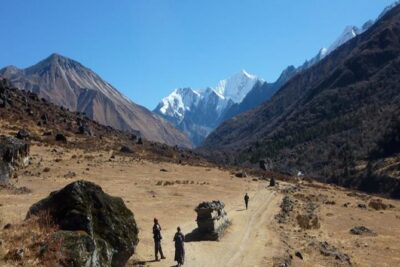
Browse the lists this tour appears in