
Reviewed · MUSTANG & MUKTINATH TREKS
Upper Mustang Trekking
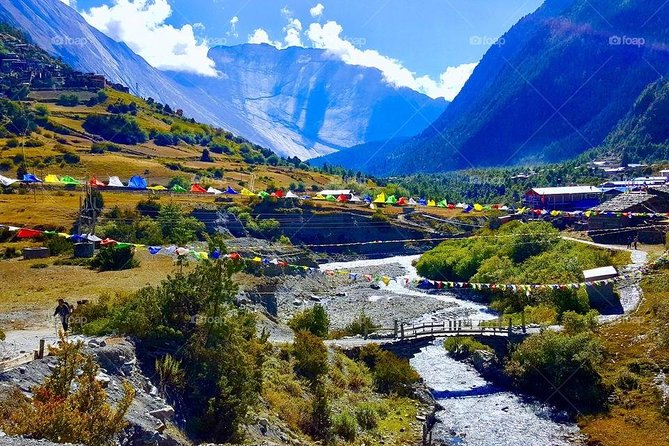
Upper Mustang feels like a secret you can walk into. This trek routes you toward the walled Tibetan-influenced world of Lo-Manthang, then ties it to Nepal’s permit system so the hard parts are handled for you. I especially like how much attention goes to the culture, from restored monastery sites to daily life in a city known for being stubbornly itself. I also like the practical pacing of the logistics, with airport pickup and a clear travel chain by bus and flight.
One thing to consider: this trip is weather-dependent and uses flights via Jomsom, so delays can happen, and you may need to stay flexible with timing.
In This Review
- Key Highlights You’ll Care About
- Why Upper Mustang Feels Like a Tibetan Time Capsule
- The Permits and TIMS Fees That Make the Price Make Sense
- The Actual Travel Day: Kathmandu, Pokhara, and the Jomsom Flight Connection
- Your Lo-Manthang Lens: Walled City Life and Restored Religious Sites
- What the Guide and Porter Really Do for You
- Meals and Comfort: What You Get, and What You Should Plan For
- Your Fitness Reality Check: “Moderate” Means You Still Need to Be Ready
- Your 2-Day-Approx Flow: Where the Time Likely Goes
- Combined Trips: How This Operator Handles Longer Ambitions
- Who Should Choose This Upper Mustang Package
- Should You Book Upper Mustang Trekking?
- FAQ
- Where is the meeting point and what time does the tour start?
- What’s included for airport transfers?
- What permits and fees are covered?
- Is a guide and porter provided?
- What meals are included?
- What should I know about weather and cancellations?
Key Highlights You’ll Care About
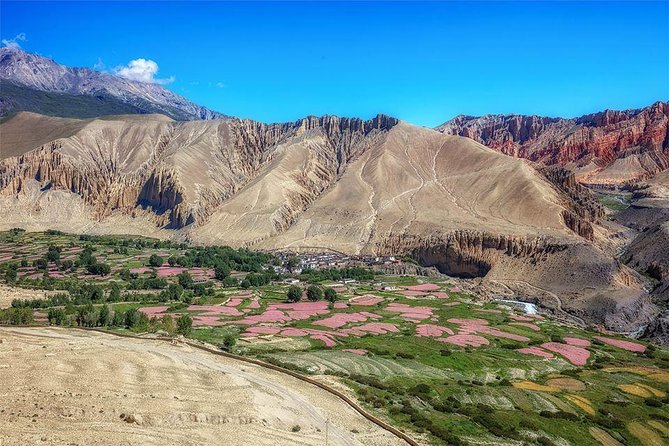
- Lo-Manthang focus: a walled city with deep Tibetan roots and a living culture that’s still changing.
- Permits handled: ACAP, Upper Mustang special permit, and TIMS card fee are included.
- Trek support: a trekking guide plus a porter (one porter for two people), plus a first aid kit.
- Meal coverage: breakfast, lunch, dinner, and coffee or tea are included during the trip.
- Flight logistics via Jomsom: Pokhara to Jomsom flight fare is part of the plan.
- A private group: it’s set up as a private activity, meaning it’s only your group.
Why Upper Mustang Feels Like a Tibetan Time Capsule
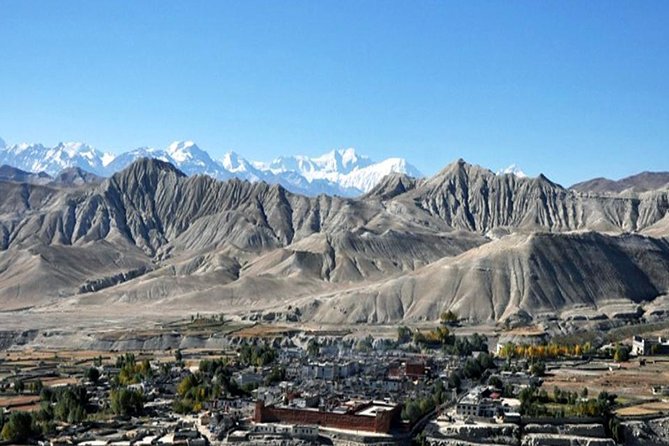
Upper Mustang sits in that rare zone where Nepal’s Himalaya meets Tibetan culture, and you feel the difference fast. The region is tied to the old Tibetan empire, and the story of Lo-Manthang reflects that. This walled city used to be part of the Tibetan Kingdom of Gungthang until the 1830s, and its early history is wrapped more in myths and legends than in straight recorded dates.
What I like about this tour’s angle is that it doesn’t sell Upper Mustang as just another view-pile. It frames the destination as a place with traditions still practiced. You’re looking at a city with about 275 houses and a social structure described as four castes, plus monasteries and daily routines that keep Buddhist study central.
You’ll also see signs of change without it turning into a theme park. Crumbling artworks are slowly being restored. Monasteries are being rebuilt. The result is a mix of old texture and ongoing repair work, so the place feels lived-in rather than frozen.
More Treks in Kathmandu
- Everest Base Camp Trek – 14 Days
★ 5.0 · 1,499 reviews - Everest Base Camp Trek
★ 5.0 · 842 reviews - Everest Base Camp Trekking
★ 5.0 · 485 reviews
The Permits and TIMS Fees That Make the Price Make Sense
Upper Mustang is not a free-for-all. You need the right permissions, and those are often the part that stresses people out. Here, the ACAP and Upper Mustang special permit and the TIMS card fee are included. For you, that means less paperwork juggling and fewer last-minute surprises.
Now about the price, which is $2,666.67 per person. On the surface, that number can look steep. But when you break it down, it starts to feel more reasonable because you are paying for more than walking with a guide. You’re also covering:
- Permit and card fees (ACAP, special permit, TIMS)
- A trekking guide
- A porter (shared workload, one porter for two people)
- Accommodation included for the trek period, plus breakfast during the Kathmandu and Pokhara stays
- Core travel meals, including lunch and dinner on the trek days
If you’ve ever tried to self-organize Upper Mustang, you know how quickly costs stack up through permits, routing, and guide time. With this package, you get the structure in place, and that reduces the hidden friction that costs you both money and peace of mind.
The Actual Travel Day: Kathmandu, Pokhara, and the Jomsom Flight Connection
Most treks in Nepal boil down to one big question: how do you get to the right starting zone with enough time and less hassle? This one answers it with a common but effective route: Kathmandu to Pokhara by tourist bus, then a flight from Pokhara to Jomsom.
The morning starts at 6:15 am at Tribhuvan International Airport (Ring Rd, Kathmandu). You get airport pickup and drop-off by private car or jeep. That matters more than it sounds, because Kathmandu mornings can be chaotic, and you do not want to lose daylight sorting out transportation.
Then the plan runs as:
- Kathmandu to Pokhara via tourist bus
- Pokhara to Jomsom by flight (the flight fare is included)
- Returning along the same general chain later in the schedule
One more practical point: the package includes two nights of accommodation at Kathmandu with breakfast, plus two nights at Pokhara with breakfast. So even though the trek window is described as around 2 days, you should think in terms of a longer overall rhythm once lodging and travel blocks are counted. It’s not just walking time, it’s also a careful repositioning time. That can be a good thing if you prefer to arrive calm and organized instead of rushing.
Your Lo-Manthang Lens: Walled City Life and Restored Religious Sites
Once you’re in Upper Mustang territory, the big draw is Lo-Manthang and the surrounding “hidden valley” feeling. You’re stepping into a region that has long been associated with a Tibetan kingdom influence, and even today the cultural texture is distinct from the rest of Nepal.
This tour’s description emphasizes three things you can pay attention to while you’re there:
First, the city is walled, and that simple detail shapes how people move, work, and gather. A walled city tends to keep routines consistent and visible, so you get a more grounded sense of how the place functions.
Second, the cultural narrative includes restoration. Crumbling artwork is being restored, and monasteries are being rebuilt. That means you might see ongoing work rather than only finished monuments. It’s a reminder that culture here is not just “old,” it is maintained.
Third, Buddhist education is portrayed as a daily soundscape. Monasteries filled with shaved-headed children in robes studying Buddhist teachings is part of the image this region keeps repeating. Even if your exact moment is different, it’s a helpful expectation: the place is anchored to study and ritual, not only sightseeing.
There’s also a note that Upper Mustang is changing. That doesn’t automatically mean it’s less authentic. It just means you should arrive ready to observe a living society adjusting over time.
More Mustang and Muktinath trips:
- 6 Days Muktinath Tour Package in Nepal
★ 5.0 · 20 reviews - Upper Mustang Classic Trek with Local guide
★ 5.0 · 15 reviews - Jeep Trip to Upper Mustang
★ 5.0 · 10 reviews - Lower Mustang Motorbike Tour -8 Days
★ 5.0 · 9 reviews
What the Guide and Porter Really Do for You
A trekking guide does more than point at the trail. In this kind of region, the guide also becomes your translator of local rhythm, your safety coordinator, and your logistics manager. Here, you get a trekking guide included.
You also get a porter, and the deal is clear: one porter for two people. For you, that usually means less weight on your back and more energy for the trek itself. It also means the porter can handle some of the “carry burden” that can ruin a trip if you’re trying to do everything yourself.
You’ll also have a first aid kit included. It’s not a guarantee against every problem, but it signals that the operator expects real trekking risks, like minor injuries or illness on the trail.
Finally, the tour includes a T-shirt and duffel bag linked to Sherpa Expedition and Trekking. It’s a small thing, but it’s also a practical reminder that this is set up as a package with real operational support behind it.
Meals and Comfort: What You Get, and What You Should Plan For
Food can make or break a high-altitude trek, even when the trekking days are short. This package includes breakfast, lunch, dinner, and coffee or tea. That’s useful because it reduces the number of decisions you need to make while you’re tired and moving.
What is not included is just as important. You do not get:
- Wifi
- Hot water
- Hot shower
- Laundry service
That means you should treat comfort as basic, not hotel-style. If you need consistent hot showers, you’ll want to manage expectations or choose a different kind of trip that specifically offers those comforts.
Also, personal trekking equipment isn’t included. The tour support handles permits, guide, and the backbone of logistics, but you still need to show up prepared with your own gear.
Your Fitness Reality Check: “Moderate” Means You Still Need to Be Ready
The fitness level listed is moderate. In plain terms, that means you should be able to handle hours of walking without being completely wiped out. It also suggests you don’t need to be an athlete, but you do need to be steady and sensible.
Since this trip is flight-connected and includes multiple lodging blocks in Kathmandu and Pokhara, your body might feel it in different ways. Travel days can reduce recovery. Long seating can make your legs stiff. Then the trek days ask for consistent effort.
So my advice is simple:
- Do some walking before you go
- Bring layers for cool mornings and evenings
- Expect that some days will feel more “travel heavy” than “trail heavy,” based on weather and routing
If you’re prone to getting overwhelmed by changes in plan, this is also where that guide and porter support becomes extra valuable.
Your 2-Day-Approx Flow: Where the Time Likely Goes
The schedule is written in a way that repeats the same travel chain across Day 1 and Day 2: airport pickup, tourist bus to Pokhara, and the Pokhara to Jomsom flight segment. That usually points to one thing in practice. The trek part is likely slotted into a tight schedule around flights and the administrative steps needed for permits and staging.
Here’s how I’d interpret the rhythm for your planning, without overpromising exact step-by-step timing:
Day 1
You start with early airport pickup at 6:15 am, then move to Pokhara by tourist bus. From there, you fly to Jomsom. Once you arrive in the route corridor that leads into Upper Mustang, your trekking team can take over the plan, including your guide, porter, and trek support. Meals are covered, and accommodation for the trek segment is included.
Day 2
You repeat the movement logic in reverse. The key idea is that the return to Pokhara and onward to Kathmandu is tied to flights and the same morning logistics style. That’s why weather matters so much. If the flight shifts, everything shifts.
Because the package includes two nights Kathmandu and two nights Pokhara, you should not expect it to be only two days of action. Think of it like a structured repositioning plus a focused taste of Upper Mustang.
If your goal is a long, multi-day trek deep into the range, this might feel short. If your goal is to experience Lo-Manthang and Tibetan culture with solid support and less planning stress, this can work well.
Combined Trips: How This Operator Handles Longer Ambitions
One of the strongest hints from past experience with Sherpa Expedition and Trekking is adaptability. People have mentioned rearranging dates due to COVID, and feeling confident that they were in safe, reliable hands. That lines up with the reality of Nepal travel, where weather, flights, and schedules can change.
There’s also evidence that this team can support bigger combos. One person combined the Dhaulagiri Circuit with Upper Mustang and then added Dhaulagiri Peak as an extra challenge. That doesn’t mean this exact package includes those parts, but it does suggest the company can build longer, multi-region itineraries if your time and fitness allow it.
If you’re the type who catches “one trek bug” and then starts planning the next one, that capability can be a major advantage.
Who Should Choose This Upper Mustang Package
This tour fits best if you want:
- A guided introduction to Upper Mustang and Lo-Manthang without turning travel admin into your full-time job
- A private setup for your group, so your pace and needs get real attention
- Included permits and core logistics, plus a guide and porter support model
- A trip that’s as much about culture and restored religious sites as it is about getting from A to B
It may not be ideal if you:
- Want a long, uninterrupted trek day-by-day for many days
- Need guaranteed hot showers and wifi
- Hate any possibility of schedule changes tied to weather and flights
Should You Book Upper Mustang Trekking?
I’d book this if you’re drawn to Lo-Manthang, Tibetan-influenced culture, and the feeling of visiting a place that still carries its own rules. The included permits and TIMS fee reduce a lot of stress, and the guide plus porter setup makes the experience more about the destination, not the burden.
Before you commit, check your own priorities. If you want maximum time on the trail, be aware this is structured as a short trek block supported by a broader travel and lodging schedule. If you’re flexible, enjoy organization, and want a focused Upper Mustang taste, this package is strong.
If you want, tell me your travel month and your group size. I can help you think through weather risk, what gear matters most, and whether a shorter Upper Mustang trek matches your style or if you’d be happier with a longer combined route.
FAQ
Where is the meeting point and what time does the tour start?
The meeting point is Tribhuvan International Airport, Ring Rd, Kathmandu, Nepal. The start time listed is 6:15 am.
What’s included for airport transfers?
The tour includes airport pickup and drop-off by private car or jeep.
What permits and fees are covered?
Included items list ACAP and Upper Mustang special permit, plus the TIMS card fee.
Is a guide and porter provided?
Yes. A trekking guide is included, and a porter is included as well (one porter for two people). A first aid kit is also included.
What meals are included?
Breakfast, lunch, and dinner are included, along with coffee and/or tea. Lunch and dinner in Kathmandu and Pokhara are not included.
What should I know about weather and cancellations?
The experience requires good weather. If it’s canceled due to poor weather, you’ll be offered a different date or a full refund. It also has a free cancellation option up to 24 hours in advance for a full refund.
Latest additions near Kathmandu
- White Water River Rafting – 1 Day★ 4.3 · 3 reviews
- Traditional Momo Making Class★ 5.0 · 10 reviews
- Kathmandu to Pokhara Premium sofa bus ticket★ 4.0 · 17 reviews
- Ghorepani Poon Hill Trek★ 5.0 · 16 reviews
- Amazing 1 Day Trekking Experience in Kathmandu Nepal★ 5.0 · 24 reviews
- Ghorepani Poonhill Trek★ 5.0 · 5 reviews
- Wildlife Adventure in Chitwan Nepal★ 4.0 · 4 reviews
- Walking tour of real Kathmandu through back streets.★ 5.0 · 3 reviews
Mustang & Muktinath Treks, compared.
Trekking in Annapurna/Langtang/Everest/Upper Mustang regions
Read our review →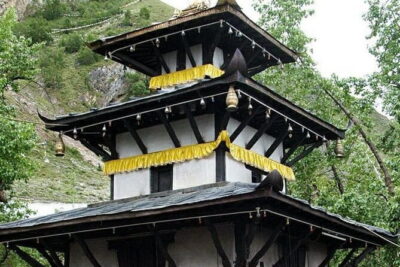
2-Day Scenic Mustang Tour: Pokhara to Jomsom, Kagbeni & Muktinath
Read our review →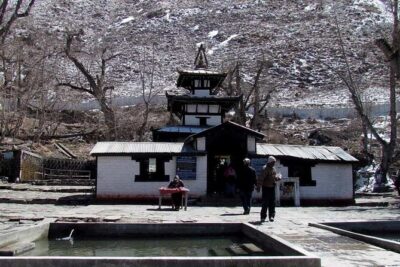
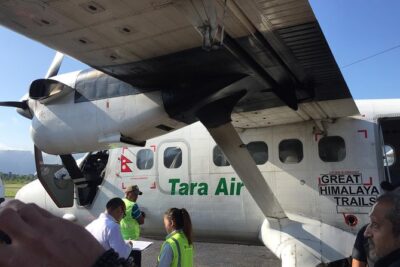
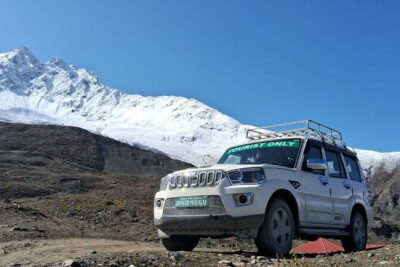
“Exclusive Round-Trip Transfer: Pokhara to Jomsom & Muktinath”
Read our review →
6 Day Upper Mustang Tour by 4WD Jeep from Pokhara
Read our review →Browse the lists this tour appears in