
Reviewed · MUSTANG & MUKTINATH TREKS
Upper Mustang Tiji Festival Trek 2024 – 18 Days
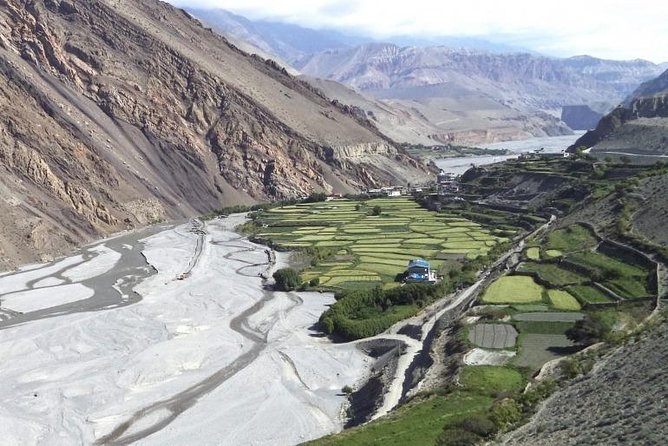
This trek turns history into something you can watch. You’re headed into Upper Mustang, the former restricted kingdom, for the Tiji Festival in Lo Manthang, where monks perform ritual dances in front of Choedhe Gompa. The big payoff is that you get sacred culture on a real trekking route, not as a side stop.
I love how this trip blends Lo Manthang culture with hiking days that move through actual villages like Kagbeni, Tsaile, Dhakmar, Ghiling, and Chhuksang. I also like the built-in rhythm: Kathmandu sightseeing, then Pokhara, then flights and long trail days, then a loop back out, with breakfast, lunch, and dinner handled during the trek.
One drawback to think about: the itinerary includes a mix of hiking and several flight segments (Kathmandu to Pokhara, Pokhara to Jomsom, and the return), and the trek includes long, dry terrain plus high passes like Taklam La (3,624 m) and Lo Pass (3,850 m). If you’re not comfortable with moderate fitness, altitude, and changing daily logistics, you’ll feel it.
In This Review
- Key things that make this trek worth your time
- Entering the last forbidden kingdom: what “Upper Mustang” means on your feet
- Getting oriented in Kathmandu before you fly west
- Pokhara, Phewa Lake, and the calm before the dry country
- Kagbeni to Tsaile: easing in with real village rhythm
- Taklam La Pass and Ghiling: when the trek gets serious
- Dhakmar and the monastery-rich days leading to Lo Manthang
- Your festival base in Lo Manthang: three days of Tiji
- Day 9, Tiji Festival Day 1
- Day 10, festival Day 2 with major gompas
- Day 11, festival Day 3 plus Chhosar Cave
- The return loop: Ghiling, Dhakmar, and a slower tempo in dust and wind
- Muktinath and the Hindu pilgrimage connection
- Kali Gandaki to Jomsom: the flatter finish that still feels remote
- Price and what $2,500 gets you in real terms
- How “private tour” changes the experience
- Practical advice: fitness, altitude, and what to pack for this kind of trek
- Should you book this Upper Mustang Tiji Festival Trek?
- FAQ
- What is the duration of the Upper Mustang Tiji Festival Trek 2024?
- Where does the tour start, and what time is the meeting point?
- What is included in the trek meals?
- Are permits for Upper Mustang included?
- What is not included in the price?
- What is the cancellation rule?
Key things that make this trek worth your time
- Tiji in Lo Manthang: three days of monk ritual dances tied to Dorje Jono and the mythic battle story.
- Upper Mustang villages: Kagbeni, Tsaile, Tangbe, Tetang, Chhuksang, Ghiling, Dhakmar, and Chhosar Cave along the way.
- Big pass crossings: Taklam La (3,624 m) and Lo Pass (3,850 m) for wide views and a real sense of scale.
- Monastery visits that matter: Namgyal Gompa, Choedhe Gompa, and other older sites around Lo Manthang and the return route.
- Salt mine visit: Chhuksang’s salt mine stop adds a practical, everyday contrast to festival ritual.
- A complete loop back out: trek back through Ghiling and Dhakmar, then on to Muktinath and finally Jomsom.
Entering the last forbidden kingdom: what “Upper Mustang” means on your feet
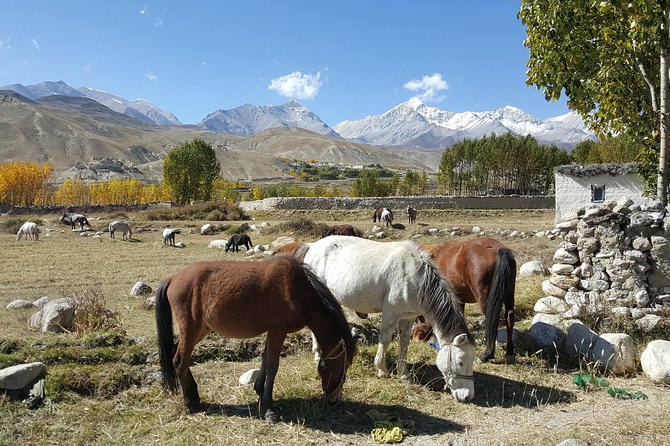
Upper Mustang is special because it used to be a restricted kingdom. That history is why the region feels different from most Nepal trekking. The villages look like they’ve kept older patterns: walled city energy in Lo Manthang, stone and whitewashed buildings, and a strong Buddhist presence.
This trek makes that feel concrete. You do not just arrive, take a quick tour, and leave. You hike in stages across valleys, ridges, and high passes, then you settle into Lo Manthang for the festival itself. That mix is what makes the experience more than a checklist.
And timing matters. Tiji happens at the end of May each year, and this trip is built around that festival window. The supplied note mentions example festival dates in May 2020, which is a reminder that you should confirm the exact 2024 Tiji dates with your operator before you lock anything in.
More Treks in Kathmandu
- Everest Base Camp Trek – 14 Days
★ 5.0 · 1,499 reviews - Everest Base Camp Trek
★ 5.0 · 842 reviews - Everest Base Camp Trekking
★ 5.0 · 485 reviews
Getting oriented in Kathmandu before you fly west
Your trip starts with a pickup plan: you meet at Tribhuwan International Airport in Kathmandu, then transfer to a pre-booked hotel. The start time listed is 6:15 am at the airport area, so you’ll want an early start and minimal delay on arrival day.
Kathmandu Day 2 is a full day of UNESCO World Heritage sites, focused on big, iconic religious stops:
- Basantapur Durbar Square
- Monkey Temple (Swayambhu area)
- Boudhanath Stupa
- Pashupatinath Temple
Practical note: the trip includes the sightseeing tour by private vehicle, but temple and monastery entry fees in Kathmandu and Pokhara are listed as not included. So when you budget, don’t assume everything is free just because a stop is on the day’s list.
Why this Kathmandu day is more than sightseeing: it gives you visual context before you head into Mustang. You’ll see how Nepal blends devotion, architecture, and everyday life. Then when you reach Lo Manthang, the religious sites stop being abstract.
Pokhara, Phewa Lake, and the calm before the dry country
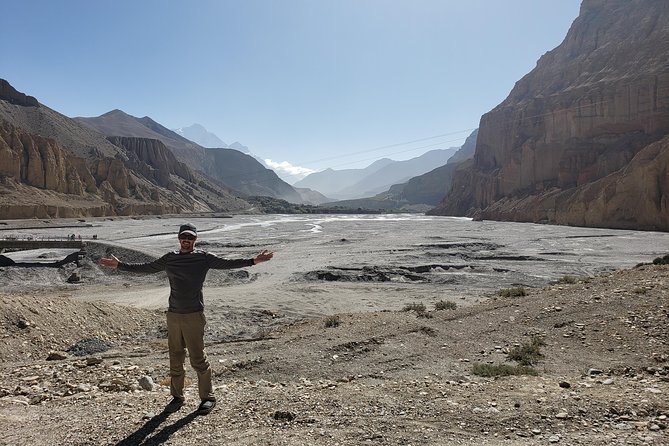
From Kathmandu, you fly to Pokhara in about 25 minutes. That short flight is a relief before trek legs start. In Pokhara, you get a lake break at Phewa Lake and a visit to Tal Barahi Temple. The plan also includes an evening walk and dinner by the lake side.
This day matters for morale. Mustang trekking is dry and sometimes windy, and your brain will appreciate a softer evening first. Also, Pokhara is where you can pick up small trekking needs if you realize something is missing. The trip package lists personal expenses like phone calls, laundry, bottle or boiled water, and shower items as not included, so having a bit of flexibility in Pokhara helps.
Then it’s off again: early the next day you fly from Pokhara to Jomsom.
Kagbeni to Tsaile: easing in with real village rhythm
Day 4 begins with a short scenic flight from Pokhara to Jomsom (about 15 minutes). After breakfast in Jomsom, you trek to Kagbeni in roughly 3 to 4 hours. Kagbeni itself is more than a waypoint. It’s a living settlement with Buddhist monastery presence, and the plan includes exploring the village in the evening.
Day 5 pushes you to Tsaile, again on a trek that typically runs about 5 to 6 hours. Your route passes Tangbe (3,060 m), Tetang (3,040 m), and Chhuksang (2,980 m). You stop for lunch at Chhuksang village.
What I like about this section is that it builds confidence. You’re not immediately thrown at the highest passes. You’re walking between places where the culture is visible, not just scenic from a distance. These villages also help with pacing mentally, because every hour feels connected to a real home base.
Possible consideration: early in the trek you’ll still be adjusting to the region’s dry feel and sun intensity. Your best move is simple, start steady, keep breaks short, and drink enough when you can.
More Mustang and Muktinath trips:
- 6 Days Muktinath Tour Package in Nepal
★ 5.0 · 20 reviews - Upper Mustang Classic Trek with Local guide
★ 5.0 · 15 reviews - Jeep Trip to Upper Mustang
★ 5.0 · 10 reviews - Lower Mustang Motorbike Tour -8 Days
★ 5.0 · 9 reviews
Taklam La Pass and Ghiling: when the trek gets serious
Day 6 is one of the most demanding days, and it’s also where the scenery level tends to spike. After breakfast, the plan is a trek through steep, treeless, dry terrain. You climb above Samar village, descend into a huge gorge, and then move into another valley lined with junipers. There’s a cool stream crossing, then a climb to Taklam La Pass (3,624 m) via plateaus and narrow stretches.
The route includes viewpoints toward Damodar Danda, Yakawa Kang, and Tilicho Peak. Finally, you drop steeply to the whitewashed buildings of Ghiling village.
This is the day where you should watch your effort. A pass day sounds like one big climb, but this itinerary includes repeated changes in terrain, plus narrow stretches. If you try to power through, you’ll likely pay for it later in the descent.
In terms of value, Taklam La is a strong reason to choose this exact route. It’s not just a high point, it’s also an aesthetic one, with long views and a clear “Mustang is different” feeling.
Dhakmar and the monastery-rich days leading to Lo Manthang
Day 7 treks to Dhakmar. The plan highlights views of the Himalayan range and time to explore ancient Buddhist monasteries. Then Day 8 is the big shift, trekking to Lo Manthang. The route gently ascends to the 3,850 m windy pass of Lo, then gives you stunning views of the walled city of Lo Manthang.
This is a key emotional moment. The hike is work, but the approach to Lo Manthang tends to feel like a reveal. You go from open valleys and village clusters into a destination with a clear boundary and distinct architecture.
Your festival base in Lo Manthang: three days of Tiji
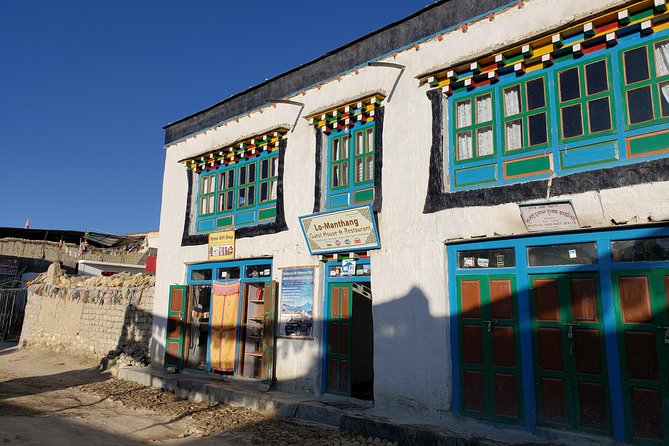
Once you reach Lo Manthang, the trek changes pace. Days 9 to 11 are dedicated to the Tiji Festival experience.
Day 9, Tiji Festival Day 1
After breakfast, you explore Lo Manthang village. After lunch, you watch monk ritual dances as part of the first day of the Tiji Festival. This is the first time you see the festival story staged for real, with ritual performance rather than explanation.
Day 10, festival Day 2 with major gompas
Day 10 includes visits to Namgyal Gompa and Choedhe Gompa, then onward to Tingkhar. After lunch, you enjoy the second day of festival performances. The plan also sets time to interact with local people and learn about their culture and tradition.
That last part matters. Festival days can become only about watching. This itinerary gives you a chance to ask questions and understand what the rituals mean to daily life in the region.
Day 11, festival Day 3 plus Chhosar Cave
Day 11 adds another field trip before the final festival day: an early trek to Chhosar Cave, described as having 44 living rooms, plus visits to older Buddhist monasteries. Then you return to Lo Manthang and take in the third and final day of festival dances.
This combination is excellent value. You’re not locked in one kind of activity. You get both the performance days and a tangible link to how people have used these spiritual spaces over time.
The return loop: Ghiling, Dhakmar, and a slower tempo in dust and wind
After the festival, Day 12 starts your return: trek back to Dhakmar, via Gyakar village, which is known in the plan for a Ghar Gompa with rock paintings. The itinerary notes a belief that wishes made at that gompa are fulfilled.
Day 13 heads to Ghiling again. Here the plan specifically calls out that daytime brings dusty wind, and suggests exploring villages and hiking more in the morning and evening.
I like that the schedule acknowledges conditions instead of pretending you can fight them. This is also a good reminder to pack for wind and dust. Even if the trekking is not technical, your skin and eyes still notice dry air.
Day 14 brings a trek to Chhuksang village. The plan highlights “awesome landscapes and majestic Himalayan views,” then includes a visit to the salt mine at Chhuksang.
This salt mine stop is a smart contrast to festival ritual. Salt is practical. Seeing how daily work connects to the region helps you understand that Mustang culture is not only ceremonies.
Muktinath and the Hindu pilgrimage connection
Day 15 shifts from Mustang trekking toward a major pilgrimage stop: Muktinath Temple. The itinerary says it’s holy for Hindus, and it notes that many Nepali and Indian pilgrims come daily for devotion.
From Muktinath, you also get stunning Himalayan views. This day gives you a bridge between Buddhist-majority Upper Mustang and a broader Nepal religious map. It’s also a reminder that Nepal’s sacred routes overlap in real ways.
Kali Gandaki to Jomsom: the flatter finish that still feels remote
Day 16 ends the trek portion with a walk along the bank of the Kali Gandaki River. The plan says the trail is fairly flat downhill, making it easier. You hike about 5 to 6 hours before reaching Jomsom airport.
This section is the reward for staying steady earlier. You get big mountain views including Mount Dhaulagiri and Mount Nilgiri, while the river corridor keeps your pace more manageable than a pass day.
Then Day 17 brings the flight back: a scenic flight to Pokhara, then a day flight to Kathmandu. The evening includes a farewell dinner with Nepali cultural dance program.
Price and what $2,500 gets you in real terms
At $2,500 per person for an 18-day experience, the value depends on how you compare what’s included. Here’s what you are getting that would cost extra if you tried to piece it together yourself:
- Restricted area permit fee for Upper Mustang
- Guide coverage with salary, food, accommodation, and insurance
- Breakfast, lunch, and dinner during the entire trek
- Kathmandu-Pokhara and the Kathmandu-Pokhara flights plus Pokhara-Jomsom-pokhara flights
- Full day private Kathmandu sightseeing by vehicle
- Airport pickup from Tribhuwan International Airport and transfers to and from the departure
What is not included matters too. Lunch and dinner in Kathmandu and Pokhara are not included, and temple and monastery entry fees during sightseeing are not included. Personal expenses like bar spending, phone calls, laundry, battery recharge, bottled or boiled water, and shower items are also on you.
So the price makes sense if you want a guided, food-covered trekking package that handles most of the “logistics stress.” If you prefer to travel totally independently, you might find cheaper options. But for Upper Mustang at festival time, the permit piece plus the multi-flight structure usually pushes costs up quickly.
How “private tour” changes the experience
This is listed as a private tour/activity, meaning only your group participates. That tends to help with pacing, especially during a festival week when timing matters. In a trek like this, having a schedule that matches your group’s speed can keep things from feeling rushed.
It also tends to make it easier to ask questions during monastery visits and festival days. You’re not sharing interpretation space with a huge crowd.
Practical advice: fitness, altitude, and what to pack for this kind of trek
The trip asks for travelers with moderate physical fitness level. Given the route includes long hiking days and high points like Taklam La (3,624 m) and Lo Pass (3,850 m), I’d treat moderate fitness as “comfortable hiking” rather than “casual walking.”
Your best planning targets:
- Steady hiking energy for 3 to 6 hour stretches on multiple days
- Confidence on steep climbs and steep descents, especially Day 6
- Wind and dust tolerance, especially on the return loop when the plan calls out dusty winds
Packing choices should reflect those conditions. Even though the itinerary doesn’t list gear requirements, the described environment points to wind protection, sun protection, and dust coverage.
Also keep your schedule in mind. The meeting point starts very early on Day 1, and the trek includes several days with early mornings, including the festival-day sightseeing blocks and the cave excursion.
Should you book this Upper Mustang Tiji Festival Trek?
I think this is a strong booking if you want a festival-based trek with real cultural context. If Tiji in Lo Manthang is your main dream, this itinerary is built around it with three distinct festival days plus gompa visits and a cave stop.
I’d pass or at least ask more questions before booking if you hate uncertainty around mixed transport. You’ll use flights at key transitions, and you’re also dealing with high passes and dry, windy conditions during the hike. This is not a stroll.
If you do book, I suggest you confirm the exact 2024 Tiji dates with Himalayan Excursion Nepal and ask who your guide will be for the festival days. Past reports connected with this company include professional names like Samsher and a guide called Tsering, and it’s smart to make sure you know the people leading your days.
FAQ
What is the duration of the Upper Mustang Tiji Festival Trek 2024?
The trek is listed as 18 days (approx.), starting in Kathmandu and ending with transfers back to Kathmandu and then to the international airport for departure.
Where does the tour start, and what time is the meeting point?
The meeting point is Tribhuvan International Airport, Ring Rd, Kathmandu 44600, Nepal, with a start time of 6:15 am.
What is included in the trek meals?
During the trek, the package includes breakfast, lunch, and dinner. It also lists breakfast for 17 days. Lunch and dinner in Kathmandu and Pokhara are not included.
Are permits for Upper Mustang included?
Yes. The tour includes the Upper Mustang restricted area permit fee.
What is not included in the price?
Not included are lunch and dinner in Kathmandu and Pokhara, temple and monastery entry fees during sightseeing in Kathmandu and Pokhara, and all personal and bar expenses in Kathmandu and Pokhara.
What is the cancellation rule?
You can cancel up to 3 days in advance for a full refund. If you cancel less than 3 days before the experience’s start time, the amount paid is not refunded.
Latest additions near Kathmandu
- White Water River Rafting – 1 Day★ 4.3 · 3 reviews
- Traditional Momo Making Class★ 5.0 · 10 reviews
- Kathmandu to Pokhara Premium sofa bus ticket★ 4.0 · 17 reviews
- Ghorepani Poon Hill Trek★ 5.0 · 16 reviews
- Amazing 1 Day Trekking Experience in Kathmandu Nepal★ 5.0 · 24 reviews
- Ghorepani Poonhill Trek★ 5.0 · 5 reviews
- Walking tour of real Kathmandu through back streets.★ 5.0 · 3 reviews
- Wildlife Adventure in Chitwan Nepal★ 4.0 · 4 reviews
Mustang & Muktinath Treks, compared.
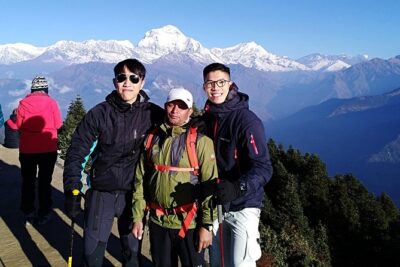
Trekking in Annapurna/Langtang/Everest/Upper Mustang regions
Read our review →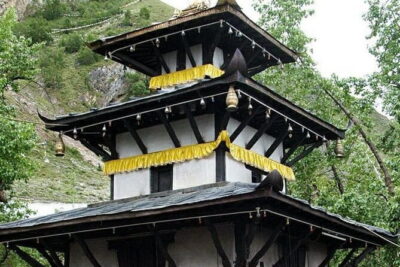
2-Day Scenic Mustang Tour: Pokhara to Jomsom, Kagbeni & Muktinath
Read our review →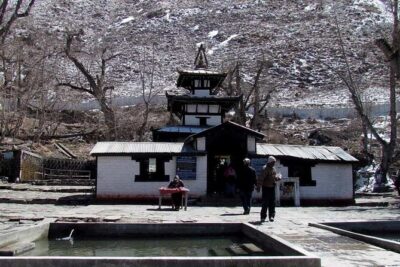
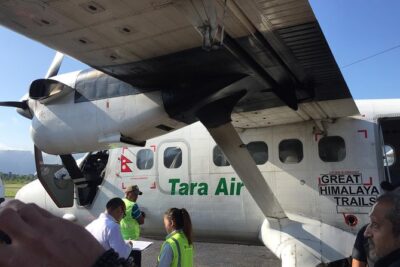
“Exclusive Round-Trip Transfer: Pokhara to Jomsom & Muktinath”
Read our review →
6 Day Upper Mustang Tour by 4WD Jeep from Pokhara
Read our review →Browse the lists this tour appears in