
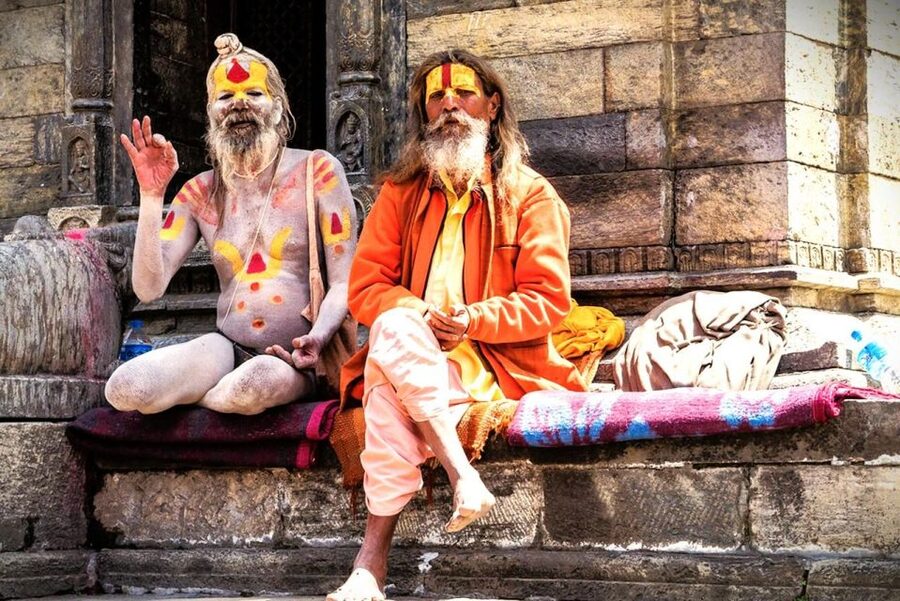
Reviewed · TEMPLE & STUPA TOURS
Sacred Pashupatinath: Aarati,Cremation Rites & Boudha Stupa
Kathmandu turns spiritual, fast. In this guided Boudhanath Stupa and Pashupatinath day tour, you see how faith shows up in everyday routines, from prayer wheels to river-side rituals. You also get real context from a guide so the sights make sense, instead of just looking like photos.
What I love most is the Aarati ceremony atmosphere at Pashupatinath, especially the moment when chants, bells, and conch shell sounds fill the complex. I also like how guides such as Razz and Pranav help you find a respectful viewing spot and explain what each step means, so you’re not just standing there unsure.
One thing to consider: the Hindu cremation rites on the Bagmati River can be emotionally intense and you should be prepared for that. It is also not suitable for kids under 12 or for people with respiratory issues, and large bags are not allowed.
In This Review
- Key things I’d circle before you go
- Sacred Pashupatinath: two holy sites that feel like two different worlds
- Boudhanath Stupa kora: how to make sense of the prayer-wheel maze
- Pashupatinath temple grounds: where architecture meets daily devotion
- Cremation rites along the Bagmati River: what you are actually witnessing
- The Aarati ceremony: instruction changes everything
- How much does it cost, and is it worth the money
- Getting there: pickup, meeting point, and what you manage yourself
- What to bring and how to behave at sacred sites
- Who this tour suits best, and who should skip it
- Should you book Sacred Pashupatinath, Aarati, cremation rites, and Boudha Stupa?
- FAQ
- How long is the Sacred Pashupatinath day tour?
- What does the $11 price include, and are entry fees covered?
- Where does the guide meet me?
- What languages are available for the live tour guide?
- What should I bring, and what is not allowed?
- Is this tour suitable for children or for people with respiratory issues?
Key things I’d circle before you go
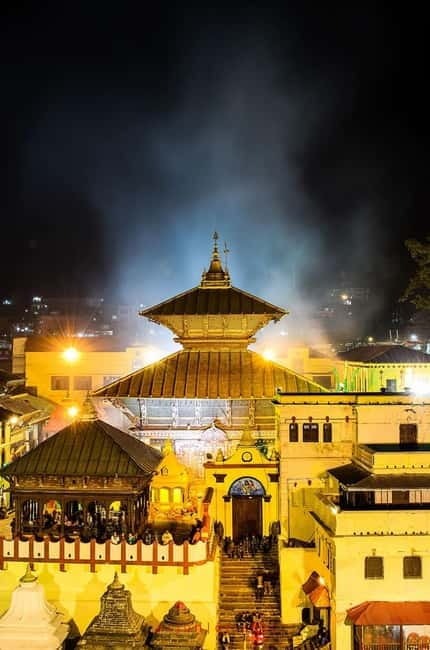
- Boudhanath kora rhythm: You can follow the traditional walking route around the stupa and take in prayer wheels and chanting energy.
- Cremation rites at Pashupatinath: You witness Hindu ceremonies along the Bagmati ghats with guidance to explain symbolism and process.
- Aarati viewing with instruction: Guides help you understand timing, steps, and what you’re seeing while you watch.
- Short market time near Boudha: You have time to explore shops for sacred items and everyday local life.
- Guides named in many bookings: Razz, Pranav, Karma, Anish, Sudhir. People highlight clear explanations and respectful pacing.
Sacred Pashupatinath: two holy sites that feel like two different worlds
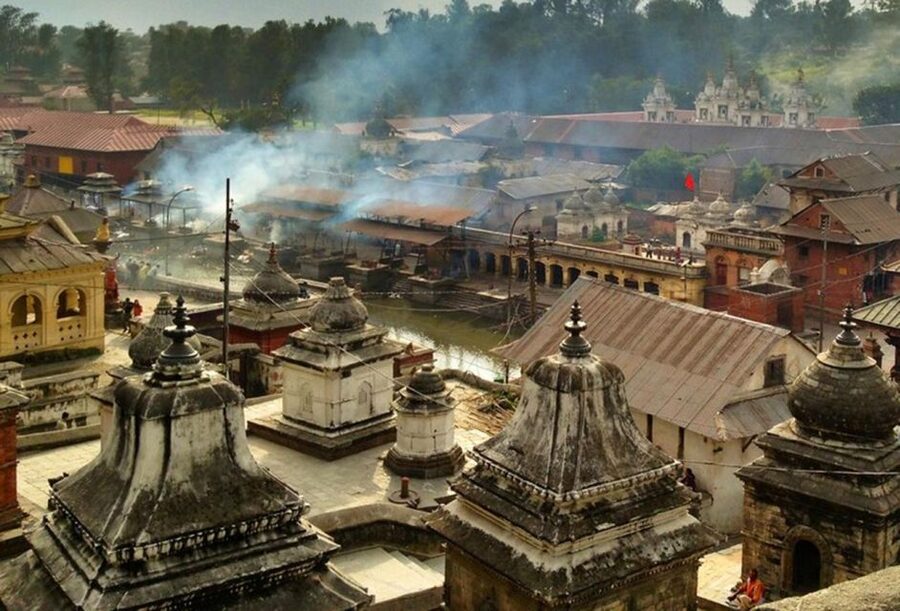
This tour is built around contrast, and that is exactly why it works. Boudhanath Stupa gives you a slower, more meditative feeling, where faith looks steady and practiced. Then you move to Pashupatinath Temple, where devotion is louder, more public, and tied to daily life along the Bagmati River.
I like that the day tour does not treat these places like museum stops. Instead, you learn the why behind the rituals. That matters at Boudhanath, where the symbolism on and around the stupa can look random unless someone explains it. It matters even more at Pashupatinath, where watching an open-air cremation ceremony can feel confusing or overwhelming without context.
Also, this is a value-friendly way to get both sites in one go. You pay for a guided experience at a low headline price, and then you only add the UNESCO site entry fees on top (more on that later).
More Temple & Stupa Tours in Kathmandu:
- Kathmandu Spiritual Sites: Bodhnath & Pashupatinath Tour
★ 5.0 · 185 reviews - Kathmandu: Chandragiri Cable Car and Monkey Temple Tour
★ 4.8 · 139 reviews - Monkey Temple – Swayambhunath Tour – Private/Small Group
★ 5.0 · 50 reviews
Boudhanath Stupa kora: how to make sense of the prayer-wheel maze
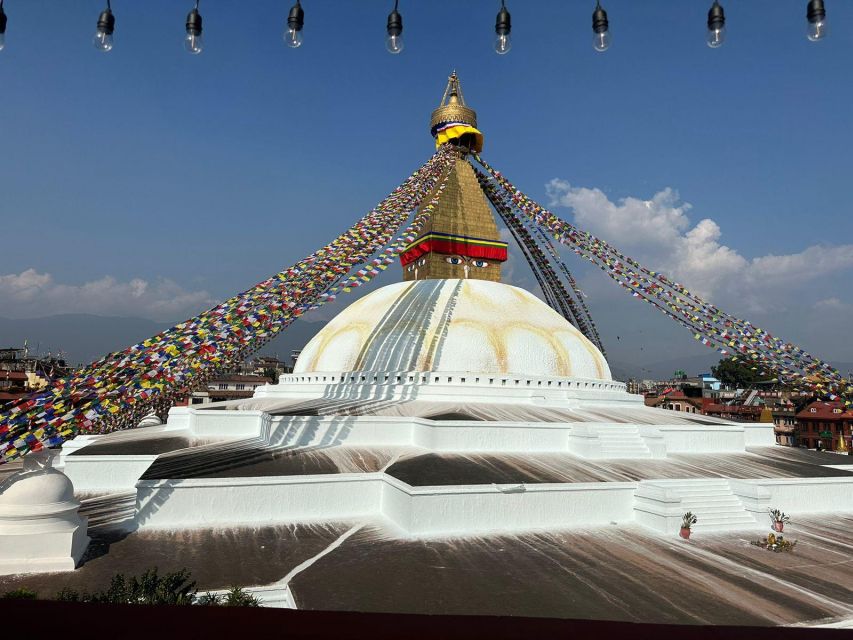
Boudhanath is one of the largest and most striking stupas in the world, and it is a major center for Tibetan Buddhism in Nepal. From the outside, the stupa’s white dome and golden spire dominate the skyline. From the inside, it is the daily routine that grabs you, because the place never really shuts down.
Your time there includes a guided visit plus a walk around the complex area. The highlight for many people is the kora, a sacred circumambulation route. If you have never done a kora before, it can feel like, What do I do with my hands and feet? A good guide solves that quickly by showing the flow and pointing out what is meaningful.
Here is what helps you enjoy Boudhanath more:
- Pay attention to how people move. Many pilgrims keep a steady pace while focusing on prayer wheels and chanting.
- Look for the small details around the stupa grounds, not only the stupa itself.
- Keep your camera ready, but slow down for what you actually want to remember.
You also have a break and time for photos, plus some time near shops and markets around the area. That is a smart way to balance the spiritual parts of the visit with a look at everyday life, like buying small religious items or simply watching how locals interact around sacred spaces.
One practical note: you might see people trying to sell items. Politely saying no usually works, and it keeps your focus on the stupa.
Pashupatinath temple grounds: where architecture meets daily devotion
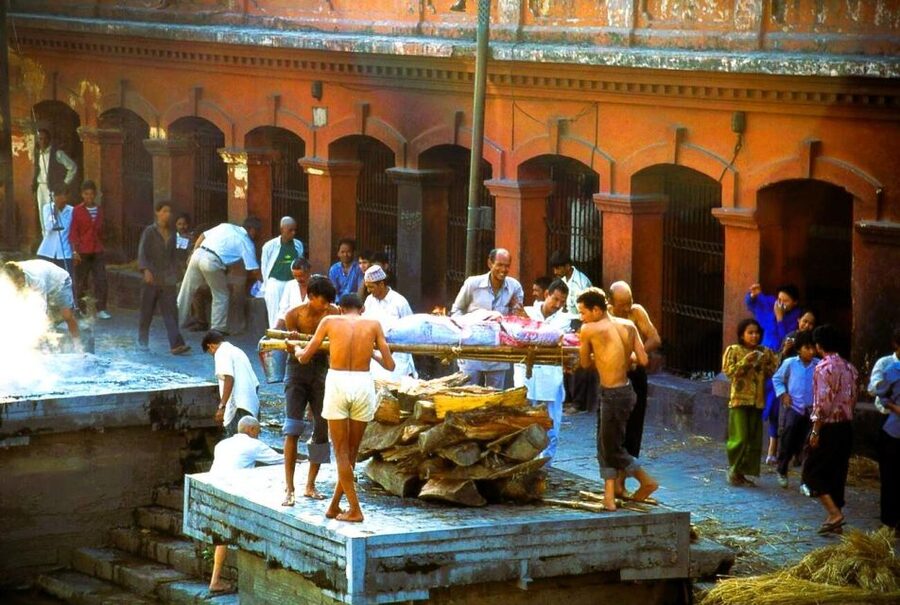
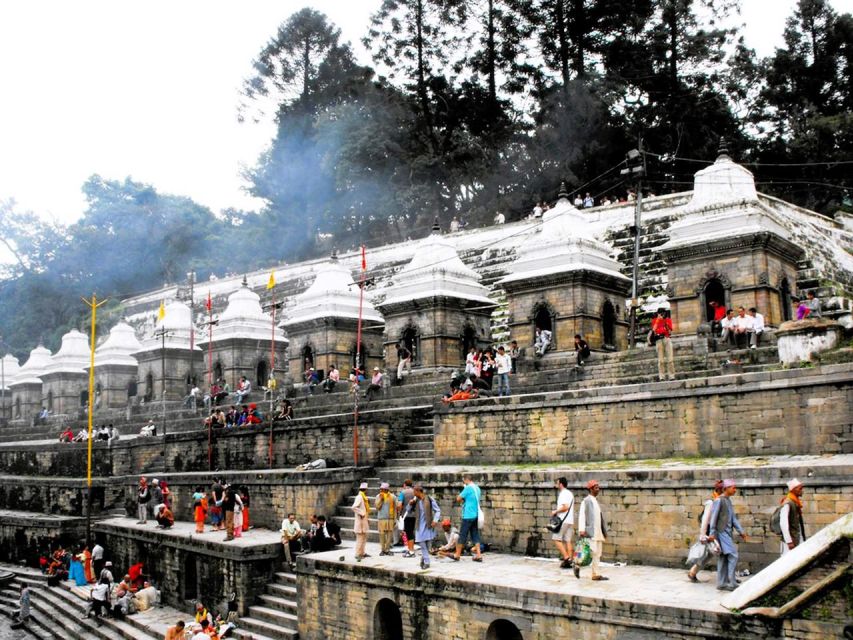
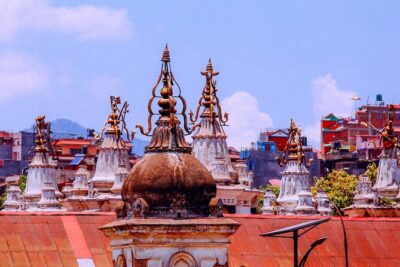
After Boudhanath’s calm, Pashupatinath feels more intense right away. The temple complex sits along the Bagmati River and is one of the holiest Hindu shrines in Nepal, dedicated to Lord Shiva. Even if you care more about culture than religion, the architecture and layout help you understand why this place draws such steady devotion.
Your guided visit covers the outer complex, and it is here that your guide really earns their fee. You learn how the temple areas are organized, what you are allowed to see, and what key statues and shrines represent. You should know that non-Hindus are not permitted inside the main sanctum, so plan your expectations around exploring the outer areas with your guide.
Photo stops are part of the plan, and there is also free time plus shopping time near the temple area and arts-and-crafts market exposure. That mix is useful because Pashupatinath can be emotionally heavy once you reach the river-side ghats. Having small breaks and a little market time helps you reset without rushing.
Cremation rites along the Bagmati River: what you are actually witnessing
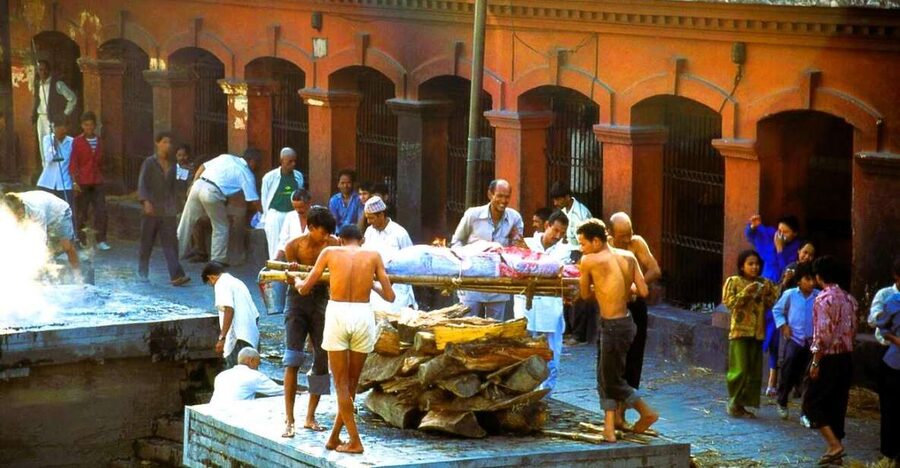
The main event at Pashupatinath is witnessing Hindu cremation rituals at the river’s ghats. This is the part that people often describe as hard to watch, and it makes sense. You are seeing a public expression of life, death, and spiritual transition in Hindu belief.
But it is not meant to be entertainment or shock value. With guidance, the meaning becomes clearer. Your guide should explain:
- why the sacred fire matters
- how the river fits into ideas of cleansing and release
- what each part of the process symbolizes
If you are sensitive to intense scenes, treat this as a moment of respect, not a “watch and move on” activity. Choose your viewing spot carefully and listen to what your guide tells you about timing and rituals. Even if the ceremony is emotionally difficult, understanding what you’re seeing can make the experience feel less chaotic and more human.
I also think timing matters here. As the sun lowers, the temple atmosphere becomes more alive with spiritual chanting, bells, and conch shells. That means the experience may feel like a moving ritual, not a static site. If you can handle it, that evening energy can make the whole experience click.
Another way to spend the time in Nepal:
- Everest Base Camp Trek – 14 Days
★ 5.0 · 1,499 reviews - Everest Base Camp Trek
★ 5.0 · 842 reviews - Private Kathmandu Sightseeing Tour | UNESCO World Heritage sites
★ 5.0 · 756 reviews - Kathmandu: 7 UNESCO Sites with Lunch
★ 4.8 · 744 reviews
The Aarati ceremony: instruction changes everything
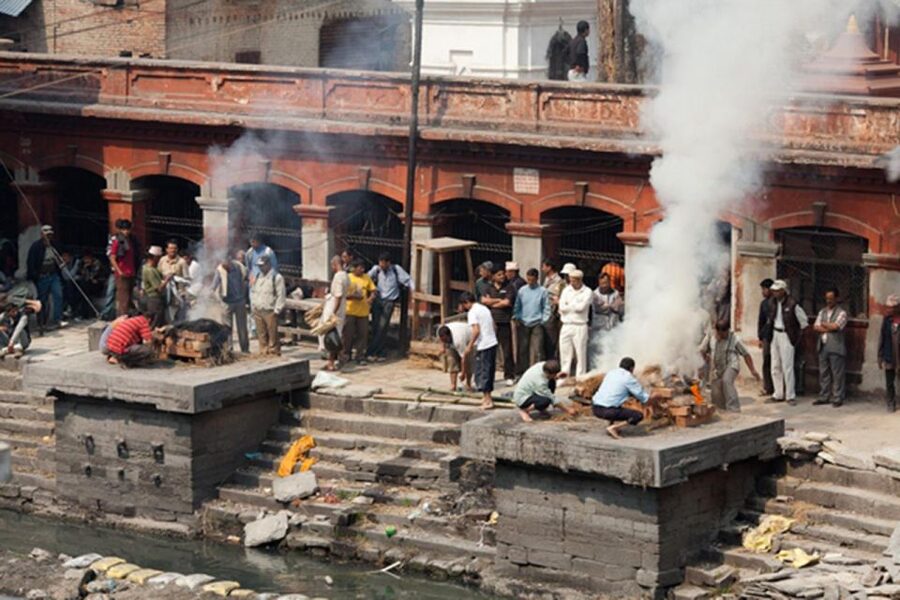
Aarati at Pashupatinath is a highlight, and it gets mentioned again and again. The difference is that when a guide explains each step, you stop treating it like a chant you cannot follow and start noticing the rhythm and intention.
People highlight this part of the tour as unforgettable for a reason. It is both spiritual and emotional. You hear sound, see movement, and watch the focus shift between participants and ritual objects. If your guide brings you to a good viewing position, you can actually see what is happening instead of craning your way around strangers.
In bookings, guides such as Pranav and Razz get praised for being polite, friendly, and extremely clear about what is happening. Karma and Anish also come up as guides who answer questions and help you watch respectfully, including creating space for you to stay and observe when possible.
One tip for you: do not try to multitask during Aarati. Put the phone away for a few minutes and just watch. The ceremony is short enough that you can give it full attention, and you will remember it better.
How much does it cost, and is it worth the money
The tour price is listed at $11 per person, and that is the headline number people notice. But you also need to budget for UNESCO entry fees, which are not included.
Based on the info given:
- Pashupatinath Temple entry fee: NRs 1000
- Boudhanath Stupa entry fee: NRs 400
So your total cost is basically the low-cost guided service plus site entry fees, and then food and drinks on your own. If you are comparing against other Kathmandu sightseeing options, the value is in what is included: hotel pickup and drop-off, guided attention at Boudhanath, guidance at Pashupatinath cremation rites, and a guided return to your central area.
Skipping ticket lines is also included. That sounds small, but when you are trying to see multiple sites in a short window, avoiding ticket delays helps you keep the day feeling manageable.
Also, this is not a long tour. It runs 2 to 5 hours, depending on the option and timing. For many people, that makes it a great add-on day plan rather than a time sink.
Getting there: pickup, meeting point, and what you manage yourself
There are two ways this can work, and you should plan your day with both in mind.
- Hotel pickup and drop-off can be included as an option, and the guide accompanies you during the tour and Aarati.
- If you do not use pickup, you need to manage transportation on your own.
The meeting point details say the guide will meet you at the ticket counter of Pashupatinath Temple. That means you should be ready to arrive at Pashupatinath in time for the guided portion, especially if your tour timing targets the late-day Aarati atmosphere.
If you stay in Thamel, there are also listed drop-off options back in Kathmandu and in Thamel. That is helpful because it reduces the stress of getting back to where you actually want to be at the end of the day.
What to bring and how to behave at sacred sites
This tour comes with straightforward rules, and following them will make your visit smoother.
Bring:
- A passport or ID card (a copy is accepted)
Not allowed:
- Luggage or large bags
- Drones
- Alcohol and drugs
- Nudity
Also, it is not suitable for:
- Children under 12
- People with respiratory issues
How I’d prepare your mindset:
- Expect crowds around major ritual moments.
- Dress respectfully and keep your body language calm.
- If you feel overwhelmed during the cremation rites, it is okay to step back. A guide can help you adjust where you stand.
One more small practical thought. Because cameras and phones matter to you, you may be tempted to film everything. The ceremony is better experienced with some stillness, especially during Aarati.
Who this tour suits best, and who should skip it
This is a strong choice if you want:
- a guided way to see both Boudhanath Stupa and Pashupatinath
- cultural interpretation, not just sightseeing
- a deeper look at Hindu cremation rites and the emotional tone of Aarati
- smaller group or private options, with English support and more languages available
Languages offered include English, Chinese, Hindi, and Russian, which is a big comfort factor if you do not speak Nepali.
You might want to skip or rethink if:
- you are not comfortable with cremation rites in close proximity
- you have respiratory issues
- you are traveling with kids under 12
- you expect a relaxed “temple photos only” itinerary
If you do fit the profile, you will likely find the pairing of sites satisfying. Boudhanath gives you a breathing space. Pashupatinath gives you the weightier, unforgettable part of Kathmandu spirituality.
Should you book Sacred Pashupatinath, Aarati, cremation rites, and Boudha Stupa?
Book it if you want a real spiritual day in Kathmandu that explains what you are seeing, not just where to stand for photos. The best reason is the ritual instruction: people consistently praise guides like Razz, Pranav, Karma, Anish, and Sudhir for clear explanations and respectful pacing, especially around Aarati and the cremation ceremonies.
Think twice if you know you are sensitive to emotionally intense scenes. The cremation rites are part of the core experience here, and you should not book it as a casual sightseeing stop.
Finally, do the math before you decide. The $11 headline price is attractive, but you must add site entry fees (NRs 1000 and NRs 400). If you are okay with paying those fees for guided, time-efficient access and a thoughtful cultural explanation, it is a good value.
FAQ
How long is the Sacred Pashupatinath day tour?
The duration is listed as 2 to 5 hours, depending on availability and the selected option.
What does the $11 price include, and are entry fees covered?
Hotel pickup and drop-off (optional), a guided tour at Boudhanath Stupa (if mentioned in your selected option), witnessing the Hindu cremation rituals at Pashupatinath with a guide, local market exploration near Boudha, and guided return are included. Entry fees for both sites are not included.
Where does the guide meet me?
The guide meets you at the ticket counter of Pashupatinath Temple and takes you for the tour and Aarati. Pickup is optional depending on your booking option.
What languages are available for the live tour guide?
Live tour guidance is available in English, Chinese, Hindi, and Russian.
What should I bring, and what is not allowed?
Bring a passport or ID card (a copy is accepted). Luggage or large bags, drones, alcohol and drugs, and nudity are not allowed.
Is this tour suitable for children or for people with respiratory issues?
No. The tour is listed as not suitable for children under 12 and for people with respiratory issues.
Latest additions near Kathmandu
- White Water River Rafting – 1 Day★ 4.3 · 3 reviews
- Traditional Momo Making Class★ 5.0 · 10 reviews
- Kathmandu to Pokhara Premium sofa bus ticket★ 4.0 · 17 reviews
- Ghorepani Poon Hill Trek★ 5.0 · 16 reviews
- Amazing 1 Day Trekking Experience in Kathmandu Nepal★ 5.0 · 24 reviews
- Ghorepani Poonhill Trek★ 5.0 · 5 reviews
- Walking tour of real Kathmandu through back streets.★ 5.0 · 3 reviews
- Wildlife Adventure in Chitwan Nepal★ 4.0 · 4 reviews
Temple & Stupa Tours, compared.
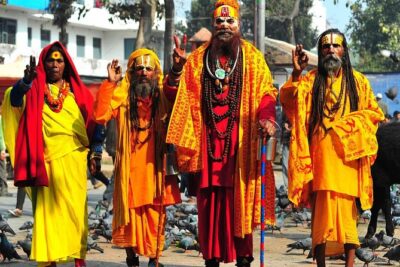
Kathmandu Spiritual Sites: Bodhnath & Pashupatinath Tour
Read our review →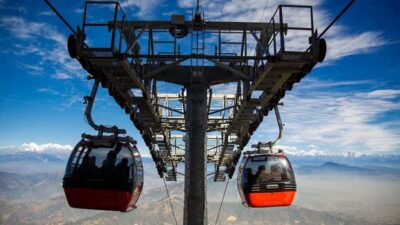
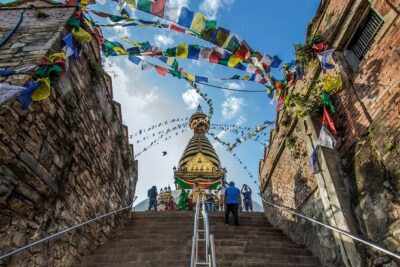
Monkey Temple – Swayambhunath Tour – Private/Small Group
Read our review →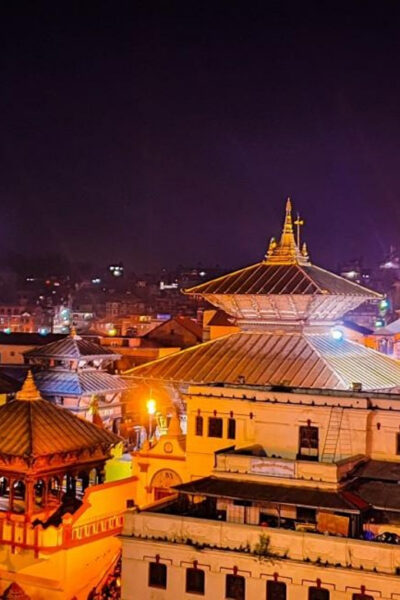
Chandragiri Cable Car & Monkey Temple Tour- Private/Group
Read our review →
Private Chandragiri Cable Car and The Monkey Temple Tour
Read our review →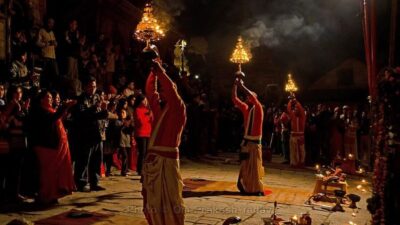
Pashupatinath Temple, Hindu Crematorium and Aarati in-depth Tour
Read our review →Browse the lists this tour appears in