
Reviewed · TEMPLE & STUPA TOURS
Kathmandu: Pashupatinath Temple Aarti Night Tour
Night at Pashupatinath lands like a drumbeat. This 3-hour Kathmandu tour puts you close to Pashupatinath Temple’s golden roof and silver doors, and then guides you through the meaning of the aarti light ceremony in the temple complex.
I especially like the pace for a short evening: pickup, drive, ceremony time, then back to your hotel without stress. The other big win is the licensed English speaking guide, who helps you understand why the Bagmati River setting and Lord Shiva worship matter here.
One consideration: timing can be tight. If the drive runs late, you might miss part of the ceremony start, and the tour is only 3 hours total.
In This Review
- Key things to know before you go
- Pashupatinath at Night: why the Bagmati River setting matters
- The golden roof, silver doors, and what you should look for
- Your 3-hour flow: pickup, drive, aarti light moments, back to hotel
- Inside the Pashupatinath complex: temples, ashrams, and Arya Ghat
- The guide makes or breaks the night
- Price and value: what you get for $71 in 3 hours
- When Maha Shivaratri changes the experience
- Practical tips that actually help on the ground
- Who should book this night tour
- Should you book this Pashupatinath Night Tour?
- FAQ
- How long is the Kathmandu Pashupatinath Temple Aarti Night Tour?
- Where does this tour take place?
- What is the price per person?
- Does the tour include hotel pickup and drop-off?
- Is transportation included?
- Do I get an English speaking guide?
- Is the entry ticket included?
- Are food and drinks included?
- What should I bring?
- Can I cancel and still get a refund?
Key things to know before you go
- Golden roof and silver doors are the visual hook, right at Pashupatinath’s main pagoda-style temple
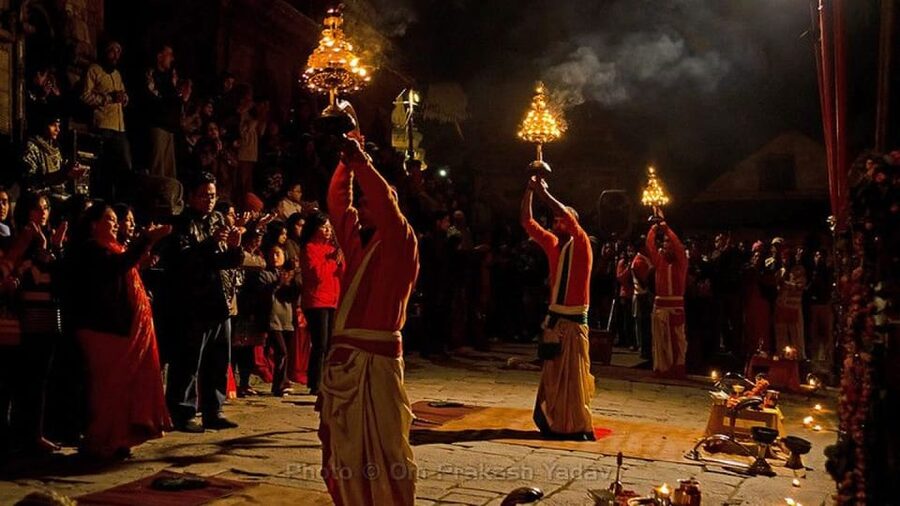
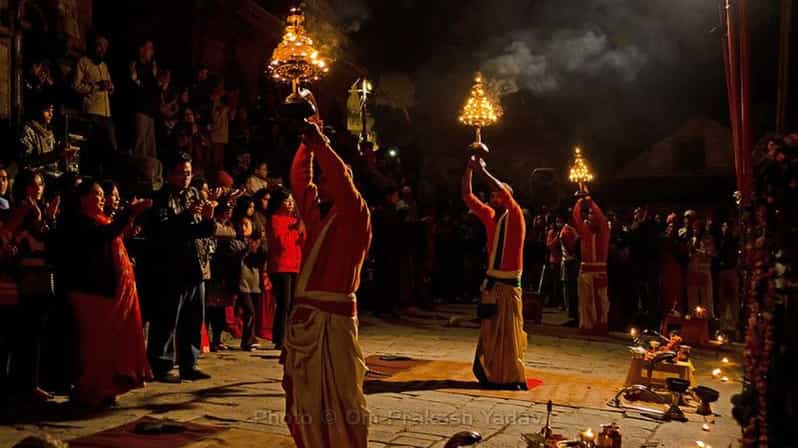
- Aarti light ceremony time is the emotional center of the night visit
- Arya Ghat cremation area sits within the same complex, and you may see related activity (depending on timing)
- English guide stories help you connect architecture and ritual to Hindu tradition
- Hotel pickup and drop-off keep this easy in Kathmandu, especially at night
- Private group means less rushing and more room for questions
Pashupatinath at Night: why the Bagmati River setting matters
Pashupatinath is one of the most significant Hindu temples in Kathmandu, and the setting is part of the power. The temple complex stretches on both sides of the Bagmati River, so you feel like you are watching worship happen alongside the river’s constant movement.
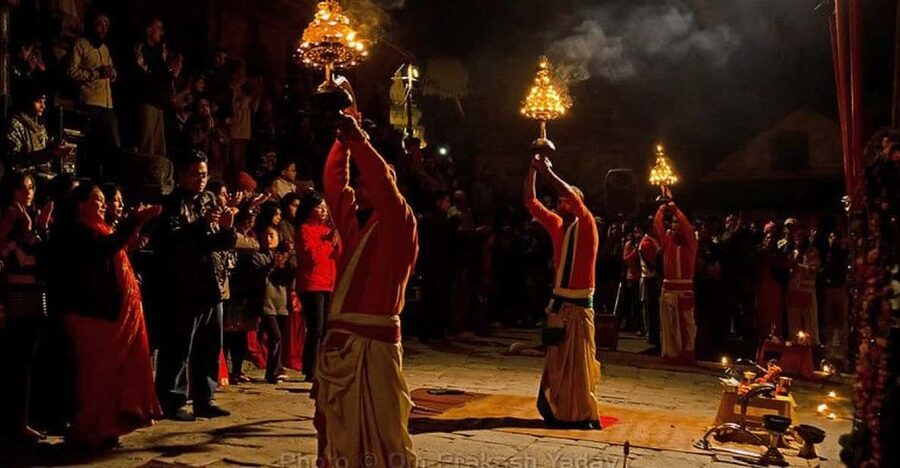
At night, that geography changes the mood. You still get the big landmark look, the golden roof and carved details, but the ceremony atmosphere feels more focused and less like a daytime sightseeing loop. For me, that is the real value of doing it after dark. It turns a famous site into something you can actually follow, moment by moment.
You also benefit from the fact that this is a UNESCO World Heritage Site. The main structure is pagoda-style and iconic, but the complex includes multiple smaller temples and ashrams too. That means your guide has plenty of places to point to, so your 3 hours do not feel like you only skim the surface.
More Temple & Stupa Tours in Kathmandu:
- Kathmandu Spiritual Sites: Bodhnath & Pashupatinath Tour
★ 5.0 · 185 reviews - Kathmandu: Chandragiri Cable Car and Monkey Temple Tour
★ 4.8 · 139 reviews - Monkey Temple – Swayambhunath Tour – Private/Small Group
★ 5.0 · 50 reviews
The golden roof, silver doors, and what you should look for
When people say Pashupatinath is visually striking, they are usually talking about two things. First, the main temple has a golden roof. Second, it is paired with intricately carved silver doors.
Here is why those details are worth your attention beyond the obvious photo moment. The temple you see today has layers. It is believed the original temple dates back to the 5th century, while the current structure traces to the 17th century after multiple reconstructions. That mix of old roots plus later rebuilds is exactly what you are looking at when you study the main pagoda form and the ornate doorway work.
Your guide should connect those architectural features to the reason worship flows here. Pashupatinath is dedicated to Lord Pashupatinath, widely understood as an incarnation of Lord Shiva. If you want the visit to feel meaningful instead of just scenic, spend your first minute or two looking at the golden roof and silver doors, then let your guide put words to what you are seeing.
Also keep an eye on the complex layout. Since it spans both banks of the Bagmati, it helps to have someone explain where key areas sit relative to the main temple. That context makes the rest of the evening easier to understand.
Your 3-hour flow: pickup, drive, aarti light moments, back to hotel
This tour is built around a simple 3-hour rhythm, and that is a big deal in Kathmandu. You get hotel pickup and drop-off, plus transportation to and from Pashupatinath, so you are not negotiating buses or sorting out timing by yourself.
Plan to wait in your hotel lobby about 15 minutes before pickup. In real life, that small window helps you avoid the stress that comes with evening traffic and late arrivals. One review noted a driver being late and missing the beginning of the ceremony, which is exactly why I treat that 15-minute buffer as essential, not optional.
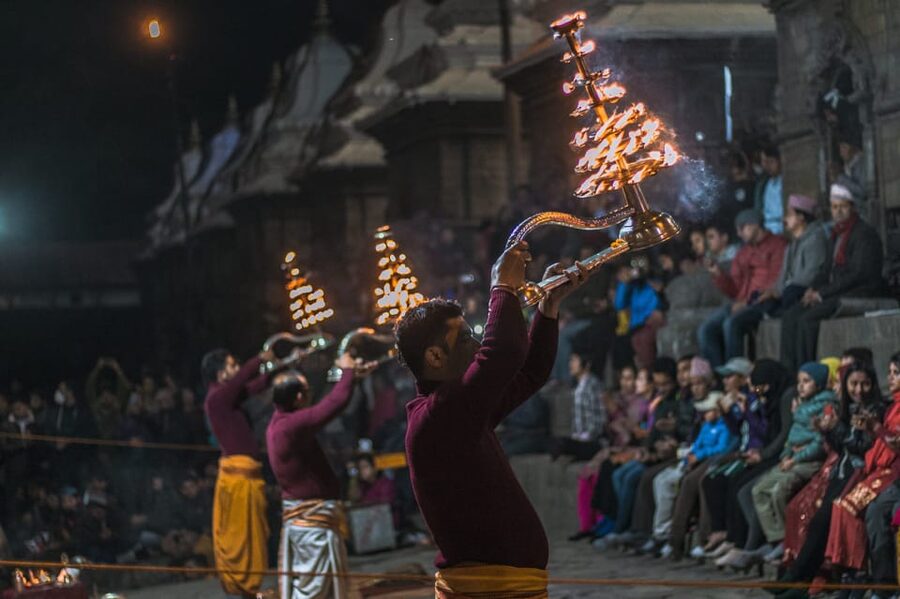
Once you arrive, your guide leads the group through what you should watch for. You get a chance to experience Nepali devotion firsthand, and the highlight is the special aarati ceremony held at the temple.
After the ceremony segment, the tour ends with your drop-off back at your hotel. For a night tour, this is practical. You do not get stuck figuring out where to go next, and you can rest while the evening is still new in your memory.
A private group also matters here. Even if the group is small, private means you can ask questions without feeling like you are cutting into a fast-moving schedule. And with a licensed English speaking guide, you are not left to guess what the ceremony and temple areas mean.
Inside the Pashupatinath complex: temples, ashrams, and Arya Ghat
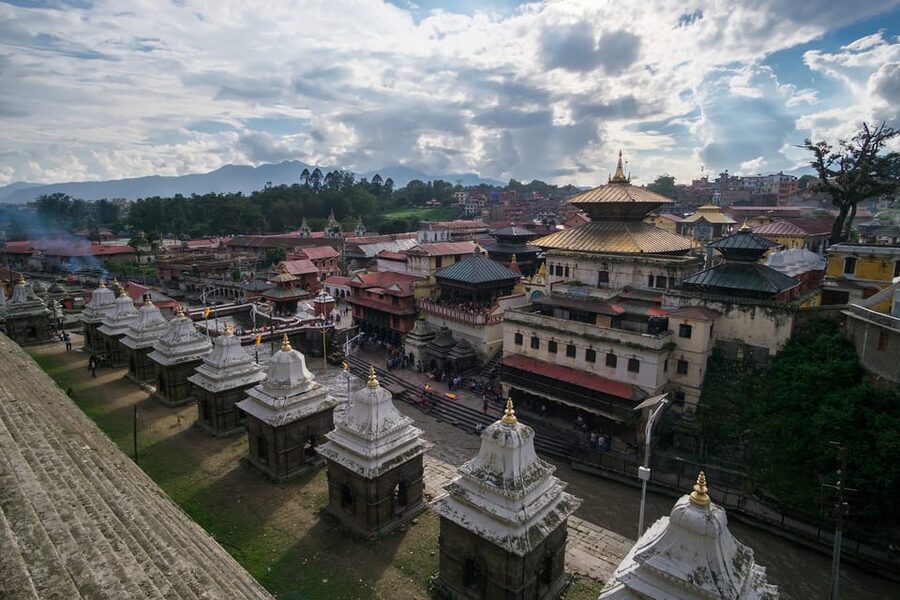
Pashupatinath is not one single building. It is a complex, and that complexity becomes part of the story.
Beyond the main temple, the complex includes various smaller temples and ashrams. Your guide should help you understand how these spaces fit into the larger pilgrimage site. You will typically spend the night viewing the main pagoda temple first, then moving through the complex at a pace that fits the ceremony timing.
One area you should know about ahead of time is Arya Ghat. Arya Ghat is the cremation site located on the bank of the Bagmati River, and it is closely associated with Hindu cremations. The belief is that the deceased soul attains moksha, liberation from the cycle of rebirth, if cremated here.
This is not a casual detail. It helps explain why Pashupatinath draws not just worshippers, but pilgrims who come with deep religious purpose. If you are sensitive to the subject, it is worth knowing this section of the complex exists and can be part of what you observe, depending on timing.
One guide-led detail that came up in feedback is watching live cremation activity alongside the Aarti light celebration. You may or may not see that in your exact time window, but the possibility is part of what makes this temple complex so significant and so emotionally intense.
If you want a smooth experience, arrive mentally ready to see both beauty and solemnity in the same place.
Another way to spend the time in Nepal:
- Everest Base Camp Trek – 14 Days
★ 5.0 · 1,499 reviews - Everest Base Camp Trek
★ 5.0 · 842 reviews - Private Kathmandu Sightseeing Tour | UNESCO World Heritage sites
★ 5.0 · 756 reviews - Kathmandu: 7 UNESCO Sites with Lunch
★ 4.8 · 744 reviews
The guide makes or breaks the night
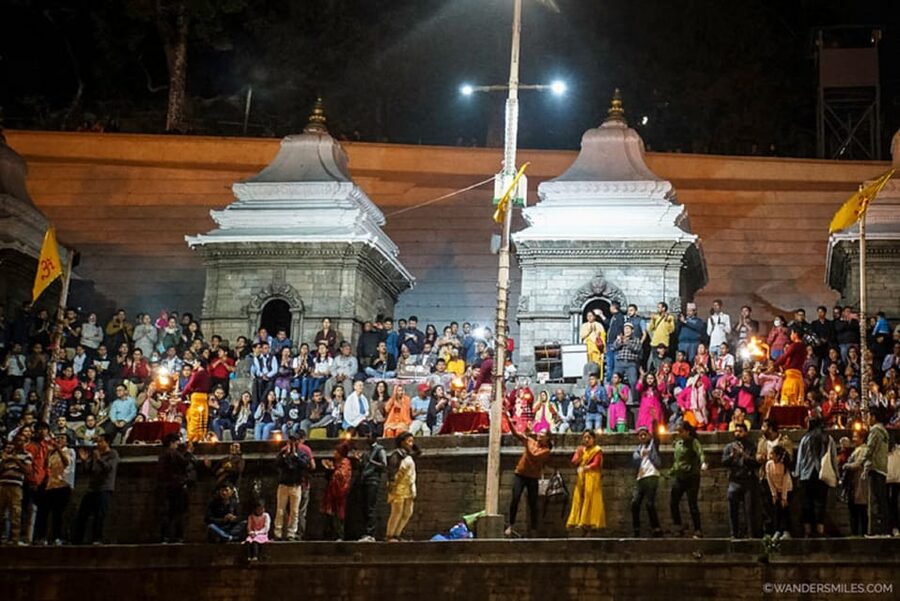
With a site this meaningful, you want context, not just directions. This tour includes a licensed English speaking guide, and that guide is a key part of the value.
In one example, the guide was Madhu. The highlights from his approach were clear and practical: he was enthusiastic, he shared historical stories along the way, and he helped connect what you were seeing with why it matters. Another important point from that same experience was how he linked the live cremation area context with the Aarti light moments, so the evening felt coherent instead of scattered.
I also like that the tour is designed for questions and explanation. Aarti ceremonies can look straightforward on the surface, but the meaning and symbolism are where understanding grows. If you pay attention to your guide’s pacing, you will get more from the night than you would wandering alone.
And safety matters. One piece of feedback specifically mentioned a solo female visitor feeling safe and well informed at all times. You should still use normal travel sense at any major religious site, but having a guide managing the flow makes a difference.
Price and value: what you get for $71 in 3 hours
At $71 per person for about 3 hours, this is not a cheap “quick stop,” but it also is not trying to be a luxury experience. The value is mostly in convenience and interpretation.
Here is what is included:
- Hotel pickup and drop-off
- Transportation to and from Pashupatinath Temple
- A licensed English speaking guide
- Entry ticket to Pashupatinath
- All taxes
What is not included:
- Food and drinks
For me, the math makes sense if you count the entry ticket plus the hassle you avoid by letting someone handle transport and timing. Night visits in Kathmandu can be tricky to coordinate on your own, especially if you want ceremony time. A guided, round-trip setup saves effort and reduces the risk of missing key moments.
The only ongoing cost is that you still need to handle food and drinks separately. If you plan ahead and eat beforehand, you will keep the evening calm and focused on the temple rather than hunting for snacks mid-visit.
When Maha Shivaratri changes the experience
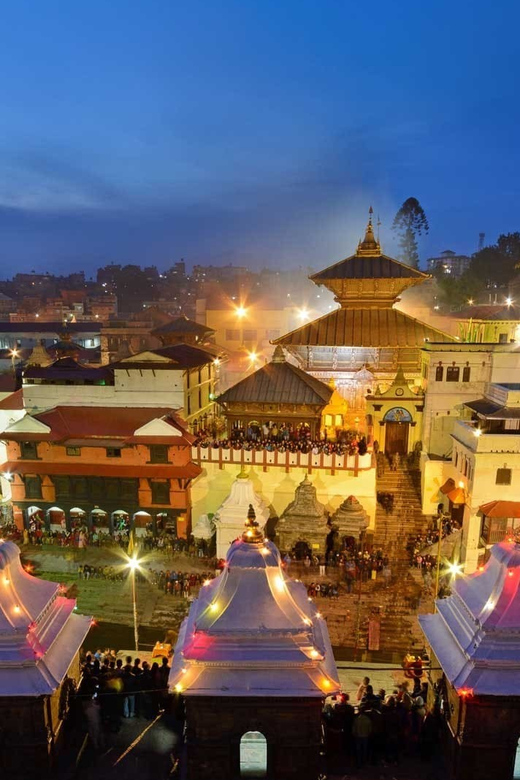
You should know this site has a major peak time: Maha Shivaratri. It is one of the biggest annual celebrations held here, bringing devotees from across Nepal and neighboring countries.
Even if you are not going during the festival, the temple’s reputation for drawing thousands of pilgrims and devotees gives you a sense of why the ceremony atmosphere can feel intense. Festivals generally mean more crowds, more movement, and more emotion.
If your travel dates put you close to Maha Shivaratri, you might want to be mentally ready for extra crowds and a less flexible pace. In those moments, your guide becomes even more valuable because they can steer you through what matters most.
Practical tips that actually help on the ground
A few practical points from the tour details will make your night go smoother.
First, bring your passport, or at least a copy. The tour specifically notes passport and that a copy is accepted. That is an easy win, and it avoids last-minute issues.
Second, show up on time for pickup. The tour says to wait in the hotel lobby 15 minutes before the tour. Because ceremony timing can be tight, this is not the place to roll the dice.
Third, plan for no included meals. Food and drinks are not part of the tour. If you get hungry during a short 3-hour window, you will feel it. Eat before you go, or plan where you will stop after.
Fourth, remember this is a wheelchair accessible experience. If you need that, it is good that accessibility is explicitly stated.
Finally, keep expectations aligned with the short duration. Three hours is enough to see the golden roof, understand the temple’s significance, and catch the aarti light moments, but it is not enough for a long multi-area day. The tour is designed for a night highlight, not a full day of roaming.
Who should book this night tour
This tour is a strong match if:
- You want a focused introduction to Pashupatinath without arranging transport on your own
- You care about understanding what you are seeing, not just checking off a landmark
- You prefer a private group format, where you can ask questions
- You are short on time in Kathmandu and still want a ceremony-based experience
It is also a good choice if you value a licensed English speaking guide. When you are dealing with Hindu rituals and temple history, being able to follow an explanation in your language makes a big difference.
If you are deeply sensitive to cremation settings, keep in mind that Arya Ghat is part of the complex. The tour description and real-world guide experiences suggest you might see related activity depending on timing, so you may want to consider that before booking.
Should you book this Pashupatinath Night Tour?
I think you should book if you want the meaning behind Pashupatinath as much as the visuals. The combination of hotel pickup and drop-off, a licensed English speaking guide, entry ticket included, and a ceremony-focused schedule makes this feel like a smart use of time in Kathmandu.
Skip it or reconsider if your schedule is tight in a way that you cannot absorb a possible delay, since a late start could cause you to miss part of the ceremony beginning. Also be mindful that the complex includes Arya Ghat, so the night experience is not only about lights and architecture.
If you are deciding, here is my simple checklist:
- You have about 3 hours for a guided night visit.
- You want explanation of Lord Shiva worship and temple context.
- You can eat beforehand since food is not included.
If that lines up, this is a practical, memorable way to experience one of Kathmandu’s most important sacred sites after dark.
FAQ
How long is the Kathmandu Pashupatinath Temple Aarti Night Tour?
The tour duration is 3 hours.
Where does this tour take place?
It takes place in Kathmandu, Nepal at Pashupatinath Temple in the Bagmati Zone.
What is the price per person?
The price is $71 per person.
Does the tour include hotel pickup and drop-off?
Yes, hotel pickup and drop-off are included.
Is transportation included?
Yes, transportation to and from Pashupatinath Temple is included.
Do I get an English speaking guide?
Yes, the tour includes a live English speaking guide.
Is the entry ticket included?
Yes, entry ticket to Pashupatinath is included.
Are food and drinks included?
No, food and drinks are not included.
What should I bring?
Bring your passport, and a copy is accepted.
Can I cancel and still get a refund?
Yes. You can cancel up to 24 hours in advance for a full refund.
Latest additions near Kathmandu
- White Water River Rafting – 1 Day★ 4.3 · 3 reviews
- Traditional Momo Making Class★ 5.0 · 10 reviews
- Kathmandu to Pokhara Premium sofa bus ticket★ 4.0 · 17 reviews
- Ghorepani Poon Hill Trek★ 5.0 · 16 reviews
- Amazing 1 Day Trekking Experience in Kathmandu Nepal★ 5.0 · 24 reviews
- Ghorepani Poonhill Trek★ 5.0 · 5 reviews
- Walking tour of real Kathmandu through back streets.★ 5.0 · 3 reviews
- Wildlife Adventure in Chitwan Nepal★ 4.0 · 4 reviews
Temple & Stupa Tours, compared.
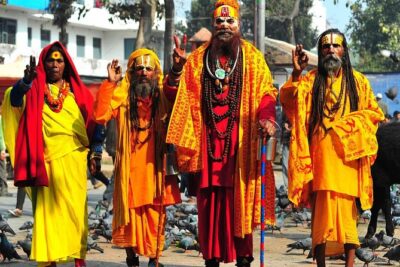
Kathmandu Spiritual Sites: Bodhnath & Pashupatinath Tour
Read our review →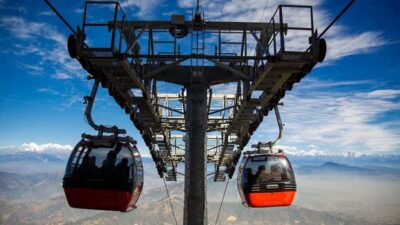
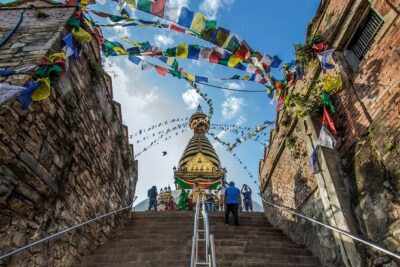
Monkey Temple – Swayambhunath Tour – Private/Small Group
Read our review →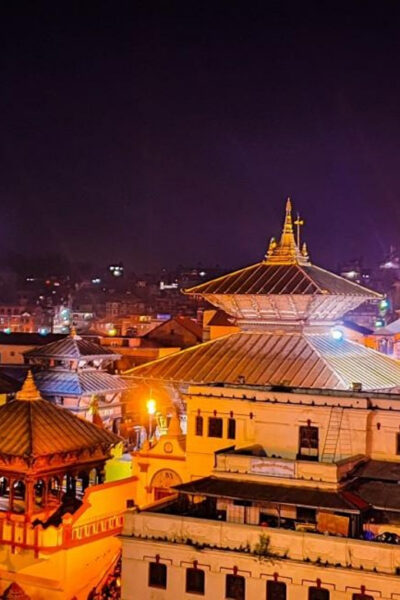
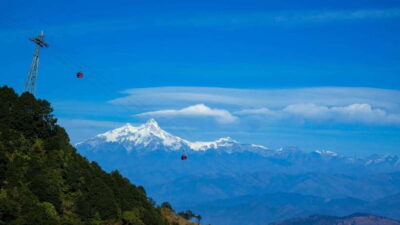
Chandragiri Cable Car & Monkey Temple Tour- Private/Group
Read our review →
Private Chandragiri Cable Car and The Monkey Temple Tour
Read our review →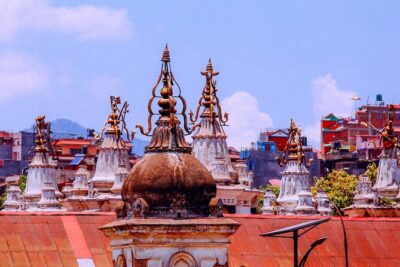
Pashupatinath Temple, Hindu Crematorium and Aarati in-depth Tour
Read our review →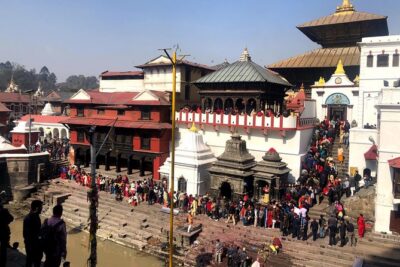
Pashupatinath Evening Aarati: Few Divinely Hours in Kathmandu
Read our review →Browse the lists this tour appears in