
Reviewed · TEMPLE & STUPA TOURS
Monkey Temple – Swayambhunath Tour – Private/Small Group
Swayambhunath turns a simple walk into a story tour of Kathmandu. This small-group route is built around legends, sacred spots, and the city’s origin myths, guided with a calm pace and lots of time to ask questions. I particularly like the way Santosh (one of the guides people consistently name) explains the Hindu and Buddhist links so things make sense on the spot, and I like how the route mixes major sights with smaller temples that feel less like checklists.
You will also notice real value for the price: most entrance fees are handled, and you get an English-speaking guide for the full 3 hours. The only real catch is physical, because the climb into Swayambhu involves steps, and Swayambhunath’s main entrance includes a separate cash fee you pay directly to the temple.
If you have knee issues or breathing limits, you should take the tour’s fitness note seriously, and plan on steady walking rather than a long sit-down sightseeing day.
In This Review
- Key Highlights You’ll Actually Care About
- Thamel’s Start Point: Pumpernickel Bakery and a Calm Morning Pace
- Indrayani/Luti Ajima and Bijeshwori: Where Hindu and Buddhist Paths Cross
- Bhagwan Pau at the Bottom of the Hill: 365 Stairs and a Breather
- Swayambhunath Stupa: The Main Attraction and Why Ceremonies Matter
- Harati Ajima, World Peace Pond, and Manjushree: Stories in Three Different Moods
- Amideva Buddha Park and Shova Bhagawati: Towering Idols and a River-Bank Shrine
- The Easy Finish Back to Thamel: Leaving With Fresh Legs
- Price and Value: Why $15 Often Feels Like a Bargain Here
- Who Should Book This (and Who Might Skip It)
- Should You Book Monkey Temple – Swayambhunath?
- FAQ
- How long is the Monkey Temple – Swayambhunath Tour?
- Where does the tour start and end?
- What is included in the tour price?
- Is the entrance fee for Swayambhunath included?
- How big is the group?
- Is the tour very strenuous?
- Is there a youth or student price?
Key Highlights You’ll Actually Care About
- Max 5 people keeps the walk flexible and questions easy, especially if you are solo.
- Santosh-style explanations focus on myths and how Hindu and Buddhist traditions overlap here.
- 365 stairs start at Bhagwan Pau, so bring water and expect a short climb rhythm.
- Swayambhunath is the main stop, with guidance during any religious ceremonies you happen to see.
- Big statuary at Amideva Buddha Park, including towering Amitabha, Chenrezig, and Padmasambhava idols.
- Mostly included entry fees, with one key exception you pay in rupees on arrival.
Thamel’s Start Point: Pumpernickel Bakery and a Calm Morning Pace
This tour starts in the heart of Thamel at Pumpernickel Bakery, a practical meeting spot that’s easy to find once you are oriented. From there, you head toward Bhagwan Pau, and the early stretch is a good warm-up for the rest of the day.
The group stays small (up to 5), so the pace tends to be walkable rather than rushed. Expect a mix of short temple stops and moving between them. If you like your guides to stop and explain what you are looking at, this style fits, because the schedule is built around interpretation, not speed-walking through gates.
More Temple & Stupa Tours in Kathmandu:
- Kathmandu Spiritual Sites: Bodhnath & Pashupatinath Tour
★ 5.0 · 185 reviews - Kathmandu: Chandragiri Cable Car and Monkey Temple Tour
★ 4.8 · 139 reviews - Kathmandu: Pashupatinath Temple Evening Aarati Tour
★ 5.0 · 36 reviews
Indrayani/Luti Ajima and Bijeshwori: Where Hindu and Buddhist Paths Cross
The first temple area you pass through connects Kathmandu’s mythic past to the present neighborhood. One stop focuses on Indrayani, also called Luti Ajima, tied to an origin story involving the Licchavi era. In the 13th century, King Gunakamdev made Kathmandu city and established eight Matrikas said to be shaped like Khadga, and Indrayani/Luti Ajima is one of them. Even if you only catch the story in pieces, it gives you a framework for why these shrines feel layered with meaning.
A second stop is Bijeshwori Temple, described as sacred to both Hindu and Buddhist followers. It’s also noted as an important pilgrimage for Tibetan Buddhists because of its Buddhist affiliation, while Hindu disciples also hold it in regard. For me, this is one of the tour’s smartest choices, because it shows you Kathmandu as a city where religious identity overlaps at street level, not just on paper.
Admission is listed as free for the first meeting-area portion, which is a nice bonus when you are budgeting. Keep your camera ready, but also keep one hand free for your water bottle. You will want it later.
Bhagwan Pau at the Bottom of the Hill: 365 Stairs and a Breather
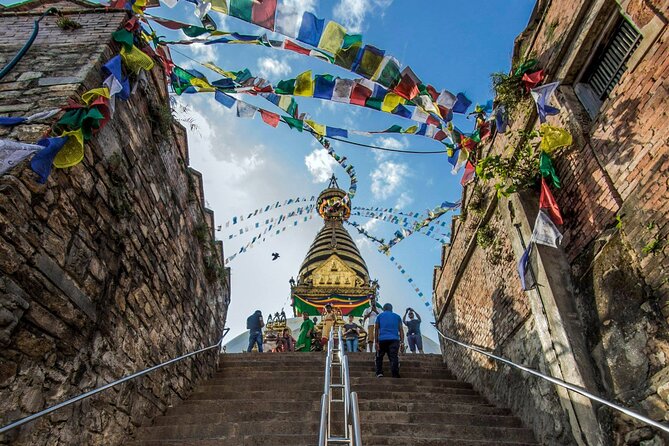
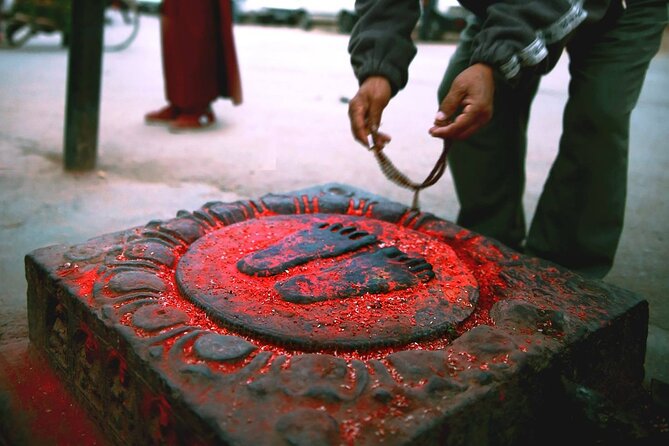
Swoyambhu Bhagwan Pau is essentially the starting point for the climb, because it is named as the feet of Lord Buddha, located at the bottom of the Swayambhu hill. From here, the main entrance begins with 365 stairs. That single number is the kind of detail you remember once you are actually standing there, because you can see the “count” embodied in the architecture.
You get a pause before the main temple, with time to rest and drink water. That matters. Stairs are stairs, even when the setting is beautiful. Take the rest seriously, because you will feel the tempo change as you move upward toward the stupa complex.
Also, this tour is listed as requiring moderate physical fitness. If you know you get winded or you struggle with repeated steps, you should consider whether this hike fits your comfort level. Severe asthma and knee problems are specifically not recommended for participation.
Swayambhunath Stupa: The Main Attraction and Why Ceremonies Matter
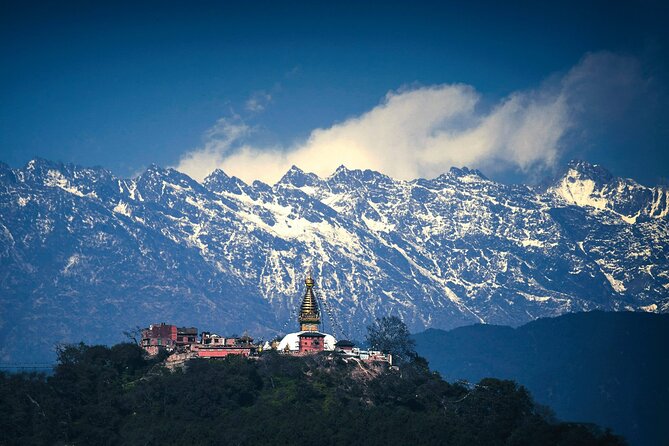
Swayambhunath is the highlight. It’s described as self-originated, and the focus here is not only the stupa itself, but also the origin stories of Swayambhu and the Kathmandu Valley, with lore and legends woven into what you see as you walk through the neighborhood.
Here’s why this stop is more than photo time: your guide explains the meanings behind what you are looking at, and the tour specifically notes that you get a better understanding when religious ceremonies are happening. That is exactly the kind of small detail that can make the difference between a view you’ve seen online and a place that actually clicks.
This is also the one place where you should do a tiny bit of cash math. The Swayambhunath entrance fee is 200 rupees, about US$1.50, paid in cash directly to temple authorities. The tour lists it as not included, so plan to have some rupees available.
Spend your time watching patterns, not just objects. The guide’s explanations help you connect the stories to the layout you’re walking through, and that connection is what turns the stupa into something you understand, not just something you pass.
A few more Kathmandu routes to compare
- Private Kathmandu Sightseeing Tour | UNESCO World Heritage sites
★ 5.0 · 756 reviews - Kathmandu: Full Day 7 UNESCO Tour with Lunch – Private/Group
★ 5.0 · 415 reviews - Private Bhaktapur and Nagarkot Day Tour From Kathmandu
★ 5.0 · 305 reviews - Kathmandu: Full Day Top 4 UNESCO Tour with Lunch – Private/Group
★ 5.0 · 269 reviews
Harati Ajima, World Peace Pond, and Manjushree: Stories in Three Different Moods
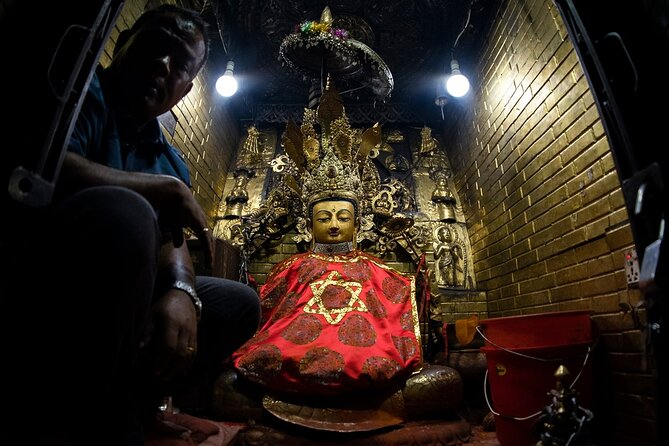
After the main stupa, the route shifts into smaller, story-driven stops that keep the morning interesting.
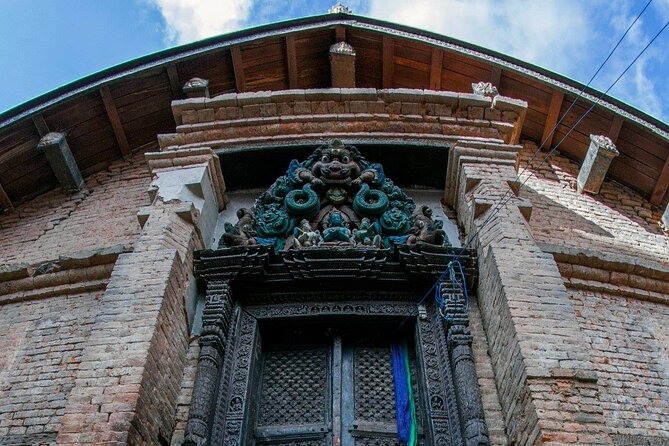
Harati Ajima Temple is one of the best examples of how the tour uses legends to explain architecture. The temple is noted for a unique Nepalese pagoda style, and you also hear the origin story of Harati, the demon who became Mother Harati and became the focus of worship around the valley. If you like learning why people treat a place as sacred, this is the stop that answers it.
Then you reach World Peace Pond on the western side of the Swayambhunath Temple. In the middle of the pond there’s a brass statue of a Buddha on a lotus flower, and the walls include words in English (as listed). Even if you do not read every line, this stop acts like a quiet reset, a moment to slow down while still being inside the sacred complex.
Manjushree Temple is another short stop, but it’s packed with meaning. It’s dedicated to Maha Manjushree, and you hear legends about how Kathmandu Valley was turned into a city from a great lake. You also get a panoramic view of the western side. For me, this is one of those moments where the walking tour rewards patience, because you get the best payoff for the effort at a human scale, not a distant viewpoint you never connect to.
Amideva Buddha Park and Shova Bhagawati: Towering Idols and a River-Bank Shrine
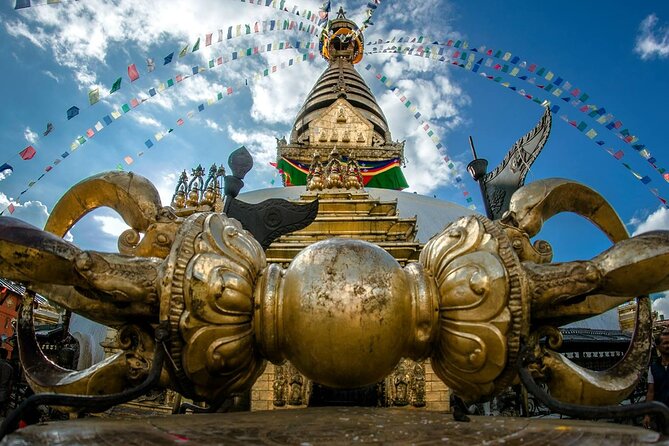
Amideva Buddha Park is a dramatic change of pace. The park features three gigantic idols: Amitabha Buddha (Amideva) in the center at 67 feet, plus Chenrezig and Padmasambhava at 64 feet each on the sides. Seeing the sizes listed helps you understand why this feels like a big public space even though you’re still within a spiritual setting.
The tour includes time to walk around the park and hear the connected story behind the figures. Even without memorizing every detail, you come away with a clearer sense of who these figures are and why they’re grouped here.
Next comes Shova Bhagawati, described as a holy shrine for the goddess Bhagwati on the bank of the Bishnumati River. It’s also mentioned as one of the four major Bhagwati temples in Kathmandu. This stop adds balance. After all the stupa focus, you get a different kind of sacred presence, tied to the river and to major goddess worship.
The Easy Finish Back to Thamel: Leaving With Fresh Legs
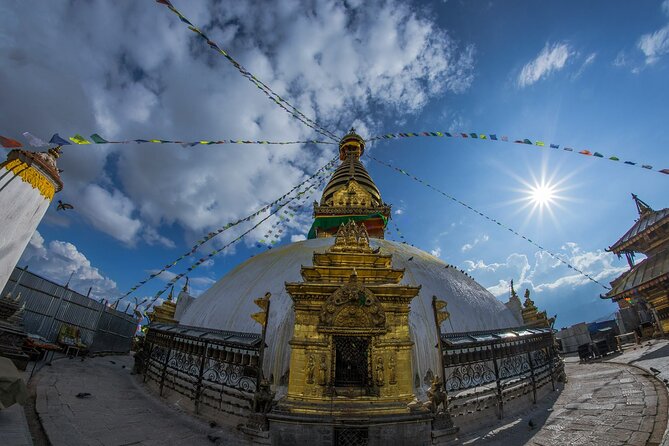
The tour ends where it started, at Pumpernickel Bakery in Thamel, with a walk back from Bhagwan Pau. The route is listed as ending back at the meeting point, and if you want extra time, the tour notes you can explore around Swayambhu and then walk back on your own.
This is a practical advantage if you like freedom after a guided morning. You can either stay with the guide until you’re back in Thamel, or you can stretch your legs longer around Swayambhu area if your stamina allows.
Price and Value: Why $15 Often Feels Like a Bargain Here
At $15 per person for a 3-hour walk, this tour competes well with bigger, more expensive sightseeing formats. Here is what makes the value feel real:
- You get an English-speaking guide for the full session.
- The group is limited to a maximum of 5, which usually means less waiting and more conversation.
- You’ll cover the hill start area plus the main stupa plus several smaller temples, so you leave with a coherent map of how this whole zone fits together.
- Many entrance fees are listed as included, and only Swayambhunath requires the separate 200 rupees cash payment.
Also, the rating is strong, with a perfect recommendation rate (100%) and a 5-star average. When a tour is that consistently liked, it usually means the guide’s method and the route design are working, not just the destination.
If you are on a tight schedule, the timing is helpful too. Three hours is long enough to learn the myths and still short enough that you can plan a second activity later in Kathmandu.
Who Should Book This (and Who Might Skip It)
This tour is a great fit if you:
- Want a guided walk through Swayambhunath that explains the meaning behind what you see.
- Enjoy temples that are not only famous, but also tied to local worship practices.
- Travel solo and like feeling safe in a small group with an experienced guide. Solo women specifically mention feeling secure during the walk, and that matters.
You might skip it if:
- You have severe asthma or knee problems, because the route is designed around stairs and steady walking.
- You want a mostly seated experience. This is a walking tour, and the 365-stairs element is not optional once you choose this path.
Should You Book Monkey Temple – Swayambhunath?
I think this is worth booking if your goal is understanding, not just checking a stupa off your list. The route is structured to connect origin myths of the Kathmandu Valley, sacred temple stories, and viewpoint payoffs into one smooth morning. The guide matters here, and the consistently high marks reflect that.
Just come prepared: bring water, have some rupees for the Swayambhunath entrance fee, and be realistic about the stairs. If you do that, you’ll get a morning that feels like Kathmandu’s spiritual map, not a random pile of stops.
FAQ
How long is the Monkey Temple – Swayambhunath Tour?
The tour runs about 3 hours.
Where does the tour start and end?
It starts at Pumpernickel Bakery on Paryatan Marg in Kathmandu and ends back at the same meeting point.
What is included in the tour price?
An English speaking guide is included, and most listed admission fees are marked as included. Coffee and/or tea are not included.
Is the entrance fee for Swayambhunath included?
No. Swayambhunath entrance is listed as 200 rupees in cash paid directly to temple authorities.
How big is the group?
The maximum group size is 5 travelers.
Is the tour very strenuous?
It’s described as requiring moderate physical fitness, and it’s not advised for people with severe asthma or knee problems.
Is there a youth or student price?
Yes. The youth price is for students with a student card.
Latest additions near Kathmandu
- White Water River Rafting – 1 Day★ 4.3 · 3 reviews
- Traditional Momo Making Class★ 5.0 · 10 reviews
- Kathmandu to Pokhara Premium sofa bus ticket★ 4.0 · 17 reviews
- Ghorepani Poon Hill Trek★ 5.0 · 16 reviews
- Amazing 1 Day Trekking Experience in Kathmandu Nepal★ 5.0 · 24 reviews
- Ghorepani Poonhill Trek★ 5.0 · 5 reviews
- Walking tour of real Kathmandu through back streets.★ 5.0 · 3 reviews
- Wildlife Adventure in Chitwan Nepal★ 4.0 · 4 reviews
Temple & Stupa Tours, compared.
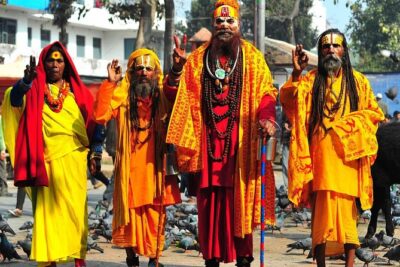
Kathmandu Spiritual Sites: Bodhnath & Pashupatinath Tour
Read our review →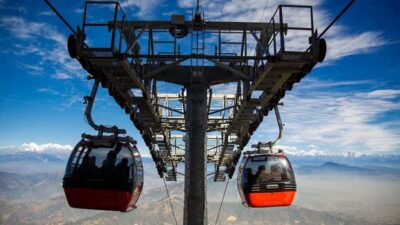
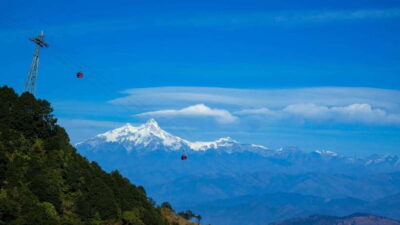
Chandragiri Cable Car & Monkey Temple Tour- Private/Group
Read our review →
Private Chandragiri Cable Car and The Monkey Temple Tour
Read our review →
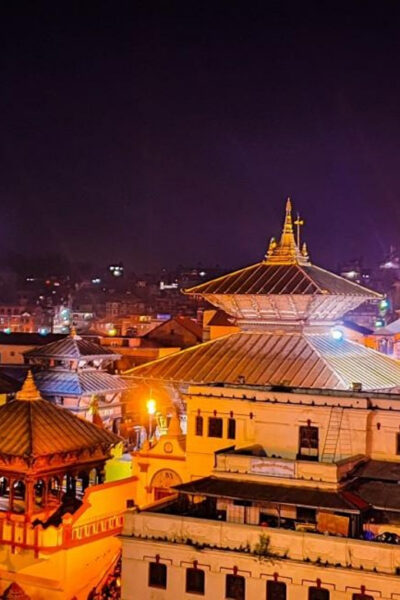
Pashupatinath Temple, Hindu Crematorium and Aarati in-depth Tour
Read our review →
Pashupatinath Evening Aarati: Few Divinely Hours in Kathmandu
Read our review →Browse the lists this tour appears in