
Reviewed · TEMPLE & STUPA TOURS
Pashupatinath Evening Aarati: Few Divinely Hours in Kathmandu
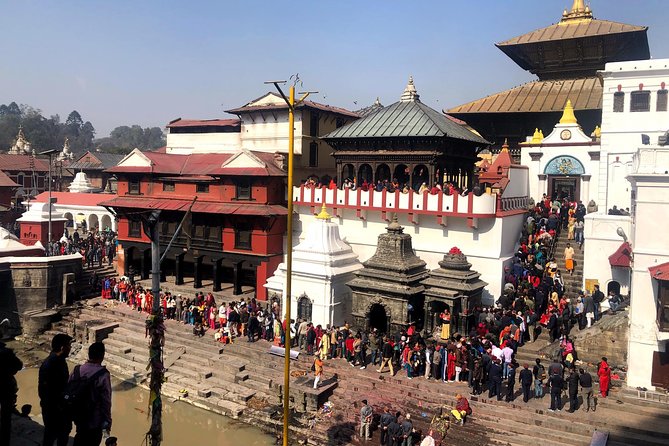
Shiva’s evening ritual glows by the river. This is one of Kathmandu’s most striking cultural evenings, because you watch the Pashupatinath temple’s closing ceremony and also see the Bagmati River cremation rites nearby. I love that the tour includes pickup timed for the key moment, and I love how guides turn what you see into clear context, not just sightseeing. The main consideration is that the cremation area can feel intense and the best spots are limited, so you will want to plan your arrival and your mindset.
This experience runs about an hour, starting around 6:00 PM to 7:00 PM depending on season, and your day is paced around that. The tour typically totals 2 to 4 hours, and the guides named in traveler feedback, like Mahesh Ji, Mani, and Amber, are often praised for explaining what’s happening and keeping things on time with hotel pickup and drop-off. Most travelers can participate, but this is not a casual, hands-off show. It’s a live religious event with real human meaning.
In This Review
- Key Highlights You Should Know Before You Go
- Shiva’s Evening Ritual at Pashupatinath: The Real Reason It’s Worth Your Night
- Price and Logistics: How the $35 Value Really Works
- Pashupatinath Temple at Dusk: What You’ll See First and How to Behave
- Bagmati River Cremations: The Part That Needs a Calm Head
- Inside the Aarati Pooja: Priests, Incense, Light, and Bhajana
- Guides, Timing, and Your Viewing Strategy (Without Overthinking It)
- Should You Book This Evening Aarati Tour of Pashupatinath?
Key Highlights You Should Know Before You Go
- Aarati at the right hour: expect a 6 PM to 7 PM start that shifts with the seasons
- Brahmin-led ceremony: priests lead the ritual with light, flowers, incense, and offerings to Lord Shiva
- Bhajans and a big devotional crowd: devotional singing is part of the atmosphere, not background noise
- Bagmati cremation viewing nearby: you can witness the cremation ceremony on the river bank
- A guide who explains the meaning: multiple guides, including Mahesh Ji, Mani, and Amber, are called out for detailed, helpful interpretation
- Best viewing depends on timing: arrive ready to get a spot early if you care about where you sit
Shiva’s Evening Ritual at Pashupatinath: The Real Reason It’s Worth Your Night
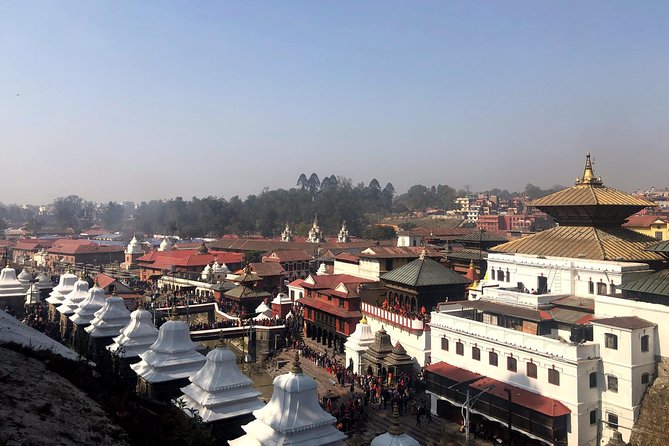
The draw here is simple. In Kathmandu, most evenings are about food, shopping, and viewpoints. This one is about a living religious moment that ends the day with visible devotion, movement, and sound.
At Pashupatinath, the temple is dedicated to Lord Shiva, and the evening aarati (arati) pooja is like a public closing prayer. Priests perform the ceremony with ritual objects like light, flowers, and incense, while devotional songs called bhajans continue with the crowd. It’s not a reenactment, and that changes everything about how you experience it. You’re not watching a performance, you’re watching a community participate.
The other reason it hits is the location. The temple sits beside the Bagmati River, and the tour includes the nearby cremation ceremony as well. That means the evening has two emotional tones. One is candle- and incense-focused prayer. The other is a funeral rite tied to beliefs about death and release. If you can handle intense sights and you’re open to understanding the customs behind them, this tour gives you a fuller picture than just temple viewing at daytime.
More Temple & Stupa Tours in Kathmandu:
- Kathmandu Spiritual Sites: Bodhnath & Pashupatinath Tour
★ 5.0 · 185 reviews - Kathmandu: Chandragiri Cable Car and Monkey Temple Tour
★ 4.8 · 139 reviews - Monkey Temple – Swayambhunath Tour – Private/Small Group
★ 5.0 · 50 reviews
Price and Logistics: How the $35 Value Really Works
The price is $35 per person for a tour that typically runs 2 to 4 hours. At that cost, you are not just paying for entry to a site. You are paying for an air-conditioned vehicle plus guided interpretation, plus the scheduling that matters for a ceremony that happens once per evening.
Two practical logistics pieces are especially useful:
- Pickup is offered, with your guide and driver meeting you between 4:30 PM and 5:30 PM at your hotel. That window is crucial because the aarati starts around 6:00 PM to 7:00 PM.
- The tour provides a mobile ticket, which is convenient if you don’t want to manage paper on your way out the door.
One thing to keep straight: the details state that an admission ticket for Pashupatinath is free, but they also list an entry fee to the Pashupati Temple Premises as not included. Translation for your planning: budget a little extra on the day and be ready for a small fee at the entrance. You’ll avoid that uncomfortable moment of realizing a key payment step was not covered.
If you hate rushing, this tour’s timing helps. It’s designed around the ceremony hour, not around a generic “temple stop and snack” rhythm.
Pashupatinath Temple at Dusk: What You’ll See First and How to Behave
When the tour starts, you head straight to the temple area. This is where the atmosphere begins to change. Even if you’ve visited temples in other countries, this one has its own pace, its own set of movements, and its own crowd patterns.
Pashupatinath is described as the most revered Hindu temple in Nepal, and you can feel that instantly once you’re in the complex. You’ll see devotees moving through different spaces, and you’ll notice the ceremony mindset even before the main aarati moment.
Here’s what I’d focus on as a visitor:
- Look for ritual roles, not just the scenery. Priests, devotees, and helpers each have different body language and timing.
- Stay respectful and observant. You’re not there to treat it like a photo backdrop.
- Pay attention to your guide’s explanations. The guides in feedback, like Mani and Amber, are repeatedly described as making the ritual legible, so you won’t be stuck guessing what you’re looking at.
Also, plan for the fact that this is a temple evening, not a quiet museum visit. The crowd and the flow can limit how long you linger in one spot. If you get impatient with lines and movement, build in extra patience at the start.
Bagmati River Cremations: The Part That Needs a Calm Head
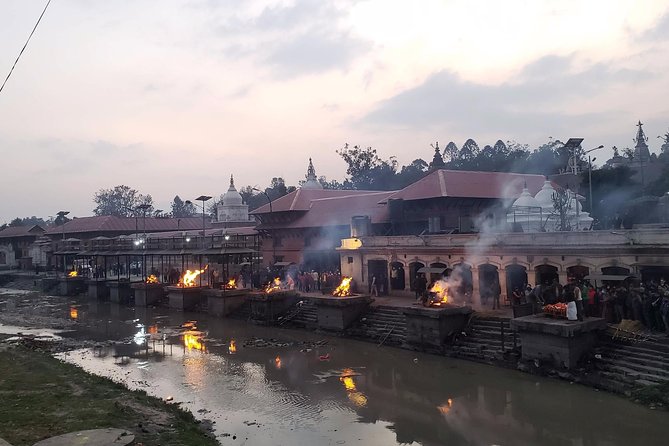
The tour includes observing the cremation ceremony on the bank of the Bagmati River. This is the part that most strongly separates this experience from typical sightseeing, because it’s emotionally serious and visually direct.
A useful way to prepare is to adjust your expectations. You’re not signing up for gore or spectacle. You’re viewing a religious rite that has a deep place in Hindu practice and community life. The ritual is tied to beliefs about death and the next stage, and your guide’s job is to help you connect the actions you see with the meaning behind them.
One practical consideration from a common visitor wish: if you care about where you sit or stand, you should arrive early enough to secure a decent viewing position. A reviewer noted they wanted to get there earlier for a better view. That’s a real-life issue at ceremony sites with limited space and shifting crowd flow.
How to handle this respectfully:
- Keep your reactions internal. If you’re moved, that’s fine, just don’t disrupt.
- Don’t treat it like a curiosity. Ask questions if your guide invites them, but keep the tone calm.
- Mentally prep for sensitivity. Even when you understand the purpose, the scene can still feel heavy.
If you’re the type who needs a gentle, low-emotion cultural evening, this may not be the best fit. If you’re curious about how other cultures face mortality in public ritual, it’s one of the most direct learning opportunities Kathmandu offers.
Another way to spend the time in Nepal:
- Everest Base Camp Trek – 14 Days
★ 5.0 · 1,499 reviews - Everest Base Camp Trek
★ 5.0 · 842 reviews - Private Kathmandu Sightseeing Tour | UNESCO World Heritage sites
★ 5.0 · 756 reviews - Kathmandu: 7 UNESCO Sites with Lunch
★ 4.8 · 744 reviews
Inside the Aarati Pooja: Priests, Incense, Light, and Bhajana
The evening aarati pooja is the emotional center of the tour. It’s described as a day-closing ceremony, offering light, flower, incense, and other objects to Lord Shiva. It’s led by Hindu Brahmin priests, and it happens alongside live devotional songs, the bhajans, with hundreds of devotees present.
What makes this valuable is how it connects objects to belief. Light and incense aren’t random decorations here. They are part of a structured ritual language. When you watch the sequence with your guide explaining it, your eyes start to track meaning, not just motion.
This ceremony runs about an hour, and the start time is around 6:00 PM to 7:00 PM depending on season. That’s why the pickup timing matters. If you show up late, you might catch a portion, but the context gets weaker and the emotional arc feels unfinished.
Expect several layers at once:
- The priests leading the ritual actions
- Devotional singing (bhajans)
- Devotee participation
- The crowd’s shifting positions as people gather and move
This is also where a strong guide shows up. Feedback often highlights guides who are detailed and accommodating, like Mahesh Ji and Mani, with communication praised for being on time. When the guide explains what’s happening, you feel less like you’re watching and more like you’re understanding.
Guides, Timing, and Your Viewing Strategy (Without Overthinking It)
This tour’s success depends on timing more than you might expect. The aarati is a live event tied to a specific evening hour. You’re scheduled to be picked up between 4:30 PM and 5:30 PM, which gives you buffer to reach the temple area, settle your spot, and get oriented before the main start around 6 PM to 7 PM.
Here’s your simple viewing strategy:
- Arrive with a little patience. Crowds build, and it’s not a slow stroll kind of venue.
- If you want a better view, treat early as useful, not optional. One comment specifically asked to have gotten there earlier for seating and sightlines.
- Use the guide’s explanation time. If your guide is the type praised in feedback, they will help you understand Shiva, the ritual logic, and what the cremation actions signify.
On the guide quality side, feedback points to a consistent theme: guides who talk in clear, detailed ways and make sure the group stays informed. Communication is also praised, including reliable pickup and drop-off. That’s not just comfort. For a ritual like this, clarity changes your entire experience.
One caution based on the least positive feedback: there was a case of a guide not showing up, followed by a refund and an explanation about scheduling mix-ups. You can’t control everything, but you can reduce risk by confirming your appointment details in advance and having your local contact information ready the day of. If you’re traveling with tight timing, treat this like a must-do on your schedule, not a flexible “whenever.”
Should You Book This Evening Aarati Tour of Pashupatinath?
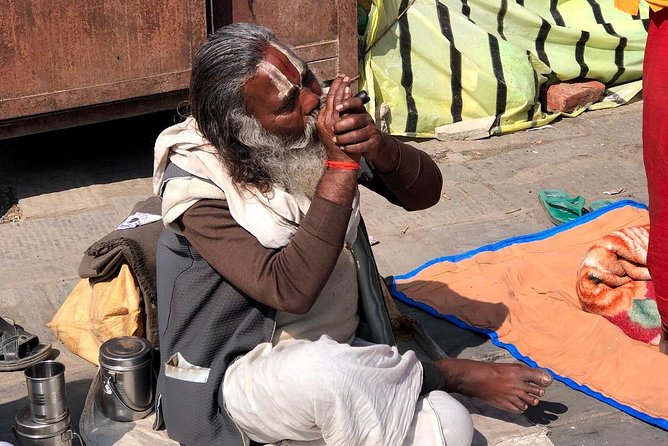
Book it if you want a Kathmandu evening that is real, not rehearsed. This tour gives you a clear view of Pashupatinath’s aarati and the surrounding river rituals, with pickup and an on-time plan that respects the ceremony schedule. The best part is that guides, including names like Mahesh Ji, Mani, and Amber in the feedback, are often praised for explaining what you’re seeing, so it becomes meaningful instead of confusing.
Skip or reconsider if you know you cannot handle sensitive funeral rites or strong emotions. The Bagmati cremation ceremony is included, and that changes the tone of the whole experience.
If you’re on the fence, ask yourself two questions:
- Can I handle a serious cultural ritual with respect and calm?
- Do I want understanding, not just photos?
If both answers are yes, this is a very good value at $35, especially because the timing is built around an event that starts in the evening and matters most when you’re there on time.
Latest additions near Kathmandu
- White Water River Rafting – 1 Day★ 4.3 · 3 reviews
- Traditional Momo Making Class★ 5.0 · 10 reviews
- Kathmandu to Pokhara Premium sofa bus ticket★ 4.0 · 17 reviews
- Ghorepani Poon Hill Trek★ 5.0 · 16 reviews
- Amazing 1 Day Trekking Experience in Kathmandu Nepal★ 5.0 · 24 reviews
- Ghorepani Poonhill Trek★ 5.0 · 5 reviews
- Wildlife Adventure in Chitwan Nepal★ 4.0 · 4 reviews
- Walking tour of real Kathmandu through back streets.★ 5.0 · 3 reviews
Temple & Stupa Tours, compared.
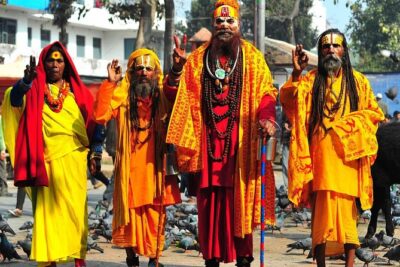
Kathmandu Spiritual Sites: Bodhnath & Pashupatinath Tour
Read our review →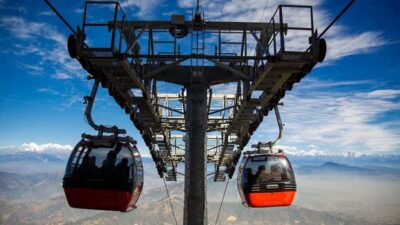
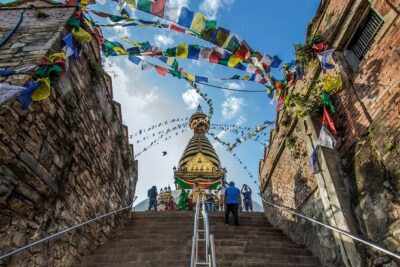
Monkey Temple – Swayambhunath Tour – Private/Small Group
Read our review →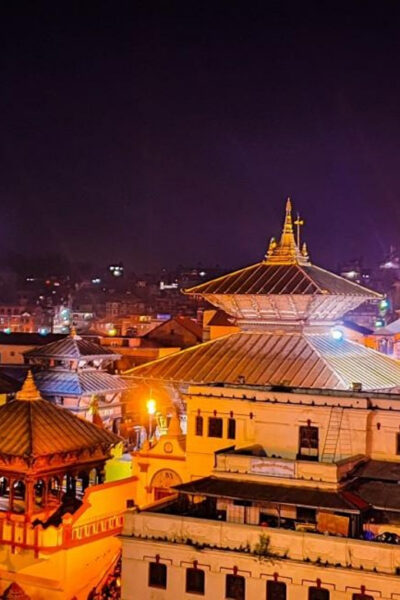
Chandragiri Cable Car & Monkey Temple Tour- Private/Group
Read our review →
Private Chandragiri Cable Car and The Monkey Temple Tour
Read our review →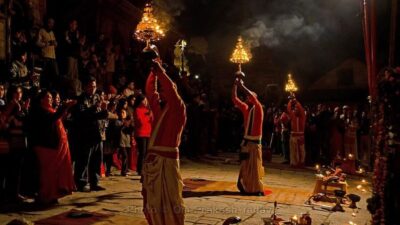
Pashupatinath Temple, Hindu Crematorium and Aarati in-depth Tour
Read our review →Browse the lists this tour appears in