
Reviewed · TEMPLE & STUPA TOURS
Pashupatinath: Evening tour of temple and Aarati ceremony
Dusk changes everything at Pashupatinath. You get a front-row view of the temple complex and the Bagmati River ghats in one 3-hour evening plan. I like how it ties sacred sights to real daily practice, not staged folklore. One heads-up: this is not the kind of tour where you can comfortably linger everywhere, and it is not wheelchair-friendly.
I also really appreciate the Pashupati Aarati ceremony timing, because sunset makes the oil lamps and chants feel more intense and meaningful. The English-speaking guide helps you understand what you are looking at as you move through shrines and ritual spaces. A small drawback to consider is that the cremation-ritual area can feel heavy, and you should be ready for solemn scenes.
In This Review
- Key Things That Make This Evening Pashupatinath Tour Worth It
- Pashupatinath at Dusk, Why This Tour Starts When It Does
- Getting In, Finding Your Bearings, And What the Complex Feels Like
- The Golden Spire and the Sacred Lingam Area
- Walking the Temple Grounds Like a Ritual Path
- Bagmati River Ghats and Cremation Rituals, What You Should Know Before You Go
- The Pashupati Aarati Ceremony at Sunset, Oil Lamps and Drums
- How the Private Group Format Helps (Even If You Like Social Energy)
- Price and Value: What $57 Gets You in Real Terms
- Respect, Photography, and Simple Tips That Make a Big Difference
- Who Should Book This Evening Tour, and Who Might Skip It
- Should You Book the Pashupatinath Evening Tour?
- FAQ
- How long is the Pashupatinath evening tour?
- What does the tour include?
- Is the tour private, and what language is the guide in?
- What will I see during the 3 hours?
- Is the tour wheelchair accessible?
- Is there free cancellation or a pay-later option?
Key Things That Make This Evening Pashupatinath Tour Worth It
- Skip-the-line entry so you spend more time inside the temple grounds
- Bagmati River cremation ghats for a direct look at Nepal’s rites of life and death
- Sunset Pashupati Aarati ceremony with oil lamps, mantras, and drums
- English-speaking guide in a private group for context and calmer timing
- All transportation and entry fees included so the evening flows without logistics stress
Pashupatinath at Dusk, Why This Tour Starts When It Does
Pashupatinath is a place you can visit any time. But evening has a special rhythm. As daylight fades, the temple feels more human, more practiced, and more connected to the river and the rituals happening around it.
This tour is built around that shift. You get time before the ceremony to walk the complex, then the mood changes as the Aarati begins near the riverbank. If you want one Kathmandu moment that feels genuinely Nepalese, dusk is a smart choice.
Also, it is only 3 hours. That matters, because timing at Pashupatinath can get unpredictable if you try to do everything on your own. Having a plan helps you stay respectful and present, without racing.
More Temple & Stupa Tours in Kathmandu:
- Kathmandu Spiritual Sites: Bodhnath & Pashupatinath Tour
★ 5.0 · 185 reviews - Kathmandu: Chandragiri Cable Car and Monkey Temple Tour
★ 4.8 · 139 reviews - Monkey Temple – Swayambhunath Tour – Private/Small Group
★ 5.0 · 50 reviews
Getting In, Finding Your Bearings, And What the Complex Feels Like
Your evening starts with the logistics handled for you, including transportation and entry fees, plus an English-speaking guide. That may sound basic, but it is exactly what makes this easier after a busy day in Kathmandu.
Once you reach the temple complex, you immediately notice the architecture. The grounds feature traditional pagoda-style elements and a layout designed for ritual movement. I like how the guide experience helps you make sense of what you see, so you do not wander past important spots without realizing it.
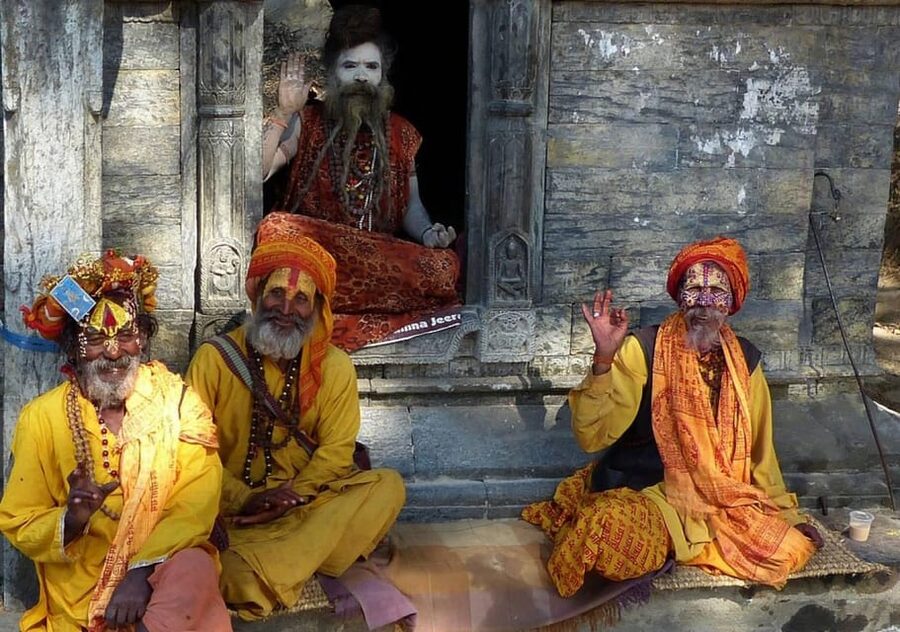
You will likely walk among devotees, pilgrims, and other visitors. The air is filled with incense, bells, and chanting energy. Even if you do not know the language, your senses do the translation.
The big win here is pacing. You are not trying to cover everything in one rushed sweep. You are there for the key evening segments that make Pashupatinath feel alive and not like a photo stop.
The Golden Spire and the Sacred Lingam Area
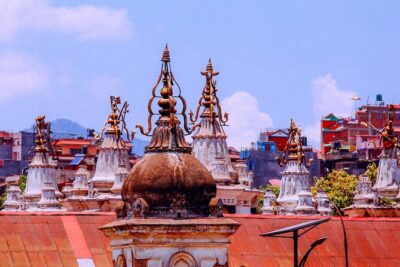
Pashupatinath is famous for the main temple, with its golden spire. The sacred focus is the lingam of Lord Pashupatinath, which represents Lord Shiva for Hindu worshippers.
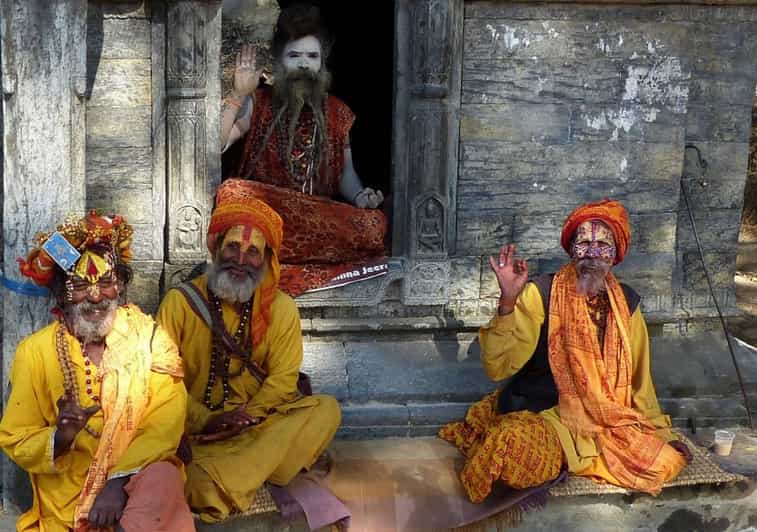
Even from the outside, the scale and detail communicate importance. Inside the temple grounds, you move through areas with multiple shrines and murtis (statues). Each one connects to specific mythological meanings and artistic choices, so you start seeing the complex as more than one structure.
Here is the practical value: if you go without context, it can be hard to tell what matters most. With a guide, you get help spotting the spiritual logic behind the layout. You also get reminded how to behave in a sacred space, which is not just manners, it is part of the experience.
Walking the Temple Grounds Like a Ritual Path
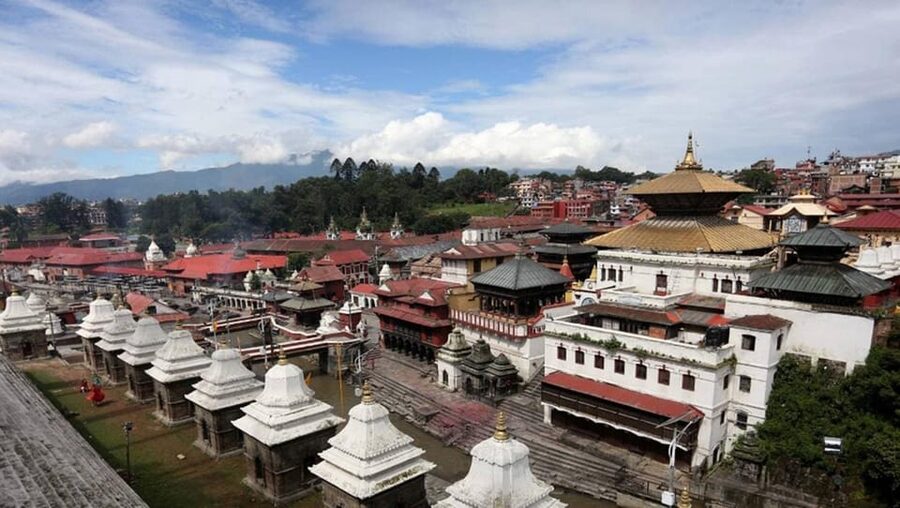
One of the best parts of this tour is how it moves you through the complex. You are not just looking at buildings. You are following the flow of worship, the areas people gather, and the shrines that pilgrims treat as meaningful.
The guide’s job is huge here. They can point out what is going on, why people are doing certain actions, and what the different spaces represent. That turns your visit from I saw a temple into I understood what I was witnessing.
I also like that the tour keeps you from overthinking. You can let the place do the talking. As you move, you will notice how devotion shows up in small repeated actions, incense, bells, and prayer rhythms.
Another way to spend the time in Nepal:
- Everest Base Camp Trek – 14 Days
★ 5.0 · 1,499 reviews - Everest Base Camp Trek
★ 5.0 · 842 reviews - Private Kathmandu Sightseeing Tour | UNESCO World Heritage sites
★ 5.0 · 756 reviews - Kathmandu: 7 UNESCO Sites with Lunch
★ 4.8 · 744 reviews
Bagmati River Ghats and Cremation Rituals, What You Should Know Before You Go
Then you come to the Bagmati River ghats. This is where the tour becomes emotionally powerful. Cremation rituals take place on the platforms along the river, and families and priests perform ceremonies with chanting and dignified solemnity.
I cannot sugarcoat it: this can be intense. If you are expecting something light, you will be disappointed. But if you want to understand Nepal beyond postcards, this is one of the most direct experiences you can have.
From a cultural perspective, the ghats are where beliefs about life, death, and spiritual continuation feel practical, not abstract. You see how the river is part of the sacred story, and how ritual helps families face a final farewell.
A guide’s presence matters here. They help you navigate sensitive areas, understand what you are seeing, and avoid turning the moment into something careless. You will likely feel a mix of sadness and awe. That is normal.
The Pashupati Aarati Ceremony at Sunset, Oil Lamps and Drums
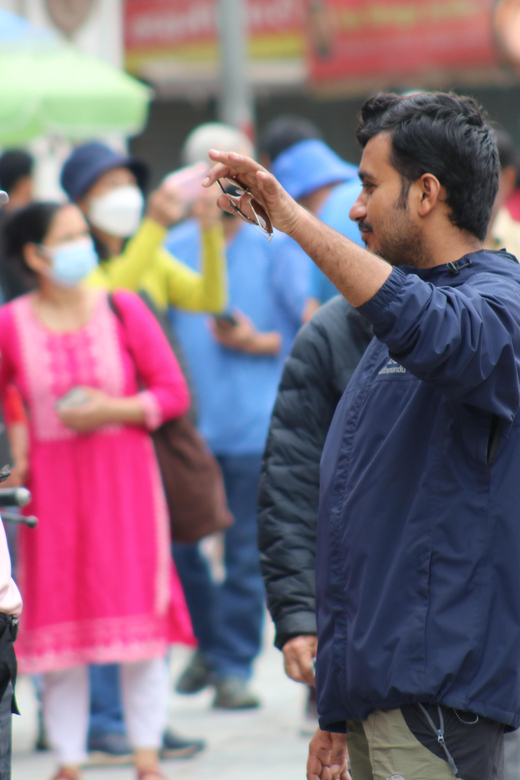
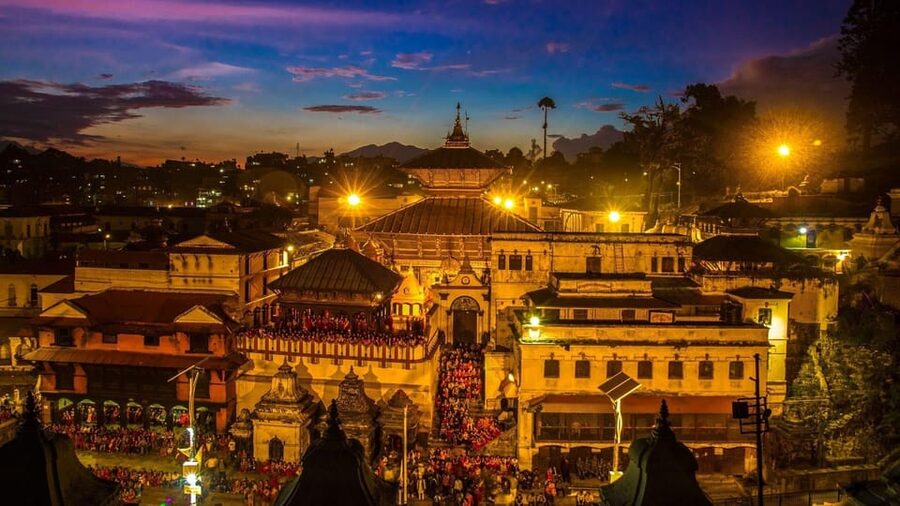
The evening shifts again as the Pashupati Aarati ceremony starts near the riverbank. This is the moment many people remember most, because the ceremony combines movement, light, sound, and prayer into one coordinated ritual.
Priests use oil lamps (diyas) and perform intricate movements. You will hear chanting mantras and feel the pulse of drums. The whole scene builds toward a collective offering of prayers and reverence to Lord Pashupatinath.
If you have ever watched a religious ritual from the edge, this will feel different. The setting near the river gives the ceremony an extra layer of meaning and atmosphere. The sunset light makes the oil lamps easier to see, too, without you having to hunt for the perfect angle.
I also like that this part of the tour is timed. You are not stuck waiting through the end of daylight. You are there when the atmosphere naturally peaks, which makes it feel more coherent than a random evening walk.
How the Private Group Format Helps (Even If You Like Social Energy)
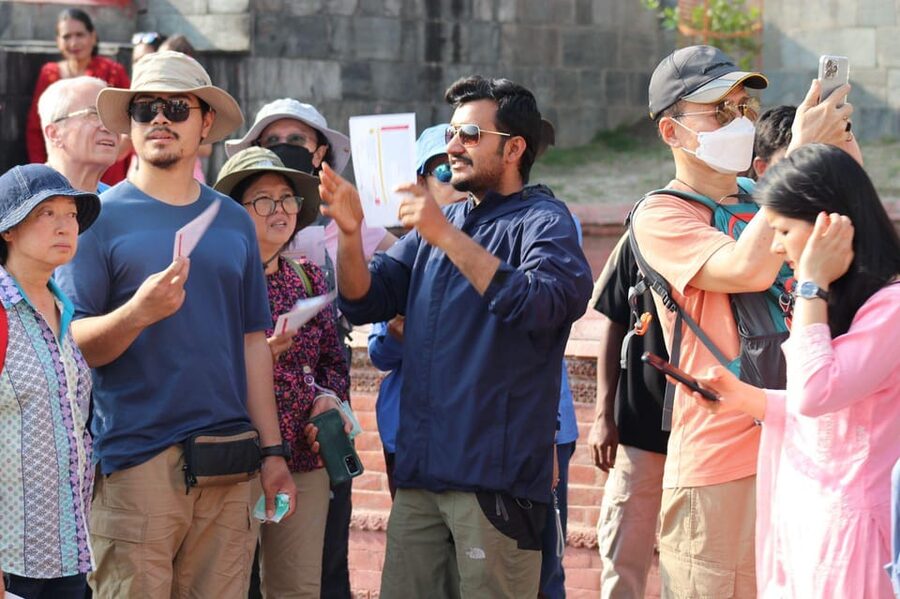
This is a private group tour. That matters more than you might think at a crowded, active religious site.
A smaller group means less jostling and fewer moments where you feel like you are intruding on someone’s worship space. It also means your guide can pace you based on what is happening around the ceremony and where you can safely stand.
It is also easier to ask questions. If you want to understand something as you go, you get a real chance to do it without the pressure of matching a large group’s pace.
And yes, there is an added comfort factor: transportation is handled, so you do not have to figure out how to get in and out smoothly during the most complex part of the day.
Price and Value: What $57 Gets You in Real Terms
At $57 per person for 3 hours, this tour is not a bargain price, but it also is not trying to be a premium extravagance. The value comes from the combination of what you get, not from one single item.
You are paying for:
- All transportation
- Entry fees
- An English-speaking guide
- Skip-the-ticket-line
- A focused schedule that matches sunset for the Aarati
For many visitors, the biggest cost is time and stress. Getting to Pashupatinath, finding what matters, and timing it well can turn into half a day if you DIY it poorly. Here, the 3-hour structure keeps you on track and helps you see the key parts without wasting energy.
Another subtle value is interpretation. You get help understanding what the lingam focus means, why the shrines matter, and what the ghats and Aarati represent. That is the difference between watching something and actually grasping it.
Respect, Photography, and Simple Tips That Make a Big Difference
Pashupatinath is a sacred living site. Treat it that way and you will feel better, faster. Keep your voice down. Move with care. And do not block ritual paths.
For photography, use common sense. If people are praying, do not hover. If you are asked to move, move. A guide will help you judge what is acceptable in the moment, especially near more sensitive areas like the river ghats.
Dress matters too. You are walking outside and standing for ritual moments, including near the river. Wear comfortable shoes and clothing that feels respectful. You do not need to go formal, but you should avoid anything too revealing.
Also, plan for your emotions. The cremation rituals are part of the tour and they are not staged. If you know you are sensitive, prepare yourself mentally before you arrive.
One small comfort note from a review: someone mentioned the cha (tea) was tasty. I am not promising tea will be part of your exact timing, but it is a good reminder to bring the human side into a heavy cultural experience. Hydrate, take a breath, and give yourself a moment when you need it.
Who Should Book This Evening Tour, and Who Might Skip It
This is a great fit if you:
- Want a serious cultural and spiritual experience in Kathmandu
- Prefer a guide to explain what you are seeing
- Like evening rituals and the atmosphere around sunset
- Are okay with emotional subject matter, including cremation rites
You might consider a different style of tour if:
- You are looking for a light sightseeing evening
- You need wheelchair accessibility, since this tour is not suitable for wheelchair users
- You dislike scenes involving death and religious cremation rituals
If you want a Kathmandu memory that feels real, not a checklist, this is one of the strongest options.
Should You Book the Pashupatinath Evening Tour?
If your goal is to understand Nepal’s spiritual life through the sights that locals treat as meaningful, I think this is a smart booking. The focus on the temple complex, the Bagmati ghats, and the sunset Aarati gives you a connected evening story in just 3 hours.
Book it if you want context, smooth logistics, and a guide to keep the experience respectful. Skip it only if you are not ready for the heaviness of cremation rituals or if you need accessibility accommodations.
In other words: this tour is not for everyone, but for the right mindset, it is the kind of visit that stays with you.
FAQ
How long is the Pashupatinath evening tour?
It runs for 3 hours.
What does the tour include?
The tour includes all transportation, entry fees, and an English speaking guide. It also offers skip-the-ticket-line and is a private group.
Is the tour private, and what language is the guide in?
Yes, it is a private group tour. The guide speaks English.
What will I see during the 3 hours?
You will visit Pashupatinath Temple and explore the temple grounds, including sacred rituals and architecture. You will also see cremation rituals at the Bagmati River ghats and attend the Pashupati Aarati ceremony.
Is the tour wheelchair accessible?
No, it is not suitable for wheelchair users.
Is there free cancellation or a pay-later option?
Yes. You can cancel up to 24 hours in advance for a full refund. You can also reserve now and pay later.
Latest additions near Kathmandu
- White Water River Rafting – 1 Day★ 4.3 · 3 reviews
- Traditional Momo Making Class★ 5.0 · 10 reviews
- Kathmandu to Pokhara Premium sofa bus ticket★ 4.0 · 17 reviews
- Ghorepani Poon Hill Trek★ 5.0 · 16 reviews
- Amazing 1 Day Trekking Experience in Kathmandu Nepal★ 5.0 · 24 reviews
- Ghorepani Poonhill Trek★ 5.0 · 5 reviews
- Walking tour of real Kathmandu through back streets.★ 5.0 · 3 reviews
- Wildlife Adventure in Chitwan Nepal★ 4.0 · 4 reviews
Temple & Stupa Tours, compared.
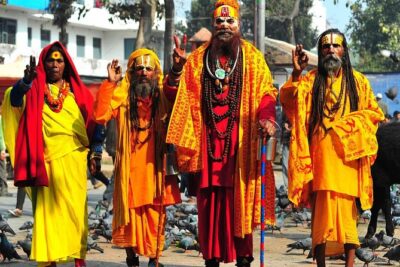
Kathmandu Spiritual Sites: Bodhnath & Pashupatinath Tour
Read our review →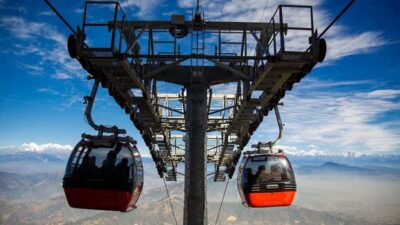
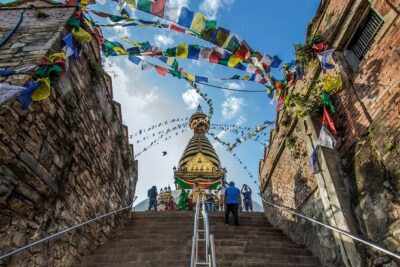
Monkey Temple – Swayambhunath Tour – Private/Small Group
Read our review →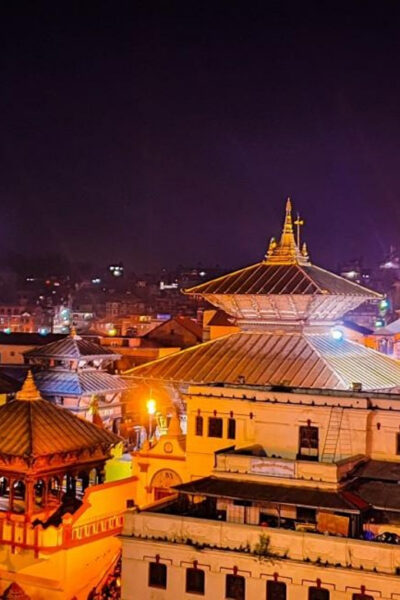
Chandragiri Cable Car & Monkey Temple Tour- Private/Group
Read our review →
Private Chandragiri Cable Car and The Monkey Temple Tour
Read our review →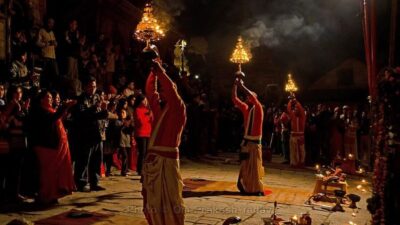
Pashupatinath Temple, Hindu Crematorium and Aarati in-depth Tour
Read our review →Browse the lists this tour appears in