
Reviewed · NEPALI COOKING CLASSES
Momo, Dhalbhat & Thukpa Cooking Class, Nepal
Dumplings meet old Patan streets. You start with a local vegetable market walk and finish with momo, dal bhat, and thukpa in the Patan area.
I love learning from Esther Rai, who turned cooking into a family livelihood after COVID. I also like that you practice the dishes yourself, including dal bhat, and then eat what you make while it is still fresh.
The main drawback is time pressure: with about three hours, some ingredients may already be prepped for you, so it can feel more like guided cooking than starting with everything from scratch.
In This Review
- Key highlights at a glance
- Kathmandu Cooking Class in Patan, Market Then Stove
- Getting There: Nagabahal, Nyadha Galli, Lalitpur
- Stop 1: Golden Temple at Hiranya Varna Mahavihar
- Stop 2: Patan Walk, Lalitpur Context While You Go
- The Market Stop: Local Vegetable Sellers and Ingredient Choices
- In the Kitchen With Esther Rai and Amos
- What You’ll Cook: Momo, Dal Bhat, and Thukpa
- Momo
- Dal Bhat
- Thukpa
- How the Meal Fits Together, and How You Eat It
- Why the Price Feels Fair for $25
- Timing, Small-Group Size, and Weather Reality
- Who This Cooking Class Suits Best
- Quick Verdict: Should You Book This in Kathmandu?
- FAQ
- How long is the Momo, Dhalbhat & Thukpa Cooking Class?
- Where does the class take place, and where do I meet?
- What dishes will I learn to make?
- Do we visit a market before cooking?
- What is the group size limit?
- How much does it cost?
- Will I get a mobile ticket?
- What happens if weather is bad or I need to cancel?
Key highlights at a glance
- Market first approach: You go out before the stove time and pick key ingredients with local sellers.
- Small group feel: Maximum of 10 people, so questions do not get lost.
- Three Nepal staples: You focus on momo, dal bhat, and thukpa, with menu options shaped by guest requests.
- Patan-side sightseeing stops: A stop at Golden Temple (Hiranya Varna Mahavihar) plus time in Patan, Lalitpur.
- Eat what you cook: The class ends with the meal you made, not a distant restaurant finish.
Kathmandu Cooking Class in Patan, Market Then Stove
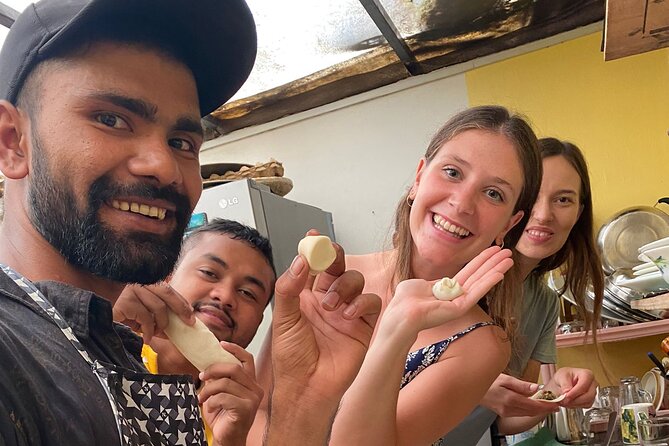
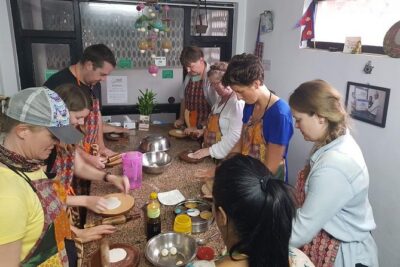
If you want Nepal food without the usual tourist-food compromise, this class is a smart pick. You get the full arc, shopping at a local vegetable market, learning the techniques, and then eating the results. Best of all, it is not a huge production, the group stays small and you can actually pay attention.
This is taught by Esther Rai, who has been running the cooking class since COVID. Her goal is straightforward: share Nepali kitchen habits and the real process of making comfort food at home. Along the way, you also get a chance to talk with local people and see how ingredients are chosen before anything hits the pot.
You will also appreciate the location logic. The cooking spot is about a short walk from Patan Durbar Square, so the area already feels like the trip within the trip. When you plan your morning around the class, you get both food skills and neighborhood context.
More Cooking Classes in Kathmandu
- Half day cooking class in Thamel kathmandu
★ 5.0 · 607 reviews - Kathmandu: Local Women-Led Nepali Cooking & Momo Class
★ 4.9 · 360 reviews - The best Private Nepali Cooking Class in Kathmandu
★ 5.0 · 83 reviews
Getting There: Nagabahal, Nyadha Galli, Lalitpur
The meeting point is Nagabahal – Nyadha Galli, Lalitpur 44600, Nepal, and the experience ends back at the same spot. That back-to-the-start design matters in Kathmandu, because it saves you the hassle of tracking a long return route while you are hungry.
It is also described as near public transportation, which is useful if you are mixing this with other Patan plans. The class uses a mobile ticket, so you can keep it simple on your phone.
Duration is about 3 hours. That is long enough to learn and cook, but short enough that you can still fit in sightseeing the same day.
Stop 1: Golden Temple at Hiranya Varna Mahavihar
The route starts with a stop at the Golden Temple, Hiranya Varna Mahavihar. Even if you only get a brief look, this stop sets a cultural tone for the whole morning. It reminds you that food in Nepal is not just flavor, it is tied to community routines and place.
What I like about including a temple stop before cooking is mental reset. Before you worry about spices, you get your bearings in Patan’s historic environment. If you are the type who likes to understand why people do things, this timing works well.
Practical note: like any religious site, keep your focus on respectful behavior. Dress in a way that feels comfortable for a sacred stop, and plan to move at walking pace rather than rushing for photos.
Stop 2: Patan Walk, Lalitpur Context While You Go
After the Golden Temple, you move into Patan, Lalitpur. The experience is built so you are not only stepping through sights. You also get shared context about traditions and Nepali culture along the way.
Patan is a place where architecture and street patterns help you understand daily life. When you connect those observations to what you later cook, the food feels less random. You start to see why certain flavors, staples, and everyday cooking methods make sense.
There is a real value in doing this walk as part of the class instead of tacking it on separately. You remain in the same area, and the morning stays focused.
Another way to spend the time in Nepal:
- Everest Base Camp Trek – 14 Days
★ 5.0 · 1,499 reviews - Everest Base Camp Trek
★ 5.0 · 842 reviews - Private Kathmandu Sightseeing Tour | UNESCO World Heritage sites
★ 5.0 · 756 reviews - Kathmandu: 7 UNESCO Sites with Lunch
★ 4.8 · 744 reviews
The Market Stop: Local Vegetable Sellers and Ingredient Choices
Then comes the part that makes this class feel grounded. Before cooking, you visit a local vegetable market and interact with vegetable sellers while you source ingredients.
This is not a quick photo stop. It is the start of learning how Nepalese home cooks shop and plan. You see what is fresh, what is available, and how ingredients fit together in the dishes you are about to make.
If you like cooking for yourself later, the market piece is the skill you keep. You can copy the approach even when the ingredient lineup changes. You learn what to look for, how to think about freshness, and how a dish starts long before the stove.
Also, the market interaction can be fun in a low-pressure way. You ask questions, compare ingredient ideas, and get a clearer picture of daily life beyond Kathmandu’s main tourist streets.
In the Kitchen With Esther Rai and Amos
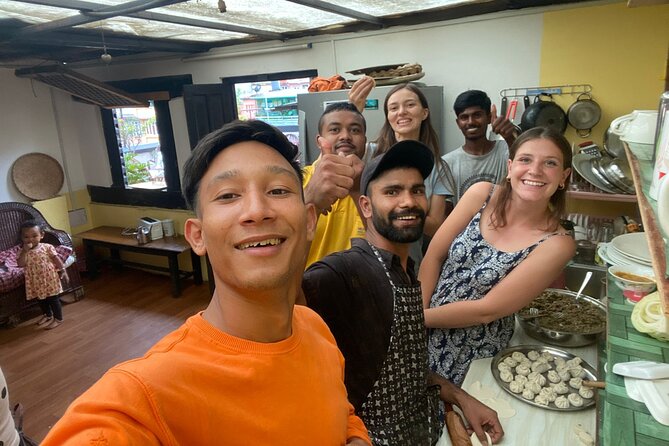
Cooking happens after the walking stops and the market purchase. The kitchen setting is described as rooftop by some participants, and that makes sense for Patan, where space often gets used creatively.
Esther Rai leads the class, and Amos is listed as part of the teaching team in feedback. You can expect clear explanations and a warm teaching style, the kind where you are not just following steps, you are understanding why.
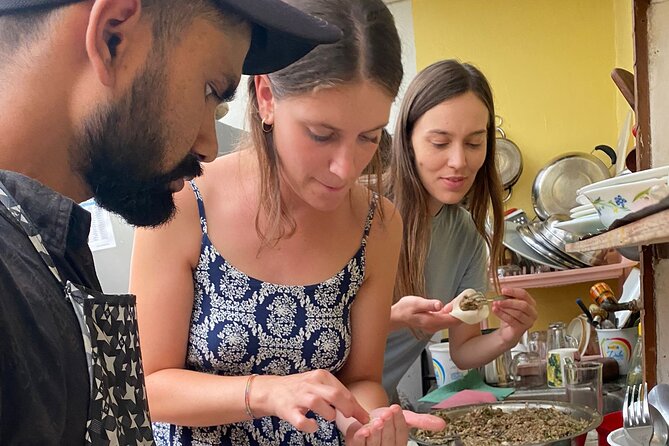
One thing I appreciate in this kind of class is the balance between instruction and doing. You are not just watching someone else cook. You practice the dishes with guidance.
That said, there is a time tradeoff. The class lasts around three hours, and some prep work may already be done. If your dream is to chop every ingredient from zero like a home chef marathon, adjust your expectations. Think guided cooking plus hands-on technique, not a full day kitchen apprenticeship.
What You’ll Cook: Momo, Dal Bhat, and Thukpa
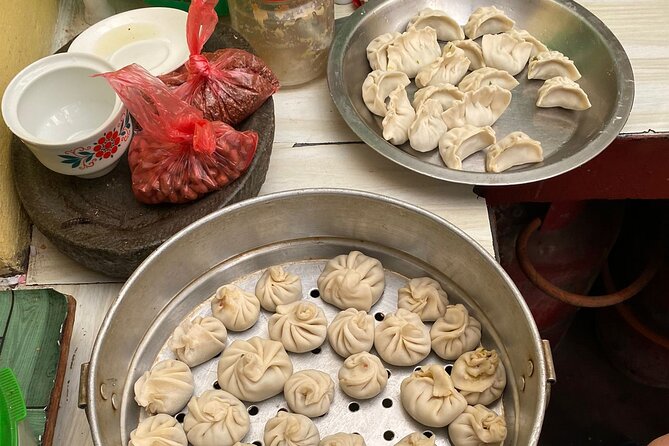
The core menu is momo, dhalbhat, and thukpa. The program also notes that the menu can be done based on guest request, so you may get variation depending on who is in the class.
Here is why these three dishes are such a good trio.
Momo
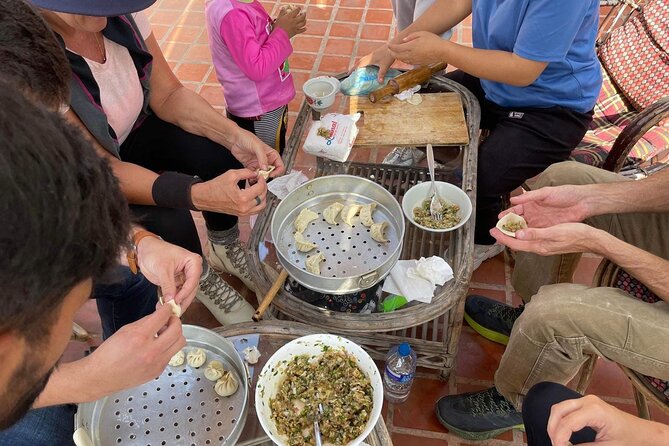
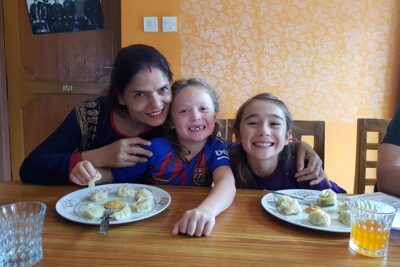
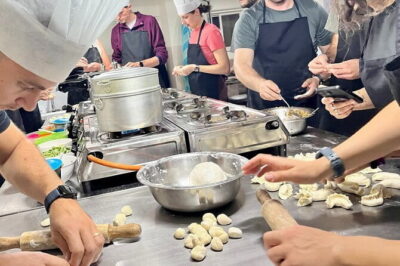
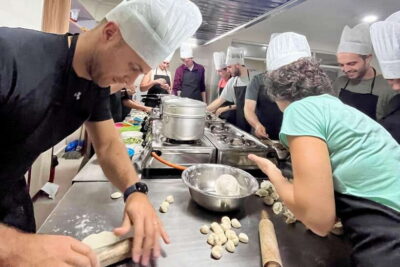
Momo is Nepalese dumplings, and learning them gives you a focused skill set: dough handling, filling balance, and shaping. Even if you do not become a dumpling master by the end, you will walk away with repeatable steps and a better sense of how filling texture should feel.
Momo also teaches timing. Dumplings are about control, the heat and the moment matter. That makes it a great dish for a class format, because you practice the flow and not just the ingredients.
Dal Bhat
Dal bhat is the comfort food anchor of many Nepali meals. It gives you the sense of Nepalese everyday eating, not just celebratory or street-style flavor.
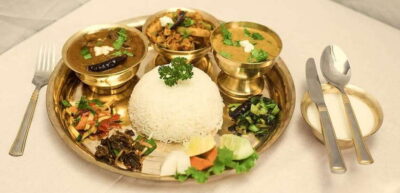
Cooking dal bhat helps you understand how a meal gets built around a main rhythm: a staple, lentils or curry, and sides. It is not one complicated trick, it is the repeatable idea of balance.
Thukpa
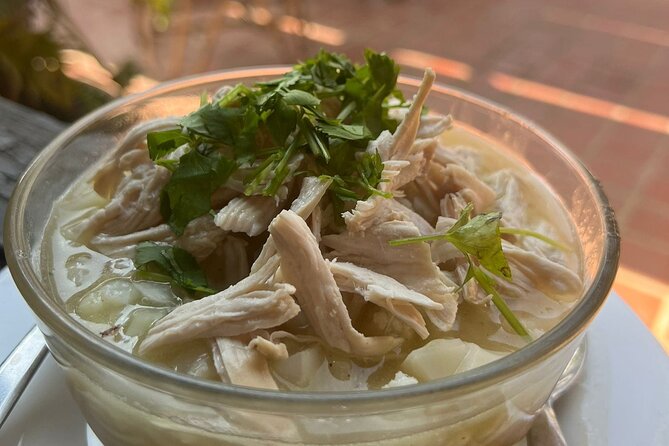
Thukpa is a noodle soup, and it rounds out the class with a different texture and flavor approach. Soups also tend to be forgiving for beginners in a teaching setting. You practice seasoning and assembly rather than only working on a delicate technique like dumplings.
In feedback, people highlighted how exploring spices can be a big takeaway. With thukpa, that curiosity makes sense, because you taste what changes when the spice profile shifts.
How the Meal Fits Together, and How You Eat It
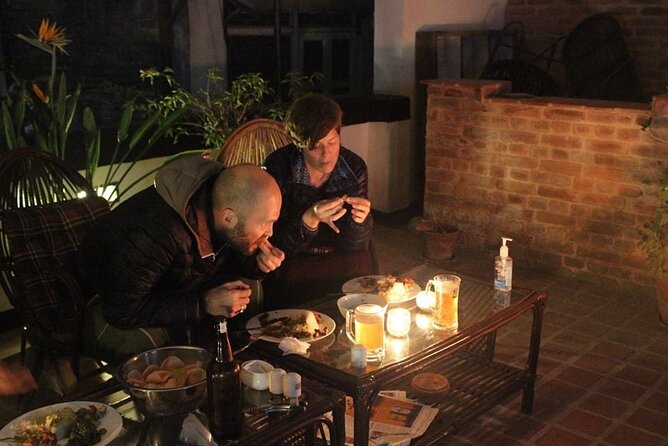
Once everything is cooked, you eat. That matters. A cooking class can teach you steps, but tasting the final plate while you remember what you did is where learning sticks.
You’ll likely recognize how each dish serves a different role. Momo gives you the handheld, dal bhat gives you the daily comfort base, and thukpa gives you the warm bowl that feels like a complete meal on cool or rainy Kathmandu mornings.
This is also where the class becomes more than food. People often remember the warmth of being taught and the sense of being welcomed into a routine. In several accounts, the cooking time came with laughter and a friendly vibe, not stiff formality.
Why the Price Feels Fair for $25
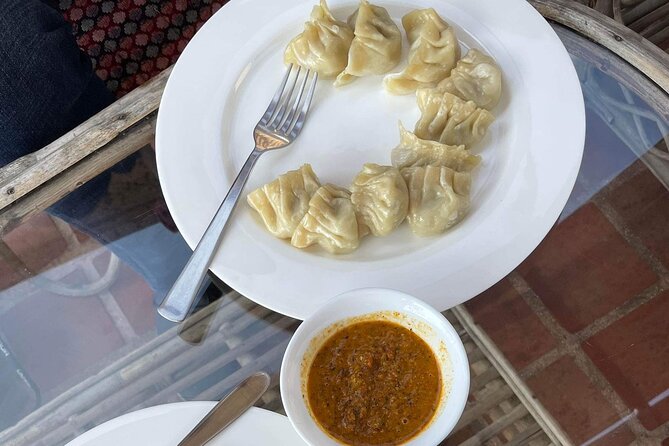
The price is $25.00 per person, and the class runs about three hours. For that time, you get far more than a single dish taught in isolation.
You get:
- market walking and ingredient sourcing
- instruction for multiple staples (momo, dal bhat, thukpa)
- hands-on practice
- and you eat what you cook
In other words, you are paying for a full experience, not just a recipe handoff. The small group size cap of 10 also matters. When you are in a tight group, the teaching stays practical and questions are easier to answer.
If you are on a food-focused trip and want real Nepalese home comfort, this price is one of those deals that stays in your budget without feeling like you are cutting the fun.
Timing, Small-Group Size, and Weather Reality
The class is offered with a maximum of 10 travelers. That size keeps it personal and helps you follow along.
It is also described as requiring good weather. In Kathmandu, rain or heavy conditions can affect outdoor walking portions and market visits. If weather does cancel the class, you are offered another date or a full refund.
My practical tip: plan other Patan activities lightly around the class morning. If the weather shifts, you do not want to lock yourself into plans that require perfect walking conditions.
And because it is an experience people book ahead, a note that it is often booked about 6 days in advance can save you from last-minute scrambling.
Who This Cooking Class Suits Best
This is a great fit if:
- you want Nepali food beyond the usual street hits
- you like learning by doing, not just watching
- you enjoy local markets and short cultural walks
- you want a small group experience in Patan, Lalitpur
It also works well for first-timers to Nepali cuisine. Momo, dal bhat, and thukpa are a logical trio, and the class format helps you build confidence quickly.
If you are the type who wants a totally DIY process, where nothing is prepped in advance, you may want to temper expectations. The class is designed for a comfortable three-hour flow.
Quick Verdict: Should You Book This in Kathmandu?
Book it if you want Nepalese kitchen skills plus Patan area context, all tied into one smooth morning. For $25, you are getting market sourcing, cooking practice with Esther Rai and Amos, and a meal you actually eat on site. Skip it only if you hate market walking, dislike short time windows, or need a fully hands-on from-scratch prep experience with no shortcuts.
FAQ
How long is the Momo, Dhalbhat & Thukpa Cooking Class?
The class lasts about 3 hours.
Where does the class take place, and where do I meet?
You meet at Nagabahal – Nyadha Galli, Lalitpur 44600, Nepal, and the experience ends back at the same meeting point.
What dishes will I learn to make?
You will learn and practice making momo, dhalbhat, and thukpa. The menu can be done based on guest request.
Do we visit a market before cooking?
Yes. You go to a local vegetable market, interact with vegetable sellers, and buy ingredients before cooking.
What is the group size limit?
The experience has a maximum of 10 travelers.
How much does it cost?
It costs $25.00 per person.
Will I get a mobile ticket?
Yes, the experience includes a mobile ticket.
What happens if weather is bad or I need to cancel?
The class requires good weather. If it is canceled due to poor weather, you will be offered a different date or a full refund. You can cancel up to 24 hours in advance for a full refund.
Latest additions near Kathmandu
- White Water River Rafting – 1 Day★ 4.3 · 3 reviews
- Traditional Momo Making Class★ 5.0 · 10 reviews
- Kathmandu to Pokhara Premium sofa bus ticket★ 4.0 · 17 reviews
- Ghorepani Poon Hill Trek★ 5.0 · 16 reviews
- Amazing 1 Day Trekking Experience in Kathmandu Nepal★ 5.0 · 24 reviews
- Ghorepani Poonhill Trek★ 5.0 · 5 reviews
- Walking tour of real Kathmandu through back streets.★ 5.0 · 3 reviews
- Wildlife Adventure in Chitwan Nepal★ 4.0 · 4 reviews
Nepali Cooking Classes, compared.
Nepalese Momos or Dal Bhat Cooking Class (Cook with Delight)
Read our review →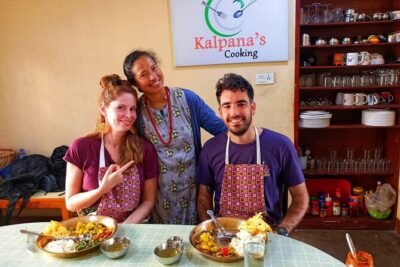
The best Private Nepali Cooking Class in Kathmandu
Read our review →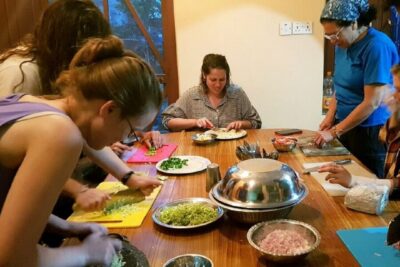
Nepalese Kitchen in Pokhara: Momos or Dal Bhat Cooking Class
Read our review →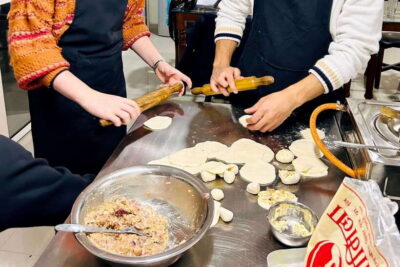
Browse the lists this tour appears in