
Reviewed · MARDI HIMAL TREKS
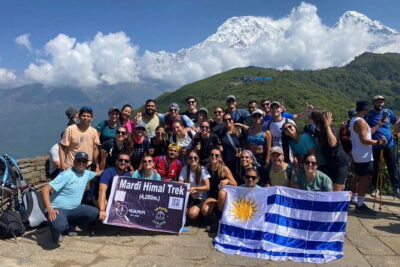
Mardi Himal Trek Fixed Departure (March 1,7; Nov 3,10,17 2023)
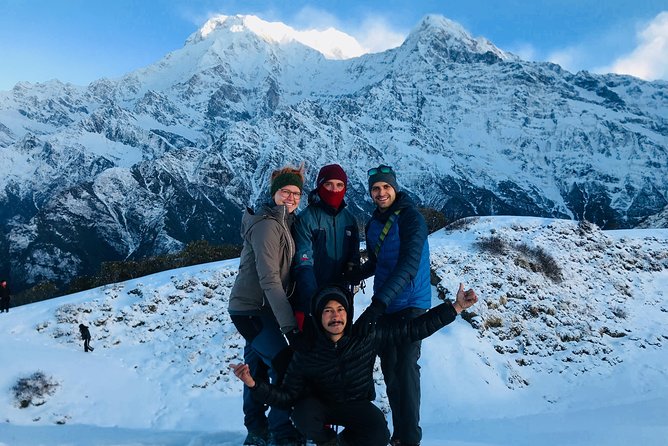
Mardi Himal is the Annapurna viewpoint trek without the huge-crowd feel. I like how this fixed departure runs like clockwork from Pokhara, plus you get meals on the trekking days and a licensed guide included, with a warm fire waiting after a hard walking day. I also appreciate that permits and trekking documents are handled for you, so you can focus on steps and views instead of paperwork. The main thing to plan for is the altitude work: you’ll sleep at High Camp (3550 m) and do an early push to base camp around 4210 m.
This route is a smart sampler of Nepal terrain, from village edges and farm terraces into forest, then up to ridgelines where the Annapurna panorama can look like it’s been arranged just for you. I like that you have options for help, too, because porters are not automatically included, so you can choose your workload level. A possible drawback is lodging is on sharing basis, so private rooms are not always on the table.
In This Review
- Key things to know before you go
- Why Mardi Himal feels special from Pokhara
- The 5-day walking rhythm, day by day
- Day 1: Phedi to Dhampus and up to Pitam Deurali
- Day 2: Low Camp day, the long uphill to 2970 m
- Day 3: High Camp 3550 m, where the trail narrows your options
- Day 4: 4:30 am start, to Mardi Himal Base Camp around 4210 m
- Day 5: Down to Sidhing and Lumre, back to Pokhara
- Lodges, food, and that warm fire moment
- Guides, porters, and getting permits sorted
- Price and logistics: what the $13 really means
- Who should book this fixed departure
- Should you book the Mardi Himal fixed departure?
- FAQ
- How long is the Mardi Himal Trek fixed departure?
- Where does the trek start and finish?
- What is the highest elevation on the trek?
- Are guides and permits included?
- Are meals included?
- Do I need a porter?
- What kind of accommodation should I expect?
- What happens if weather is bad?
Key things to know before you go
- Fixed departure dates (March 1, 7 and Nov 3, 10, 17, 2023) make it easier to plan if you hate open-ended itineraries.
- Permits and documents are taken care of, with permit fees costing Nepalese currency 5000 per person.
- High Camp is your final real lodging stop, with only a few tea shops beyond during the morning, so start early prepared.
- Porters are optional for $20 extra per day if you want extra help carrying gear.
- Your guides can shape the trek, and this Pokhara team includes Roshan Thapa, noted for organization, safety, and explaining local life and the Annapurna Conservation Area.
Why Mardi Himal feels special from Pokhara
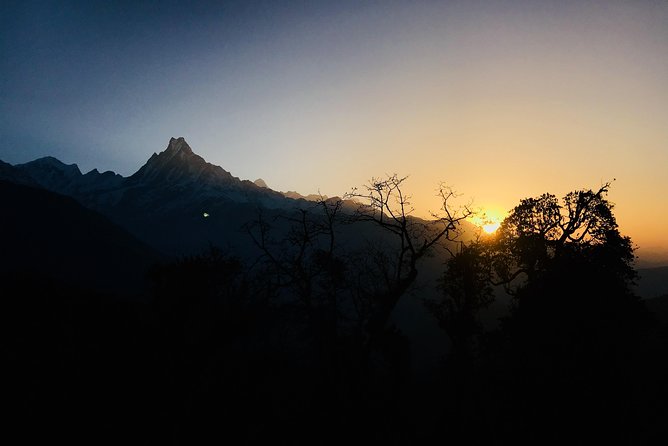
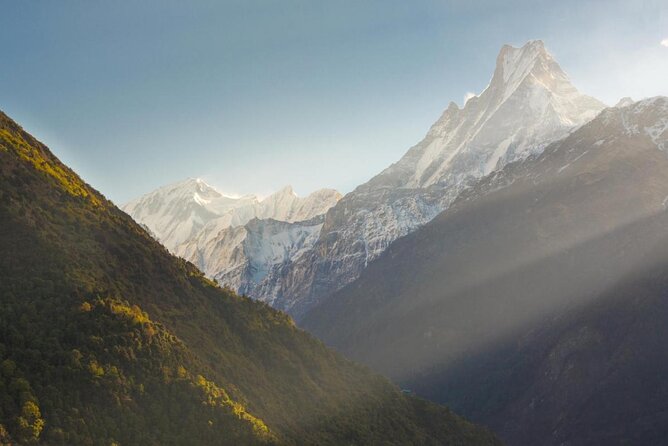
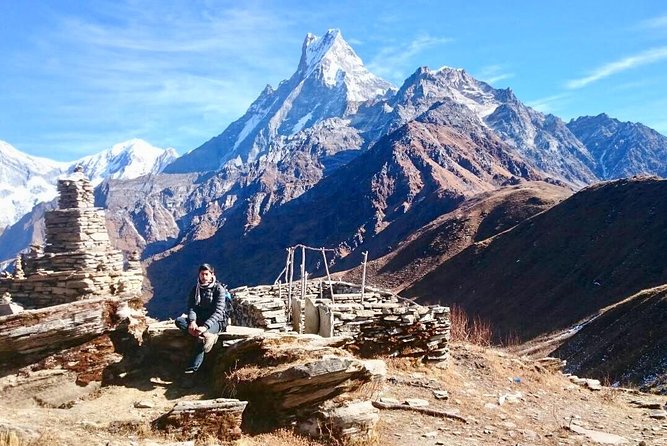
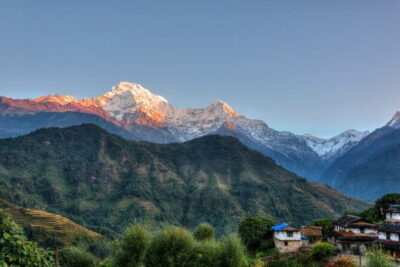
Mardi Himal sits in that sweet spot for walkers who want big mountain views but still want a trek that feels human-sized. You start right out of Pokhara with a short drive to the trailhead area, then you build altitude gradually. The scenery shifts in a way that keeps your brain awake: forest shade, valley views, then ridgeline angles where Annapurna peaks start showing themselves in layers.
What I like most is that the trek leans into the everyday Nepal feel. You are passing through village farmland edges and traditional settlements, not only marching through a postcard corridor. Along the way, you get that classic Annapurna panorama experience from villages, where you can catch wide views without needing to wait for the highest day.
More Treks in Pokhara
- Poon hill Trek 3 days
★ 5.0 · 176 reviews - Trekking in Annapurna/Langtang/Everest/Upper Mustang regions
★ 5.0 · 161 reviews - Pokhara: 4-Day Ghorepani, Poonhill & Ghandruk Mountain Trek
★ 5.0 · 132 reviews
The 5-day walking rhythm, day by day
Day 1: Phedi to Dhampus and up to Pitam Deurali
You’ll drive from Pokhara to Phedi after breakfast, then start trekking from about 1175 m. The day’s walking takes you through Dhampus and then up to Pitam Deurali, around 2140 m, with roughly 5 hours of trekking time plus a lunch stop.
Dhampus is one of those village bases where you can slow down and look around, because it’s described as a naturally beautiful settlement with Gurung and Brahmin communities, traditional structured houses, farm terraces, and a view over the Pokhara Valley. After lunch at Pothana, you finish in Pitam Deurali for dinner and overnight.
Practical note: Day 1 sets your breathing rhythm. If you go out too fast, Day 2 will remind you. I’d pace this one like a warm-up, not a race.
Day 2: Low Camp day, the long uphill to 2970 m
After breakfast, you trek to Low Camp at about 2970 m, with around 7 hours of walking. Lunch is planned at Forest Camp, and the day ends with dinner and overnight at Low Camp.
This is where the trek starts feeling more like a traditional mountain hike. Forest and valley sections tend to “break up” the effort visually, but the time on your feet is still real. The good part is Low Camp is a solid staging place. You’re not jumping from low altitude to extreme heights in one day.
If you tend to get stiff in the afternoons, take a moment at Forest Camp to reset. Short snack breaks and a few stretches pay off later.
More Mardi Himal treks:
- Pokhara: 4-Day Mardi Himal Trek
★ 4.9 · 59 reviews - Private Mardi Himal Trek
★ 5.0 · 42 reviews - From Pokhara: 4-Day Mardi Himal Base Camp Trek
★ 4.9 · 31 reviews - Mardi Himal Trek
★ 5.0 · 30 reviews
Day 3: High Camp 3550 m, where the trail narrows your options
Breakfast comes early, then you climb to High Camp at about 3550 m in roughly 3 hours. The plan includes lunch, dinner, and overnight at High Camp.
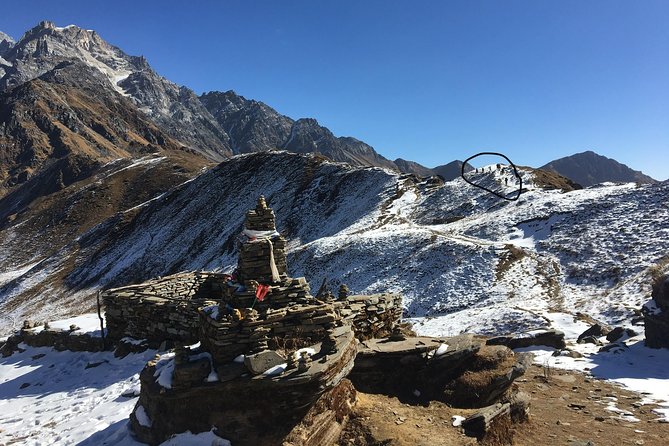
This is the final comfortable accommodation zone in the trek pattern. From here, the base camp morning is more about effort and timing than about lingering. Your info also flags that only a few tea shops exist further during the morning, and there’s no proper lodging or full food setup beyond that point.
In other words: you’ll want to treat Day 4 like the main event, not like something you can improvise on the fly.
Day 4: 4:30 am start, to Mardi Himal Base Camp around 4210 m
Day 4 begins with tea or coffee around 4:30 am. You carry a packed breakfast as you hike up to Mardi Himal Base Camp, around 4210 m (the trek notes that older references may show 4500 m, but base camp has been shifted down to about 4210 m based on measurements and device readings).
You’ll take about 4 hours to reach base camp with tea breaks built in, then you hike back to High Camp in about 2 hours. Lunch is at High Camp, followed by a descent to Low Camp for dinner and overnight in about 2 hours 15 minutes.
A very real consideration here is cold and patience. High altitude mornings can feel slow even when you’re moving well. If you tend to feel cranky when you are cold, layer up early and keep your pace steady.
Day 5: Down to Sidhing and Lumre, back to Pokhara
After breakfast, you trek down to Sidhing at about 1900 m in around 3 hours, then continue to Lumre around 1190 m in roughly 2.5 hours. After lunch in Sidhing, you drive back to Pokhara in about 1 hour 45 minutes.
This is the day when your legs start to complain, but your brain also gets that “we did it” feeling. Downhills are tricky, especially on knees and shoes. Take it slow, use trekking poles if you have them, and don’t be shy about stopping for short regroup breaks.
Lodges, food, and that warm fire moment
This trek builds in rest in the right places. Accommodation is included, but it’s on a sharing basis, since the route has limited lodge options. In practice, that means you should pack for a simple sleep setup, not a hotel.
Food is a big part of the appeal here. The overview emphasizes that meals are included on trek and that a warm fire will be waiting after a full day of walking, followed by a hot, hearty meal. That’s not small comfort in the Himalaya. It’s how you actually recover, and recovery is what lets you enjoy the views instead of just surviving to the next meal.
One thing to check carefully: the details list “your foods” as not included, while the daily plan includes breakfast, lunch, and dinner. So do a quick confirmation with the operator about what’s covered. I’d focus on whether snacks, extra drinks, or anything beyond the listed meals is on you.
Guides, porters, and getting permits sorted
The guide setup here is a major value driver. A licensed trekking guide is included, and there are assistant guides depending on group size. Also, the trek notes that your permits and trekking documents will be handled for you.
You’ll still pay permit fees directly, listed as Nepalese currency 5000 per person. The key benefit is you don’t spend your time chasing forms or trying to understand which permit applies. For many people, that alone turns a stressful start into a smooth one.
Porters are optional, not included. If you want one, the price given is $20 extra per day. That’s useful if you’re traveling with extra gear, or if you want your back to stay in one piece. If you’re traveling light and you’re comfortable with hills, you can skip the porter and keep the cost down.
Guide names matter on a trek like this, because a good guide turns “walking” into “understanding.” This Pokhara team includes Roshan Thapa, who is described as organized, safety-minded, and able to explain the Annapurna Conservation Area, plus flora, fauna, and local life.
Price and logistics: what the $13 really means
The listed price is $13 per person, and the plan includes the big essentials: accommodation on the route, a licensed guide, assistant guides as needed, and meals during the trekking days as outlined in the daily schedule. There’s also transfer support between Pokhara and the trailhead and back.
But you should budget for items that are not folded into that headline number. Permit fees cost Nepalese currency 5000 per person, and porters are $20 extra per day if you choose them. Insurance and trekking gear are also listed as not included. And transportation charge is described in a slightly confusing way: the trek clearly includes getting you out to Phedi and back to Pokhara, but it also notes the transport charge is not included even if vehicles are arranged. That’s a “confirm before you pay” moment.
Here’s how I’d think about value:
- If you want a guided trek with permits handled, meals on the trail, and lodge nights included, this setup is very cost-effective.
- If you already have gear, insurance, and you can travel light without a porter, your out-of-pocket costs may stay manageable.
- If you need private rooms, a porter, and lots of add-ons, the final cost can rise fast because the route itself is basic.
Who should book this fixed departure
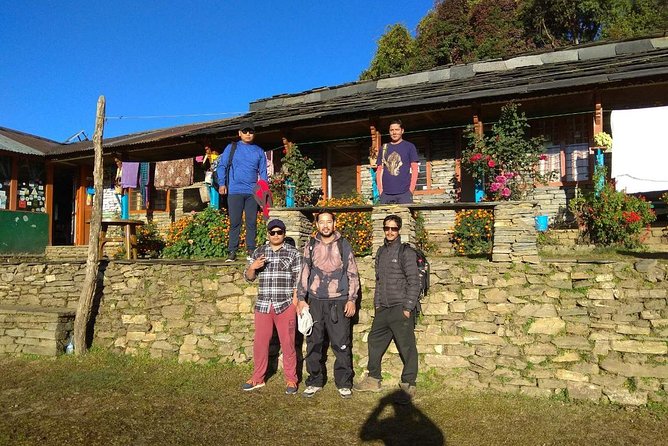
This trek suits you if you want a moderate, structured Himalayan experience from Pokhara. The trek expects moderate physical fitness. You’re doing long walking days, plus a high-altitude morning push. You should be comfortable hiking for several hours at a time and descending on day five.
It also fits well if you travel solo but don’t want to manage permits and guiding logistics yourself. The maximum group size is up to 24, and the guide support is included.
Where it may not fit perfectly:
- If you strongly need private room accommodations, be prepared for sharing.
- If you are very sensitive to altitude, you should plan for the 3550 m High Camp sleep and the early morning effort to around 4210 m base camp.
- If you hate early starts, Day 4 will test your alarm clock.
Should you book the Mardi Himal fixed departure?
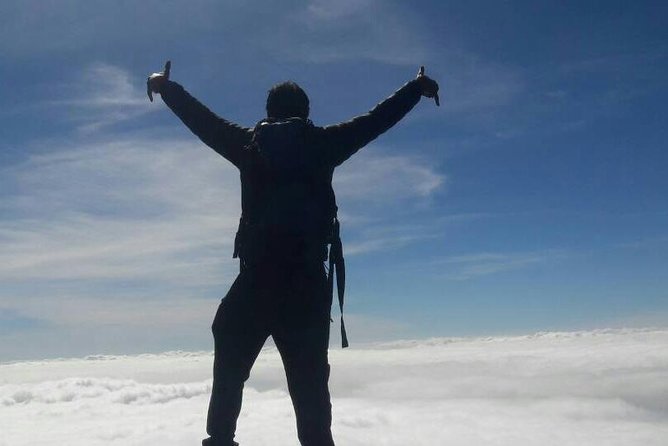
I’d book it if you want an Annapurna-adjacent trek with the practical help already built in. The biggest reasons are simple: guides and documents are handled, meals and lodging are part of the plan, and the route is paced so you can acclimatize without rushing.
I’d also book it if you like mountains but also like village life, because the trek doesn’t skip the farm terraces and traditional settlement feel. And if you happen to get Roshan Thapa as your guide, the emphasis on organization, safety, and explaining flora, fauna, and local culture is a real plus.
Don’t book it on autopilot if you’re unsure about how much of the meal plan is truly included versus “extra” snacks, or if you want a porter. These are easy clarifications to make early, and it prevents money surprises later.
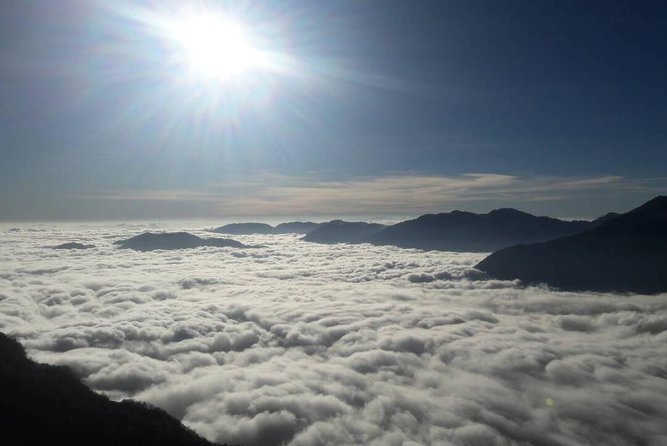
If you’re ready for steady hikes, crisp morning starts, and that Annapurna panorama payoff from multiple viewpoints, this fixed departure is a smart way to do Mardi Himal.
FAQ
How long is the Mardi Himal Trek fixed departure?
It runs for about 5 days.
Where does the trek start and finish?
It starts and finishes back at the meeting point in Pokhara (Hallan Chowk 6X75+J5P, Pokhara), with transfers included for the trek route.
What is the highest elevation on the trek?
The highest point is around 4200 m, with Mardi Himal Base Camp noted as approximately 4210 m.
Are guides and permits included?
A licensed trekking guide is included, along with assistant guides based on group size. Permits and trekking documents are handled for you, but permit fees cost Nepalese currency 5000 per person.
Are meals included?
The trek overview says meals are included on trek, and the daily plan lists breakfast, lunch, and dinner on trek days. The details also say your foods are not included, so you should confirm what counts as included meals versus additional food items.
Do I need a porter?
Porters are not included, but they are available for $20 extra per day if you want help carrying gear.
What kind of accommodation should I expect?
Accommodation is included on a sharing basis. Private rooms are not always possible because the route has limited lodge options.
What happens if weather is bad?
The experience requires good weather. If it is canceled due to poor weather, you’ll be offered a different date or a full refund.
Latest additions near Pokhara
- Pokhara: Pokhara Highlights Tour by Bus★ 3.6 · 10 reviews
- Discover Pokhara in Style: Private Vehicle Service with Driver★ 5.0 · 5 reviews
- Pokhara in 5 Hours: Lake, Museum, Cave, Falls & Pagoda Hill★ 4.5 · 16 reviews
- 7-Day Trek to Annapurna Base Camp from Pokhara★ 5.0 · 12 reviews
- 4 Day Mardi Himal Base Camp Trek from Pokhara★ 5.0 · 18 reviews
- The World Peace Pagoda in Pokhara★ 4.5 · 7 reviews
- Unique Easy Hiking to Foxing Hill from Pokhara★ 5.0 · 4 reviews
- World Peace Stupa Day Hike From Pokhara★ 5.0 · 4 reviews
Mardi Himal Treks, compared.
Mardi Himal Trek – 8 Days | Hidden Gem of the Annapurnas
Read our review →
Browse the lists this tour appears in