
Reviewed · MARDI HIMAL TREKS
Mardi Himal Newly Discovered Trekking from Pokhara Nepal
Mardi Himal is the kind of trek that makes you feel like you found it first. This newly opened route from Pokhara’s Lakeside area takes you toward Mardi Himal Base Camp while helping you avoid the heavy foot traffic of the Annapurna classic. I like that the schedule builds in gradual altitude progress, and I also like the practical setup, including hotel pickup, an experienced English-speaking guide, and included national park fees.
The main thing to consider is altitude, because you’ll reach around 4,500 meters at Mardi Himal Base Camp and climb as high as 5,587m on the Mardi Peak zone. If you’re not comfortable with steep days, cold mornings, and slower breathing, this route may feel like a grind.
In This Review
- Key things I’d highlight before you go
- Why Mardi Himal feels like the calm alternative to Annapurna crowds
- Your altitude plan: from Kande to Mardi Himal Base Camp (about 4,500m)
- Day 1 to Deurali: Pokhara to Kande, then uphill views fast
- Day 2 to Forest Camp: rhododendron, oak, and the village of Pothana
- Day 3 to Low Camp and Machhapuchhre: the views open up
- Day 4 to High Camp: steady climb, then the Mardi Himal reveal
- Day 5 to Mardi Himal Base Camp: the early start payoff
- Day 6 to Siding Village: big descent, forest trail, village life
- Day 7 to Pokhara: Lumle transfer and Lakeside decompression
- Price and value: what $370 really covers, and what it doesn’t
- Guides and safety: why Milan Rai, Bikram, and Sunil Dahal stand out
- What to expect from teahouses and meals (and how to plan for it)
- Who this trek fits best, and who should reconsider
- Should you book this Mardi Himal trek with Fewa Trail Treks and Expedition?
- FAQ
- How long is the Mardi Himal Newly Discovered Trekking from Pokhara?
- What is the highest altitude on this trek?
- Is hotel pickup and drop-off included?
- Are meals included in the $370 price?
- What’s included in the tour cost besides lodging?
- Can I cancel and get a full refund?
Key things I’d highlight before you go
- A calmer Annapurna alternative: Mardi Himal is often the better play when you want big views without the thick crowds.
- Teahouse nights are part of the deal: You’ll sleep in teahouses or lodges along the way, with meals available to purchase.
- Altitude is real, but the route is paced: You’ll climb day by day through Forest Camp, Low Camp, and High Camp.
- You’re not just hiking, you’re progressing: The jump from Low Camp to High Camp sets you up for the Base Camp push.
- Guides matter here: Reviews call out guides like Milan Rai and Bikram for safety, care, and good decision-making.
- Transfers reduce hassle: You get pickup from Lakeside, a car to Kande, and a return to Pokhara after Siding Village.
Why Mardi Himal feels like the calm alternative to Annapurna crowds
Mardi Himal is a smart choice if you want Annapurna-region scenery with a lighter vibe. The route heads into a less saturated area, so the trail can feel more personal, especially once you’re past the first day’s foothill segments. You’ll also get that “newly discovered” feeling because Mardi Peak is a comparatively newer trekking option versus the long-famous classics.
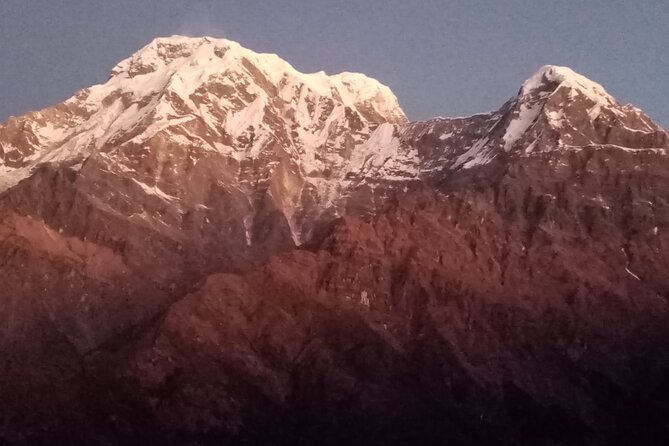
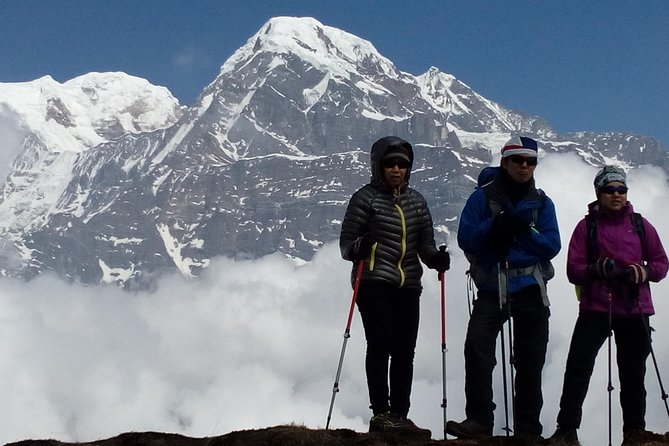
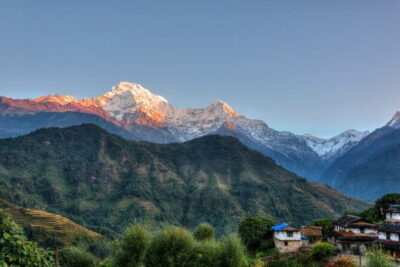
Another reason I’m into this trek is the payoff. As you gain elevation, the views open up toward Machhapuchhre (Fishtail), Annapurna South, and the surrounding peaks, with fewer people competing for the same photo angles. That matters more than you’d think on treks where everyone arrives at the same viewpoint at the same time.
More Treks in Pokhara
- Poon hill Trek 3 days
★ 5.0 · 176 reviews - Trekking in Annapurna/Langtang/Everest/Upper Mustang regions
★ 5.0 · 161 reviews - Pokhara: 4-Day Ghorepani, Poonhill & Ghandruk Mountain Trek
★ 5.0 · 132 reviews
Your altitude plan: from Kande to Mardi Himal Base Camp (about 4,500m)
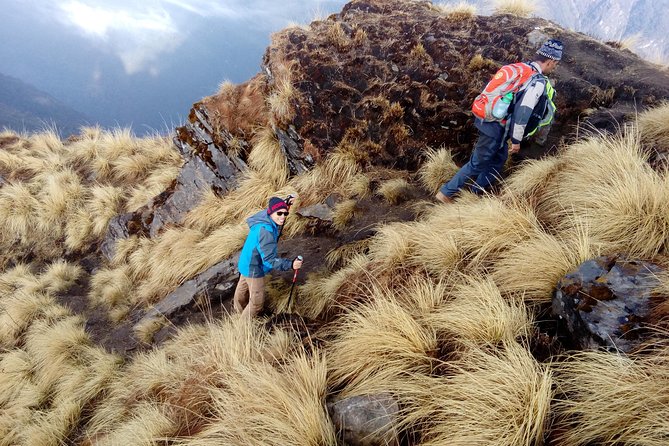
This trek targets Mardi Himal Base Camp at roughly 4,500 meters, and the broader Mardi Peak area reaches up to 5,587m. You’ll also spend nights at intermediate points like Forest Camp around 2,520m, Low Camp around 2,970m, and High Camp around 3,580m. That stepping-stone approach helps you manage the climb instead of doing one huge jump.
Day 5 is your big effort day. You start early from High Camp, work your way toward Base Camp, then return to High Camp for the night. Depending on the season, the route can include rocky sections and snow patches, so it’s not just a “walk until you’re tired” hike.
Practical takeaway: if you can handle a long uphill day and keep a steady pace, you’ll get more out of the experience. If you tend to sprint early and crash later, plan to slow down right from the start.
Day 1 to Deurali: Pokhara to Kande, then uphill views fast
Your trip begins with a drive from Pokhara to Kande, about an hour. Then you hike uphill from Kande to Deurali, roughly 5- to 6-hour effort on foot, with a total day that can run around 7 hours including trekking time. Deurali sits at about 2,100m, so you’re warming up at real hiking altitude without jumping straight into the high camp grind.
The best part of this first day is the sense of place. You’ll get panoramic views of the Annapurna and Dhaulagiri ranges, and you’ll feel the shift from lakeside comfort toward the quieter mountain rhythm. It’s also where you start learning how your body reacts on this kind of terrain, which makes the rest of the trek easier to manage.
The possible drawback for some people is that Day 1 has a lot of uphill focus. If you’re arriving from Pokhara and already feel sleepy or dehydrated, take Day 1 gently, sip water often, and don’t treat it like a race.
Day 2 to Forest Camp: rhododendron, oak, and the village of Pothana
Day 2 takes you from Deurali to Forest Camp at about 2,520m. The trail starts with a gradual climb through forests of rhododendron and oak trees, which gives you a break from constant open-sky exposure. You also pass through the village of Pothana, so the hike has that human touch, not just mountain views.
Forest Camp is a good “settling” day. You’re still gaining altitude, but it’s a shorter, steadier segment than the days that come later. Reviews and route notes align with the idea that your energy is better spent conserving focus for the next viewpoints and camp jumps.
Teahouse night here matters too. Meals and drinks aren’t included, so plan to budget for food and think about how you’ll pace eating and hydration at the end of the day.
More Mardi Himal treks:
- Pokhara: 4-Day Mardi Himal Trek
★ 4.9 · 59 reviews - Private Mardi Himal Trek
★ 5.0 · 42 reviews - From Pokhara: 4-Day Mardi Himal Base Camp Trek
★ 4.9 · 31 reviews - Mardi Himal Trek
★ 5.0 · 30 reviews
Day 3 to Low Camp and Machhapuchhre: the views open up
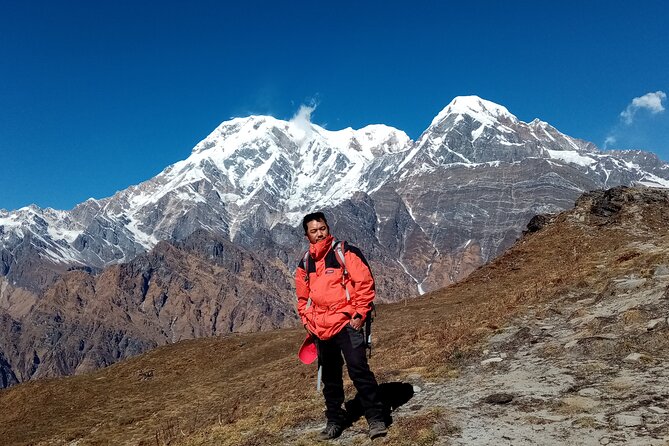
On Day 3, you go from Forest Camp to Low Camp around 2,970m. As you ascend, the vegetation thins and the views open, so the hike can feel more exposed and more visually intense. One of the big treats is reaching Low Camp and soaking in panoramic vistas of Machhapuchhre (Fishtail) and Annapurna South.
This is also the day where you start to feel the rhythm of the route. Your morning uphill effort is rewarded with clearer sightlines later, which helps keep morale up. If you like taking photos, you’ll likely find yourself stopping more here, because the sky seems to get bigger as you gain height.
The practical consideration: Day 3 sets up Day 4. If you overdo it at Low Camp, you can feel more sluggish the next morning. Pace your afternoon rest, keep your snacks simple, and don’t turn the camp into a marathon couch session.
Day 4 to High Camp: steady climb, then the Mardi Himal reveal
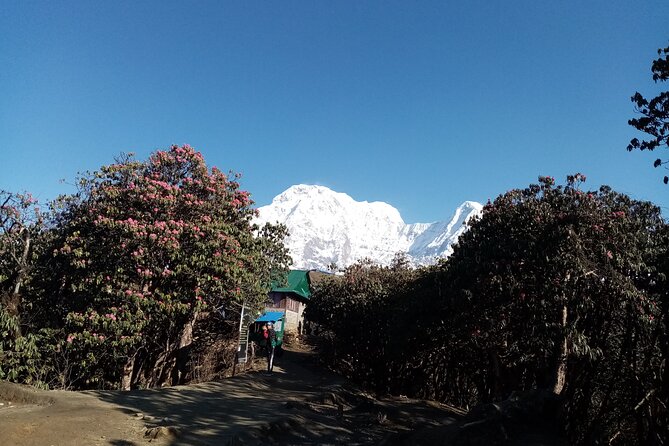
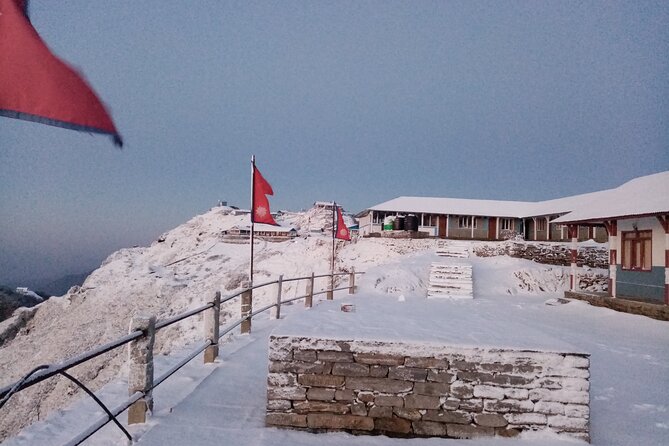
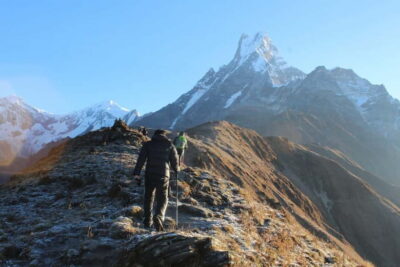
Day 4 is Low Camp to High Camp at about 3,580m. The hike is described as a steady climb, and you’ll start the day with a focus on movement rather than scenery overload. That changes as you get closer, because High Camp is where you’re greeted with stunning views of Mardi Himal and other peaks.
This night is your acclimatization moment. You’ll rest at High Camp in a teahouse or lodge, and the whole point is to let your body adjust before the Base Camp push. Even if you feel fine, treat this night like the most important warm-up you have.
A small note on comfort: since meals are not included, consider how you’ll manage energy without overloading. In similar mountain trips, I like to keep my food choices consistent, warm, and easy on the stomach, because appetite can change with altitude.
Day 5 to Mardi Himal Base Camp: the early start payoff
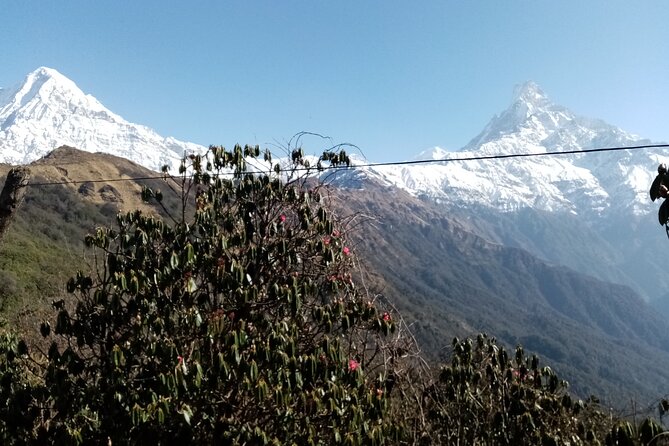
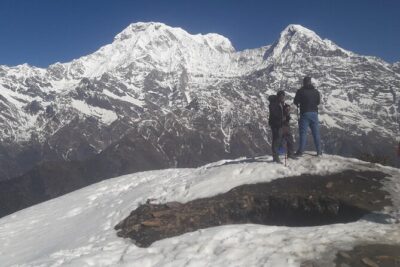
Day 5 is High Camp to Mardi Himal Base Camp around 4,500m, then back down to High Camp for the night. You’ll begin early, and the route can include rocky sections and snow patches depending on the season. That combination makes this day feel more serious than the camp-to-camp hikes earlier in the week.
The reward is the close-up feeling of the mountains. At Base Camp, you get a direct look at Mardi Himal, Machhapuchhre, and the broader Annapurna range. It’s the kind of view that changes your photos, because you feel the vertical scale more in person than through a screen.
Then you descend back to High Camp. That matters for fatigue and safety. Many people underestimate the second half, thinking the hardest part is arriving. For this day, the return is also a physical job, even if the legs are already tired.
Day 6 to Siding Village: big descent, forest trail, village life
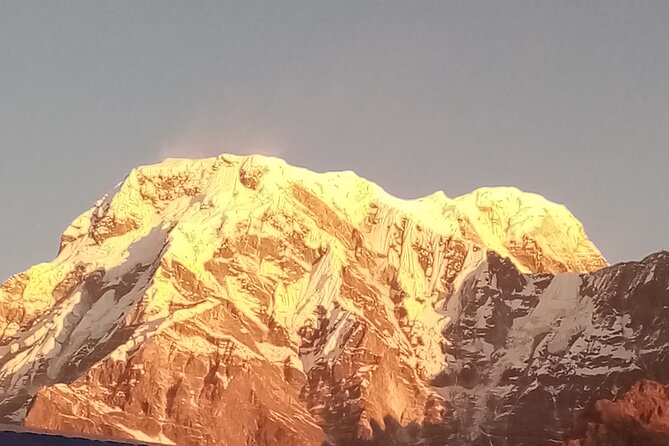
On Day 6, you head from High Camp down to Siding Village at about 1,750m, retracing much of the route through the forested trail. The descent is long in time, and it can be rough on knees if you don’t manage your pace. The payoff is that you drop out of high-altitude pressure into a more comfortable walking world.
Siding Village gives you a cultural moment after days of camps and mountain focus. You’ll spend the night in a teahouse or lodge and get a taste of local lifestyle. That contrast is part of what makes the trek feel like a complete circuit, even though this is not a classic loop.
Practical tip: on descent days, take shorter steps more often. Your goal is steady control, not speed.
Day 7 to Pokhara: Lumle transfer and Lakeside decompression
Day 7 is a lighter wrap-up. You trek from Siding Village to Lumle, where a vehicle meets you. Then you drive back to Pokhara, and once you arrive, the trip ends with a drop at your hotel in the Lakeside area.
This last day matters because you get your reward without extra hiking stress. After a trek like this, you’ll likely appreciate a real shower, a comfy seat, and time to eat without thinking about meal prices at 4,000m. Pokhara Lakeside is the perfect place to do that, because it’s designed for exactly this kind of post-trek reset.
If you’re the type who wants one last small mission, you might also use this evening to handle photos, laundry plans, and any snacks you want for the next leg of your trip.
Price and value: what $370 really covers, and what it doesn’t
The price is $370.00 per person, and it’s positioned as good value for a guided, organized trek. Here’s what you get included: accommodations as per the itinerary, national park fees, an English-speaking professional trekking guide, hotel pickup and drop-off, and a private tour setup. You also get specific transfers, including a private car from Pokhara to Kande and a sharing jeep transfer from Siding Village back to Pokhara.
Meals and drinks are not included, so budget for food each day when you stop at teahouses. If you’re someone who likes ordering desserts or hot drinks constantly, this can add up fast at altitude. The easiest way to keep costs predictable is to plan simple meal choices and carry small snacks for the trail.
When it comes to value, the guide and transfers are where you feel the difference. A good guide doesn’t just point the way. Based on guide-focused praise you’ll hear from other trekkers, the best part is safety-minded pacing and day-to-day support, especially when weather or footing gets tricky.
Guides and safety: why Milan Rai, Bikram, and Sunil Dahal stand out
This trek is built for a guide-led experience, and it shows in what people highlight. Reviews praise Milan Rai for being friendly, helpful, and funny, while still taking careful care of you throughout the journey. Other feedback credits Bikram for being caring and trying to lead people to the best route decisions along the way.
There’s also strong mention of Sunil Dahal as a manager type who handles the whole puzzle, from booking rooms to arranging the right vehicle, and giving perfect route information. One practical tip linked to his style is counseling about carrying dry fruits with less goodies. That’s a real trekking lesson: pack smarter snacks, because you’re carrying everything on your back, and some people bring too much.
Safety wise, nothing here replaces common sense. Still, having an English-speaking guide is a big deal on a trail where conditions can change. Even if you’re experienced, having local knowledge can help you avoid rushing, manage fatigue, and keep the plan on track.
What to expect from teahouses and meals (and how to plan for it)
You’ll sleep in teahouses or lodges on multiple nights, including Deurali, Forest Camp, Low Camp, High Camp, and Siding Village. The key detail is that meals and drinks are available to purchase, not included in the tour price.
So plan your money accordingly. Bring cash in small denominations if possible, because mountain payment systems can be basic. Also plan what you’ll eat. If altitude affects your appetite, you want simple foods that won’t wreck your stomach on Day 5.
I also suggest thinking about warm clothing management. Nights can feel colder as you gain altitude. If you have a comfortable layering system, you’ll sleep better and wake up with more energy.
Who this trek fits best, and who should reconsider
This is listed for people with moderate physical fitness, and the route includes days that can run long, with a heavy focus on uphill and one major Base Camp day. If you’re comfortable hiking for hours with steady effort, you’ll likely enjoy the mix of forests, village passing, camp-to-camp views, and the big Base Camp moment.
It can be a tough call if you get knee pain on descents, because Day 6 drops from High Camp down to Siding Village. It can also be tough if cold and thin-air mornings make you panic or slow your breathing. This trek is scenic, but it’s still a real high-altitude hiking plan.
Children must be accompanied by an adult. Also, it’s a private tour/activity, so only your group participates, which can be a plus if you want a more focused pace.
Should you book this Mardi Himal trek with Fewa Trail Treks and Expedition?
I’d book it if you want a guided Mardi Himal route that feels organized without being overly complicated. The included guide, national park fees, and pickup plus transfers do the heavy lifting for you, which matters when you’re moving between Pokhara and remote trailheads.
I’d also book it if you’re chasing fewer crowds and a route that feels newer than the most famous Annapurna options. The camp sequence is built for viewing and acclimatization, with High Camp setting up your Day 5 Base Camp push.
I would hesitate if you know altitude hits you hard, if you hate long descents, or if you want meals included in the price. With meals not included, you’ll need to manage your daily budget and food plan.
FAQ
How long is the Mardi Himal Newly Discovered Trekking from Pokhara?
The trek is listed as 7 days (approx.).
What is the highest altitude on this trek?
The route reaches about 4,500 meters at Mardi Himal Base Camp, and the Mardi Peak altitude listed is 5,587m.
Is hotel pickup and drop-off included?
Yes. You get hotel pickup and drop-off from your starting point in Pokhara’s Lakeside area, and you’ll be returned to your hotel at the end.
Are meals included in the $370 price?
No. All meals and drinks are not included, but they are available to purchase along the trek.
What’s included in the tour cost besides lodging?
Included items list: accommodations as per itinerary, national park fees, an English speaking professional trekking guide, hotel pickup and drop-off, private tour, and the specified transfers (Pokhara to Kande private car and Siding to Pokhara sharing jeep).
Can I cancel and get a full refund?
You can cancel up to 6 days in advance for a full refund. If you cancel less than 2 full days before the start time, the amount paid is not refunded.
If you want, tell me your fitness level and travel month, and I’ll help you sanity-check whether this pace matches your comfort.
More treks out of Pokhara
- From Pokhara: Sarangkot Sunrise Himalayas Tour
★ 4.7 · 218 reviews - From Pokhara: 3-Day Ghorepani Poon Hill Trek with Guide
★ 4.9 · 68 reviews - 3-Day Poon Hill Trek from Pokhara.
★ 5.0 · 45 reviews - From Pokhara: 2 Day 1 Night Ulleri,Ghorepani Poon Hill Trek
★ 4.9 · 33 reviews
Latest additions near Pokhara
- Pokhara: Pokhara Highlights Tour by Bus★ 3.6 · 10 reviews
- Discover Pokhara in Style: Private Vehicle Service with Driver★ 5.0 · 5 reviews
- Pokhara in 5 Hours: Lake, Museum, Cave, Falls & Pagoda Hill★ 4.5 · 16 reviews
- The World Peace Pagoda in Pokhara★ 4.5 · 7 reviews
- 7-Day Trek to Annapurna Base Camp from Pokhara★ 5.0 · 12 reviews
- 4 Day Mardi Himal Base Camp Trek from Pokhara★ 5.0 · 18 reviews
- Unique Easy Hiking to Foxing Hill from Pokhara★ 5.0 · 4 reviews
- World Peace Stupa Day Hike From Pokhara★ 5.0 · 4 reviews
Mardi Himal Treks, compared.


Mardi Himal Trek – 8 Days | Hidden Gem of the Annapurnas
Read our review →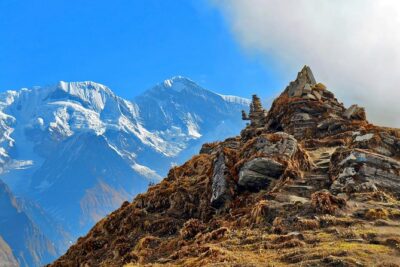
Browse the lists this tour appears in