
Reviewed · MARDI HIMAL TREKS
Mardi Himal Base Camp Trek from Pokhara 4 Days
Mountains show up fast here, in just four days. I like how the route gets you into the Annapurna region quickly from Pokhara, with a mix of forest trail and high viewpoints, so the day-to-day feels varied. I also love the quiet vibe, because the trail is generally calmer than the headline treks, which makes the scenery and local villages feel more personal. One consideration: the trek reaches about 4,500 meters at Mardi Himal Base Camp, so you’ll want a moderate fitness level and to pace yourself.
What helps is that the logistics are simple. You get hotel pickup and drop-off in Pokhara, round-trip transfers by sharing jeep, trekking permits and TIMS card handled, plus an English speaking guide. And the guide support matters a lot on a route like this, especially when breathing gets harder higher up.
If you’re the type who wants fresh air, clear views, and a manageable schedule, this is a strong fit. If you’re looking for a totally flat walk with no altitude effects, you might find the uphill sections challenging.
In This Review
- Key highlights that make this trek worth your time
- A four-day Mardi Himal Base Camp trek, timed for real mountain moments
- Why the “short trek” format matters
- Getting to the trail from Pokhara, without turning it into a hassle
- Value note on the $270 price
- Day 1 on the Mardi Himal trail: Forest Camp, Fishtail in view, and easier starts
- What you’ll likely enjoy most
- Day 1 drawback to plan for
- Day 2 to Mardi High Camp: sunrise starts and the climb above the trees
- Why Day 2 is the day that tests your rhythm
- What to keep in mind
- Day 3: Mardi Himal Viewpoint, base camp altitude, then Low Camp returns
- Morning: Mardi Himal Viewpoint and the push upward
- Afternoon: Low Camp and a second viewpoint payoff
- The main Day 3 consideration
- Day 4 down to Siding village and back to Pokhara lakeside views
- Why the Day 4 format feels like a relief
- What you get on the ground: permits, guide, lodging, and why English support helps
- Permits: the one detail people forget
- Guest house lodging: what you can reasonably expect
- The guide experience is a real value add
- Who this trek is best for, and who should look elsewhere
- You’ll like this if you:
- You might want a different plan if you:
- Tips that make the difference on Mardi Himal
- Should you book Mardi Himal Base Camp from Pokhara?
- FAQ
- How long is the Mardi Himal Base Camp trek from Pokhara?
- Where does the trek start, and how do you get there?
- Is an English speaking guide included?
- Are trekking permits included?
- What kind of lodging is included?
- Is the tour private?
- Is free cancellation available?
Key highlights that make this trek worth your time
- Fast access from Pokhara: reach the trail quickly after a short drive, so more hours go to hiking and views
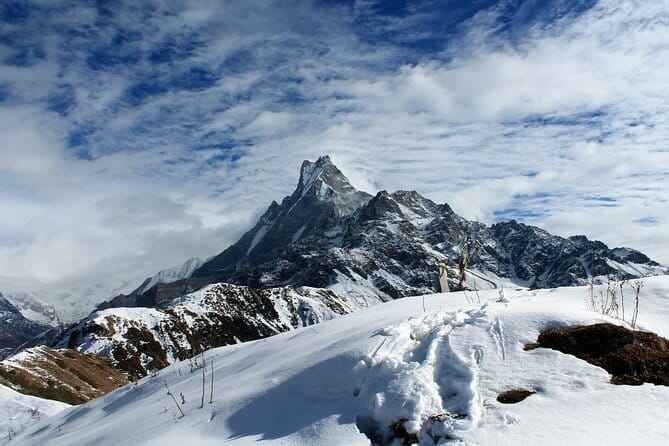
- Fishtail (Machapuchare) views early: you often get clear sightlines starting from the lower camps
- Sunrise-focused viewpoints: early starts at Mardi Himal Viewpoint help you catch the mountains in their best light
- Quieter Annapurna feel: the route stays more serene than the big-name base camps, which keeps the experience peaceful
- Guide support you’ll actually use: the English speaking guide helps with timing, pacing, and the little decisions that affect comfort
- Clean guest house nights: service and rooms are repeatedly described as well kept, which you feel after long walking days
A four-day Mardi Himal Base Camp trek, timed for real mountain moments
This is the kind of trek I recommend when you want the Annapurna region without signing up for a week or two. You start in Pokhara, roll in a sharing jeep, then begin walking the same day. The timeline is tight enough that you stay excited, but not so rushed that you feel forced to sprint between tea houses.
The key promise is simple: you’re here for quick altitude gains, strong Himalayan views, and a route that does not feel crowded all the time. The Mardi Himal trail sits in a sweet spot. It’s not as packed as Annapurna or Everest base camp routes, so you’re more likely to hear wind, birds, and your own footsteps instead of constant trekking traffic.
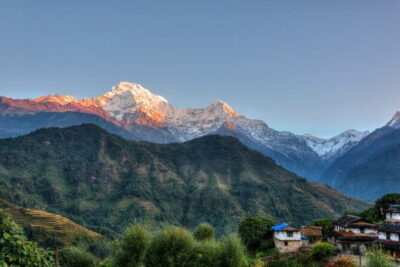
And yes, the views are the star. You’re aiming for a panorama around Mardi Himal Base Camp at roughly 4,500 meters, with sightlines that include the Annapurna Range, Machapuchare (Fishtail), Mardi Himal, and nearby peaks.
More Treks in Pokhara
- Poon hill Trek 3 days
★ 5.0 · 176 reviews - Trekking in Annapurna/Langtang/Everest/Upper Mustang regions
★ 5.0 · 161 reviews - Pokhara: 4-Day Ghorepani, Poonhill & Ghandruk Mountain Trek
★ 5.0 · 132 reviews
Why the “short trek” format matters
A four-day schedule changes how you hike. With fewer days, you generally need to be more intentional: pack light, hydrate consistently, and accept that you’ll feel the climb on summit days and return days. The upside is that you spend less time in transit, so the trip feels more like hiking and less like logistics.
Getting to the trail from Pokhara, without turning it into a hassle
You start with hotel pickup in Pokhara around 8:30 in the morning. Then comes a drive and then the first hiking push. The “drive first, then trek” rhythm matters because you’re not wasting half a day trying to find the trailhead.
You also get round-trip transfers by sharing jeep. That keeps the trek grounded, meaning you return to Pokhara on the last day instead of finishing in the middle of nowhere. On Day 4, you trek down toward Siding village and then drive back to Pokhara.
Another practical plus: the trek includes hotel pickup and drop-off, so you don’t need to coordinate taxis, find local transport, or guess where the driver will meet you.
Value note on the $270 price
At $270 per person (for a four-day trek), you’re paying for more than a guide. The package includes permits and TIMS, guest house accommodation for the trek days, an English speaking guide, and a private trip setup where only your group participates. Many trekking costs add up once you consider permits, guide time, and basic lodging, so it’s good that this price already covers those core pieces.
The main things not included are personal expenses and gratuity. So, budget extra for snacks, drinks you want on the trail, and tips based on your experience.
More Mardi Himal treks:
- Pokhara: 4-Day Mardi Himal Trek
★ 4.9 · 59 reviews - Private Mardi Himal Trek
★ 5.0 · 42 reviews - From Pokhara: 4-Day Mardi Himal Base Camp Trek
★ 4.9 · 31 reviews - Mardi Himal Trek
★ 5.0 · 30 reviews
Day 1 on the Mardi Himal trail: Forest Camp, Fishtail in view, and easier starts
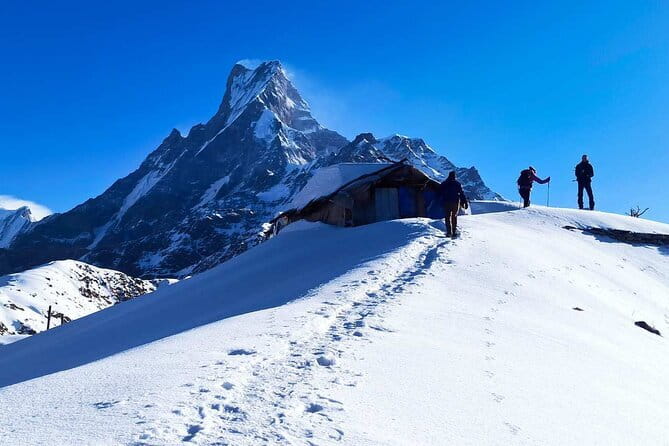
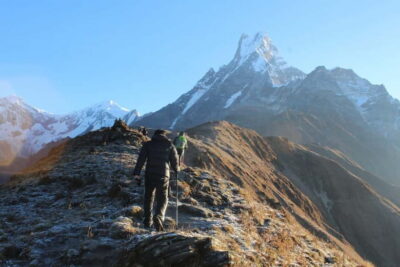
Day 1 begins after pickup and a drive, then you start walking toward Forest Camp. This is where the trek starts to feel like Nepal rather than just a viewpoint chase. You’ll be in green scenery early on, and Fishtail is described as clearly visible from this stage.
A big reason this day feels important is that it sets expectations for the rest of the trek. You’re warming up your legs on a route that transitions through more shaded, forest-style sections. The walking time is about 6 hours, which is long enough to feel like a real trek day, but not so long that you’re wrecked before you even reach the higher camps.
What you’ll likely enjoy most
- Early sightings of Machapuchare (Fishtail) can keep your motivation high
- A forest start can help your body adjust to exertion without constant sun exposure
- You land in guest house lodging, so you’re not scrambling for food or shelter
Day 1 drawback to plan for
Even on a “first day” trek, your body will notice altitude and pace. You might feel fine for most of the day and then feel it more toward the end. This is normal. Take it slow once you start to breathe heavier, and don’t try to match faster hikers stride-for-stride.
Day 2 to Mardi High Camp: sunrise starts and the climb above the trees

Day 2 is where the trek becomes more “mountain focused.” You wake up and Mount Fishtail is described as right in front, with sunrise adding a strong sense of drama. Then you hike toward Mardi High Camp, with a total walking time around 7 hours.
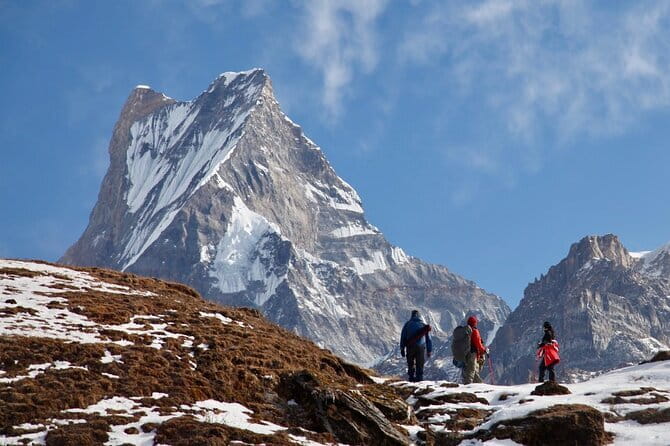
The route includes a forest section on the way up toward places like Badal Danda or Middle Camp. After Badal Danda, the trail moves into more open terrain. That change is something you feel immediately, because you get more wind and more exposure to weather.
Why Day 2 is the day that tests your rhythm
By this point, you’re not just walking. You’re practicing the pace that will get you to higher viewpoints later. If you go too fast, breathing gets harder quickly. If you go too slow, the day can feel frustrating. The goal is a steady pace where you can talk in short sentences.
What to keep in mind
- Sunrise trekking is worth it, but you need layers for early cold mornings
- Trail conditions can vary, especially when the route transitions from forest to open areas
- This day’s climb sets up how comfortable you’ll feel on Day 3
Day 3: Mardi Himal Viewpoint, base camp altitude, then Low Camp returns
Day 3 is the “big pay day,” and it’s built around early starts.
Morning: Mardi Himal Viewpoint and the push upward
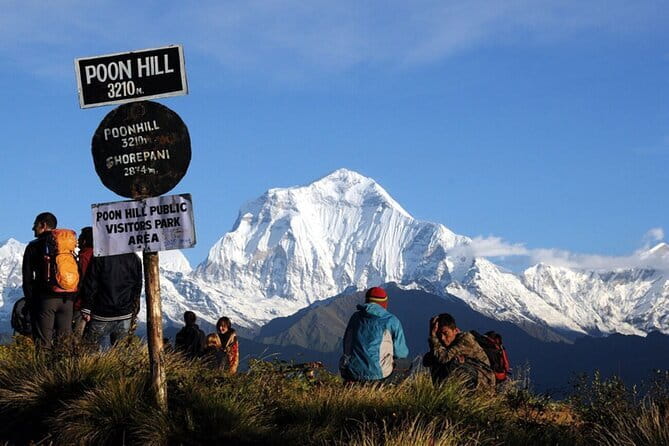
You wake early to catch sunrise from Mardi Himal Viewpoint. After a 2 to 3 hour morning hike that includes a steady ascent, you reach the viewpoint area and then continue into the Mardi Himal Base Camp segment.
This is also the day where you may notice breathing difficulty. That’s not a reason to panic. It’s a reason to take it slowly. The trekking description explicitly flags that you might feel it here, and that slow pacing with steady effort is the right approach.
The altitude jump is real, since the base camp sits around 4,500 meters. Your job on this day is not to be a hero. Your job is to move consistently, drink water, and let the mountain come to you.
Afternoon: Low Camp and a second viewpoint payoff
After exploring around Mardi Himal Viewpoint, you hike back to Mardi High Camp and then down toward Middle Camp, stopping at Low Camp for another viewpoint experience. This lower viewpoint is described as the second-best one worth stopping at after the main view.
It’s a nice design because it gives you more than one “mountain moment” on the same day, without adding a totally separate full-day hike.
The main Day 3 consideration
Cold plus altitude can make you feel slow, even when your legs are okay. If your fingers go numb or you’re tired faster than expected, take a short break and keep moving. Resting too long can make you feel stiff and colder. A good guide helps you find the right balance.
Day 4 down to Siding village and back to Pokhara lakeside views
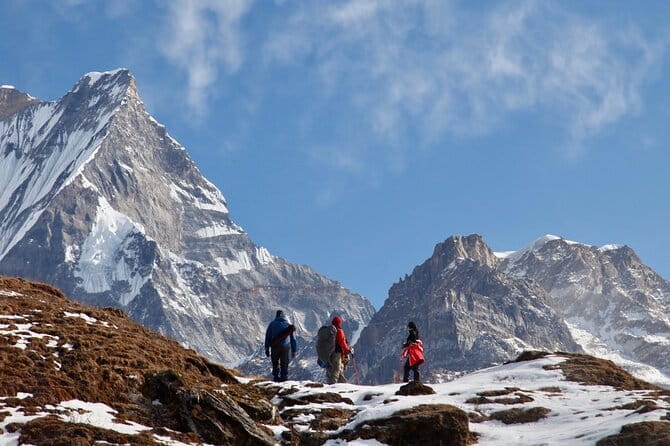
Day 4 is about coming back down and wrapping the trek with a final dose of mountain scenery.
You start with sunrise and beautiful mountain views from Pokhara Lakeside, then you trek down all the way toward Siding village. The walking segment runs about 6 hours, and afterward you drive back to Pokhara by sharing jeep.
The descent is physically easier than the climbs, but it can be tough on knees and feet. Go easy on your step length, keep your weight centered, and consider trekking poles if you have them. If you don’t, watch your footing, especially if the trail is uneven.
Why the Day 4 format feels like a relief
Many treks end with a rough, long travel day. This one tries to keep things comfortable by combining a controlled descent with a scheduled jeep ride back. You get the sense of finishing the job, rather than just “escaping the mountains.”
What you get on the ground: permits, guide, lodging, and why English support helps
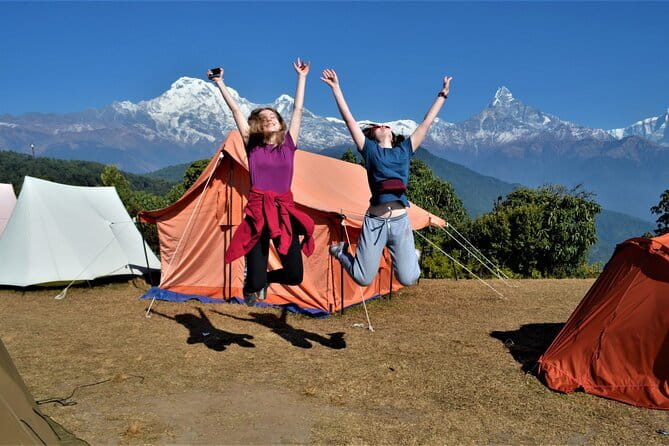
This trek is packaged to keep the important pieces handled.
Included items:
- Hotel pickup and drop off in Pokhara
- Round-trip transfers by sharing jeep
- Trekking permit and TIMS card
- English speaking trekking guide
- Accommodation in guest house
- Private trip setup, so it’s only your group
Permits: the one detail people forget
You need a passport copy and a passport-size photo prior to the trip so the permit can be issued. That means you should plan ahead and send your details on time, before trekking day.
Guest house lodging: what you can reasonably expect
Guest house accommodation is included, and the feedback emphasizes clean rooms and good service. After a hard hiking day, this matters more than people think. You want a place where you can shower, reset, and sleep without worrying about basic comfort.
The guide experience is a real value add
A guide is not just someone to lead you. He helps with pacing, timing, and day choices like when to stop for photos and when to press on. In the feedback, the guide named Krishna comes up as particularly helpful, and that lines up with what you need on a route where breathing changes quickly.
Who this trek is best for, and who should look elsewhere
You’ll like this if you:
- Want an Annapurna region trek without a long time commitment
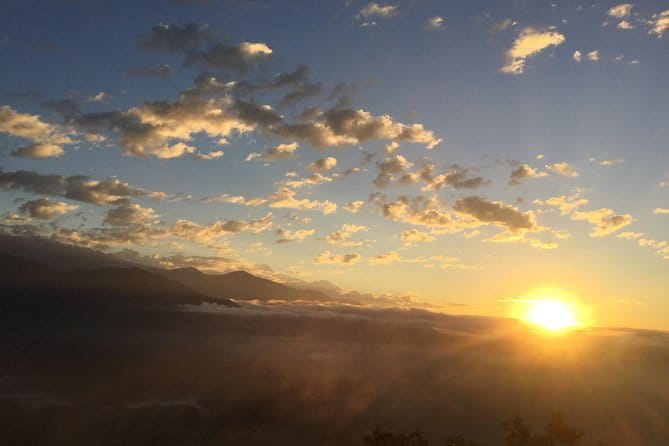
- Enjoy early morning starts for sunrise views
- Prefer a quieter feel over the busiest, most famous trekking corridors
- Have moderate fitness and can handle uphill days plus altitude effects
- Like clear logistics, with permits and permits paperwork handled
You might want a different plan if you:
- Need a very easy trek with minimal ascent
- Are not comfortable with altitude at around 4,500 meters
- Want guaranteed warm, easy conditions every day, because mountain weather always keeps you flexible
Tips that make the difference on Mardi Himal
I’ll keep these practical, because in the mountains, small choices matter.
- Pace early. On Day 3, the slower you go at first, the easier it feels later.
- Layer up for mornings. Sunrise trekking means cold starts, especially higher up.
- Hydrate consistently. Altitude makes dehydration feel sneaky.
- Bring essentials you can carry. Since personal expenses are not included, plan for what you might want to snack on or buy along the way.
- Respect the descent. Your knees will remember Day 4 if you rush.
And one more thing: if you feel breathing discomfort, treat it as a signal to slow down. That’s not failure. That’s smart trekking.
Should you book Mardi Himal Base Camp from Pokhara?
If your goal is a mountain trek that fits a short schedule but still gives you the core Himalayan experience, I think this one earns a spot on your list. The combination of quick access from Pokhara, quieter trail vibes, and sunrise viewpoint planning gives you real value for time.
You should book if you can handle moderate fitness and you’re okay with altitude effects. You should think twice if you’re expecting an easy stroll with no uphill climbs or if you’re not prepared for the cold mornings.
One final nudge: with a trek like this, the guide and pacing approach make a difference. If you choose a company that provides an English speaking guide and takes care of permits and logistics, you’re setting yourself up to enjoy the mountains instead of juggling details.
FAQ
How long is the Mardi Himal Base Camp trek from Pokhara?
It runs about 4 days.
Where does the trek start, and how do you get there?
The trek is based in Pokhara. You get hotel pickup and then travel by sharing jeep to the start area.
Is an English speaking guide included?
Yes. An English speaking trekking guide is included.
Are trekking permits included?
Yes. The trekking permit and TIMS card are included, and you need to provide a passport copy and a passport-size photo before the trip so the permit can be issued.
What kind of lodging is included?
Accommodation in guest houses is included during the trek.
Is the tour private?
Yes. It’s listed as a private trip where only your group participates.
Is free cancellation available?
Yes. You can cancel up to 24 hours in advance for a full refund. If you cancel less than 24 hours before the start time, the amount paid is not refunded.
More treks out of Pokhara
- From Pokhara: Sarangkot Sunrise Himalayas Tour
★ 4.7 · 218 reviews - From Pokhara: 3-Day Ghorepani Poon Hill Trek with Guide
★ 4.9 · 68 reviews - 3-Day Poon Hill Trek from Pokhara.
★ 5.0 · 45 reviews - From Pokhara: 2 Day 1 Night Ulleri,Ghorepani Poon Hill Trek
★ 4.9 · 33 reviews
Latest additions near Pokhara
- Pokhara: Pokhara Highlights Tour by Bus★ 3.6 · 10 reviews
- Discover Pokhara in Style: Private Vehicle Service with Driver★ 5.0 · 5 reviews
- Pokhara in 5 Hours: Lake, Museum, Cave, Falls & Pagoda Hill★ 4.5 · 16 reviews
- The World Peace Pagoda in Pokhara★ 4.5 · 7 reviews
- 7-Day Trek to Annapurna Base Camp from Pokhara★ 5.0 · 12 reviews
- 4 Day Mardi Himal Base Camp Trek from Pokhara★ 5.0 · 18 reviews
- Unique Easy Hiking to Foxing Hill from Pokhara★ 5.0 · 4 reviews
- World Peace Stupa Day Hike From Pokhara★ 5.0 · 4 reviews
Mardi Himal Treks, compared.


Mardi Himal Trek – 8 Days | Hidden Gem of the Annapurnas
Read our review →
Browse the lists this tour appears in