
Reviewed · KATHMANDU TOURS
Luxury Kailash Mansarovar Yatra – 15 days
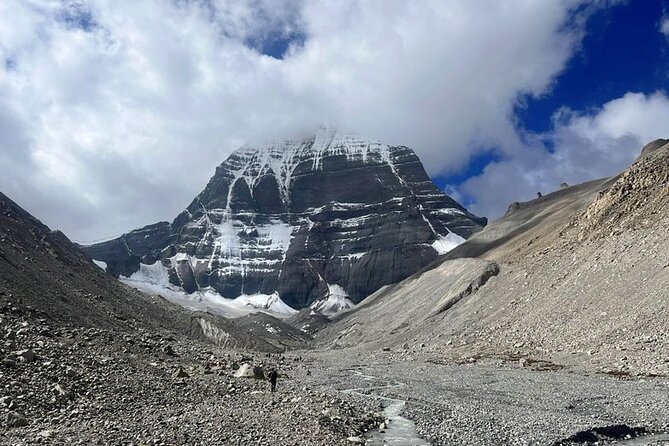
Kailash feels closer than you think. This luxury-style 15-day Kailash Mansarovar Yatra mixes city temples in Kathmandu, serious altitude acclimatization in Tibet, and the life-defining Mount Kailash Parikrama (Kora) around the sacred mountain. You get structured group support from start to finish, including passport handling and a team that keeps the day-to-day moving.
I especially like two things. First, the tour’s Tibet visa streamlining is practical, with passport collection on arrival so the paperwork does not eat your trip. Second, you get cold-weather gear early, including a down jacket and a duffle bag before temperatures drop.
The big consideration is the physical load and altitude. You will reach very high points on the trek, including the Dolma-La Pass, plus long driving days through the plateau, so moderate fitness is not a suggestion, it is the baseline.
In This Review
- Key highlights to look for
- Landing in Kathmandu, then getting your yatra rhythm set
- Patan, Pashupatinath, and Boudhanath before you head north
- Rasuwa Gadhi to Kerung: checkpoint reality and first altitude adjustment
- Saga acclimatization and the plateau build-up toward Manasarovar
- Manasarovar time, Havan Puja, and Darchen as your gateway
- Yam Dwar, Derapuk, and the Parikrama start around Kailash
- Dolma-La Pass day and the sacred stops you will remember
- Zutulphuk to Saga, then Kerung and the return south
- Using the contingency day in Kathmandu well
- Support and comfort on the trail, the part people keep praising
- What you pay, and what makes it feel worth it
- Who should book this Kailash Mansarovar Yatra
- Should you book Himalayan Glacier’s Luxury Kailash Mansarovar Yatra?
- FAQ
- What cities are included in the trip, and where do you start?
- Is pickup offered?
- How long is the Kailash Mansarovar Yatra?
- What is the group size limit?
- Will I get help with Tibet visa procedures?
- What trek and ritual experiences are part of the route?
- What optional transport is available for the return?
- What meals are included?
Key highlights to look for
- Visa and passport handling on day one, with team help through immigration steps
- A smooth Kathmandu start at Aloft by Marriott plus real pre-yatra briefings
- Acclimatization stops in Kerung and Saga before Darchen and Kora
- Manasarovar ritual time with a Havan Puja at the lake
- The Dolma-La Pass day with Shiva-sthal and Gauri Kund built into the route
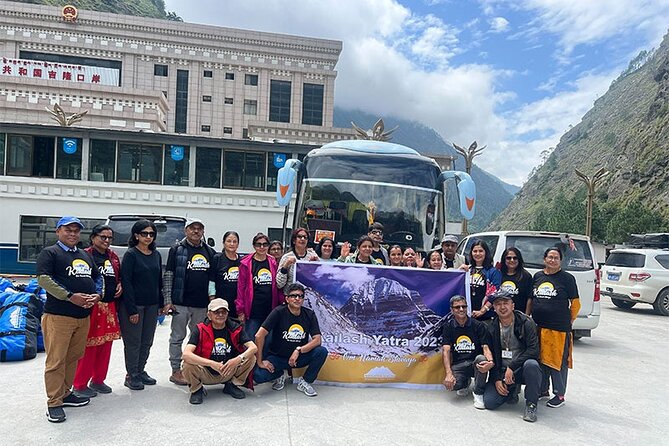
- Strong support on the ground, with cooks, guides, and team leaders repeatedly praised for keeping you comfortable
Landing in Kathmandu, then getting your yatra rhythm set
Your first taste of the journey is Kathmandu, with a plan that avoids chaos. You land at Tribhuvan International Airport, get greeted, and are escorted to Aloft by Marriott for the night. Later, you join a group meeting where you receive practical guidance on what is coming next, plus prep tips aimed at helping you manage the cold, the altitude, and the pace.
One detail I like for nervous first-timers is the way paperwork is handled. To streamline the Tibet visa process, the team collects your passport on arrival. That means you spend your energy on acclimation prep, not chasing forms.
You also get trek essentials right away. On day one, you receive a down jacket and a duffle bag for the upcoming stretch. That matters because the route climbs quickly, and you do not want to be scrambling for warm layers after you are already in motion.
A few more Kathmandu routes to compare
- Kathmandu to Pokhara VIP Sofa Bus Ticket
★ 4.5 · 19 reviews - Luxury Tour of Nepal
★ 5.0 · 18 reviews - Nepal in Luxury: Kathmandu, Chitwan & Pokhara Escape – 8 Days
★ 4.5 · 15 reviews
Patan, Pashupatinath, and Boudhanath before you head north
Before the high plateau, you get a cultural warm-up in Kathmandu Valley. Day two includes Patan Durbar Square, a UNESCO World Heritage Site known for Newari architecture, intricate carvings, and temple areas such as Krishna Mandir. If you appreciate craftsmanship, this stop is worth slowing down for, because the small details are the point, not speed.
Then the tour pivots to Hindu devotion at Pashupatinath Temple on the Bagmati River. This is a major Shiva shrine, and the atmosphere is built around daily rituals and prayer. It is not a background stop, it is an emotional gear change from sightseeing mode into pilgrimage mode.
Finally, you visit Boudhanath Stupa, one of the largest iconic stupas in the world for Tibetan Buddhists. You walk around the stupa and its prayer wheels, which is a simple action, but it sets a steady rhythm for what you will do later on Mount Kailash.
If you want a practical takeaway, it is this: those temple days help you understand why this trip is not only about views. The route is designed for devotion, and the early days prepare your mindset.
Rasuwa Gadhi to Kerung: checkpoint reality and first altitude adjustment
Day three is mostly travel, with a scenic drive from Kathmandu to Rasuwa Gadhi (about 6-7 hours, around 140 km). You pass through Langtang region scenery, including terraced farmlands and villages like Trishuli Bazaar and Syabrubesi. As the altitude rises toward Rasuwa Gadhi (about 1,800m), the terrain becomes more rugged and the air feels different.
Day four starts with a short walk to the Nepalese immigration checkpoint to complete checkout, then you enter Chinese immigration. This is where your team support becomes more than a nice perk. The Chinese-side procedures are described as meticulous, and the team assists you through the process, which helps prevent the common stress of missing a step when you are already tired.
After you clear, you cross into Tibet and are welcomed by a Tibetan guide and driver. Then you drive to Kerung (Gyirong), roughly 2,700m. You get a short stroll in Kerung around noon, which is exactly the kind of gentle activity you want before pushing higher.
A possible drawback here is simple: it is still a long day. You will sit a lot, and that can make altitude discomfort worse. The best strategy is to take the provided short walk seriously, drink water consistently, and keep the rest of the day calm.
Saga acclimatization and the plateau build-up toward Manasarovar
Day five drives from Kerung to Saga, a key transit point for travellers on the Kailash Mansarovar Yatra. The scenery shifts as you ascend, with rolling hills and wide-open plateau views. You gain altitude quickly, reaching around 4,500m.
High passes are part of the drive experience, and you are given panoramas along the way. This is the phase where people start noticing how fast they breathe, how quickly they tire, and how important it is to not rush.
Saga is where the plan wisely slows down. After arriving, you settle into your accommodation and rest to acclimatize to the rising altitude. This kind of buffer day is valuable because the yatra trek portion is not the place to “test yourself.” You want your body ready before you start walking with elevation pressure.
Day six continues toward Lake Manasarovar, with a long but awe-filled drive across the plateau. You cross Mayum La Pass (about 5,200m). The first glimpse of Mount Kailash in the distance is described as a spiritually uplifting moment, and it usually hits people hard, because you have been driving toward this for days.
Then you reach Manasarovar (about 4,590m). You get time to take in the lake, which is the heartbeat of the pilgrimage.
Another way to spend the time in Nepal:
- Everest Base Camp Trek – 14 Days
★ 5.0 · 1,499 reviews - Everest Base Camp Trek
★ 5.0 · 842 reviews - Private Kathmandu Sightseeing Tour | UNESCO World Heritage sites
★ 5.0 · 756 reviews - Kathmandu: 7 UNESCO Sites with Lunch
★ 4.8 · 744 reviews
Manasarovar time, Havan Puja, and Darchen as your gateway
Day seven begins with a Havan Puja at sacred Lake Manasarovar. This is a ritual believed to purify the soul and invoke blessings for the journey ahead. Whether you are deeply religious or just spiritually open, this is a meaningful way to mark the transition from travel into pilgrimage.
After that, you drive to Darchen, around 4,575m, the official gateway to Mount Kailash. En route, you stop at Raksas Tal (Lake Rakshastal), known from Hindu mythology as a symbol of negative forces or demonic energy in cosmic balance. The contrast is part of the lesson of the pilgrimage route: not everything here is soft and calm.
Darchen is where you meet other pilgrims and trekkers. It is also where you sleep for the night before the Kora starts, so you are building strength for the walk. You stay in a hotel in Darchen, which helps you reset before the trekking days.
If you are sensitive to cold, this is a place to pay attention. Temperatures are dropping, and you will want to keep yourself warm at night so you can wake up with energy.
Yam Dwar, Derapuk, and the Parikrama start around Kailash
Day eight begins Mount Kailash Parikrama (Kora) from Darchen. You drive to Yam Dwar, called the Gateway of the God of Death. Pilgrims pray and make offerings before starting, and the tone changes fast.
Then you trek toward Derapuk. This first leg is described as relatively moderate, and it gives you a start at altitude trekking without immediately jumping into the hardest terrain. As you walk, you see the north face of Mount Kailash, which becomes the emotional anchor for the whole circuit.
You spend the night at a basic teahouse or camp in Derapuk. That is not a luxury hotel vibe. It is more about functionality, comfort within limits, and being close to the next day’s route.
Day nine is optional. If you feel good and you are well acclimatized, you can do a hike to Charan Sparsh, meaning Touch of the Feet. This is at the base of the north face and is considered deeply spiritual. If you choose not to go, you can rest in Derapuk and spend time meditating with Mount Kailash in view.
I like that the option is there. It lets you match the day to how your body is handling the altitude, rather than forcing everyone into the same plan.
Dolma-La Pass day and the sacred stops you will remember
Day ten is the toughest day of the Kora. You start early from Derapuk and begin a steep ascent to Dolma-La Pass, at about 5,636m, the highest point on the pilgrimage. This is the day where stamina matters most, and the description emphasizes rugged terrain and high altitude.
At the top, you reach Shiva-sthal, where pilgrims traditionally leave personal items as offerings and pray for forgiveness and liberation. It is a powerful moment because it turns your physical effort into a devotional act.
Then you stop at Gauri Kund, the Lake of Compassion, associated with Goddess Parvati. Many pilgrims pause for prayers and reflection here before you go back down.
After the pass, you descend steeply into the Zutulphuk Valley. The change in terrain can feel dramatic, so go steady. The steep descent is often as tiring as the climb, just in a different way.
If you want one practical note: treat this day like a paced effort, not a race. The people who do best are the ones who keep a steady rhythm and do not burn themselves out on the first part of the ascent.
Zutulphuk to Saga, then Kerung and the return south
Day eleven starts with a shorter walking segment, about 3 hours from Zutulphuk Monastery to the designated pickup point. Your driving crew is waiting there, and this day functions as the bridge between the trek effort and the return travel phase.
After pickup, you drive back to Saga. You get time to relax and reflect on what you completed, and you sleep in Saga that night.
Day twelve is the drive back from Saga to Kerung. It is again a long scenic route across the plateau, with mountain views and traditional Tibetan settlements along the way. The point of this day is recovery, not sightseeing.
Day thirteen sends you back to Kathmandu. You cross the Tibetan-Nepal border at Rasuwagadhi, with customs and immigration formalities, then continue through Langtang National Park. You get final looks at lush valleys, cascading waterfalls, and the Himalayan foothills near the end of the journey.
There is also an optional helicopter return available for an additional cost. The flight reduces travel time to around 45 minutes. If you are running low on energy, or if roads are slow, this can be a smart safety valve.
Using the contingency day in Kathmandu well
Day fourteen is reserved as a contingency day. It exists to handle unexpected delays like weather, road conditions, or border disruptions. If everything goes smoothly, you get an extra buffer, not wasted time.
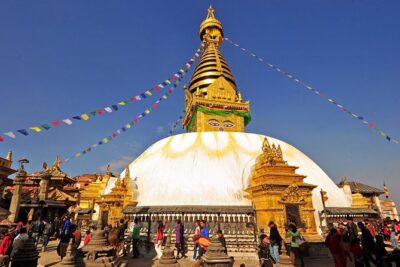
In Kathmandu, you can use that flexibility to explore more UNESCO sites such as Bhaktapur Durbar Square or Swayambhunath (Monkey Temple). You can also shop in Thamel for pashminas and local handicrafts, or book a relaxing spa or traditional Ayurvedic therapy session to recover from trekking fatigue.
This is one of those unglamorous features that makes the whole trip feel more humane. You get time to catch your breath rather than constantly feeling behind schedule.
Support and comfort on the trail, the part people keep praising
This tour is positioned as luxury, but it is still a pilgrimage and still very remote at times. What makes the experience feel “luxury” in real life is how well the team handles the in-between moments that can otherwise become stressful.
Across the feedback provided, the most praised aspects are the supportive staff, smooth planning, and consistent comfort with food and lodging even in remote areas. Cooks are credited for providing hot meals when conditions are difficult. Guides and team leaders are repeatedly praised for staying on top of needs and keeping everyone steady.
You also see names tied to that support, including Sagar Pandey (Sagarbhai), Shankar Bhatt (Shankar Bhatta), Bir Bahadur, Sanket, and Dawa Sherpa. Agents such as Rayuna and Reezu are also mentioned for prep work before departure, including helping travelers feel ready instead of winging it.
One more detail that matters: the group size is capped at a maximum of 25 travellers. In a trek like this, smaller groups can mean less waiting, more attention, and a better pace control.
What you pay, and what makes it feel worth it
At $3,999 per person for roughly 15 days, this is not a budget trek. So the question is value, not cost.
From the included details, you get a lot of what usually becomes “hidden admin time” on independent Kailash Mansarovar Yatra planning. Meals are included throughout most of the trip, with breakfast (14), lunch (11), and dinner (12). You also get pickup offered, plus a mobile ticket and group discounts.
You also get early gear support with the down jacket and duffle bag. And the route includes the parts many travellers underestimate: formal immigration steps on the Tibet side, acclimatization days in Kerung and Saga, and a contingency day back in Kathmandu.
What is not included is also clear: internal flights, personal expenses, and tips. You are also paying for the human network, not just beds and vehicles.
If you want to feel confident about the price, think of it this way: this itinerary is designed to reduce uncertainty. That reduction is worth real money when you are dealing with high altitude, border processing, and long remote drives.
Who should book this Kailash Mansarovar Yatra
This is a strong fit if you want:
- An organized, structured route with support through immigration checkpoints
- Help with the practical prep stages, including gear handoff and group briefings
- A Kora plan that builds in acclimatization before the highest pass days
- A trip where staff attention is a major selling point, especially around food and comfort
It may not be the right fit if:
- You are not comfortable with long driving days and serious altitude trekking
- You prefer fully independent travel with no group structure
- You cannot handle a day like Dolma-La, where the route demands stamina and focus
If your goal is to do the Parikrama of Mount Kailash with less logistical stress and more human support, this style of yatra is built for you.
Should you book Himalayan Glacier’s Luxury Kailash Mansarovar Yatra?
If you are considering it, I would base your decision on one simple check. Ask yourself if you want the Kora experience, but also want a team to handle the hard parts you would rather not improvise, like visa flow and checkpoint procedures.
The strongest reasons to book are the high-touch support that keeps showing up in the feedback, the practical pre-yatra setup in Kathmandu, and the acclimatization pacing that leads into the Dolma-La Pass day. The contingency day also signals maturity in the planning, because remote travel does not always behave.
The main reason to hesitate is also straightforward: altitude and physical effort. This trip is not for “just curious” fitness levels.
If you are mentally ready, physically steady, and want a pilgrimage route with fewer unknowns, this 15-day luxury-style yatra is a very compelling choice.
FAQ
What cities are included in the trip, and where do you start?
You start in Kathmandu, Nepal. You also travel through Tibet, including Kerung and Saga, and you return to Kathmandu at the end of the trip.
Is pickup offered?
Yes, pickup is offered.
How long is the Kailash Mansarovar Yatra?
The tour duration is about 15 days (approx.).
What is the group size limit?
The tour has a maximum of 25 travelers.
Will I get help with Tibet visa procedures?
Yes. Your passport is collected on arrival to streamline the Tibet visa process, and the team assists with immigration procedures on the Chinese side.
What trek and ritual experiences are part of the route?
You will do the Mount Kailash Parikrama (Kora) and there is also a Havan Puja at Lake Manasarovar. You can also choose an optional hike to Charan Sparsh from Derapuk.
What optional transport is available for the return?
An optional helicopter return is available at an additional cost, with travel time reduced to about 45 minutes.
What meals are included?
Meals included are breakfast for 14 days, lunch for 11 days, and dinner for 12 days. Tips and personal expenses are not included.
Latest additions near Kathmandu
- Traditional Momo Making Class★ 5.0 · 10 reviews
- White Water River Rafting – 1 Day★ 4.3 · 3 reviews
- Kathmandu to Pokhara Premium sofa bus ticket★ 4.0 · 17 reviews
- Ghorepani Poon Hill Trek★ 5.0 · 16 reviews
- Amazing 1 Day Trekking Experience in Kathmandu Nepal★ 5.0 · 24 reviews
- Ghorepani Poonhill Trek★ 5.0 · 5 reviews
- Walking tour of real Kathmandu through back streets.★ 5.0 · 3 reviews
- Wildlife Adventure in Chitwan Nepal★ 4.0 · 4 reviews
Kathmandu Tours, compared.
Private Kathmandu Sightseeing Tour | UNESCO World Heritage sites
Read our review →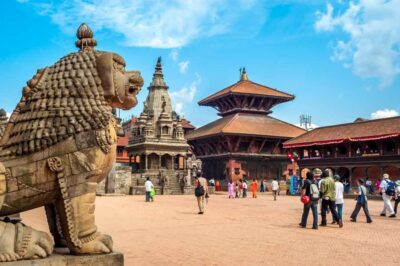
Everest Base Camp Helicopter Tour landing at Everest View Hotel
Read our review →
Nagarkot Sunrise View and Day Hiking from Kathmandu
Read our review →Browse the lists this tour appears in