
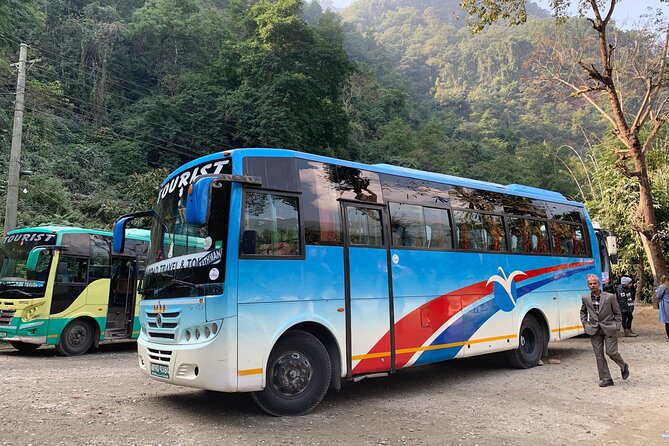
Reviewed · KATHMANDU TOURS
Kathmandu to Pokhara VIP Sofa Bus Ticket
Sofa seats make the Kathmandu-Pokhara run easy. I like the push-back reclining seats and the fact that the coach is air-conditioned, so you stay comfortable even when the day gets warm. One thing to keep in mind, though, is the trip includes scheduled breaks, and the meal stop can feel a bit rushed or underwhelming.
This is an easy-value way to cover about 210 km and reach Pokhara in roughly 6 to 7 hours, with the Prithvi Highway scenery rolling by the whole way. You also get practical extras like bottled water and noise reduction design, plus baggage space that matters when you are packing for trekking.
I like that the ride is built for a straightforward day plan, with a morning service and an evening service, and you are dropped at the Tourist Bus Park near Lakeside. Just check your timing, because an early-morning arrival is great for safety and convenience, while a midday arrival means you might have a bit of waiting before check-in.
In This Review
- Key things I’d clock before you book
- Kathmandu to Pokhara VIP Sofa Bus, what it’s like in real life
- Seats, AC, and the comfort details that can make or break the ride
- Departure times that actually fit your day plan
- Charging, baggage rules, and the practical perks you’ll use
- The ride rhythm: three stop breaks and how to handle them
- Prithvi Highway views, safety comfort, and why drivers matter
- Price and value: why $12 can feel like a deal
- Getting off in Pokhara: Tourist Bus Park to Lakeside in minutes
- Who this VIP bus is perfect for, and who should look elsewhere
- Potential drawbacks to plan around
- Should you book the Kathmandu to Pokhara VIP Sofa Bus?
- FAQ
- How long is the Kathmandu to Pokhara VIP sofa bus ride?
- How far is it from Kathmandu to Pokhara on this route?
- What time does the morning bus leave Kathmandu?
- What time does the evening bus start boarding in Kathmandu?
- When does the bus arrive in Pokhara?
- Where does the bus drop you in Pokhara?
- What seat features are included?
- Is air-conditioning included?
- How much luggage can I bring?
- Are meals included in the ticket price?
Key things I’d clock before you book
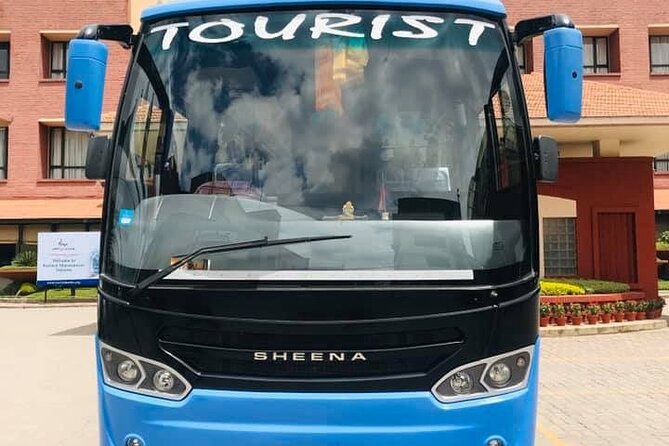
- Reclining push-back sofa seats: adjustable angles for a more relaxed posture
- AC plus USB charging: comfort and charging built into the seat area
- 30 kg baggage allowance: up to 30 kg per passenger, and no fees for 2 big luggage
- Three scheduled stop breaks: restroom and refreshments, with complimentary bottled water on board
- Morning and evening departures: 7:00 AM from Sorhakhutte, or evening service from Balaju
Kathmandu to Pokhara VIP Sofa Bus, what it’s like in real life
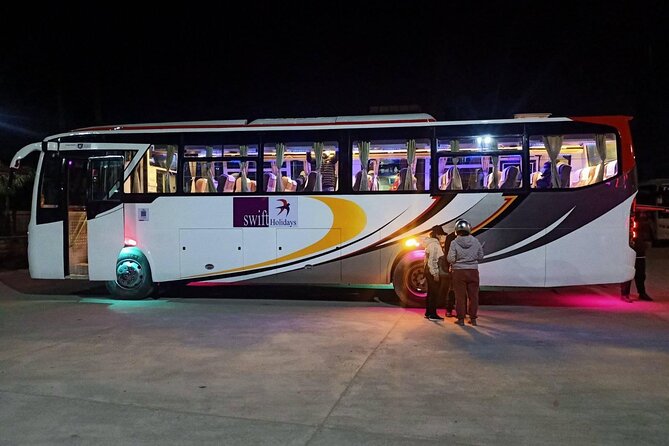
This route is popular because Kathmandu and Pokhara are on almost everyone’s Nepal itinerary, and the roads can be long when you do it in a crowded bus. This VIP option is basically the simpler choice: you pay a modest price, sit in a proper reclining seat, and let a professional driver handle the tricky bits of road travel.
The big quality is physical comfort. The seats are push-back sofas with adjustable angles, so you can shift your posture rather than spending hours in an upright, cramped position. If you have ever finished a bus ride with a stiff neck, you know why that matters.
Noise reduction design also helps. It does not make the bus silent, but it cuts down on outside racket enough that you can actually talk, listen to music, or nap without feeling like you are camped next to a generator.
Still, it is not a private car. It is a small-group bus (max 31 travelers), so you should expect the normal shared-ride rhythm. Think of it as comfort plus convenience, not a fancy hotel experience.
A few more Kathmandu routes to compare
- Kathmandu to Pokhara Tourist Bus Tickets reservation
★ 4.0 · 25 reviews - Kathmandu to Pokhara Bus Ticket- Sofa
★ 4.0 · 24 reviews - Full Day Ticket Access around Kathmandu Valley
★ 5.0 · 18 reviews
Seats, AC, and the comfort details that can make or break the ride
The seat setup is the headline, and for a reason. Push-back recline means your body gets support when the road is smooth, and you can lean back when it is not. Cup holders and a more organized seat area also help. You are less likely to spill water mid-turn, and you can keep your essentials in reach.
Air-conditioning is included, and that is huge on a long drive. One caution: AC comfort can depend on how quickly it is switched on after departure, especially later in the day. So if you are sensitive to warm air, I would bring a light layer you can wear early, then swap out once the AC kicks in.
You also get complimentary bottled water. That sounds small, but on a road trip it helps you avoid the usual moment of scrambling for a bottle right after you board.
If you dislike surprises, plan for this: the trip has scheduled breaks, and those breaks can change your sense of timing more than you expect. If you are someone who needs meals on an exact schedule, bring snacks so you are not waiting on a break to feel human again.
Departure times that actually fit your day plan
You have two practical options, and picking the right one can make your whole Pokhara start easier.
Morning service: boarding at Sorhakhutte (Kathmandu Tourist Bus Stop) at 7:00 AM. The bus run is about 6 to 7 hours, and it is scheduled to arrive in Pokhara around 3:00 PM.
Evening service: you board in Kathmandu at Rajdhani Furniture in Balaju. Boarding starts around 7:30 PM, and the bus starts after that. This service is designed to arrive around 5:00 AM in Pokhara, which can be a big plus if you want safer travel in the late evening and an early start the next morning.
Both versions drop you at the Tourist Bus Park in Pokhara. From there, you can usually reach the Lakeside area on foot in about 5 minutes, so you are not stuck hunting for a ride immediately after arrival.
If you plan to spend your first day in Pokhara exploring Lakeside, the evening service can feel perfect because you wake up already there. If you want the day for sightseeing right away, the morning service is the easier match.
Charging, baggage rules, and the practical perks you’ll use
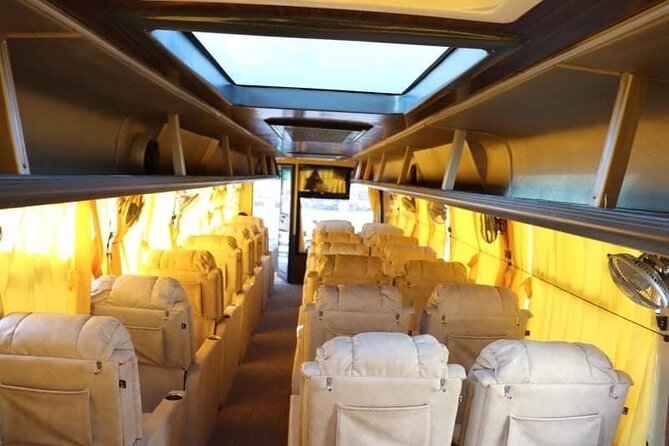
This is not just about comfort. It is about making sure your trip does not turn into an awkward logistics problem.
You get USB charging ports, which is a lifesaver when your phone is running maps, translation, and photos. I treat a dead battery as a travel emergency, so having charging built in is not a luxury, it is a time-saver.
Baggage allowance is up to 30 kg per passenger, and there is no fee for 2 big luggage. That matters if you are carrying a day bag plus trekking gear. Just keep in mind that buses still have practical space limits, so pack smart and avoid stuffing oddly shaped items.
The bus also includes cup holders, and that sounds trivial until you are trying to keep water steady on a winding road. Noise reduction design helps you stay more comfortable, especially if you are prone to motion fatigue or headache from constant engine and road noise.
There is accidental insurance coverage up to NPR 500,000 per passenger. I always appreciate travel insurance, but this is at least extra protection built into the ticket.
Another way to spend the time in Nepal:
- Everest Base Camp Trek – 14 Days
★ 5.0 · 1,499 reviews - Everest Base Camp Trek
★ 5.0 · 842 reviews - Private Kathmandu Sightseeing Tour | UNESCO World Heritage sites
★ 5.0 · 756 reviews - Kathmandu: 7 UNESCO Sites with Lunch
★ 4.8 · 744 reviews
The ride rhythm: three stop breaks and how to handle them
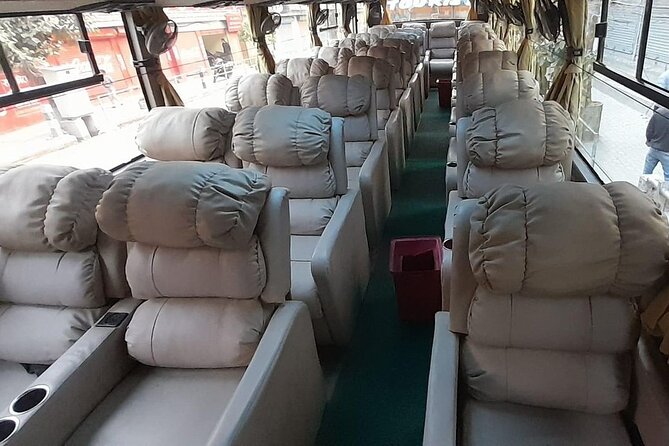
The bus includes three scheduled stops for refreshments and restroom breaks. That rhythm is common on this route, because it helps everyone stay safe and reduces the risk of tired driving.
Here is how I would plan it in your head. You will have points where you can stretch your legs, buy small items if you want, and use the restroom without worrying about the bus leaving immediately. Complimentary bottled water is provided, but you can still top up if you prefer your own drink.
The one potential drawback is food timing and food quality at the stop. A common complaint is that the meal break can feel early, and the place offered can be hit or miss. You might also find yourself not ready to eat at that hour, especially if you had breakfast later or skipped it entirely.
My advice is simple: treat the break as a chance to rest, not as your only food plan. Bring a few snacks just in case. You are not getting meals and snacks included, so having backup food keeps you in control.
If you are traveling with a routine, like specific meds with meals, plan around that too. A bus schedule can nudge your routine, even when you do everything right.
Prithvi Highway views, safety comfort, and why drivers matter
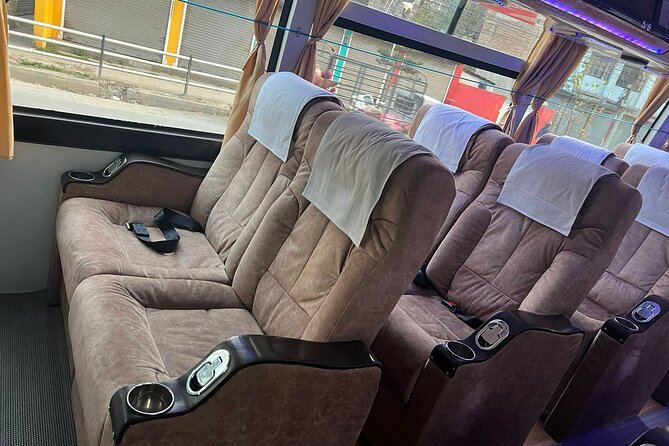
The trip is known for scenic stretches along the Prithvi Highway. Even when you are not staring out the window the whole time, the road changes, turns, and valleys keep the ride from feeling flat or monotonous.
More important than views is that the operator emphasizes professional drivers and safe, convenient travel. On a route with mountain roads and changing weather, driver skill is not a marketing line. It affects how smooth the ride feels, how confidently the bus handles turns, and how calmly everyone settles in.
The bus also limits external noise through design, which helps with comfort, but it also lets you pay attention to what the driver is doing. When you can hear less background noise, you notice announcements more clearly and you stay calmer.
I would still keep a basic travel habit: bring water, a light layer, and something to snack on. If you get carsick, have your remedy ready before departure. A reclining seat helps, but no bus ride is magic.
Price and value: why $12 can feel like a deal
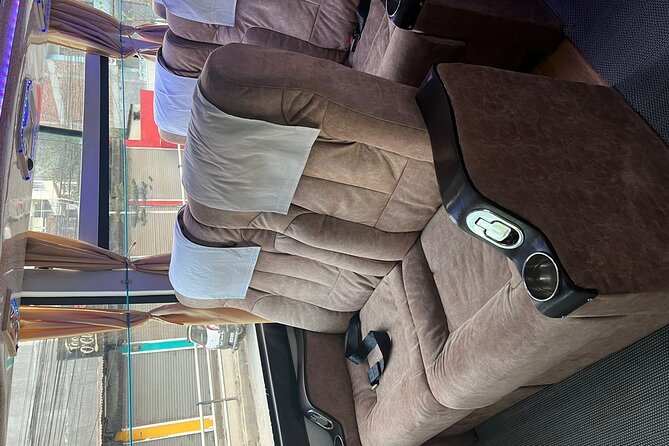
At $12 per person, this is one of those fares that can surprise you in a good way. You are paying for a comfortable seat setup, air-conditioning, and practical onboard perks like USB charging and bottled water. That is a lot to pack into a single ticket price on a long road route.
The baggage allowance is also part of the value equation. Up to 30 kg per passenger, plus no fees for 2 big luggage, means you are less likely to run into extra charges that ruin the math. When your gear matters, that is real savings.
Then there is the schedule flexibility. If you choose the evening service, arriving around 5:00 AM can mean you lose fewer daylight hours to transit. That can translate into more time on the ground in Pokhara without spending extra on private rides.
Could you find cheaper seats? Yes, but you often trade away comfort, AC, and the overall seat setup. For many people on this route, paying $12 for less stress and better resting space is exactly what they want.
Getting off in Pokhara: Tourist Bus Park to Lakeside in minutes
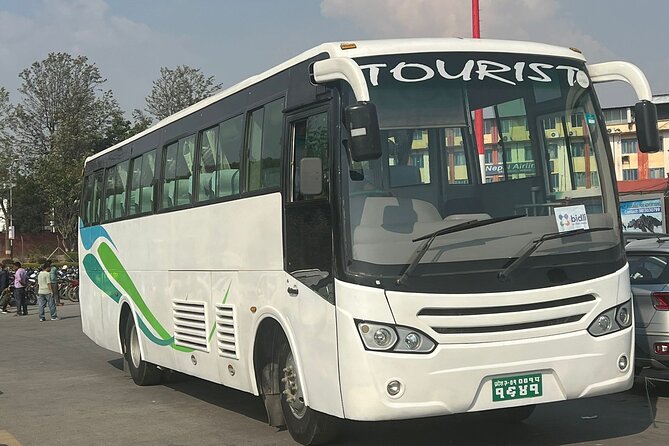
The bus drops you at the Tourist Bus Park in Pokhara, near Lakeside. From there, reaching your hotel is usually quick on foot, about 5 minutes by walk, so you can avoid a longer transfer hunt immediately after arrival.
This matters most with evening arrivals. If you land around 5:00 AM, you want an easy, predictable drop point where you do not have to navigate the city when it is still quiet and chilly. A Tourist Bus Park drop is ideal because it is designed for the flow of buses.
Morning arrivals around 3:00 PM give you more daytime options, but you still might need to wait until check-in. If that happens, you can treat it as a gentle buffer rather than a problem, since you are dropped close to the Lakeside hub.
Who this VIP bus is perfect for, and who should look elsewhere
I think this bus fits best when you want a straightforward way to move between Kathmandu and Pokhara without turning the ride into a hardship. It is a smart option if you care about reclining comfort, AC, and basic onboard convenience.
It is also a good pick if you are traveling with luggage and want the 30 kg allowance to keep things simple. And if you want a smaller group experience, the max 31 travelers helps compared with much larger chaotic buses.
It may not be ideal if your top priority is guaranteed premium food or a perfect onboard experience every single trip. The scheduled break setup means you have to manage meals yourself, and the food stop quality can vary.
Also, if cleanliness is a deal-breaker for you, take a moment when you board. One experience can go wrong, and when it does, it can feel dramatic compared with what is advertised. If something looks off, it is worth speaking up quickly so staff can help.
Potential drawbacks to plan around
Here are the realistic “pay attention” areas based on the information you have:
- Meal timing and food stop quality: you do not get meals included, and the break options can be rushed or not great.
- AC ramp-up: the AC might not feel instant at all times, so having a light layer is a smart hedge.
- Cleanliness expectations: there can be variance in how a bus presents itself, so do not blindly assume perfect condition every time you step on.
None of these make the bus a bad choice for most people, but they do mean you should travel like a pro. Bring snacks, pack a layer, and check your seat and cleanliness right away when you board.
Should you book the Kathmandu to Pokhara VIP Sofa Bus?
I would book it if you want comfort and convenience at a fair price, especially if you care about push-back seating, AC, and USB charging. The $12 fare plus 30 kg luggage allowance is a strong value combo, and the drop near Lakeside saves time in Pokhara.
Skip it or compare options if you are extremely sensitive to food quality during breaks, or if you require a very strict cleanliness standard and would not feel comfortable speaking up at boarding.
If your schedule allows it, I like choosing the evening service for peace of mind and an early arrival around 5:00 AM. If you want a full afternoon in Pokhara, take the morning service.
If you do book, do one smart thing: request your seat ahead of time if that option is available, and keep snacks handy so the break stops do not control your appetite.
FAQ
How long is the Kathmandu to Pokhara VIP sofa bus ride?
The ride takes about 6 to 7 hours, depending on road and weather conditions.
How far is it from Kathmandu to Pokhara on this route?
The distance is about 210 km.
What time does the morning bus leave Kathmandu?
The morning service departs at 7:00 AM from Sorhakhutte (Kathmandu Tourist Bus Stop).
What time does the evening bus start boarding in Kathmandu?
Evening service starts with boarding around 7:30 PM at Rajdhani Furniture, Balaju.
When does the bus arrive in Pokhara?
Morning service arrives around 3:00 PM. Evening service arrives around 5:00 AM.
Where does the bus drop you in Pokhara?
The bus drops you at the Tourist Bus Park, near Lakeside in Pokhara.
What seat features are included?
You get spacious push-back reclining sofa seats with adjustable angles.
Is air-conditioning included?
Yes, the coach is air-conditioned.
How much luggage can I bring?
You can bring up to 30 kg per passenger. The ticket also mentions no fees for 2 big luggage per passenger.
Are meals included in the ticket price?
No. Meals and snacks are not included, and soft beverages are not listed as included either. Complimentary bottled water is provided.
Latest additions near Kathmandu
- White Water River Rafting – 1 Day★ 4.3 · 3 reviews
- Traditional Momo Making Class★ 5.0 · 10 reviews
- Kathmandu to Pokhara Premium sofa bus ticket★ 4.0 · 17 reviews
- Ghorepani Poon Hill Trek★ 5.0 · 16 reviews
- Amazing 1 Day Trekking Experience in Kathmandu Nepal★ 5.0 · 24 reviews
- Ghorepani Poonhill Trek★ 5.0 · 5 reviews
- Walking tour of real Kathmandu through back streets.★ 5.0 · 3 reviews
- Wildlife Adventure in Chitwan Nepal★ 4.0 · 4 reviews
Kathmandu Tours, compared.
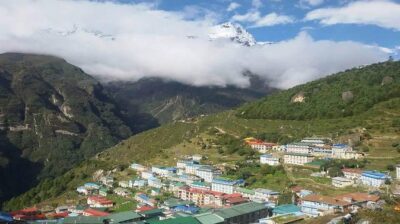
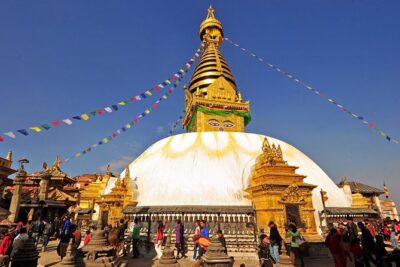
Private Kathmandu Sightseeing Tour | UNESCO World Heritage sites
Read our review →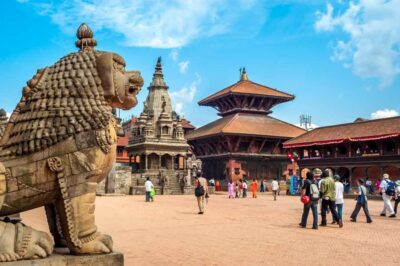
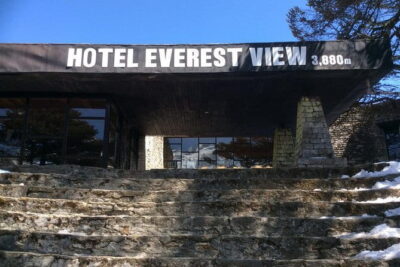
Everest Base Camp Helicopter Tour landing at Everest View Hotel
Read our review →
Nagarkot Sunrise View and Day Hiking from Kathmandu
Read our review →Browse the lists this tour appears in