
Reviewed · NEPALI COOKING CLASSES
Kathmandu: Women-Led Cooking Class & Momo Making-Local Taste
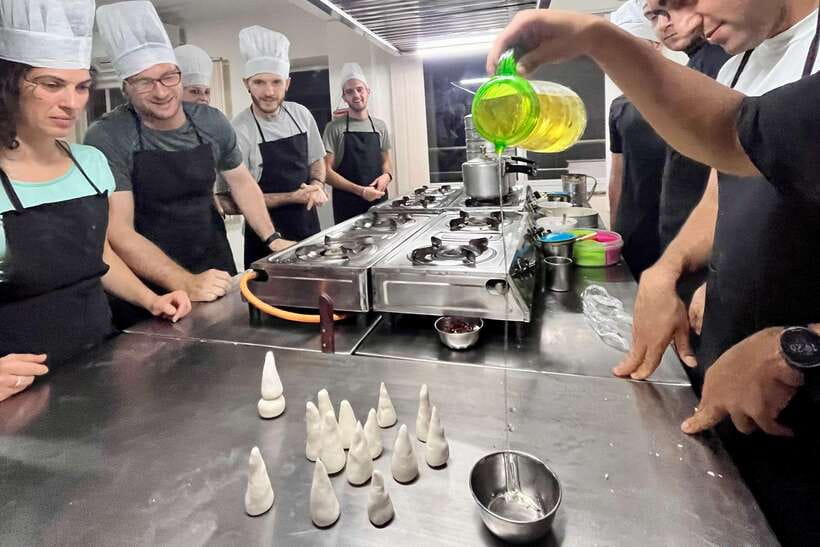
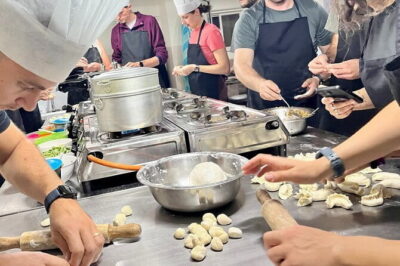
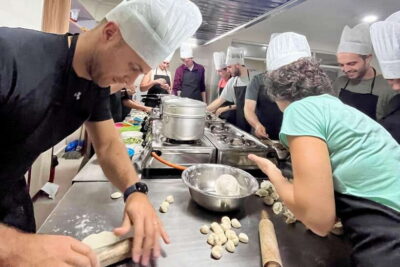
Momo folding teaches patience fast. This Kathmandu class turns that skill into real Nepali comfort food, with a market stop and a women-led kitchen team that keeps things practical and friendly. I especially like the chance to shop for ingredients first, so the meal feels earned, not just assembled.
I like how small the group is, up to 8 people, because you get step-by-step help while you cook. I also appreciate that you can choose among menu sets, including vegetarian or meat options, so the class fits different diets and tastes.
One possible drawback: if you get stuck on the momo folding basics, you may feel rushed during the time crunch of a short lesson. A past participant even noted the chef seemed a bit frustrated when folding clicked slowly, so go in ready to learn one technique at a time.
In This Review
- Key Highlights Worth Your Time
- A Small Group Kitchen in Kathmandu, Close to Thamel
- How the Market Walk Improves Your Cooking (and Your Appetite)
- Women-Led Chefs, Step-by-Step Teaching, and Real Kitchen Rhythm
- The Dishes You Can Cook: Dal Bhat, Momo, and More
- Menu 1: Bara, Dal Bhat, Yomari
- Menu 2: Chatamari, Momo, Kheer
- Menu 3: Aloo Chop, Thukpa, Carrot Halwa
- What the Lesson Feels Like, From Tea Break to Plate Time
- Price and Value in Kathmandu: Why $11 Can Work
- Who This Class Suits Best
- A Heads-Up on the One Thing That Can Go Wrong
- Should You Book This Kathmandu Momo and Dal Bhat Class?
- FAQ
- How long is the cooking class?
- How much does it cost?
- Is the class taught in English?
- What menus can I choose from?
- Does the class include a market or shop tour?
- Are there vegetarian options?
- What food and drinks are included?
- Is professional photography or video included?
Key Highlights Worth Your Time
- Market walk for spices and produce before cooking, so you understand what goes in (and why)
- Momo making with a small group where you can actually get hands-on guidance
- Three menu sets that let you pick the dishes you want, from dal bhat to Thukpa and kheer
- Nepali masala tea and snacks like bara during the lesson for quick taste breaks
- Hands-on teaching style that works for both beginners and food enthusiasts, age 8 and up
A Small Group Kitchen in Kathmandu, Close to Thamel
This is the kind of activity I recommend when you want Nepal to taste like Nepal, not like a staged demo. The workshop runs in Kathmandu, and it’s easy to reach from the Thamel area, which matters because you do not want to burn your whole afternoon on transit.
The group size is limited to 8 people. That changes the whole experience: you are not waiting your turn while someone else gets the attention. Instead, you can ask questions, redo a step, and actually feel confident by the end.
The class runs about 2 to 3 hours. That’s long enough to shop, cook, and eat, but short enough that you get a focused evening or midday plan.
More Cooking Classes in Kathmandu
- Half day cooking class in Thamel kathmandu
★ 5.0 · 607 reviews - Kathmandu: Local Women-Led Nepali Cooking & Momo Class
★ 4.9 · 360 reviews - The best Private Nepali Cooking Class in Kathmandu
★ 5.0 · 83 reviews
How the Market Walk Improves Your Cooking (and Your Appetite)
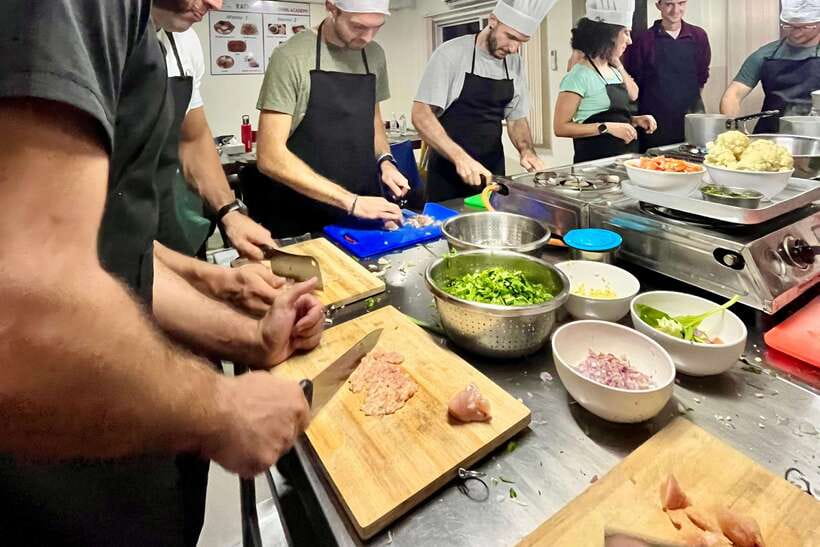
You start with a market or shop tour to buy the important ingredients. This is more than a nice add-on. When you select vegetables, spices, and meat yourself, cooking becomes less mysterious.
You also notice how ingredient choices shape flavor. Spices are not just a “seasoning” here. In Nepali cooking, they are a system. When you see the spice options in person, you start thinking like a cook: what’s fresh, what’s aromatic, what pairs well with lentils or dumplings.
And yes, it tends to work on your appetite too. You walk in planning to cook, and you walk out ready to eat what you made because you were part of the buying.
Women-Led Chefs, Step-by-Step Teaching, and Real Kitchen Rhythm
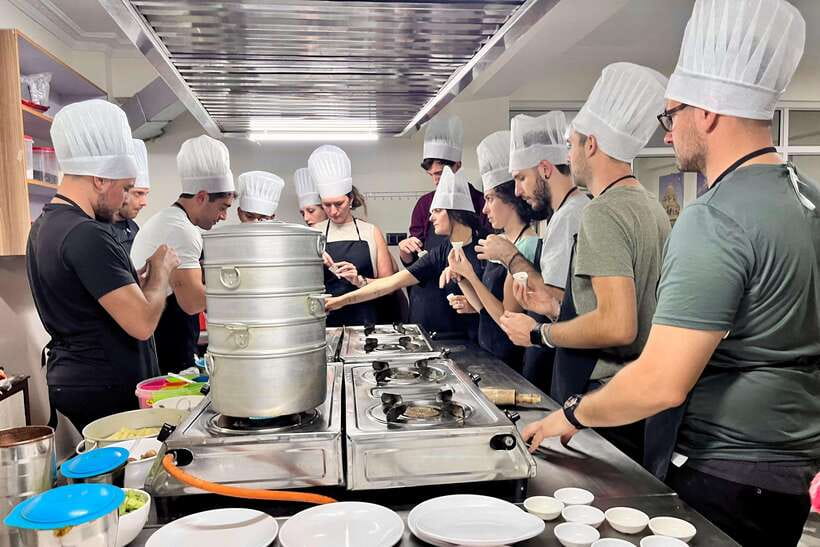
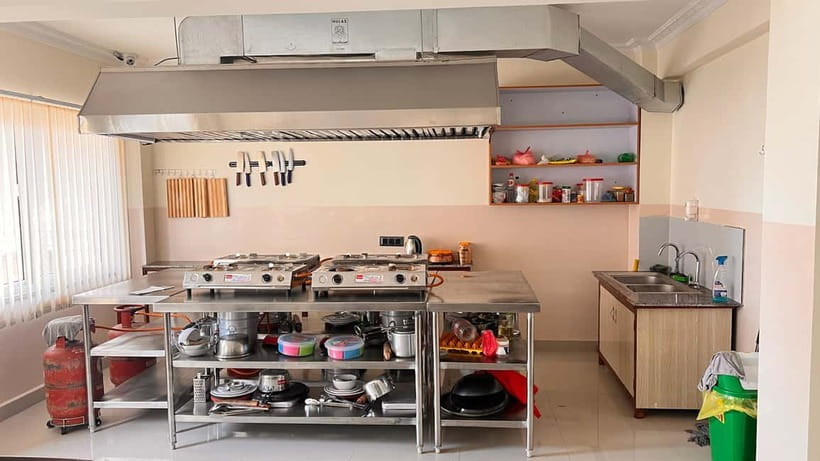
You are welcomed into a modern Nepali kitchen, with the scent of spices in the air. The teaching style is built around clear steps. You learn how to prep, portion, season, and cook using the proper equipment.
The women-led chef team approach matters here. A common theme in strong feedback is how friendly and professional the chefs are, including patience when explaining ingredients, spices, and methods. That kind of guidance is especially useful if you are not confident in dough work or sauce balancing.
You will also taste along the way. Nepali masala tea is part of the lesson, so you get a warm reset between tasks. Even if you are not a big tea drinker, it helps you pause and smell the spices properly.
The Dishes You Can Cook: Dal Bhat, Momo, and More
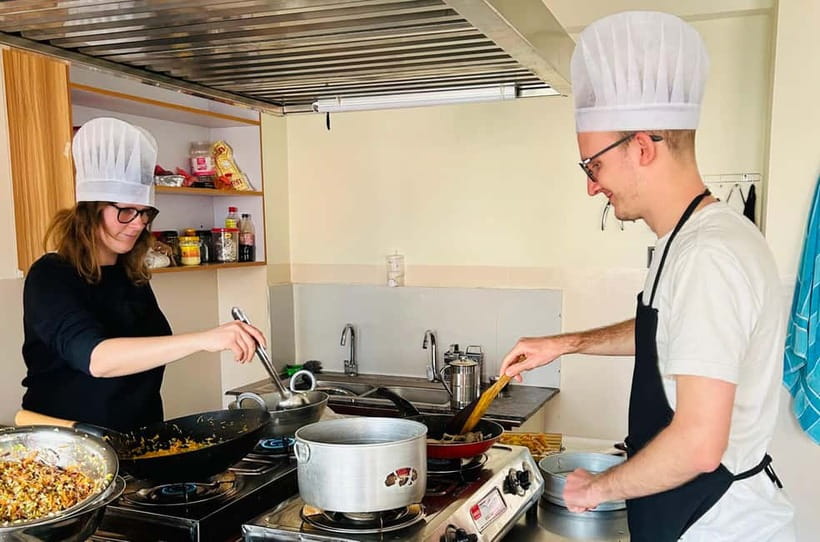
The class uses three menu sets. Your exact dishes depend on which option you choose, but all menus center on classic Nepali flavors with a mix of textures, from soups and rice bowls to dumplings and sweets.
Another way to spend the time in Nepal:
- Everest Base Camp Trek – 14 Days
★ 5.0 · 1,499 reviews - Everest Base Camp Trek
★ 5.0 · 842 reviews - Private Kathmandu Sightseeing Tour | UNESCO World Heritage sites
★ 5.0 · 756 reviews - Kathmandu: 7 UNESCO Sites with Lunch
★ 4.8 · 744 reviews
Menu 1: Bara, Dal Bhat, Yomari
This menu hits the heart of Nepal’s everyday comfort foods.
- Bara: deep-fried lentil patties made from black gram batter, seasoned with spices. You might see options like plain or topped with items such as egg or meat, depending on the menu setup.
- Dal Bhat: rice plus lentil soup, usually served with vegetables, pickles, and curry. It’s filling, balanced, and built for real life, not just special occasions.
- Yomari: a sweet Newari dumpling, made from rice flour dough and filled with molasses (chaku) and sesame seeds, sometimes coconut.
If you like meals that feel complete on a plate, this is the set to pick.
Menu 2: Chatamari, Momo, Kheer
This menu is for dumpling lovers and dessert people.
- Chatamari: a Newari rice flour crepe often called the Nepali pizza. It is topped with things like egg, minced meat, vegetables, and spices.
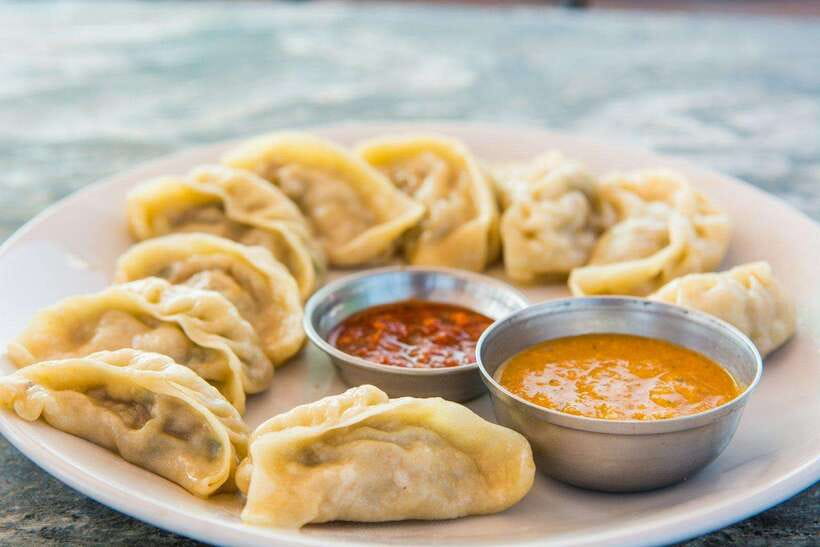
- Momo: dumplings with thinly rolled dough, filled with minced meat (chicken, buff, or pork) or vegetables, then seasoned with spices.
- Kheer: Nepali rice pudding simmered until creamy, flavored with cardamom and often garnished with nuts and raisins.
In the strongest feedback, people really enjoyed making momo in quantities you can manage and then eating what you can. That says the class has a practical pace for dumpling folding and cooking.
Menu 3: Aloo Chop, Thukpa, Carrot Halwa
This option leans into snack food and a cozy noodle bowl, with a sweet finish.
- Aloo Chop: a deep-fried potato snack made from spiced mashed boiled potatoes.
- Thukpa: a Tibetan-Nepali noodle soup with aromatic broth, vegetables, and options for meat like chicken, buff, or mutton.
- Carrot Halwa: a slow-cooked carrot dessert with milk, sugar, ghee, and cardamom, topped with nuts and raisins.
Choose this if you want a meal that feels like street food comfort plus a home-style dessert.
What the Lesson Feels Like, From Tea Break to Plate Time
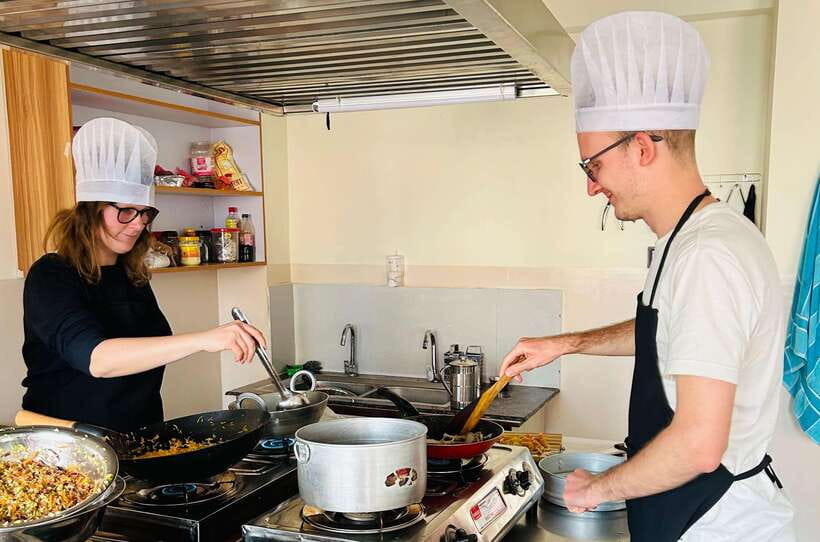
A typical flow is shop, prep, cook, taste, and then settle into the meal you made. You will work with a sequence of tasks that build on each other. For example, dough and stuffing skills show up in momo, while sauces and simmering show up in dal and soups.
During the lesson, you are guided through the cultural meaning too, not just the technique. Understanding why dal bhat is structured the way it is, or why Newari dishes use specific dough and fillings, helps the food make sense.
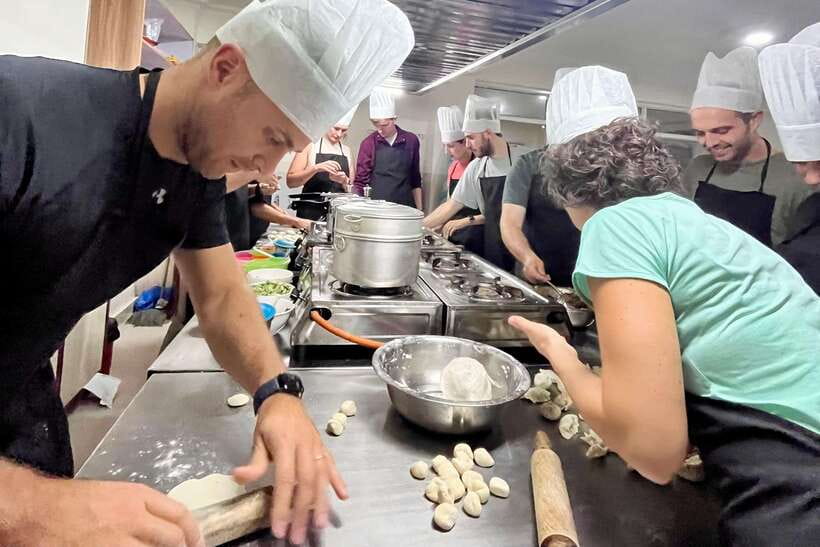
One useful thing to know: momo folding is the step most likely to test your patience. Since the class is short, you should expect that you will learn the method, make what you can, and move on. If you are the type who needs a perfect result before you feel calm, give yourself permission to focus on process, not looks.
Price and Value in Kathmandu: Why $11 Can Work
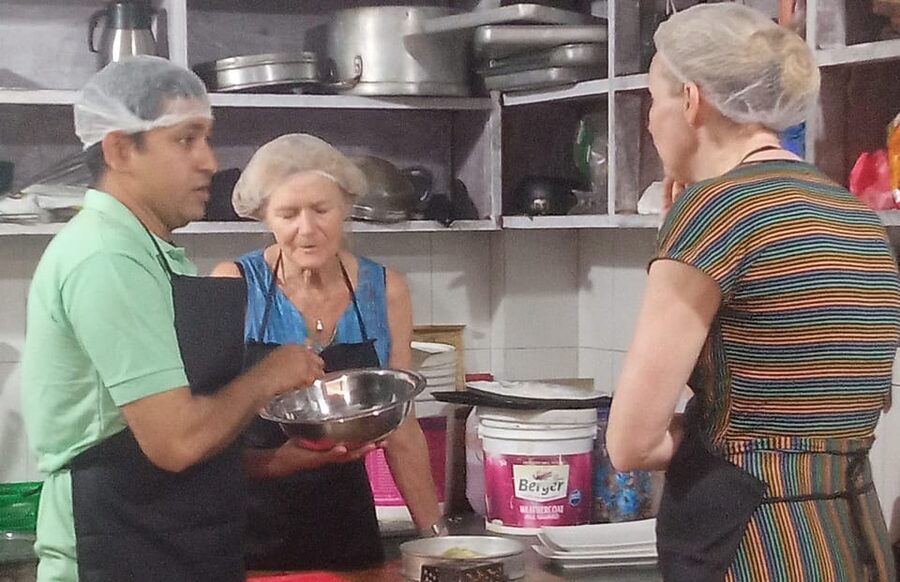
At $11 per person, this class is priced like an accessible local-style experience, not a luxury activity. For me, the value comes from three things working together:
- You get a market/shop tour rather than only cooking.
- You get hands-on instruction in a small group.
- You leave with a tasting session of what you prepared, plus Nepali masala tea.
Even in a city where cooking demos are common, this setup makes it harder for the experience to feel like “just watching.” The cooking and eating parts matter here.
If you want a souvenir that you actually use, your best takeaway is the method. You can bring that home and cook dal bhat, momo, chatamari, or kheer again with more confidence than you would from a recipe alone.
Who This Class Suits Best
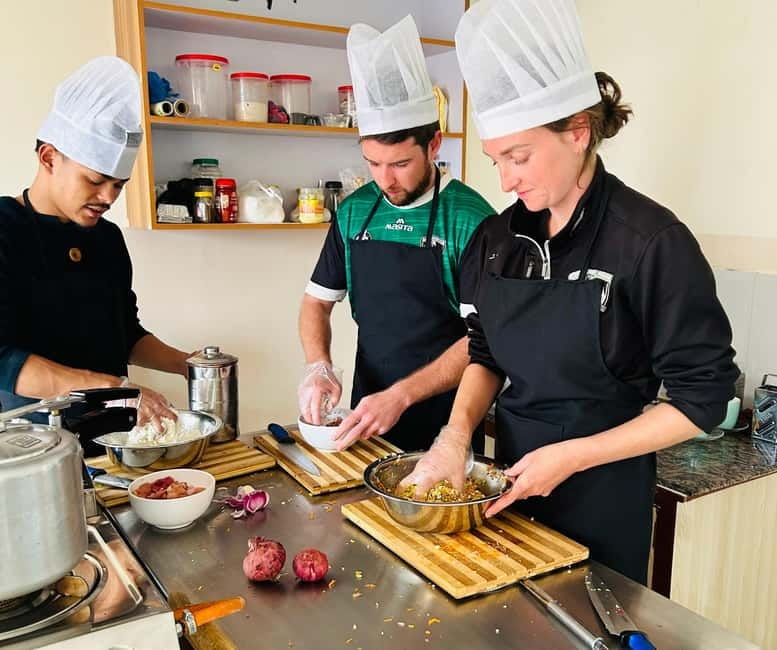
This is a strong choice if you:
- Want a hands-on food activity in Kathmandu that stays within a half-day window
- Prefer small group learning with an English-speaking instructor
- Like classic Nepali and Newari flavors, especially dal bhat and momo
- Travel with mixed diets and want vegetarian or meat options depending on menu choice
It’s also a good fit for families, since it is suitable for ages 8 and up. Just remember that dumpling folding can be a little tricky for younger kids, so consider how comfortable your group is with a hands-on, practical pace.
A Heads-Up on the One Thing That Can Go Wrong
The only real caution is your comfort with technique. Momo folding takes practice and your hands may not behave like you want on the first try.
If you are worried, go in with the right expectations: you are learning a method, not taking a pastry exam. Strong chef guidance is part of the experience, and the best parts of the class are the way the team helps you keep moving. Still, one past participant noted feeling the atmosphere get tense when folding was slower than expected, so keep your focus on learning the steps.
Should You Book This Kathmandu Momo and Dal Bhat Class?
Yes, I think you should book it if your priority is real taste plus real technique in a short window. The combination of a market walk, a small group, and an actually shared meal makes the price feel fair, and the menu choices let you tailor the experience.
If you hate hands-on cooking, or you freeze when you make mistakes, then a cooking class might not feel relaxing. But for most people who want Kathmandu to taste like Kathmandu, this is exactly the kind of activity that pays off at dinner time.
FAQ
How long is the cooking class?
The class lasts 2 to 3 hours.
How much does it cost?
The price is $11 per person.
Is the class taught in English?
Yes. The instructor works in English.
What menus can I choose from?
There are three menu sets. Menu 1 includes bara, dal bhat, and yomari. Menu 2 includes chatamari, momo, and kheer. Menu 3 includes aloo chop, thukpa, and carrot halwa.
Does the class include a market or shop tour?
Yes. The experience includes a market or shop tour so you can buy key ingredients for the dishes.
Are there vegetarian options?
Yes. The menus can include vegetarian options, and there are also meat options depending on the chosen dishes.
What food and drinks are included?
You get a tasting session of the food you prepared, plus Nepali masala tea during the lesson. Specialty or alcoholic drinks are not included.
Is professional photography or video included?
Photos and video are not included. Professional photography or videography is available for an additional fee.
Latest additions near Kathmandu
- Traditional Momo Making Class★ 5.0 · 10 reviews
- White Water River Rafting – 1 Day★ 4.3 · 3 reviews
- Kathmandu to Pokhara Premium sofa bus ticket★ 4.0 · 17 reviews
- Ghorepani Poon Hill Trek★ 5.0 · 16 reviews
- Amazing 1 Day Trekking Experience in Kathmandu Nepal★ 5.0 · 24 reviews
- Ghorepani Poonhill Trek★ 5.0 · 5 reviews
- Walking tour of real Kathmandu through back streets.★ 5.0 · 3 reviews
- Wildlife Adventure in Chitwan Nepal★ 4.0 · 4 reviews
Nepali Cooking Classes, compared.
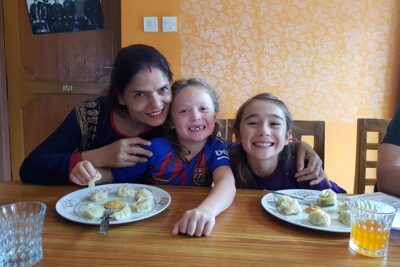
Nepalese Momos or Dal Bhat Cooking Class (Cook with Delight)
Read our review →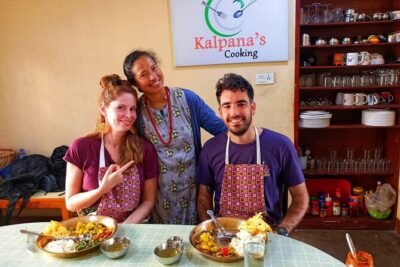
The best Private Nepali Cooking Class in Kathmandu
Read our review →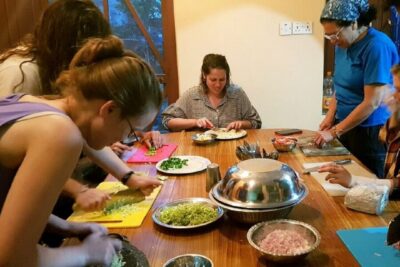
Nepalese Kitchen in Pokhara: Momos or Dal Bhat Cooking Class
Read our review →
Browse the lists this tour appears in