
Reviewed · TEMPLE & STUPA TOURS
Kathmandu: Pashupatinath Temple Evening Aarati Tour
Night falls, and devotion starts.
This Pashupatinath evening tour is interesting because the Bagmati Aarati happens right by the holy Bagmati River, with oil lamps, chanting, and a very human sense of spirituality. I especially like two things: you get a calmer viewpoint for a very busy ritual, and the guide can explain what you are seeing in plain language, including the Hindu meaning behind the practice.
One heads-up: it gets crowded near the riverbanks and the main complex has access rules, so plan to be respectful with your timing, your clothes, and your expectations about what you can enter.
In This Review
- Key Things You Should Know Before You Go
- Why the Bagmati Aarati at Pashupatinath Feels So Different
- Meeting Up and How the 3-Hour Evening Program Works
- Entering the Temple Complex: What You Can Access and What You Can View
- The Aarati Ritual by the Bagmati River, Step by Step
- Timing, Crowds, and How to Get a Good View
- Cremations Nearby: What You Might See, and How to Handle It
- Tandav, Shiva Devotion, and Why Your Guide’s Context Matters
- Price and Value: What $22 Covers, and What Costs Extra
- Tour Quality Check: Guides Like Razz, Ravi, Shankar, and Rag
- Dress Code, Cameras, and Crowd Survival Tips
- Who Should Book This Evening Aarati Tour (and Who Should Skip It)
- Should You Book It? My Decision Guide
- FAQ
- Is hotel pickup and drop-off included?
- How long is the Pashupatinath Evening Aarati Tour?
- What time does the Aarati start?
- Are monument entry fees included in the tour price?
- Can non-Hindus enter the main temple?
- Where will I watch the Aarati?
- What should I wear?
- Is photography allowed?
- Does the tour include an English-speaking guide?
- Is the transport air-conditioned?
Key Things You Should Know Before You Go
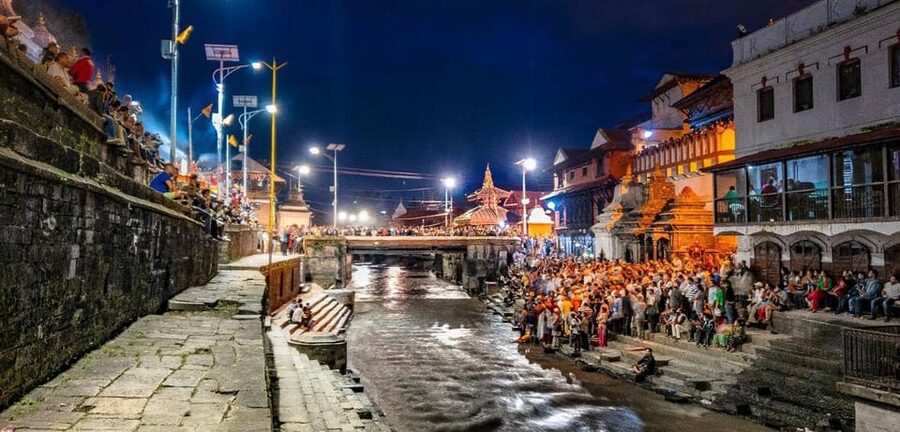
- Watch the oil lamps circle on the Bagmati River, a centerpiece ritual of Hindu prayer.
- A 6:00 to 6:30 PM rhythm keeps the experience tied to the daily devotional schedule.
- Non-Hindus can’t enter the main temple, but you can still view the Aarati from the river banks.
- Dress modestly (shoulders and knees covered) and expect incense smoke and chanting.
- Your viewing spot matters, and a good guide helps you get one in a packed area.
Why the Bagmati Aarati at Pashupatinath Feels So Different
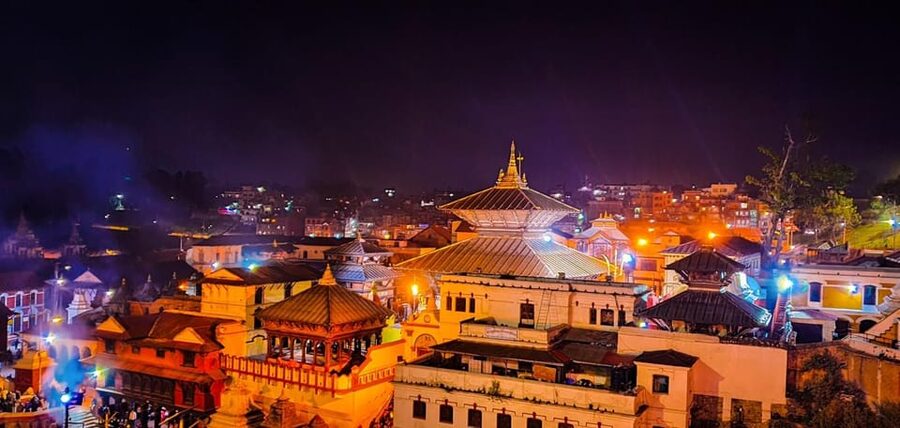
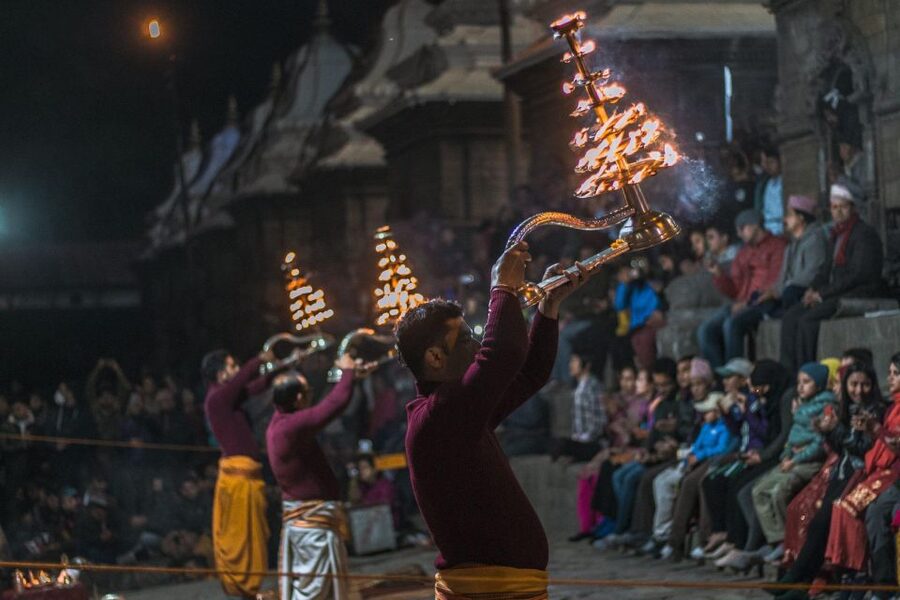
If you have only seen temple sights in daylight, this is the antidote. In the evening at Pashupatinath, the focus shifts from architecture to ritual. The Bagmati River becomes the stage, and the Aarati turns into something you can feel around you: priests’ chanting, oil lamps in motion, and bhajans drifting through the crowd.
The Bagmati River is not treated like scenery here. It is part of belief and daily life. The tour experience leans into that idea, explaining that bathing in the river is believed to wash away sins. You do not have to “believe the same way” to appreciate the devotion. You just have to notice the structure of the ritual and the way people show up, year after year.
Second, I really value the tone of this kind of guided visit. You are not left with a vague “look at the lamps” moment. A good English-speaking guide can break down what the circular lamp motions symbolize, why chanting matters, and how the ritual fits within broader Hindu practice. In one recent booking, the guide Razz was praised for connecting Pashupatinath to other traditions too, even explaining how Buddhism helps you understand the setting better. That kind of context makes the night feel more than just scenic.
The downside is simple: you are in a sacred place where people come for religious reasons, not photo ops. If you treat the moment like a show, you will feel it. If you treat it like a shared human ritual, you will get a lot more out of it.
More Temple & Stupa Tours in Kathmandu:
- Kathmandu Spiritual Sites: Bodhnath & Pashupatinath Tour
★ 5.0 · 185 reviews - Kathmandu: Chandragiri Cable Car and Monkey Temple Tour
★ 4.8 · 139 reviews - Monkey Temple – Swayambhunath Tour – Private/Small Group
★ 5.0 · 50 reviews
Meeting Up and How the 3-Hour Evening Program Works
The tour is built around a straightforward timing goal. The Aarati begins every evening around 6:00 to 6:30 PM, with seasonal variation. That means your pickup and arrival are paced so you are not running late when the lamps light up and the chanting ramps.
You can be collected from Kathmandu city center with hotel pickup by private vehicle, and the tour offers pickup options tied to common areas like Boudhha and Thamel. Drop-off is also back to central Kathmandu areas, including Thamel and Boudhha. Outskirts of the city center may cost extra, so it helps to ask your operator if you are coming from farther out.
This matters because the area around Pashupatinath gets crowded. A few minutes can turn a comfortable viewing spot into a shoulder-to-shoulder squeeze. The tour duration is about 3 hours, so the plan is efficient. You spend the right time at the temple complex and riverbank viewing area, then you are back before the night fully swallows the streets.
Entering the Temple Complex: What You Can Access and What You Can View
At Pashupatinath, access rules reflect the sacred nature of the site. The main temple interior is not permitted for non-Hindus, but the Aarati itself can be viewed from the Bagmati River banks. Practically, that means you do not need to worry about “missing the main event” just because you cannot enter every building. The ritual is designed to be seen in the public religious space by the river.
Your guided portion includes a visit and guided sightseeing around the complex. That is your chance to orient yourself before the lamps start moving. It also gives you a chance to understand what you are looking at, not just where to stand when the crowd thickens.
One more thing I recommend: keep your expectations flexible. This is a living religious site. You may see people praying quietly, family groups preparing themselves, and priests moving with purpose. If you come expecting a museum-style flow, you might feel impatient. If you come ready to slow down, the site has a way of rewarding you.
The Aarati Ritual by the Bagmati River, Step by Step
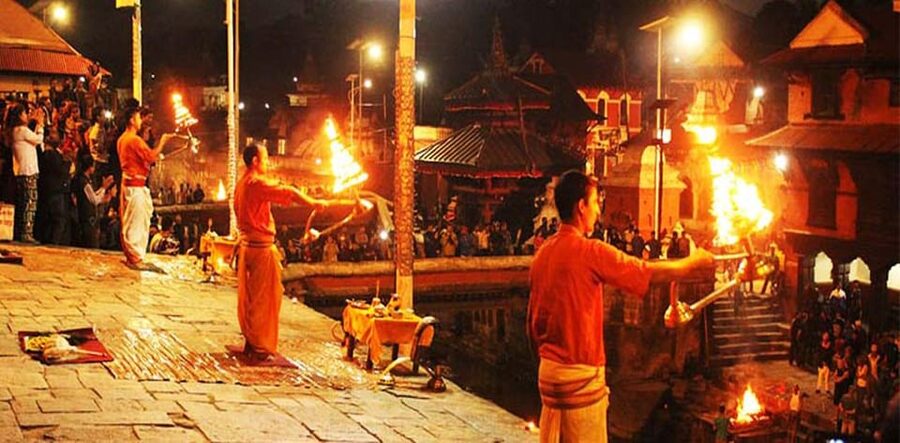
The headline event is the Pashupati Bagmati Aarati, held on the side of the Bagmati River beside Pashupatinath. The basic idea is devotion made visible through light. Priests perform the worship ritual using oil lamps while chanting sacred words. The lamps move in circular motions, which symbolizes devotion directed toward the Divine.
As the ritual unfolds, devotees sing bhajans. The sound matters here. It is not background noise. The songs help create a steady atmosphere that keeps the crowd focused. That is one of the reasons this tour earns strong scores from people who wanted something more meaningful than a standard sightseeing loop.
A timeline helps your brain keep up:
- You arrive before it gets fully packed.
- Your guide brings you to the best viewing area available in that moment.
- The Aarati begins around 6:00 to 6:30 PM.
- You watch the circular lamp motions, hear chanting, and take in the group singing.
- The ritual closes with prayers for the wellness of all souls and gratitude toward God’s kindness.
There is also a deeper layer to what the Aarati represents. It is regarded as the highest form of prayer in Hindu practice. The tour context explains that the tradition at this site began around the year 2000 and became a regular yearly tradition in 2006. That kind of detail matters because it turns the night from a one-off “festival moment” into something that has structure and continuity.
Another way to spend the time in Nepal:
- Everest Base Camp Trek – 14 Days
★ 5.0 · 1,499 reviews - Everest Base Camp Trek
★ 5.0 · 842 reviews - Private Kathmandu Sightseeing Tour | UNESCO World Heritage sites
★ 5.0 · 756 reviews - Kathmandu: 7 UNESCO Sites with Lunch
★ 4.8 · 744 reviews
Timing, Crowds, and How to Get a Good View
Here’s the truth: the Aarati viewing area can go from good to chaotic fast. Weekends and festival days can bring especially heavy crowds. Holidays, Mondays, and major days like Maha Shivaratri and Haritalika Teej are peak times, and you should expect the density to rise.
So what do you do?
- Arrive a bit early if you have any say in your timing before the 6:00 start.
- Stay patient. People are there for a spiritual reason.
- Keep your camera low until it is appropriate. Move only when it is safe and respectful.
One booking praised Razz specifically for getting a good place to sit on a very busy Saturday night. That kind of practical “where do we stand” support is not a luxury. It is the difference between watching the ritual and spending the whole time trying to see past shoulders.
Cremations Nearby: What You Might See, and How to Handle It
Pashupatinath is known for river rituals, and the wider area includes cremation activity connected to Hindu beliefs. One tour experience was described as allowing a view of cremations close up before ending at the Aarati ceremony.
I would phrase it like this for your planning: you might catch views of cremation activity from permitted viewpoints around the temple area. You are not walking into a dramatic sequence as a tourist on a mission, but you should be emotionally prepared for the reality of what happens there.
If you feel sensitive to this subject, it helps to go with a grounded mindset. Treat it as part of how the site functions, not as entertainment. Your guide can usually explain what you are seeing and why it is happening, which makes the experience more bearable and less confusing.
Tandav, Shiva Devotion, and Why Your Guide’s Context Matters
The tour context also points to Tandav, a divine dance performed by followers to honor Lord Shiva. Even if you do not catch every element of performance in the same way each night, you are given the belief framework so the rituals connect to something bigger than candlelight.
The best part of a guided evening is that you are not left guessing. In one highly rated experience, the guide Raz or Razz (spelling varied in the feedback) was praised for speaking perfect English and explaining both Hinduism and Buddhism. That added layer helped connect spiritual concepts to what people were doing, where they were standing, and why the ritual matters.
You will also hear the logic behind the meaning of collective well-being. The Aarati is described as reflecting Hindu beliefs that God is present in all living beings, with prayers offered for wellness of souls and gratitude for divine kindness.
That is why this tour is worth doing with a guide rather than as a random self-walk. The ritual has symbolism, and symbolism is easier to understand when someone translates it into everyday language.
Price and Value: What $22 Covers, and What Costs Extra
Let’s talk money the practical way. The listed price is $22 per person for a 3-hour evening tour, including hotel pickup and drop-off by private air-conditioned vehicle, a professional English-speaking guide, and all taxes.
What is not included is important: you have monument entry fees of 1,000 NPR per person to pay on the day of your visit. Also, personal expenses and meals or drinks are not included.
Is $22 good value? Usually yes, because you are paying for more than a ticket. You are paying for timing, translation, and logistical help to get you into the right spot at the right moment. In a crowded religious area, that help becomes real value. Without a guide, you might still see the lamps, but you would work harder to understand what you are looking at and to find a decent viewing position.
One more value note: skip-the-ticket-line is included. That saves time and stress right when your schedule is tied to the 6:00 to 6:30 start.
Tour Quality Check: Guides Like Razz, Ravi, Shankar, and Rag
The strongest praise in the feedback is consistent. The guides made the night feel personal and understandable.
- Razz was repeatedly singled out for deep explanations in clear English, and for guiding people to good seating even on crowded nights.
- Another guide named Shankar was praised for professionalism and for explaining religion, gods, and what’s happening around the cremation and Aarati areas.
- Ravi showed up in one booking connected to efficient pickup and professional driving, which matters because timing is everything for a 6 PM ritual.
- Rag was mentioned with gratitude in a short note, suggesting a smooth, kind experience.
There is also one unhappy booking that raised a red flag about shopping pressure and commission behavior. I cannot verify motives from a single comment, but the takeaway for you is simple: if you plan to buy snacks, souvenirs, or anything near the tour area, keep control. Ask prices before agreeing, and avoid feeling rushed into decisions.
Dress Code, Cameras, and Crowd Survival Tips
This is a sacred Hindu site, so plan your basics:
- Cover shoulders and knees with modest clothing.
- Expect incense smoke and chanting, which are part of the ritual.
- Photography is generally allowed, but be respectful during the prayers and avoid blocking anyone’s view.
The crowd piece is not just about comfort. It affects your safety and your experience. Stand where the guide tells you. Move only when it makes sense. If you need to step out, do it between ritual segments rather than during active chanting.
Also, bring patience. Evening in this area can feel intense, but it is intense for the right reason.
Who Should Book This Evening Aarati Tour (and Who Should Skip It)
This tour fits best if you:
- Want a guided evening that explains meaning, not just a checklist of sights.
- Enjoy cultural and religious experiences where people are actively practicing, not posing.
- Appreciate context that connects different traditions, like the Hindu and Buddhist explanations some guides provide.
- Like efficient planning, since it is a 3-hour program built around the ritual timing.
You might consider skipping or choosing another style of visit if:
- You cannot handle crowded riverbank conditions.
- You are strongly uncomfortable with the spiritual and cultural reality of cremation activity nearby.
- You want a totally inside-the-temple experience. The main temple interior is not open to non-Hindus, though the Aarati viewing is still available from the river banks.
Should You Book It? My Decision Guide
I think you should book if you want to see Pashupatinath in a way that feels like part of Nepal’s daily faith, not a daytime sightseeing stop. The value comes from the timing, the guide’s ability to translate the ritual, and the help getting a workable viewing spot when it is crowded.
Book with confidence if you are comfortable following simple etiquette: modest dress, respectful camera use, and patience with incense smoke and chanting. Pay the monument entry fee on the day, and plan to spend that extra time focusing on the ritual rather than on errands.
If you are the type who hates any hint of shopping pressure, set your boundaries in advance. Decide what you want to buy, if anything, and what you will pass on.
FAQ
Is hotel pickup and drop-off included?
Yes. The tour includes hotel pickup and drop-off by a private vehicle, and it is aimed at Kathmandu city center hotels.
How long is the Pashupatinath Evening Aarati Tour?
The duration is about 3 hours.
What time does the Aarati start?
The evening Aarati usually starts around 6:00 to 6:30 PM, but timing can vary by season.
Are monument entry fees included in the tour price?
No. Monument entry fees are 1,000 NPR per person and must be paid on the day of the visit.
Can non-Hindus enter the main temple?
Non-Hindus are not permitted inside the main temple, but the Aarati can be viewed from the Bagmati River banks.
Where will I watch the Aarati?
You will watch the Pashupati Bagmati Aarati from the riverbank viewing area next to the Bagmati River.
What should I wear?
Dress modestly. Cover your shoulders and knees since it is a sacred Hindu site.
Is photography allowed?
Photography is generally allowed, but you should remain respectful during the rituals.
Does the tour include an English-speaking guide?
Yes. The tour includes a professional English speaking tour guide.
Is the transport air-conditioned?
Yes. The tour uses private transportation with air conditioning.
Latest additions near Kathmandu
- White Water River Rafting – 1 Day★ 4.3 · 3 reviews
- Traditional Momo Making Class★ 5.0 · 10 reviews
- Kathmandu to Pokhara Premium sofa bus ticket★ 4.0 · 17 reviews
- Ghorepani Poon Hill Trek★ 5.0 · 16 reviews
- Amazing 1 Day Trekking Experience in Kathmandu Nepal★ 5.0 · 24 reviews
- Ghorepani Poonhill Trek★ 5.0 · 5 reviews
- Walking tour of real Kathmandu through back streets.★ 5.0 · 3 reviews
- Wildlife Adventure in Chitwan Nepal★ 4.0 · 4 reviews
Temple & Stupa Tours, compared.
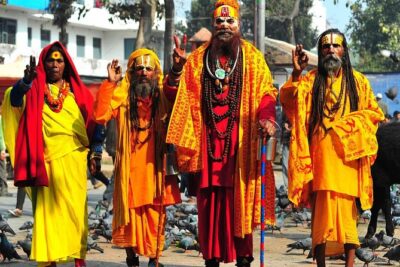
Kathmandu Spiritual Sites: Bodhnath & Pashupatinath Tour
Read our review →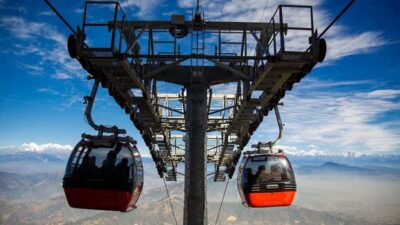
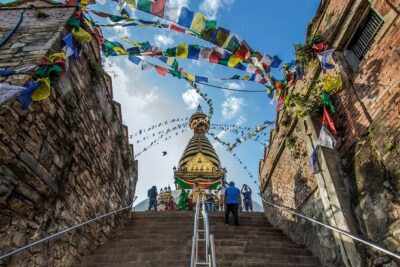
Monkey Temple – Swayambhunath Tour – Private/Small Group
Read our review →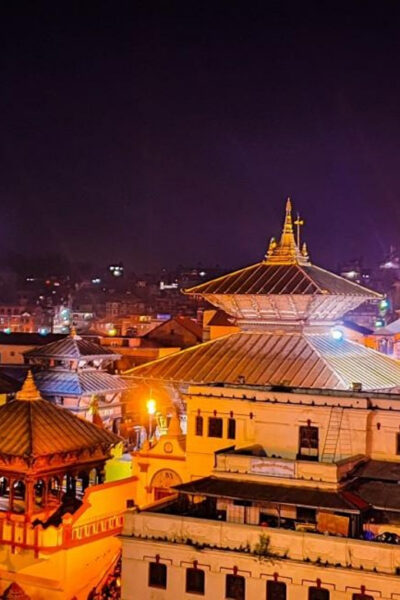
Chandragiri Cable Car & Monkey Temple Tour- Private/Group
Read our review →
Private Chandragiri Cable Car and The Monkey Temple Tour
Read our review →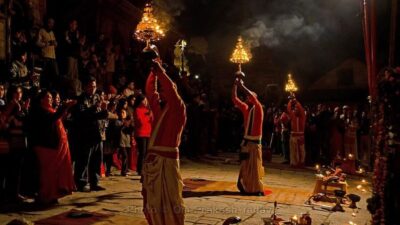
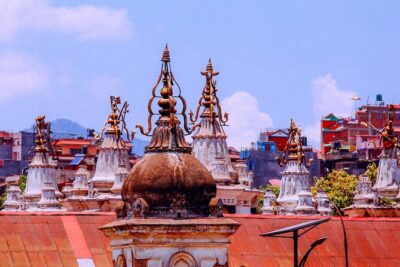
Pashupatinath Temple, Hindu Crematorium and Aarati in-depth Tour
Read our review →Browse the lists this tour appears in