
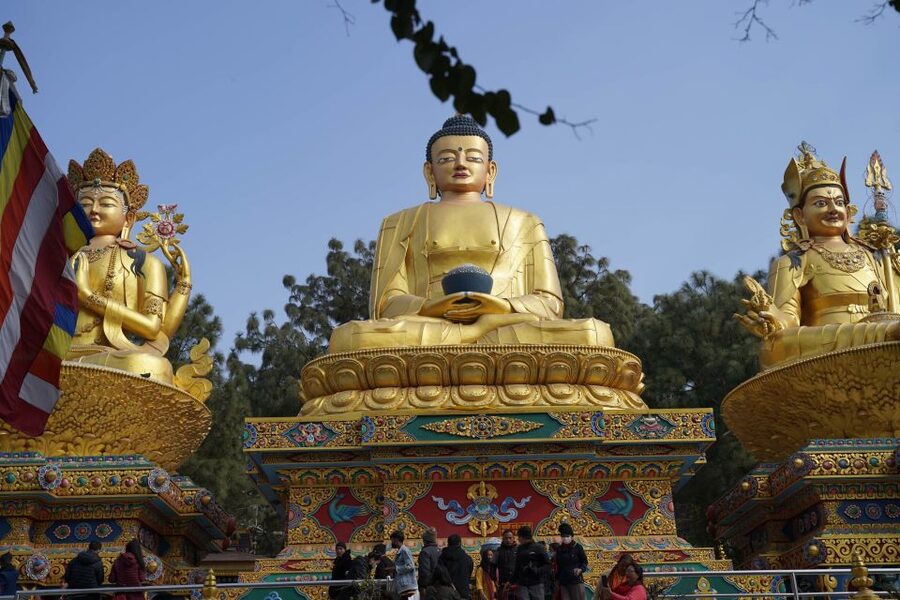
Reviewed · UNESCO HERITAGE TOURS
Kathmandu: Full-Day UNESCO Sightseeing Tour with Transfers
Kathmandu’s temples feel like a live map. This full-day UNESCO sightseeing plan is a smart way to stack key Hindu and Buddhist landmarks in one route, with hotel pickup and private transport doing most of the heavy lifting. I like that you get close-up views of major sites, not just quick stops, and you also get time to watch rituals, prayer wheels, and devotions where they actually happen. The only real catch is timing, the listed duration says 5 hours, but the sample schedule stretches longer, so you should confirm exact pickup and return times with the operator.
You’ll also have a guide working with you through the day, and the tour is set up for a private group, not a crowded scramble. Still, this is a walking-heavy temple day, and some areas can be uneven, so comfortable shoes and plan-a-bit-slower pacing matter.
In This Review
- Key Points to Know Before You Go
- A UNESCO Hits-in-One-Day Approach to Kathmandu
- Morning Pickup and Temple Etiquette at Pashupatinath
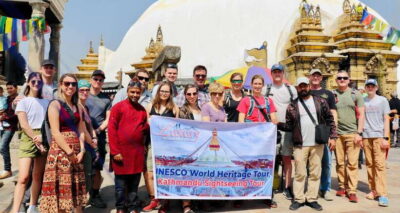
- Swayambhunath Monkey Temple: Prayer Wheels and Panoramic Views
- Lunch Break and How to Pace a Day of UNESCO Stops
- Patan Durbar Square and the Living Goddess, Kumari
- Boudhanath Stupa: Prayer Wheels, Rituals, and Slow Moments
- Price and Logistics: Is $60 Good Value?
- What the Tour Setup Gets Right (and What to Watch)
- Wheelchair Accessible, But Still a Foot and Step Day
- Who This Kathmandu Tour Suits Best
- Should You Book Accessible Adventure’s Kathmandu UNESCO Tour?
- FAQ
- What sites are included on the Kathmandu UNESCO tour?
- How long is the tour?
- Is hotel pickup and drop-off included?
- What languages are available for the guide?
- Are entrance tickets included?
- Is the tour wheelchair accessible?
- Is lunch included?
Key Points to Know Before You Go
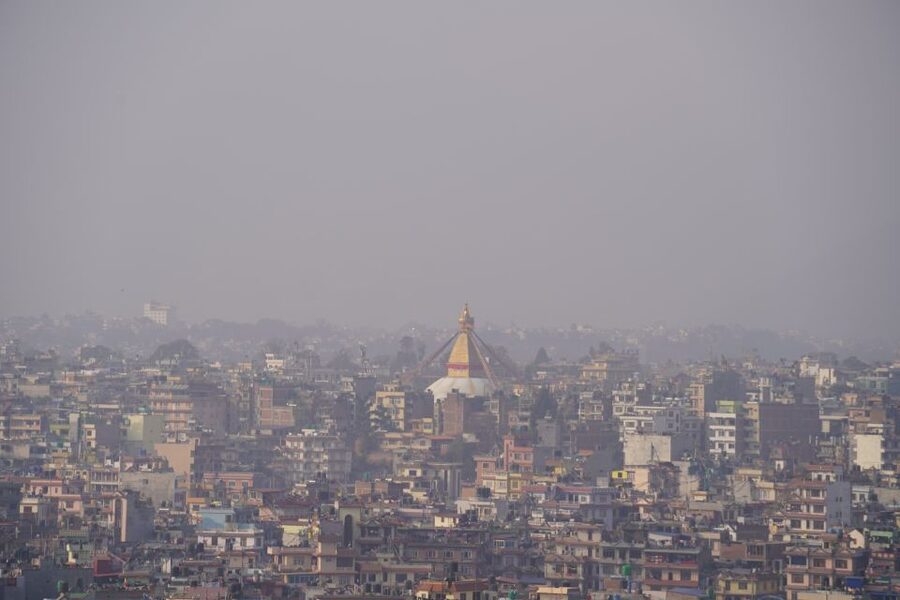
- Four UNESCO stops in one run: Pashupatinath, Swayambhunath, Patan Durbar Square, and Boudhanath
- Real ritual viewing time: Hindu ceremonies, prayer-wheel spinning, and circumambulation around the stupa
- Monkey Temple viewpoints: Swayambhunath includes stupa sights plus the hilltop vantage over Kathmandu Valley
- A special Patan moment: You’ll have the chance to seek blessings from the living goddess, Kumari
- Private transfers plus a licensed guide: Hotel pickup and drop-off with a government-licensed guide who can speak multiple languages
- Monument entry tickets not included: You’ll likely pay site fees on the ground
A UNESCO Hits-in-One-Day Approach to Kathmandu
If you only have a short window in Kathmandu, this tour is designed to help you see the city’s main religious landmarks without wasting hours figuring out routes. You’re not just driving past pretty buildings. You’re stepping into the places where worship is happening, then moving on while the day still has energy.
What I like most is the balance between big “wow” monuments and small, human details. At Pashupatinath, it’s the layered temple architecture and everyday ritual focus. At Swayambhunath and Boudhanath, it’s the sound and repetition of devotional actions, like prayer wheels and chanting. At Patan, it shifts to a different feel, with palace square heritage and the rare possibility to meet the Kumari tradition.
More UNESCO Heritage Tours in Kathmandu:
- Private Kathmandu Sightseeing Tour | UNESCO World Heritage sites
★ 5.0 · 756 reviews - Kathmandu: 7 UNESCO Sites with Lunch
★ 4.8 · 744 reviews - Kathmandu: Full Day 7 UNESCO Tour with Lunch – Private/Group
★ 5.0 · 415 reviews
Morning Pickup and Temple Etiquette at Pashupatinath
Your day starts with pickup from your hotel, then a first stop at Pashupatinath Temple, one of the holiest Hindu temples dedicated to Lord Shiva. The tour is set up for guided time plus free time, so you get a chance to understand what you’re seeing before you wander at your own pace.
Here’s what makes this stop worth the effort. Pashupatinath isn’t just one building. It’s a whole complex where you can watch worship take place in an active setting. You’ll see intricate architecture and observe Hindu rituals, and the guide will help you connect the symbolism to what you notice in front of you.
Practical notes for your comfort:
- Wear clothing that covers your shoulders and knees, since temples can be strict.
- Keep an eye on where you can safely stand and where you should let worshipers pass.
- If you’re sensitive to crowds or strong ritual activity, use your free time wisely and take small breaks.
Swayambhunath Monkey Temple: Prayer Wheels and Panoramic Views
After Pashupatinath, you head to Swayambhunath, also called the Monkey Temple. The stupa sits atop a hill, so the approach and the viewpoint matter. You’ll get time to explore the stupa complex and you’ll also see prayer wheels, which are a huge part of the devotional rhythm here.
This is also where you’ll run into the monkeys. They’re playful, but they’re still animals, so don’t act like it’s a zoo feeding show. Keep bags zipped, be mindful with food, and keep your phone or camera secure.
What makes Swayambhunath feel different from the other stops is the blend of Buddhist imagery with Kathmandu Valley views. Even if you’ve seen temples before, the hilltop atmosphere and the constant motion around the stupa area tend to “reset” your sense of scale.
Lunch Break and How to Pace a Day of UNESCO Stops
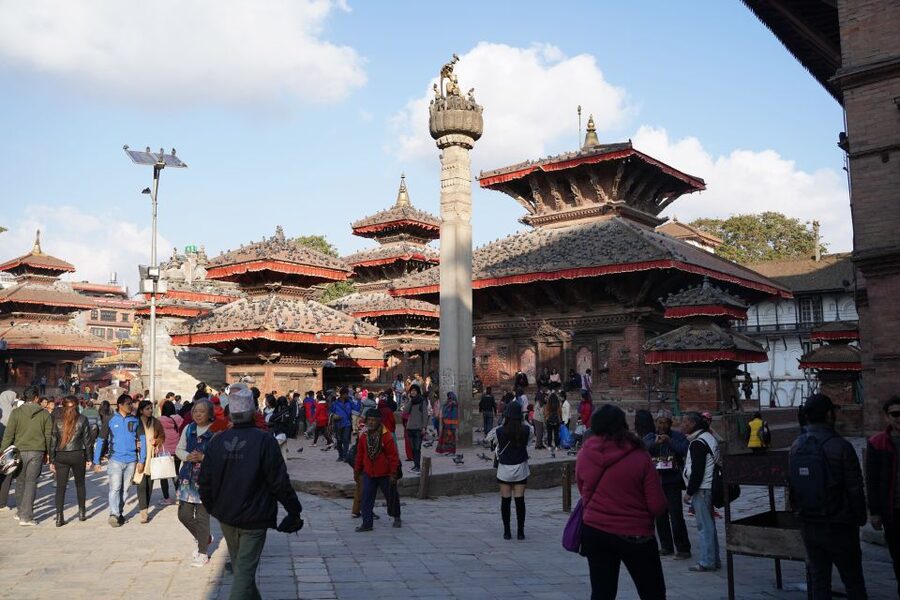
You’ll have a lunch break at a local restaurant around midday. The tour description says you can choose traditional Nepali cuisine or international dishes, depending on what you prefer.
This is a smart slot for two reasons. First, you’ll be warmed up to the next set of sights instead of rushing through with empty energy. Second, it gives you a chance to regroup if you want slower photo time after a busy morning at temple sites.
One caution: the walking and stairs can add up across four major stops. If you know you move slowly, consider leaning into the tour’s pacing option, where you can adjust the tempo to suit your comfort.
Another way to spend the time in Nepal:
- Everest Base Camp Trek – 14 Days
★ 5.0 · 1,499 reviews - Everest Base Camp Trek
★ 5.0 · 842 reviews - Everest Base Camp Helicopter Tour landing at Everest View Hotel
★ 5.0 · 668 reviews - Half day cooking class in Thamel kathmandu
★ 5.0 · 607 reviews
Patan Durbar Square and the Living Goddess, Kumari
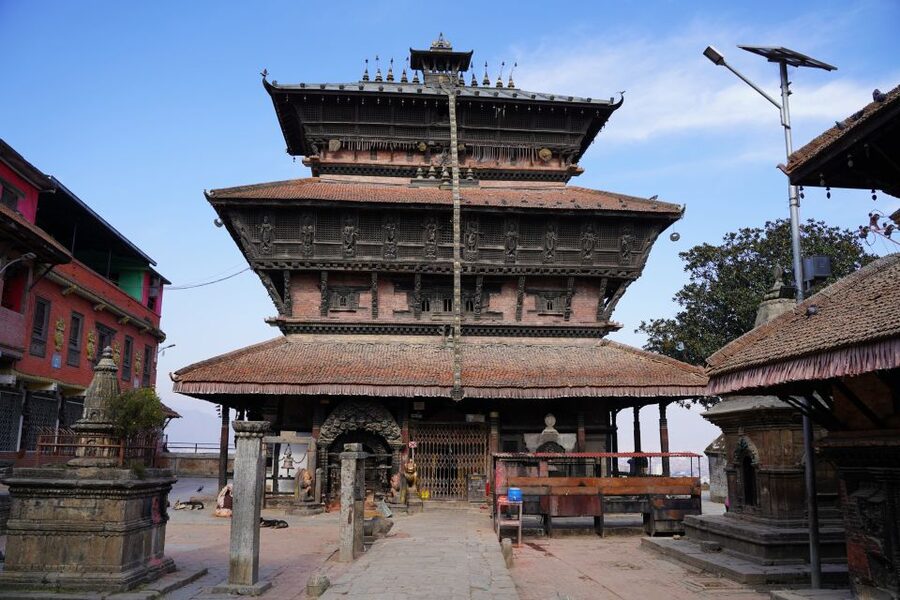
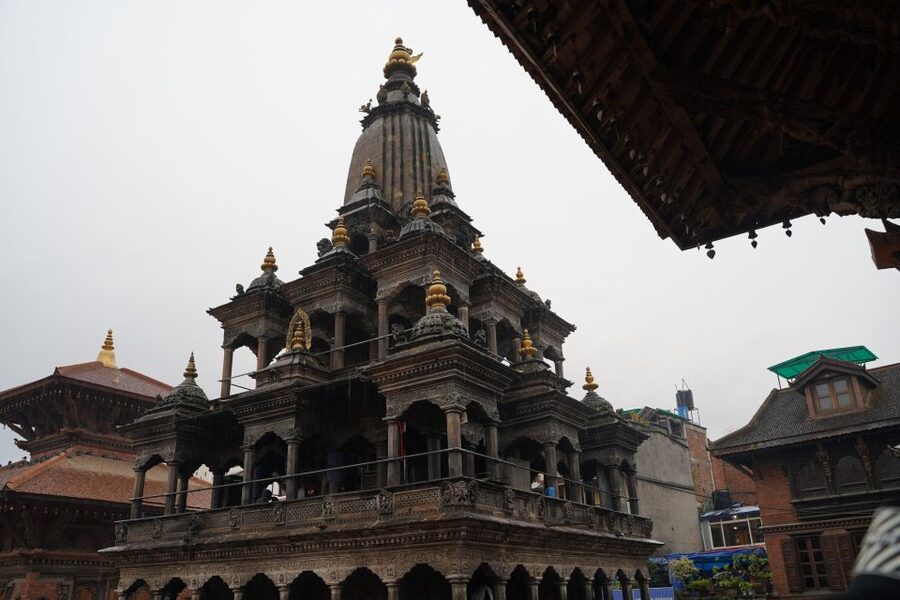
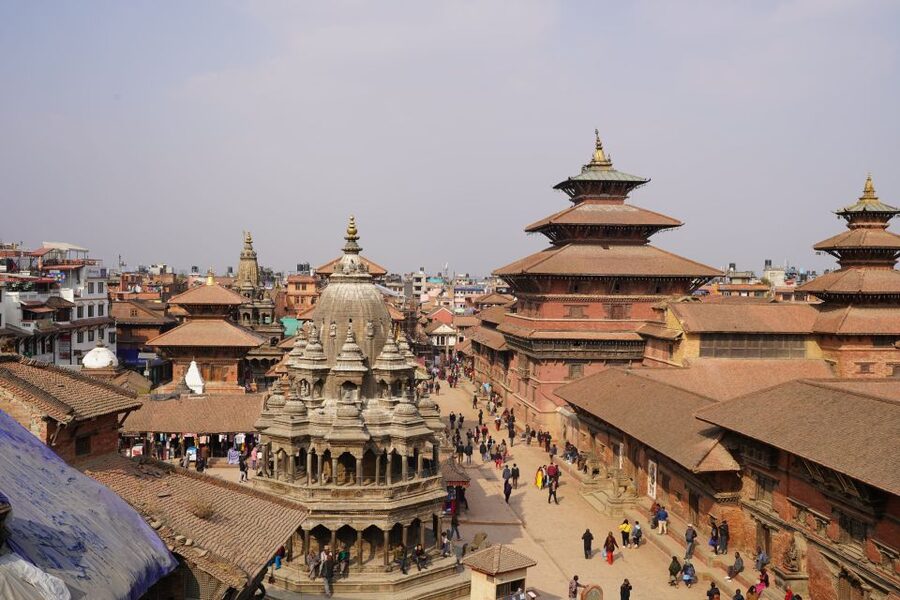
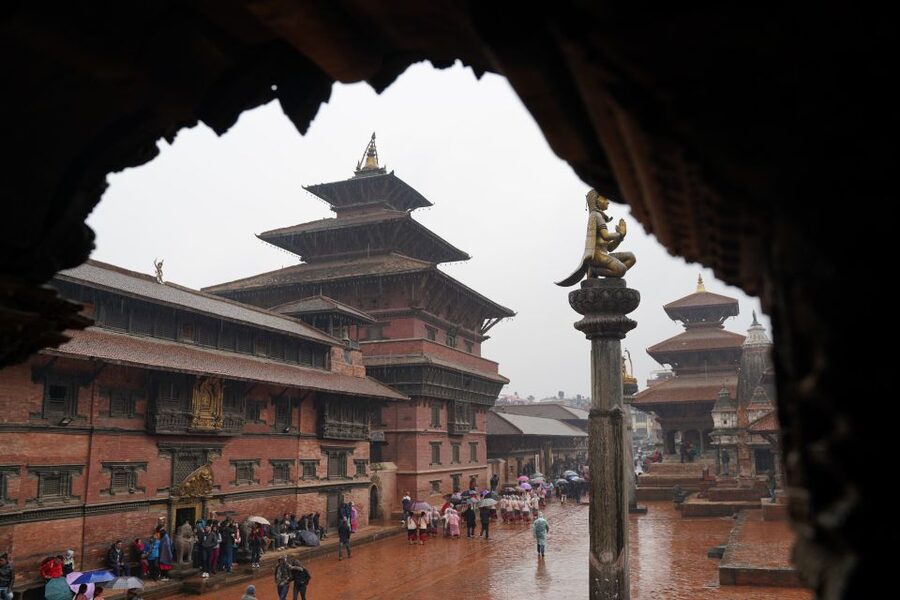
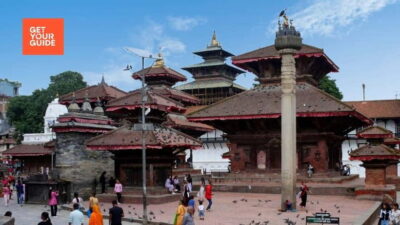
In the afternoon, you arrive at Patan Durbar Square, a UNESCO World Heritage Site known for royal palace remnants, carved temples, and old statues. Patan feels distinct from central Kathmandu, and the square gives you a good look at how artistry and power show up in city design.
You’ll get guided exploration time, plus free time to look around. This is one of those places where it helps to have a guide because the details you notice, like carvings and structural patterns, often make more sense when someone connects them to the site’s purpose and era.
Then there’s the special highlight: you may also have the chance to seek blessings from the living goddess, Kumari, in Patan. It’s not just a photo opportunity. The Kumari tradition is part of Nepal’s living cultural practice, so it helps to be respectful, quiet, and attentive if you get the opportunity during your visit.
If Kumari blessings are important to you, it’s worth keeping your expectations flexible. The tour notes that the itinerary can change based on local conditions and pace adjustments.
Boudhanath Stupa: Prayer Wheels, Rituals, and Slow Moments
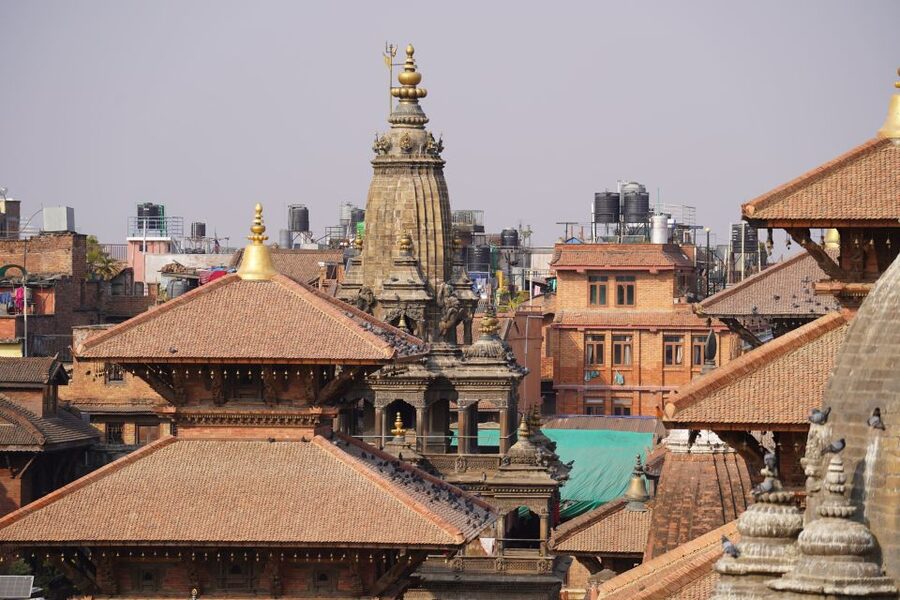
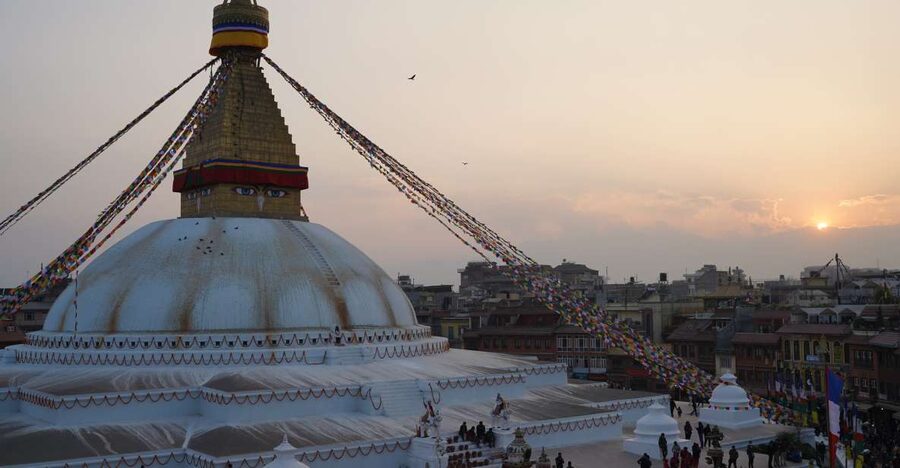
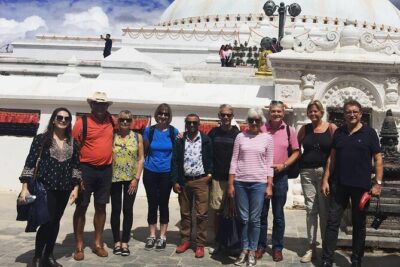
Your final major stop is Boudhanath Stupa, one of the largest Buddhist stupas in the world. This is where the tour turns calm. You’ll see devotees performing rituals, spinning prayer wheels, and chanting prayers as they walk around the stupa.
The key experience here is repetition. Even if you’ve never studied Buddhism, you can feel the meaning in the rhythm. The guide helps you understand what you’re watching, but the atmosphere does most of the teaching for you.
There’s also photo time built in, plus free time to sit and absorb the scene. When I think about value, this is where the tour earns it. Big monuments are great, but sites like Boudhanath reward slower attention.
Price and Logistics: Is $60 Good Value?
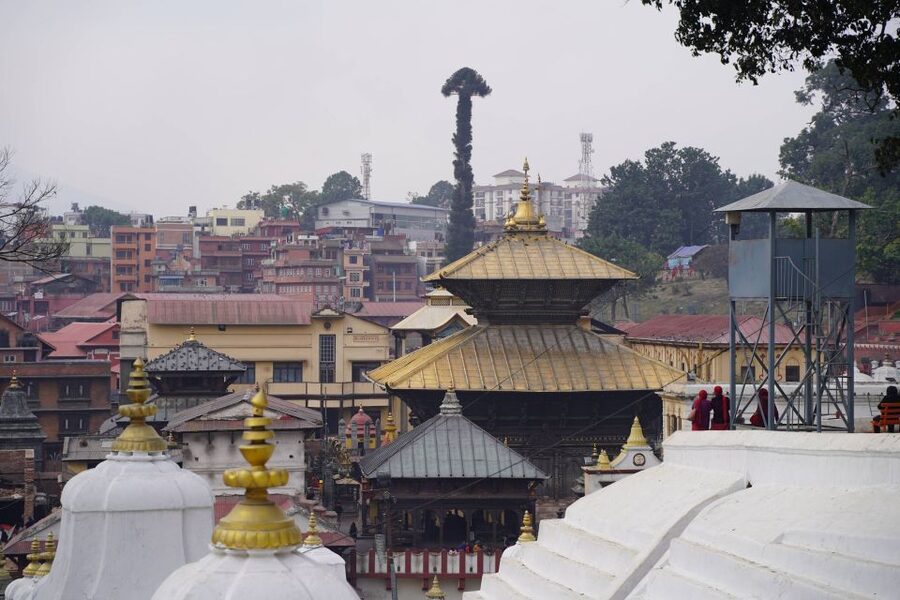
At $60 per person for a private guided day with transfers, the value comes from what’s bundled. You get:
- Hotel pickup and drop-off
- Private transportation
- A licensed guide (with language options including English, Spanish, German, and Chinese listed for the tour guide, and English, Hindi, Spanish also stated for the live guide)
- One water bottle per person
The part to budget extra is monument entry tickets. The tour information clearly says entry tickets and a Nepal Government-authorized guide are not included, though the guide is listed as included in the activity package. Because of that mismatch, I’d handle it like this: assume you may pay site fees for monuments and confirm with the provider what’s covered and what you’ll pay on-site.
Also, one practical reality: this is a dense day of major landmarks. You’re paying for convenience and interpretation, not for a relaxed stroll with one site. If you’re the type who likes to understand what you’re seeing before you photograph it, this price feels reasonable.
What the Tour Setup Gets Right (and What to Watch)
This tour has a clear structure: guided stops, plus free time to look around, with lunch in the middle. That matters because temple complexes and stupa areas can be overwhelming if you arrive cold. With a guide, you’re more likely to notice the right things, ask the right questions, and avoid spending your time guessing.
The other big win is private group format. It means less waiting for stragglers, and it’s easier for the guide to adjust the pace based on your needs.
Now the drawback to plan around: the exact duration can be confusing. The tour says 5 hours, but the sample timing goes from morning pickup to early evening return. That could be normal if you include travel time and a longer lunch break, but it’s still a good idea to confirm the real schedule before you build other plans for the day.
Wheelchair Accessible, But Still a Foot and Step Day
The tour is listed as wheelchair accessible, and that’s a big plus. That said, you’re visiting temples and stupa complexes, which can involve uneven surfaces, stairs, and crowding. If you use a wheelchair or have mobility limitations, ask the provider what access looks like at each stop and where you’ll be able to move comfortably.
The good news is that the tour is built around a guided route with transport, so you can get help managing transitions between sites.
Who This Kathmandu Tour Suits Best
This is a great match if you:
- Want the core UNESCO sights in Kathmandu Valley without planning the whole route yourself
- Prefer guided context over wandering randomly
- Like observing rituals, prayer practices, and the everyday reality of sacred sites
- Want one day that covers Hindu and Buddhist landmarks side by side
It’s also a smart pick for first-timers. Kathmandu can feel complex fast, especially around major religious areas. A structured route helps you get your bearings quickly.
Should You Book Accessible Adventure’s Kathmandu UNESCO Tour?
I’d book this tour if you want a high-coverage day with a guide who helps you make sense of what you’re seeing. The blend of Pashupatinath, hilltop Swayambhunath, heritage-heavy Patan Durbar Square, and the devotional atmosphere of Boudhanath is the kind of “great hits” itinerary that pays off, especially when your time is limited.
I’d think twice if you strongly prefer slow travel, minimal walking, or you’re very sensitive to temple etiquette rules and crowds. For most people, though, the private format, hotel transfers, and guided interpretation are exactly what make this kind of day manageable.
If you do book, send one quick message before pickup to confirm the actual start and end time for your specific day. That single step helps you avoid the only real confusion in the details, and then you can focus on the good part: watching Kathmandu’s sacred sites with your questions answered.
FAQ
What sites are included on the Kathmandu UNESCO tour?
The tour includes stops at Pashupatinath Temple, Swayambhunath (Monkey Temple), Patan Durbar Square, and Boudhanath Stupa.
How long is the tour?
The duration is listed as 5 hours. The example schedule provided shows a morning pickup and return later in the day, so confirm exact timing with the provider.
Is hotel pickup and drop-off included?
Yes. You’ll be picked up from your hotel and returned to your hotel at the end of the tour.
What languages are available for the guide?
The tour guide language options include English, Spanish, German, and Chinese for the Nepal Government-licensed guide, and the live tour guide is also listed as English, Hindi, Spanish.
Are entrance tickets included?
Monument entry tickets are listed as not included, so you should plan to pay site fees if required.
Is the tour wheelchair accessible?
Yes, the activity is listed as wheelchair accessible.
Is lunch included?
A lunch break is part of the itinerary at a local restaurant, but the tour details do not list lunch as fully included. You should expect to purchase your meal during the lunch break.
Latest additions near Kathmandu
- White Water River Rafting – 1 Day★ 4.3 · 3 reviews
- Traditional Momo Making Class★ 5.0 · 10 reviews
- Kathmandu to Pokhara Premium sofa bus ticket★ 4.0 · 17 reviews
- Ghorepani Poon Hill Trek★ 5.0 · 16 reviews
- Amazing 1 Day Trekking Experience in Kathmandu Nepal★ 5.0 · 24 reviews
- Ghorepani Poonhill Trek★ 5.0 · 5 reviews
- Walking tour of real Kathmandu through back streets.★ 5.0 · 3 reviews
- Wildlife Adventure in Chitwan Nepal★ 4.0 · 4 reviews
UNESCO Heritage Tours, compared.
Private Kathmandu Sightseeing Tour | UNESCO World Heritage sites
Read our review →
Full Day 7 UNESCO Tour with Lunch – Private/Group
Read our review →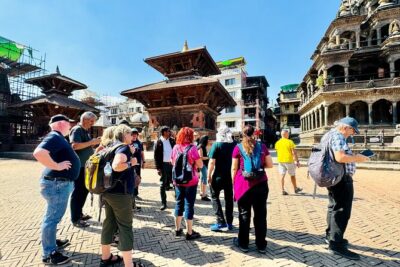
Full Day Top 4 UNESCO Tour with Lunch – Private/Group
Read our review →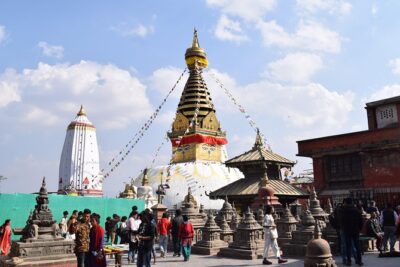
Kathmandu Private Sightseeing Tour | UNESCO World Heritage Sites
Read our review →Browse the lists this tour appears in