
Reviewed · NEPALI COOKING CLASSES
Kathmandu: 3-Hours of Cooking Class with Meals
Your stove, Kathmandu style. This hands-on class turns fresh ingredients into a real meal, with momos on the menu and spice control so you can cook to your taste. You learn by doing, then you eat what you made, hot and right there.
I like the step-by-step coaching, because it keeps things practical even if you have zero kitchen confidence. I also like how the class works like a mini food tour, not just a recipe list, since you get taught how Nepali dishes come together. One possible drawback: the total experience is about 4 hours, so cooking time is shared with prep, instruction, and eating.
You’ll get hotel pickup and drop-off, an English or Hindi speaking instructor, plus lunch and masala tea. It is a simple setup that feels friendly and approachable, not intimidating.
In This Review
- Key highlights to know before you go
- A 4-hour kitchen session in Kathmandu, not a show-and-tell demo
- Choose your menu, then grab fresh ingredients when the day allows
- The cooking flow: step-by-step guidance and one course you eat hot
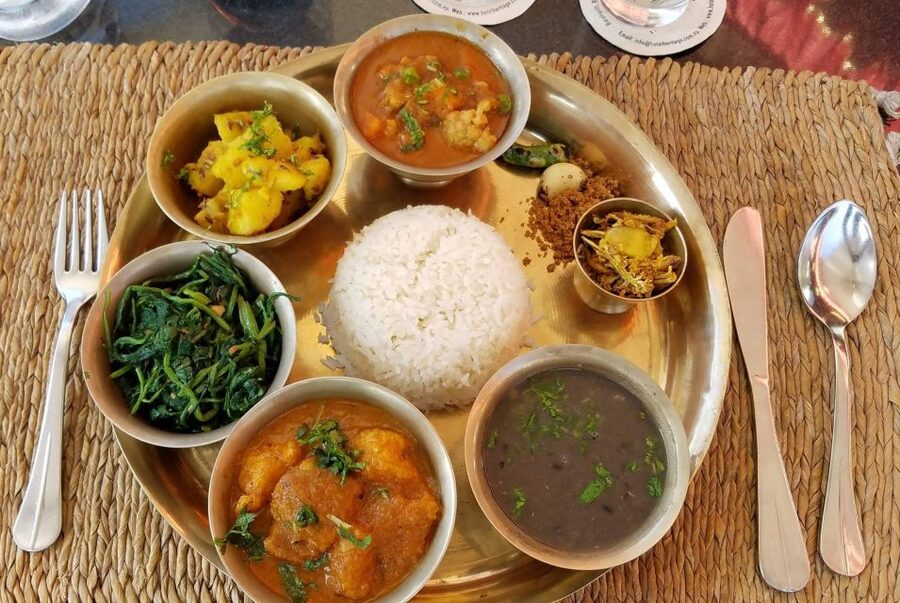
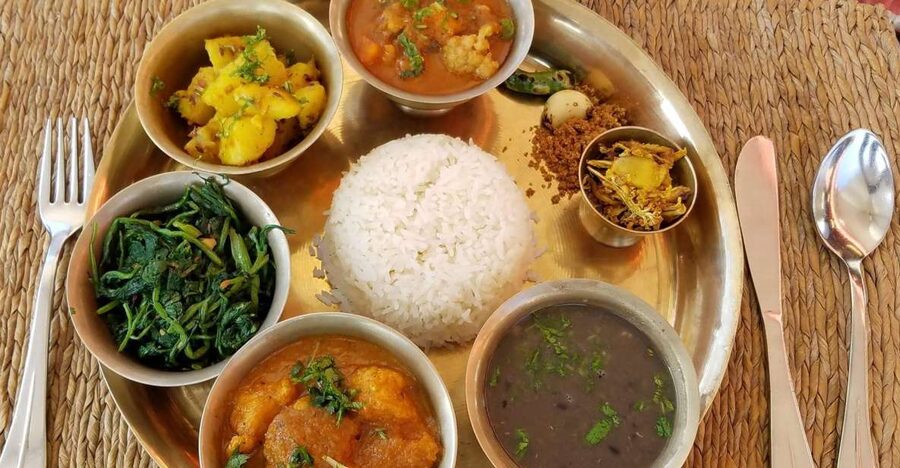
- What you will cook: three menu sets with four Nepali dishes each
- Lunch, masala tea, and why the included meal is more than a bonus
- Price and value: why this feels like a bargain
- Logistics that matter in Kathmandu: pickup timing and light packing
- Instructor setup, languages, and how beginner-friendly it really is
- Who should book this cooking class, and who should skip it
- Should you book this Kathmandu cooking class?
- FAQ
- How long is the Kathmandu cooking class?
- What is included in the price?
- Does the class include momos?
- Do I need cooking experience?
- What languages are the instructor and class offered in?
- What should I bring, and what should I avoid?
- Who is it not suitable for?
Key highlights to know before you go
- You cook and eat right away, so the lesson lands on your plate, not on a clipboard.
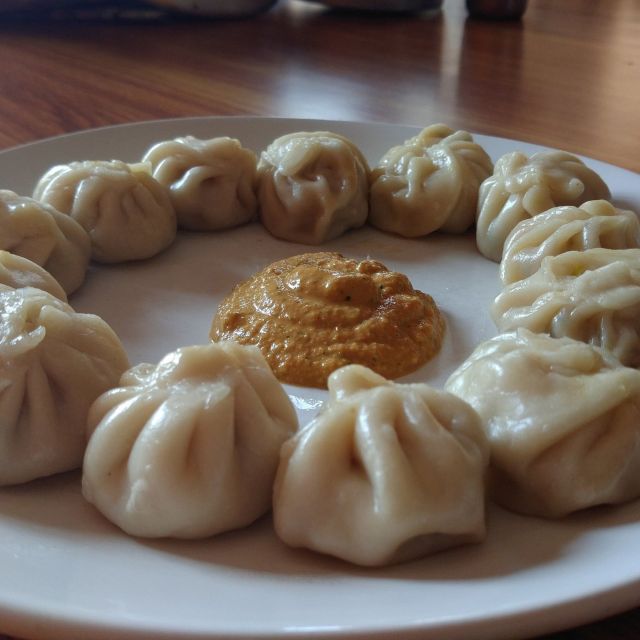
- Momos are included, and they are the kind of dish people use to judge a cooking class.
- Three menu options each include four Nepali dishes, so there is variety.
- You can adjust the flavors, including how spicy you want things to be.
- Hotel pickup and drop-off keep logistics easy in Kathmandu.
A 4-hour kitchen session in Kathmandu, not a show-and-tell demo
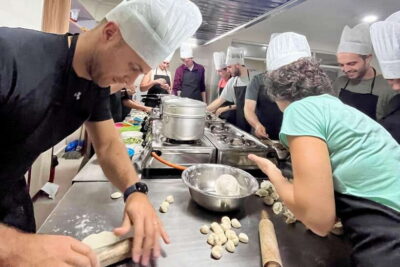
If your idea of a cooking class is sitting and watching someone else work, this one is the opposite. The point is hands-on cooking from the start. You pick ingredients, follow the chef’s guidance as you go, and then you eat what you cooked while it is still fresh and hot.
The class runs for about 3 to 4 hours total. That time matters because it is long enough to learn a few real techniques, but short enough to fit into a normal Kathmandu day. You will do more than taste and take notes. You will work the station, make choices, and see how small adjustments change the final dish.
Also, this is not framed as a skill test. The setup is designed for beginners. The instructor teaches step-by-step, and the way the day is paced helps you keep up.
More Cooking Classes in Kathmandu
- Half day cooking class in Thamel kathmandu
★ 5.0 · 607 reviews - Kathmandu: Local Women-Led Nepali Cooking & Momo Class
★ 4.9 · 360 reviews - The best Private Nepali Cooking Class in Kathmandu
★ 5.0 · 83 reviews
Choose your menu, then grab fresh ingredients when the day allows
The class uses three different menu options, each with four traditional Nepali dishes. That structure is useful because it gives you real choice. You can pick the set of dishes that sounds most interesting to you before you cook.
Depending on the timing of the day, you might also get a chance to look at ingredients at local shops. In many cases, that ingredient stage is part of the fun because it connects flavors to what you can actually find in Kathmandu. If you are there during festival season, you may find that the outside ingredient stop is not possible and the ingredients are handled in another way. Either way, the class focus stays the same: fresh, used-in-your-cooking inputs.
Practical tip: bring cash as suggested, just in case you want to grab something small of your own during any shopping time. Also, keep your things light since luggage or large bags are not allowed.
The cooking flow: step-by-step guidance and one course you eat hot
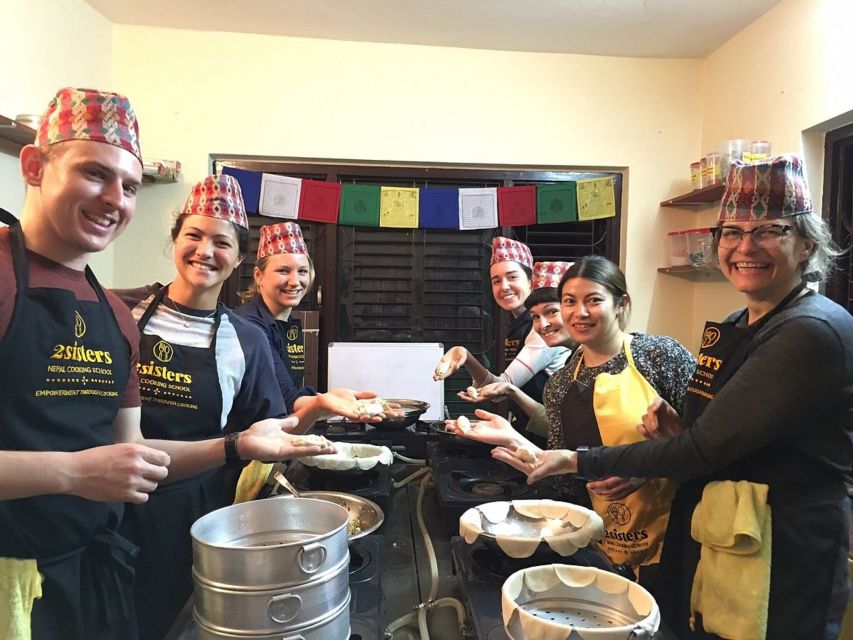
Here is what makes this class work as an experience, not just a meal. The chef guides you through each dish step by step. You cook one course, then you eat it soon after it is ready. That means the learning is not separated from the result.
You also get hands-on flavor control. If you love chili, you can push the heat level. If you prefer mild, you can keep it lighter. That matters because Nepali cooking is not just about following a recipe, it is about understanding how spices and seasoning behave in the dish.
You should expect a cycle like this:
- Learn what to do for the next dish.
- Prep and cook while the instructor watches and corrects.
- Taste as you go, then finish the course.
- Sit down and eat what you made while it is hot.
That is why the class is family-friendly and beginner-friendly. Even if you do not know kitchen basics, you are not guessing. The instructor and team walk you through the process while you do the work.
One more small note from the vibe of the experience: it is not only about cooking. You are eating meals together and learning how to approach Nepali flavors. One dish at a time might sound slow if you want maximum stove time, but it is actually a better way to learn.
What you will cook: three menu sets with four Nepali dishes each
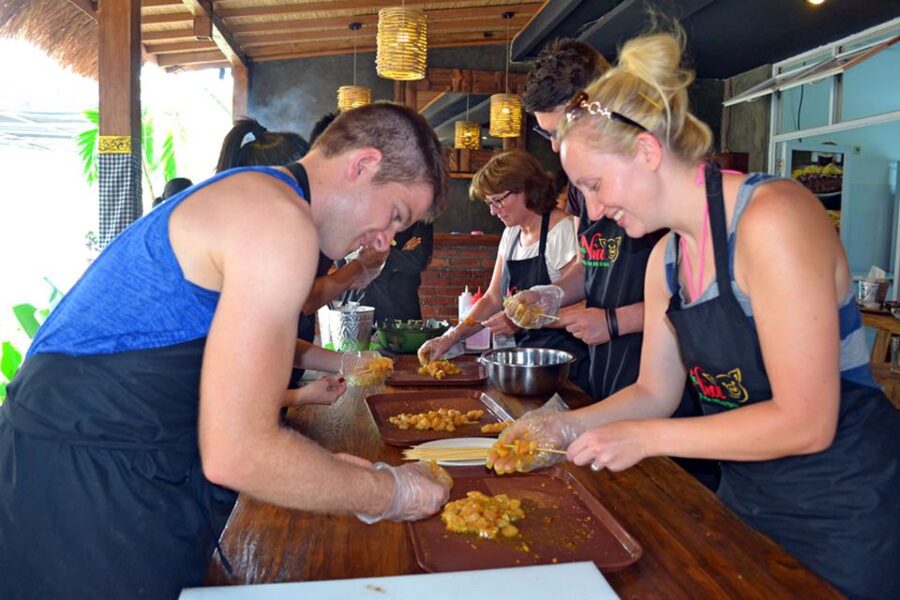
The strongest promise here is variety. Instead of one recipe taught three ways, you get three menus. Each menu includes four traditional Nepali dishes, so you are not stuck with the same taste profile for hours.
The data also makes one dish a sure thing: Nepal’s famous momos are included. Momos are often described as Nepal’s go-to comfort food, and they are a smart choice for a cooking class. They force you to practice technique, and they are instantly rewarding when done right.
Because the class offers multiple dishes per menu, you can go into it thinking you will leave with a clearer mental map of Nepali cuisine. You will see how different dishes use different approaches to seasoning, texture, and how ingredients are combined.
What I would do if I were choosing your menu: pick based on what you actually want to eat again later. If you are a momo person, choose a menu that centers that style. If you want a broader spread of flavors, pick whatever set includes the types of dishes that sound most appealing to you from the menu list.
Another way to spend the time in Nepal:
- Everest Base Camp Trek – 14 Days
★ 5.0 · 1,499 reviews - Everest Base Camp Trek
★ 5.0 · 842 reviews - Private Kathmandu Sightseeing Tour | UNESCO World Heritage sites
★ 5.0 · 756 reviews - Kathmandu: 7 UNESCO Sites with Lunch
★ 4.8 · 744 reviews
Lunch, masala tea, and why the included meal is more than a bonus
A lot of cooking classes toss in snacks. This one builds the day around lunch. You get lunch included, plus masala tea and other hot drinks during the experience.
That inclusion changes the value because it turns the class into a full meal experience. You are not rushing out right after the cooking. You sit, eat, and understand the dish in its natural form, warm and ready.
Masala tea is also a good fit for a class like this. Warm tea helps you reset between dishes, and it gives you something to sip while you compare tastes. It is a simple extra that makes the session feel more complete, more like a shared Nepali table than a studio workshop.
One clear boundary: cold beverages and alcoholic drinks are not included. If you want something specific beyond masala tea and the included hot drinks, plan on paying for it yourself.
Price and value: why this feels like a bargain
At $2.15 per person, the price is hard to ignore. Even with budget pricing, that number stands out because the package includes hotel pickup and drop-off, an instructor, ingredients and equipment, lunch, and masala tea.
So what are you really paying for? Mostly for the guidance, ingredients, and the staff time. You are not paying for luxury cookware or a high-end setting. The value comes from the practical lesson and the meal you get to eat right after.
If you are thinking like a budget traveler, this is the kind of deal that makes sense because it reduces extra costs. You do not have to figure out dinner plans after. You also do not need to buy ingredients separately or pay for a separate tasting session.
My practical caution: when pricing feels extremely low, confirm what is actually included and what is not. Here, the inclusions listed are strong, and the exclusions are straightforward, mostly focused on personal expenses and drinks beyond masala tea.
Logistics that matter in Kathmandu: pickup timing and light packing
Hotel pickup is included, which is a big deal in a city where traffic and distance can change fast. The suggestion is simple: be ready in your hotel lobby 5 minutes before your scheduled pickup time so you do not miss the representative.
That short timing window is why packing light helps. You cannot bring luggage or large bags, so plan to travel with essentials. Comfortable clothes are a must since you will likely be standing and moving around a cooking setup.
Your “bring” list is refreshingly practical:
- Camera
- Comfortable clothes
- Cash
Camera is obvious, but comfortable clothes are what save your afternoon. You will spend a lot of time in the same clothes, and you do not want to be thinking about shifting fabrics while cooking.
Instructor setup, languages, and how beginner-friendly it really is
The class runs with an instructor who speaks English and Hindi. That language range is useful in Kathmandu because it gives you a clear communication channel even if your Nepali is limited.
The format also stays beginner-friendly. You do not need prior cooking skills. The chef guides you step by step, and the pace is structured so you can keep up with each dish.
I like that the experience does not rely on you already knowing kitchen technique. Instead, it teaches technique through repetition: do the next step, see the result, adjust, and finish.
And because you cook and eat the same course, you also get instant feedback. If something tastes too mild, you learn how to fix it. If it is too strong, you learn how to balance it in future steps.
Who should book this cooking class, and who should skip it
This is a great fit if you want a hands-on food experience in Kathmandu and you like learning by doing. It works especially well for:
- Foodies who want more than eating in restaurants
- Beginner cooks who want clear instructions
- Groups and families, since the setup is friendly and interactive
- Anyone who wants Kathmandu culture expressed through what people actually cook and share
It may not be ideal if:
- You are expecting four full hours of uninterrupted cooking. The total time includes prep and eating, so it is paced.
- You need accessibility accommodations. The activity is not suitable for people with mobility impairments.
- You are traveling with kids under 5. It is not suitable for children under 5.
Should you book this Kathmandu cooking class?
Yes, if you want a practical, satisfying way to connect with Nepali flavors. The combination of hands-on cooking, momos included, and an included lunch and masala tea makes this feel like a full afternoon, not a quick gimmick. The pricing also adds a lot of appeal because it bundles pickup, ingredients, and instruction into a very low per-person cost.
Before you book, make one mindset adjustment. Treat it like a guided meal-making workshop with real cooking, not like a marathon stove session. If you show up ready to follow steps, taste as you go, and customize spice to your liking, you should leave with both full bellies and usable skills you can repeat at home.
FAQ
How long is the Kathmandu cooking class?
The duration is listed as 4 hours, and it is described as a 3 to 4 hour hands-on cooking class.
What is included in the price?
Hotel pick-up and drop-off, an expert cooking instructor, the hands-on cooking class (3 to 4 hours), all necessary ingredients and equipment, lunch, and masala tea are included.
Does the class include momos?
Yes. Nepal’s famous momos are included.
Do I need cooking experience?
No. The experience is designed for beginners, and no prior cooking skills are needed.
What languages are the instructor and class offered in?
The instructor speaks English and Hindi.
What should I bring, and what should I avoid?
Bring a camera, wear comfortable clothes, and bring cash. Luggage or large bags are not allowed.
Who is it not suitable for?
It is not suitable for children under 5 years old and it is not suitable for people with mobility impairments.
Latest additions near Kathmandu
- White Water River Rafting – 1 Day★ 4.3 · 3 reviews
- Traditional Momo Making Class★ 5.0 · 10 reviews
- Kathmandu to Pokhara Premium sofa bus ticket★ 4.0 · 17 reviews
- Ghorepani Poon Hill Trek★ 5.0 · 16 reviews
- Amazing 1 Day Trekking Experience in Kathmandu Nepal★ 5.0 · 24 reviews
- Ghorepani Poonhill Trek★ 5.0 · 5 reviews
- Walking tour of real Kathmandu through back streets.★ 5.0 · 3 reviews
- Wildlife Adventure in Chitwan Nepal★ 4.0 · 4 reviews
Nepali Cooking Classes, compared.
Nepalese Momos or Dal Bhat Cooking Class (Cook with Delight)
Read our review →
The best Private Nepali Cooking Class in Kathmandu
Read our review →
Nepalese Kitchen in Pokhara: Momos or Dal Bhat Cooking Class
Read our review →
Browse the lists this tour appears in