
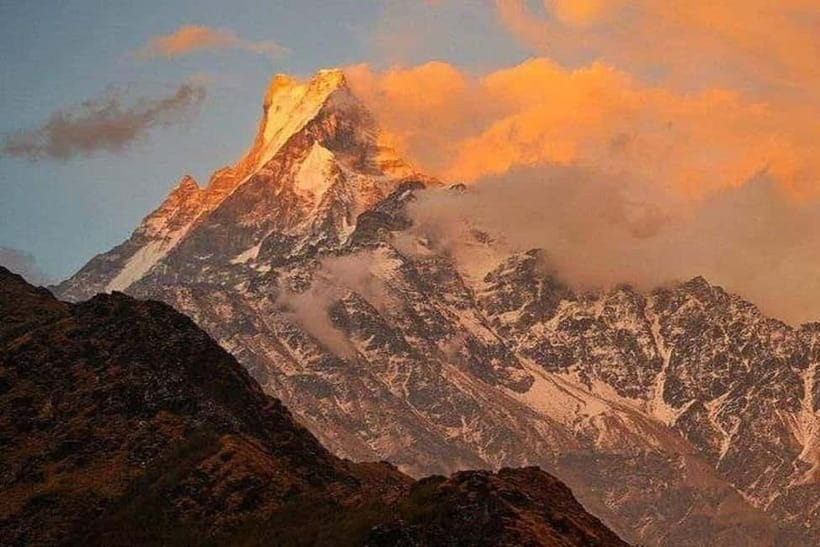
Reviewed · MARDI HIMAL TREKS
From Pokhara: 5-Day Mardi Himal Base Camp Trek
A five-day trek that feels bigger than five days. This Mardi Himal Base Camp route puts you in rhododendron forests early, then ramps into eye-level mountain drama as you get up-close to Mardi Himal and Machapuchre. I like that it is guided end to end, with a real focus on mountain views and local culture, not just checking boxes.
The main thing to consider is effort and conditions. The first days are more demanding, and higher altitudes mean cold weather and proper layers matter.
In This Review
- Quick hits before you go
- Pokhara to Pitam Deurali, the warm-up with real mountain payoff
- Low Camp and the rhododendron days, where pace matters
- High Camp and the approach to the sunrise zone
- Mardi Himal Base Camp, Machapuchre closeness and the Annapurna view
- Lumre and the descent back to Pokhara, when the mountains finally let go
- The guide makes a big difference, from safety to local texture
- Tea houses, meals, and what you should budget beyond the trek price
- Difficulty level, cold nights, and smart packing that actually helps
- Is this trek a fit for you?
- Should you book this Mardi Himal trek from Pokhara?
- FAQ
- Where are the pickup locations in Pokhara?
- Is this trek a private group?
- How long is the Mardi Himal base camp trek?
- What is the price and is it per person?
- Are trekking permits and TIMS fees included?
- Do you provide a guide, and what languages do they speak?
- What kind of accommodation will I have?
- Are meals included during the trek?
- Do I need a porter, and what does it cost if I want one?
- What paperwork and safety requirements should I plan for?
Quick hits before you go
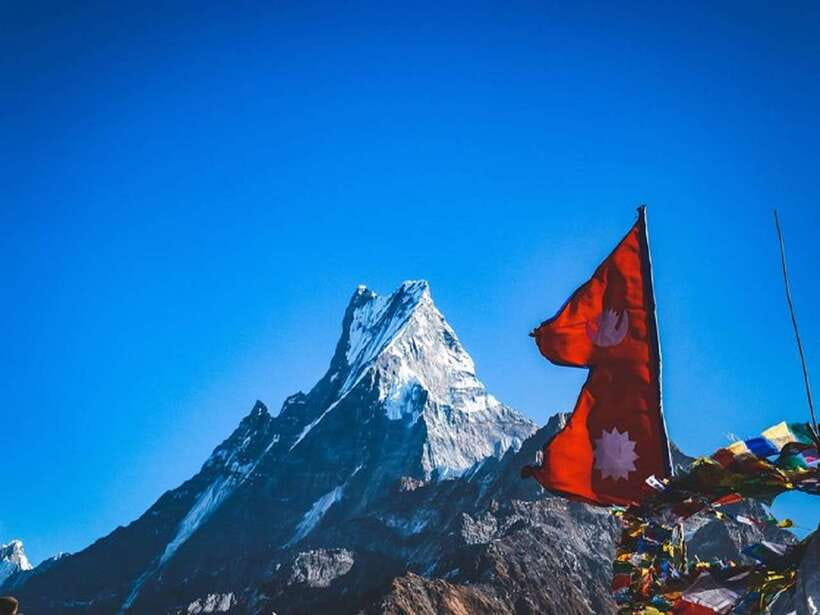
- Rhododendron forests and small villages set a calm tone before the climbs get serious
- Sunrise viewing is built into the rhythm, with big-mountain payoff after early starts
- Getting close to Mardi Himal and Machapuchre makes the mountains feel almost personal
- Shorter hiking blocks later give you time to rest after lunch instead of racing the clock
- Tea houses and simple lodges keep the trek practical, not complicated
- Guides with strong local know-how, including examples like Santosh, Sun-Bahadur Nepali, and Niva Nepali
Pokhara to Pitam Deurali, the warm-up with real mountain payoff
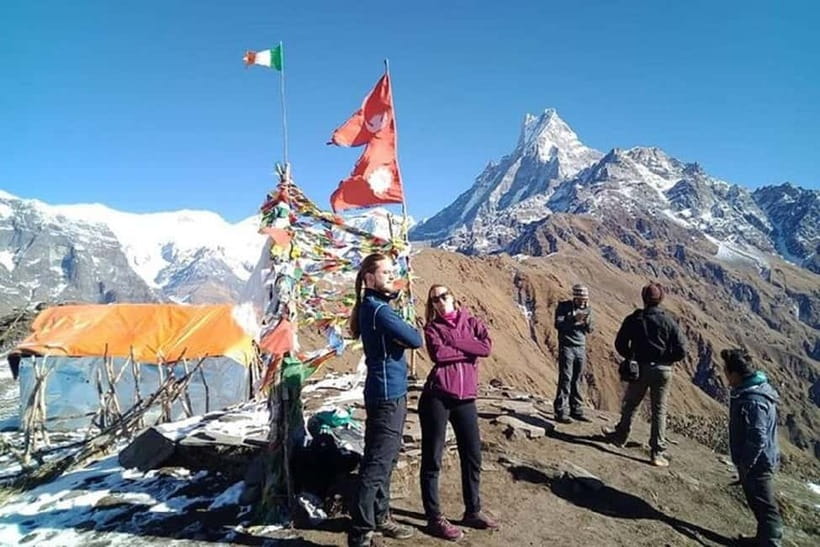
Day 1 starts with logistics that make a trek like this doable. You get picked up in Pokhara from one of three spots, then you drive to the trek area and begin hiking through scenery that feels distinctly Himalayan: pine and rhododendron country, small bends in the trail, and frequent chances to look back.
Pitam Deurali View Point is a smart first stop. It is not just a photo moment. You are using it to get your bearings fast, learn how the trail feels under your shoes, and start building that mental picture of what the next days will reveal. The route also goes via Kande, then you pass points like Australian Camp and Pothana along the way, so you start to understand how the Annapurna region is threaded together by footpaths.
One practical note: the drive and trail transitions can be a little bumpy and tiring. If you feel road discomfort easily, I would plan for it and carry a spare layer in your day pack for when the temperature drops after the ride.
More Treks in Pokhara
- Poon hill Trek 3 days
★ 5.0 · 176 reviews - Trekking in Annapurna/Langtang/Everest/Upper Mustang regions
★ 5.0 · 161 reviews - Pokhara: 4-Day Ghorepani, Poonhill & Ghandruk Mountain Trek
★ 5.0 · 132 reviews
Low Camp and the rhododendron days, where pace matters
Once you are moving toward Low Camp, the trek shifts into a gentler but steady rhythm. You’ll hike through settlements and rhododendron forests, with lunch breaks along the trail. This is where your pacing strategy pays off.
I like this part because it is the ideal time to manage your breathing and your legs. The scenery keeps changing, but it is not the same all-out grind as later climbs. You are also getting used to the tea house routine: simple food, hot drinks when you can get them, and an early evening that helps your body recover.
This is also where you learn what kind of trek you actually want to do. On this route, some hikers find it challenging at first, then easier to settle into once their body warms up. If you are new to multi-day trekking, those first forest-and-village days are your training ground, not just scenery.
The one drawback to be aware of: if the weather turns, these mid elevations can still feel cold and wet. Your layers should be ready for both sun and shade.
High Camp and the approach to the sunrise zone
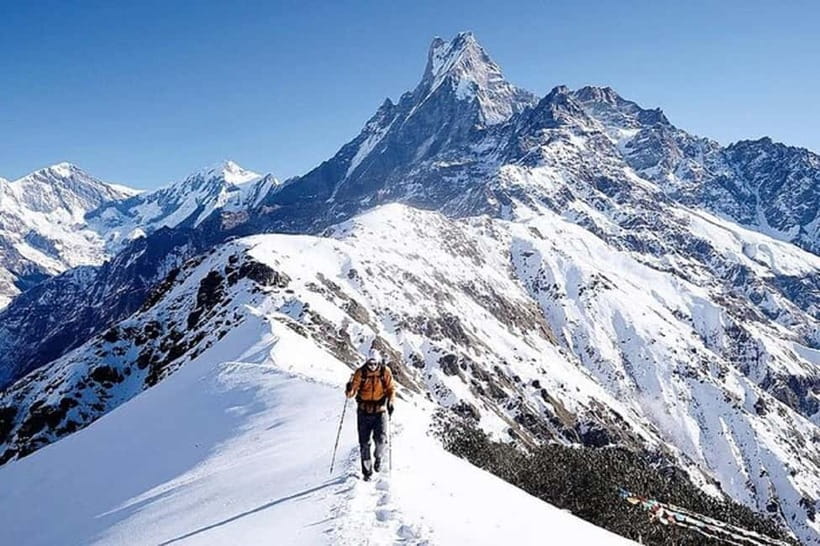
Day 3 pushes you from the rhythm of the forests toward the High Camp area, the final settlement zone on this trail. The ascent is the part that asks for respect. You’ll start with breakfast, keep climbing, and stop for lunch en route while the views keep getting larger and more commanding.
High Camp is less about comfort and more about position. You’re there because it sets up the next day’s mountain focus. When people talk about seeing the mountains close, this is where it starts to feel real. Even before you reach Base Camp, the air tends to sharpen your senses, and the mountains stop being a distant backdrop.
I also love that this day builds in time for the mountain experience without turning it into a nonstop grind. One thing you’ll notice on this trek is that the later days tend to give you more time after lunch. That can be a lifesaver if you want to enjoy the view instead of staring at your own feet for hours.
Mardi Himal Base Camp, Machapuchre closeness and the Annapurna view
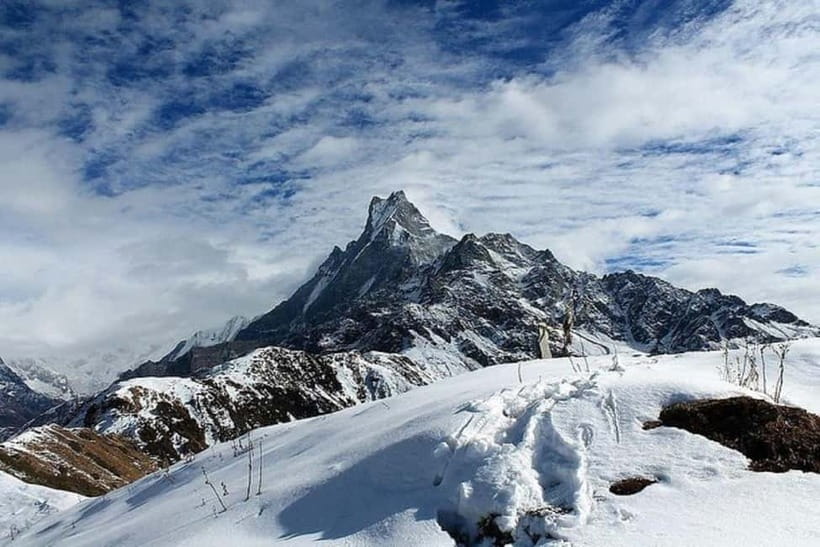
Day 4 is the headline: trekking to Mardi Himal Base Camp and spending serious time there. This is where the whole route pays you back.
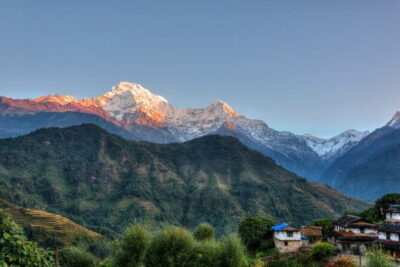
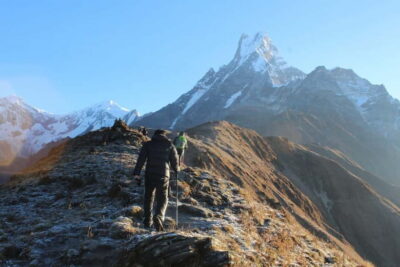
You get panoramic views of the Annapurna Himalayan range, plus the kind of closeness that makes Mardi Himal feel right there with you. The experience is often described as overwhelming in a good way, especially with the dramatic presence of Machapuchre in the mix. And yes, sunrise gets built into the Base Camp rhythm, so you’re not just arriving, you’re also catching those early light moments when the snow and rock show their best detail.
Spend time exploring once you reach Base Camp. This is not a place where you just stand for five minutes and move on. The best moments tend to be the quiet ones, when you stop trying to beat the clock and let the scale hit you.
One more detail that matters for your comfort: the Base Camp day also includes a return to Low Camp after your time at the top. That means you’ll still be walking while you are tired. It is doable, but don’t treat it like a rest day. Bring steady energy, take breaks before you feel cooked, and keep your footing careful.
More Mardi Himal treks:
- Pokhara: 4-Day Mardi Himal Trek
★ 4.9 · 59 reviews - Private Mardi Himal Trek
★ 5.0 · 42 reviews - From Pokhara: 4-Day Mardi Himal Base Camp Trek
★ 4.9 · 31 reviews - Mardi Himal Trek
★ 5.0 · 30 reviews
Lumre and the descent back to Pokhara, when the mountains finally let go
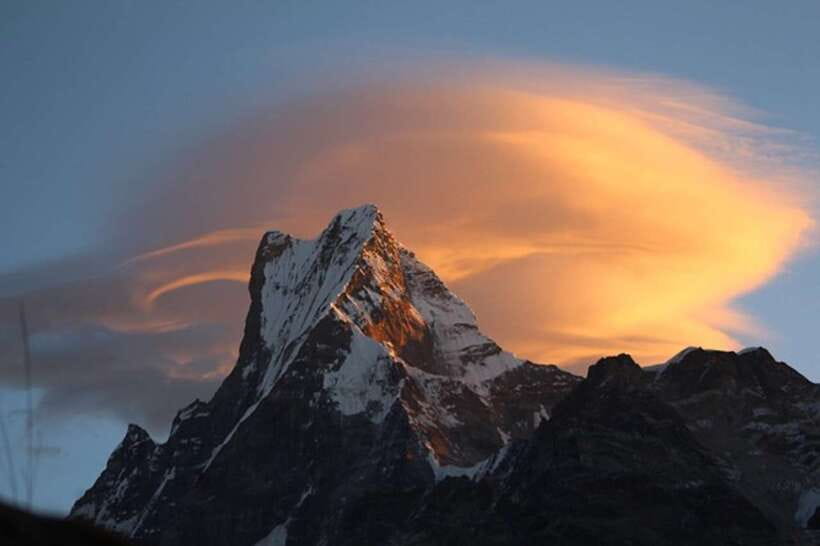
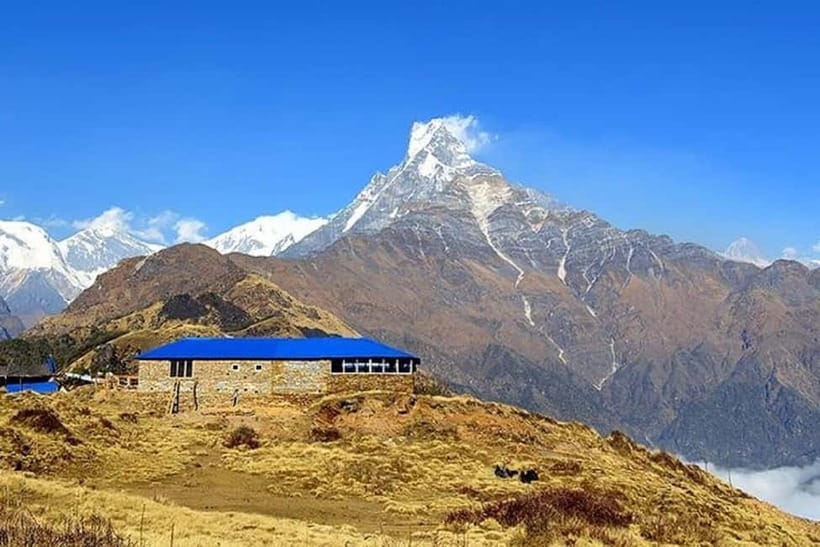
Day 5 brings you down through the Lumre area and back toward Pokhara by vehicle. The descent starts after breakfast, with a stop in Sidding for lunch before you continue to Lumre, where your transport meets you.
I like endings like this. You still finish with a hike that gives your legs a chance to cool down, instead of jumping straight into a long ride without easing your body out of trekking mode.
Also, this is where your planning becomes practical. You’ll want cash on hand for any extra snacks or drinks not covered by your meal option. Many trekkers underestimate how often they want one more cup of tea, one more hot drink, one more small comfort after a tough stretch.
A reviewer also mentioned the road at the end can be bumpy and suggested a jeep for comfort if that option is available. Either way, keep a layer handy for the ride, because temperatures can swing after you drop in elevation.
The guide makes a big difference, from safety to local texture
On this trek, the guide is not a decoration. You’ll be accompanied by a professional, English-speaking guide certified by the Nepal Government. The live guide is listed as English, Hindi, and Nepali, which is useful if your group includes different language comfort levels.
The biggest value I see is that a good guide helps you make the day easier without cheating the experience. In past groups, Santosh has been specifically praised for being kind and helpful, speaking fluent English, and even adding small thoughtful touches like bringing fruit during the trek. Other examples include Sun-Bahadur Nepali and Niva Nepali, who were highlighted as patient, enthusiastic, and helpful with food and backpacks, including carrying day packs downhill when needed.
That matters because it changes how you experience the trail. When the guide can read the route and the pace, you can focus on your hiking and your questions, not random uncertainty.
And because this is a guided trek, you also get a clearer safety setup: first aid kit included, emergency rescue services available if required, and a guide who travels with insurance and handles their own expenses.
Tea houses, meals, and what you should budget beyond the trek price
This trek is priced at $181 per person for 5 days, which is honestly competitive for a guided, permit-included mountain itinerary. What you’re paying for is more than walking time.
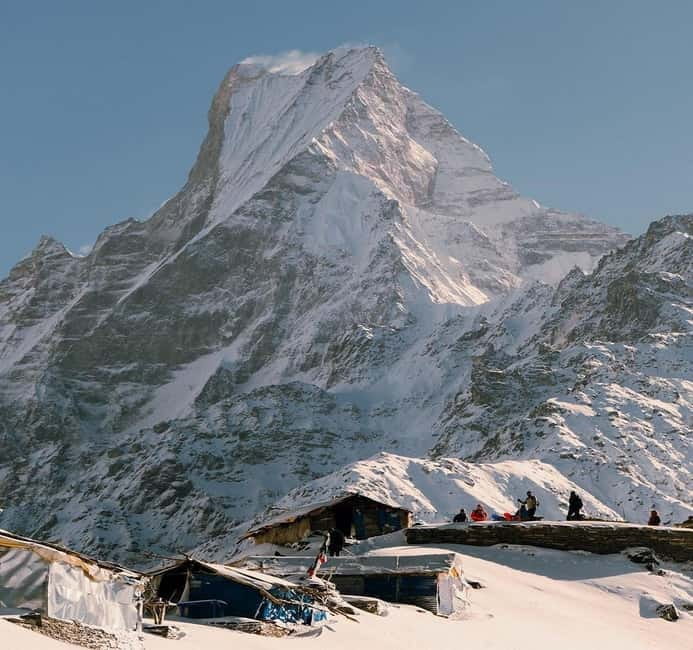
Your money covers round-trip transport between your Pokhara hotel and the trek start area, all required permits including TIMS fees, tea house or lodge accommodation, and a guide plus first aid support. Luggage storage in Pokhara is also included, which saves you from dragging bags around the city on the days you are not on the trail.
Meals are the part where you should look closely at your exact option. Meals throughout the trek are listed as depending on the selected option, and the notes also say meals not included can be purchased where available. In plain terms: if meals are not fully included, you’ll need enough cash for daily tea houses meals and snacks.
A practical way to think about it: if you tend to order extra teas, snacks, or sweets, carry a little more cash than you expect. If you are the type who sticks to basic meals and limits extras, you can keep costs down and still feel comfortable.
If you’re considering hiring a porter, it is optional at $20 per day. With that, you can reduce the load on your body, especially if you have limited trekking experience or a sensitive knee.
Difficulty level, cold nights, and smart packing that actually helps
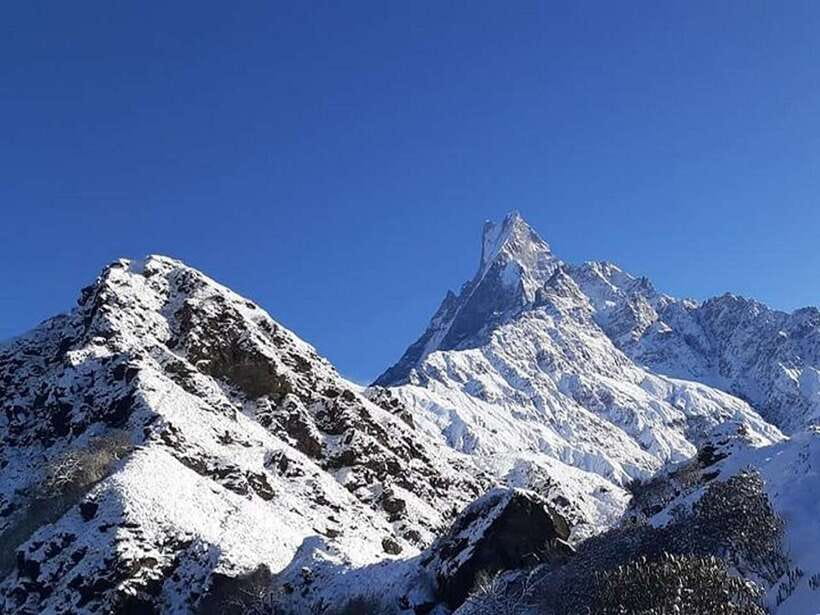
This trek can be physically demanding for some people, and the climbs generally get tougher at the start. If you can walk for several hours and handle some uphill days, you’re likely in the right neighborhood. If you’re recovering from an injury or you have limited endurance, I’d be more cautious and consider adding a porter to help.
Temperatures can vary significantly, and higher altitudes are very cold. You’ll want a jacket and layers you can adjust, plus a hat to protect you from sun and chill. Comfortable shoes matter a lot because your footing is your safety. A camera is also a good call because the views are the point of the trip, not a side benefit.
From a practical gear standpoint, trekking stick and sleeping bag are listed as provided as needed. Even so, I still recommend planning to bring your own essentials. You can adjust based on what the operator provides, but don’t assume it matches your preferred setup.
One reviewer with a knee problem said they were still able to finish, and they mentioned using hiking poles and also recommended Diamox. I cannot tell you to take any medicine, but if you think about altitude medication, ask your clinician first. For most people, the safest and simplest altitude support is steady pacing, hydration, and paying attention to how you feel.
Is this trek a fit for you?
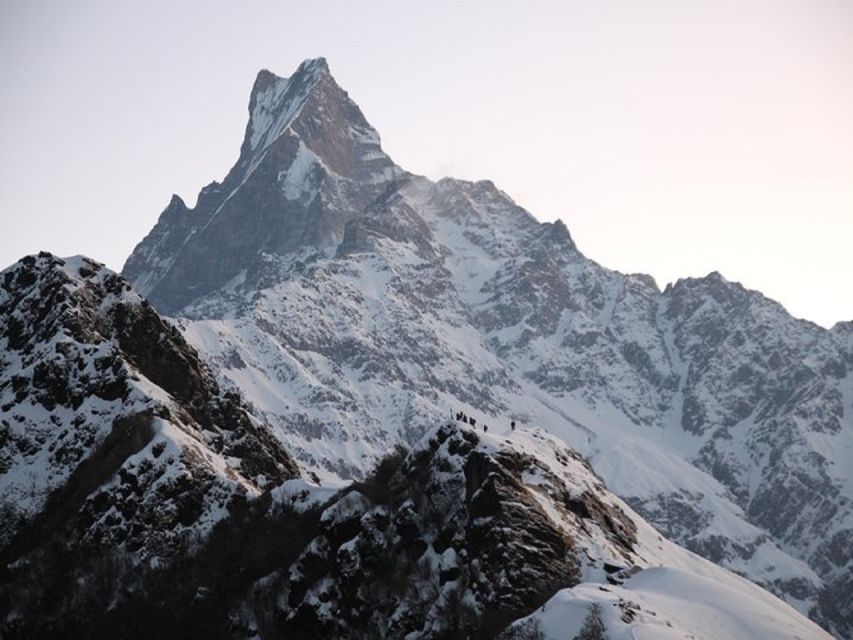
This Mardi Himal Base Camp trek suits you if you want a shorter itinerary that still delivers mountain drama and real closeness to the peaks. It is especially a good match if you like guided travel with enough structure to keep things smooth, but you still want local tea houses, village trails, and sunrise mountain time.
It also fits first-time multi-day hikers better than some longer routes, because the rhythm allows you to settle in. Many people report that the first days feel more challenging and the last days can feel easier to manage, with rest time after lunch.
If your main goal is comfort above all else, you might find tea house nights and cold weather less appealing. And if your schedule is tight, you should know this is five days for a reason: it’s built around pacing and acclimatization, not speed.
Should you book this Mardi Himal trek from Pokhara?
I think it is a smart booking if you want value, guidance, and a real shot at clear sunrise views. The permit inclusion, guide support, and Pokhara pickup and transport make the logistics simpler than DIY. Plus, the route design gives you time to enjoy the mountains instead of treating Base Camp as a quick stop.
Book it if you:
- want guided safety and local knowledge (including examples like Santosh, Sun-Bahadur Nepali, and Niva Nepali)
- enjoy rhododendron forests and village trails before you hit the higher viewpoints
- can handle cold nights and some physically demanding hiking early in the trip
- appreciate tea houses and simple lodging over luxury stays
Skip it or adjust expectations if:
- you are not comfortable with cold at altitude
- you know you need to reduce walking load, in which case you should consider hiring a porter
- you dislike any chance of slow pacing, since the trek rewards steady hiking and rest breaks
If you get your layers right and you pace your first two days with patience, you’ll likely come away with that rare feeling where the mountains don’t just look big, they feel close.
FAQ
Where are the pickup locations in Pokhara?
You can choose pickup from Pokhara Lakeside, Pokhara International Airport (PIA), or Lakeside Rd 6.
Is this trek a private group?
Yes, it is listed as a private group.
How long is the Mardi Himal base camp trek?
The duration is 5 days.
What is the price and is it per person?
The price is listed as $181 per person.
Are trekking permits and TIMS fees included?
Yes. All required trekking permits, paperwork, and TIMS fees are included.
Do you provide a guide, and what languages do they speak?
A professional English-speaking trekking guide is included, and the live tour guide languages are English, Hindi, and Nepali. The guide is certified by the Nepal Government.
What kind of accommodation will I have?
Accommodation is provided in simple tea houses or lodges along the trekking route.
Are meals included during the trek?
Meals are included throughout the trek depending on the option selected. If meals are not included in your option, you can purchase meals on available.
Do I need a porter, and what does it cost if I want one?
A porter is optional. If you hire one, the listed cost is $20 per day.
What paperwork and safety requirements should I plan for?
You need to submit a copy of your passport at least one day before the trek for permit arrangements. Travel insurance is mandatory, and there is a first aid kit included with emergency rescue services available if required.
More treks out of Pokhara
- From Pokhara: Sarangkot Sunrise Himalayas Tour
★ 4.7 · 218 reviews - From Pokhara: 3-Day Ghorepani Poon Hill Trek with Guide
★ 4.9 · 68 reviews - 3-Day Poon Hill Trek from Pokhara.
★ 5.0 · 45 reviews - From Pokhara: 2 Day 1 Night Ulleri,Ghorepani Poon Hill Trek
★ 4.9 · 33 reviews
Latest additions near Pokhara
- Pokhara: Pokhara Highlights Tour by Bus★ 3.6 · 10 reviews
- Discover Pokhara in Style: Private Vehicle Service with Driver★ 5.0 · 5 reviews
- Pokhara in 5 Hours: Lake, Museum, Cave, Falls & Pagoda Hill★ 4.5 · 16 reviews
- 7-Day Trek to Annapurna Base Camp from Pokhara★ 5.0 · 12 reviews
- 4 Day Mardi Himal Base Camp Trek from Pokhara★ 5.0 · 18 reviews
- The World Peace Pagoda in Pokhara★ 4.5 · 7 reviews
- Unique Easy Hiking to Foxing Hill from Pokhara★ 5.0 · 4 reviews
- World Peace Stupa Day Hike From Pokhara★ 5.0 · 4 reviews
Mardi Himal Treks, compared.

Mardi Himal Trek – 8 Days | Hidden Gem of the Annapurnas
Read our review →
Browse the lists this tour appears in