
Reviewed · EVEREST BASE CAMP TREKS
From Kathmandu Budget: 15 Day Everest Base Camp Trek
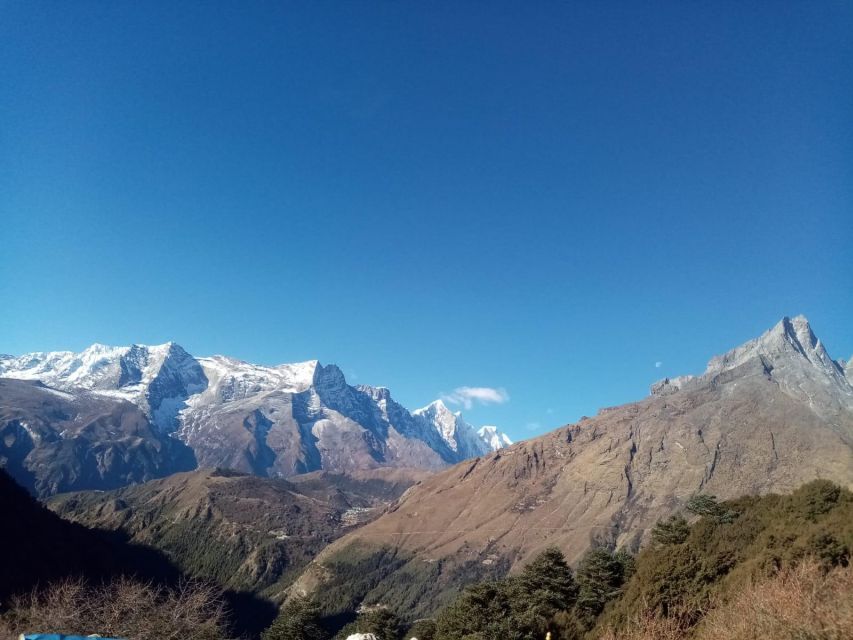
Everest is close, but the trail decides your pace. This 15-day trek from Kathmandu up through Namche Bazaar and beyond ends with Everest Base Camp at about 5,364 meters and a push to Kala Patthar at 5,545 meters. I love the two view moments, the base camp amphitheater feeling and then the high rocky lookout when Everest, Lhotse, and Nuptse line up. The main consideration is altitude and cold, so the fitter you are and the better you manage your pace, the more you will enjoy it.
The trip runs as a private trek with an English speaking guide from Nlook Nepal, plus pick up and transfers arranged for you. Guides like Krisna (who adapts and listens) and Milan (who keeps checking in and can flex the day) are exactly the kind of match you want on a demanding itinerary.
In This Review
- Key Highlights That Make This Everest Trip Feel Different
- Starting From Kathmandu: Jeep and Bus Transfers to Salleri
- Early Trails to Phakding and Namche Bazaar: Bridges, Forests, and First Big Views
- Tengboche Monastery to Dingboche: Culture Stops and Altitude Management
- Lobuche to Everest Base Camp: The Long Push to 5,364 Meters
- Kala Patthar at 5,545 Meters: Everest, Lhotse, and Nuptse Views Up Close
- Returning Through Pheriche and Panboche: Fewer Stresses, Still Higher Terrain
- Namche Back to Lukla and Down to Salleri: Finishing the Loop Without Rushing
- Price and Logistics: What $796 Buys You on This 15-Day Private Trek
- Your Guide Makes the Difference: Krisna and Milan Style of Flexibility
- What to Pack for Cold Nights and High Altitude Steps
- Best Seasons for Everest Base Camp and Kala Patthar Weather
- Who This Trek Fits Best, and Who Might Struggle
- Should You Book This Everest Base Camp and Kala Patthar Trek?
- FAQ
- How long is the Everest Base Camp and Kala Patthar trek?
- Is this experience a private group trek?
- What does the $796 per person package include?
- Are meals included?
- What are the best seasons to go?
- What is the highest point on the trek?
Key Highlights That Make This Everest Trip Feel Different
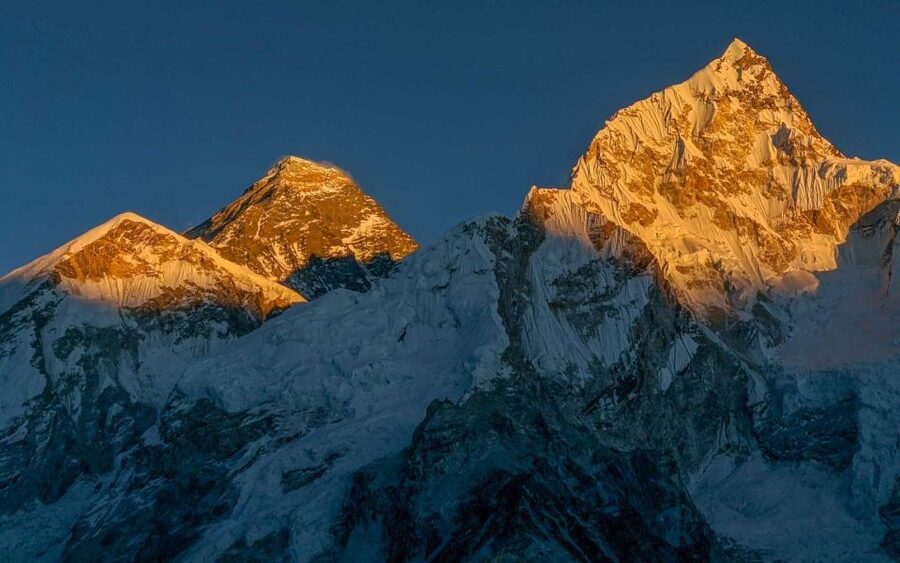
- Kala Patthar viewpoints for sweeping Everest, Lhotse, and Nuptse panoramas, especially around sunrise or sunset.
- Everest Base Camp at 5,364 meters to see the classic staging area for Everest expeditions.
- Rugged trail days with suspension bridges, rocky climbs, and Sherpa village life up close.
- A built-in acclimatization day in Dingboche to help you handle the altitude more safely.
- Flexible private guiding that can adjust the pace to your health and needs.
Starting From Kathmandu: Jeep and Bus Transfers to Salleri
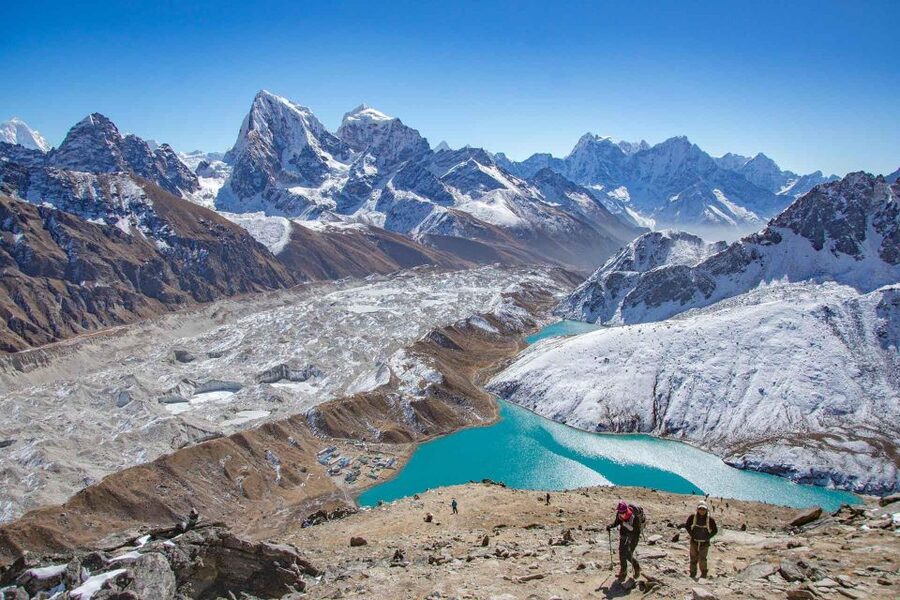
Your trek starts with a long but important “warm up” step out of Kathmandu. Day 1 is a drive by jeep to Salleri, about 10 hours and roughly 266.9 km. You also gain elevation along the way, ending around 2,600 meters.
Day 2 continues the land route by jeep toward the trail area, then it turns into hiking. That first hiking block, heading toward Surkhe, typically takes 7 to 9 hours depending on how your legs feel. I like this approach because it gets your body moving before you get surrounded by the biggest altitude numbers.
One practical point: those road days can be bumpy. Bring layers you can wear and remove quickly, since the temperature swings can be real once you start climbing.
More Everest Base Camp treks:
- Everest Base Camp Trek from Lukla
★ 5.0 · 6 reviews - Guaranteed Helicopter Landing Everest Base Camp Kalapathar
★ 5.0 · 3 reviews - From Kathmandu: Everest Base Camp Landing Helicopter Tour
★ 5.0 · 3 reviews
Early Trails to Phakding and Namche Bazaar: Bridges, Forests, and First Big Views
After Surkhe, the trek pushes onward to Phakding, usually a 6 to 7 hour day. This is where you start picking up the rhythm of the Khumbu trail: steady walking, frequent stops to drink, and a growing sense that everything is slightly steeper than it looks on a map.
From Phakding to Namche Bazaar, expect another 6 to 7 hours and a major climb up to about 3,440 meters. Namche is the region’s hub, and you feel it fast. You will see monasteries in the mix, Buddhist prayer flags, and a constant hum from the Sherpa community and trekking logistics that keep life moving at altitude.
The route description also includes suspension bridges, and you will likely experience that classic “step into the clouds” feeling when you cross over deep gorges. These bridges are not just scenic. They are a mental checkpoint. If you handle those crossings calmly, the higher days feel less intimidating.
If you are someone who needs short, frequent breaks, this is a good place to practice. Stop before you are exhausted. The goal is to save energy for the climb days that come next.
Tengboche Monastery to Dingboche: Culture Stops and Altitude Management
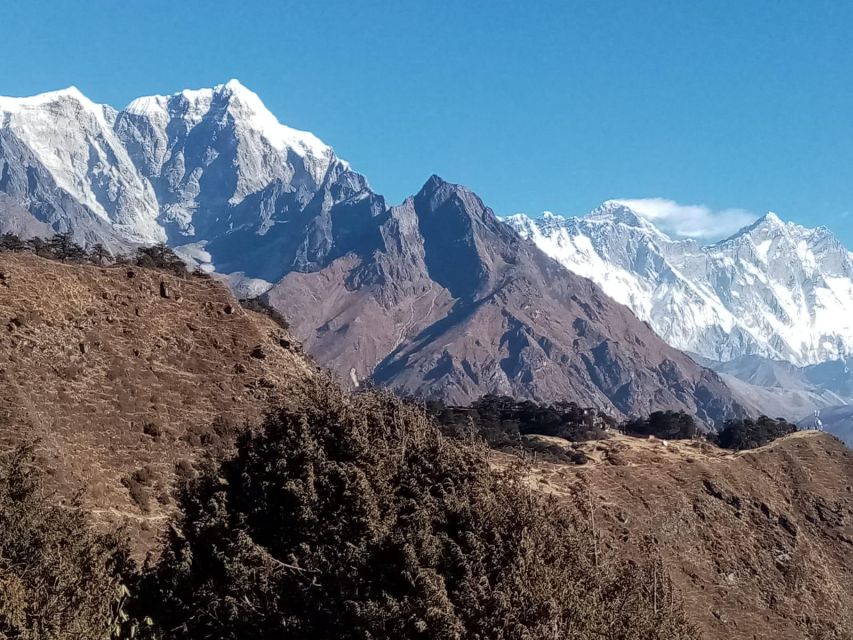
The day to Tengboche Monastery is around 5 hours, reaching about 3,860 meters. This is one of those days where you are walking uphill, but you also get a culture-and-view payoff. Monastery stops matter on this trek because they give your body a reason to pause without feeling like you are “slacking.”
Then you move from Tengboche to Dingboche in about 5 to 6 hours, around 4,350 meters. Dingboche is where the air starts to feel different. If you rush here, you will pay later. If you keep a steady pace, you will have a better shot at enjoying the next stages.
Day 7 is an acclimatization day in Dingboche. This is not “time to nap and forget altitude.” It is the day that helps your body adjust before the climb gets more serious. I like that the itinerary includes this rest-and-adjust block, because it makes the schedule feel more realistic for people who want to enjoy the journey, not just survive it.
Lobuche to Everest Base Camp: The Long Push to 5,364 Meters
The trek to Lobuche takes about 5 hours, climbing to around 4,910 meters. Lobuche feels higher even before you hit the highest elevations, mostly because every breath seems to come with a reminder to slow down.
Then comes one of the most important days, the hike to Everest Base Camp. It’s typically about 8 hours to reach around 5,365 meters, then you continue back to Gorak Shep at about 5,180 meters. This is a full day, and it helps to think of it in two parts: the effort to get there, then the stamina to enjoy the place once you arrive.
At Everest Base Camp (about 5,364 meters), you stand in the shadow of big peaks and you see why this site is the iconic starting point for Everest expeditions. The atmosphere is often quiet in a way that feels different from regular hiking spots. You are surrounded by the mountains’ scale, and the human world feels smaller.
One real tip: eat and hydrate at sensible times. On days like this, it is easy to forget simple needs when your brain is busy staring upward.
More day tours out of Kathmandu:
- Nagarkot Sunrise View and Day Hiking from Kathmandu
★ 5.0 · 471 reviews - Private Bhaktapur and Nagarkot Day Tour From Kathmandu
★ 5.0 · 305 reviews - Day Trip to Bhaktapur and Panauti from Kathmandu
★ 5.0 · 184 reviews
Kala Patthar at 5,545 Meters: Everest, Lhotse, and Nuptse Views Up Close
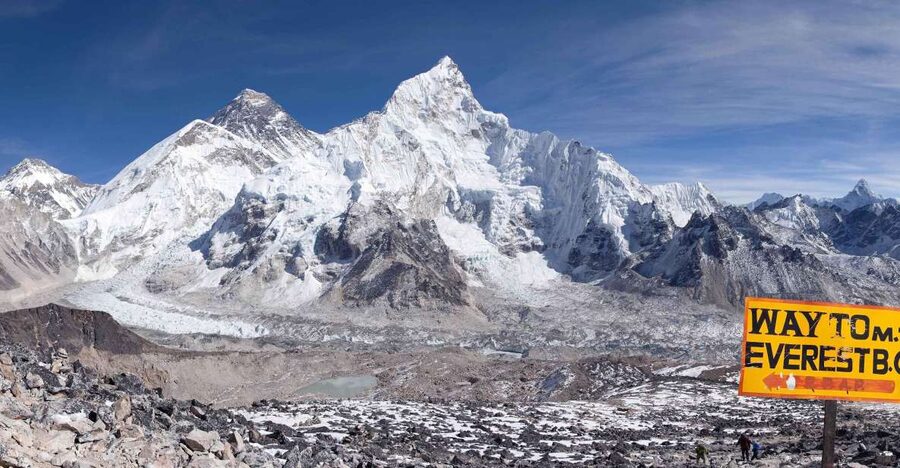
Day 10 is the big visual payoff. You hike up to Kala Patthar, about 7 hours total for the day’s climb to around 5,545 meters, then you continue trekking to Pheriche at about 4,120 meters.
Kala Patthar is a rocky outcrop, and the payoff is the wide panorama. You can see Everest and also neighboring giants like Lhotse and Nuptse, with other peaks showing in the same sweep. The best moments are often around sunrise or sunset, when the light makes the ridgelines look sharper and the whole area feels dramatic.
This is also the day where weather matters. Even in good seasons, it can be cold and visibility can change quickly. If you are the kind of person who plans to “wait until it looks perfect,” build a little flexibility into your mindset. The mountains have their own schedule.
After Kala Patthar, the descent to Pheriche can feel like a relief, but it still takes energy. Plan your body like you just did one of the hardest days. Walking downhill is not a guarantee of comfort, especially after a high-altitude climb.
Returning Through Pheriche and Panboche: Fewer Stresses, Still Higher Terrain
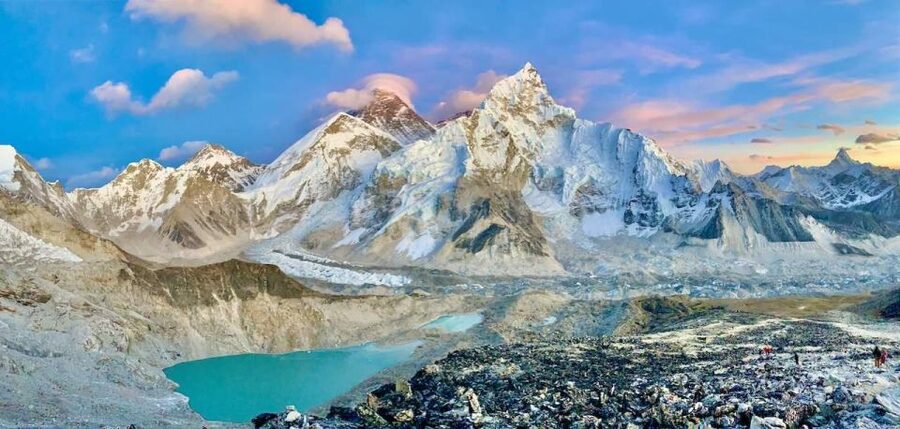
The days after Kala Patthar keep you moving through scenic Sherpa villages and high-altitude settlements. From Pheriche to Panboche is about 5 to 6 hours, reaching around 3,985 meters.
Panboche is the kind of village stop where you can feel the lifestyle of the Khumbu communities. You may notice monasteries and Buddhist symbols in the landscape, plus the prayer flags that flutter around this region. These details are not just decoration. They are part of how people mark life at altitude.
Then you continue from Panboche to Namche Bazaar in about 7 hours, back around 3,440 meters. This is one of those “the route is familiar, but your body isn’t” days. You have already learned the trail’s rhythm, which helps. But your legs still need respect.
Namche Back to Lukla and Down to Salleri: Finishing the Loop Without Rushing
The route from Namche to Lukla takes about 5 to 6 hours, dropping to around 2,860 meters. Lukla feels different after the earlier days, because the altitude numbers start to ease. Still, don’t treat it like a casual walk. Your body has already put in serious time on hard climbs.
Day 14 is a sharing jeep transfer from Lukla back to Salleri, about 7 to 8 hours, ending around 2,400 meters. This is helpful for reducing last-day fatigue, and it gives your knees a break from constant descending.
Finally, Day 15 takes you from Salleri to Kathmandu by sharing jeep or bus, about 10 hours. If you want the trip to end feeling good, keep your hydration consistent on this final run. Travel days are when people get sloppy and then feel it later.
Price and Logistics: What $796 Buys You on This 15-Day Private Trek
At $796 per person for a 15-day private trek, the big value is that you are not paying to assemble the basics yourself. Your package includes hotel pick up and drop off in Kathmandu, round trip transfer by sharing bus or jeep, an English speaking trekking guide, and permits with official documents.
It also covers guide-led food and accommodation during the trek, plus a first aid kit carried for emergencies by the guide, and even a trekking pole. Accommodation is in guest houses along the way, which is the standard style for this trek.
Where cost can grow is not included items. Food and drinks are available to purchase, and travel insurance is not included. Also, emergency rescue is covered by your travel insurance, so you need to make sure your policy matches trekking at these altitudes.
My advice on value: this package looks especially fair if you want a straightforward, guided plan with permits handled. If you already have deep logistics experience and plan to self-arrange transfers and permits, the value changes. But if you want to focus on walking and views, the structure here is a big part of the appeal.
Your Guide Makes the Difference: Krisna and Milan Style of Flexibility
This is a private group experience, so the guide is not just “someone to lead you.” In practice, the guide is your pacing coach and your altitude translator.
The itinerary is clearly set up for movement, but the better guides are the ones who adapt. Krisna is described as serious, listening, and able to adjust to group needs. Milan is highlighted for checking in and putting the traveler first, staying flexible depending on health and needs, and keeping communication clear.
Even without knowing the exact personalities ahead of time, the included guide package is what matters. You are not only getting navigation. You are also getting support for timing, rest choices, and safety habits like carrying a first aid kit and giving practical advice when altitude starts to bite.
What to Pack for Cold Nights and High Altitude Steps
This trek is physically demanding, and the packing list is simple but serious. You will want warm clothing, hiking shoes, hiking pants, and a travel insurance plan. A passport is required, and a copy is accepted, plus you need a passport-sized photo.
I also suggest you treat layers as your main strategy. Even if the day starts mild, the higher you go, the more you will feel the drop in temperature. Your body moves, then it cools fast when you stop for photos or rest.
Also note what is not allowed: pets are not permitted. It keeps the guest-house environment workable and is consistent with how trekking routes are managed.
Finally, the trip is not suitable for wheelchair users and not suitable for pregnant women. If any of these apply, this is not the right route.
Best Seasons for Everest Base Camp and Kala Patthar Weather
The trek can be done throughout the year, but the best time is usually spring (March to May) and autumn (September to November). Those seasons are known for more stable weather and clearer mountain views.
That said, the mountains are not polite. Even in the “good” months, weather changes fast. Plan for cold, potential wind, and changing cloud cover. Your biggest visibility wins often come from starting early on high-view days and staying flexible if the forecast shifts.
Who This Trek Fits Best, and Who Might Struggle
If you want a guided Everest experience with structured pacing, guest house comfort, and a clear route that includes acclimatization, this fits well. The focus on classic Everest landmarks like Everest Base Camp and Kala Patthar is ideal if your priority is seeing the big peaks from the right angles.
You should also be comfortable with long hiking days and altitude. Even though the itinerary includes an acclimatization day, this is still a high-elevation trek with cold nights and a demanding finish at Kala Patthar.
If you are injury-prone, have limited stamina, or you hate slow uphill walking, you will find this tough. In that case, consider a shorter or lower-altitude trek where you can enjoy the scenery without chasing the same altitude numbers.
Should You Book This Everest Base Camp and Kala Patthar Trek?
I think this is a smart booking choice if you want a private, guided trek with transfers and permits handled, and you care about getting to the two biggest view stops: Base Camp and Kala Patthar. The price also feels reasonable for the amount of support included, especially with an English speaking guide, guest house accommodations, and the trekking pole.
I would not book it if you know you need accessibility options, or if pregnancy is part of your situation. I would also think twice if you are not ready to handle cold and altitude stress.
If you do book, pack for real weather, move at the pace your body can handle, and trust the acclimatization day. That is how you turn a hard trek into a memorable one.
FAQ
How long is the Everest Base Camp and Kala Patthar trek?
The trek duration is 15 days.
Is this experience a private group trek?
Yes, it is listed as a private group.
What does the $796 per person package include?
It includes hotel pick up and drop off, round trip transfers by sharing bus or jeep, an English speaking trekking guide, guide food and accommodation, trekking permits and official documents, guest house accommodation during the trek, a private trek setup, a first aid kit with the guide for emergencies, and a trekking pole.
Are meals included?
No. Food and drinks are not included, but they are available to purchase.
What are the best seasons to go?
The best seasons are spring (March to May) and autumn (September to November), when weather is usually more stable and mountain views are clearer.
What is the highest point on the trek?
Kala Patthar is the highest point on this route at about 5,545 meters. Everest Base Camp is about 5,364 meters.
More Treks in Everest Region
- Everest Base Camp Trek: A short EBC Trek to Iconic Himalaya
★ 5.0 · 3 reviews - Everest Base Camp Trek – 14 Days
★ 5.0 · 1,499 reviews - Everest Base Camp Trek
★ 5.0 · 842 reviews - Everest Base Camp Trekking
★ 5.0 · 485 reviews
Latest additions near Everest Region
- Guaranteed Helicopter Landing Everest Base Camp Kalapathar★ 5.0 · 3 reviews
- From Kathmandu: Everest Base Camp Landing Helicopter Tour★ 5.0 · 3 reviews
- Everest Base Camp Trek: A short EBC Trek to Iconic Himalaya★ 5.0 · 3 reviews
- Everest Base Camp Trek from Lukla★ 5.0 · 6 reviews
- Everest Scenic Flight By Buddha Air with Free Hotel Transfer★ 5.0 · 5 reviews
- Kathmandu: 1-Hour Mount Everest Flight with Private Transfer★ 4.7 · 98 reviews
Everest Base Camp Treks, compared.
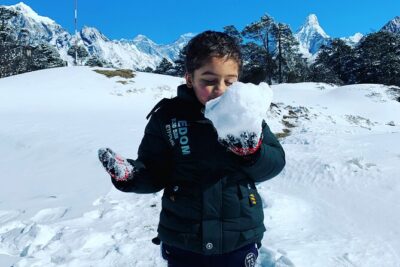
Everest Base Camp Helicopter Tour landing at Everest View Hotel
Read our review →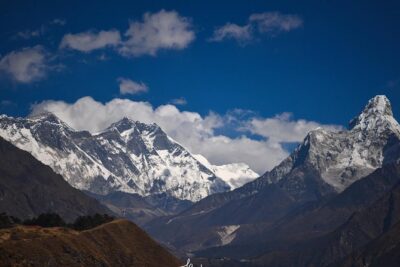
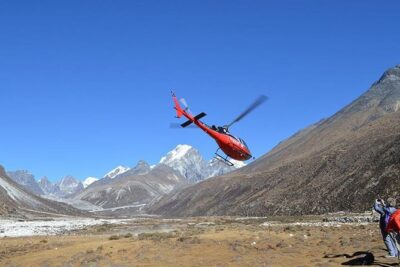
Everest Base Camp Helicopter Tour landing at Hotel Everest View
Read our review →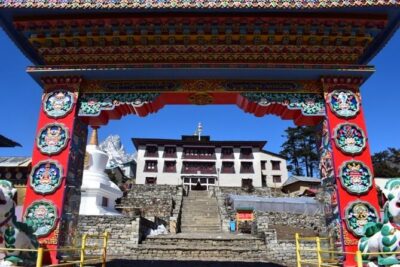
Browse the lists this tour appears in