
Reviewed · EVEREST BASE CAMP TREKS
Everest Base Camp Trek: A short EBC Trek to Iconic Himalaya
Your first Everest view hits hard. This short 9-day Everest Base Camp trek from Lukla threads Sherpa villages and glacier scenery all the way up to 5,364m. I love the acclimatization rhythm built into Namche Bazaar and Dingboche, and I also like the real Everest payoff at base camp plus the Kala Patthar sunrise hike.
One possible drawback is that this trip depends on flight timing and high-altitude stamina. Flights may run through Ramechhap instead of Kathmandu, and you still need to handle days that are about 4 to 5 hours of walking even at altitude.
In This Review
- Quick Key Points to Know Before You Go
- From Kathmandu to Lukla, Where the Trek Really Starts
- What I like about starting this way
- Watch-out
- Phakding to Namche Bazaar, Acclimatization With Real Sherpa Life
- The value of the acclimatization day
- Namche to Tengboche, Monastery Calm at 3,860m
- What to watch for
- Dingboche Acclimatization, Lobuche’s Big Air, and the March Higher
- Lobuche to Gorak Shep, Then Everest Base Camp at 5,364m
- What I’d do on the day you reach base camp
- Kala Patthar Sunrise, Then a Long Descent to Pheriche
- Returning to Namche and Lukla, Finishing Strong
- Price, Lodges, and What You’re Actually Buying for $681
- What the price includes on the trail
- What is not included
- Is it good value?
- Guides, Support, and the Human Parts That Matter at Altitude
- What to Bring, and How to Stay Comfortable in Thin Air
- Packing basics from the provided guidance
- Altitude reality check
- Should You Book This Short Everest Base Camp Trek?
- FAQ
- How long is the Everest Base Camp trek on this itinerary?
- What is the highest elevation you reach?
- What does the trek cost include?
- Are Kathmandu to Lukla flights included?
- What walking level do you need?
- What should I bring for cold and altitude conditions?
Quick Key Points to Know Before You Go
- Namche Bazaar and Dingboche acclimatization days help you adjust without just rushing upward
- Kala Patthar at 5,545m is the sunrise moment for iconic Everest panoramas
- Khumbu Icefall views are a standout during the final push toward base camp
- Guesthouse and trekking lodge stays keep things simple and practical
- A strong guide team matters, and Bold Himalaya has support crews that have impressed, including guides like Ramesh and Palden and coordinator Sobit
- Value is in the inclusions, like meals on the trail, park fees, and trekking gear such as a sleeping bag and down jacket
From Kathmandu to Lukla, Where the Trek Really Starts
For this Everest Base Camp trek, the experience begins before your first step. You fly to Lukla, and that short hop sets the tone: mountains go from distant ideas to something you are actually under.
Here’s the key logistics detail you should plan around. Sometimes flights depart from Ramechhap instead of Kathmandu. If that happens, you should be ready for about a 4-hour drive from Kathmandu to Ramechhap before flying onward to Lukla. It is not optional trivia, it is your day. I’d treat the first day like travel day plus a mental warm-up for altitude.
Once in Lukla, the trek proper starts with a walk to Phakding around 2,610m. This first leg is about settling into the trail and getting used to steady uphill walking without yet feeling the hardest altitude. You are still climbing, but it is controlled.
More Everest Base Camp treks:
- Everest Base Camp Trek from Lukla
★ 5.0 · 6 reviews - Guaranteed Helicopter Landing Everest Base Camp Kalapathar
★ 5.0 · 3 reviews - From Kathmandu: Everest Base Camp Landing Helicopter Tour
★ 5.0 · 3 reviews
What I like about starting this way
- You get the “Himalaya shock” early, without immediately forcing a huge climb.
- The first day is short enough to make your body cooperate, which matters once the trek gets higher.
Watch-out
- If you hate flying days, be realistic. This itinerary is built around that early flight. You also want to give yourself a buffer before international departures, since mountain weather can make timing unpredictable.
Phakding to Namche Bazaar, Acclimatization With Real Sherpa Life
Phakding is where the trek finds its rhythm. You are moving for a few hours, at a pace that feels doable, and it lets you get your pack, boots, and breathing habits sorted.
Then comes Namche Bazaar, climbing to about 3,440m. The walk takes roughly 6 to 7 hours, so this is not just a transfer day. It’s a climb day with views that start to feel huge, and it is a good point to remind yourself: your goal is not to win speed, it is to keep breathing steady.
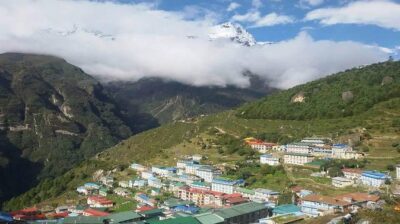
Namche Bazaar is also the heart of Sherpa culture in this region. You’ll see traditional stone and wood teahouses, and you’ll feel how important hospitality is here. It isn’t a museum vibe. Life is lived at the edge of the Khumbu climbing routes.
Most importantly, you also get an acclimatization day in Namche. That extra day is one of the smarter parts of this trek. Instead of stacking altitude gains every single day, you get time for your body to adapt. You’re still at altitude, but you’re not always paying for it with nonstop upward hikes.
More of the Everest region:
- Kathmandu: 1-Hour Mount Everest Flight with Private Transfer
★ 4.7 · 98 reviews - Everest Scenic Flight By Buddha Air with Free Hotel Transfer
★ 5.0 · 5 reviews - From Kathmandu Budget: 15 Day Everest Base Camp Trek
★ 5.0 · 3 reviews
The value of the acclimatization day
This is a “short” EBC trek, meaning you are compressing what many people do across more days. The acclimatization stops are how you keep that compression from turning into a grind. If you are prone to getting winded, this design helps.
Namche to Tengboche, Monastery Calm at 3,860m
From Namche, the trek continues to Tengboche at around 3,860m. Expect about 5 to 6 hours of walking. This day feels like a gradual shift from the market energy of Namche to something more spiritual and quiet.
Tengboche is known for its monastery, and you’ll visit it during the journey. Even if you are not a religious traveler, this stop is worth your time because the monastery is one of the clearest expressions of community in the Khumbu. It also tends to offer excellent big-mountain views when weather cooperates.
What to watch for
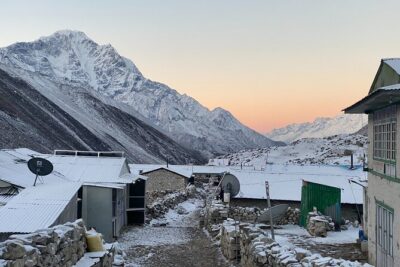
- Tengboche can be cold. Even when the trail feels manageable, mornings and late afternoons can catch you off guard.
- If you are tired, don’t skip rest. This is the kind of place where sitting for a while actually pays off later.
Dingboche Acclimatization, Lobuche’s Big Air, and the March Higher
The next stretch takes you from Tengboche to Dingboche at about 4,410m, roughly 5 to 6 hours. Dingboche sits high enough that you’ll feel your breathing tighten, especially if you walk too fast. This is where I strongly recommend a calm pace and short rests, because you want your legs fresh for what comes next.
You get another acclimatization day in Dingboche. Again, this is not a luxury. In a shorter overall itinerary, acclimatization days are the safety net.
From Dingboche, you go higher to Lobuche at about 4,910m, another 5 to 6 hour hiking day. By now, you’re in the zone where the scenery gets stark and the air gets thin. You start to notice that every extra step costs more effort.
Lobuche is also a staging area before Gorak Shep and Everest Base Camp. It’s a good place to practice your final-day mindset: slow pace, simple meals, early sleep.
Lobuche to Gorak Shep, Then Everest Base Camp at 5,364m
This is where the trek turns from journey into destination.
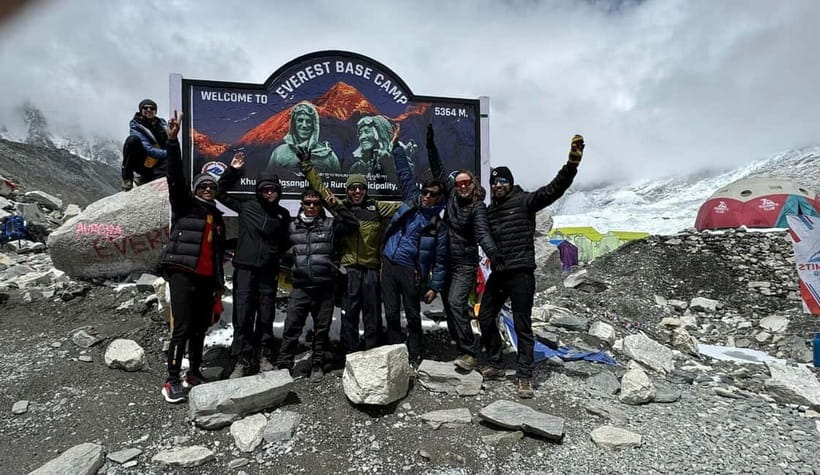
You hike from Lobuche to Gorak Shep, around 5,140m, then continue to Everest Base Camp, reaching a maximum elevation of about 5,364m. Expect about 7 to 8 hours for this day. It is long. The altitude is real. If you move carefully and keep your breathing consistent, you’ll make it.
Gorak Shep is the functional stop before base camp. It helps to think of it as your launchpad. Your energy plan should be simple: hydrate, eat, then focus on the base camp push rather than constantly looking for adrenaline.
And then there is Everest Base Camp itself, the moment you came for. This stretch also brings you into dramatic views near the Khumbu Glacier and the famed Khumbu Icefall. The Icefall is a glacial masterpiece, and seeing it in person is different from seeing photos. It feels massive and fragile at the same time, a reminder that this landscape is alive.
What I’d do on the day you reach base camp
- Take photos, yes, but also pause to just look.
- Do not rush. You’re at altitude and you need time to regulate your breathing before heading back to Gorak Shep.
You’ll stay overnight around Gorak Shep, which sets you up for the sunrise hike the following morning.
Kala Patthar Sunrise, Then a Long Descent to Pheriche
The sunrise hike to Kala Patthar is one of the biggest reasons people love Everest Base Camp treks. You’ll head out early and reach about 5,545m. This extra height compared with base camp can feel steep, not because the route is technical, but because of oxygen levels.
If weather is clear, the reward is a sunrise panorama of Mount Everest and the surrounding giants like Lhotse and Nuptse. Even when clouds roll through, you still get an intense sense of scale, because the mountains keep revealing themselves in layers.
After Kala Patthar, you descend to Pheriche at about 4,371m. This takes roughly 7 to 8 hours. The descent is physically easier than the climb, but it can be tough on knees and calves. Trekking poles help if you use them, and you’ll be grateful for them on the way down.
Pheriche is where your body starts to feel more normal again. Sleep here matters, because you still have two trekking days left to get back.
Returning to Namche and Lukla, Finishing Strong
From Pheriche, you hike back to Namche Bazaar in about 6 to 7 hours. This is a “same trail, new perspective” day. You will see familiar places, but you’ll notice how much higher you’ve been. It is motivating in a quiet way.
Finally, you return to Lukla, again about 6 to 7 hours. Then you fly back to Kathmandu. If your international flight is close, treat that buffer day seriously. Mountain weather and schedules can change, and you don’t want your whole trip timing hanging by a thread.
Price, Lodges, and What You’re Actually Buying for $681
This trek is priced at $681 per person for a 9-day experience. On paper, that can sound like a bargain or a mystery depending on what you expect. The value here comes from the inclusions that matter most for a trek, not just the scenic bragging rights.
What the price includes on the trail
- Guesthouse or trekking lodge stays
- All food: breakfast, lunch, and dinner daily, with each meal including one item
- Some seasonal fruit items
- A well-experienced trekking guide throughout
- Entrance fees, including Sagarmatha National Park and local entrance fees plus TIMS
- A gear kit that is genuinely helpful: sleeping bag, down jacket, duffle bag, and trekking poles if you need them returned after trekking
- A t-shirt or cap and a trip certificate
- A special cultural show and farewell dinner in Kathmandu
- Service charge, official expenses, and government taxes
- Kathmandu airport pick-up and departure related to trekking trips
- Porter arrangement available upon request
- Flights by airplane or by helicopter are mentioned as available upon your request, but the actual Kathmandu to Lukla to Kathmandu flight is also listed as not included, so you should confirm what’s covered for your exact departure and return
What is not included
Drinks and personal expenses are not included, and that includes tea, coffee, and water. Personal adventure gear is also not included, so you still need to pack your own warm layers, socks, and hiking essentials.
Is it good value?
If you want a straightforward trek where food, basic lodging, guide support, and key park fees are handled, the inclusions help. If you are the kind of traveler who prefers to manage everything independently, you might feel boxed in by the package.
For most people, though, the deal is simple. You pay for logistics so you can spend your mental energy on hiking, acclimatization, and those big-mountain moments.
Guides, Support, and the Human Parts That Matter at Altitude
The Everest Base Camp trek is not just about views. It’s about having people who can keep you moving safely and calmly when the air gets thin.
From real experiences associated with this operator, the guide side has been praised for being attentive and capable. Names that come up include Ramesh as a fantastic and attentive guide, and Palden as a helpful guide. The coordinator role has also been highlighted, including Sobit as an excellent trek coordinator who provided support from Kathmandu.
You can’t guarantee personalities, but you can choose operators that take the guide network seriously. Here, it sounds like the team approach is a real focus, not an afterthought.
You also have porter support available upon request. If you carry heavy loads yourself, you’ll feel it more in the long days, especially the day reaching base camp and the descent after Kala Patthar. If you want a bit of breathing room, porters can make the trek feel more like an adventure and less like logistics warfare.
What to Bring, and How to Stay Comfortable in Thin Air
This trek is designed for physically fit travelers. You should be able to walk about 4 to 5 hours a day even at high altitude. If you’re a beginner, you’ll likely want extra days for acclimatization so your body can keep up.
Packing basics from the provided guidance
Bring warm clothing, including a jacket, gloves, and thermal layers. You’ll want hiking shoes, hiking pants, and socks made for walking. Even if the daytime sun feels strong, mornings and nights in the higher sections can be chilly.
Also, take the gear you are provided into account. A sleeping bag and down jacket may be included, so you might not need to carry the heaviest cold-weather items yourself. Still, you should confirm sizes and what’s best for your comfort.
Altitude reality check
The maximum elevation is around 5,364m, with Kala Patthar reaching about 5,545m. That means you should treat fatigue, headache, or unusual symptoms seriously. The itinerary includes acclimatization days and suggests adding 1 to 2 extra days if you want more time in Namche Bazaar and Dingboche. If you know you run sensitive at altitude, consider adding those days. It can turn a stressful trek into a manageable one.
Should You Book This Short Everest Base Camp Trek?
Book it if you want:
- A focused 9-day EBC plan with built-in acclimatization stops
- Big-mountain highlights that include Everest, Lhotse, and Nuptse views, plus base camp and the Khumbu Icefall
- A guided trip that handles key logistics like park fees, meals, and standard lodge stays
- Helpful human support from a guide team and coordinator, with examples like Ramesh, Palden, and Sobit showing up in real experiences linked to this operator
Skip or rethink it if:
- You dislike flying-based itineraries and want land-only options
- You know you need extra time at altitude but don’t want to add days beyond the standard schedule
- You have tight international departure timing, since you’ll want at least a buffer day for weather and schedule changes
If you are fit, go steady, and respect acclimatization, this is a strong “short EBC” choice that still delivers the iconic moments.
FAQ
How long is the Everest Base Camp trek on this itinerary?
The duration is 9 days, including the trek from Lukla up to Everest Base Camp and the return to Lukla and Kathmandu.
What is the highest elevation you reach?
The trek reaches a maximum elevation of about 5,364m at Everest Base Camp. You also hike to Kala Patthar at about 5,545m.
What does the trek cost include?
The package includes guesthouse or trekking lodge stays, all food on the trek (breakfast, lunch, and dinner with one item each time), some seasonal fruit, a trekking guide, park and TIMS fees, and trekking gear such as a sleeping bag, down jacket, duffle bag, and trekking poles if you need them returned. It also includes a cultural show and farewell dinner in Kathmandu, plus airport transfer support related to the trekking trips.
Are Kathmandu to Lukla flights included?
The information lists Kathmandu to Lukla to Kathmandu flights as not included, but it also says flights by airplane (or helicopter) can be arranged upon request. You should confirm exactly what is covered for your dates.
What walking level do you need?
You should be able to walk about 4 to 5 hours a day, even at high altitudes. The trek is designed for physically fit travelers.
What should I bring for cold and altitude conditions?
Bring warm clothing, a jacket, gloves, socks, hiking shoes, hiking pants, and thermal clothing. The trek may provide items like a sleeping bag and down jacket, but you still need to pack your own core clothing and hiking essentials.
More Treks in Everest Region
- Everest Base Camp Trek – 14 Days
★ 5.0 · 1,499 reviews - Everest Base Camp Trek
★ 5.0 · 842 reviews - Everest Base Camp Trekking
★ 5.0 · 485 reviews - Nagarkot Sunrise View and Day Hiking from Kathmandu
★ 5.0 · 471 reviews
Latest additions near Everest Region
- Guaranteed Helicopter Landing Everest Base Camp Kalapathar★ 5.0 · 3 reviews
- From Kathmandu: Everest Base Camp Landing Helicopter Tour★ 5.0 · 3 reviews
- From Kathmandu Budget: 15 Day Everest Base Camp Trek★ 5.0 · 3 reviews
- Everest Base Camp Trek from Lukla★ 5.0 · 6 reviews
- Everest Scenic Flight By Buddha Air with Free Hotel Transfer★ 5.0 · 5 reviews
- Kathmandu: 1-Hour Mount Everest Flight with Private Transfer★ 4.7 · 98 reviews
Everest Base Camp Treks, compared.
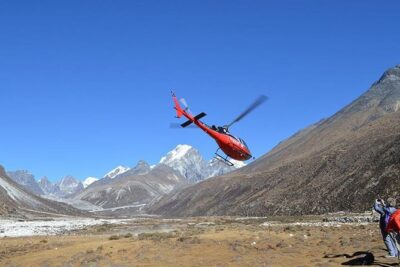
Everest Base Camp Helicopter Tour landing at Everest View Hotel
Read our review →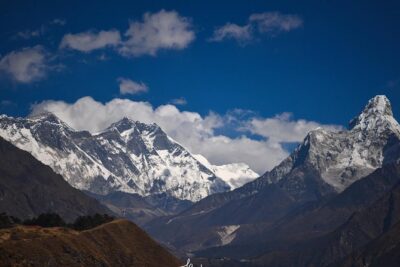
Everest Base Camp Helicopter Tour landing at Hotel Everest View
Read our review →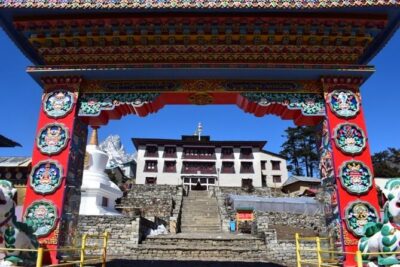
Browse the lists this tour appears in