
Reviewed · MARDI HIMAL TREKS
5 Days Mardi Himal Trek.
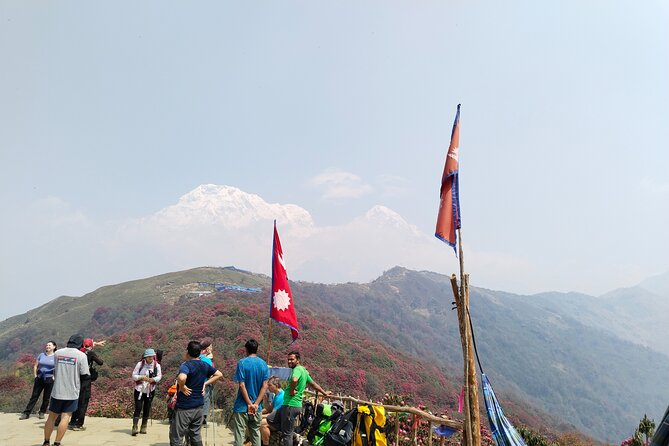
Mardi Himal feels wonderfully off the main paths. This 5-day trek climbs toward about 4,500 meters and mixes Mardi Himal forest walks with big-ridge views, so the route feels pioneering and still a little wild. I also like the guide pairing, Dadhi Ram Thapa, who is experienced, answers questions on the way, and can adjust the route if your group wants something different.
The big consideration is the altitude and steady hiking, so you should come with moderate physical fitness and a plan to move at a comfortable pace for 5 to 6 hours most days.
In This Review
- Key highlights to know before you go
- Why the Mardi Himal route feels different from the usual Nepal treks
- Timing and pacing: what 5 days really means on the trail
- Day 1: Pokhara to Pothana via Melbot, your warm-up into trekking life
- Day 2: Forest Camp, river views, birds, and that cool shaded walking
- Day 3: Mardi High Camp, forest to hills, and the glacier-and-valley payoff
- Day 4: Sunrise at the viewpoint, then trekking on to Siddhing
- Day 5: Lumre’s rural trail, a hanging bridge, lunch, and the drive back to Pokhara
- Included versus not: permits, teahouse stay, guide time, and the meals budget
- Price and value: what $500 covers, and what to add
- What Dadhi Ram Thapa adds to the trek
- Weather, fog, and monsoon-season reality checks
- Packing and altitude tips that make the trek easier
- Who should book this 5-day Mardi Himal trek
- Should you book this Mardi Himal trek?
- FAQ
- Where does the Mardi Himal trek start?
- What time does the tour start?
- How long is the trek?
- Is teahouse accommodation included?
- Are meals included in the price?
- What is the trekking fitness level needed?
- Is the guide included, and is the guide English-speaking?
- Are permits included?
- Is this a private tour?
- What is the cancellation policy?
Key highlights to know before you go
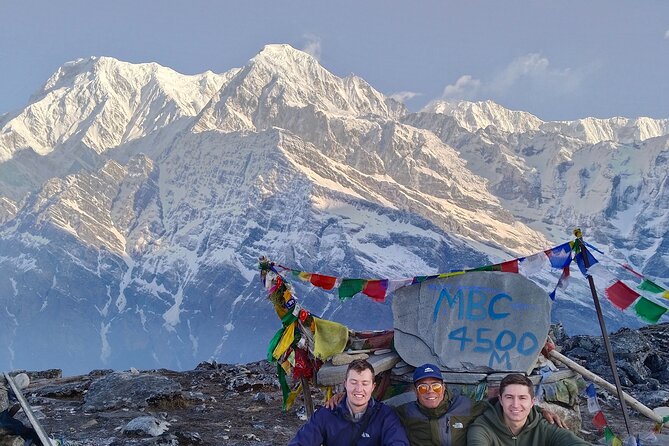
- A route aimed at about 4,500 meters for that classic high-altitude trek feeling
- English-speaking trekking guide (Dadhi Ram Thapa) who keeps things clear and flexible
- Sunrise viewpoint morning with mountain views before you drop back to breakfast and continue
- Forest-to-hills walking plus glacier views from the higher camp approach
- Teahouse nights that are basic but part of the charm of this kind of trek
- Meals are on you (plan for about $30 per day per person for food and drinks)
Why the Mardi Himal route feels different from the usual Nepal treks
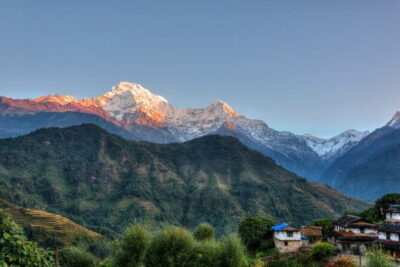
Mardi Himal has a reputation for being more exploratory than the big-name routes. You hike far enough into the mountains to feel the change in air and the shift from village life to trail life, with less of the constant bustle you get on the most crowded paths.
What I like most here is the way the trek is paced through different terrain. You start with lower trail days, then build up to the higher camps, and finally you finish with a village trek back toward Lumre and Pokhara. That progression matters because you are not just grinding uphill day after day.
And yes, you do get the kind of atmosphere people chase in Nepal: foggy forest moments, birdsong, and those quiet stretches where it feels like the mountains are the main event.
More Treks in Pokhara
- Poon hill Trek 3 days
★ 5.0 · 176 reviews - Trekking in Annapurna/Langtang/Everest/Upper Mustang regions
★ 5.0 · 161 reviews - Pokhara: 4-Day Ghorepani, Poonhill & Ghandruk Mountain Trek
★ 5.0 · 132 reviews
Timing and pacing: what 5 days really means on the trail
This trek runs for about 5 days, starting around 8:30 am. You will spend roughly 5 to 6 hours walking on most days, so plan your expectations around steady footwork rather than quick photo stops every two minutes.
The itinerary is also built with practical day structure. Most days start with breakfast at the teahouse, then you hike to the next stop, settle in, and repeat. Early morning is a key theme on Day 4, when you head out for a sunrise viewpoint.
If you are the type of traveler who wants total control over pace, you will likely appreciate that the guide can be flexible and adjust the route based on group preferences. That does not mean you should expect a completely different trek every day, but it can help if your group moves slower or faster than average.
Day 1: Pokhara to Pothana via Melbot, your warm-up into trekking life
Day 1 begins with transport from Pokhara toward Melbot by private vehicle, then you trek to Pothana for about 5 hours. This is a helpful first day because it gets your legs working without jumping straight into the steepest part of the trek.
You are also easing into the teahouse rhythm. Even on a first day, the teahouse format shapes the whole experience: simple lodging, basic comforts, and the focus shifting to being present instead of chasing amenities.
A small practical note: since meals are not included, Day 1 is when you’ll want to be mentally ready for paying for food and drinks at teahouses. It is normal on treks, but it helps to budget from the start.
Day 2: Forest Camp, river views, birds, and that cool shaded walking
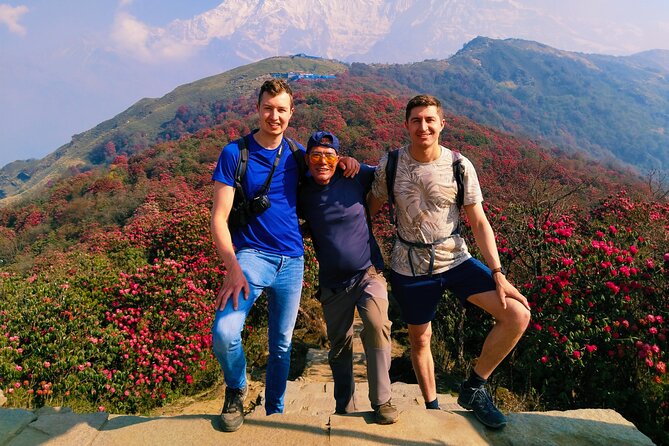
Day 2 starts after breakfast and brings you to Forest Camp, about a 5-hour hike. This is where the trek leans into nature, with mountain views, a river in the mix, and walks between forest sections.
I like Day 2 because it balances views with comfort. Forest walking can feel cooler and more forgiving on the eyes, and it often creates that sense of being surrounded rather than just looking at distant peaks.
One caution: the forest can also mean damp ground, especially if you are trekking during wetter months. Even when conditions are manageable, you want shoes with good grip and socks that can handle getting wet.
More Mardi Himal treks:
- Pokhara: 4-Day Mardi Himal Trek
★ 4.9 · 59 reviews - Private Mardi Himal Trek
★ 5.0 · 42 reviews - From Pokhara: 4-Day Mardi Himal Base Camp Trek
★ 4.9 · 31 reviews - Mardi Himal Trek
★ 5.0 · 30 reviews
Day 3: Mardi High Camp, forest to hills, and the glacier-and-valley payoff
On Day 3 you hike about 6 hours from breakfast toward Mardi High Camp. The route is described as about half forest walk and half hill walking, which is a great way to experience how the terrain changes as you gain altitude.
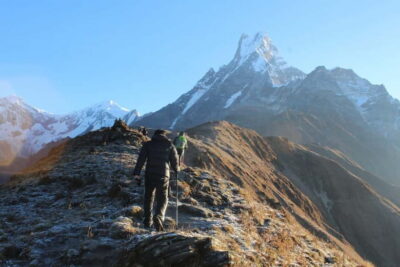
This is also one of the best view-building days. You get mountain views on both sides, plus glimpses of valley and river scenes, and higher up you are looking at glacier views. This is the day where the trek starts to feel more like a high-mountain journey and less like a long nature hike.
If you are prone to getting out of breath, Day 3 is the day to practice patience. Move steady, keep your stops brief, and treat your pace as part of your safety plan.
Also, since the trek is aimed toward about 4,500 meters overall, your hydration habits matter. You do not need to overthink it, but you do want consistent water intake and a snack routine so you do not crash midway.
Day 4: Sunrise at the viewpoint, then trekking on to Siddhing
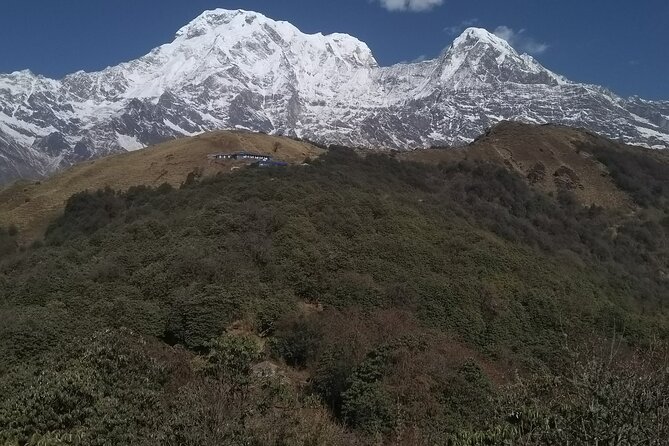
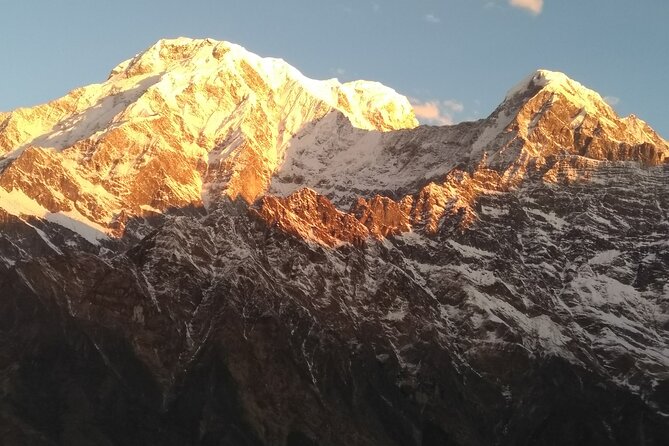
Day 4 starts early for a viewpoint sunrise. You go out to see the morning light, enjoy the mountain views, then head back to a teahouse for breakfast before trekking on to Siddhing, about 6 hours.
This day is popular for good reason. Sunrise viewpoints create a special kind of attention, where you stop rushing and simply watch the mountains turn from shadow into detail. If you have ever wanted that cinematic Nepal feeling, this is where it fits in.
After sunrise, you still have a full hiking day. So the trick is to enjoy the viewpoint without burning all your energy in the cold. Bring a layer you can comfortably wear in the early hours, and then have a plan for adjusting as the day warms up.
From a trip quality standpoint, Day 4 is also nice because it offers both a peak moment and forward movement. You get the reward, then you still keep momentum toward the final descent and village trek.
Day 5: Lumre’s rural trail, a hanging bridge, lunch, and the drive back to Pokhara
Your final day mixes trekking and local scenes. You start with breakfast, trek to Lumre for about 6 hours, then enjoy lunch at Lumre before driving back to Pokhara to end the trip.
This is where the experience turns social and village-based. The route includes walking through rural village areas and crossing a hanging bridge, which is often the kind of moment that makes people remember the trek even after the views fade a little.
Lumre lunch is also a useful transition point. It gives you a sense of finishing well, not just stumbling out of the mountains and hoping you can find a meal somewhere.
Because transport back to Pokhara is included, you do not need to worry about logistics at the end of your trek day. That matters when you are tired, and it keeps the finish from feeling stressful.
Included versus not: permits, teahouse stay, guide time, and the meals budget
This trek includes TIMS and permits, teahouse accommodation, an English-speaking trekking guide, and the necessary transportation. You also get hotel pickup and drop off, which is a big convenience benefit when you arrive in Pokhara.
What is not included is all meals and drinks. Plan for food and drinks at about $30 per day per person, plus optional tips and gratitude.
That meals-and-drinks part is the one cost area that can surprise people. The trek feels like a set itinerary, but your daily eating budget becomes part of your total trip cost. The upside is flexibility: you can eat what you want at the teahouses and avoid overpaying for packaged stuff.
If you like to snack while hiking, bring your own small energy items if allowed by your packing style. Just remember that you still need to buy meals somewhere, since the trek is designed around teahouse life.
Price and value: what $500 covers, and what to add
At $500 per person for roughly 5 days, this price includes a lot of the hard logistics: permits, teahouse accommodation, an English-speaking guide, and transportation plus hotel pickup and drop off.
The main thing to add to your mental math is meals and drinks. With an estimated $30 per day per person, you could be looking at around $150 for food and drinks over the trek, before tips. That would put a more realistic all-in expectation in the ballpark of about $650 per person, depending on how you eat and drink.
Does that make it a good value? For me, yes, because you are paying for more than walking time. You are paying for the guide to manage route decisions, the permit paperwork, and the transport connections out of Pokhara. If you’ve ever tried to piece that together yourself while trekking, you already know it adds up fast.
One more value point: it is a private tour/activity, meaning only your group participates. That usually translates into less waiting, fewer mismatched paces, and more control over how you spend your day.
What Dadhi Ram Thapa adds to the trek
The guide experience matters on a trek like this. Dadhi Ram Thapa is described as having a lot of trekking experience, and that shows in the day-to-day flexibility. He can answer questions along the way, and he can change the route if your group’s preferences call for it.
That kind of responsiveness is more than friendly service. It can help you adjust your expectations if conditions feel different than planned, or if your group wants a slightly different balance of views versus hiking time.
For you, that means you are not just following tracks. You have a real person who can interpret what you are seeing and explain the surrounding area as you move through it.
Weather, fog, and monsoon-season reality checks
One of the most useful things I learned from the experience is that the trek can be done during monsoon season. The result can include mysterious foggy forest walks, and the views can still be amazing if conditions cooperate.
That said, monsoon is not the time for sloppy footwear or a last-minute packing plan. Expect moisture, reduced visibility at times, and potentially slippery footing. If you are going, treat weather as part of the itinerary, not an optional detail.
If you hate cold mornings, plan to dress in layers for early starts. If you hate wet gear, keep a small plan for drying or storing damp items after hiking.
And remember, fog can hide distant peaks, but it can also make the forest feel more magical. You just need the right mindset.
Packing and altitude tips that make the trek easier
Since the route is aiming toward about 4,500 meters, think in practical altitude terms. You do not need fancy gear, but you do need the basics that keep you comfortable and steady.
Good priorities:
- Warm layers for early morning and sunrise time
- Footwear with reliable grip for forest and hillside sections
- A way to keep your hands and feet comfortable on cold mornings
- Water habits that are consistent, not occasional
- Snacks you can tolerate while walking, since you are buying meals daily
Also, do not underestimate the impact of daily walking time. Even when days are only 5 to 6 hours, you are on trails most of that time, so pace yourself and take short breaks before you feel exhausted.
A small humor tip I live by: if you plan your comfort like a professional, you will enjoy the trek like an amateur on a great vacation.
Who should book this 5-day Mardi Himal trek
This trek fits best if you are:
- A moderate hiker who can handle 5 to 6 hours of walking most days
- Interested in a route with a more pioneering feel rather than constant crowds
- Happy with teahouse stays and paying for meals and drinks on the trail
- Looking for glacier and viewpoint moments, especially the sunrise start on Day 4
You might think twice if you:
- Struggle with altitude hikes and steady uphill walking
- Want a luxury lodge experience with all meals included
- Are traveling without the fitness base for long trail days
If you are flexible, though, this route rewards you with a mix of forest, hill walking, and high views that feel like they were earned.
Should you book this Mardi Himal trek?
Book it if you want a classic Nepal mountain experience with teahouse nights, a well-structured 5-day progression, and a guide who can answer questions and adjust the route when needed. The value makes sense because permits, accommodation, and transport are wrapped into the price, and the sunrise viewpoint is the kind of payoff that feels worth planning around.
Skip it if your hiking comfort level is low or you do not want to manage altitude and daily walking time. Also, if you dislike budgeting for meals daily, you’ll need to rethink your overall trek budget before you commit.
If you’re ready for steady trail days and you like the idea of forest-to-glacier scenery, this is a strong choice for a Mardi Himal trek that feels both scenic and grounded.
FAQ
Where does the Mardi Himal trek start?
The trek starts from Pokhara. You’ll have hotel pickup and then private transport takes you toward the starting point for the first trekking day.
What time does the tour start?
The meeting time is 8:30 am.
How long is the trek?
It is about 5 days.
Is teahouse accommodation included?
Yes, teahouse accommodation is included for the trek nights.
Are meals included in the price?
No. All meals and drinks are not included, and you can expect them to be available for purchase (about $30 per day per person).
What is the trekking fitness level needed?
The trek is listed for travelers with moderate physical fitness.
Is the guide included, and is the guide English-speaking?
Yes. An English-speaking trekking guide is included.
Are permits included?
Yes. TIMS and permits are included.
Is this a private tour?
Yes. It is private, and only your group participates.
What is the cancellation policy?
You can cancel for a full refund up to 24 hours before the experience’s start time. If you cancel less than 24 hours before, the amount paid is not refunded.
Latest additions near Pokhara
- Pokhara: Pokhara Highlights Tour by Bus★ 3.6 · 10 reviews
- Discover Pokhara in Style: Private Vehicle Service with Driver★ 5.0 · 5 reviews
- Pokhara in 5 Hours: Lake, Museum, Cave, Falls & Pagoda Hill★ 4.5 · 16 reviews
- The World Peace Pagoda in Pokhara★ 4.5 · 7 reviews
- 7-Day Trek to Annapurna Base Camp from Pokhara★ 5.0 · 12 reviews
- 4 Day Mardi Himal Base Camp Trek from Pokhara★ 5.0 · 18 reviews
- Unique Easy Hiking to Foxing Hill from Pokhara★ 5.0 · 4 reviews
- World Peace Stupa Day Hike From Pokhara★ 5.0 · 4 reviews
Mardi Himal Treks, compared.

Mardi Himal Trek – 8 Days | Hidden Gem of the Annapurnas
Read our review →
Browse the lists this tour appears in