
Reviewed · MARDI HIMAL TREKS
4 Days Mardi Himal Base Camp Trekking in Pokhara
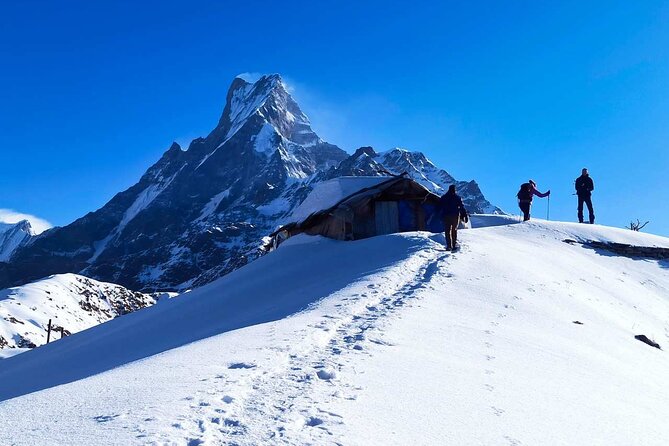
Mardi Himal stays surprisingly quiet. This 4-day trek from Pokhara is built around scenic early starts and a guided route that aims for big views without the big-tour chaos.
I especially like the practical setup: hotel pickup and drop off, private transport to Kande, and a clear step-by-step plan for reaching the base camp. One thing to consider up front, though, is that this is still a serious walking trek, and meals are not included (plan on budget for food each day).
In This Review
- Key things to know before you go
- Mardi Himal Base Camp Trekking from Pokhara, the “quiet views” choice
- Price and value: what $245 covers (and what to budget)
- Crystal Holidays Nepal and your guide support on mountain trails
- Day 1: Pokhara to Kande, then Kande to Forest Camp
- Day 2: Forest Camp to High Camp through rhododendron country
- Day 3: High effort day, reach Mardi Himal Base Camp and return
- Day 4: Siding Village downhill, then sharing jeep back to Pokhara
- What’s included that actually helps you on a trek
- Meals, supplies, and the pacing reality
- Who should book this Mardi Himal trek?
- Booking timing and how far ahead to plan
- Should you book this 4-day Mardi Himal Base Camp trek?
- FAQ
- What is the duration of the Mardi Himal Base Camp trekking experience?
- Where does the trek start and end?
- How much does the trek cost?
- Does the trek include permits?
- Is an English speaking guide included?
- Are meals included in the price?
- Where will you stay during the trek?
- Is this trek private?
- What is the cancellation policy?
Key things to know before you go
- English-speaking trekking guide for clearer trail decisions and safer pacing
- Kande to Forest Camp to High Camp, with enough structure to avoid guesswork
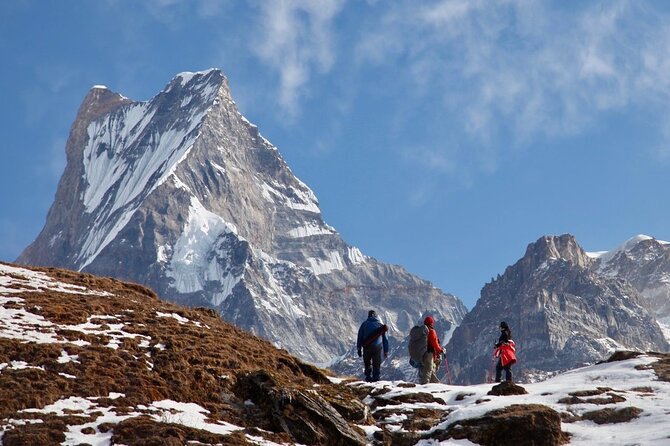
- Rhododendron forest mornings that feel calm, not hectic
- Guest house stays included, so you are not hunting for lodging each night
- Downhill to Siding Village on day 4, followed by a sharing jeep back to Pokhara
Mardi Himal Base Camp Trekking from Pokhara, the “quiet views” choice
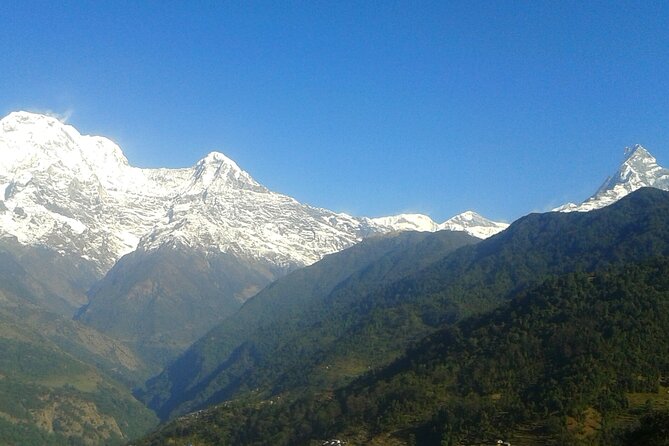
If you want Himalaya scenery without the feeling of being herded, Mardi Himal is a smart target. The trek is short enough to fit into a 4-day window, but it still gives you that satisfying rhythm: start early, walk through the forest, climb toward camp, then wake up again for the next viewpoint.
What makes this particular trek appealing is how it’s organized for you. You do not have to piece together transport from Pokhara, figure out permits, or wonder where the day ends. The plan lines up hotel pickup, a private car to Kande, day-by-day trekking legs, and guest house lodging, then finishes with a practical ride back to Pokhara.
You also get the kind of guide support that matters on mountain trails. The trek includes an English-speaking trekking guide, which is more than comfort. It helps you understand the day’s plan, manage your pace, and make better calls about breaks, footing, and the order of things when the weather shifts.
More Treks in Pokhara
- Poon hill Trek 3 days
★ 5.0 · 176 reviews - Trekking in Annapurna/Langtang/Everest/Upper Mustang regions
★ 5.0 · 161 reviews - Pokhara: 4-Day Ghorepani, Poonhill & Ghandruk Mountain Trek
★ 5.0 · 132 reviews
Price and value: what $245 covers (and what to budget)
At $245 per person for a 4-day trek, the value mostly comes from what you are not doing yourself. The package includes hotel pickup and drop off in Pokhara, trekking permits (TIMS plus the trekking permit), and the guide. It also covers transport on both ends: Pokhara to Kande by private car, then Siding back to Pokhara by sharing jeep.
You also get accommodation in a guest house, which you might otherwise pay for separately while trying to coordinate lodging yourself. That matters on a short trek, because every saved logistical step makes the trip feel lighter.
Here is what you should plan and budget for:
- Meals are not included. The listed estimate is about 3500 NPR per person per day.
- Gratitude is not included, which is common in Nepal. If you like good service, plan something you feel comfortable giving.
If you are comparing options, I would treat the “all-in” part as the real deal. A guided, permit-supported trek with transport and lodging built in is usually where costs add up for independent travel.
Crystal Holidays Nepal and your guide support on mountain trails
This trek is run by Crystal Holidays Nepal, and the standout detail here is the guide setup. You get an English speaking trekking guide, and the trek is described as private, meaning your group is the only group participating in the activity.
That matters most if you are traveling with questions, or if you want someone to help you stay calm when the trail gets steep. One piece of feedback in the available reviews points to comfort for solo travelers too. A solo woman traveler, Jeeyoon, said she specifically wanted a reputable guide so she would feel safe trekking multiple days on her own. That’s not a guarantee for every situation, but it is a strong sign that the guide role is taken seriously here.
Practical tip: an English-speaking guide is helpful for more than conversation. It helps with timing, clarifying route choices, and understanding what you can expect next so you do not waste energy guessing.
Day 1: Pokhara to Kande, then Kande to Forest Camp
Day 1 is your first hand-on mountain day. You start with pickup from your hotel, then travel from Pokhara to Kande by private transport. After you reach the trekking start point, you begin walking through the route that passes Australian Camp, and then continues toward Forest Camp.
The trek time is listed as about 6 hours. That is a solid first day, especially if you are adjusting to different trail textures and the reality that your body is now working for longer than a normal walk.
What I like about this first stage is that it sets the tone. You get the “we are really doing this” climb without jumping straight into the hardest part. The progression toward Forest Camp gives you time to get into a steady pace, and the day includes the setup you need to sleep well and recharge for the next morning.
A consideration: first days on new trails can feel longer than you expect. If you tend to rush, remind yourself that saving energy on day 1 makes day 2 and day 3 easier.
More Mardi Himal treks:
- Pokhara: 4-Day Mardi Himal Trek
★ 4.9 · 59 reviews - Private Mardi Himal Trek
★ 5.0 · 42 reviews - From Pokhara: 4-Day Mardi Himal Base Camp Trek
★ 4.9 · 31 reviews - Mardi Himal Trek
★ 5.0 · 30 reviews
Day 2: Forest Camp to High Camp through rhododendron country
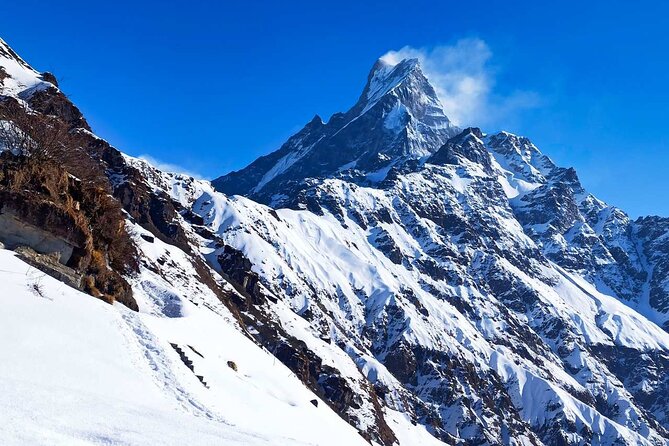
Day 2 starts early from Forest Camp and heads toward High Camp, with a listed trek duration of about 6 hours. The route is noted for rhododendron forests, serene stretches, and excellent mountain views.
This is one of the days where early starts pay off. When you leave in the morning, you often get better visibility, cooler temperatures, and a calmer feel on the trail. Even if the day is physically similar to day 1, the change in scenery helps your brain stay engaged.
Why this matters for you: rhododendron forest walking tends to be more forgiving visually. It is not only about the plants, it is that the trail environment often feels rhythm-friendly, especially compared with bare, exposed sections.
Potential drawback: rhododendron forests can still mean slippery footing depending on weather. You will want steady shoes and careful steps, especially when the trail surface is damp.
Day 3: High effort day, reach Mardi Himal Base Camp and return
Day 3 is your longest, most important day. You start early for Mardi Himal Base Camp with ample time to take in the views, then return to Low Camp. The day is listed at about 8 hours.
This is the classic base camp feeling, the moment where your earlier climbs and camp nights start to make total sense. You are not just walking for exercise. You are walking for that panoramic payoff, and the day is planned to give you time to enjoy it rather than racing straight through.
For many people, this is where fatigue can build. An 8-hour day at altitude and on uneven trail can be tough, even if you are fit. Your best strategy is simple: keep your pace controlled, take small breaks before you feel crushed, and treat the return leg like a separate workout.
Also, start early enough that you are not rushing the final stretch. If clouds roll in or the weather changes, patience becomes your advantage.
Day 4: Siding Village downhill, then sharing jeep back to Pokhara
Day 4 shifts gears. You trek downhill to Siding Village, passing through lush forest and enjoying a calmer, serene atmosphere. The day is listed as about 9 hours, which might sound long, but downhill walking can be easier on your effort even if it still demands attention.
From Siding Village, a sharing jeep is arranged to take you back to Pokhara, finishing your trek.
This is a day you will feel in your legs, not your lungs. Going downhill can be hard on knees and shins, so plan for slower steps, short rests, and plenty of water. If you have hiking poles, they can be a huge help for downhill control.
Practical tip: treat day 4 as your “finish strong” day, not your “make up time” day. People often go too fast downhill because they finally see the end, then pay for it later.
What’s included that actually helps you on a trek
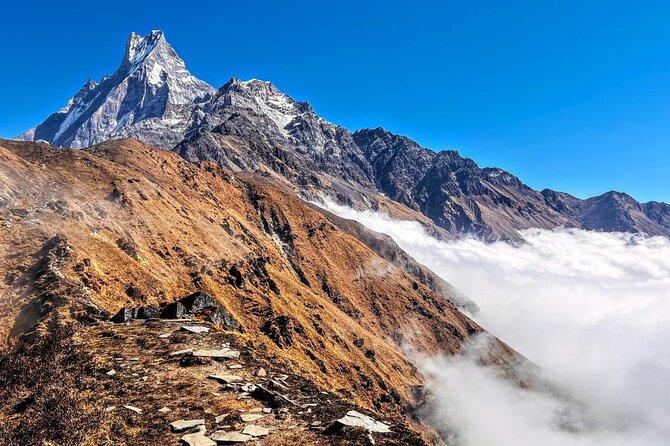
The included items look simple on paper, but in real life they reduce stress in big ways:
- Trekking permits and TIMS are included. That means less scrambling for paperwork and fewer chances of delays.
- A guide is included, plus English support. You get clearer route choices and better pacing.
- Pokhara to Kande is by private car, so you start the trek without a complicated scramble.
- Siding to Pokhara is by sharing jeep, so you do not have to negotiate transport at the end.
- Guest house accommodation is included, which keeps day-to-day logistics straightforward.
One more perk: the tour is described as private and only your group participates. If you like your own pace and want fewer interruptions, that structure tends to feel better than mixed group formats.
Meals, supplies, and the pacing reality
Meals are not included, with a daily estimate of about 3500 NPR per person. That means you should budget for breakfast, lunch, and dinner on the trail days. Guest houses often have simple dining options, but you should expect basic food and plan to eat what is available rather than what you wish existed.
For supplies, the trek is short, but the demands are real. You will want:
- Comfortable hiking shoes with decent grip
- Layers for early morning chill and warmer midday periods
- Water, plus a way to manage hydration consistently
- A light daypack for your essentials while you walk
Fitness note: the trek is suggested for travelers with moderate physical fitness. That usually means you should be comfortable with several hours of walking daily, climbing and descending on a trail.
Who should book this Mardi Himal trek?
This trek is a good fit if you:
- Want a short, well-structured Himalayan trek instead of a longer multi-week commitment
- Prefer a guided setup with permits handled and transport planned
- Like the idea of calmer trail days and views that come from early starts
It is especially appealing for solo travelers who want safety and clarity. The solo woman traveler feedback I saw highlighted the value of booking a reputable guide when you are not going with a group.
If you hate long days of walking or you have trouble with downhill impact, you might find day 3 and day 4 challenging. But the route structure does give you a plan, and you can pace yourself.
Booking timing and how far ahead to plan
The average booking window is listed as about 41 days in advance. That is a useful clue. If you have fixed travel dates, booking ahead helps you lock in the trek plan and avoids last-minute availability issues.
If you want flexibility, the cancellation terms are described as free cancellation, with a full refund if you cancel at least 24 hours before the experience starts.
Should you book this 4-day Mardi Himal Base Camp trek?
Yes, if you want an organized, guided trek that focuses on mountain viewpoints, forest walking, and a practical return to Pokhara, this is worth serious consideration. The included permits, guide, and transport remove the biggest headaches people face when they try to do something like this on their own.
I would book it when you:
- Can commit to several hours of walking per day
- Are okay budgeting for meals (about 3500 NPR per person per day)
- Want a reputable, English-speaking guide for peace of mind
I would think twice if you are extremely knee-sensitive on downhills or you are looking for a fully “easy stroll” trek. This is scenic, but it still asks for effort.
If you match that fitness level and you like the idea of Mardi Himal’s calmer feel, you are likely to come away with one of Nepal’s better value base camp style experiences.
FAQ
What is the duration of the Mardi Himal Base Camp trekking experience?
The trek lasts 4 days, with daily walking durations listed across the route.
Where does the trek start and end?
It starts in Pokhara with pickup, then travels to Kande for the trek. It ends with a jeep ride from Siding Village back to Pokhara.
How much does the trek cost?
The price is $245.00 per person.
Does the trek include permits?
Yes. Trekking permit and TIMS are included.
Is an English speaking guide included?
Yes, an English speaking trekking guide is included.
Are meals included in the price?
No. Meals are not included, and the listed estimate is about 3500 NPR per person per day.
Where will you stay during the trek?
You stay in guest houses, and accommodations are included.
Is this trek private?
Yes. It is listed as private, with only your group participating.
What is the cancellation policy?
Free cancellation is available. You can cancel up to 24 hours in advance for a full refund.
Latest additions near Pokhara
- Pokhara: Pokhara Highlights Tour by Bus★ 3.6 · 10 reviews
- Discover Pokhara in Style: Private Vehicle Service with Driver★ 5.0 · 5 reviews
- Pokhara in 5 Hours: Lake, Museum, Cave, Falls & Pagoda Hill★ 4.5 · 16 reviews
- The World Peace Pagoda in Pokhara★ 4.5 · 7 reviews
- 7-Day Trek to Annapurna Base Camp from Pokhara★ 5.0 · 12 reviews
- 4 Day Mardi Himal Base Camp Trek from Pokhara★ 5.0 · 18 reviews
- Unique Easy Hiking to Foxing Hill from Pokhara★ 5.0 · 4 reviews
- World Peace Stupa Day Hike From Pokhara★ 5.0 · 4 reviews
Mardi Himal Treks, compared.


Mardi Himal Trek – 8 Days | Hidden Gem of the Annapurnas
Read our review →
Browse the lists this tour appears in