
Reviewed · MARDI HIMAL TREKS
4 Days Mardi Himal Base Camp Trek from Pokhara
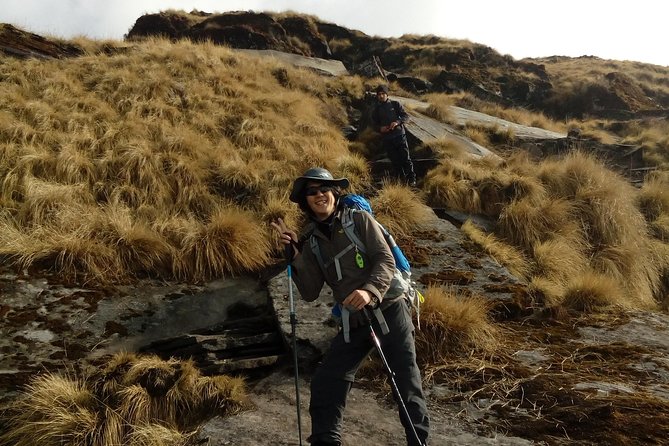
Mardi Himal hits different at 4,500m. This 4-day trek from Pokhara is built for active hikers who want serious Himalayan scenery without the stress of navigating alone. You start with transfers, hike in a tight loop to the base camp area, and finish back in Pokhara with the route handled for you.
What I love most is the private guide setup. It keeps the day-to-day moving smooth, and it also means you can ask questions as the mountains change hour by hour. I also like that the cost package covers the key logistics that usually slow down trekkers: guesthouse accommodation plus the required permits.
One possible drawback is that meals and drinks are not included, so plan extra budget for food along the way. If you’re counting every dollar, you’ll want to get your trail-day meal plan straight before you go.
In This Review
- Key highlights worth your attention
- Why Mardi Himal Base Camp is a great target in a short trip
- Pokhara Lakeside pickup to Kande, and Day 1’s warm-up-to-workout rhythm
- Low Camp and High Camp overnights, the altitude math that keeps it doable
- Base Camp morning: pushing to 14,763 feet for Fishtail and the Annapurna sweep
- Day 4 descent to Shiding and the finish into Pokhara
- Guides, pacing, and the small things that make it feel easier
- Permits and what your package actually covers
- Price and logistics: does $273.14 feel like good value?
- Who this trek fits best, and who should think twice
- Should you book this 4-day Mardi Himal Base Camp trek?
- FAQ
- What time does the trek start in Pokhara?
- Where are pickup and drop-off provided?
- How do transfers work on this trek?
- What is the highest elevation on this trek?
- Are permits included?
- What kind of accommodation is provided during the trek?
- Are meals included in the price?
- Is this a private tour or a shared group trek?
- What physical level do I need?
- What if weather is poor?
Key highlights worth your attention
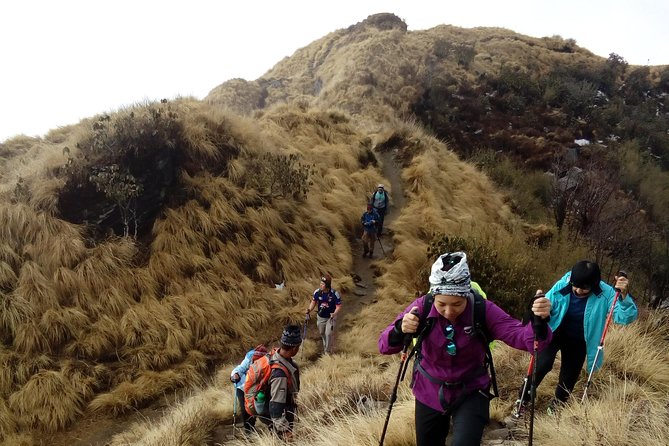
- Private, guided trekking so you are not working out route puzzles each day
- Guesthouses and permits included, including TIMS and Annapurna Conservation Area access
- High, rewarding views with Mardi Himal Base Camp listed at 14,763 feet (4,500m)
- Good pacing for a short trek, with overnight stops at forest and camp elevations
- Transport support from Pokhara to Kande, then back from Sidhing to Pokhara
- Guide personality matters, with examples like Resham being noted for stories, humor, and pointing things out on the trail
Why Mardi Himal Base Camp is a great target in a short trip
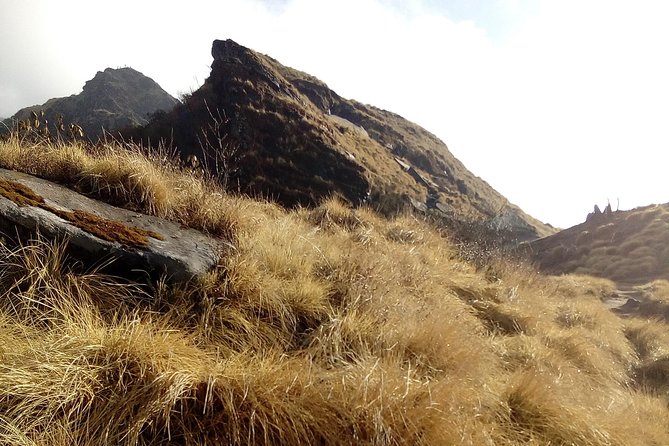
Mardi Himal is one of those treks that feels “efficient.” In just four days, you reach the base camp zone around 4,500m and get big mountain views in return. You are not looking at a week of logistics and slow progress. Instead, you get a focused hike that still gives you that tall-Himalaya feeling.
The route also makes sense if you like variety. You move through foresty sections early on, then climb into camp areas, then push higher for the base camp day. That shift matters because the scenery and air noticeably change as you gain altitude.
One detail I really appreciate from the way the trek is structured is the out-and-back feel: you go up, sleep at camp points, then return the same way. That usually means less uncertainty about footing and timing, compared to treks that constantly reroute.
More Treks in Pokhara
- Poon hill Trek 3 days
★ 5.0 · 176 reviews - Trekking in Annapurna/Langtang/Everest/Upper Mustang regions
★ 5.0 · 161 reviews - Pokhara: 4-Day Ghorepani, Poonhill & Ghandruk Mountain Trek
★ 5.0 · 132 reviews
Pokhara Lakeside pickup to Kande, and Day 1’s warm-up-to-workout rhythm
Most people underestimate how much the first day shapes the whole trek. Here, you start with an organized morning. You are picked up from your hotel in the Pokhara Lakeside area and driven for about an hour to Kande, which helps you avoid burning energy on getting to trailhead.
From Kande, the day builds in stages. You first ascend toward Australia Camp, then you drop downhill to places like Pothana, and you continue toward Pitam Deurali. The trekking time is listed around 2 to 3 hours for that middle section, then you keep going to Forest Camp for the night.
Why this works: the first day is long enough to wake up your legs, but it is not a “go hard or go home” day. You start building altitude exposure and trail rhythm, while still having a clear end point at a camp where you can rest.
What to expect at Forest Camp: guesthouse-style accommodation, typically with simple, practical comfort for hikers. You are likely to be able to eat and refuel, but since meals are not included in the package, you’ll be purchasing your food and drinks. That also means you should bring cash or whatever payment method is workable where you are staying.
Practical note: the meeting time is listed as 8:15am, and the pickup is timed for a late-morning trek start (the drive plus walking). If you like to be relaxed instead of rushed, plan to be ready a bit earlier at Lakeside.
Low Camp and High Camp overnights, the altitude math that keeps it doable
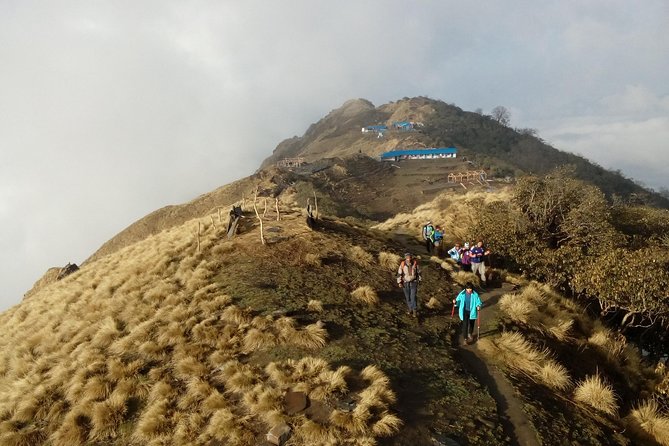
Day 2 is where your trek tightens up into the higher scenery zone. You go to Low Camp at about 3,000m, then continue to High Camp around 3,800m for the overnight. The schedule lists about 3 hours to Low Camp and about 3 hours to High Camp.
That “two-step” climb is a big deal on a short trek. It gives your body time to adjust to higher air without forcing everything into one brutal ascent. Even if you’re fit, a quick climb to altitude can make your breathing feel different. Staging it like this helps you keep the pace steady.
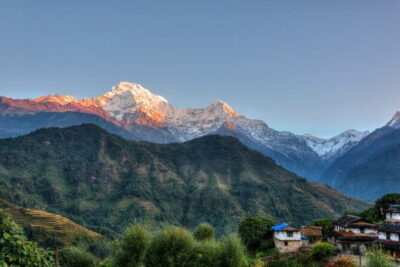
The day’s payoff is the way the mountains start appearing more sharply as you climb. At these elevations, even small changes in weather can make visibility better or worse. When the sky clears, you get more dramatic views across the Annapurna region, and the camp areas tend to feel more exposed and open.
Where you sleep matters too. High Camp is not “bed and breakfast comfortable,” but it is a real base for the next day. Plan to rest early and keep your energy for the base camp push. Also, since you are staying at guesthouses, don’t expect luxury. Do expect simplicity that works for trekkers.
Base Camp morning: pushing to 14,763 feet for Fishtail and the Annapurna sweep
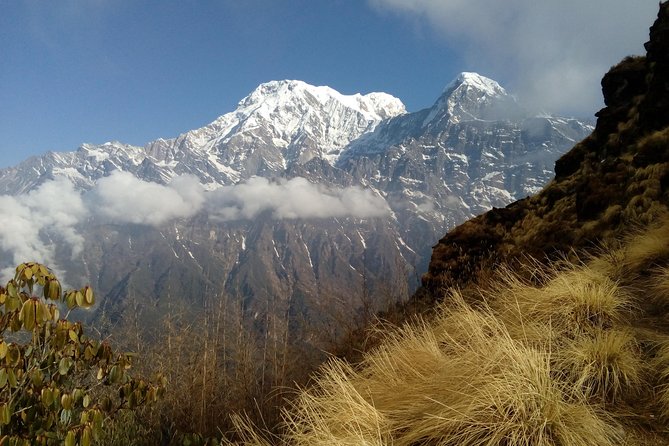
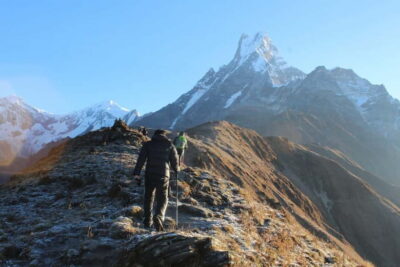
Day 3 starts early because the base camp day needs good light and solid conditions. You hike up from camp toward Mardi Himal Base Camp, with the itinerary describing mountain views including Fishtail close up and long Annapurna ranges on another side.
The trek duration is listed at about 7 hours total for this day, including the return to High Camp after you spend time at the base camp. That time structure is smart. You get to enjoy the area without pretending you will do everything in a single one-way push and still feel great.
What you should expect at base camp: a high point with wide views and colder air than at the lower camps. It is the kind of moment where you’ll want to stop often, take photos, and just look. This is also where having a guide helps, even if you know nothing about the mountains. A local guide can point out what you’re looking at and share context as the views shift.
Guide impact showed up strongly in the feedback I’m using to frame this trek. For example, Resham is specifically praised for storytelling, humor, and even spotting birds along the trail. That kind of attention turns a long climb into something you enjoy more than just survive.
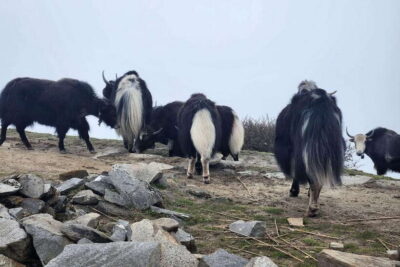
Also, one charming detail from the same feedback: there are opportunities for photo moments, including images with a yak. Those small memories often end up being the stuff you remember months later.
More Mardi Himal treks:
- Pokhara: 4-Day Mardi Himal Trek
★ 4.9 · 59 reviews - Private Mardi Himal Trek
★ 5.0 · 42 reviews - From Pokhara: 4-Day Mardi Himal Base Camp Trek
★ 4.9 · 31 reviews - Mardi Himal Trek
★ 5.0 · 30 reviews
Day 4 descent to Shiding and the finish into Pokhara
On Day 4, you start at 7am and descend. The route goes from High Camp to Low Camp, then on to Shiding, followed by about a 2-hour drive back to Pokhara.
The trekking time listed is about 6 hours total. That is a big relief after the higher-day effort. Descents can still be hard on knees, though, especially if you rush them. Keep your steps controlled. A steady pace down usually saves pain later.
The Shiding-to-Pokhara transfer is handled by sharing jeep, while the earlier transfer to Kande is a private car. That combination is a practical mix: you get private comfort at the start, then a more flexible shared ride at the end.
What I like about ending this way is closure. You do not have to invent your own transport plan on the last day. The trek ends with a clear handoff back to Pokhara.
And if you want a final meal and a shower, Pokhara is ready for it. Lakeside is set up for trekkers coming back from the mountains, so you can decompress fast.
Guides, pacing, and the small things that make it feel easier
This trek is advertised as private, with an English speaking trekking guide. In practice, that matters more than you might think on a short timeline. When you have just four days, any confusion about pace, timing, or route can snowball.
A private guide also means you can adjust in real time. If you feel strong, you can keep a comfortable tempo. If you need a slower rhythm for altitude, you can do that without feeling like you are holding up a bigger group.
You’ll also get more than route knowledge. From the feedback examples, guides like Milan are credited with smooth running from start to finish, while Resham is praised for humor and for pointing out things along the trail. There’s value in that because the hike is not just movement. It’s also observations, stories, and learning what you’re seeing.
One more practical point: the trek package includes the permits, which reduces the most paperwork-heavy part of planning in Nepal. You do still need to bring yourself prepared for hiking days, but you are not stuck chasing forms at the last minute.
Permits and what your package actually covers
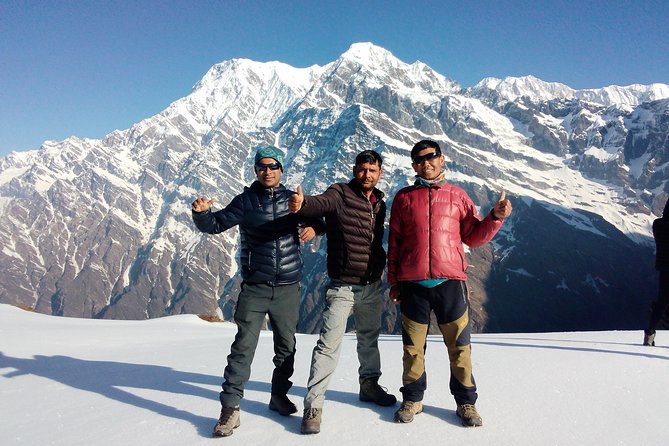
Here is what you can count on as part of the trip:
- Guesthouse accommodation during the trek
- TIMS and Annapurna Conservation Area permit
- Hotel pickup and drop off within Lakeside area of Pokhara
- Transfers: Pokhara to Kande by private car, and Sidhing to Pokhara by sharing jeep
- An English speaking trekking guide
- Private trip (your group only)
This is a useful mix because it covers the “messy logistics” that often take time away from enjoying your hike. Permits can be a hassle when you travel independently. Having them included reduces uncertainty.
What is not included is equally important:
- All meals and drinks (purchase as you go)
- Rescue costs in emergency
- Gratitude
For most trekkers, meals are not a surprise. Still, since they are not included, you should budget for food across all trekking days. Tea houses and guesthouses often have simple meal options, but costs add up on a four-day plan.
Price and logistics: does $273.14 feel like good value?
At $273.14 per person, you are paying for a short trek that includes the items that cost real money and time: accommodation, the guide, permits, and transfers. You are also avoiding the risk of guessing your own route and timing in a remote, high-elevation area.
If you tried to DIY this, the guide plus permits plus logistics would likely become your main expenses anyway. Even if you could save a bit on guiding, you would spend effort coordinating guesthouses and transport, and that effort tends to cost your energy.
So is it “cheap”? Not really. But it is often fair value for a private 4-day plan that removes key headaches. The price also has room to work well for people who want structure but still want the mountains to do the talking.
One thing to keep in mind: group discounts exist, so if you can travel with friends, the per-person value may improve. Also, you get a mobile ticket, which is handy when you want a paper-light process.
Who this trek fits best, and who should think twice
This trek is best suited to fit, active hikers with hiking experience. That matters because you are going up to base camp around 14,763 feet (4,500m), and even though the schedule is staged, you still need endurance for steep sections and long days.
It is also a good match if you prefer a guided approach over navigation stress. If you like the idea of walking a known route, stopping when planned, and getting help identifying what you see, this structure is a strong fit.
Who should think twice: if your hiking experience is limited, or you tend to struggle with altitude, you might find this too demanding for a four-day timeline. The itinerary moves efficiently, not slowly. You’ll want to go into it with realistic expectations about exertion and cold air.
Should you book this 4-day Mardi Himal Base Camp trek?
I think you should book it if you want a short, high-impact Himalaya experience with the big things handled. The package covers permits, guesthouse stays, and a private guide. The route also has a smart flow, with overnights at Forest Camp, Low Camp, and High Camp, which makes the base camp morning more manageable.
You might skip it if you dislike paying extra for meals and drinks, or if you’re not comfortable with the altitude exposure that comes with reaching 4,500m. This is a trek, not a stroll. It is built for people who want to earn the views.
If you are an active hiker who likes clear plans and strong mountain days, this is a solid way to do Mardi Himal without getting tangled in logistics.
FAQ
What time does the trek start in Pokhara?
Start time is listed as 8:15am, with pickup from your hotel in the Pokhara Lakeside area.
Where are pickup and drop-off provided?
Pickup and drop-off are included within the Lakeside area of Pokhara.
How do transfers work on this trek?
You drive from Pokhara to Kande by private car, and you return from Sidhing to Pokhara by sharing jeep.
What is the highest elevation on this trek?
Mardi Himal Base Camp is listed at 14,763 feet, or 4,500 meters.
Are permits included?
Yes. TIMS and an Annapurna Conservation Area permit are included.
What kind of accommodation is provided during the trek?
Accommodation is in guesthouses during the trek.
Are meals included in the price?
No. All meals and drinks are not included and are available for purchase.
Is this a private tour or a shared group trek?
This is a private trip. Only your group will participate.
What physical level do I need?
The trek is described as best for travelers with moderate physical fitness and hiking experience.
What if weather is poor?
The experience requires good weather. If it is canceled due to poor weather, you will be offered a different date or a full refund.
More treks out of Pokhara
- From Pokhara: Sarangkot Sunrise Himalayas Tour
★ 4.7 · 218 reviews - From Pokhara: 3-Day Ghorepani Poon Hill Trek with Guide
★ 4.9 · 68 reviews - 3-Day Poon Hill Trek from Pokhara.
★ 5.0 · 45 reviews - From Pokhara: 2 Day 1 Night Ulleri,Ghorepani Poon Hill Trek
★ 4.9 · 33 reviews
Latest additions near Pokhara
- Pokhara: Pokhara Highlights Tour by Bus★ 3.6 · 10 reviews
- Discover Pokhara in Style: Private Vehicle Service with Driver★ 5.0 · 5 reviews
- Pokhara in 5 Hours: Lake, Museum, Cave, Falls & Pagoda Hill★ 4.5 · 16 reviews
- The World Peace Pagoda in Pokhara★ 4.5 · 7 reviews
- 7-Day Trek to Annapurna Base Camp from Pokhara★ 5.0 · 12 reviews
- 4 Day Mardi Himal Base Camp Trek from Pokhara★ 5.0 · 18 reviews
- Unique Easy Hiking to Foxing Hill from Pokhara★ 5.0 · 4 reviews
- World Peace Stupa Day Hike From Pokhara★ 5.0 · 4 reviews
Mardi Himal Treks, compared.
Mardi Himal Trek – 8 Days | Hidden Gem of the Annapurnas
Read our review →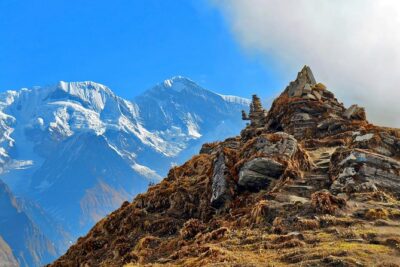
Browse the lists this tour appears in