Reviewed · KATHMANDU TOURS
Travel Agency, Tour and outdoor activities
Kathmandu hits you fast. In this tight two-day format, you get a guided look at Nepal’s living culture and a UNESCO world heritage stop without turning your trip into a logistics project.
I love the private transportation, which means you spend more time seeing and less time wrestling with crowded routes. I also love how the day’s focus alternates between Hindu ritual at Pashupatinath Temple and the historic, royal-era atmosphere around Bhaktapur’s Durbar Square.
One thing to think about: the tour lists a 9:15 pm start time, so if you are a strict early-morning person, plan around a late launch.
In This Review
- Key highlights to know before you go
- Why This 2-Day Kathmandu Cultural Loop Works
- Day 1 at Pashupatinath Temple: Seeing Hindu Ritual Up Close
- Day 1 After the Temple: How to Use Your Time Well
- Day 2 at Bhaktapur Durbar Square: Walking the Nepali Kingdom Story
- How UNESCO Fits Into the Two Days
- Price and What You Actually Pay For (and What You Don’t)
- Pickup, Private Transport, and a Timeline That Makes Sense
- What to Expect When Your Tour Focuses on Cremation Rites
- Mobile Tickets and Confirmation: Small Things That Help
- Who This Tour Fits Best
- Should You Book This Kathmandu Tour
- FAQ
- Is pickup included?
- How long is the Kathmandu tour?
- What is the price per person?
- Are admission tickets included?
- Does this tour require a certain fitness level?
- Is this a private tour?
- What is the cancellation policy?
- What if the tour is affected by weather?
Key highlights to know before you go
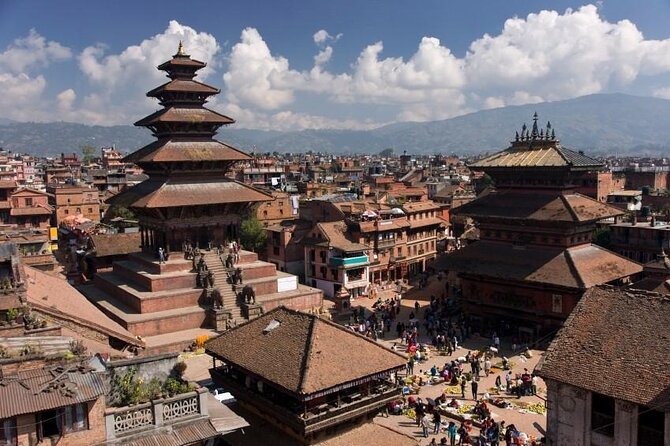
- Pashupatinath Temple with admission included means you can focus on the experience, not ticket math.
- Bhaktapur Durbar Square with ticket not included keeps costs from being fully bundled, so bring a little extra budget.
- Private transport and pickup help you move smoothly between sites in Kathmandu traffic.
- UNESCO world heritage visit fits neatly into a short Kathmandu stay.
- Local guides get praised by name, including Sunita for Kathmandu city days, with a style that explains history and customs clearly.
Why This 2-Day Kathmandu Cultural Loop Works
If you only have a couple days in Kathmandu, you usually face a choice. Either you cram in too much and feel rushed, or you pick one area and miss the bigger picture.
This tour is built for the first situation, but in a sensible way. You get a guided route that’s concentrated, not chaotic. Day 1 is anchored at one of the most important Hindu sites in the Kathmandu Valley. Day 2 shifts to a different kind of cultural time travel, with Bhaktapur’s Durbar Square offering that “old kingdom” feel.
For me, the winning formula is the contrast. Pashupatinath gives you Nepal’s spiritual life in action. Bhaktapur shows you the built story of power, craftsmanship, and city design tied to the old royal era. Put together, it helps you understand Nepal as more than a postcard.
Also, this is a private tour, meaning it’s only your group. That matters in Kathmandu, where crowds and confusion can eat up a shared-day plan. With private transportation and pickup, your guide can keep your group on track and adjust pacing for how curious you are.
More from Kathmandu worth a second look:
- Everest Base Camp Trek – 14 Days
★ 5.0 · 1,499 reviews - Everest Base Camp Trek
★ 5.0 · 842 reviews - Private Kathmandu Sightseeing Tour | UNESCO World Heritage sites
★ 5.0 · 756 reviews
Day 1 at Pashupatinath Temple: Seeing Hindu Ritual Up Close
Pashupatinath Temple is the kind of place where you quickly realize Nepal is not just history in buildings. It’s religion in daily life. Your visit includes admission, and the focus is squarely on Hindu culture and the cremation process.
That’s the reality of Pashupatinath: people come here for faith, not sightseeing. The best way to approach it is with respect and a calm mindset. You might see intense rituals, and it can be emotional even if you’ve read about cremation before. Go slower than you think you need to, and let your guide set the context so you understand what you’re watching.
What I like about this stop is that your time is framed with explanation. A guide can help you notice details that would otherwise slide by, like where people gather, what the symbolic actions mean, and why the setting matters. Without that, you might end up standing in the right place but missing the “why” behind the scene.
Logistically, this stop is short on paper, about 30 minutes. In practice, that’s not because there’s nothing to see. It’s because the temple area can be dense and active. You get enough time to orient yourself and see the core parts, then move on as a group.
If you’re the type who likes photos, keep your expectations realistic. The atmosphere can be crowded, and certain moments are not a good time to point a camera at people in the middle of ritual. A good guide will steer you toward respectful viewing and away from anything that would make the moment uncomfortable for others.
Day 1 After the Temple: How to Use Your Time Well
Even with a tight schedule, you can get more value by doing two things yourself.
First, pause once you understand the layout. At religious sites like this, the “where” changes everything. If you know which areas are for worship, which are for visitors, and which are active ritual zones, you’ll feel less like you’re drifting and more like you’re following the flow.
Second, ask your guide one practical question early on. Something like, what should I watch for here? That one question can turn random walking into a guided experience with meaning.
This is where private touring helps again. If you had to share the day with strangers, your questions might get swallowed by the group pace. On a private tour, the guide can focus on your group’s curiosity level.
Day 2 at Bhaktapur Durbar Square: Walking the Nepali Kingdom Story
Bhaktapur Durbar Square is a different kind of wow. Instead of sacred riverfront rituals, you’re in a historic city square where the past feels built into the stones and structures.
Your visit focuses on the history of the Nepali kingdom, with about two hours allocated for the stop. That length is a good sign. Two hours gives you room to slow down, look up, and get your bearings without rushing through everything like a checklist.
One practical note: admission is listed as not included for this stop. So, even though you’re on a guided tour, you should plan for an extra entry fee here. If you hate surprise costs, it’s smart to check what the local ticketing situation is before you arrive, or ask your guide to point you to the payment location.
What to look for, beyond the obvious monuments, is how the square works as a space. Durbar Square-type locations are not just “pretty buildings.” They are city stages. The layout and architecture help explain how power displayed itself, how people moved through ceremonies and public life, and why craftsmen left their mark in so many details.
This is also a great stop for people who enjoy photos but hate stiff, timed tours. Bhaktapur’s square gives you lots of angles without needing constant motion. You can take your time and still feel like you’re moving with purpose.
Another way to spend the time in Nepal:
- Kathmandu: 7 UNESCO Sites with Lunch
★ 4.8 · 744 reviews - Everest Base Camp Helicopter Tour landing at Everest View Hotel
★ 5.0 · 668 reviews - Half day cooking class in Thamel kathmandu
★ 5.0 · 607 reviews - Everest Base Camp Trekking
★ 5.0 · 485 reviews
How UNESCO Fits Into the Two Days
The tour description says you’ll visit a UNESCO world heritage site during this experience. In a two-day plan, that’s valuable because UNESCO stops often require more than just a quick glance. They come with context, protection status, and real cultural weight.
What this means for you as a traveler is simple: your time at the UNESCO place is not just about ticking a famous name. It’s about learning how that heritage matters in daily Nepal. Even if you only have a short Kathmandu stay, you still get the chance to connect the dots instead of treating UNESCO like a stamp in your passport.
If UNESCO is a big priority for you, this format is efficient. You get heritage value without turning your trip into an all-day driving marathon.
Price and What You Actually Pay For (and What You Don’t)
At $160 per person, this tour sits in the “short and focused” category. The key value question is: what’s included, and what costs are likely to show up anyway?
Here’s what’s clearly included:
- Private transportation
- Private tour setup for your group
- Pickup offered
- Mobile ticket
- Admission ticket included for the Pashupatinath Temple stop
- Private transportation, meaning you’re not relying on public shuttles
What’s not included:
- All fees and taxes (the tour says this generally)
- Admission ticket for Bhaktapur Durbar Square
So the pricing isn’t just “cheap versus expensive.” It’s more like: you’re paying for a guided, private schedule, plus transportation convenience. The tradeoff is that some local admission costs are still on you, especially for the Bhaktapur stop.
To judge value, think about your alternatives. If you tried to stitch this together yourself with a taxi or rides and a guide you hire only for one stop, you might save a little cash but lose time, and you could end up paying for tickets anyway. With this tour, you’re buying the time advantage and the fact that the day is already organized around two major cultural anchors.
If you want this day to feel smooth, private transport plus a guide is the biggest part of what you’re paying for.
Pickup, Private Transport, and a Timeline That Makes Sense
Kathmandu traffic is real. Even when distances are short, time can stretch. That’s why I like that this tour includes private transportation. It reduces friction, especially for religious sites where timing can depend on crowd flow and where you’ll want to stop quickly for explanations.
The tour also lists pickup offered and a start time of 9:15 pm. That is late, and it might affect how you plan the rest of your day. If you have to catch a flight, meet someone, or keep a strict sleep schedule, confirm the timing details with the operator so you can avoid a last-minute scramble.
The tour also notes that the meeting point is near public transportation. That’s helpful if you’re coordinating around your hotel situation. It suggests you will not be locked into an extremely remote pickup.
Finally, it’s a private tour/activity, only your group participates. That changes how the day feels. You’re not waiting for stragglers or trying to compete for your guide’s attention. Your guide can pace you.
What to Expect When Your Tour Focuses on Cremation Rites
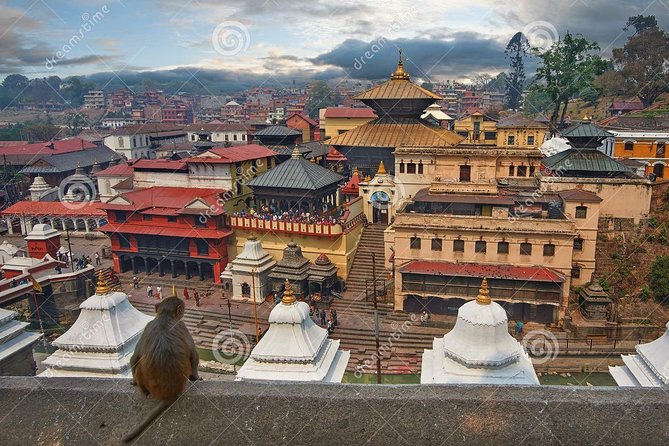
Because Pashupatinath includes the cremation process as part of what you’ll see, go in with emotional preparedness. Even if you’re calm, this is not the kind of scene that feels like standard sightseeing.
Practical approach:
- Be respectful with your body language and voice level.
- If you’re unsure about photography, follow your guide’s direction.
- Wear clothing that feels comfortable for walking and that doesn’t make you feel self-conscious.
Also, keep in mind the tour says moderate physical fitness level is needed. This doesn’t mean you’ll be doing extreme hiking. It means you should be comfortable with walking in temple areas, moving through crowds, and keeping up with a schedule.
If you have mobility issues or you know you struggle with crowds, you might find parts of the experience harder than the two-day duration suggests. In that case, ask the operator about where you’ll be spending time and how the route avoids bottlenecks.
Mobile Tickets and Confirmation: Small Things That Help
This tour includes a mobile ticket, and confirmation is received at booking. On paper, that might sound minor. In reality, it’s a stress saver. You don’t want to arrive in Kathmandu and hunt down paperwork while your group waits.
Since some admission tickets are not included, you still need to expect a small moment of payment on the day. But having the main ticketing handled digitally can keep the flow smooth.
The tour also requires good weather. That’s not surprising in Nepal, where rain and visibility can affect site access and comfort. If the tour gets canceled due to poor weather, you should expect an alternative date or a full refund.
Who This Tour Fits Best
This two-day private Kathmandu experience is a strong match if:
- You want a guided introduction to Nepal’s culture fast
- You like seeing major sites with real explanations, not random wandering
- You prefer private transportation to reduce Kathmandu stress
- You have moderate fitness and can handle active, crowded areas
It’s also a good option for couples and small groups who want a more personal day. Because it’s only your group, your guide can answer questions as you go.
If your main goal is intense trekking, this isn’t that. But the operator does handle trekking planning for some travelers, and that broader experience shows up in the way guides are described in feedback, including names like Himal and Surya in other contexts. The point for you is simple: you’re booking a company that works across different styles of Nepal travel, not only one narrow product.
Should You Book This Kathmandu Tour
Yes, if you want a short, organized Kathmandu cultural plan that hits big names and includes real guidance. The value is strongest for people who want Pashupatinath’s spiritual context, plus a second day that shifts into historic city space at Bhaktapur Durbar Square.
You might skip it or adjust expectations if:
- You dislike late starts, since the start time is listed at 9:15 pm
- You hate additional entry fees, since Bhaktapur’s ticket is not included
- You are not comfortable with cremation rites as part of what you’ll see
My practical recommendation: book it if you’re curious, respectful, and you can roll with the fact that this is a living religious site, not a staged museum visit. If you want to feel confident day-of, message the operator in advance about the 9:15 pm timing and the exact admission payment expectations at Bhaktapur, so you can budget without guessing.
FAQ
Is pickup included?
Yes. Pickup is offered, and the tour also includes private transportation.
How long is the Kathmandu tour?
The duration is listed as approximately 2 days.
What is the price per person?
The price is $160.00 per person.
Are admission tickets included?
Admission for the Pashupatinath Temple stop is included. Admission for Bhaktapur Durbar Square is not included.
Does this tour require a certain fitness level?
Yes. You should have a moderate physical fitness level.
Is this a private tour?
Yes. It is private, and only your group participates.
What is the cancellation policy?
Free cancellation is available. You can cancel up to 24 hours in advance for a full refund, and cancellations within 24 hours are not refunded.
What if the tour is affected by weather?
The tour requires good weather. If it’s canceled due to poor weather, you’ll be offered a different date or a full refund.
Latest additions near Kathmandu
- Traditional Momo Making Class★ 5.0 · 10 reviews
- White Water River Rafting – 1 Day★ 4.3 · 3 reviews
- Kathmandu to Pokhara Premium sofa bus ticket★ 4.0 · 17 reviews
- Ghorepani Poon Hill Trek★ 5.0 · 16 reviews
- Amazing 1 Day Trekking Experience in Kathmandu Nepal★ 5.0 · 24 reviews
- Ghorepani Poonhill Trek★ 5.0 · 5 reviews
- Walking tour of real Kathmandu through back streets.★ 5.0 · 3 reviews
- Wildlife Adventure in Chitwan Nepal★ 4.0 · 4 reviews
Kathmandu Tours, compared.

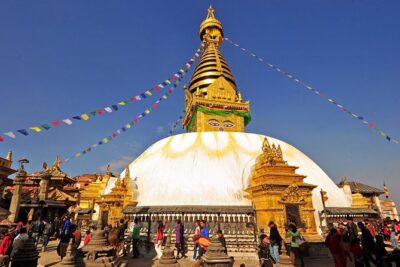
Private Kathmandu Sightseeing Tour | UNESCO World Heritage sites
Read our review →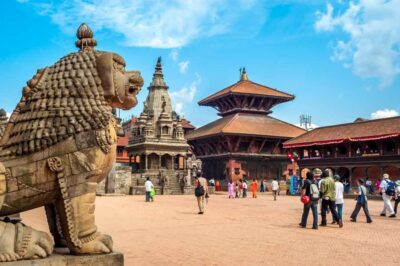
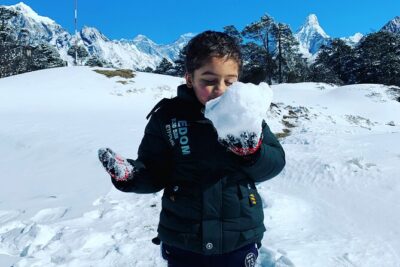
Everest Base Camp Helicopter Tour landing at Everest View Hotel
Read our review →