Reviewed · KATHMANDU TOURS
Transport Cover Nepal
Nepal starts the moment you leave the airport. This 9-day private transport and guide setup strings together the big hits, from Kathmandu heritage temples to Pokhara sunrise views, then down to Lumbini and Chitwan. It’s built for travelers who want a clear plan and a reliable driver, with the option to customize the route to fit your pace and interests.
I especially like the no-drama logistics focus. You get private vehicle transport with fuel surcharge covered, and the team can travel together in your group, which keeps planning simple when schedules shift. I also like that the service doesn’t feel robotic, guides like Hari and Arith come across as professional and genuinely friendly, so the trip stays human even when you’re on the road a lot.
One thing to consider: this is mainly transport and guide time. Accommodation, entry fees, permits, and most meals are not included, so your final total will depend on where you choose to stay and what add-ons you want.
In This Review
- Key highlights
- A transport-first Nepal plan that actually helps you enjoy the trip
- Price and value: what $512.31 per person covers, and what it doesn’t
- Day 1 to Day 9: from airport pick-up to Chitwan and back
- Kathmandu heritage and temple time: how to make it more than sightseeing
- Manakamana Cable Car stop on the way to Pokhara
- Sarangkot sunrise and Pokhara city tour: where timing does the heavy lifting
- Lumbini: a quieter day that still deserves a guide
- Chitwan for two days: why a slower rhythm is better for wildlife time
- The return to Kathmandu and airport transfer, handled cleanly
- Guide and driver quality: the names that came up for a reason
- What you pay extra for: rooms, entries, permits, and food planning
- Who this tour suits, and who should consider another style
- Should you book Transport Cover Nepal?
- FAQ
- What does Transport Cover Nepal include?
- What is not included in the tour?
- How long is the tour?
- Where is the meeting point, and where does the tour end?
- Is this a private tour?
- Can I get a full refund if I cancel?
Key highlights
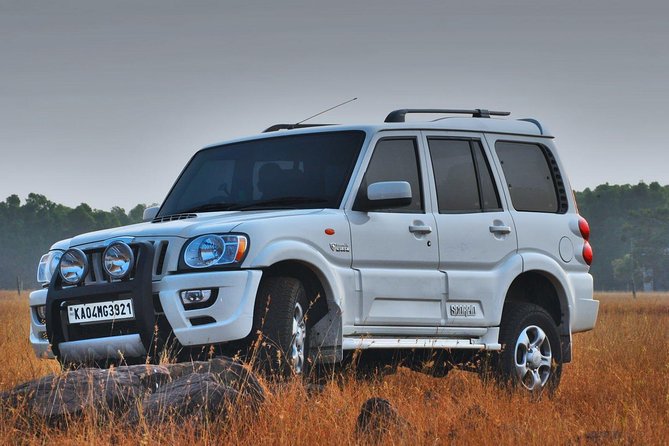
- Private vehicle transport that keeps you moving on your timetable, not a bus schedule
- Kathmandu to Chitwan in one flow, so you avoid the hassle of piecing transfers together
- Sunrise and scenery planning, including Sarangkot sunrise and Pokhara city time
- Comfort-minded guiding, with staff such as Hari and Arith described as calm, kind, and attentive
- Flexible customization, so you can adjust the route and add places like Muktinath or Nagarkot when available
- Clear budget control, because you know what’s included (transport and guide) and what’s on you (rooms and entrances)
A transport-first Nepal plan that actually helps you enjoy the trip
Most Nepal trips fail at one thing: the in-between parts. You land, you wait, you negotiate taxis, you lose daylight, then you end up stressed before you even reach the views. This one is built to reduce that friction.
Think of it as your moving base. You get private vehicle transport across Kathmandu, Pokhara, Lumbini, and Chitwan, plus driver support and guide assistance. The goal is simple: you spend your energy on the places, not on logistics. And because you can customize the service and rate based on needs, you can tailor the route to match how adventurous you want to be, and how much time you want in each destination.
The best part for real life? It works well even if your group has mixed energy levels. Some people want early sunrise time, others want a slower day. With private transport, you have a chance of matching everyone’s pace without constant re-planning.
More from Kathmandu worth a second look:
- Everest Base Camp Trek – 14 Days
★ 5.0 · 1,499 reviews - Everest Base Camp Trek
★ 5.0 · 842 reviews - Private Kathmandu Sightseeing Tour | UNESCO World Heritage sites
★ 5.0 · 756 reviews
Price and value: what $512.31 per person covers, and what it doesn’t
At $512.31 per person for about 9 days, this is priced like a transport and guidance service, not a full package tour. That matters. Here’s what you can count on as included: private vehicle transport, fuel surcharge, and landing and facility fees.
What you should plan for separately: accommodation, entry fees, permits, food, and drinks. In other words, the price is mostly for getting you from A to B safely and efficiently, and for having a guide when needed.
So is it good value? For the right traveler, yes. If you’d otherwise spend your time hiring separate cars, coordinating guides day by day, or trying to line up transfers between Kathmandu, Pokhara, Lumbini, and Chitwan, this can save energy and avoid expensive last-minute scrambling. If you want meals, hotels, and all entrances handled in one neat bundle, you’ll likely need to add those yourself or choose a different style of tour.
A smart move before booking: estimate your hotel standard (budget vs nicer), then estimate entry fees you care about most. That way, you see the full trip cost early and avoid surprise.
Day 1 to Day 9: from airport pick-up to Chitwan and back
This route is designed to cover the big-name destinations in a logical sequence, with fewer backtracks and less time wasted traveling at the wrong moments.
Day 1, airport pick-up
You start with pick-up from the airport and head into Kathmandu. It’s a simple start, and that’s good. Arrival days in Nepal can feel chaotic, so having a driver ready helps you get your bearings fast.
Day 2, Kathmandu heritage and temple tours
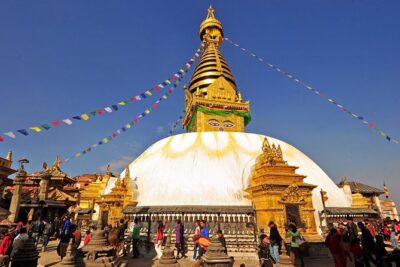
This day is about old Kathmandu: heritage sites and temples. You’ll get more than photo stops if your guide steers you through what matters, since temple districts are easier to read with context. The payoff here is rhythm: you see what makes Kathmandu special before you leave for the mountains side of the trip.
Day 3, drive to Pokhara with Manakamana Cable Car stop
You travel west toward Pokhara, with a stop for the Manakamana Cable Car. Cable car viewpoints usually give you quick perspective and a built-in break from the road. It’s also one of those stops that can add meaning if your guide explains local traditions behind the site.
Day 4, Sarangkot sunrise plus Pokhara city tour
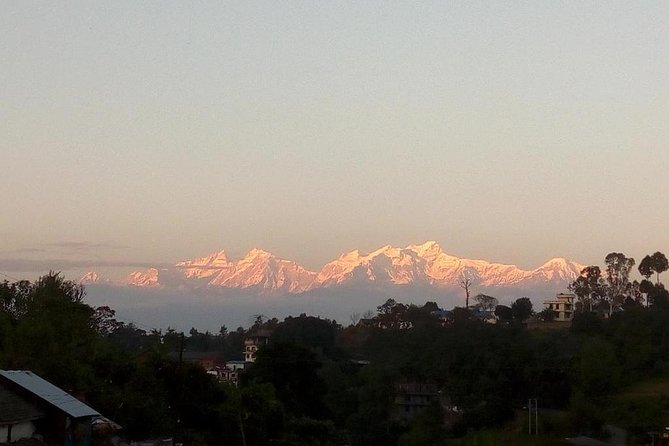
This is the day people remember. Sarangkot sunrise gives you a classic mountain-mood moment, then you switch gears to a Pokhara city tour. The practical trick: wear layers. Sunrise can be chilly, and you’ll warm up later as the day moves on.
Day 5, drive to Lumbini, Buddha’s birthplace
You head to Lumbini for the birthplace of Buddha. Lumbini is calmer than Kathmandu and more reflective than the sightseeing-heavy days. Even with limited time, a guide helps you understand what you’re looking at, so the site feels more like a place of meaning and less like a checklist.
Day 6, drive to Chitwan
You move to Chitwan, setting up for wildlife time. The drive is part of the experience, and in many cases you’ll arrive with enough daylight to settle in.
Day 7, Chitwan stay
You get a full day in Chitwan. That breathing room matters because wildlife days have their own timing rules. When you’re not rushing to catch the next transfer, you’re more relaxed and more likely to enjoy the moments that happen quietly.
Day 8, drive back to Kathmandu
This is your return travel day. Try to keep plans flexible for the evening, since road time can add up. Use it for a reset, a walk if you feel like it, or simply early sleep.
Day 9, airport transfer
You wrap with an airport transfer back at the meeting point area in Kathmandu. Ending where you started keeps it tidy.
If you’re wondering about Muktinath, Dhampus, or Nagarkot: those came up in real-world versions of the service, and because this is customizable, you may be able to add similar stops if the route fits your dates and comfort level.
Kathmandu heritage and temple time: how to make it more than sightseeing
Kathmandu heritage and temple tours are a great way to understand Nepal’s spiritual engine. But temples can blur together fast if you don’t have someone explaining what you’re seeing.
This is where a strong guide makes a difference. In the service you’ll have driver support and, depending on your group setup, guide assistance to help connect the details. Names mentioned in feedback include Hari and Arith, and the overall theme is that the team stays professional and friendly, which helps when you’re walking into busy temple lanes and want to know where to look first.
A practical tip: go with comfortable shoes. You’ll likely be doing a lot of walking on uneven surfaces. And keep your schedule realistic. If you stack too many temple areas back-to-back, you lose the chance to really notice carvings, altars, and the small rhythms that give these places their meaning.
Also, bring something for sun and dust, even if it’s not blazing. Kathmandu is one of those cities where weather changes can make a difference day to day.
Another way to spend the time in Nepal:
- Kathmandu: 7 UNESCO Sites with Lunch
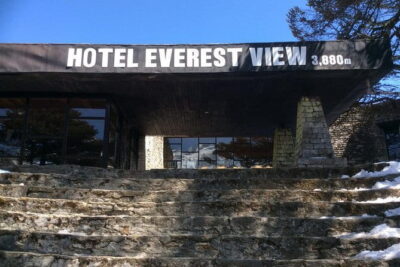
★ 4.8 · 744 reviews - Everest Base Camp Helicopter Tour landing at Everest View Hotel
★ 5.0 · 668 reviews - Half day cooking class in Thamel kathmandu
★ 5.0 · 607 reviews - Everest Base Camp Trekking
★ 5.0 · 485 reviews
Manakamana Cable Car stop on the way to Pokhara
The Manakamana Cable Car stop is a smart break between Kathmandu’s streets and Pokhara’s lakeside vibe. Even if you’re not a cable-car devotee, the ride can be an easy win: views, fresh air, and a moment to slow down before the next leg.
The cable car piece also helps reduce the stress of the long drive. Instead of feeling like you’re trapped in a vehicle for hours, you get a planned pause.
What to expect practically: dress for cool air near higher viewpoints, even if Kathmandu feels warm. Plan for queues depending on the day. And rely on your guide for the easiest timing based on your route, because a small shift can mean less waiting and more time at Pokhara.
Sarangkot sunrise and Pokhara city tour: where timing does the heavy lifting
Sarangkot sunrise is one of those experiences where timing matters more than marketing. You’re not just looking at a view, you’re watching light come up over the mountains, and that changes everything.
I love that this itinerary pairs sunrise with a Pokhara city tour the same day. Sunrise gives you the emotional payoff, then the city tour gives you context and variety, so you don’t feel like you spent your whole day waiting quietly and then doing nothing.
Here’s the practical side: sunrise usually means an early start. If you’re traveling with kids, build in patience. Feedback from families highlighted that the staff kept things calm, with no anxious energy even when children were part of the mix. That’s exactly what you want for an early-morning day.
In Pokhara, you’ll get a chance to reset. Use the city tour time to ask your guide for practical recommendations like where to stroll later, what areas are easy with your schedule, and which viewpoints are worth it given your time.
Lumbini: a quieter day that still deserves a guide
Lumbini is a break from the pace. It has a different tone, more reflective, less hurried. That alone makes it valuable, because it balances the faster sightseeing days.
The big advantage here is having guidance while you’re there. Even if you know the story of Buddha’s birthplace, your appreciation grows when someone connects the layout, the sacred areas, and what each part represents. This itinerary makes Lumbini a full day drive and visit, which means you’re not cramming it into a rushed half hour before the next transfer.
Practical advice: go slower than you think you need. Lumbini is the kind of place where you’ll get more out of your time if you allow a little quiet space rather than treating it like a fast photo stop. Also, plan for modest walking and stay respectful of temple zones.
If you’re the type who likes meaning with your travel photos, this day is often the favorite, even among people who started out saying they wanted mostly mountains.
Chitwan for two days: why a slower rhythm is better for wildlife time
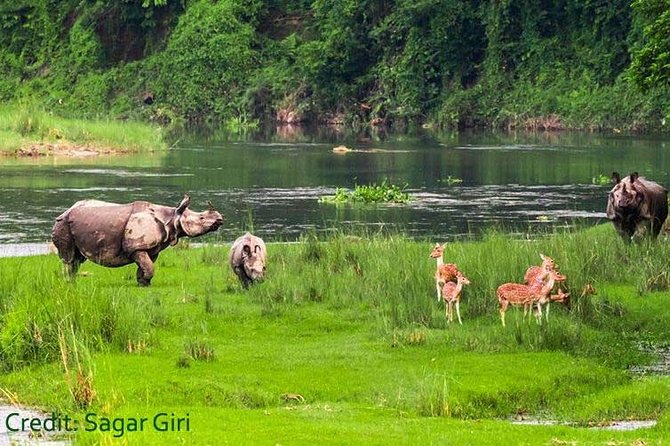
Chitwan is different. Wildlife schedules do not care about your itinerary. That’s why I like that this route includes Chitwan stay time and not just a single quick visit.
With two days, you have more flexibility. You can handle timing changes, weather, or just the natural unpredictability of wildlife viewing. And because you’re not constantly relocating every few hours, you’re more likely to stay relaxed, notice small moments, and avoid the burnout that comes from tight transfers.
Also, the transport setup matters here. A private vehicle and driver coordination reduces the risk of delays stacking up. That helps you show up to Chitwan without arriving stressed, which you’ll thank yourself for the next morning.
One more thing: Chitwan days often involve early starts depending on how activities are scheduled by your accommodation and guide. This is a good place to keep your expectations flexible, wear breathable clothes, and keep water handy.
The return to Kathmandu and airport transfer, handled cleanly
After Chitwan, you drive back to Kathmandu and then take an airport transfer. This is where good planning shows. A lot of travel pain happens near the end, when you’re tired and your schedule feels fragile.
Ending with transport back at the meeting point helps keep everything organized. You’re not trying to find a taxi when your energy is low and your brain is on flight checklists.
If you can, pack for easy access. Put your essentials in a spot you can reach quickly so you’re not rummaging in a hurry. And if you have last-minute shopping, treat it as a bonus, not a must. The goal is to arrive on time and relaxed.
Guide and driver quality: the names that came up for a reason
What repeatedly stands out in feedback is the personal side of the service. People appreciated the hospitality and the way staff handled groups with care. Names that came up include Hari and Arith.
That matters because a Nepal road trip is not just roads. It’s traffic, timing, short waits, and constant small decisions. A kind, professional guide helps you make those decisions quickly, and the driver keeps things moving safely.
It also helps when the guide is good at reading your group. Families were mentioned, and one key point was that nobody felt anxious even with kids along. If you’re traveling with children or a mixed-age group, that emotional comfort is part of value, not fluff.
So when you book, don’t just ask about the itinerary. Ask how your guide plans to handle timing, especially for early sunrise days and longer drive days.
What you pay extra for: rooms, entries, permits, and food planning
Because accommodation and entry fees are excluded, you’re really buying transport and guide service. That can be perfect if you like choosing where you stay, but you still need to budget.
Plan for these categories:
- Accommodation in Kathmandu, Pokhara, and Chitwan (and potentially other stops if you customize)
- Entry fees and permits for heritage and sacred sites
- Food and drinks across the route
A practical approach: decide your accommodation style first. If you prefer midrange hotels, your total will be predictable. If you’re tempted by higher-end places in each city, your final cost rises fast.
Also consider meals. Nepal can be easy for casual eating, but you’ll still spend. If you have dietary needs, tell your guide early so they can steer you toward practical options during drive days.
Who this tour suits, and who should consider another style
This experience is a strong match for you if you:
- Want private car transport across multiple destinations without hiring separate transfers
- Like having a guide for heritage and sacred sites, but prefer to choose your own hotels and meals
- Want a structured route that still allows customization based on your needs
- Travel as a group and want everything to happen together
You might want to look elsewhere if you:
- Want a fully packaged tour where hotels, most meals, and entrance fees are handled in one purchase
- Prefer to travel by public transport or slow travel with frequent stops you plan yourself
- Are very sensitive to long drive days, since this route covers Kathmandu to Pokhara to Lumbini to Chitwan and back
Overall, it’s a practical fit for people who want to see a lot of Nepal without spending most of their energy figuring out logistics.
Should you book Transport Cover Nepal?
I’d book it if you want efficient, private overland coverage of Nepal’s most famous stops, and you’re comfortable adding your own hotel, meals, and entrance fees. At $512.31 per person, the value is strongest when you compare it to the cost and stress of coordinating transport and guided time on your own.
I would hesitate if you need a fully inclusive package. Since accommodation and most site costs are excluded, the true total depends on your choices.
Best decision tip: before you book, list the add-ons you care about most, and ask if the route can be adjusted accordingly. If you get the right mix of early sunrise views, heritage context, and enough downtime in Chitwan, you’ll come away with a trip that feels like a series of memorable days, not a grind of transfers.
FAQ
What does Transport Cover Nepal include?
The included parts are transport by private vehicle, fuel surcharge, and landing and facility fees. It also includes transport and guide service support as described, with a driver and additional guide support if the group is more than 5.
What is not included in the tour?
Accommodation, entry fees, permits, food, and drinks are not included.
How long is the tour?
It runs for about 9 days.
Where is the meeting point, and where does the tour end?
The start and end are at Amrit Marg, Kathmandu 44600, Nepal. The activity ends back at the meeting point.
Is this a private tour?
Yes. It is a private tour or activity, and only your group participates.
Can I get a full refund if I cancel?
Yes, you can cancel up to 24 hours in advance for a full refund. Cancellation less than 24 hours before the start time is not refunded.
Latest additions near Kathmandu
- White Water River Rafting – 1 Day★ 4.3 · 3 reviews
- Traditional Momo Making Class★ 5.0 · 10 reviews
- Kathmandu to Pokhara Premium sofa bus ticket★ 4.0 · 17 reviews
- Ghorepani Poon Hill Trek★ 5.0 · 16 reviews
- Amazing 1 Day Trekking Experience in Kathmandu Nepal★ 5.0 · 24 reviews
- Ghorepani Poonhill Trek★ 5.0 · 5 reviews
- Walking tour of real Kathmandu through back streets.★ 5.0 · 3 reviews
- Wildlife Adventure in Chitwan Nepal★ 4.0 · 4 reviews
Kathmandu Tours, compared.
Private Kathmandu Sightseeing Tour | UNESCO World Heritage sites
Read our review →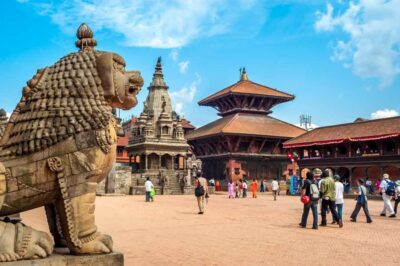
Everest Base Camp Helicopter Tour landing at Everest View Hotel
Read our review →