Reviewed · KATHMANDU TOURS
Spiritual Journey to Kailash Manasarovar 16 Days Overland Trip
Some trips change your rhythm, this one changes your thoughts. You get a full overland Kailash Manasarovar journey with expert guides, small group pacing, and the chance to witness Hindu rituals like the evening Pashupatinath aarti. I also love the way the team builds in practical support for altitude, with daily health checks and even an oxygen cylinder if you need it. The one drawback to keep in mind is the physical demands: you need moderate fitness for long drives and high-altitude trekking days.
If you want a spiritually focused trip without turning it into a logistics puzzle, this works well. I like that you travel with a set plan and fixed departure dates, so you can prepare your days off, your training, and your packing, without guessing every step. Still, it is an overland route, so expect long travel blocks and the real-life pace of borders, permits, and remote drives.
In This Review
- Key Highlights to Know Before You Go
- Kathmandu Rituals and UNESCO Stops Before You Go High
- Getting Your Tibet Visa and Crossing from Nepal to Tibet
- The Sacred Lake Day: Manasarovar Puja and What It Means
- Darchen and the First Leg of Kailash Kora (Diraphuk)
- The Dolma La Day: Second Leg to Zuthulphuk
- Finishing the Kora Back to Darchen, Then the Return to Lower Altitude
- Coming Back to Kathmandu and Closing the Trip at Tribhuvan Airport
- Comfort, Food, and Daily Support: What Included Really Looks Like
- Price and Value: Is $3,999 Fair for a 16-Day Overland Kora?
- Team Matters: Guides, Chef, Porters, and the Human Side
- Who This Trip Fits Best (and Who Should Rethink It)
- Should You Book This Kailash Manasarovar Overland Tour?
- FAQ
- What is the meeting point and start time?
- How long is the trip, and what does it cost?
- Does the tour include the Tibet visa and permit?
- What health and altitude support is included?
- What is not included during the Kailash Kora?
- What is the cancellation timeframe for a full refund?
Key Highlights to Know Before You Go
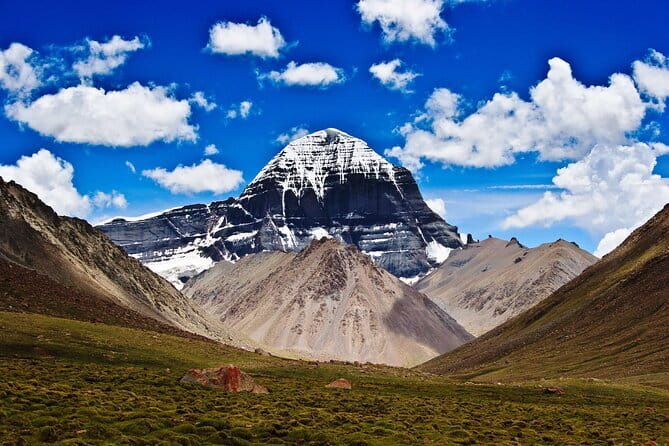
- Small group size (max 10) helps you move with less chaos and more flexibility when the road or altitude slows things down
- Tibet visa and permit fees included means less paperwork stress before you leave home
- Manasarovar puja with a sacred lake visit gives the trip a clear spiritual anchor before Kailash Kora
- Kailash Kora on foot across multiple days including a major pass crossing (Dolma La) for serious perspective
- Altitude support built in via blood oxygen and blood pressure monitoring plus an oxygen cylinder
Kathmandu Rituals and UNESCO Stops Before You Go High
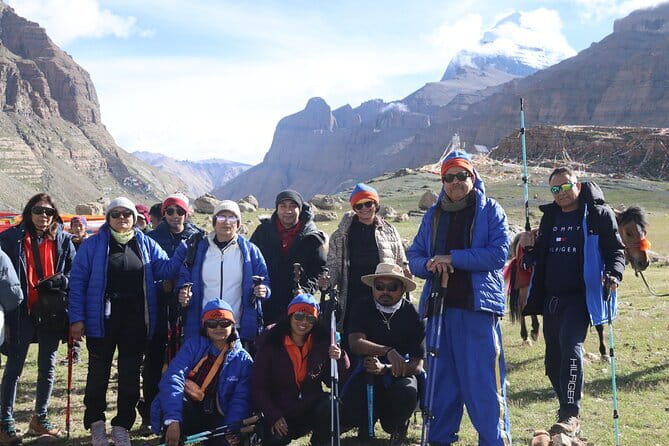
Your journey starts in Kathmandu, and it sets the tone fast. The evening Pashupatinath Temple aarti on the Bagmati River is one of those experiences where you feel the crowd’s focus without needing translation for meaning. People offer prayers, light lamps, and sing in honor of Lord Shiva, and the sound carries in a way that is hard to forget.
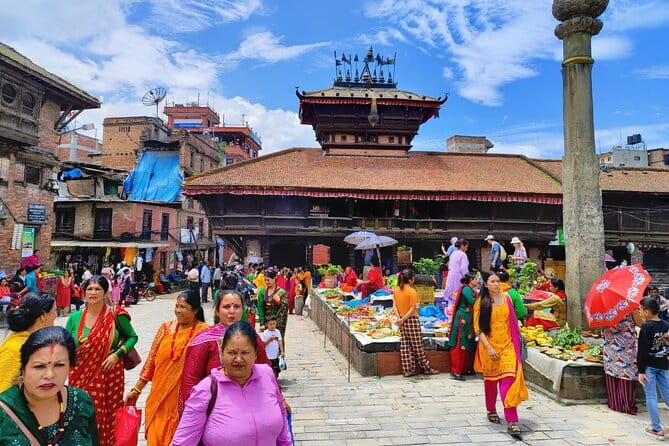
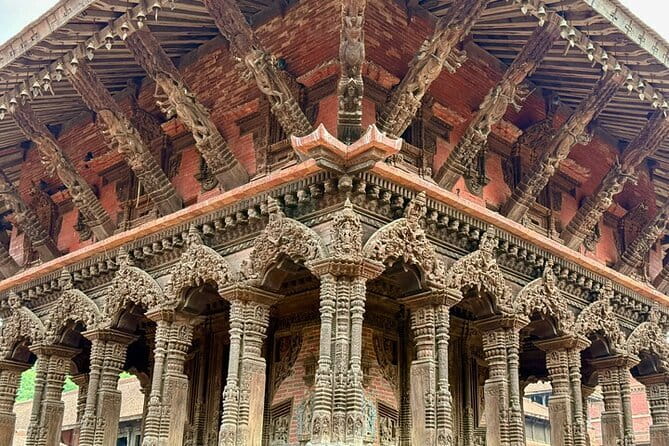
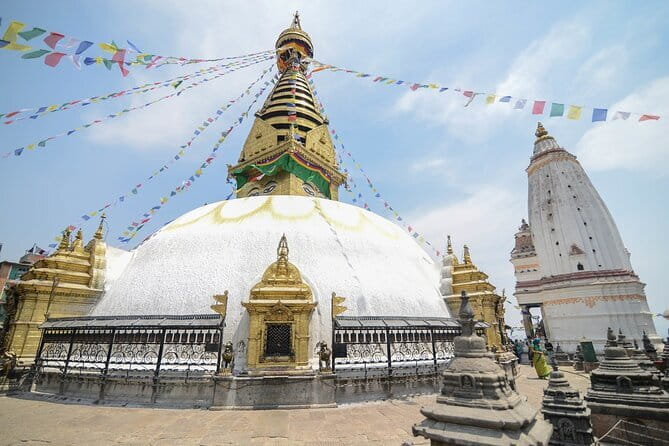
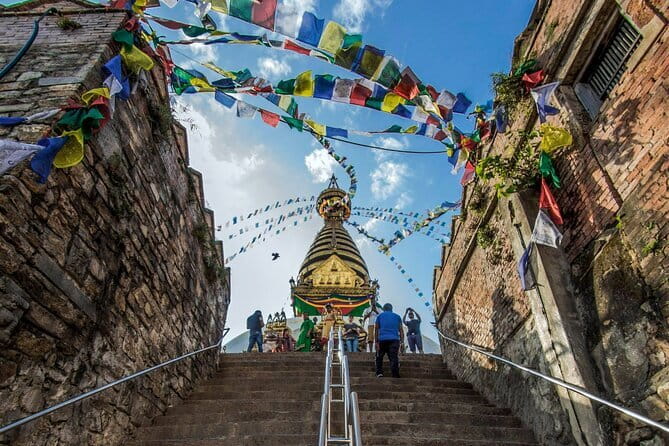
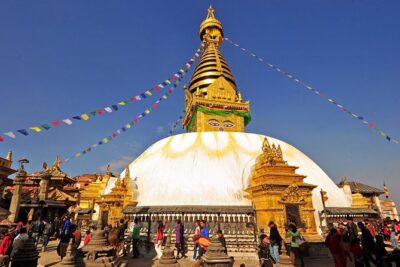
Daytime sightseeing gives you context so Kailash does not feel like it appears out of nowhere. You’ll visit major UNESCO sites including Swayambhunath, Boudhanath, and Patan Durbar Square, plus Pashupatinath itself again in the daylight hours for contrast. Then you shift to Bhaktapur, where the Bhaktapur Durbar Square medieval architecture feels handmade and detailed, from wooden temple work to places like the Nyatapola Temple.
On the spirituality side, you also see pilgrimage-linked stops around the Kathmandu Valley. One is Doleshwor Mahadev, known for a lingam site where devotees seek blessings. Another is the tall Kailashnath Mahadev statue in Sanga, a major Shiva landmark with wide views over the valley. This matters because by the time you head to Tibet, you already understand this yatra is not only about walking. It is also about building a mindset.
One more practical plus in Kathmandu: you get time for a hike at Shivapuri National Park. It is a smart prep day. Not a huge trek, but enough to help you find your walking rhythm before the real altitude work starts.
More from Kathmandu worth a second look:
- Everest Base Camp Trek – 14 Days
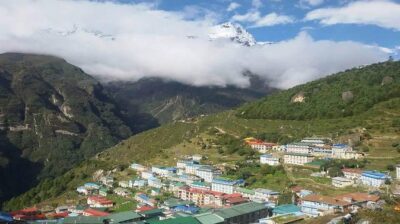
★ 5.0 · 1,499 reviews - Everest Base Camp Trek
★ 5.0 · 842 reviews - Private Kathmandu Sightseeing Tour | UNESCO World Heritage sites
★ 5.0 · 756 reviews
Getting Your Tibet Visa and Crossing from Nepal to Tibet
Two things happen early that affect how smooth the whole trip feels. First, you handle Tibet visa formalities through the Chinese Visa Centre in Kathmandu, then you get moving toward the next stage. Second, on the way out, the plan keeps you focused on what needs doing and what needs packing.
You also drive to Chandragiri Hills after the visa steps. It is a breather in the middle of paperwork mode, with mountain views that make you feel like the Himalaya are already part of your day.
Then comes the actual border transition. On the day you cross into Tibet, you drive to Gyirong (Kyirong) town. Expect a change in atmosphere, not just altitude. This stage is your acclimatization runway. The goal is to arrive, settle in, and avoid acting like you are on a vacation cruise. Take it slow, sip water, and let your body catch up.
The next driving day takes you onward to Saga County, where the Tibetan plateau stretches out and the travel itself becomes part of the experience. You will pass nomadic herders and traditional villages along the way. Even if you just enjoy the window time, you get the sense that this region is lived-in, not only visited.
The Sacred Lake Day: Manasarovar Puja and What It Means
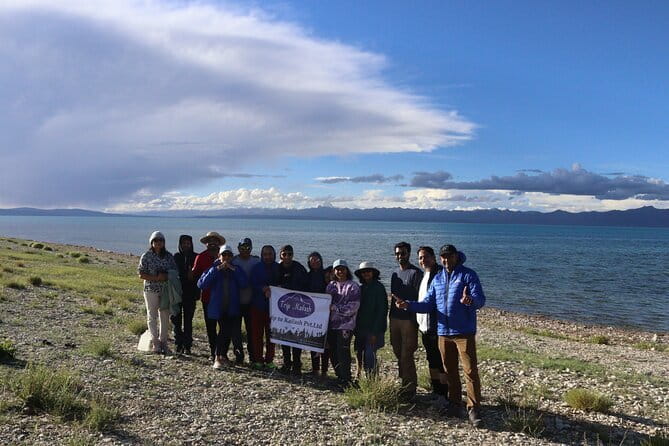
When you reach Lake Mansarovar, the trip shifts from preparation to purpose. The lake is high, it is quiet, and it carries meaning for Hindus and Buddhists. You do not just look at it. You participate in a puja on the shores, which is the kind of moment that helps the rest of the yatra click into place.
This is a good day to slow your pace. Yes, you are on a tight schedule, but this is the one where you can let the spiritual focus land. Even people who usually treat travel like a checklist often find this day reframes the walk to come.
It is also a useful time for practical mindset building. The Kora around Mount Kailash is not only long. It is mentally intense. Sitting with the lake and doing the ritual gives you a reference point for your own reasons for coming.
Darchen and the First Leg of Kailash Kora (Diraphuk)
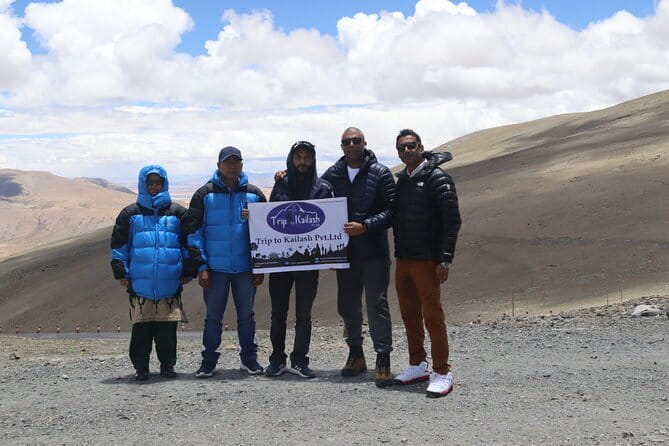
After Manasarovar, you move to Darchen, the starting point for the Kailash Kora. Darchen sits at a high altitude, and it has that busy base-town feeling where pilgrims gear up, check in, and keep their focus.
Your first Kora day runs from Darchen to Diraphuk. This is a challenging trekking day on rugged terrain, and the main payoff is the first real, sustained view and approach energy toward Mount Kailash. You are not walking for a photo. You are walking for alignment, and the terrain helps you stay present.
Because this is a circumambulation route, the rhythm matters. You will likely feel time in your legs before you feel it in your mind. That is normal. If you keep your steps steady and do not try to “win” the day, you usually feel better when the slope or altitude bites.
Also, keep an eye on comfort choices for this phase. Horse and pony fees during Kora are not included, so if you want that option for any reason, plan extra cash. Even if you do not plan to use it, knowing it exists reduces stress.
Another way to spend the time in Nepal:
- Kathmandu: 7 UNESCO Sites with Lunch
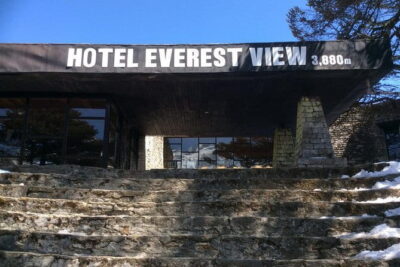
★ 4.8 · 744 reviews - Everest Base Camp Helicopter Tour landing at Everest View Hotel
★ 5.0 · 668 reviews - Half day cooking class in Thamel kathmandu
★ 5.0 · 607 reviews - Everest Base Camp Trekking
★ 5.0 · 485 reviews
The Dolma La Day: Second Leg to Zuthulphuk
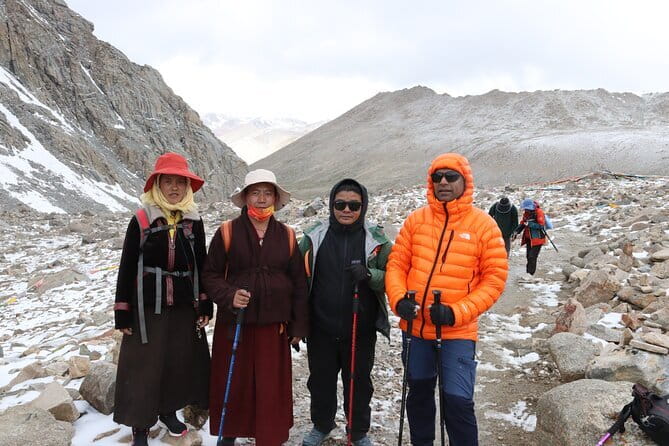
The second leg is where most people feel the trip become real. You walk from Diraphuk to Zuthulphuk, and the route involves crossing Dolma La pass, described as the highest point of the trek. That one detail changes the entire day.
Crossing a high pass is not only about endurance. It is also about pacing, breathing, and staying calm when your body asks for patience. This is one reason I think the included altitude support matters. You get oxygen cylinder availability and daily health checkups with blood pressure and oxygen monitoring, which can help you make smart decisions early rather than pushing through blindly.
On a spiritual trip, it is tempting to treat discomfort as part of the vow. But your job is to finish safely. If you need to slow down, slow down. If you need to stop, stop. You are not failing the yatra by doing the smart thing.
When you reach Zuthulphuk, it tends to feel like a release, because you have paid the hardest entrance fee of the Kora. Even if the physical effort stays in your legs, mentally it often feels like the trip is now moving into its deeper meaning.
Finishing the Kora Back to Darchen, Then the Return to Lower Altitude
The final leg brings you from Zuthulphuk back to Darchen. This day is described as the completion segment of the circumambulation, and that framing matters. After you cross the big pass and reach the far side, the return can feel like reflection time.
Finish strong, but keep it steady. You are still at altitude, and your body still needs care.
Once you return to Darchen, you get a drive day back to Saga County. This is recovery mode in a landscape sense and in a sleep sense. Long drives can sound tedious, but they are also what your legs want after days of trekking. Treat it like part of the yatra, not a break from it.
Then you head to Gyirong again and stay overnight, giving you another buffer before the final return run to Kathmandu.
Coming Back to Kathmandu and Closing the Trip at Tribhuvan Airport
The last leg is a long day. You drive from Gyirong back to Kathmandu via the Rasuwa Gadhi border, and it is listed as around 9 to 11 hours, about 265 km. This is not the day to expect lightning speed. It is the day to keep your gear organized, stay hydrated, and accept that borders take time.
Once you are back in Kathmandu, the plan includes time to handle immigration formalities, then you have the final overnight and head to Tribhuvan International Airport for departure after breakfast.
The schedule also includes a fixed start time of 10:15 am at Tribhuvan Airport in Kathmandu. That matters if you are arriving the day before. Plan your arrival and buffer time accordingly so you are not rushing on day one.
Comfort, Food, and Daily Support: What Included Really Looks Like
This is where the value story gets clearer.
You get private transportation, plus all fees and taxes, and crucially, Tibet visa fees and permit fees. If you have ever tried to piece together a Tibet trip on your own, you already know how much time and stress permits can eat.
Accommodation is 3-star hotels in Kathmandu and “best possible” lodging during the parikrama portion. That language signals you should not expect hotel luxury at high altitude, but the trip does aim for comfort where possible.
Food is full board pure veg meals, with breakfasts, lunches, and dinners included. On a trek, that kind of meal consistency can be the difference between “I am fine” and “I am fading.” You also get daily health checkups with blood pressure and blood oxygen monitoring, plus an oxygen cylinder if needed.
One reason I appreciate these inclusions is they reduce decision fatigue. You are already making enough choices on a Kora, like how fast to go and when to rest. The trip cuts down on the “what if something goes wrong” anxiety.
Price and Value: Is $3,999 Fair for a 16-Day Overland Kora?
At $3,999 per person, this is not a budget side trip. It is priced like a guided, permit-supported, full-board expedition. What makes it feel more fair is what is included:
- Tibet permits and visa fees are part of the package
- Private transport for the overland legs, not shared shuttle chaos
- Accommodation both in Kathmandu and during the Kora period (with the obvious reality that high altitude changes options)
- Daily health monitoring and an oxygen cylinder safety net
- Full board pure veg meals
If you price out those categories separately, the number starts to look less like a flat tour fee and more like bundled risk management and logistics coverage.
Also, the group size is capped at maximum 10 travelers. In this type of trip, smaller groups often mean less crowding at key moments and more attention when altitude or pacing calls for care.
Team Matters: Guides, Chef, Porters, and the Human Side
The strongest praise from the trip is not about sights. It is about people.
The tour is led by a team that includes your guide, chef, and porters, and the tone you get is hands-on support. One recurring detail is that Kashyap has a reputation as a steady pillar of strength, especially for solo travelers who may feel the emotional weight of the journey. People also describe the care as thoughtful, and that the team looks after individual comfort needs.
That matters on Kailash Manasarovar because the trip is physically tough and emotionally personal. When your guide is tuned in, the difference shows in small ways like help with pace decisions, practical care, and a calmer atmosphere when the day gets hard.
Who This Trip Fits Best (and Who Should Rethink It)
This works best for you if:
- You want a spiritual focus with real ritual moments, not just sightseeing
- You are comfortable with moderate fitness and long trekking days
- You want help with Tibet entry permits and the border timeline
- You like small groups and steady guidance
You may want to rethink if:
- You dislike high-altitude trekking or long travel days
- You are hoping for an easy walk the whole way
- You want maximum autonomy with no schedule structure at all
Remember: this trip is built for the Kora experience. The spirituality and the walking are the core, even though there is plenty to see in Kathmandu.
Should You Book This Kailash Manasarovar Overland Tour?
If you want a structured way to do Kailash Manasarovar, and you prefer having permit support, health monitoring, and full board meals handled, I think this is a smart choice. The small group limit plus a team that focuses on comfort is a strong combination for a demanding itinerary.
Book it when you can commit to the physical side. Train a bit before you go, keep your steps consistent, and treat altitude like a serious factor, not an afterthought. If you do that, you give yourself the best shot at experiencing the yatra as more than travel, as a real turning point.
FAQ
What is the meeting point and start time?
The meeting point is Tribhuvan Airport, Kathmandu, Nepal, with a start time of 10:15 am.
How long is the trip, and what does it cost?
The trip is about 16 days and costs $3,999 per person.
Does the tour include the Tibet visa and permit?
Yes. Tibet visa fees and permit fees are included. You also receive help with the visa process in Kathmandu.
What health and altitude support is included?
The trip includes an oxygen cylinder in case of altitude sickness and daily health checkups, with blood pressure and blood oxygen monitoring.
What is not included during the Kailash Kora?
Horse and pony fees during Kora are not included, and there are also personal expenses and tips not included.
What is the cancellation timeframe for a full refund?
You can cancel up to 6 days in advance for a full refund, meaning you must cancel at least 6 full days before the experience start time.
Latest additions near Kathmandu
- White Water River Rafting – 1 Day★ 4.3 · 3 reviews
- Traditional Momo Making Class★ 5.0 · 10 reviews
- Kathmandu to Pokhara Premium sofa bus ticket★ 4.0 · 17 reviews
- Ghorepani Poon Hill Trek★ 5.0 · 16 reviews
- Amazing 1 Day Trekking Experience in Kathmandu Nepal★ 5.0 · 24 reviews
- Ghorepani Poonhill Trek★ 5.0 · 5 reviews
- Walking tour of real Kathmandu through back streets.★ 5.0 · 3 reviews
- Wildlife Adventure in Chitwan Nepal★ 4.0 · 4 reviews
Kathmandu Tours, compared.
Private Kathmandu Sightseeing Tour | UNESCO World Heritage sites
Read our review →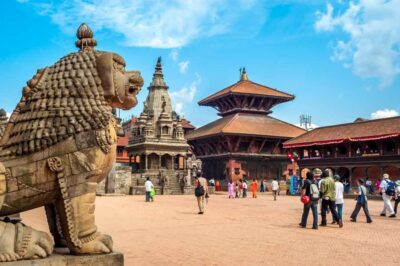
Everest Base Camp Helicopter Tour landing at Everest View Hotel
Read our review →