Reviewed · KATHMANDU TOURS
Sabbatical in Nepal: A Mixture of Nature, Culture & Spiritual Experiential Tour
Ten days in Nepal feels like three trips. This route links Kathmandu Valley UNESCO sights with Chitwan National Park nature, so the country keeps changing while you learn it. I like that the pacing is built around contrasts, temples today, jungle tomorrow, and you never feel stuck in one bubble.
I especially enjoyed the day that starts at Sarangkot for Sarangkot sunrise, then cools off with a boat on Phewa Lake. It’s the kind of schedule that balances big viewpoints with slower moments, and it helps you recharge instead of rushing from one landmark to the next.
One drawback to plan for: the itinerary is active, and the driving time adds up. You’ll also do a short hike for the sunrise viewpoint, so pack comfortable shoes and expect early mornings to matter.
In This Review
- Key things that make this tour work
- Day 1 in Kathmandu, Swayambhunath and Hanuman Dhoka Durbar Square
- Day 2 in the Kathmandu Valley, Boudhanath to Pashupatinath to Patan and Bhaktapur
- Day 3 Bhaktapur pottery hands-on, then a 4-hour drive to Pokhara
- Day 4 Sarangkot sunrise, Phewa Lake boating, Devi’s Fall and Gupteswor Cave
- Day 5 Travel from Palpa hills to Lumbini’s Buddha birthplace
- Day 6 Stupas and ruins around Buddha’s early life, Kudan and Tilaurakot
- Day 7 Sauraha and the Tharu village, culture by the river
- Day 8 Chitwan National Park birdwatching, then jeep or elephant safari
- Day 9 Kathmandu free time for spa, shopping, and a farewell dinner
- Day 10 depart from Kathmandu, airport transfer based on your flight
- Price and logistics: what $2,724.30 covers, and where the value really is
- Who should book this tour, and who might not love it
- Should you book Sabbatical Explore Nepal’s Nepal mixture tour?
- FAQ
- Is pickup offered for this tour?
- Where is the meeting point, and where do I end the tour?
- What is included in the tour price?
- Are entrance fees for UNESCO sites and the national park covered?
- What safari options do I have in Chitwan?
- Are international flights included?
Key things that make this tour work
- UNESCO entry fees included across Kathmandu Valley and Lumbini
- Chitwan safari included, with morning birdwatching before the park experience
- Sarangkot sunrise viewpoint plan includes a short hike
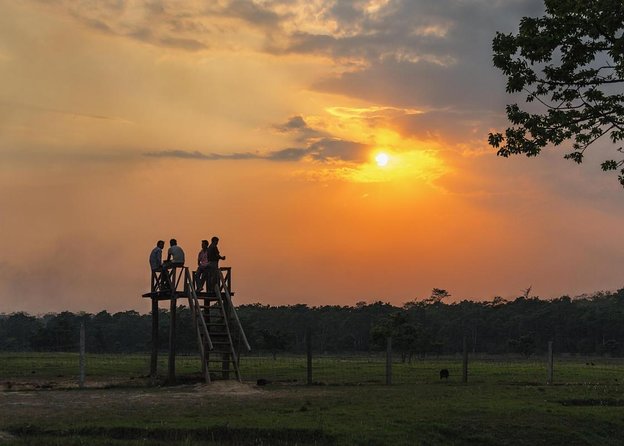
- Tharu village culture evening with a riverside sunset moment and stick dance show
- Air-conditioned vehicle plus a driver and language guide for door-to-door logistics
- 3-star hotel bases with breakfast in key regions, from Bhaktapur to Sauraha to Thamel
Day 1 in Kathmandu, Swayambhunath and Hanuman Dhoka Durbar Square
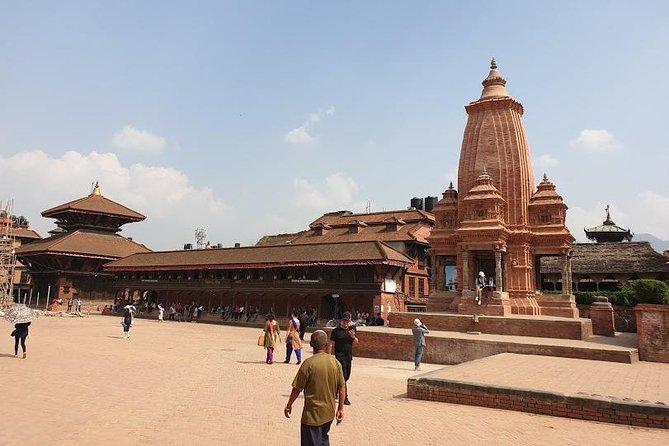
Your first day starts easy and practical. You’re welcomed at Kathmandu Airport, transferred to your hotel, and given a short rest before you head out again. That buffer matters in Kathmandu, because jet lag plus traffic can flatten your energy fast.
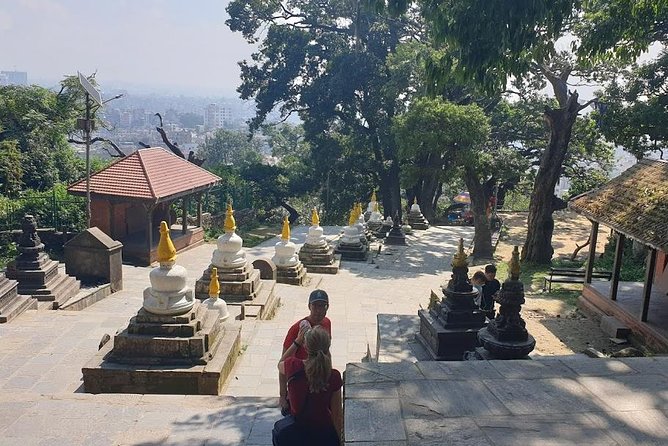
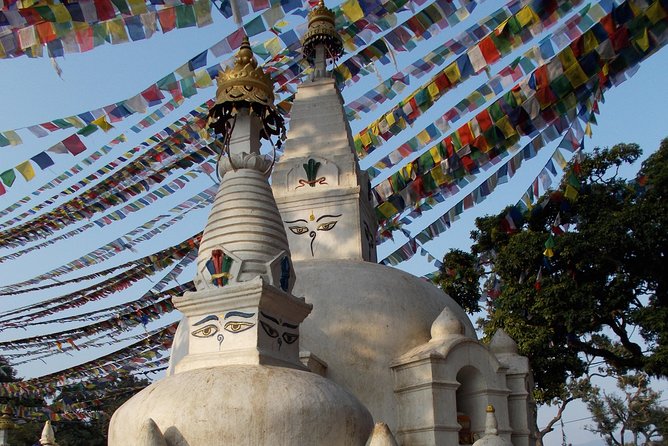
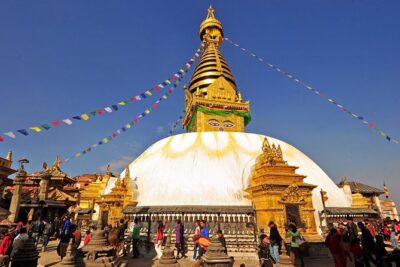
Then you visit Swayambhunath, also called the monkey temple. It’s a famous stop for a reason: it gives you an instant feel for Nepal’s spiritual atmosphere, with a place that’s lived in day after day. Admission is included, and you get about an hour there, enough time to look around without feeling dragged.
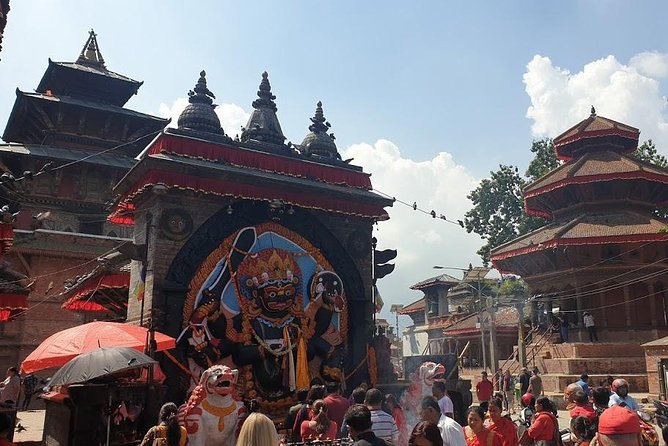
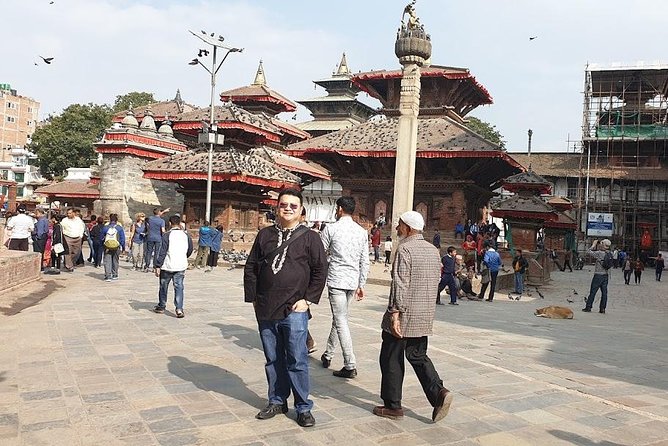
In the afternoon you move to Kathmandu Durbar Square, specifically the Hanuman Dhoka area. You’ll see the Kumari ghar (the living goddess residence), temples, the Durbar museum, and you’ll have time for local market browsing. This is one of those stops where you’re not just collecting sights, you’re watching culture operate. A big plus here is that admission fees are included, so you’re not constantly checking what you need at the gate.
More from Kathmandu worth a second look:
- Everest Base Camp Trek – 14 Days
★ 5.0 · 1,499 reviews - Everest Base Camp Trek
★ 5.0 · 842 reviews - Private Kathmandu Sightseeing Tour | UNESCO World Heritage sites
★ 5.0 · 756 reviews
Day 2 in the Kathmandu Valley, Boudhanath to Pashupatinath to Patan and Bhaktapur
Day 2 is a heavy-hitter day, and it’s built around spiritual contrasts. You start at Boudhanath Stupa, described as the biggest and most popular Tibetan stupa in the world. It’s also a major pilgrimage site, and the tour time lets you walk around the stupa while monks are present. If you like travel that feels grounded in everyday religion instead of staged culture, this stop is a strong match.
Next you go to Pashupatinath Temple, the large temple complex on the east side of Kathmandu. It’s also a UNESCO Cultural Heritage site, and the tour description emphasizes that it’s active throughout the day. Pashupatinath is known as a crematory centre, and that fact is part of the real-world spiritual rhythm you’ll see here. This is not a museum visit, it’s a living place, and it can feel intense, especially during major festivals like Maha Shivaratri.
Then you head to Patan Durbar Square, a different style of Newari architecture and a calmer vibe than some of the bigger crowds. The focus is the Krishna Mandir and the durbar square’s monuments, plus time near local scenes. You also stop at Bhaktapur, an ancient city with traditional arts, architecture, and crafts. The time is shorter here, but it sets you up well for the hands-on pottery focus later.
Practical note: with so many sacred sites back-to-back, this day is about flow and attention. Keep your expectations realistic, expect crowd moments, and don’t try to photograph everything. The value is in soaking up how each place expresses spirituality differently.
Day 3 Bhaktapur pottery hands-on, then a 4-hour drive to Pokhara
You start with Pottery Square in Bhaktapur, the center of the ceramic industry. This is a smarter choice than watching pottery from a distance. You can experience pottery, see finished articles for sale, and even watch the firing process at the back of the square where you’ll find mud-covered straw kilns.
If you like travel that adds skills, even small ones, this stop works. It gives you a tactile memory, not just a sticker on your phone. Admission is included, and the time slot is focused at about half an hour, so it’s easy to enjoy without feeling rushed.
After that you transition from the Kathmandu Valley to Pokhara with a drive of about four hours. The route follows the Trisuli River, and the description points out swirling road conditions. It’s not a gentle scenic cruise, so this is a good day to have water handy and plan for a bumpy ride. Once you arrive, you’re shifting from heritage cities to lakes and mountain viewpoints, which is a big part of why this tour feels like multiple vacations in one.
Day 4 Sarangkot sunrise, Phewa Lake boating, Devi’s Fall and Gupteswor Cave
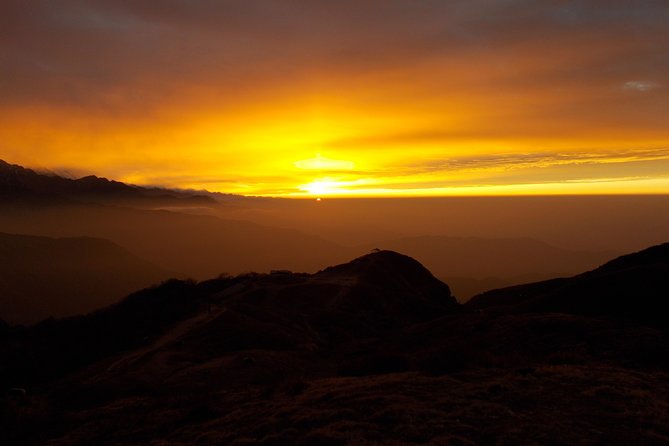
Day 4 begins with a sunrise plan. Sarangkot is the place for panoramic Himalayan views, and the timing is early enough to catch that first light. The schedule includes about a 20-minute drive to Sarangkot hill, then roughly 10 to 15 minutes of hiking for the sunrise viewpoint. It’s short, but it’s not zero effort, so it’s a good test of whether you’re comfortable with light walking in the early morning.
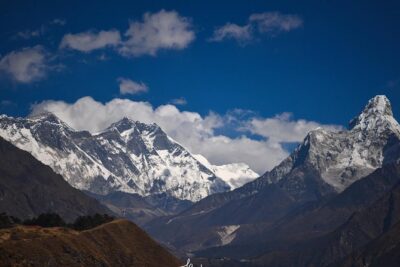
This viewpoint is specifically aimed at seeing major ranges like Dhaulagiri, Annapurna, and Manaslu. If you want your Nepal trip to include at least one moment where the mountains feel real and close, this is the day for it. Admission is included, and the tour builds in time afterwards for rest.
Then you shift to calm: boating on Phewa Lake. The tour includes a boat ride and highlights Tal Barahi Temple in the middle of the lake. There’s also a classic feature here, reflections of Machhapuchhre and other mountain peaks on the water surface. Even if the reflection isn’t perfectly mirror-like every day, the lake experience resets your pace.
In the afternoon you get water and geology instead of pure scenery. Devi’s Fall, also called Patale Chango, is explained as a waterfall that passes through a cave linked to Gupteshwor Mahadev Cave. Right after, you visit Gupteswar Gupha, a major attraction where water flows through the cave. This is a fun change from temples because you’re seeing nature’s engineering in motion.
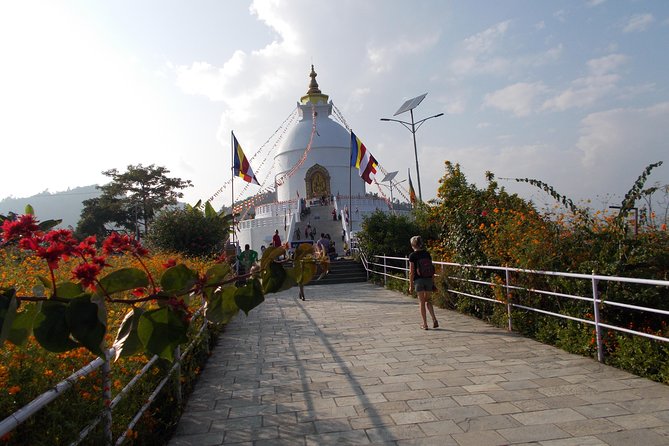
Finally, you visit the World Peace Stupa. The stop rounds out the day with another spiritual viewpoint, but it’s less intense than some of the major city temples. You come to Pokhara for scenery, then you leave with a mix of sunrise, lake quiet, and cave water stories.
Another way to spend the time in Nepal:
- Kathmandu: 7 UNESCO Sites with Lunch
★ 4.8 · 744 reviews - Everest Base Camp Helicopter Tour landing at Everest View Hotel
★ 5.0 · 668 reviews - Half day cooking class in Thamel kathmandu
★ 5.0 · 607 reviews - Everest Base Camp Trekking
★ 5.0 · 485 reviews
Day 5 Travel from Palpa hills to Lumbini’s Buddha birthplace
Getting to Lumbini is part sightseeing, part geography lesson. You go via Palpa, described as a beautiful hilly region, and then you move into the Terai plains. That change matters because Nepal isn’t one type of scenery. One day you’re thinking about hill roads and viewpoints, and the next you’re in the flat, pilgrimage-focused region tied to Buddhism’s origin story.
When you arrive, you visit Lumbini Sanskritik, and timing can affect what you see first. Your key stop is Maya Devi Temple, identified here as the birthplace of Siddhartha Gautama. The temple is inside the UNESCO World Heritage Site of Lumbini, and the tour notes the area is huge. The tour also frames this day as studying the origins of Buddhism, so the focus is meaning, not just location stamps.
This is one of the calmer, reflective parts of the itinerary. Compared to the city days, it gives your mind time to slow down. If you came to Nepal wanting spiritual context instead of only sightseeing, this is where your trip starts to feel purposeful.
Day 6 Stupas and ruins around Buddha’s early life, Kudan and Tilaurakot
Day 6 keeps the spiritual thread, but it shifts from sacred birthplace to early-life associations. You start at Kudan Stupa, believed to be the place where Buddha first met his father, King Suddhodhana after enlightenment. The tour description focuses on a series of impressive stupas, so you’ll likely spend time noticing the difference between main monuments and smaller structures that still feel important in the setting.
Next is Tilaurakot, described as an archaeological site associated with Kapilavastu. It’s presented as the area where Buddha grew up and had married life with Yasodhara. The word archaeology matters here. You’re looking at place-based history, not just a restored building, and that can feel different in a good way if you like to connect stories to real terrain.
At the end of the day, you drive to Bairahawa, also noted as Siddharthanagar, for the night. The tour frames this area as the main gateway to the Buddhist pilgrim circuit. It’s a practical staging point, because the next day shifts from sacred sites to wildlife in Chitwan.
Day 7 Sauraha and the Tharu village, culture by the river
You arrive in the Chitwan region via Sauraha, the tour calls it the eastern gateway to the large Chitwan National Park. You’ll have breakfast, then travel from Bhairahawa to Chitwan, with lunch and rest on arrival. This is a smart transition day. It prevents the trip from feeling like it immediately swings from temples to jungle without any reset.
Then comes Chitwan Tharu Village, a focused cultural stop. The schedule is about three hours and is built for close observation of Tharu culture, including daily activities and lifestyle. The tour description highlights that the Tharu have lived close to the protected area, so their traditions reflect their relationship with the natural world.
In the evening you get a riverside sunset moment and a Tharu cultural stick dance show. Dinner and overnight are at a hotel or resort in the area. This is one of the most valuable parts of the trip if you want wildlife without losing the human side of conservation and place. It also gives you something to talk about after the safari day, since you’ll be comparing nature time to people time.
Day 8 Chitwan National Park birdwatching, then jeep or elephant safari
Chitwan is where the tour turns fully into nature time. The morning starts with bird watching and breakfast. The tour notes that the park is a delight for birdwatchers, with more than 400 migrant local species of birds. Even if you are not a hardcore birder, you’ll likely notice how alive the park feels early in the day.
After breakfast you choose between Jeep safari or elephant safari. The tour describes jeep safari as the fastest way to explore the wide park area. Elephant safari is offered as an option in the program, and you should think about your comfort and preferences when deciding.
This day is about maximizing wildlife time without pretending you can control it. In a park, some sightings are luck, but your time is still structured: birdwatching first, then safari when the animals tend to be active. If you want a straightforward wildlife day with local guidance and transport handled, this is the core of the tour.
In the afternoon you drive back to Kathmandu for the night, about four hours. That’s a long return, so plan to keep your evening low-key. You’ll be in Kathmandu again for a later free day.
Day 9 Kathmandu free time for spa, shopping, and a farewell dinner
Day 9 is intentionally lighter. You get a free day in Kathmandu, with options like spa and sauna, massage, and souvenir shopping. The tour also includes a trip summary and farewell dinner, so you end the trip with a final organized moment and a chance to wrap your Nepal experience up with your guide.
The value of a free day is simple: it lets you choose what you missed or what you want to repeat. If you hit temple fatigue earlier, this is your recovery. If you loved city walking, it’s your chance to do a few things at your own pace.
Day 10 depart from Kathmandu, airport transfer based on your flight
Your last day is built around your flight schedule. You have a final Kathmandu day, and then you’re driven to Tribhuvan International Airport or you can continue to a next trip. The airport transfer time is listed as about 30 minutes, so you’re not looking at a long, stressful exit.
Price and logistics: what $2,724.30 covers, and where the value really is
Let’s talk money in a grounded way. At $2,724.30 per person for about 10 days, you are paying for a route that crosses regions, keeps the transportation organized, and includes a lot of the entry costs that add up fast in Nepal.
Here’s what your price covers, based on the tour inclusions:
- Air-conditioned vehicle and driver plus language guide
- Hotel stays in 3-star properties with breakfast in Bhaktapur, Pokhara, Lumbini, Chitwan in Sauraha, and Thamel after the main part of the tour
- UNESCO World Heritage site entrance fees and national park entry fee
- Chitwan safari guide and vehicle, plus the listed jungle safari activities
- Tharu cultural evening show ticket
- Meals including lunch, plus breakfast and dinners called out in the inclusions, with dinner and breakfast included for the listed days around Chitwan
This is the type of package value that matters if you want less hassle. When UNESCO tickets and park fees are already included, you can focus on the stops instead of budgeting on the fly. The same goes for transport, especially with long drives like the Pokhara transfer and the Kathmandu return from Chitwan.
One extra human detail stands out from the information shared by the company team. The name Shiva is mentioned as the head of the organization, and that personal touch suggests your planning is taken seriously, not just handled by a generic call center. That kind of service is hard to measure on paper, but it shows up when things need adjusting.
Who should book this tour, and who might not love it
This tour fits you if you want a balanced mix of heritage, spirituality, and wildlife, and you don’t want to piece together multiple bookings across Nepal. It’s also a good match if you like guided structure, because you get time windows for major sites and specific activities like sunrise viewing, boating, cave visits, and Chitwan safari.
You might want to think twice if you hate early mornings or if long road days make you grumpy. The schedule does include early departure for Sarangkot sunrise, plus multiple driving segments. It also has lots of cultural stops back-to-back, so bring a mindset that accepts crowds and sacred intensity as part of the deal.
Should you book Sabbatical Explore Nepal’s Nepal mixture tour?
I’d recommend this tour if you want one clean, organized plan that covers Kathmandu Valley UNESCO highlights, Buddha birthplace context in Lumbini, and a real wildlife day in Chitwan. The included UNESCO and national park fees alone make the package feel less like a sightseeing list and more like a functioning trip.
If you want total freedom to linger, skip stops, or design your own routing, this might feel a bit structured. But for most people, the tradeoff is worth it because you get the hard parts handled, transport across regions, and a schedule that flows from mountains to plains without confusion.
If you book, do this: pack for early mornings, keep your pace realistic, and treat Chitwan as the main nature day rather than another checklist stop. That’s when the tour delivers its best payoff.
FAQ
Is pickup offered for this tour?
Pickup is offered. The trip includes welcoming at Kathmandu Airport and transfers to your hotel, and it ends back at the meeting point.
Where is the meeting point, and where do I end the tour?
The ticket redemption point is Thamel Grand Hotel in Kathmandu. The experience ends back at the meeting point.
What is included in the tour price?
Included items are an air-conditioned vehicle, lunch, fuel surcharge, a driver and language guide, hotel accommodations in listed cities with breakfast, breakfast and dinner as specified in the inclusions, and the listed activities. Entrance fees for UNESCO sightseeing and the national park are also included.
Are entrance fees for UNESCO sites and the national park covered?
Yes. The tour includes entrance fees of all UNESCO World heritage sightseeing sites and the national park entry fee.
What safari options do I have in Chitwan?
In Chitwan National Park, you can do a Jeep safari or an elephant safari, depending on the option arranged in the program.
Are international flights included?
No. International flight costs are not included.
Latest additions near Kathmandu
- White Water River Rafting – 1 Day★ 4.3 · 3 reviews
- Traditional Momo Making Class★ 5.0 · 10 reviews
- Kathmandu to Pokhara Premium sofa bus ticket★ 4.0 · 17 reviews
- Ghorepani Poon Hill Trek★ 5.0 · 16 reviews
- Amazing 1 Day Trekking Experience in Kathmandu Nepal★ 5.0 · 24 reviews
- Ghorepani Poonhill Trek★ 5.0 · 5 reviews
- Walking tour of real Kathmandu through back streets.★ 5.0 · 3 reviews
- Wildlife Adventure in Chitwan Nepal★ 4.0 · 4 reviews
Kathmandu Tours, compared.
Private Kathmandu Sightseeing Tour | UNESCO World Heritage sites
Read our review →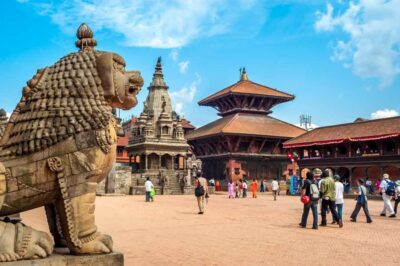
Everest Base Camp Helicopter Tour landing at Everest View Hotel
Read our review →