Reviewed · KATHMANDU TOURS
Real Nepal Tour
This route is a one-day ticket to Nepal’s faith and views. You’ll ride from Kathmandu temples to Pokhara lake sights, then fly to Jomsom for Muktinath and back by road, all guided by an English-speaking pro. I like that the plan keeps the big transfers practical, with airport pickup and private transport when needed. I also like that the logistics get handled by guides such as Himal, who are praised for coordinating taxis and bookings so you are not stuck chasing details. One thing to consider is the pace, plus moderate walking, including a roughly 45 minute walk from a jeep drop-off area to Muktinath.
The real value here is not just seeing famous places, it is how the day is stitched together: domestic flights, jeeps, short sightseeing windows, and religious stops that feel meaningful in real time. Your group size is small (up to 15), and it is set up as private, so you should get less waiting around than on big group tours. The tradeoff is time. This is not a slow meander through Nepal, it is a full-on circuit built for people who can handle a long travel day and early mornings.
In This Review
- Key highlights you will actually care about
- Kathmandu, Pokhara, Jomsom, and Muktinath in one tight circuit
- Arrival in Kathmandu: airport meeting, hotel night, and a first taste of Nepal
- Pashupatinath and the Bagmati River: what to notice
- Kathmandu Valley temple hopping: Sanga and Durbar Square area stops
- Manakamana Temple to Pokhara: switching from temple courtyards to lake air
- Flying to Jomsom: jeep access, the 45-minute walk, and Muktinath reality checks
- Muktinath and Jwala Mai flames: why this pilgrimage stop feels different
- Pokhara lake day: Bindabashini, Devi’s Fall, Gupteshwor cave, and Tal Barahi boat time
- The scenic 200 km drive back to Kathmandu and a final temple stretch
- Price and what you are really paying for at $1880
- Who should book this tour, and who might feel it is too much
- Should you book Real Nepal Tour?
- FAQ
- Where does the tour start and end?
- What time does the tour start?
- How many people are in the group?
- What transport do you use on the trip?
- Is walking required for Muktinath?
- Are admission tickets included?
Key highlights you will actually care about
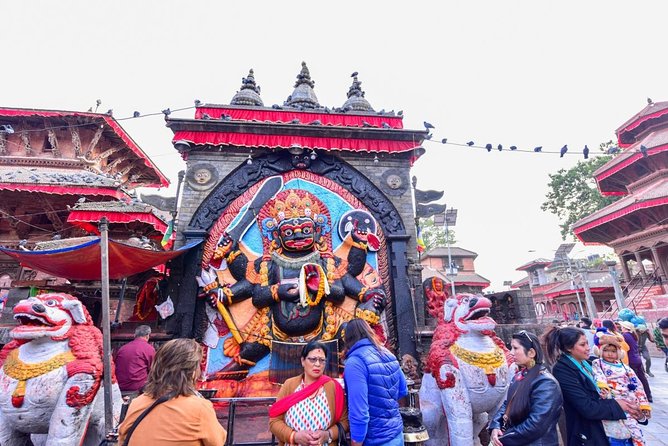
- English-speaking guide support with help coordinating taxis and activity bookings
- Kathmandu to Pokhara to Jomsom using a mix of car, jeep, and domestic flights
- Muktinath approach includes a jeep ride (about 20 km) and a walk (about 45 minutes)
- Pokhara time on the lake with Phewa Lake boat access to Tal Barahi island temple
- Temple stops with clear payoff at Pashupatinath, Muktinath, Gupteshwor cave, and Bindabashini
- Small group, private participation (min 1, max 15) for a more flexible day
Kathmandu, Pokhara, Jomsom, and Muktinath in one tight circuit
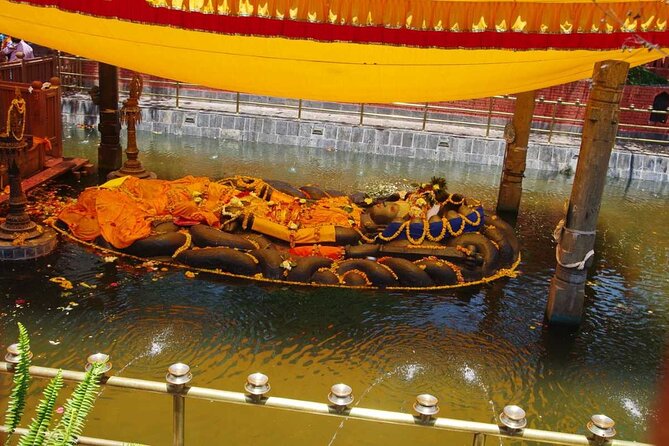
If you like your travel days busy, this tour fits. You get a sequence of high-impact stops across three major Nepal regions, with the day structured around transportation links that actually work. The headline experience is the jump from city temples in Kathmandu to pilgrimage-country at Muktinath, with Pokhara acting as your scenic pause before the mountain flight.
You should expect a day that moves, not a day that drifts. That is why I think it is a good match for travelers who hate the hassle part of travel. Instead of figuring out drivers, timings, and how to reach sacred sites, your guide handles coordination and you follow the route.
Also, you are not just sightseeing. Several of the places are active worship spaces, including Pashupatinath and Muktinath. That means your experience is about watching rituals, absorbing atmosphere, and respecting local customs, not about ticking boxes.
The tone is spiritual, but it is also practical: you have airport transfers by private vehicle, plus domestic flight segments when road travel would take too long.
More from Kathmandu worth a second look:
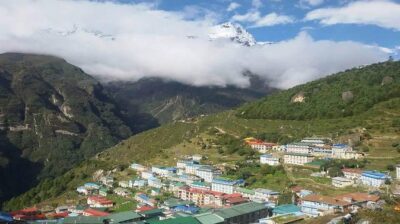
- Everest Base Camp Trek – 14 Days
★ 5.0 · 1,499 reviews - Everest Base Camp Trek
★ 5.0 · 842 reviews - Private Kathmandu Sightseeing Tour | UNESCO World Heritage sites
★ 5.0 · 756 reviews
Arrival in Kathmandu: airport meeting, hotel night, and a first taste of Nepal
Your day begins in Kathmandu with meeting at Tribhuvan International Airport and transfer to a hotel. After that, there is free time for rest, then you sleep in Kathmandu. That matters because it gives you one chance to recover from your arrival before the temple marathon begins.
You also get a clear advantage from having an English-speaking guide and private transfer. Nepal’s travel can be wonderfully efficient, but only if you have the right pickup and clear directions. This setup means you start by moving smoothly from the airport into the city rhythm.
From there, your next blocks focus on the Kathmandu Valley sites, so you will want to keep your early-day energy in reserve. Wear comfortable shoes, because temple entrances and riverfront areas often mean uneven ground and stairs.
If you are coming from abroad, plan on a slower start to your first half day. Air quality, sleep, and altitude make everyone feel a little different on day one, even if you are not trekking. Use the free time to hydrate and eat something simple.
Pashupatinath and the Bagmati River: what to notice
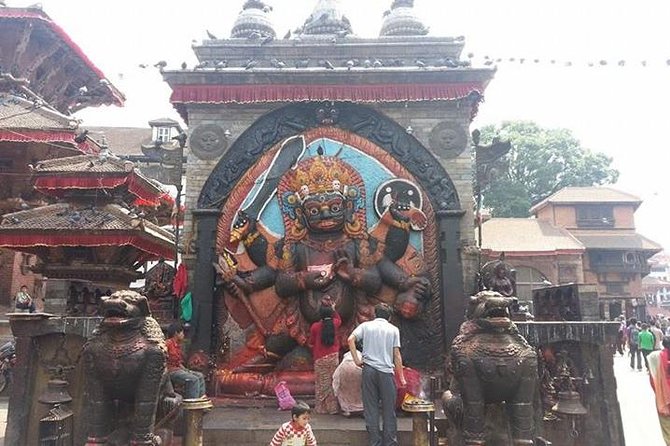
Pashupatinath is one of those places that hits you fast. It is described as the greatest Hindu shrine for Lord Shiva, and it sits on the banks of the Bagmati River. The temple complex is also tied to UNESCO, which is a polite way of saying it is famous for a reason.
Here is what I would focus on if you want the most out of your visit. Watch how devotees move through the space. The route around cremation areas, river views, and nearby jungle-like surroundings gives you the full picture of how life and death traditions share the same shoreline.
You will likely see many pilgrims, including national and international visitors. That is not a downside. It is part of what makes Pashupatinath feel alive. Just remember, this is a working sacred site, not a photo studio.
Since your tour includes guided time at Pashupatinath, you also benefit from having someone explain what you are seeing. Even if you have visited Hindu temples before, the layout and river context can be unfamiliar.
Practical tip: dress modestly and keep your movements calm. You do not need to shrink your presence, but you do need to respect the pace of the people practicing there.
Kathmandu Valley temple hopping: Sanga and Durbar Square area stops
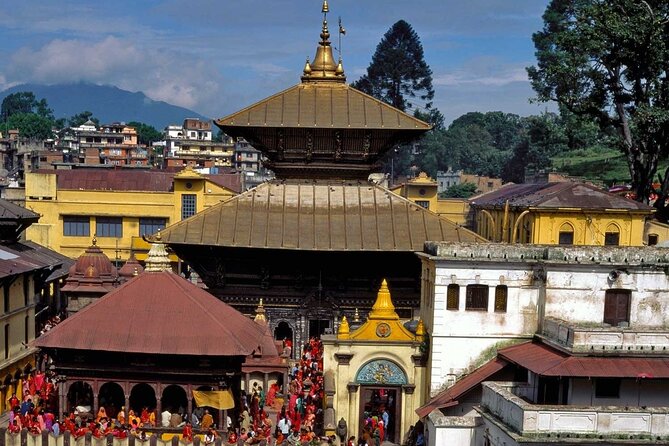
After Pashupatinath, the plan shifts into the broader Kathmandu Valley circuit. The schedule mentions heading toward Sanga near Bhaktapur, which matters because it connects you to another layer of the valley’s temple heritage.
Then you move toward the Kathmandu Durbar Square area style sightseeing. The details in your schedule also call out stops around Dakshinkali Temple and Narayanthan Temple, which suggests you are not just staying in one square. You are doing a cluster approach, visiting a few major religious landmarks close enough to string together in a single block.
This is where a good guide makes a difference. When you are short on time, it is easy to wander into the wrong entrance or miss the best viewing angles. A professional can keep the day efficient without turning it into a rushed checklist.
Also, the guide support you hear about from people who have worked with Himal and Hari (including Hari Shrestha and Hari Kumar in shared accounts) is exactly what you want for a route like this. You need coordination and patience, especially when you are moving between sites quickly.
One more thought: temple areas can get crowded. Instead of getting frustrated, lean into it. The flow of devotees, the smells from incense and cooking nearby, and the small interactions are often where the day becomes real.
Another way to spend the time in Nepal:
- Kathmandu: 7 UNESCO Sites with Lunch
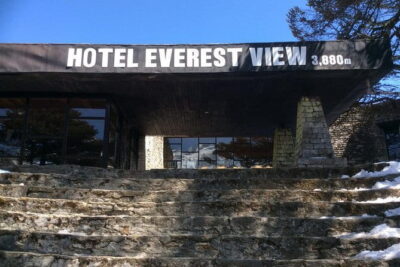
★ 4.8 · 744 reviews - Everest Base Camp Helicopter Tour landing at Everest View Hotel
★ 5.0 · 668 reviews - Half day cooking class in Thamel kathmandu
★ 5.0 · 607 reviews - Everest Base Camp Trekking
★ 5.0 · 485 reviews
Manakamana Temple to Pokhara: switching from temple courtyards to lake air
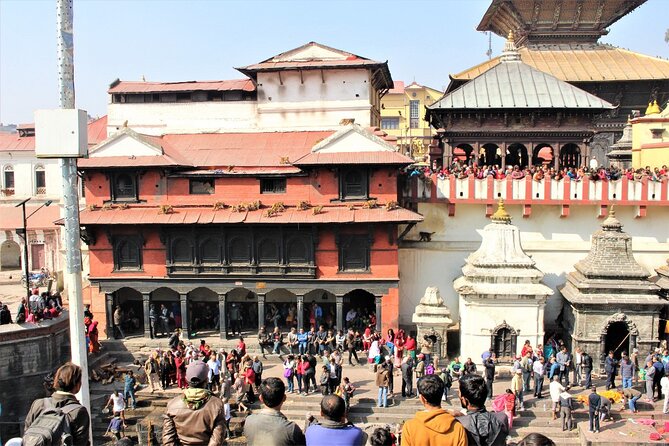
Once you move out of the Kathmandu portion, the route heads toward Pokhara. Before the drive, the schedule includes Manakamana Temple as a stop. That is a nice transition point because it keeps the pilgrimage theme while giving you a sense of how Nepal’s religious geography stretches beyond one city.
Then it is off to Pokhara by drive. This is not just travel time. Pokhara is where you get breathing room. You are changing pace, moving from dense city temple zones to a place where water and mountain views shape how everything feels.
Pokhara is often described as calm, and for good reason, but your tour gives you practical reasons to enjoy it. Instead of arriving and doing nothing, you set up your next day with the big sightseeing loop already planned around the lake.
Tip for you: pack a light layer. Even in warmer months, evenings near water can feel cooler than Kathmandu.
Flying to Jomsom: jeep access, the 45-minute walk, and Muktinath reality checks
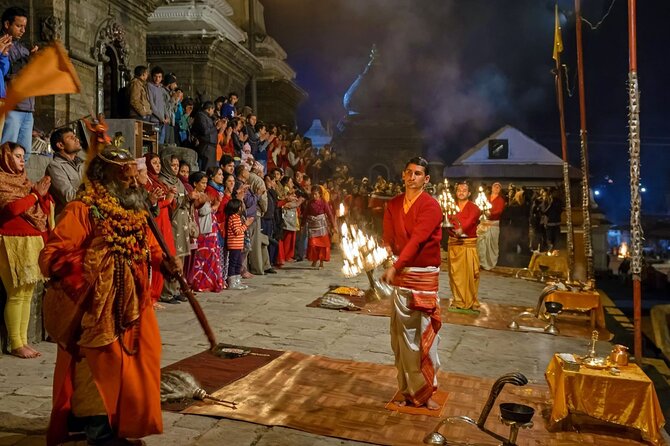
This is the part of the tour that many people remember most. You have an early breakfast, then you catch a short domestic flight from Pokhara to Jomsom (the schedule notes about 30 minutes). Once in Jomsom, you check in at your hotel, then head to Muktinath.
The approach is half vehicle, half walking. The schedule says you travel to the Muktinath Temple on a jeep for about 20 km. Then the jeep stops at Ranipauwa, and you walk about 45 minutes to reach the temple.
This is where you should be honest with yourself. If you have knee issues or you dislike walking on uneven ground, you might find this segment challenging. The tour data calls for moderate physical fitness, and this walk is a direct example of why.
But if you are okay with walking and you want the authentic pilgrimage feel, it is worth it. Arriving on foot near the end builds a sense of arrival that you do not get when everything is car-to-temple.
Practical tip: wear solid shoes with grip. Bring water. Keep your phone protected, because wind and dust can happen around these routes.
Muktinath and Jwala Mai flames: why this pilgrimage stop feels different
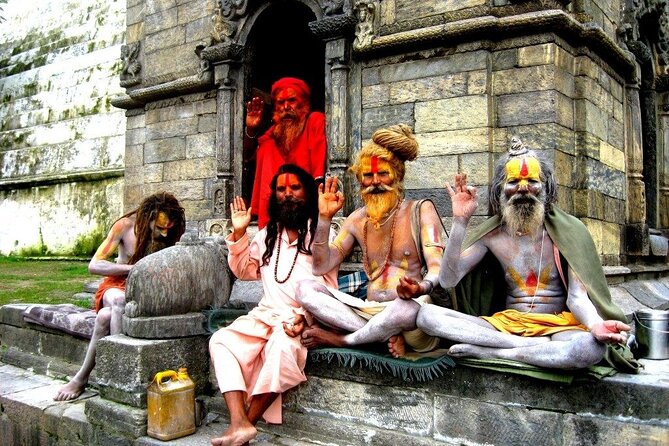
Muktinath is described as a major Hindu pilgrimage site and tied to the idea of salvation. The schedule notes the belief that after taking a holy bath around 108 waters, salvation is granted. Even if you do not share every belief, you can still respect the meanings people come for.
Another stop paired with the Muktinath visit is Jwala Mai Temple, where natural gas emerges and lights eternal flames. The schedule says this is created by Lord Brahma, which is the kind of myth-and-meaning combination that turns a landmark into a living story for pilgrims.
This is one of those moments where your guide adds value beyond translation. A good guide can help you understand what parts of the temple are for specific rituals, and how visitors should behave. You do not want to treat a flame shrine like a viewpoint. It is sacred space.
Also, the location gives you a strong sense of place. Mountains and open sky are part of why the site feels so intense. Even in a short visit window, the atmosphere can land hard.
If you love photography, you can shoot here, but do it respectfully. Keep your movements slow and avoid blocking anyone who is performing a ritual.
Pokhara lake day: Bindabashini, Devi’s Fall, Gupteshwor cave, and Tal Barahi boat time
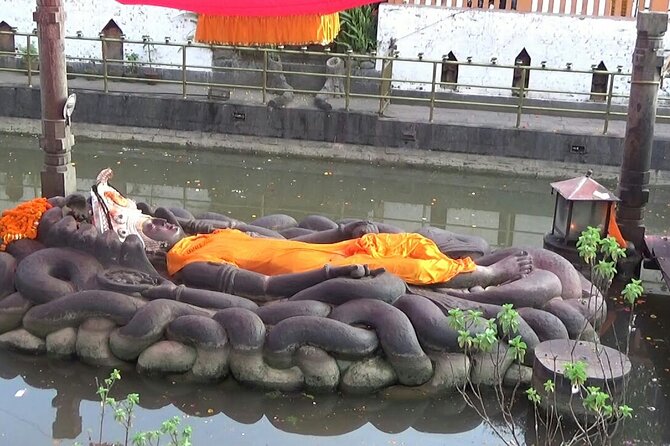
After your Muktinath day, the schedule returns you to Pokhara by flight and checks you into your hotel. Then you get a full sightseeing loop in the lake city.
The planned highlights include:
- Bindabashini Temple, described as fulfilling wishes of her devotees
- Devi’s Fall, a dramatic waterfall sight
- Gupteshwor Cave, named after Lord Shiva
- A boat ride on Phewa Lake to Tal Barahi Temple on an island
This is a good mix for you if you want more than one type of “Nepal moment.” You have spirituality inside temples, nature sights like the waterfall, and a cave that adds a different texture to the day.
The Tal Barahi boat ride is a practical win. It is built into the route, so you do not need to coordinate transport or worry about timing. You just show up at the right time with your guide and let the day run.
For you, the best strategy is to pace yourself. You will likely want a moment to sit near the lake, even if the tour schedule keeps moving. That quiet space is what makes the drive and flights feel worth it.
The scenic 200 km drive back to Kathmandu and a final temple stretch
After the Pokhara day, you head back to Kathmandu by road, about 200 km. The schedule emphasizes scenic views of gorges, ridges, rivers, and settlements along the way. That is a key value of doing the return by car instead of relying only on flights, because it lets you see Nepal beyond the airports and temple corridors.
When you arrive, you check into your hotel for rest. Then you have more exploration around Kathmandu Valley until the end of the day.
This final stretch is where you should manage expectations. After a flight and a busy sightseeing day, you might feel temple fatigue. That is normal. If you have the option to slow down at this stage, do it. Even 30 minutes of quiet can reset your energy.
Also, since you have a departure transfer the next part of the day, keep your essentials in one place. Pack chargers, a layer, and anything you need for temple visits. It sounds basic, but a tidy bag is what makes the last day feel calm.
Price and what you are really paying for at $1880
$1,880 per person is not a budget trip. It is a premium price for a reason, and you should judge it by what is included.
The package includes:
- An English-speaking tour guide
- Airport transfer by private car or van or bus
- Fuel surcharge
It also uses domestic flight time and jeep transport to reach hard-to-access sacred sites. Those costs add up quickly, especially in a short, tightly scheduled day.
On top of that, the itinerary marks admission tickets as free on some legs and included on others. For the sites that list admission included, the value is more obvious because you are not paying entry costs separately.
What is not included matters too. Personal drinks, laundry, personal items, and tips are on you. Your data explicitly says tipping for guide and driver is expected. So part of the real budget is your tip.
Group size is small, up to 15, and it is private, meaning you are paying for coordination and transportation rather than splitting costs across a huge crowd.
My take: this price makes sense if you want a no-hassle route through multiple major sites, including a domestic flight and a jeep-to-walk approach to Muktinath. If you enjoy planning and you are comfortable navigating independently, you might find cheaper options. But if you want ease, this is built for you.
Who should book this tour, and who might feel it is too much
You will probably love this tour if you:
- Want a religious and cultural itinerary with real stops, not just scenic photo stops
- Prefer having an English-speaking guide coordinate transport and timing
- Like an active day and can handle a 45-minute walk segment
You might think twice if you:
- Need a very slow pace, with lots of time at each site
- Have mobility limits that make walking on uneven surfaces hard
- Feel nervous about early starts and multiple travel modes in one day
This tour also feels like a strong option for couples and families who want guidance. Shared accounts mention flexibility for different ages, which is a big deal when you have multiple comfort levels in one group.
Should you book Real Nepal Tour?
I would book this tour if your goal is to cover major Nepal experiences quickly, with guide support that reduces the stress. You are paying for smooth transfers, domestic flight connections, and the hard-to-organize piece of reaching Muktinath with a jeep and a walk. The big moments are Pashupatinath, Muktinath, and the Pokhara lake circuit, and the route gives you more than one type of scenery in a single push.
Skip it or ask careful questions if you want long stays, slow pacing, or you cannot do moderate walking. The day is packed, and the itinerary expects you to move.
If you are the type who likes your travel organized, and you can handle early mornings, this tour is a strong value for what it tries to accomplish.
FAQ
Where does the tour start and end?
It starts at Tribhuvan International Airport, Ring Rd, Kathmandu (44600). It ends back at the same meeting point.
What time does the tour start?
The start time is 9:00 am.
How many people are in the group?
The group size is min 1 and max 15, and it is private, meaning only your group participates.
What transport do you use on the trip?
You use a mix of domestic flights, private car or van or bus, and a jeep. The Muktinath visit specifically includes a jeep ride followed by walking.
Is walking required for Muktinath?
Yes. The schedule says the jeep reaches Ranipauwa, and then there is about a 45 minute walk to Muktinath Temple.
Are admission tickets included?
Admission tickets are listed as free for some stops (like Stop 1 and Stop 2 and Stop 4 and Stop 7) and included for others (like Stop 3, Stop 5, Stop 6, and Stop 8).
Latest additions near Kathmandu
- White Water River Rafting – 1 Day★ 4.3 · 3 reviews
- Traditional Momo Making Class★ 5.0 · 10 reviews
- Kathmandu to Pokhara Premium sofa bus ticket★ 4.0 · 17 reviews
- Ghorepani Poon Hill Trek★ 5.0 · 16 reviews
- Amazing 1 Day Trekking Experience in Kathmandu Nepal★ 5.0 · 24 reviews
- Ghorepani Poonhill Trek★ 5.0 · 5 reviews
- Walking tour of real Kathmandu through back streets.★ 5.0 · 3 reviews
- Wildlife Adventure in Chitwan Nepal★ 4.0 · 4 reviews
Kathmandu Tours, compared.
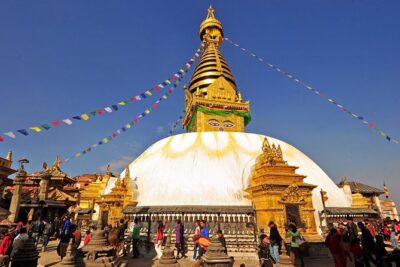
Private Kathmandu Sightseeing Tour | UNESCO World Heritage sites
Read our review →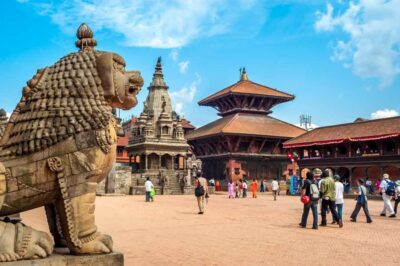
Everest Base Camp Helicopter Tour landing at Everest View Hotel
Read our review →