Reviewed · KATHMANDU TOURS
Pikey Peak- 9 Days
Pikey Peak delivers Himalayan drama on a beginner-friendly trek. This trip is interesting because it pairs Pikey Peak sunrise with tea house walking in the Everest region, then balances that with Kathmandu heritage stops. I love how the route spotlights Sherpa culture in Junbesi, not just big mountains. The one real consideration is that you still face long walking days, steep forest sections, and basic lodge comfort, even with guide support and porters.
You will likely appreciate the human touch built into the plan. Some groups are led by guides like Sujan and Pemba, and the vibe that comes through is practical and caring, not showy. You also get a private vehicle for transfers and a Kathmandu city tour with an expert guide, so you are not trying to figure out temples and timing on your own.
For the money, this trip aims to cover the big ticket items most hikers hate coordinating. You get permits handled, trekking meals included, and even a flight back from Phaplu to Kathmandu. Still, you should budget for what is not included, especially visa and travel insurance, and plan to pack your own trekking gear.
In This Review
- Key highlights worth zeroing in on
- Why Pikey Peak works so well for first-time Everest-region trekkers
- Kathmandu warm-up: Thamel nights, Durbar Square, Pashupatinath, Swayambhunath, and Boudhanath
- Getting out of the city: the Dhap drive and first-night Japre at 2920 m
- Pikey Peak base camp day: Taklung Danda, yak houses, mani walls, and rhododendron forests
- Sunrise summit and the ridgeline breakfast to Loding descent
- Junbesi at 2675 m: stepping into Sherpa culture and architecture
- Taksindu bound: Salung viewpoints, apple-country Ringmo, and Chiwong Monastery glimpses
- Phaplu finish and the Chiwong Gompa option before your flight back
- Price and logistics: what you get for $1,199 and what you still must cover
- Fitness level, pacing, and what basic tea house comfort means
- Who this trip is best for, and who should reconsider
- Should you book Pikey Peak 9 Days with Alpine Club of Himalaya?
- FAQ
- What is the duration of the Pikey Peak trek tour?
- Where does the tour start and what time does it begin?
- Are airport transfers included?
- Is a guide and porter team included?
- What trekking meals are included?
- Are Kathmandu lunch and dinner included?
- Are trekking permits included?
- Is a flight included as part of the trip?
- Can I cancel for a refund?
Key highlights worth zeroing in on
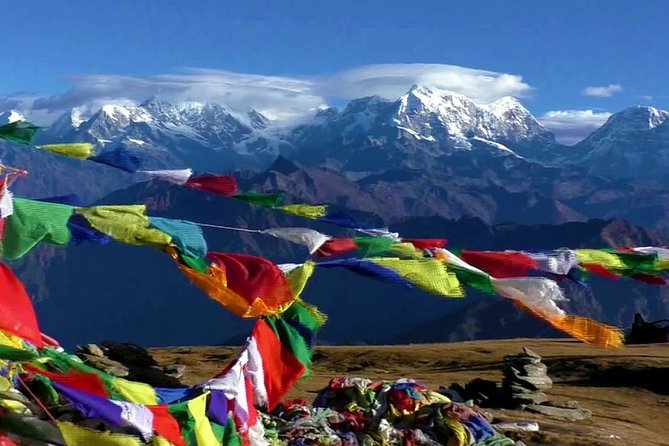
- A sunrise-focused Pikey Peak summit at 4065 m, with prayer-flag trails and panoramic potential in clear weather
- Sherpa culture beyond the soundbites, especially in Junbesi at 2675 m
- Monastery stops that change your perspective, from major Kathmandu stupas to cliffside Chiwong Gompa
- Tea house trekking with real pacing, including breakfast waits at Jase Bhanjyang and simple stays in Loding
- An internal flight shortcut at the end, with a included flight from Phaplu to Kathmandu
Why Pikey Peak works so well for first-time Everest-region trekkers
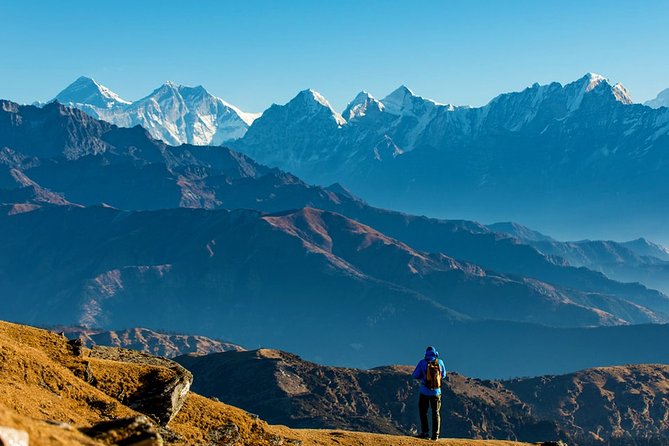
Pikey Peak is a smart “start here” climb if you want high Himalayan views without the full intensity of some of the region’s classic routes. The key is timing and temperature management. The trek is designed around an early summit window so you can chase sunrise light rather than getting stuck climbing in messy evening weather.
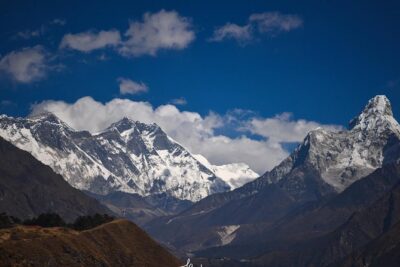
The big draw is what you can see when conditions cooperate. From the summit, the itinerary explicitly aims for sweeping panoramas, with visibility stretching from Annapurna to Kanchenjunga on clear days. That kind of view is the reason people tolerate the early starts and the steady uphill grind.
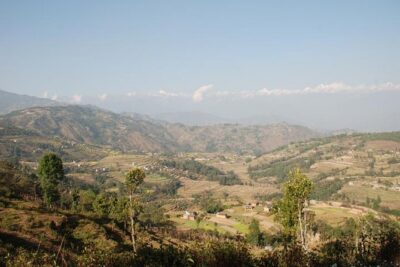
Another thing I like is how the scenery feels varied. You move from ridgelines to forest paths, you pass yak-related old houses, and you weave through rhododendron areas that can be in bloom in spring. It keeps the trek from feeling like one long sameness stretch.
One more practical win: you are reaching meaningful heights without needing technical climbing skills. The highest stated summit is 4065 m at Pikey Peak, and the plan also includes proper permits and a porter system, which helps you stay focused on the trail instead of logistics.
More from Kathmandu worth a second look:
- Everest Base Camp Trek – 14 Days
★ 5.0 · 1,499 reviews - Everest Base Camp Trek
★ 5.0 · 842 reviews - Private Kathmandu Sightseeing Tour | UNESCO World Heritage sites
★ 5.0 · 756 reviews
Kathmandu warm-up: Thamel nights, Durbar Square, Pashupatinath, Swayambhunath, and Boudhanath
Days 1 and 2 are not just “waiting around before the trek.” They are your reset into Nepal, with classic Kathmandu highlights arranged efficiently.
Day 1 starts with an airport pickup to your Kathmandu hotel, then you get a welcome dinner hosted by Alpine Club of Himalaya. After checking in, you are free to stroll Thamel, the famous tourist hub where you can pick up last-minute supplies, snacks, and small souvenirs.
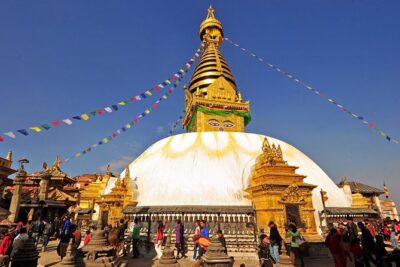
Day 2 is a guided heritage circuit across major religious sites. You visit historic Durbar Square (a World Heritage Site), Pashupatinath, Swayambhunath (the Monkey Temple), and Boudhanath, which is noted as one of the largest stupas in the world. Even if you have never studied Nepalese religion, these places give you instant context for what you will later see in monasteries along the trek.
One detail I especially like here is the pre-trip discussion at noon. You meet your trek leader and team members, then you can ask real questions about gear, pace, and what to expect on the trail. That kind of briefing matters because it reduces the guesswork that often causes beginners to overpack or worry too much.
Getting out of the city: the Dhap drive and first-night Japre at 2920 m
On day 3, you trade city pavement for long views. The plan includes an 8 to 9 hour drive from Kathmandu to Dhap, which sets up the trek with a gradual transition. You start from a ridgeline south of Dhap, then as you near Sigane, key Himalayan peaks begin to appear clearly.
The trail begins with a quirky early segment: the first couple of hours include walking on a road under construction. It is not the most scenic moment, but it is common on real trekking routes that are still developing, and it usually does not last long.
Your first real stop is Japre at 2920 m. The village sits above a deep valley with nice views of Everest and Numbur Himal. You also get a pretty little gompa and stupa there, which is a nice early sign that spiritual culture is woven into daily life, not saved for the big finale.
Sleeping at Japre helps you adapt to altitude gradually and breaks the trek into a rhythm. It also gives you a first taste of the rhythm of lodge nights, where you can hydrate, eat, and get ready for a longer day.
Pikey Peak base camp day: Taklung Danda, yak houses, mani walls, and rhododendron forests
Day 4 is the bridge between village trekking and summit focus. After Japre, the trail climbs up to a grassy ridge at Bhulbhule, where there is a single lodge and views of the Everest range. It is a good signpost day: you are not just walking, you are steadily gaining perspective.
Soon after Bhulbhule, the path splits. You turn right to Pikey Peak and begin passing through older yak houses and a long mani stone wall. That wall is the kind of detail that makes trekking feel lived-in, because prayer stones and ritual markers are part of the route, not decoration.
From there, you contour the hillside below Taklung Danda and pass through forest trails. This is where rhododendrons show up, and in spring they can be blooming, adding color to otherwise simple path walking.
Eventually you reach Pikey Peak base camp, about two hours from the point where you can access it. From base camp, it is a short climb to the summit at 4065 m. The itinerary wisely notes that unless evening conditions are unusually clear, you climb to the summit in the morning for sunrise. That is a huge quality-of-view decision, not a random preference.
A good takeaway for your planning: this day is about getting into position. If you arrive early at base camp, you can rest, refuel, and avoid rushing when your body needs time to settle.
Another way to spend the time in Nepal:
- Kathmandu: 7 UNESCO Sites with Lunch
★ 4.8 · 744 reviews - Everest Base Camp Helicopter Tour landing at Everest View Hotel
★ 5.0 · 668 reviews - Half day cooking class in Thamel kathmandu
★ 5.0 · 607 reviews - Everest Base Camp Trekking
★ 5.0 · 485 reviews
Sunrise summit and the ridgeline breakfast to Loding descent
Day 5 starts early, because it has to. You follow a gradual trail to the summit covered with prayer flags, and the views are described as breathtaking. The real payoff is sunrise lighting, when peaks turn crisp and snow contrasts sharpen. If weather cooperates, you may see panoramic range views from Annapurna to Kanchenjunga.
After the summit, the plan shifts to a ridgeline walk. It starts flat, then becomes steeper as you enter the forest toward Jase Bhanjyang. The trip includes breakfast waiting at Jase Bhanjyang, which is a great mental checkpoint. Instead of pushing straight through, you get that built-in fuel moment.
Then comes the descent toward Loding. The forest sections can feel steep, and this is one of the places where trekking poles help, especially when your legs start to get that heavy, rubbery feeling.
At Loding you have a couple of accommodation choices, both described as simple and charming. This is exactly what tea house trekking should feel like: no fuss, just a comfortable base to recharge before the Sherpa village day ahead.
Junbesi at 2675 m: stepping into Sherpa culture and architecture
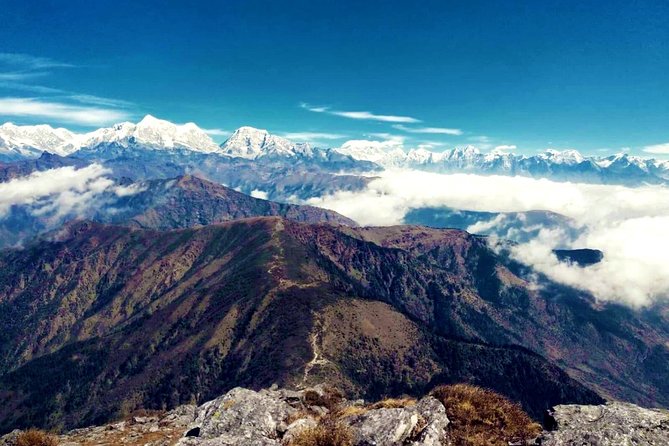
Day 6 is where the trip becomes more than a view quest. You start by heading down the ridgeline for breakfast at Jase Bhanjyang again, then you choose a descent toward Junbesi.
The itinerary highlights a likely route: a stunning shortcut trail that leaves the ridge shortly after Jase and descends steeply through old growth forest to Taktor. It also notes that this path connects with the Everest Base Camp trail coming from Jiri, which can mean more tea house traffic on some days. If you like meeting other hikers, this is where you may start seeing more people again.
From Taktor, it is a couple of hours on a lovely trail to Junbesi. Junbesi is described as a traditional Sherpa village at 2675 m and the cradle of Sherpa culture and architecture. You also get the framing that Solukhumbu is sacred valley for Sherpas, which changes how you interpret what you see in homes and community spaces.
In practical terms, Junbesi is a good day for slower walking moments. You are still on the move, but the cultural payoff makes it easier to accept the physical effort. When you sit down for the day’s tea house meal, it feels like you earned it.
Taksindu bound: Salung viewpoints, apple-country Ringmo, and Chiwong Monastery glimpses
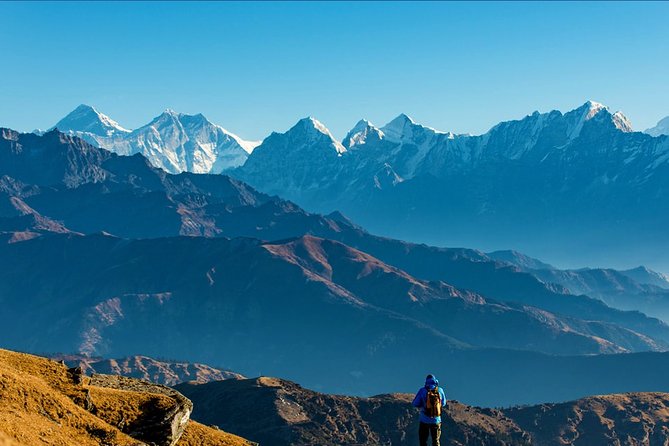
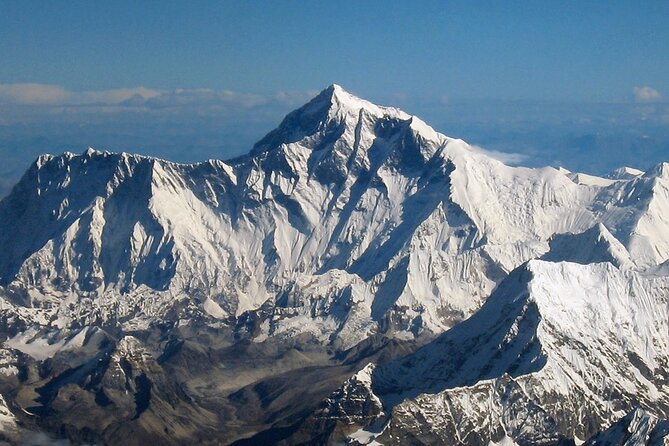
Day 7 pushes you into Taksindu country. You cross the river at the bottom of town, then climb through forest to Salung. From there, the plan promises views of Everest (8848 m) and other major peaks like Chamlang and Makalu, weather permitting.
This is also a day for valley context. You get views across the valley toward Chiwong Monastery and down toward Phaplu. Having a “where are we” sense matters in Nepal, because the terrain folds in surprising ways.
After Salung, you contour and drop to a stream, then climb into Ringmo. Ringmo is famous for apple orchards, and the itinerary even points out local apple products such as apple rakshi, cider, and apple pie. Those details matter because they tell you the tea houses can offer more than basic staples, especially in the right season.
Then there is the short climb to Taksindu La for more mountain views, followed by continued walking toward Taksindu. Even though the day description cuts off mid-sentence, the intent is clear: you are gaining viewpoint after viewpoint while keeping lodge nights manageable.
Phaplu finish and the Chiwong Gompa option before your flight back
Day 8 is a less confrontational style of day. You leave the main trekking route again and take a beautiful path down to Phaplu through forest. This kind of day is a relief after ridge walking and long views earlier in the trip.
You also have an option to hike up to Chiwong Gompa, perched high on a cliff overlooking the valley. The itinerary notes the monastery was founded in 1923 and has big Mani Rimdu festival celebrations in autumn. Even if you are not there during festival season, the setting sounds worth the effort.
You then continue down into Phaplu and finish at a cozy tea house, framed as celebrating the completion of the trek. That is when most people feel the most grateful for hot drinks and simple routines.
Day 9 is the turnaround day. You board your vehicle to return into the Kathmandu Valley. In Kathmandu, you are taken to any hotel of your choice, with recommendations available if you want help deciding.
One extra perk is included here: a flight from Phaplu to Kathmandu is part of the package. That means you avoid grinding out the final stretch by land, which can be tiring after several days of foot travel.
Price and logistics: what you get for $1,199 and what you still must cover
At $1,199 per person, this is not a budget-only deal. But it is also not “pay extra for every single thing.” The value comes from bundling the big parts of a trek that would otherwise take time and planning.
Here is what is included:
- Private transfers airport to hotel to airport, plus local ground transportation
- Kathmandu lodging with breakfast, plus a guided Kathmandu city tour with a private vehicle
- Trek permits including TIMS and the necessary trekking permit
- A government-licensed trekking guide plus porters
- Porter ratio listed as 2 guests to 1 porter, with porter food, accommodation, salary, equipment, and other expenses included
- Tea house or lodge accommodation during the trek
- Daily meals from the menu during the trek (breakfast, lunch, dinner)
- Welcome and farewell Nepali dinners in Kathmandu
- Gifts described as a T-shirt for gents and a Pashmina shawl for ladies, plus trekking certificates
- A first aid kit is available, and there are group medical supplies
- A flight from Phaplu to Kathmandu with departure taxes included
What you should budget for separately:
- Nepal entry visa fee (you can get it on arrival, but it is not included)
- International airfare and airport taxes
- Lunch and dinner in Kathmandu
- Alcohol and drinks, and also notes about hot water and shower availability
- Travel insurance, which is essential and must cover emergency evacuation up to 5500+ meters
- Personal trekking gear
- Tips for staff and driver
- Any costs if you return early due to sickness or other reasons, with no refund
My practical take: this price makes sense if you want fewer moving parts. If you already have trekking gear, you have insurance, and you are comfortable handling your own Kathmandu dining, then the included trekking meals, guide, permits, and flight can make the overall experience feel well managed.
Fitness level, pacing, and what basic tea house comfort means
This is a trek where “most travelers can participate,” but that does not mean you can skip fitness. The itinerary includes an 8 to 9 hour drive day 3, then multiple days of walking with steep sections in forest and ridgeline climbs.
The altitude milestones that are explicitly stated include:
- Japre at 2920 m
- Pikey Peak base camp area with summit at 4065 m
- Junbesi at 2675 m
- Everest view point listed during day 7 (Salung)
- Insurance coverage mentioned up to 5500+ m, even though your stated summit is lower
Tea house lodging is described as simple and charming at least on one night (Loding), and the general setup is basic across the route. You should pack expecting modest rooms, shared dining spaces, and limited comforts like hot water or shower access.
Best mindset for your legs: stairs and steep forest descents count as real training. Your knees will feel it. Trekking poles are worth their weight here, especially on those steep descents to Taktor and the later trail segments toward Loding.
Who this trip is best for, and who should reconsider
This tour is a strong fit if you want:
- A guided trek with a porter team and daily meals handled
- A route that mixes mountain views with Sherpa culture in villages like Junbesi
- A first high-point sunrise experience at Pikey Peak, rather than a more extreme multi-peak agenda
- A private group format, plus an expert Kathmandu introduction before the trek starts
It also looks like it works for both beginner and more experienced trekkers, based on the emphasis on safety and organization.
You might reconsider if you:
- Need consistent hot showers and luxury comfort, because tea house stays are described as simple
- Are highly sensitive to long walking days and steep sections, since the itinerary includes multiple steep forest descents and ridgeline work
- Want the trip to be fully self-scheduled, because a guide, permits, and the group plan drive much of the experience
Should you book Pikey Peak 9 Days with Alpine Club of Himalaya?
I would book this if you want an organized, scenic Everest-region trek that gives you more than just a summit photo. The best reason is the way it combines viewpoint days with culture stops that feel woven into the route, not tacked on. Pikey Peak sunrise, Junbesi Sherpa culture, and monastery sites from Kathmandu to the cliffside Chiwong Gompa option create a trip with variety.
I would not book it if you are trying to keep every cost extremely low or you do not already plan for insurance and personal gear. The package covers a lot, but it does not cover the essentials like travel insurance, visa, or your own trekking equipment.
If you like reliable logistics, a porter ratio that protects your energy, and a Kathmandu start that makes the trek feel meaningful from day one, this one is a solid match.
FAQ
What is the duration of the Pikey Peak trek tour?
The trip runs for 9 days approximately.
Where does the tour start and what time does it begin?
The experience starts at 6:45 am. It ends back at the meeting point.
Are airport transfers included?
Yes. Airport to hotel and hotel to airport transfers are included by private vehicle.
Is a guide and porter team included?
Yes. The package includes a government license holder experienced trekking guide and porters. The porter ratio is listed as 2 guests to 1 porter.
What trekking meals are included?
During the trek, daily meals are chosen from the menu, including breakfast, lunch, and dinner. Dinner is also included for Kathmandu as a welcome and farewell meal.
Are Kathmandu lunch and dinner included?
No. Lunch and dinner in Kathmandu are not included.
Are trekking permits included?
Yes. The necessary trekking permit and TIMS card fee are included.
Is a flight included as part of the trip?
Yes. There is an included flight from Phaplu to Kathmandu, and departure taxes are included.
Can I cancel for a refund?
The policy is free cancellation if you cancel up to 24 hours in advance for a full refund. If you cancel less than 24 hours before the start time, the amount paid is not refunded.
Latest additions near Kathmandu
- White Water River Rafting – 1 Day★ 4.3 · 3 reviews
- Traditional Momo Making Class★ 5.0 · 10 reviews
- Kathmandu to Pokhara Premium sofa bus ticket★ 4.0 · 17 reviews
- Ghorepani Poon Hill Trek★ 5.0 · 16 reviews
- Amazing 1 Day Trekking Experience in Kathmandu Nepal★ 5.0 · 24 reviews
- Ghorepani Poonhill Trek★ 5.0 · 5 reviews
- Walking tour of real Kathmandu through back streets.★ 5.0 · 3 reviews
- Wildlife Adventure in Chitwan Nepal★ 4.0 · 4 reviews
Kathmandu Tours, compared.
Private Kathmandu Sightseeing Tour | UNESCO World Heritage sites
Read our review →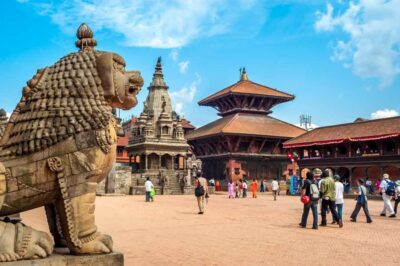
Everest Base Camp Helicopter Tour landing at Everest View Hotel
Read our review →