Reviewed · KATHMANDU TOURS
Nepal and Bhutan Tour – 12 Days
Prayer wheels and Himalayan peaks, same trip. This Nepal and Bhutan tour pairs big, spiritual sights with practical travel days, from Boudhanath Stupa prayers to the cliff-side calm of Tiger’s Nest at Paro. I especially like how the route balances old-world Kathmandu with scenery around Pokhara, then switches gears into Bhutan’s deep Buddhist tradition. And I also like the Chitwan plan, which focuses on wildlife viewing without the elephant-riding stuff.
One consideration: you’ll do real walking, including an uphill hike to Khamsum Yulley Namgyal Chorten and the trek up toward Tiger’s Nest. Add in the fact that you handle your Nepal visa and you should arrive with your documents ready, and it becomes a trip that rewards planning more than last-minute decisions.
In This Review
- Key things I’d prioritize before you book
- Why Nepal and Bhutan together works in 12 days
- Kathmandu World Heritage day: Boudhanath, Pashupatinath, and Kathmandu Durbar Square
- The Pashupatinath reality check (and how to handle it)
- Pokhara: that long road day, then Sarangkot sunrise and Phewa Lake
- Chitwan National Park with ethics-first wildlife time
- What you do in Chitwan
- Flying back to Kathmandu, then crossing into Bhutan
- Thimphu: incense, weaving, and city free time with real context
- Bhutan visa reality
- Punakha: Punakha Dzong at the river junction, then Khamsum Yulley Chorten
- How to make this hike comfortable
- Paro and Tiger’s Nest: how to plan the climb to Paro Taktsang
- What to wear and bring
- Price and logistics, and whether $4,460 feels fair
- What you’re getting for the price
- What’s not included
- My value take
- Who this Nepal and Bhutan tour fits best
- Should you book this Nepal and Bhutan tour?
- FAQ
- How many days is the Nepal and Bhutan tour?
- Where does the tour start in Nepal?
- Which cities or areas does the tour include?
- Is airport pickup or arrival help included?
- Are there guided visits in both countries?
- What meals are included?
- Are visas included in the tour price?
- Does the tour include international airfare or travel insurance?
- What animal activities are included in Chitwan?
- How hard are the hikes?
Key things I’d prioritize before you book
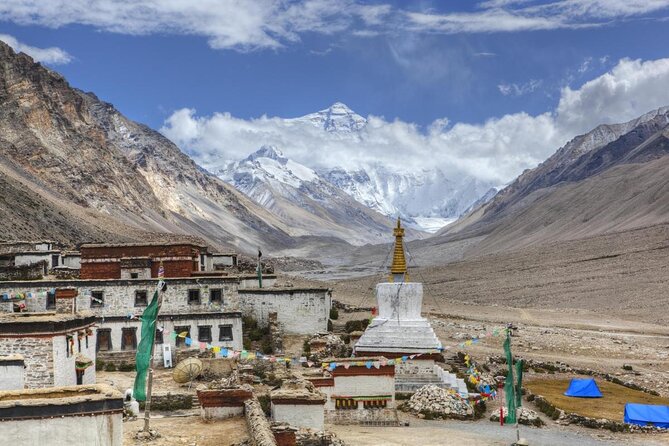
- Boudhanath and Pashupatinath in one focused Kathmandu day makes it easy to understand both Tibetan Buddhism and Hindu practice in the same area
- Temple etiquette, including how to handle ghats and cremations if you find it uncomfortable
- Sarangkot sunrise plus Phewa Lake boating gives you both views and a relaxing pace
- Chitwan ethics-first wildlife activities (no elephant safaris or baths)
- Tiger’s Nest hike planning with a 4 km climb option for a pony and practical clothing tips
Why Nepal and Bhutan together works in 12 days
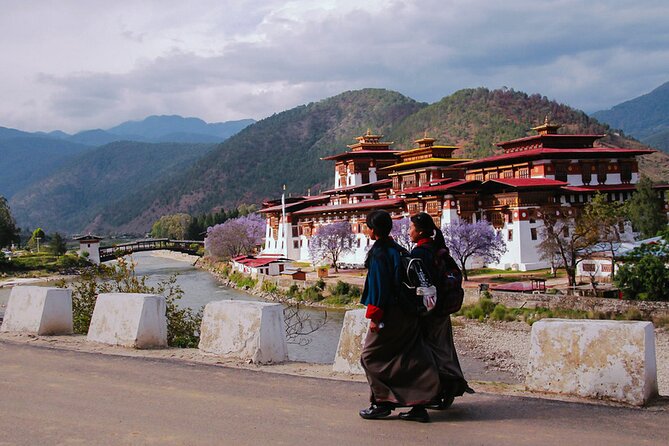
If you only do Nepal, you get the Himalaya side of life. If you only do Bhutan, you get the calm, rule-based spirituality side. This tour tries to give you both, with enough structure that you do not spend your days figuring out logistics.
You’ll notice the cultural shift fast. Nepal moves with big city energy in Kathmandu, then quiet, lakeside vibes in Pokhara. Bhutan feels more regulated and slower, with monasteries, dzongs, and daily life shaped by Buddhism and the idea of gross national happiness. That contrast is the point. You’re not just collecting photos, you’re seeing two different Himalayan stories, side by side.
The value also comes from how the trip is paced. The long days are usually paired with at least one “you can breathe” moment, like river sunsets in Chitwan or free time to wander around Thimphu.
More from Kathmandu worth a second look:
- Everest Base Camp Trek – 14 Days
★ 5.0 · 1,499 reviews - Everest Base Camp Trek
★ 5.0 · 842 reviews - Private Kathmandu Sightseeing Tour | UNESCO World Heritage sites
★ 5.0 · 756 reviews
Kathmandu World Heritage day: Boudhanath, Pashupatinath, and Kathmandu Durbar Square
Kathmandu starts in a very direct way. After you land, a Peregrine representative meets you at the airport and brings you to your hotel. Later, you meet your tour leader for a briefing and schedule check, which helps you settle in without guesswork.
The next day is where Kathmandu becomes more than a gateway city. You’ll visit:
- Boudhanath Stupa, one of the largest and most distinctive stupas in the world, tied to Tibetan trade history in Kathmandu
- Pashupatinath, a major Hindu temple complex dating back to the 5th century, on the Bagmati River
- Kathmandu Durbar Square, one of the three durbar squares in the valley, with architecture reaching back to the Lichhavi Period
What I like here is that these are not random stops. They show how sacred space works in different traditions, and they sit close enough that your day feels full, not stressful.
The Pashupatinath reality check (and how to handle it)
Pashupatinath is also known for funeral ceremonies along the river ghats. The good news is your guide expects that some people find it uncomfortable. If you feel that way, you can tell your guide, and they can help you adjust your route and comfort level.
That matters because Kathmandu is a real place, not a theme park. If you come with respect and flexibility, these sights become meaningful fast.
Pokhara: that long road day, then Sarangkot sunrise and Phewa Lake
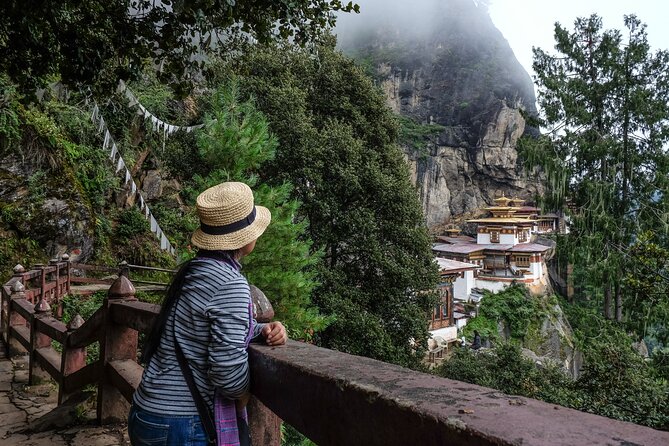
Moving from Kathmandu to Pokhara takes about 7 to 9 hours by road over roughly 200 kilometers. It’s a long sit, but the payoff is that you watch Nepal change as you go, with rivers, villages, and views of the Annapurna region along the Prithvi Highway.
When you reach Pokhara, the schedule gives you the kind of morning that turns a trip around. You start with sunrise from Sarangkot, then you head down and shift into calmer activities:
- boating on Phewa Lake
- visiting Gupteshwor Cave and Devi’s Falls
- a visit to the Tibetan Refugee Camp to see local culture and crafts
- finishing at the Peace Stupa
My practical advice: treat Sarangkot like a “wake up and commit” moment. You’ll get the best results when you’re dressed for cool morning air and ready for early. After that, Pokhara becomes a break from the intensity of Kathmandu and sets you up well for Chitwan.
Another way to spend the time in Nepal:
- Kathmandu: 7 UNESCO Sites with Lunch
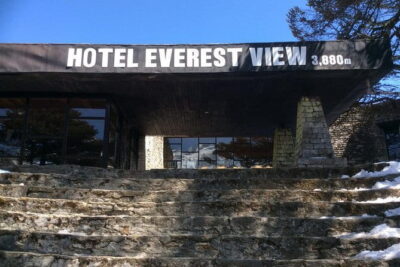
★ 4.8 · 744 reviews - Everest Base Camp Helicopter Tour landing at Everest View Hotel
★ 5.0 · 668 reviews - Half day cooking class in Thamel kathmandu
★ 5.0 · 607 reviews - Everest Base Camp Trekking
★ 5.0 · 485 reviews
Chitwan National Park with ethics-first wildlife time
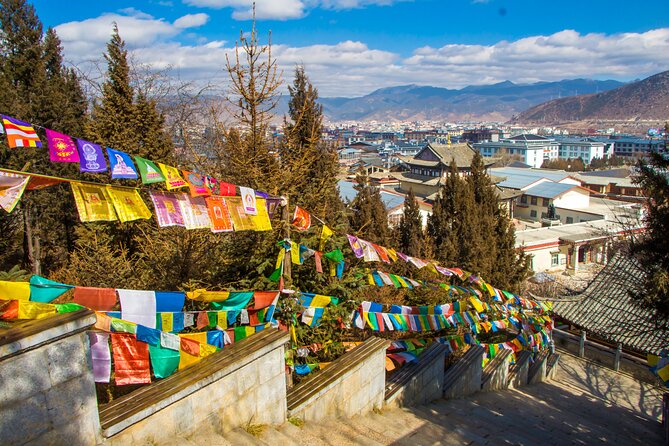
Chitwan is about wildlife, but your experience here is also about how you see wildlife. The tour explicitly avoids elephant safaris and elephant baths. Instead, it builds in alternatives that let you observe elephants in a non-harmful way, plus other animal-focused activities.
You’ll head to Chitwan National Park with a 6 or 7 hour drive, arriving in the afternoon and checking into an ethnic, eco-friendly lodge in Sauraha. The lodge manager introduces your nature guide and the plan for park time. After that, it’s normal human recovery: relax, then enjoy sunset by the riverside with a chilled beer if that’s your style.
What you do in Chitwan
In Chitwan, you can expect a mix like:
- Jeep safaris
- Canoe rides on the Rapti River
- an Elephant Walk option focused on observing behavior
You might also spot species as you go. The park is home to endangered one-horned rhinoceros and also has Bengal tigers, plus deer and many birds. On the canoe ride, you’re looking for gharials and marsh muggers in the river habitat.
Then there’s a human element that helps the day feel complete. You’ll have Tharu cultural time in the evening with a traditional dance show, plus dinner at the Tharu Kitchen. If you want even more culture, your leader can arrange an extra local theater program.
If you care about animal ethics, this is one of the biggest reasons to consider this tour. It’s not just “do a safari,” it’s “do a safari with a clear ethics line.”
Flying back to Kathmandu, then crossing into Bhutan
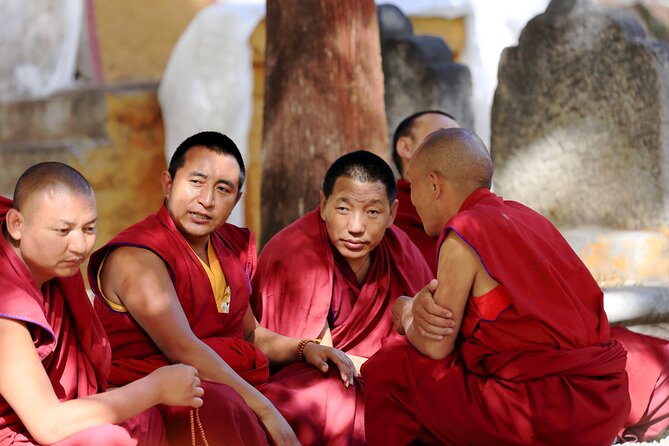
After Chitwan, you get one more nature-flavored option before you leave Nepal. You can join an early morning bird-watching program for a couple of hours, then fly back to Kathmandu. From there, the trip shifts into Bhutan preparation.
You’ll fly from Tribhuvan International Airport to Paro, Bhutan. For plane viewing, the tour notes that you should try to sit on the left side for the best views. Once you land, the group handles immigration and customs, and then a licensed Bhutanese guide escorts you.
This structure matters. Bhutan has rules, and the trip is designed around them, including fixed travel dates.
Thimphu: incense, weaving, and city free time with real context
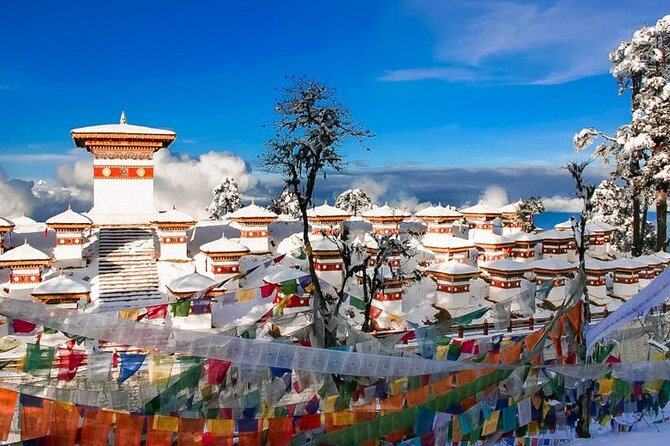
In Thimphu, you’re not only checking off sights, you’re seeing how everyday Bhutan connects to tradition.
After a drive from Paro to Thimphu, about two hours, you’ll have lunch and then visit:
- the Nado Poizokhang Incense Factory
- the Gagyel Lhundrup Weaving Centre
Then you get free time to explore Thimphu. This is a smart choice, because it keeps you from feeling herded after a travel-heavy day. You can shop, wander streets, and get a sense of the city at your own pace.
After dinner, your group meets for a discussion about the Bhutan adventure ahead. That preps you for the next days, especially the dzongs and monastery hikes.
Bhutan visa reality
Bhutan follows quality-focused tourism regulations, and the tour notes that group visas are managed by Peregrine. Still, fixed travel dates are mandatory, and unexpected changes may create extra costs. If your schedule is fragile, this is something to think about early.
Punakha: Punakha Dzong at the river junction, then Khamsum Yulley Chorten
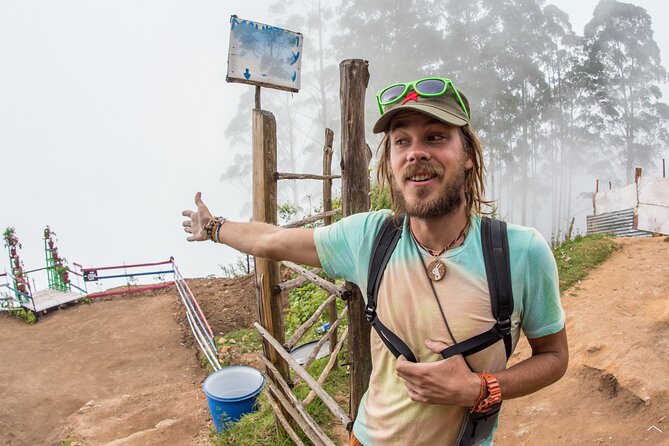
Punaka is where Bhutan’s monasteries start to feel bigger than sightseeing. You’ll visit the Punakha Dzong, described as the second largest and oldest dzong in Bhutan, located at the junction of the Pho Chu and Mo Chu rivers. Dzongs are not just impressive buildings, they are major religious and administrative centers. You’ll also learn about the relics associated with Tibetan Buddhism and Bhutanese architecture, and the sacred remains of Ngawang Namgyal, the unifier of Bhutan as a nation-state.
After lunch, you hike to Khamsum Yulley Namgyal Chorten. It’s at about 1,800 meters, and the trail is mostly uphill on loose earth mud. The hike is around an hour to get to the chorten, and the reward is a 360-degree view over Punakha Valley, with paddy fields and the Mo Chu River.
How to make this hike comfortable
Wear shoes with good traction. Loose dirt can be slippery, especially if it rained earlier in the day. Bring water and take breaks on the uphill sections. The climb is short, but the altitude and texture of the path matter.
This is one of those days where the “work” part is brief, but the “wow” part lasts long after you finish.
Paro and Tiger’s Nest: how to plan the climb to Paro Taktsang
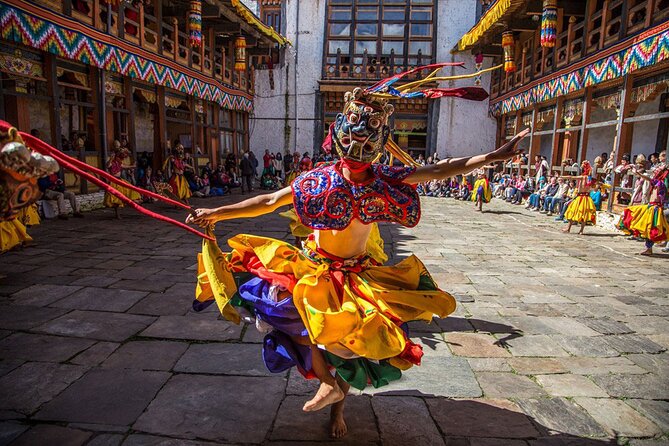
Paro is where many people fall in love with Bhutan. The headline is the hike to Paro Taktsang, also known as Tiger’s Nest Monastery.
After breakfast, you drive to the trail starting point for a 2 to 3 hour hike, covering about 4 kilometers uphill. The monastery sits around 3,000 feet above Paro Valley, so you’ll feel the climb. The path can be demanding, but the views as you ascend help keep the effort feeling worth it.
You can also hire a pony for part of the trek if needed. This is a practical option for people who want to experience Tiger’s Nest without committing to the steepest stretches.
The tour also gives you a comfortable landing after the hike, with provided meals and accommodation at a 3-star hotel like Mandala Resort for your last night in Paro Valley.
What to wear and bring
The tour advice is straightforward, and I agree with it:
- comfortable hiking boots
- water and snacks
Don’t overpack. Just show up ready to walk.
Price and logistics, and whether $4,460 feels fair
This tour costs $4,460 per person for about 12 days. The big question is what that money buys you and what it doesn’t.
What you’re getting for the price
You get:
- all fees and taxes
- air-conditioned vehicle
- an English-speaking tour guide in both countries
- hotel accommodation in Nepal and Bhutan
- all land transportation
Also, the tour includes features like pickup, group discounts, and mobile ticketing. Private group travel means you’re not competing with strangers for attention.
What’s not included
You’re not getting:
- lunch and dinner in Kathmandu and Pokhara
- personal expenses like bar bills, phone calls, internet, or laundry
- Nepal visa fee, Bhutan visa fee
- international airfare and travel insurance
My value take
If you add up the cost of guides, hotels, and road transport across multiple regions, this is priced in a way that usually makes sense for people who want a guided, structured trip rather than DIY. You are paying for planning and for someone to keep the chain connected across borders.
If you love controlling every detail yourself, you might spend less going independent. If you want less stress and smoother transitions, $4,460 looks more reasonable.
Who this Nepal and Bhutan tour fits best
This is a great match if you:
- want guided visits with an English-speaking guide in both Nepal and Bhutan
- enjoy cultural sites as much as scenery
- care about wildlife ethics and do not want the elephant-riding approach
- can handle short to medium hikes, especially one uphill climb to a major monastery
It’s also a good fit if you like the idea of free time, like exploring Thimphu on your own, without losing the structure of guided days.
You might consider another option if you:
- struggle with uphill walking (Tiger’s Nest and Khamsum Yulley are the key tests)
- need to keep your travel dates super flexible, since fixed dates are mandatory
- want all meals included, because lunch and dinner are specifically not included in Kathmandu and Pokhara
Should you book this Nepal and Bhutan tour?
I’d book it if you want a well-organized blend of Kathmandu temples, Pokhara lakeside time, Chitwan animal viewing with an ethics-first approach, and Bhutan monasteries like Tiger’s Nest, in one uninterrupted trip. The structure reduces the usual pain points, airport to hotel to briefing to moving day to guided cultural time.
But do your homework on two things before you hand over money. First, confirm you’re ready for the hikes, especially the steep parts. Second, make sure your visa and document situation is handled early. Nepal’s visa is obtained at Kathmandu Airport, and the tour notes that Nepal immigration may request a vaccination report or a negative PCR test within 72 hours, so you do not want surprises.
If you tick those boxes, this itinerary can be an excellent way to experience both countries without turning your vacation into a logistics project.
FAQ
How many days is the Nepal and Bhutan tour?
The tour is listed as about 12 days.
Where does the tour start in Nepal?
The tour starts in Kathmandu, Nepal.
Which cities or areas does the tour include?
It includes Kathmandu, Pokhara, Chitwan (Sauraha area), Thimphu, Punakha, and Paro.
Is airport pickup or arrival help included?
Yes. A Peregrine representative greets you at the airport and accompanies you to your hotel, and you should share your flight details for transfer arrangements.
Are there guided visits in both countries?
Yes. The tour includes an English-speaking tour guide in Nepal and Bhutan.
What meals are included?
Breakfast is included on the last day (Paro). Lunch and dinner in Kathmandu and Pokhara are not included.
Are visas included in the tour price?
No. Nepal visa fee and Bhutan visa fee are not included. The tour notes that Peregrine manages all group visas, and your Nepal visa is obtained at Kathmandu Airport.
Does the tour include international airfare or travel insurance?
No. International airfare and travel insurance are not included.
What animal activities are included in Chitwan?
The tour avoids elephant safaris and elephant baths. It focuses on activities like jeep safaris, canoe rides, and an Elephant Walk.
How hard are the hikes?
Most travelers can participate. The tour includes a 2 to 3 hour hike up to Tiger’s Nest (about 4 kilometers), and a one-hour uphill hike to Khamsum Yulley Chorten, so bring comfortable hiking boots and be ready for uphill walking.
Latest additions near Kathmandu
- White Water River Rafting – 1 Day★ 4.3 · 3 reviews
- Traditional Momo Making Class★ 5.0 · 10 reviews
- Kathmandu to Pokhara Premium sofa bus ticket★ 4.0 · 17 reviews
- Ghorepani Poon Hill Trek★ 5.0 · 16 reviews
- Amazing 1 Day Trekking Experience in Kathmandu Nepal★ 5.0 · 24 reviews
- Ghorepani Poonhill Trek★ 5.0 · 5 reviews
- Walking tour of real Kathmandu through back streets.★ 5.0 · 3 reviews
- Wildlife Adventure in Chitwan Nepal★ 4.0 · 4 reviews
Kathmandu Tours, compared.
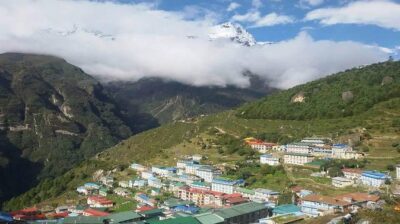
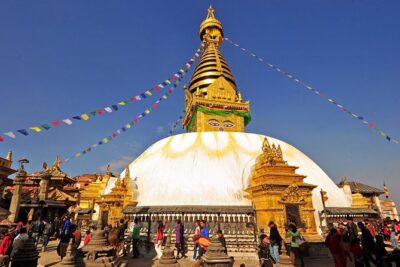
Private Kathmandu Sightseeing Tour | UNESCO World Heritage sites
Read our review →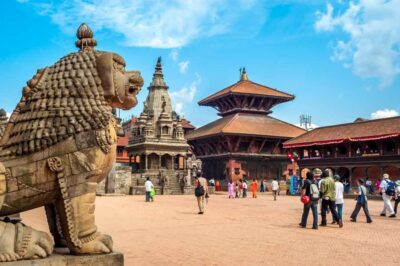
Everest Base Camp Helicopter Tour landing at Everest View Hotel
Read our review →