Reviewed · KATHMANDU TOURS
Live like Monk: Stay in the Nomobuddha Monastry
Early chants change your sense of time. This 3-day stay gives you a close look at Nomobuddha Monastery life, with a hill hike from Dhulikhel and daily chanting sessions. It’s set in Nepal’s Bagmati Zone, and the small group size keeps things calm.
Two things I really like here are the chance to share simple vegetarian meals near the monks, and the way guide Anoj ties it together with clear explanations about monastery life and Nepal. I also like that you get a guided tour of the monastery grounds, so you are not just standing around wondering what you are seeing.
One consideration: what you actually participate in can vary. Some stays include more hands-on meditation and rituals than others, and a few people reported sleeping in a guesthouse close by rather than directly inside the monastery. If your main goal is guaranteed, full monk-led practice, you should read the details carefully before you go in.
In This Review
- Key things to know before you go
- From Kathmandu to Dhulikhel, then straight into the hills
- A day that runs on chants: morning, midday calm, evening rhythm
- The part everyone remembers most: eating simply with the monks
- Puja, meditation, and why expectations need a reality check
- Sleeping arrangements: inside the monastery, or a nearby guesthouse
- The monastery grounds tour: what you learn, and what you notice
- Value at $294: when it’s worth it, when it might feel pricey
- Who this suits best, and who should reconsider
- My decision guide: should you book?
- FAQ
- Where is the monastery stay located?
- How long is the experience?
- What does the transport include?
- What happens on the hike to Namobuddha?
- Are meals included, and what kind?
- Is the stay inside the monastery?
- What activities are included with the monks?
- Is there an English guide?
- Is alcohol or drug use allowed?
Key things to know before you go
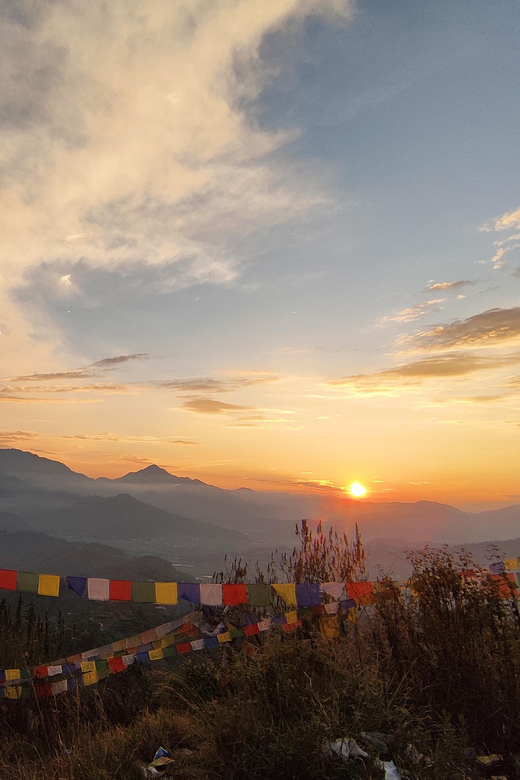
- Small group (up to 10), so you are less likely to feel rushed or lost.
- Hike from Dhulikhel to Namobuddha takes about 3 hours, with scenic time on foot.
- Daily chanting sessions happen in the monastery rhythm, often early in the day.
- Food is consistently vegetarian and generally praised for being tasty and simple.
- Your sleeping setup may be inside or in a nearby guesthouse, depending on availability.
- The guide matters a lot, and many people highlight Anoj’s care and context.
From Kathmandu to Dhulikhel, then straight into the hills
Day 1 starts with a private ride out of Kathmandu area toward Dhulikhel, a hill stop about 30 km away. The point of this is not just “getting there.” You trade city bustle for a slower pace before you even reach the monastery, and that makes the later morning sessions feel less like a performance and more like a real change in tempo.
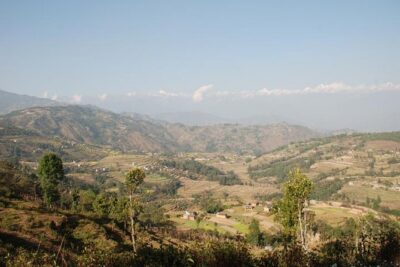
Then comes the hike, roughly 3 hours, from Dhulikhel to Namobuddha. You’ll be walking through nature and small local villages, which is where the trip earns its authenticity. It’s also a practical test: if you are expecting everything to be cushy, this leg reminds you that monastery life is still part of the real world.
What to expect on the hike:
- A steady walk that takes time, not a quick photo stop.
- Panoramic views when the light cooperates.
- Time to cool your brain before the first ritual moment.
A small tip that will help: arrive with a flexible mindset. You are moving from one kind of day to another. If you spend the hike counting minutes, you may miss the calm that the hike is meant to build.
More from Kathmandu worth a second look:
- Everest Base Camp Trek – 14 Days
★ 5.0 · 1,499 reviews - Everest Base Camp Trek
★ 5.0 · 842 reviews - Private Kathmandu Sightseeing Tour | UNESCO World Heritage sites
★ 5.0 · 756 reviews
A day that runs on chants: morning, midday calm, evening rhythm
The monastery schedule is the core experience here. The program is built around meditation and chanting with resident monks, plus a guided tour and quiet reflection time.
In the ideal version of the stay, you join:
- An introductory session on Buddhist meditation and chanting on Day 1.
- A morning chanting session on Day 2, followed by a guided meditation session.
- An evening chanting session and wind-down meditation on Day 2.
- A final morning chanting and meditation before breakfast on Day 3.
Here’s the honest nuance: some people found they were more observing monk prayer sessions than doing full monk-led meditation as described in the program. One set of feedback described prayer sessions around 6 am and 11 am, with less hands-on meditation than expected. Another person noted their stay didn’t line up with certain practices because of timing issues at the monastery.
So what does this mean for you? It means you should treat this trip as a monk-life exposure, not a guaranteed “follow this exact meditation script” workshop. If you are open to watching the rhythm and joining when invited, the day will likely feel meaningful. If you need consistent participation every day, ask questions before you book and plan for slight schedule shifts.
The part everyone remembers most: eating simply with the monks
After chanting, the real moment of connection is often food. The meals are vegetarian, and people repeatedly mention that dinner and breakfast near the monks are a highlight.
That matters more than it sounds. In many religious settings, eating can become a travel-friendly ritual. Here, the meal is part of the monastery’s rhythm, and it gives you a calm, low-pressure way to experience community life without needing to “perform” spiritually.
What you can expect:
- Three vegetarian meals per day: breakfast, lunch, dinner.
- Simple monastery-style food, generally praised as tasty.
- Shared time in the dining context, with monks present or very close.
There’s also a practical benefit: your energy stays steady. You hike on Day 1, do walking and touring on Days 2 and 3, and you do early sessions. Having included meals means you don’t have to scramble for food with no plan.
If you are someone who gets distracted easily, this is one of the best ways to slow down. You focus on the meal, the pace, and the setting, and your brain starts cooperating.
Puja, meditation, and why expectations need a reality check
A key word in many descriptions is puja, the devotional ceremony/prayer within Buddhism. Some stays included puja-like sessions and were considered interesting. Others reported that certain rituals or planned practices were not clearly happening during their dates.
This is not necessarily a “bait-and-switch,” but it is a real travel lesson: temple schedules can change. Monks have other commitments. Timing might shift due to preparations, examinations, or the presence of key figures.
My advice for you is simple:
- Go with the intention to learn and observe, not just to “tick off” activities.
- When you arrive, listen closely to what is happening that day, and ask your guide what is expected.
- If you came specifically for hands-on meditation with monks, you should confirm what participation looks like during your dates.
Guide Anoj is repeatedly praised for trying to figure out what ceremonies or pujas might be happening. That effort matters. When you have someone who can explain what you are seeing, the experience becomes clearer even if the schedule shifts.
Another way to spend the time in Nepal:
- Kathmandu: 7 UNESCO Sites with Lunch
★ 4.8 · 744 reviews - Everest Base Camp Helicopter Tour landing at Everest View Hotel
★ 5.0 · 668 reviews - Half day cooking class in Thamel kathmandu
★ 5.0 · 607 reviews - Everest Base Camp Trekking
★ 5.0 · 485 reviews
Sleeping arrangements: inside the monastery, or a nearby guesthouse
The program states 2 nights of accommodation inside the Nomobuddha Monastery, twin sharing, with simple amenities and shared facilities.
Reality check from reported experiences: a few people slept in a guesthouse around 100 meters from the monastery, while others mentioned a newer place roughly 400 meters away. So you should expect something basic, and you should expect that you might not be crossing a literal doorway into a monk hall every moment.
For many travelers, this is fine. Monastery life is not about luxury or perfect proximity. It’s about being part of the rhythm, waking up early, walking out for sessions, and spending time with the monks and the space.
What will help you prepare:
- Pack for basic conditions, not hotel comfort.
- Expect shared facilities.
- Bring a calm attitude about walking a short distance for meals or sessions.
If you absolutely need “sleep in the monastery buildings only,” you may want to ask before booking how accommodation is assigned on your dates.
The monastery grounds tour: what you learn, and what you notice
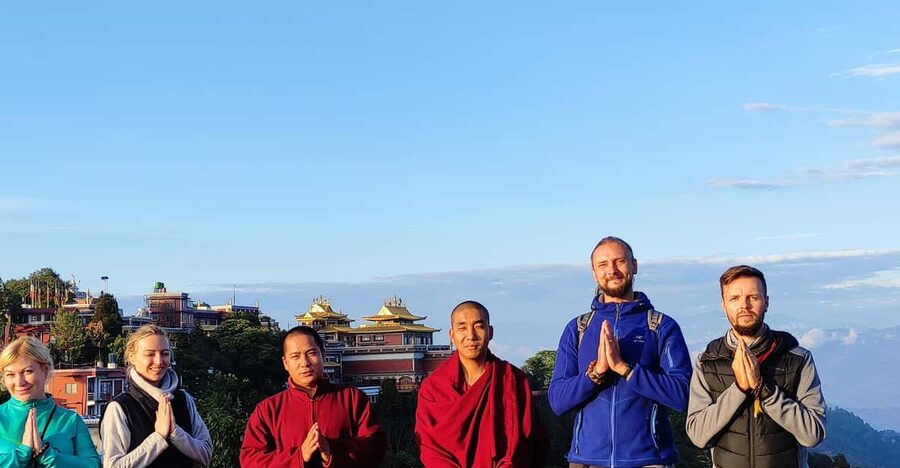
Between the meditation moments, you get a guided tour of the monastery grounds. This is where the experience becomes more than a schedule.
The tour includes context on:
- Monastery history and significance in Buddhist culture.
- Architecture and how the space works spiritually.
- The feel of the place, set in the Dhulikhel hill area.
This part is especially valuable if you are traveling beyond Nepal’s usual tourist path. Without guidance, religious sites can feel like a blur of buildings. With explanations from a good guide, you start recognizing why people come here, what parts matter, and what your role is as a respectful visitor.
Anoj stands out in feedback for being prepared, kind, and helpful. People mention he explained both religion and Nepal history, and that he even offered strong support when someone had a stomach upset. That kind of care matters when you are living outside your normal routine.
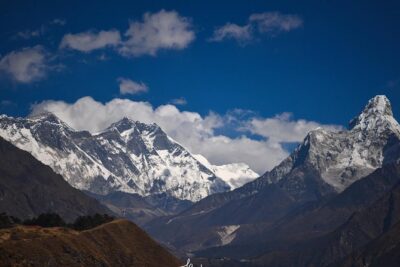
And one more detail worth noting: if you are lucky with weather, people reported views stretching toward snow-capped Himalayan peaks. You might not get that perfect view every day, but it explains why this area works so well for quiet reflection.
Value at $294: when it’s worth it, when it might feel pricey
At $294 per person for 3 days and 2 nights, this is not a budget-only add-on. The value depends on what you expect from the experience.
Here’s what you are paying for:
- Private transportation to Dhulikhel and back to Kathmandu.
- The 3-hour hike as part of the transfer day.
- 2 nights in basic accommodation tied to the monastery area.
- A live English guide throughout.
- Daily monk-led chanting sessions and participation in monastery rituals (as scheduled).
- Three vegetarian meals per day.
- Access to monastery facilities and a guided tour of the grounds.
So if you want a structured, guided, respectful introduction to Buddhist monastic life with early sessions and included food, it can make sense. You avoid the hardest parts of DIY planning: logistics, timing, and getting explanations right.
Where value can slip:
- If your personal definition of live like a monk requires lots of guaranteed, hands-on meditation and puja participation, some dates may not meet that expectation.
- If you prefer lodging literally inside the monastery complex and your stay ends up in a nearby guesthouse, you may feel you didn’t get what you imagined.
My practical suggestion: decide what your “must-have” is. If it’s the setting plus guided interpretation plus the meal-and-rhythm experience, this is a strong pick. If it’s strict, daily hands-on monk practice with no variability, you should confirm scheduling before you commit.
Who this suits best, and who should reconsider
This works best for you if:
- You want a calm, small-group cultural experience in the Dhulikhel hill area.
- You enjoy early mornings and a slower schedule.
- You like learning from a guide, especially someone like Anoj who can connect the dots.
- You are comfortable with basic lodging and shared facilities.
It may not suit you as well if:
- You need a guaranteed daily meditation and chanting participation format exactly as written.
- You are very sensitive to changes in ceremony schedules.
- You expect hotel-level comfort or private, modern amenities.
One more fit check: the monastery has clear behavioral rules. Alcohol and drugs are not allowed. That’s normal for religious settings, but it’s good to know upfront.
My decision guide: should you book?
I’d book this if you are traveling with an open mind and you want to experience the monastery’s rhythm, not just collect activities. The combination of an involved hill hike, early chanting sessions, a guided grounds tour, and the chance to share simple vegetarian meals near the monks is exactly the kind of trip that can change how you see quiet routines.
I would hesitate if your goal is strictly hands-on meditation with the monks every day, with no chance of schedule variation. In that case, ask pointed questions early, and be ready for the possibility that you might spend more time observing than participating.
If you want, tell me your travel dates and your expectations (hands-on meditation vs learning and observing). I can help you set a realistic “what you’ll likely get” mindset before you book.
FAQ
Where is the monastery stay located?
It’s based in the Bagmati Zone of Nepal, with the monastery set in the hills of the Dhulikhel area (Nomobuddha Monastery).
How long is the experience?
The program runs for 3 days, with 2 nights of accommodation.
What does the transport include?
You get private transportation to Dhulikhel from Kathmandu and private transportation back to Kathmandu after the monastery stay. You also get hiking transfer from Dhulikhel to Nomobuddha as part of the plan.
What happens on the hike to Namobuddha?
You hike from Dhulikhel to Nomobuddha, taking about 3 hours, and the route includes nature and small local villages.
Are meals included, and what kind?
Yes. You receive three vegetarian meals per day: breakfast, lunch, and dinner.
Is the stay inside the monastery?
The plan states accommodation inside the Nomobuddha Monastery. Some reported stays placed participants in a guesthouse close to the monastery (about 100 meters or about 400 meters), depending on availability.
What activities are included with the monks?
The experience includes daily meditation and chanting sessions led by resident monks and participation in monastery rituals and practices, plus guided tours of the monastery grounds. Some visits may involve more observing of monk prayer sessions depending on what is scheduled.
Is there an English guide?
Yes. The live tour guide speaks English and stays with you throughout the tour.
Is alcohol or drug use allowed?
No. Alcohol and drugs are not allowed.
Latest additions near Kathmandu
- White Water River Rafting – 1 Day★ 4.3 · 3 reviews
- Traditional Momo Making Class★ 5.0 · 10 reviews
- Kathmandu to Pokhara Premium sofa bus ticket★ 4.0 · 17 reviews
- Ghorepani Poon Hill Trek★ 5.0 · 16 reviews
- Amazing 1 Day Trekking Experience in Kathmandu Nepal★ 5.0 · 24 reviews
- Ghorepani Poonhill Trek★ 5.0 · 5 reviews
- Walking tour of real Kathmandu through back streets.★ 5.0 · 3 reviews
- Wildlife Adventure in Chitwan Nepal★ 4.0 · 4 reviews
Kathmandu Tours, compared.
Private Kathmandu Sightseeing Tour | UNESCO World Heritage sites
Read our review →
Everest Base Camp Helicopter Tour landing at Everest View Hotel
Read our review →