Reviewed · KATHMANDU TOURS
Kathmandu Valley Sightseeing
Kathmandu Valley hits you with big views and bigger symbolism in just half a day. I love how this tour strings together Hindu temples and Buddhist stupas in a tight route, so you see different sides of Nepal’s spiritual life without spending your whole day in transit. It also includes a local English-speaking guide who helps you read what you’re looking at, especially at the Durbar Square and stupa sites. One thing to think about first: the Pashupatinath area can involve scenes tied to cremation, so if that feels uncomfortable, plan your visit carefully.
You’ll go by private car for smooth logistics, start in the morning (around 8:15 am), and return to the same meeting point. You’re not stuck with a rigid script either, because a good guide will help you make sense of the rules and the little details that matter at sacred sites.
If you’re in Kathmandu after a trek, this kind of tour is a great gear shift. I like that you get art and architecture in the real neighborhoods where people still practice religion and keep traditions alive.
In This Review
- Key highlights to look for on this Kathmandu Valley sightseeing run
- Kathmandu Valley: why these four stops connect so well
- Meeting at Travel Pinto and getting around for a 6-hour day
- Kathmandu Durbar Square: architecture you can read without being an expert
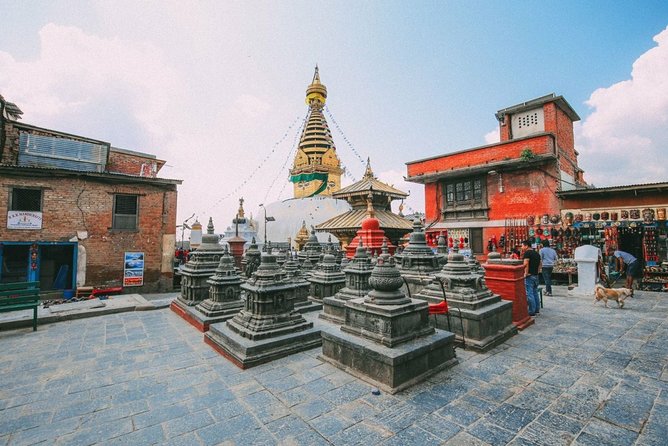
- Swayambhunath Temple: the quick route to city views
- Boudhanath Stupa: incense, lamps, and a place that feels bigger than it looks
- Pashupatinath Temple: cultural insight with a real comfort check
- Price and value: what $80 gets you, and what to budget
- Who this Kathmandu Valley tour suits best
- Should you book Kathmandu Valley Sightseeing?
- FAQ
- How long is the Kathmandu Valley sightseeing tour?
- What time does the tour start?
- Where do I meet for the tour?
- Is the tour price per person, and how much is it?
- What’s included in the price?
- Are entrance fees included?
- Which main sites are visited?
- Can non-Hindus enter the main temple at Pashupatinath?
- What happens if the weather is poor?
Key highlights to look for on this Kathmandu Valley sightseeing run
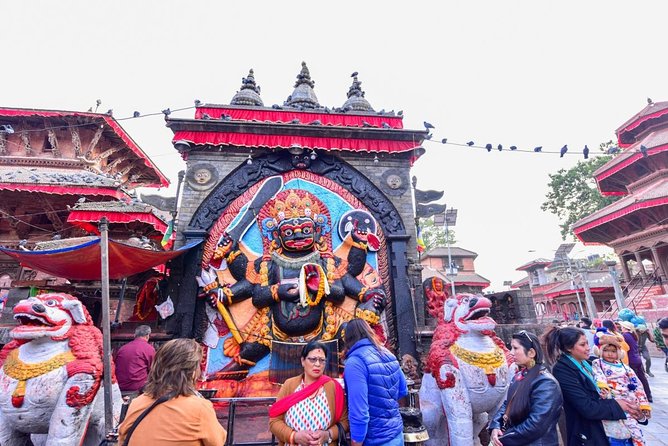
- Durbar Square orientation with palace-temple architecture that sets the tone fast
- Swayambhunath viewpoint time to see Kathmandu’s layout from above
- Boudhanath stupa atmosphere with incense, lamps, and prayer-flag shopping
- Pashupatinath cultural focus with clear entry rules for non-Hindus
- Private car convenience that saves you from constant street navigation
- English guidance that turns monuments into stories you can actually use
Kathmandu Valley: why these four stops connect so well
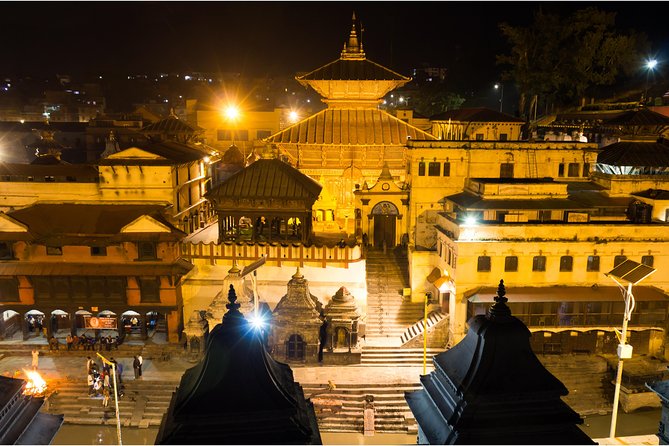
Kathmandu Valley is often described as a concentration of history, and that’s true. What makes it feel special, though, is the way spiritual life, crafts, and daily routines overlap. In one morning you can go from palace architecture to hilltop temples, then to a massive stupa that pulls people in from all directions.
This tour is smart because it covers a high-value slice of the valley’s major sites. You get Kathmandu Durbar Square (power and royalty), Swayambhunath (religion on a hill with city views), Boudhanath (Buddhist devotion in a huge public space), and Pashupatinath (Hindu ritual culture tied to the Bagmati River). Even if you’ve seen photos, standing in these places changes the scale. The details matter: carvings, pagoda-like lines, prayer flags fluttering around you, and the way pilgrims move through space.
Also, the pacing works for a first trip. Each stop is long enough to look, but not so long you feel stuck. That balance is what you want when you’re only in Kathmandu for a short window.
More from Kathmandu worth a second look:
- Everest Base Camp Trek – 14 Days
★ 5.0 · 1,499 reviews - Everest Base Camp Trek
★ 5.0 · 842 reviews - Private Kathmandu Sightseeing Tour | UNESCO World Heritage sites
★ 5.0 · 756 reviews
Meeting at Travel Pinto and getting around for a 6-hour day
The tour begins and ends back at Travel Pinto Kathmandu (44600, Nepal). The start time is listed as 8:15 am, and the total duration is about 6 hours.
For your day, here’s what the private car inclusion really buys you:
- You spend less energy figuring out routes and parking in busy areas.
- You can keep your mornings calm, which is key when sacred sites have crowds and changing entry flow.
- It’s easier to manage small timing adjustments if your guide wants you to arrive for quieter moments.
It’s also helpful that the meeting point is said to be near public transportation. If you’re staying somewhere walkable or you’re mixing this tour with other plans, that connectivity reduces stress.
One more practical note: you’ll be dealing with walking on uneven ground at temples and around sacred complexes. Comfortable shoes are a must. If you know you’re sensitive to steep steps or long stairs, give yourself a little buffer time at the hilltop stop.
Kathmandu Durbar Square: architecture you can read without being an expert
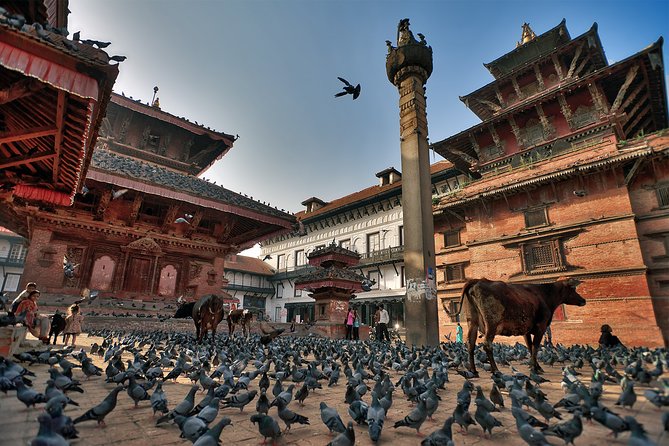
Kathmandu Durbar Square is where you get your “now I get it” moment. Even in a short visit, palace-temple architecture shows you how power and religion were fused. The square is not just a background. It’s a stage, and you’ll see how people move through the space like it’s part of their everyday identity.
I like Durbar Square on a first day because it gives you a framework. Once you’ve seen the way temples, courtyards, and carved facades relate to each other, the next sites make more sense. You start noticing styles, symbolic details, and how the city’s sacred geography works.
Your time here is about 45 minutes. That’s enough to:
- look at the main structures from a few angles,
- understand the overall layout at a casual pace,
- and take a few minutes for photos without feeling rushed.
Entrance fees are not included, so plan for ticket costs on top of the tour price. If you hate surprises, budget a bit extra for entry and any on-site purchases.
Swayambhunath Temple: the quick route to city views
Next comes Swayambhunath Temple, also known as the monkey temple area. The big draw is simple: you can get up and see Kathmandu from above. That changes how you experience the city. Streets turn into patterns, the valley starts to look like a bowl, and your earlier landmarks start lining up in your head.
Your stop here is around 30 minutes. That might sound short, but for most people it’s the right length. You get the core experience: climb or walk up to the main viewpoint area, look around, and absorb the religious vibe.
What I especially like is the way Swayambhunath works as a “bridge stop.” It connects the urban sprawl you’re living in with the older sacred spine of the valley. And because it’s a viewpoint spot, it’s easier to photograph and easier to remember.
A practical tip: start slow. Steps and crowds can compress your pace, so build a little patience into those 30 minutes. If you’re traveling after a long flight, don’t try to race the climb.
Entrance fees are not included, so again, expect to pay separately if tickets are required for the areas you want to visit.
Another way to spend the time in Nepal:
- Kathmandu: 7 UNESCO Sites with Lunch
★ 4.8 · 744 reviews - Everest Base Camp Helicopter Tour landing at Everest View Hotel
★ 5.0 · 668 reviews - Half day cooking class in Thamel kathmandu
★ 5.0 · 607 reviews - Everest Base Camp Trekking
★ 5.0 · 485 reviews
Boudhanath Stupa: incense, lamps, and a place that feels bigger than it looks
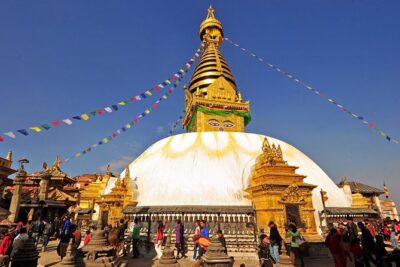
Boudhanath is one of those sights that looks impressive in photos and still manages to feel even more commanding in person. The guide-led time is about 45 minutes, which is ideal for both looking and participating at your own level.
The experience has a few distinct layers:
- You’ll be close to the stupa’s massive presence.
- You’ll likely smell incense and see the rhythm of devotion.
- You’ll have a chance to light lamps and engage in small symbolic purchases like prayer flags or related souvenirs.
One detail from the description that stuck with me is the stupa’s octagonal Mandala with 108 images. Even if you don’t count them during your visit, it’s a good mental anchor. It helps you understand why people linger. The structure is built for repeated attention.
This is also the stop where you’ll appreciate having time to slow down. You can do it quietly, just by watching and taking in the atmosphere. You don’t have to turn it into a checklist.
Entrance fees are not included here either. But even with that added cost, the value is strong because you get one of the most recognizable Buddhist landmarks in the valley in a half-day schedule.
Pashupatinath Temple: cultural insight with a real comfort check
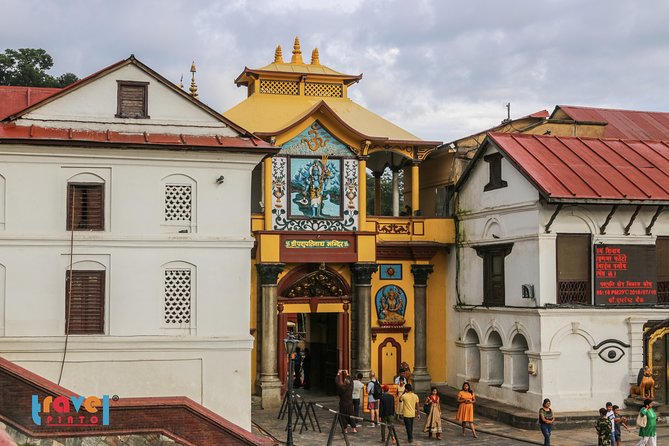
Pashupatinath Temple is the spiritual heavyweight of this route. It sits on the banks of the Bagmati River, and it’s closely tied to Hindu religious practice.
Your visit time here is about 45 minutes, and it comes with specific rules:
- Entry to the main temple area is prohibited for non-Hindus.
- You can still visit other parts of the Pashupatinath complex.
That rule matters because it changes what you should expect. If you are non-Hindu, go in ready for a cultural viewing experience rather than a full interior visit. Your guide can help you understand where you can go and what you can’t.
Important comfort note, straight from the tour description: if you’re not friendly with crematorium surroundings, this stop is not suggested. Pashupatinath is linked to cremation practices, and the viewing areas can be uncomfortable for some people. If that might be you, don’t brute-force it. Either shorten your time, stay focused on accessible viewpoints and architecture, or consider skipping the stop depending on how your guide can adjust the experience.
I like that this tour doesn’t pretend every sacred stop is the same emotionally. With a good guide, you get clarity on what’s happening around you and why it matters, without needing to force participation.
Entrance fees are also not included. This is one of those places where having a bit of extra money set aside keeps the day smooth.
Price and value: what $80 gets you, and what to budget
At $80 per person for about 6 hours, the best value here is the combination of:
- an English-speaking guide, and
- a private car to move you between major sites without turning the day into a navigation project.
Entrance fees are not included, so your real cost will be a little higher than the headline price once you add tickets at the sites. Personal expenses are not included too, so keep an eye on souvenirs, snacks, and any optional lamp or prayer-flag purchases.
The tour also mentions mobile ticketing and group discounts. Even without knowing the exact discount mechanics, the underlying value is convenience. Mobile tickets can reduce friction at busy entry points, which is a big deal on sacred sites where lines form fast.
If you compare this to doing the same route alone, the guide can make a meaningful difference. Without context, you can still enjoy the monuments, but you’ll miss the logic behind the layout, the significance of what you’re seeing, and the practical rules like where entry is restricted.
Who this Kathmandu Valley tour suits best
This tour is a strong fit if you want:
- a concentrated first look at major sacred sites in Kathmandu Valley,
- meaningful context from an English-speaking guide,
- and a manageable half-day plan that pairs well with trekking recovery days.
It’s also described as suitable for most travelers, and it’s a private activity, meaning only your group participates. That usually helps with pacing, photo stops, and time for questions.
I’d be especially careful if you’re sensitive to the cremation-related setting at Pashupatinath. The tour can be a beautiful cultural experience, but it’s not the kind of place to pretend you’ll feel fine just because you read about it.
Should you book Kathmandu Valley Sightseeing?
Book this tour if you want a practical, high-value introduction to Kathmandu Valley’s spiritual and artistic side, without spending your whole day commuting. The route hits four major anchors, and the English-speaking guide is the difference-maker for understanding what you’re looking at.
Skip or plan differently if Pashupatinath’s cremation surroundings would be emotionally tough for you. Also, budget extra for entrance fees, since those are not included.
If you’re coming to Nepal for the big mountains and you want one day that shows the religious heart of the valley, this is a solid way to do it.
FAQ
How long is the Kathmandu Valley sightseeing tour?
It lasts about 6 hours.
What time does the tour start?
Start time is listed as 8:15 am.
Where do I meet for the tour?
The meeting point is Travel Pinto Kathmandu 44600, Nepal.
Is the tour price per person, and how much is it?
Yes, it is priced at $80.00 per person.
What’s included in the price?
The tour includes an English-speaking guide and private car transportation.
Are entrance fees included?
No, entrance fees are not included.
Which main sites are visited?
You visit Kathmandu Durbar Square, Swayambhunath Temple, Boudhanath Stupa, and Pashupatinath Temple.
Can non-Hindus enter the main temple at Pashupatinath?
No. Entry to non-Hindus inside the main temple is prohibited, but you can visit other sites within the Pashupatinath area.
What happens if the weather is poor?
This experience requires good weather. If it’s canceled due to poor weather, you’ll be offered a different date or a full refund.
Latest additions near Kathmandu
- White Water River Rafting – 1 Day★ 4.3 · 3 reviews
- Traditional Momo Making Class★ 5.0 · 10 reviews
- Kathmandu to Pokhara Premium sofa bus ticket★ 4.0 · 17 reviews
- Ghorepani Poon Hill Trek★ 5.0 · 16 reviews
- Amazing 1 Day Trekking Experience in Kathmandu Nepal★ 5.0 · 24 reviews
- Ghorepani Poonhill Trek★ 5.0 · 5 reviews
- Walking tour of real Kathmandu through back streets.★ 5.0 · 3 reviews
- Wildlife Adventure in Chitwan Nepal★ 4.0 · 4 reviews
Kathmandu Tours, compared.
Private Kathmandu Sightseeing Tour | UNESCO World Heritage sites
Read our review →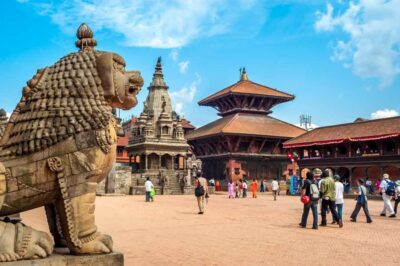
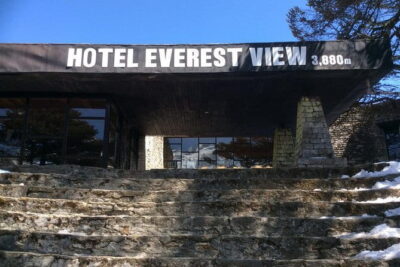
Everest Base Camp Helicopter Tour landing at Everest View Hotel
Read our review →