
Reviewed · KATHMANDU TOURS
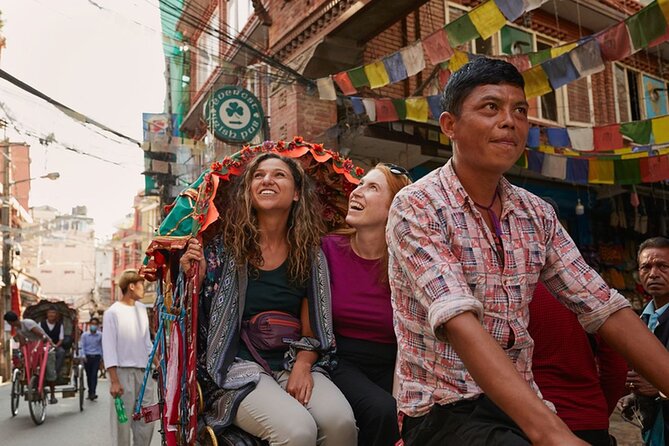
Kathmandu Sunset Tour by Rickshaw Including Durbar Square Visit
Street-level views, temple light, and a gentle pace. This guided Kathmandu sunset rickshaw experience ties together Thamel, Asan market, and a late-evening walk in UNESCO-listed Durbar Square as Kathmandu shifts from day hustle to night glow.
I especially like the small group limit of 12, which keeps the guide’s attention on you, not on the clock. I also like that Durbar Square entrance is included, so you can spend your time looking at temples and courtyards, not hunting tickets.
One possible drawback: it’s an evening outing with some uneven lanes and variable night lighting, so plan for slow steps and bring shoes with grip.
In This Review
- Key things I’d circle on your map
- A 6:00 pm Rickshaw Into Kathmandu’s Main Temple Zone
- From Thamel Setup to Asan Market, Where the Smells Hit First
- Asan Alley Temples: Annapurna, Janabaha Dyo, and Aakash Bhairab
- Hopping Off in Durbar Square: Fifty Temples, Courtyards, and Gaddhi Baithak
- Food stalls, shops, and the chai pause you might actually need
- Rickshaw Riding at Night: Uneven Lanes, Driver Skill, and How to Stay Comfortable
- Price, Value, and What You Get for $50.30
- Is This the Right Tour for You?
- Should You Book This Kathmandu Sunset Rickshaw Tour?
- FAQ
- Where does the tour start, and where does it end?
- What time does the Kathmandu sunset rickshaw tour start?
- How long is the tour?
- How many people are in the group?
- What is included in the $50.30 per person price?
- Is Kathmandu Durbar Square admission included?
- Do you stop at Thamel and Asan before Durbar Square?
- What will I be doing during the Durbar Square portion?
- Is food and drinks included?
- Can children join?
- Can I cancel and get a full refund?
Key things I’d circle on your map
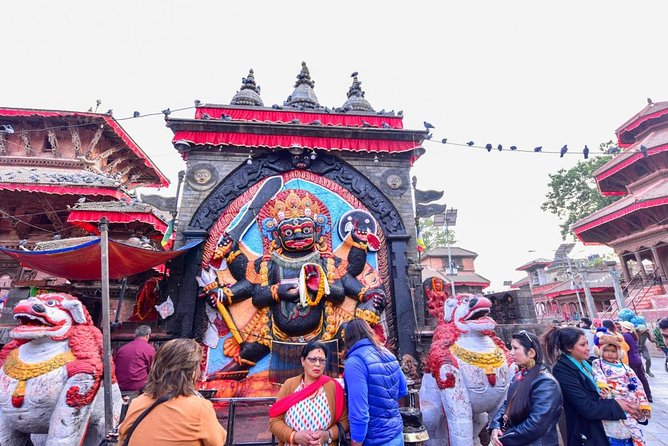
- Rickshaw plus on-foot time: ride the narrow streets, then slow down for temples at Durbar Square
- Asan market stops: spice and herb lanes, plus specific temple moments like Annapurna and Janabaha Dyo
- Durbar Square on foot: a concentrated cluster of 12th to 18th century temples and courtyards
- Gaddhi Baithak: the Rana-era European-influenced building used for ceremonial programs
- Local support built in: entrance fees help heritage upkeep, and rickshaws are hired directly from working drivers
A 6:00 pm Rickshaw Into Kathmandu’s Main Temple Zone
Kathmandu is a city best understood at street level, not from a bus window. This tour is timed for that sweet spot after work, when you still get light to appreciate carved stone, but the street scene is already warming up for the evening.
You start at Hotel Marshyangdi (Chaksibari Marg) and head out at 6:00 pm. The plan is simple: let your rickshaw driver do the tricky lane work, then step off in the right places so you can actually see what’s in front of you.
More from Kathmandu worth a second look:
- Everest Base Camp Trek – 14 Days
★ 5.0 · 1,499 reviews - Everest Base Camp Trek
★ 5.0 · 842 reviews - Private Kathmandu Sightseeing Tour | UNESCO World Heritage sites
★ 5.0 · 756 reviews
From Thamel Setup to Asan Market, Where the Smells Hit First
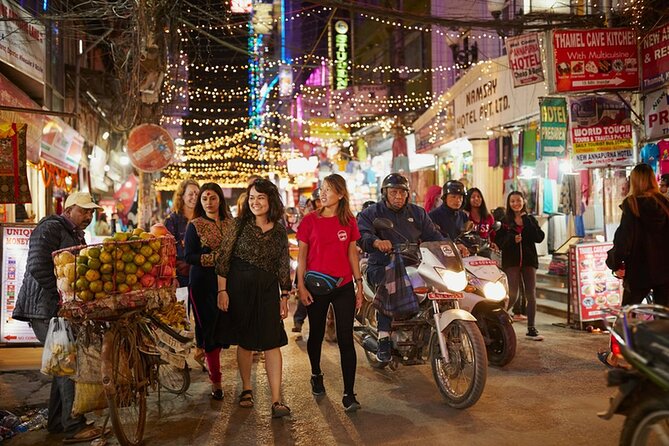
Thamel is your launch pad. It’s full of hotels, restaurants, shops, and day-to-day tourist bustle, but it’s also practical because it’s easy to find and it’s close to the action you want next. You board there, then your guide and driver start routing you toward Asan.
Once you’re moving, the rickshaw seat gives you something a walking tour can’t. You’re high enough to read the street, but close enough to notice details like hand-lettered shop signs, people weaving around each other, and vendor calls that rise and fall as you pass.
As you work your way toward Asan, you’ll feel the change in pace and purpose. Asan is about daily commerce, especially spices, vegetables, and general market life. You’re not just sightseeing, you’re watching how the neighborhood actually runs.
Asan Alley Temples: Annapurna, Janabaha Dyo, and Aakash Bhairab
This is one of the tour’s smartest choices. Asan isn’t only a market, it’s a place where religion and trade overlap in small street pockets.
You spend about 50 minutes here, with free admission and time to look around. One of the standout stops is the Annapurna Temple, tied to the idea of Anna meaning food and Purna meaning fulfilment. Even if you do not read the temple signage in depth, the meaning comes through in the way people visit and pause.
You also pass by other notable shrines and deities in the area. You’ll see Seto Machindranath, also known as Janabaha Dyo, which is described as a deity worshiped by both Hindus and Buddhists in Kathmandu. Another named stop is Aakash Bhairab, linked with the First King in Nepal Bhasa, described as King Yalambar.
Practical note: Asan’s lanes can be tight and crowded. If you’re the type who prefers wide, open spaces, you’ll need to adjust. That said, this is exactly why the rickshaw helps: your driver can steer through the mess while your guide points out what you would otherwise miss.
Hopping Off in Durbar Square: Fifty Temples, Courtyards, and Gaddhi Baithak
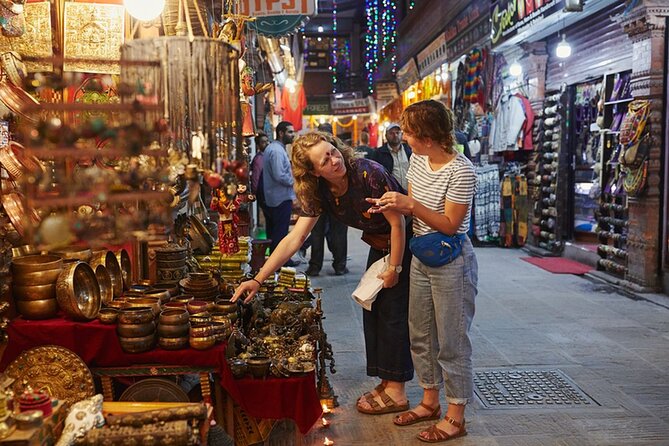
Durbar Square is the big reason people come to central Kathmandu. You’re heading to a UNESCO World Heritage site with an intense concentration of temples and shrines. The core complex is described as built between the 12th and 18th centuries, and historically it served as the seat of Malla kings in the valley.
You spend about 1 hour 25 minutes exploring on foot with your guide. That time matters. You get the chance to stand still, look up at carved wood and stone, and understand the layout of courtyards and ceremonial spaces. It’s one thing to see photos, and another to watch how people move through the same doors and steps.
Here are the Durbar Square details I’d focus on:
- You’re surrounded by more than 50 temples and shrines within just a few blocks, so you can keep walking but still feel like you’re staying in one story.
- Your guide points out key monuments, so you’re not stuck guessing what you’re looking at.
- You’ll also see a named highlight with real visual payoff: Gaddhi Baithak, a white European-influenced building built during the Rana regime. Today it’s used for ceremonial programs from the balcony.
In the evening, you also get the photogenic effect the tour promises. Temples look different when the light turns softer and shadows grow longer. You’re not just walking through a site, you’re watching the square shift into its nighttime rhythm.
Another way to spend the time in Nepal:
- Kathmandu: 7 UNESCO Sites with Lunch
★ 4.8 · 744 reviews - Everest Base Camp Helicopter Tour landing at Everest View Hotel
★ 5.0 · 668 reviews - Half day cooking class in Thamel kathmandu
★ 5.0 · 607 reviews - Everest Base Camp Trekking
★ 5.0 · 485 reviews
Food stalls, shops, and the chai pause you might actually need
Durbar Square isn’t only stone and symbolism. It’s also shops, stalls, and quick snack stops. You might find food stalls and small shops throughout the area, and there’s often a strong culture of grabbing a drink while you keep looking.
The tour experience specifically includes the option of a chai break. If you want to keep your evening comfortable, this is a smart moment to do it. Cold night air hits faster than you expect when you’re walking slowly for temple details.
There’s also mention of Freak Street, associated with the hippie heyday of the 1960s. If that kind of layered nostalgia interests you, it’s a fun sidebar while you’re in the shop-lined stretch.
Rickshaw Riding at Night: Uneven Lanes, Driver Skill, and How to Stay Comfortable
A rickshaw tour sounds romantic until you’re actually in the traffic maze. The good news is the format here is built around driver skill. You’ll ride through narrow lanes and back streets where motorbikes and pedestrians share space, and your driver has to make constant micro-decisions.
From the feedback people have shared, the strongest praise goes to the combination of a skilled driver and a guide who knows how to keep the group coordinated. That matters more than people expect, especially when you’re moving between market zones and temple courtyards after dark.
Comfort tips that make this smoother:
- Wear grippy shoes. Uneven pavement is part of the experience.
- Keep your phone camera handy, but also keep your attention up. Some of the best details are on the ground level right where you’re seated.
- If you’re sensitive to low light, go slow in crossings and keep close to the group line.
One more practical point, straight from real-world evening travel: if anything about your return or extra stops ever feels unclear, confirm it before you move on. At night, it’s easy for small misunderstandings to snowball.
Price, Value, and What You Get for $50.30
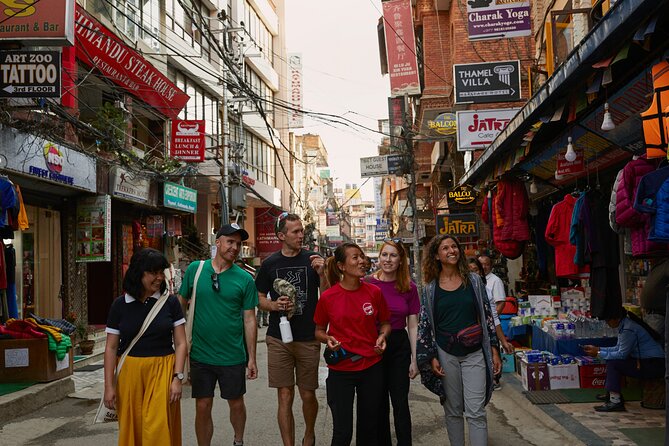
At $50.30 per person, this tour isn’t the cheapest thing in Kathmandu. But it’s also not trying to be. You’re paying for three things that add up fast when you travel independently: a driver-powered rickshaw ride, a guided walkthrough, and included entry into the main Durbar Square site.
The pricing also makes sense because the tour avoids the common DIY trap of spending your time figuring logistics instead of enjoying the evening. A small-group format of up to 12 travelers keeps it intimate enough that your guide can slow down where questions come up.
Also worth noting: the tour is described as carbon neutral and run by a B Corp certified company that treats travel as a force for good. Even if you don’t obsess over sustainability labels, it’s a reminder that the operator is trying to build a more responsible model.
Add in the local impact elements and it becomes easier to justify:
- Your Durbar Square entrance fee supports cultural heritage preservation.
- The rickshaws are hired directly from drivers, offering much-needed income.
Is This the Right Tour for You?
This works best if you want a quick, guided sampler of central Kathmandu without committing to a full-day plan. You get a market district feel through Thamel and Asan, then you get the temple focus of Durbar Square.
If you’re the kind of person who likes context while walking, you’ll probably appreciate that the guide doesn’t treat Durbar Square like a checklist. It’s more about pointing out what you’re seeing, including named monuments like Gaddhi Baithak.
If you already have another city tour planned, you should be aware this can overlap in the broad sense of what central Kathmandu covers. You’ll still get value if you care about the specific evening pacing and the rickshaw street ride, but don’t expect total uniqueness if you’re stacking multiple tours that hit the same core area.
And if your goal is festivals, take note. On at least one evening, the tour lined up with a festival featuring drums, chanting, and dancing, which makes the street atmosphere feel extra alive. That kind of night is not guaranteed, but your odds improve during busy seasonal periods.
Should You Book This Kathmandu Sunset Rickshaw Tour?
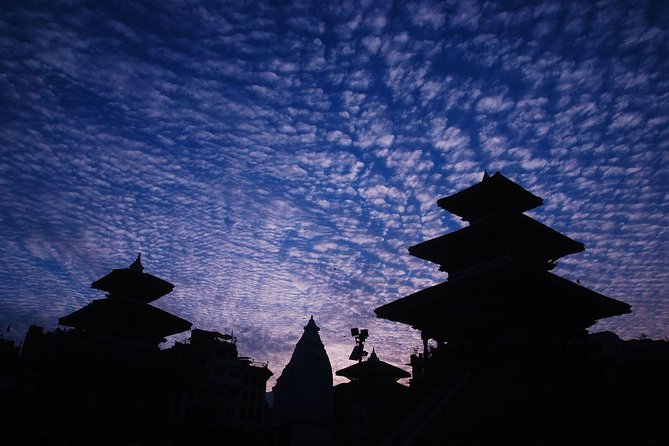
I’d book it if you want a 2.5-hour evening plan that mixes street-level Kathmandu with a focused temple walk. It’s a smart choice for getting oriented fast, especially when you land in Kathmandu and need a first taste of markets, shrines, and the rhythm of the city after dark.
Skip it or think twice if you dislike walking around dark, uneven areas, or if you hate tight lanes and crowd flow. Also consider your schedule if you’re doing another central city tour, because you may see similar highlights.
For the right traveler, though, this is the kind of experience that makes Kathmandu click. The combination of rickshaw movement plus time at Durbar Square is exactly how you see the city at the human scale it was built for.
FAQ
Where does the tour start, and where does it end?
The tour starts at Hotel Marshyangdi, Chaksibari Marg, Kathmandu 44600, Nepal. It ends back at the same meeting point.
What time does the Kathmandu sunset rickshaw tour start?
The start time is 6:00 pm.
How long is the tour?
The duration is about 2 hours 30 minutes.
How many people are in the group?
This tour is limited to a maximum of 12 travelers.
What is included in the $50.30 per person price?
The price includes the rickshaw ride, Durbar Square entrance fee, guided time at Durbar Square, and the tour with a friendly local guide and driver. Food and drinks are not included.
Is Kathmandu Durbar Square admission included?
Yes. The Kathmandu Durbar Square entrance fee is included.
Do you stop at Thamel and Asan before Durbar Square?
Yes. Thamel is the starting point, and Asan is the next stop before you head to Kathmandu Durbar Square.
What will I be doing during the Durbar Square portion?
You’ll spend about 1 hour 25 minutes walking around Durbar Square with your guide, seeing the complex of palaces, courtyards, and temples, including the Gaddhi Baithak building. The experience also includes a Buddhist Sigal shrine visit.
Is food and drinks included?
No. Food and drinks are not included.
Can children join?
Yes. It is child-friendly, and children under age 6 can join for free.
Can I cancel and get a full refund?
Yes. You can cancel up to 24 hours in advance for a full refund.
Latest additions near Kathmandu
- White Water River Rafting – 1 Day★ 4.3 · 3 reviews
- Traditional Momo Making Class★ 5.0 · 10 reviews
- Kathmandu to Pokhara Premium sofa bus ticket★ 4.0 · 17 reviews
- Ghorepani Poon Hill Trek★ 5.0 · 16 reviews
- Amazing 1 Day Trekking Experience in Kathmandu Nepal★ 5.0 · 24 reviews
- Ghorepani Poonhill Trek★ 5.0 · 5 reviews
- Walking tour of real Kathmandu through back streets.★ 5.0 · 3 reviews
- Wildlife Adventure in Chitwan Nepal★ 4.0 · 4 reviews
Kathmandu Tours, compared.
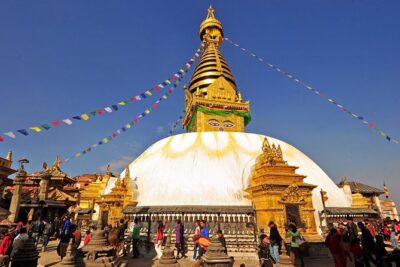
Private Kathmandu Sightseeing Tour | UNESCO World Heritage sites
Read our review →
Everest Base Camp Helicopter Tour landing at Everest View Hotel
Read our review →
Nagarkot Sunrise View and Day Hiking from Kathmandu
Read our review →Browse the lists this tour appears in