
Reviewed · KATHMANDU TOURS
Kathmandu: Pharping, Dakshinkali and Chobhar Tour with Lunch
Pharping to Dakshinkali is spiritual and visual. This 6-hour Kathmandu day trip stacks major Hindu and Buddhist stops, then cools things down with Taudaha Lake and the Chobar Gorge. I like that it feels like a real local route, not a checklist. You get an expert guide in a private group, so you can ask questions as you go.
My two favorite parts are the Asura Cave start, where the mood shifts quickly, and the lunch, which can be a welcome break after temple time. A fair consideration: caves and some monuments can be closed or restricted on the day, so your guide may need to adjust the plan.
In This Review
- Key things you’ll notice on this Kathmandu day trip
- Why this Pharping to Chobhar route works in one day
- Asura Cave and Shesnarayan Temple, a calm start with real meaning
- Gorakhnath Temple, how the guide helps you connect traditions
- Dakshinkali Temple, devotion with a real emotional warning
- Lunch break and rooftop comfort, where the day resets
- Taudaha Lake, bird sanctuary vibes and a breather near the city
- Chobar Gorge and caves, the water-drain story and possible access changes
- Price and logistics for a 6-hour private day with lunch
- Tips that make temples and caves easier on your body
- Should you book this Kathmandu Pharping, Dakshinkali and Chobhar tour with lunch?
- FAQ
- What is the duration of the Kathmandu Pharping, Dakshinkali and Chobhar tour?
- Where does pickup happen?
- What are the main stops on the tour?
- What is included in the price?
- What languages are the live tour guides available in?
- Is the group private?
- What should I bring?
- Are there any restrictions on the tour?
- Is the Dakshinkali temple stop suitable for everyone?
- Who is this tour not suitable for?
Key things you’ll notice on this Kathmandu day trip
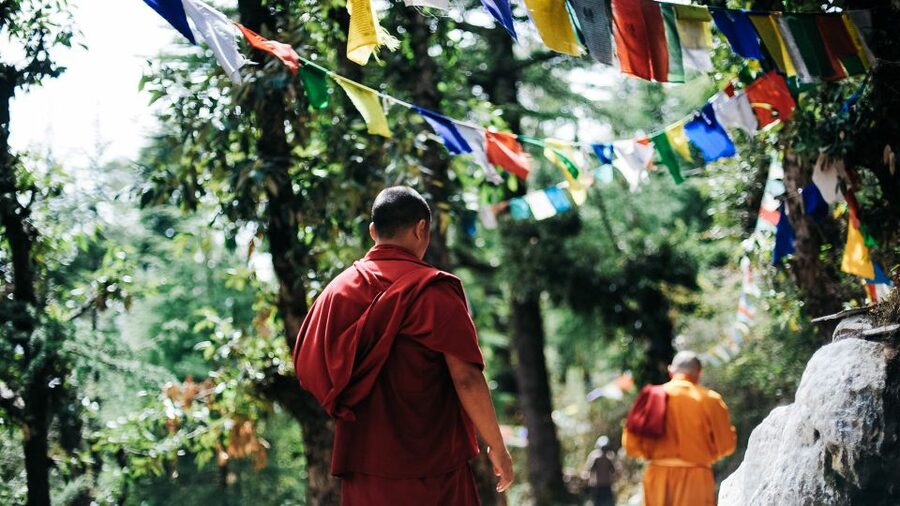
- Asura Cave is a sacred stop above Pharping, tied to Guru Rinpoche’s story
- Shesnarayan and Gorakhnath add Hindu-Buddhist context in a short walk-and-drive sequence
- Dakshinkali is intense, and the site can be distressing for some people
- Taudaha Lake is the easy breather, plus a bird sanctuary feel
- Chobar Gorge and caves connect to the old Kathmandu Valley water-drain legend
Why this Pharping to Chobhar route works in one day
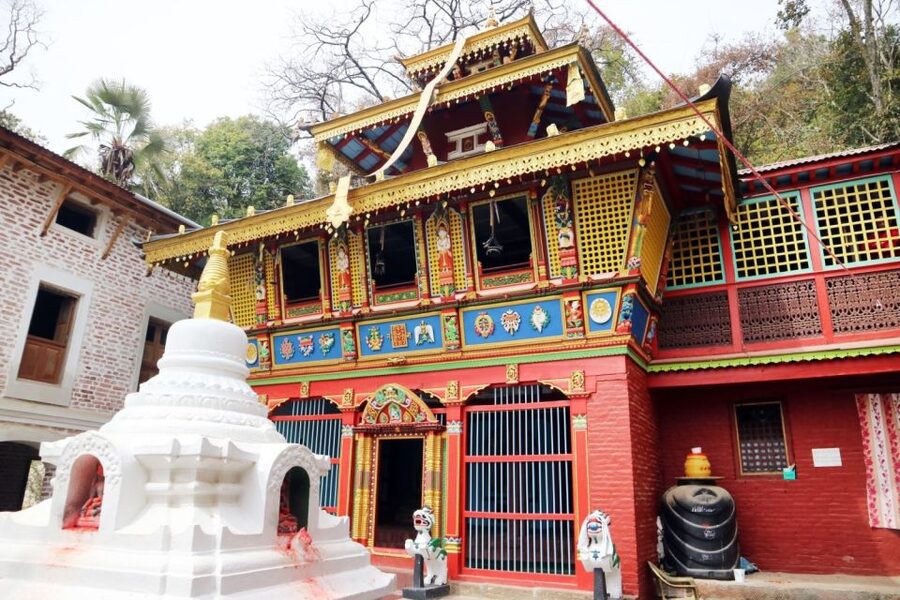
This tour is built for people who want variety without spending half the day wrestling with public transport. You start near Pharping, move through a cluster of temple sites, then shift to nature at Taudaha Lake and Chobar Gorge. That rhythm matters in Kathmandu, where a “temples only” day can get repetitive fast.
You also get a tight structure: guided stops, a scheduled lunch, and a return to Kathmandu. The day is short enough to stay focused, but not so short that you feel rushed at every location. Since it is a private group, you can usually move at a pace that fits your comfort level on stairs and uneven ground.
On value, the price sits around $83 per person for a 6-hour private day with hotel pickup and drop-off inside Kathmandu’s ring road, a luxury vehicle, entrance fees, and lunch. That is a solid deal if you want a single guided day rather than piecing together multiple taxis and entry tickets on your own.
More from Kathmandu worth a second look:
- Everest Base Camp Trek – 14 Days
★ 5.0 · 1,499 reviews - Everest Base Camp Trek
★ 5.0 · 842 reviews - Private Kathmandu Sightseeing Tour | UNESCO World Heritage sites
★ 5.0 · 756 reviews
Asura Cave and Shesnarayan Temple, a calm start with real meaning
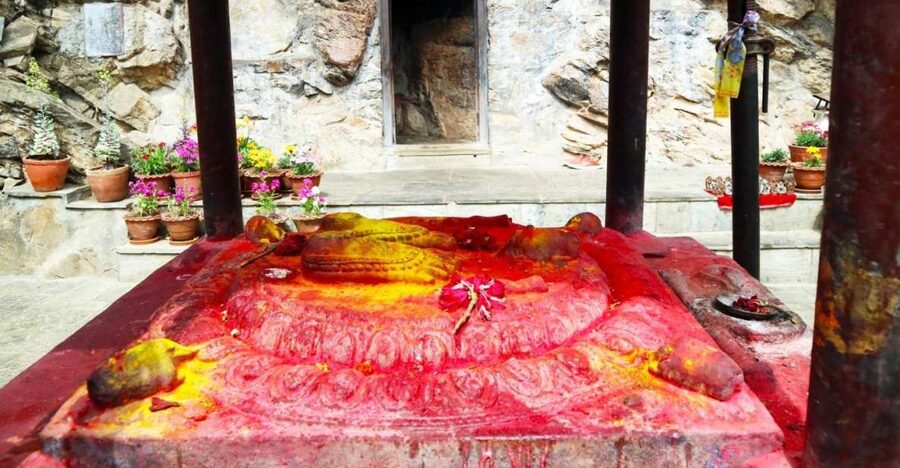
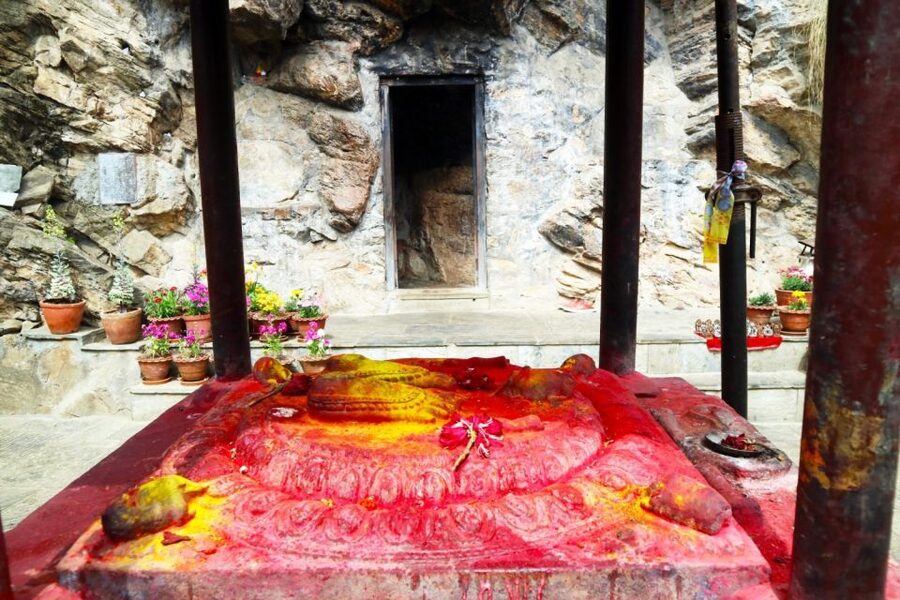
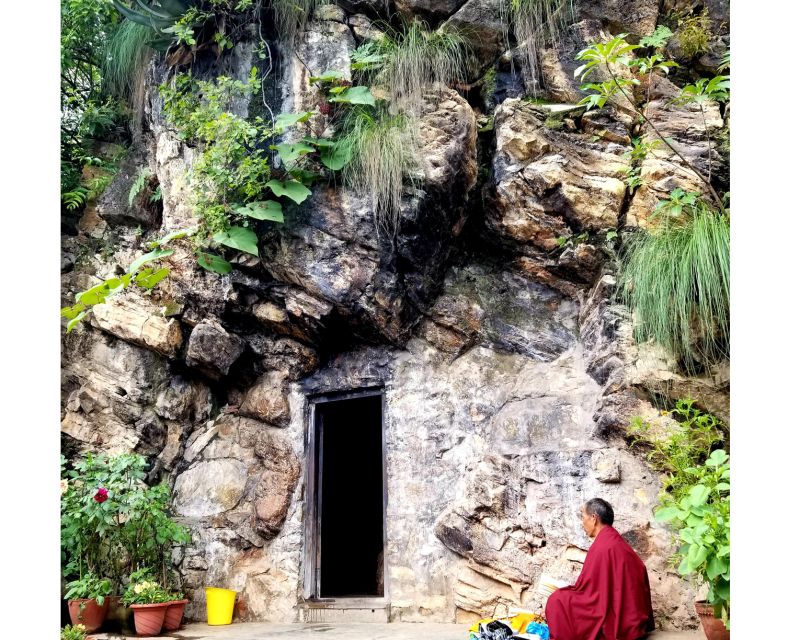
The day begins around Pharping, about an hour from central Kathmandu, in a part of the valley known for both spirituality and lingering village atmosphere. The Asura Cave is the first big wow factor. It sits above the village, and it is described as a sacred place connected to Guru Rinpoche, a revered Buddhist master, who is said to have meditated there and attained enlightenment.
What I like about starting here is how the cave naturally controls the pace. You are not just looking at a temple facade. You are stepping into a quieter space where prayer and reflection are part of the experience. Even if you are not a hardcore religious site person, you can still respect the atmosphere and let it reset your head before the more intense stops.
From Asura Cave, you move to Shesnarayan Temple, an ancient Hindu temple complex near Pharping. This one is tied to the Kathmandu Valley’s older layers, including a belief it was built during the reign of Licchavi king Vishnugupta. That kind of lineage matters because it helps you see these sites as part of a longer story, not just a quick photo stop.
Practical tip: plan for a short walk and some uneven ground. Bring comfortable shoes, because temple areas often have stone steps and worn paths.
Gorakhnath Temple, how the guide helps you connect traditions
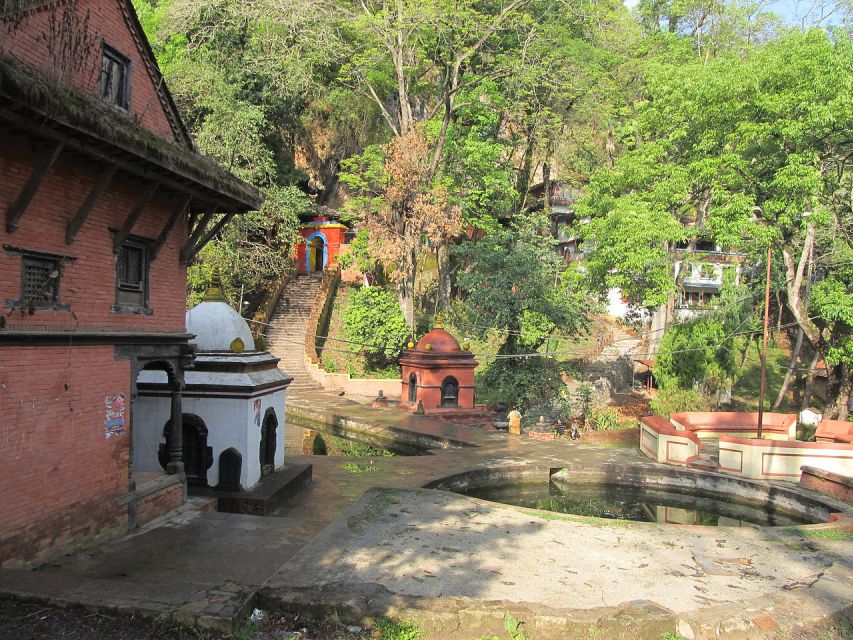
After Shesnarayan, you head toward Gorakhnath Temple. This stop is associated with Guru Gorakhnath, a saint and yogi linked to the Nath Sect. The value here is not just the building. It is the explanation you get when a good guide ties it to the broader spiritual landscape.
In reviews, the strongest praise goes to guides who explain in plain language and answer questions without talking down. One name that comes up is Rajat, mentioned for helpful, clear explanations and a friendly vibe. That kind of guide skill is a big deal on this route, because you are going from Buddhist cave tradition to Hindu temple architecture and then onward to a Kali shrine. A translator-like guide voice can turn “I saw temples” into “I actually understood what I saw.”
If your guide is strong, you will leave this section feeling like you can tell the difference in spiritual focus, not just the difference in building design. If your guide is weak, the day can feel like separate stops with no thread. That is why the guide quality is one of the key reasons this tour works when it works.
Dakshinkali Temple, devotion with a real emotional warning
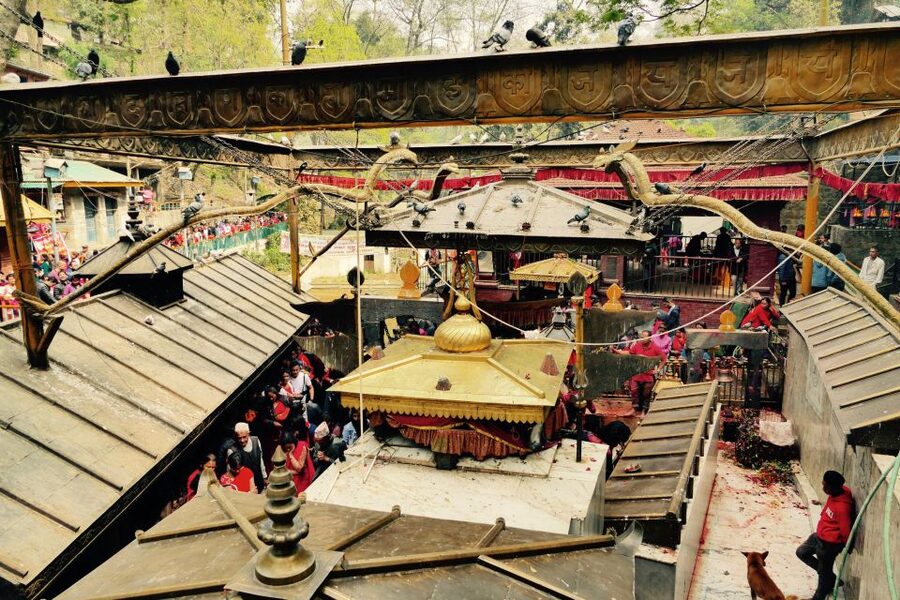
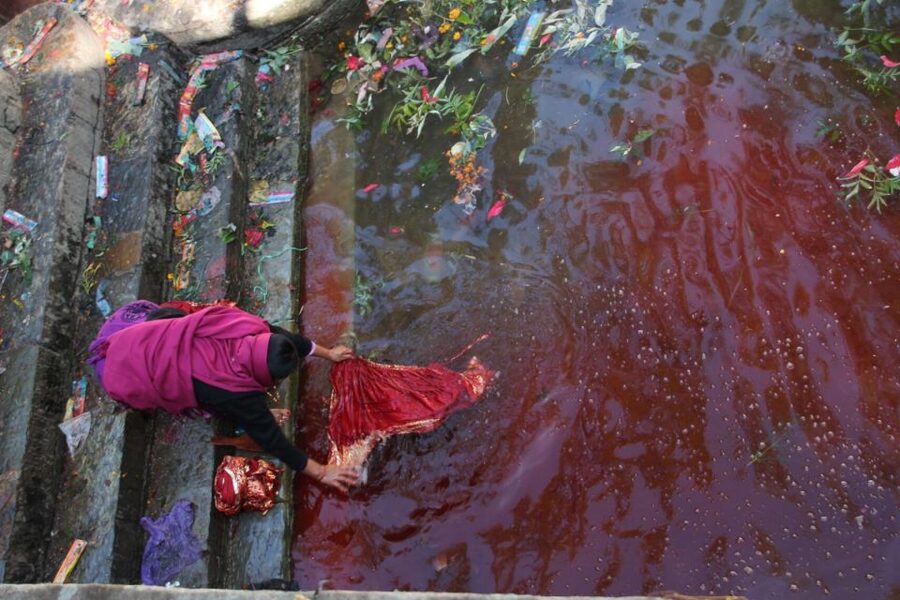
Dakshinkali Temple is the intensity spike of the day. The tour is clear about this in its own way: the site includes a bloody river and temple elements dedicated to goddess Dakshinkali, and it may be distressing for some visitors. If you are sensitive to animal sacrifice themes or graphic ritual imagery, take that warning seriously and decide beforehand how you want to handle it.
Location-wise, the temple is described as about 22 kilometers outside Kathmandu and roughly one kilometer outside the village of Pharping. That distance is why the day uses a vehicle segment here. You get a break from walking, then return to walking and sightseeing again once you arrive.
What can make this stop worthwhile is perspective. This is not a museum. It is an active worship site. The guide is especially important here, because they can provide context on what you are seeing and why people come. Also, there is a simple, practical lesson: for emotional comfort, you can control your time. Spend what you need, step back when you want a breather, and do not force yourself to “power through.”
If you want one specific tip from the experiences people share: if your legs are okay with stairs, climb up to the top of the hill to see prayer flags and a Hindu temple viewpoint area. It is a different feeling than the lower temple spaces, and it often turns a heavy stop into something more balanced.
Another way to spend the time in Nepal:
- Kathmandu: 7 UNESCO Sites with Lunch
★ 4.8 · 744 reviews - Everest Base Camp Helicopter Tour landing at Everest View Hotel
★ 5.0 · 668 reviews - Half day cooking class in Thamel kathmandu
★ 5.0 · 607 reviews - Everest Base Camp Trekking
★ 5.0 · 485 reviews
Lunch break and rooftop comfort, where the day resets
Lunch is included, and this is one of the most consistently liked parts of the tour. One review described it as delicious and served on a rooftop, which sounds exactly like what you need after walking and temple time. A roof matters in Kathmandu heat and for a short mental reset.
Why lunch is also part of the value: it removes decision fatigue. You do not have to find a restaurant that fits your schedule, then negotiate entry or wait time. You can eat, hydrate, and keep moving when the tour line-up says it is time to go.
I also like that the lunch timing slots you well before the slower nature section. By the time you reach Taudaha Lake, your energy should be steadier and your attention less scattered.
Taudaha Lake, bird sanctuary vibes and a breather near the city
After Dakshinkali, the tour heads toward Taudaha Lake, described as the largest natural lake in the Kathmandu Valley. It is also noted as a popular recreation spot and known for being a bird sanctuary.
This is the pivot point of the day. Temples and caves pull your attention downward and inward. Taudaha pulls you outward. Even if you do not see birds at the exact moment you want, the lake gives you a calmer pace and a chance to sit or walk slowly near the water.
This stop works best if you use it as recovery time rather than a second race through a checklist. Take your sunglasses and hat seriously here. Even when the day is “only” 6 hours, Kathmandu sun can still be strong.
If you feel temple overload, this lake segment is usually where you feel yourself come back.
Chobar Gorge and caves, the water-drain story and possible access changes
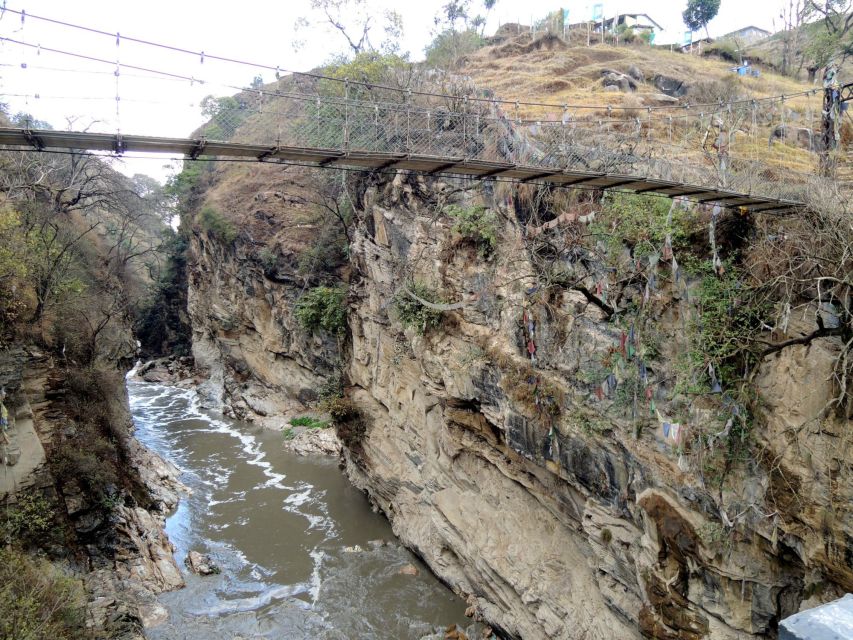
The final big sightseeing block is Chobar Gorge and its caves. Chobar Gorge is described as the escape point of water from an ancient lake that once existed where Kathmandu now sits. The legend included with the site says that the bodhisattva Manjushri cut a gorge here, allowing water to drain off and creating land for settlement.
That story is useful because it reframes the valley. You stop thinking of Kathmandu as only buildings and traffic. You start seeing it as a shaped landscape, literally carved by water and time.
The practical part: caves can have access limits. One experience mentions the Chobar cave being closed, and another mentions a cavern that was apparently closed in the past. You might still get views and gorge time even if a specific cave entrance is not accessible.
My advice is to treat the gorge as the core stop, and the caves as a bonus if they are open. If access changes, your guide should explain what is still possible. And if you have a camera-driven plan, keep expectations flexible.
Price and logistics for a 6-hour private day with lunch
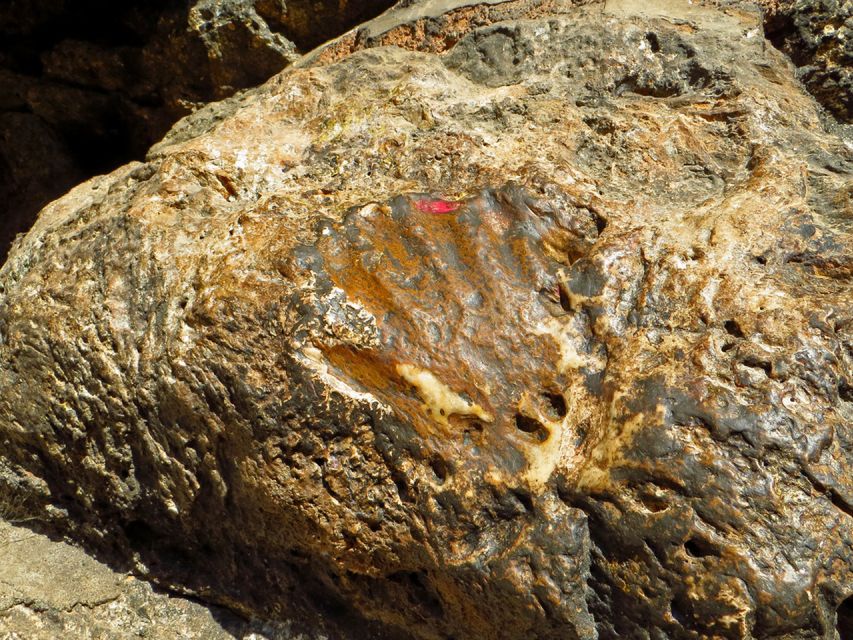
Here is the straightforward math of value. You pay about $83 per person for a 6-hour private group. Included are an expert tour guide, a luxury vehicle, hotel pickup and drop-off from hotels inside Kathmandu’s ring road, entrance fees, and lunch.
That bundle can save money in two ways:
- You likely avoid multiple taxi rides and separate entry ticket purchases
- You avoid time costs from figuring out timing and transfers on your own
The tour is also offered with live guidance in English and Japanese, which is a real help if you want context rather than just movement. Since it is a private group, the “I got stuck with random timing” problem usually softens. You can match your pace better to your legs and your comfort with dense religious sites.
One logistics note to keep in mind: pickup only covers hotels inside the ring road. If your hotel is outside that zone, you may have an extra charge. Also, you should be ready and waiting about 5 minutes before pickup.
Tips that make temples and caves easier on your body
This tour includes stairs and uneven surfaces at multiple sites. That affects your enjoyment more than people think. Before you go, plan for your legs.
Bring:
- Comfortable shoes
- Sunscreen, sunglasses, and a sun hat
Also, take the emotional warning at Dakshinkali seriously. If the bloody river detail would bother you, you might want to avoid lingering close to the ritual areas.
If you have mobility limits, this tour is not for you. It is not suitable for wheelchair users and it is listed as not ideal for people with back problems, heart problems, or kidney problems. The tour also lists weight limits above 220 lbs (100 kg) and age over 95 years.
Should you book this Kathmandu Pharping, Dakshinkali and Chobhar tour with lunch?
Book it if you want a single guided day that mixes Buddhist and Hindu sites with nature breaks, and you like learning as you walk. The best-case version of this trip is a strong guide, smooth pickup, and enough flexibility to handle closures without ruining your day. The lunch option is a real plus, especially when it helps you recharge before the final gorge portion.
Skip or rethink if you are sensitive to Dakshinkali’s ritual presentation, because the tour explicitly notes the site may be distressing for some people. Also, if you are the type who needs every cave entrance to be open and every photo angle to work perfectly, consider that access can change.
If you fall in the middle, I would still give it a chance, but go in with the right mindset: treat caves as potential bonuses, treat the guide as part of the experience, and save energy for the hilltop prayer flag views if your body can handle the stairs.
FAQ
What is the duration of the Kathmandu Pharping, Dakshinkali and Chobhar tour?
The tour lasts 6 hours.
Where does pickup happen?
Pickup is provided from hotels inside Kathmandu city ring road. If your hotel is outside the ring road, there is an additional charge.
What are the main stops on the tour?
The tour includes Asura cave, Shesnarayan temple, Gorakhnath temple, Dakshinkali temple, Taudaha Lake, and Chobar Gorge, plus its caves.
What is included in the price?
Included are an expert tour guide, a luxury vehicle, hotel pickup and drop-off (within the ring road), entrance fees, and lunch.
What languages are the live tour guides available in?
The live tour guide is available in English and Japanese.
Is the group private?
Yes, it is a private group.
What should I bring?
Bring comfortable shoes, sunglasses, a sun hat, and sunscreen.
Are there any restrictions on the tour?
Pets are not allowed, and you cannot bring weapons or sharp objects. Smoking in the vehicle is not allowed. Open-toed shoes, alcohol and drugs, alcoholic drinks in the vehicle, and nudity are also not allowed.
Is the Dakshinkali temple stop suitable for everyone?
The tour notes that the bloody river and the Dakshinkali temple may be distressing to some visitors.
Who is this tour not suitable for?
It is not suitable for wheelchair users. It is also listed as not suitable for people with back problems, heart problems, kidney problems, people over 220 lbs (100 kg), and people over 95 years.
Latest additions near Kathmandu
- White Water River Rafting – 1 Day★ 4.3 · 3 reviews
- Traditional Momo Making Class★ 5.0 · 10 reviews
- Kathmandu to Pokhara Premium sofa bus ticket★ 4.0 · 17 reviews
- Ghorepani Poon Hill Trek★ 5.0 · 16 reviews
- Amazing 1 Day Trekking Experience in Kathmandu Nepal★ 5.0 · 24 reviews
- Ghorepani Poonhill Trek★ 5.0 · 5 reviews
- Walking tour of real Kathmandu through back streets.★ 5.0 · 3 reviews
- Wildlife Adventure in Chitwan Nepal★ 4.0 · 4 reviews
Kathmandu Tours, compared.
Private Kathmandu Sightseeing Tour | UNESCO World Heritage sites
Read our review →
Everest Base Camp Helicopter Tour landing at Everest View Hotel
Read our review →
Nagarkot Sunrise View and Day Hiking from Kathmandu
Read our review →Browse the lists this tour appears in