Reviewed · KATHMANDU TOURS
Kathmandu Day Tour
Kathmandu can feel like a living museum, and this day tour does the heavy lifting. You get a comfortable air-conditioned vehicle plus an English-speaking city guide, and the route hits the big sacred sights without you spending the day figuring out tickets or traffic. Two things I like a lot are the tight hit-list of world-heritage sites and how the guide turns each stop into a real story you can follow. One drawback to consider is that it is a full 7 to 8 hour day, so plan for a bit of walking, sun, and temple crowds.
I also like the small-group vibe, with a maximum of 15 people. You are not stuck in a giant herd, and you can actually ask questions as you go, especially about Hinduism, Buddhism, and the Newari culture you will see around Kathmandu. If you hate getting around on a schedule, this might feel a touch structured, but the payoff is a smooth overview of the Kathmandu Valley’s most famous places.
In This Review
- Quick hits: what makes this Kathmandu day tour work
- The best way to see Kathmandu in one day
- Kathmandu Durbar Square, where old royalty meets living museums
- Swayambhu Mahachaitya, aka the Monkey Temple with skyline views
- Pashupatinath Temple, a major Hindu shrine you will feel in your gut
- Boudhanath Stupa, 2500 years of devotion and prayer-wheel rhythm
- How the 7 to 8 hour timing really feels on the ground
- Guides who make the monuments click
- Price and value: what you get for $85.34 per person
- What to do with your time before and after the tour
- Who this Kathmandu day tour suits best
- Should you book this Kathmandu day tour?
- FAQ
- How long is the Kathmandu Day Tour?
- How much does the tour cost?
- Where does the tour start and end?
- Which sites are included in the itinerary?
- What is included in the price?
- What is not included?
- What is the group size?
- Do I need to bring a ticket?
- What if the weather is bad?
- Is cancellation free?
Quick hits: what makes this Kathmandu day tour work
- AC vehicle for the long stretches between UNESCO-style highlights
- Entrance fees handled for you at Durbar Square, Swayambhu, Pashupatinath, and Boudhanath
- Monkey Temple viewpoints from Swayambhunath, plus a real feel for daily temple life
- Pashupatinath’s Hindu significance explained clearly, so you know what you are looking at
- Boudhanath stupa + prayer-wheel culture, often with time for monastery visits nearby
- English-speaking guides like Kedar or Dil who answer questions about architecture and religion
The best way to see Kathmandu in one day
If you only have a day in Kathmandu, your biggest challenge is simple: how do you see more than just the taxi window? This tour is built around an efficient loop through four major sites, each with a different spiritual flavor and a different kind of Kathmandu architecture.
You start in Thamel, in the Ace the Himalaya area, then move site to site with an AC vehicle. That matters because Kathmandu heat and traffic can drain your energy fast, especially when you are also trying to be respectful in temples and religious spaces. The guide also keeps the day moving with an organized pace and included admission, so you are not hunting for tickets while everyone else is already forming a line.
More from Kathmandu worth a second look:
- Everest Base Camp Trek – 14 Days
★ 5.0 · 1,499 reviews - Everest Base Camp Trek
★ 5.0 · 842 reviews - Private Kathmandu Sightseeing Tour | UNESCO World Heritage sites
★ 5.0 · 756 reviews
Kathmandu Durbar Square, where old royalty meets living museums
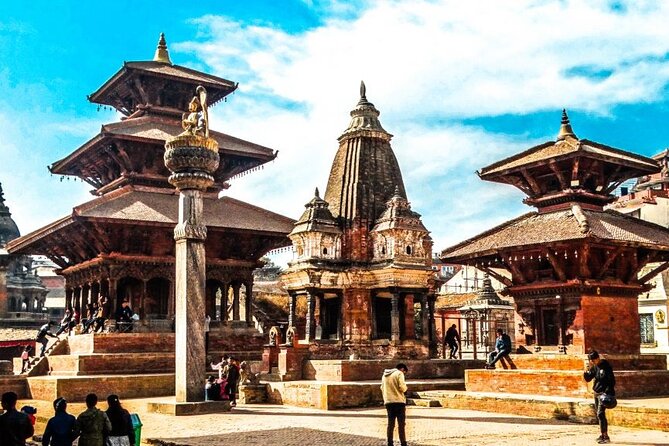
Kathmandu Durbar Square is the kind of place where your eyes keep upgrading what they think they are seeing. The complex is a group of palaces, courtyards, and temples built between the 12th and 18th centuries, and it used to be the seat of the ancient Malla kings of Kathmandu.
What you will love here is the layered feel. You are not looking at a single monument, you are walking through a space where power, religion, and art were stitched together. There are also three museums inside the palace buildings, and the stop includes time to explore and get context rather than just taking photos from the edge.
Practical note: 30 minutes goes quickly at Durbar Square. If you want to read details, pick one or two focal areas and go deeper there. Also, expect that this is an active, culturally important site, so keep your voice down and dress appropriately.
Swayambhu Mahachaitya, aka the Monkey Temple with skyline views
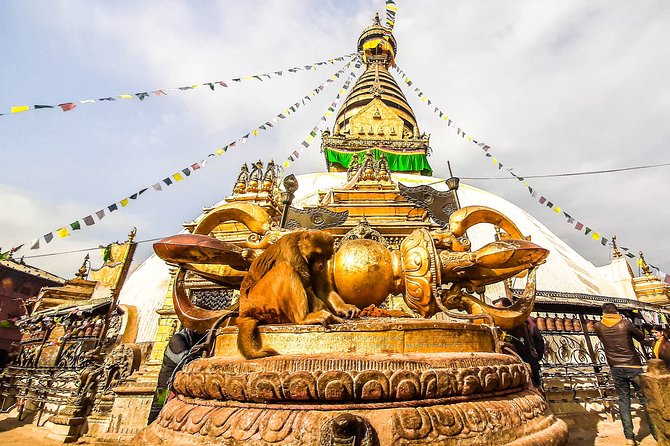
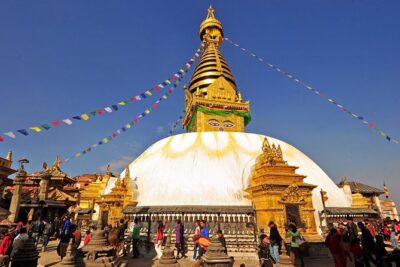
Next comes Swayambhu Mahachaitya, on a hillock with a view over the valley. This is one of Kathmandu’s most recognizable temples, partly because it is known as the Monkey Temple, thanks to the monkeys roaming around the premises.
That hilltop location changes the whole experience. From here, you get a better sense of Kathmandu’s layout, including how dense and layered the city looks even from above. The guide’s explanation helps too. You are not just looking at a stupa and hoping you understood the symbolism, you are learning what makes this place special within the Buddhist tradition.
You are given about an hour, which is a good amount of time because this stop is a mix of walking paths, temple structures, and people watching. Monkeys are part of the atmosphere here, so keep small bags zipped and avoid dangling items. If you are concerned about animal chaos, you might want to keep your attention on the ground-level paths and not on the snack-near-the-door situations.
Pashupatinath Temple, a major Hindu shrine you will feel in your gut
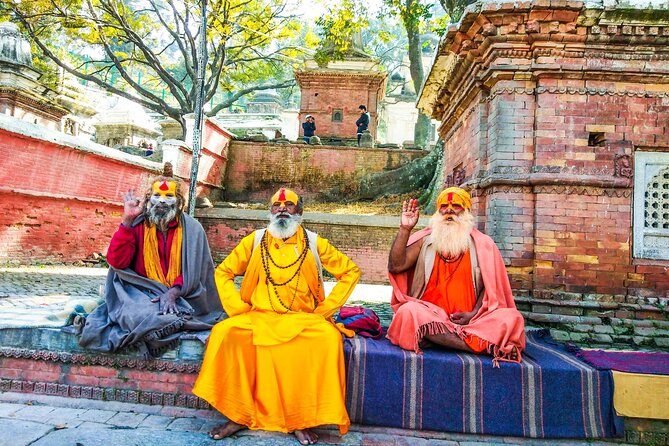
Pashupatinath is one of the most sacred Hindu shrines in the world. It lies about 5 km east of Kathmandu’s city center and is famous for its richly ornamented pagoda style and its religious focus.
The key thing to notice is what the temple represents. Pashupatinath houses the sacred linga, or phallic symbol, of Lord Shiva. Even if you are not Hindu, it helps to know what you are seeing because Hindu temple symbolism is not always obvious at first glance. With an English-speaking guide, you can connect the visual details to the meaning behind them.
You have about 45 minutes here. That is enough time to understand the basics, observe the flow of devotees, and take in the architectural style without feeling rushed across a long site. A consideration: this is a working religious area, so you will see ceremonies and daily rituals. That is part of the point, but it also means you should move calmly, follow any on-site instructions, and keep your camera use respectful.
Another way to spend the time in Nepal:
- Kathmandu: 7 UNESCO Sites with Lunch
★ 4.8 · 744 reviews - Everest Base Camp Helicopter Tour landing at Everest View Hotel
★ 5.0 · 668 reviews - Half day cooking class in Thamel kathmandu
★ 5.0 · 607 reviews - Everest Base Camp Trekking
★ 5.0 · 485 reviews
Boudhanath Stupa, 2500 years of devotion and prayer-wheel rhythm
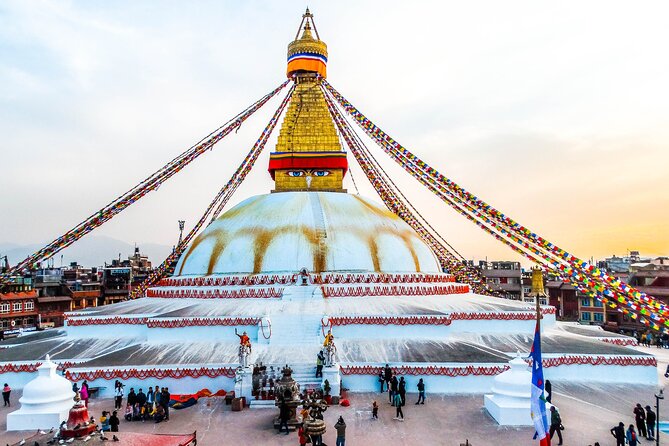
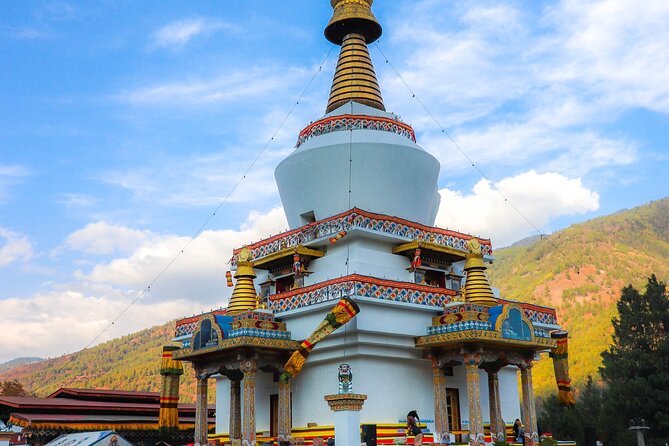
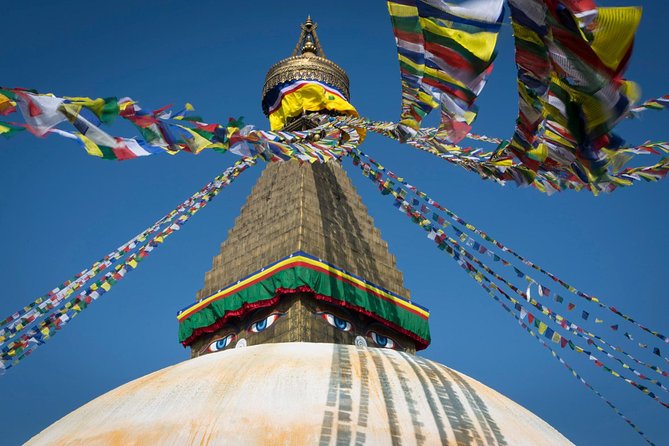
Boudhanath Stupa is a heavyweight in Buddhist pilgrimage culture. It is about 2500 years old, built in the 5th century, with four pairs of Buddha eyes in four cardinal directions. Those eyes are not just decoration, they create the sense that the stupa is watching over people.
This stop is often the most peaceful part of the day. You will see Buddhist pilgrims, including visitors connected to Tibet, spinning prayer wheels as part of practice. The turning motions are simple, but they add a steady rhythm to your visit. Instead of rushing through monuments, you start noticing repetition and routine, which is exactly what religious life looks like.
You get about 45 minutes. In practice, the way the guide times things can make this feel richer than just looking at the stupa. One of the strongest points from the experience is that the stop can include short monastery visits nearby, so you get more of the everyday religious atmosphere around Boudhanath.
How the 7 to 8 hour timing really feels on the ground
A 7 to 8 hour Kathmandu day tour can sound long on paper. On the ground, it depends on your energy and how quickly you want to absorb information.
The included admission fees help a lot. You do not lose half the day waiting around for tickets or searching for entrances. And the AC vehicle reduces fatigue between sites, especially when Kathmandu’s weather changes or you hit peak traffic. This is one of those tours where the comfort is not luxury. It is functional. It keeps your head clear so you can actually enjoy the temples.
Group size matters too. With a maximum of 15 travelers, you typically move as a small unit with the guide. That can be a big advantage if you like asking questions or if you want to compare what you are seeing against what your guide explains.
Guides who make the monuments click
One of the most praised parts of this tour is the guides themselves. I like that you are not just handed a list of sights. You are getting explanations that connect religion, architecture, and local culture.
In particular, English-speaking guides like Kedar and Dil have been highlighted for enthusiasm and for answering questions about history and architecture, as well as topics like Hinduism, Buddhism, and the Newari people. Dil has also been noted for being professional and very knowledgeable during the day, which matters because temples can be confusing if you only have a quick glance.
Here is the practical upside for you: if you want to understand why Pashupatinath looks the way it does, or how Swayambhu’s hilltop position shapes the experience, this tour gives you that context while you are standing there.
Price and value: what you get for $85.34 per person
At $85.34 per person, this is not a budget bus tour. You are paying for a guided route that covers transport and included admissions, not just sightseeing.
Here is what you are getting for the price:
- Air-conditioned vehicle for the day
- Authorized English-speaking city tour guide
- Entrance fees for the listed sites
- Official expenses
Meals and drinks are not included, and tips for the guide and driver are expected. That is typical for this kind of service, but it is still important to budget for lunch breaks.
What makes it good value is the combination of time and friction reduction. You save time dealing with ticket logistics and navigating between locations. If you are short on days and you want a coherent overview of Kathmandu’s most famous world-heritage sights, the structure is worth paying for.
What to do with your time before and after the tour
Since the tour meets and ends back at Ace the Himalaya in Thamel Marg, you can plan your Kathmandu day without a ton of stress. Thamel is a convenient base because it is full of cafés and shops, and it is easy to pick up water and snacks after the tour.
Before you go, keep in mind that temple days mean dress rules and attention. Comfortable shoes help. If you plan to bring sunglasses, sunscreen, and a light layer, you will be happier when you are in sun-exposed areas like the approaches to Swayambhu.
After the tour, you will likely feel like you just got a fast education in Kathmandu’s spiritual landscape. That is a good thing. The next day, you can choose to revisit one site you liked most, or you can explore neighborhoods with a better sense of what you are actually looking at.
Who this Kathmandu day tour suits best
This is a strong match if:
- You want a one-day overview of key Kathmandu sites
- You prefer an organized plan with included entrance fees
- You want a guide to explain Hindu and Buddhist symbolism as you go
- You are traveling in a small group setting, maximum 15 travelers
It may be less ideal if you:
- Hate moving on a tight schedule
- Want a super flexible, wander-at-will pace
- Are looking for a nightlife or food-focused itinerary instead of temples and cultural monuments
Should you book this Kathmandu day tour?
Yes, if your goal is to get your bearings fast and see Kathmandu’s most important sites without the hassle of planning transport and admissions. The route is efficient, the included entrance fees remove a common headache, and the guides, such as Kedar and Dil, add context that makes the monuments make sense.
Book it especially if you only have a single full day and you want that classic mix: Durbar Square’s palace complex, Swayambhu’s hilltop viewpoint and Monkey Temple atmosphere, Pashupatinath’s Shiva-centered Hindu shrine, and Boudhanath’s prayer-wheel world.
FAQ
How long is the Kathmandu Day Tour?
The tour lasts about 7 to 8 hours.
How much does the tour cost?
The price is $85.34 per person.
Where does the tour start and end?
It starts at Ace the Himalaya A1 Business complex on Thamel Marg, Kathmandu, and ends back at the same meeting point.
Which sites are included in the itinerary?
You visit Kathmandu Durbar Square, Swoyambhu Mahachaitya (Monkey Temple), Pashupatinath Temple, and Boudhanath Stupa.
What is included in the price?
Included features are an air-conditioned vehicle, an authorized English-speaking city tour guide, entrance fees for the mentioned sites, and official expenses.
What is not included?
Meals and drinks are not included, and tipping for the guide and driver is expected.
What is the group size?
The tour has a maximum of 15 travelers.
Do I need to bring a ticket?
You receive a mobile ticket, and confirmation is received at the time of booking.
What if the weather is bad?
This experience requires good weather. If it is canceled due to poor weather, you will be offered a different date or a full refund.
Is cancellation free?
Yes, you can cancel for free up to 24 hours in advance for a full refund.
Latest additions near Kathmandu
- White Water River Rafting – 1 Day★ 4.3 · 3 reviews
- Traditional Momo Making Class★ 5.0 · 10 reviews
- Kathmandu to Pokhara Premium sofa bus ticket★ 4.0 · 17 reviews
- Ghorepani Poon Hill Trek★ 5.0 · 16 reviews
- Amazing 1 Day Trekking Experience in Kathmandu Nepal★ 5.0 · 24 reviews
- Ghorepani Poonhill Trek★ 5.0 · 5 reviews
- Walking tour of real Kathmandu through back streets.★ 5.0 · 3 reviews
- Wildlife Adventure in Chitwan Nepal★ 4.0 · 4 reviews
Kathmandu Tours, compared.
Private Kathmandu Sightseeing Tour | UNESCO World Heritage sites
Read our review →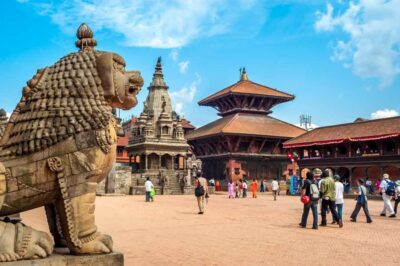
Everest Base Camp Helicopter Tour landing at Everest View Hotel
Read our review →