Reviewed · KATHMANDU TOURS
Kathmandu and Pokhara: A Journey Through Nepal’s Cultural and Natural Wonders
Temple lanes meet big mountain views fast. This 5-day Kathmandu and Pokhara trip is interesting because it strings together two very different vibes in one route: Kathmandu Valley temples one day, and Pokhara mountain scenery the next. I also like how it keeps the pace practical, with early starts when the views are worth it, and organized drives between stops. One tradeoff to plan for: you spend real time in the car, especially on the day Pokhara visits are packed in and the ride back to Kathmandu happens the same evening.
I really like the way the tour builds in payoff moments. The Sarangkot sunrise plus the Phewa Lake boating window give you views you can’t really replicate on a rushed schedule. The itinerary also feels tight in a good way, with timing that tends to run as scheduled, so you do not feel like you are waiting around. If you dislike early mornings, you will need to mentally prepare for that Day 3 start.
In This Review
- Key highlights that make this tour worth your time
- Thamel, Day 1: a friendly start in Kathmandu’s temple-country mood
- Pokhara in one long day: Devi’s Falls, Gupteshwor Cave, and sunset at World Peace Pagoda
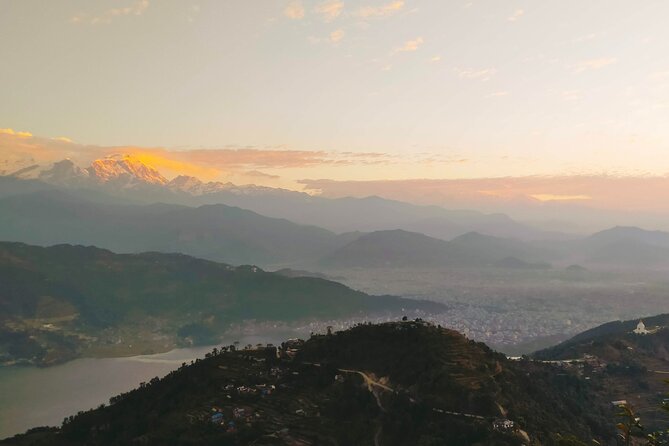
- Sarangkot sunrise and Phewa Lake time: the best payoff-per-hour combo
- Returning to Kathmandu on Day 4: a calm arrival and Durbar Square at 4:00 pm
- Day 5 wrap-up: checkout and airport transfer
- Price and value: what $923 per person really covers
- Logistics, timing, and weather: how this trip can feel on the ground
- Who should book this Kathmandu and Pokhara itinerary
- Should you book it? My honest recommendation
- FAQ
- How long is the Kathmandu and Pokhara journey?
- What is the price per person?
- What meals are included?
- Are entrance fees included?
- Is pickup offered, and is it private?
- What stop is included in Kathmandu on Day 1?
- What are the most time-sensitive sightseeing moments?
- What happens if weather is poor?
Key highlights that make this tour worth your time
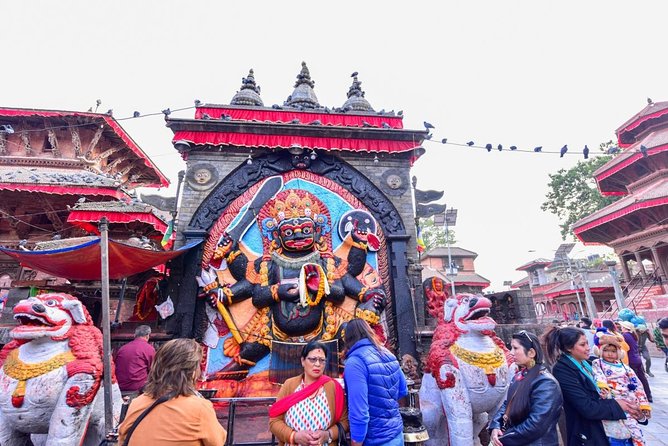
- Thamel as a low-pressure warm up with an easy first visit before the bigger sightseeing days
- Devi’s Falls and Gupteshwor Mahadev Cave paired with late-afternoon scenic time
- World Peace Pagoda at sunset for that last-light Himalaya moment
- Sarangkot sunrise handled with an early drive that actually gets you there in time
- Phewa Tal and Tal Barahi Temple by boat for views across the lake
- A focused Kathmandu Durbar Square visit later in the day, after a return drive
Thamel, Day 1: a friendly start in Kathmandu’s temple-country mood
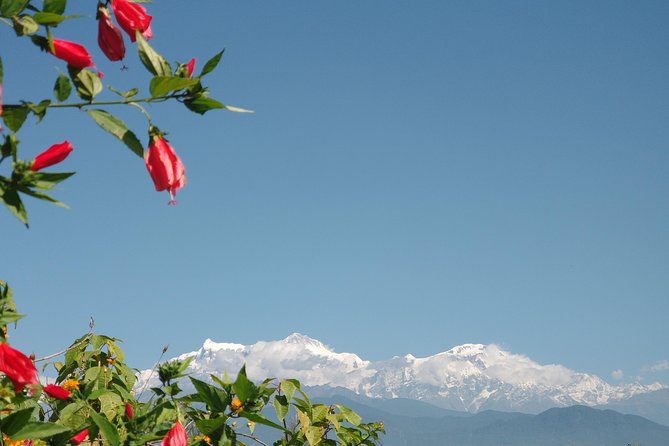
Day 1 is simple on purpose: you head to Thamel, Kathmandu’s well-known bazaar area, and you get about an hour to walk it at your own speed. This is a smart first move if you are arriving with jet lag or you just want to get your bearings fast. You can grab snacks, water, or a small last-minute item without the stress of a packed schedule.
Thamel is also where you feel the Kathmandu energy immediately. If you like people-watching and quick browsing, you’ll enjoy this as your warm-up act. If you prefer quiet, this stop might feel a bit busy for your taste, but it is short, and it sets up the rest of the journey.
More from Kathmandu worth a second look:
- Everest Base Camp Trek – 14 Days
★ 5.0 · 1,499 reviews - Everest Base Camp Trek
★ 5.0 · 842 reviews - Private Kathmandu Sightseeing Tour | UNESCO World Heritage sites
★ 5.0 · 756 reviews
Pokhara in one long day: Devi’s Falls, Gupteshwor Cave, and sunset at World Peace Pagoda
Day 2 is where the trip really earns its name: Kathmandu to Pokhara, then sightseeing that keeps momentum through the evening. After breakfast at 7:00 am, you leave Kathmandu around 8:00 am. You stop for lunch on the way around late morning, and by 2:00 pm you are in Pokhara and transferred to your hotel. That hotel transfer matters because it reduces the hassle of juggling luggage while you are trying to see stuff.
Then the sightseeing portion starts. You visit Devi’s Fall and Gupteshwor Mahadev Cave around 3:00 pm. Plan on a couple of things here: wear shoes you can stand in comfortably, and keep your phone ready for photos because this is one of those stops where the setting does a lot of the work.
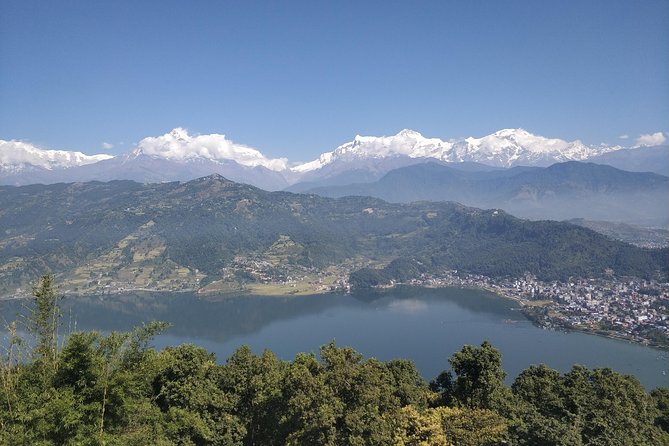
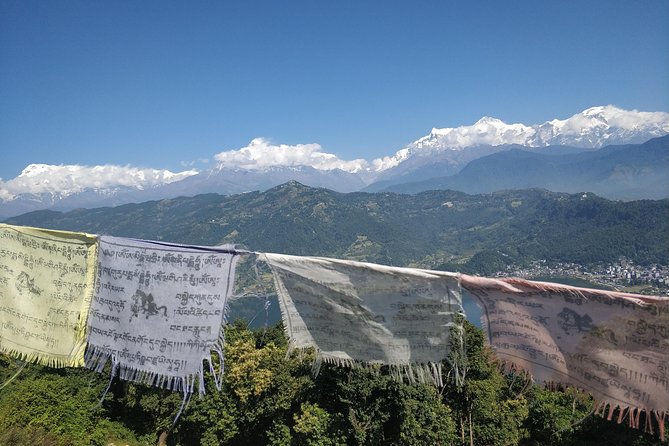
Next comes one of the most scenic segments: the drive to World Peace Pagoda at about 4:30 pm, with time to catch the sunset and the mountains. If you want that last-light view effect, you are going to love having a planned time window. It also helps that the day is built so you are not trying to rush from a long walk straight into darkness. You finish with a 6:30 pm drive back to Kathmandu.
Here’s the consideration: this is a big Day 2. You are effectively doing a long transfer plus a mini sightseeing circuit plus a return drive. If you are the type who needs downtime after travel, you might feel it. But if you like maximizing your sight time while keeping logistics handled, this structure is strong.
Sarangkot sunrise and Phewa Lake time: the best payoff-per-hour combo
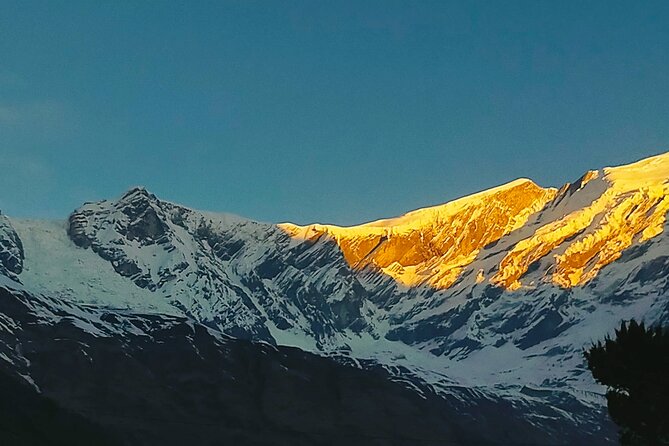
Day 3 is the early one. You get a 4:30 am drive to Sarangkot for sunrise. This is the kind of moment that makes a short trip feel worthwhile because the view window is narrow. You are not just going to a viewpoint, you are going for the light. Even if clouds mess with plans, sunrise timing is still the right move for this itinerary style.
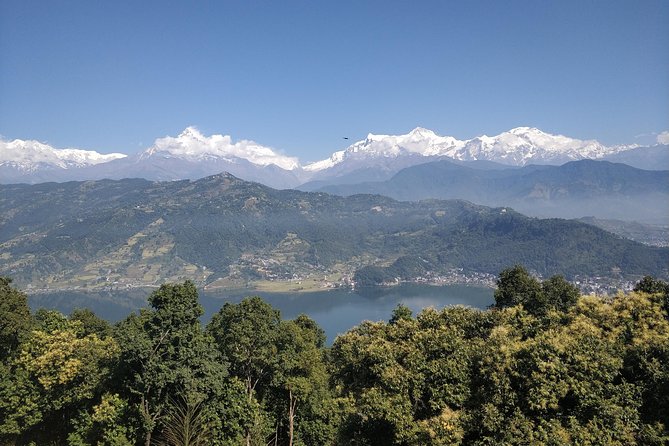
After sunrise, you return for breakfast at 7:00 am, then you get a dedicated boating stretch. From about 8:00 am to 9:00 am, you enjoy boating on Phewa Lake and also visit Tal Barahi Temple. This pairing is practical. You get open-air lake views, then you add a fixed destination stop. The boat timing also helps you avoid the most crowded hours you might otherwise hit if you tried to plan this on your own.
Then you transition into a cultural and scenic rhythm. Around 11:00 am you have lunch in Pokhara. In the afternoon you visit Mountain Museum at 1:00 pm, then go to Bindabasini Temple and Seti river gorge around 2:00 pm, followed by free time.
One reason I like this mix: it gives you both viewpoints and grounding points. Sunrise and lake time cover the spectacle. Museums and temples provide context and a chance to slow down. The only caution is energy management. Day 3 is long, and you are already up at 4:30 am, so pack snacks if you tend to get hungry between activities.
Returning to Kathmandu on Day 4: a calm arrival and Durbar Square at 4:00 pm
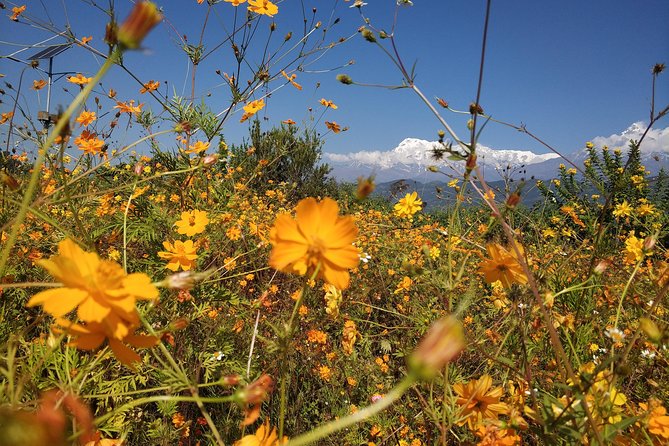
Day 4 switches gears back to the Kathmandu Valley. You start with breakfast at 7:00 am, then drive back toward Kathmandu. Lunch is on the way, and you arrive around 2:00 pm. That arrival time is useful because it gives you a short window to reset before your main stop.
Your centerpiece visit is Kathmandu Durbar Square, scheduled for 4:00 pm. This late-afternoon slot can be great for photos and for avoiding the harshest part of the day, depending on weather and light. It also keeps you from feeling rushed right after the drive.
The main thing to remember here is simple: Durbar Square is a walking and exploring type of stop. So even if the itinerary says a few hours, you will likely want comfortable footwear and a clear plan for what you want to see before you start wandering. If you love architecture and city details, this is a strong closer for the Kathmandu portion.
Another way to spend the time in Nepal:
- Kathmandu: 7 UNESCO Sites with Lunch
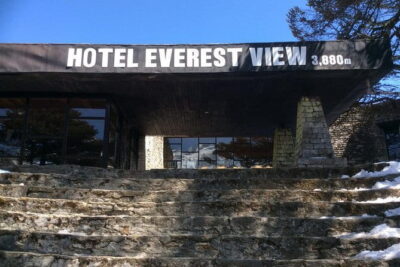
★ 4.8 · 744 reviews - Everest Base Camp Helicopter Tour landing at Everest View Hotel
★ 5.0 · 668 reviews - Half day cooking class in Thamel kathmandu
★ 5.0 · 607 reviews - Everest Base Camp Trekking
★ 5.0 · 485 reviews
Day 5 wrap-up: checkout and airport transfer
Day 5 is the clean finish: you check out at 12:00 pm and then drive to the airport. This is not a day for extra sightseeing, and that is a good thing if you want an easy end to the trip.
If your flight is later in the day, you might appreciate the structure. If your flight is earlier, the midday checkout still keeps things consistent. Either way, you avoid the stress of last-minute logistics by keeping the day simple.
Price and value: what $923 per person really covers
At $923 per person, this tour is priced like a logistics-managed route: you get transfers between Kathmandu and Pokhara, organized sightseeing, and breakfast included for 4 days. You also get pickup offered and a private tour setup where only your group participates. On top of that, the listing notes group discounts, which can make the overall value feel even better if you are traveling with friends or family.
One key line item matters for budgeting: entrance fees are not included, listed as US$35 per person. Lunch and dinner are also not included during the trip. That means your final cost depends on your appetite and what you choose for meals, but you at least have a clear baseline.
My practical take on value: if you want the route between Kathmandu and Pokhara handled for you, plus early starts that align with sunrise and scenic timing, this pricing can make sense. If you already know the transport system and you prefer scheduling every stop yourself, you might spend less by going independent. But the value here is the time you save and the way the day plans hit the best moments without you doing the planning math.
Logistics, timing, and weather: how this trip can feel on the ground
A trip like this works best if you travel with a flexible mindset. The plan includes an early sunrise drive, a long Day 2 with return travel to Kathmandu, and a focused Durbar Square visit after your return. When timing matters, it also helps when the day is weather-friendly.
The experience notes that it requires good weather. That means if conditions are poor, you may be offered a different date or a full refund. This is worth taking seriously because sunrise and mountain viewpoints are weather sensitive.
On the comfort side, the tour includes breakfast, and it offers support in the form of organized pickup and transfers. It is also described as allowing service animals and being near public transportation, and it says most travelers can participate. In other words, it is not pitched as a hardcore trekking plan, but you still should expect walking at multiple stops.
One more practical detail: Thamel has free admission for the stop itself, but other stops like Devi’s Falls are marked as admission not included. So you will want to have the entrance fee budget ready before you get there.
Who should book this Kathmandu and Pokhara itinerary
This tour is a good fit if you want:
- A short Kathmandu plus Pokhara trip with no extra planning work
- Scenic payoff times built in, like Sarangkot sunrise and Phewa Lake boating
- A schedule that stays organized, with an emphasis on not wasting time between sights
- A private-group setup, so your experience stays focused on your group
It might be less ideal if you hate early starts or if you need a lot of downtime after long transfers. Day 2 and Day 3 both ask for early energy, and Day 2 in particular is full because it includes a drive to Pokhara, sightseeing, and the return.
Should you book it? My honest recommendation
If you are craving a mix of Kathmandu Valley temples and Pokhara lake and mountain views, this is a strong, practical 5-day option. You are not just visiting random places, you are hitting timed moments like sunrise and sunset, plus you get a boat experience that feels like a change of pace from temple streets.
I would book it if you like structured days and you can handle early mornings. I would think twice if your ideal trip is slow, quiet, and low-transfer. For the right traveler, this itinerary does exactly what it promises: two big Nepal highlights, connected efficiently, with the scenic moments prioritized.
FAQ
How long is the Kathmandu and Pokhara journey?
It’s listed as 5 days (approx.).
What is the price per person?
The price is $923.00 per person.
What meals are included?
Breakfast is included for 4 days. Lunch and dinner are not included during the trip.
Are entrance fees included?
No. Entrance fees are not included, and the listed estimate is US$35 per person.
Is pickup offered, and is it private?
Yes, pickup is offered, and it’s a private tour/activity where only your group participates.
What stop is included in Kathmandu on Day 1?
Day 1 includes Thamel for about 1 hour. The admission ticket is noted as free.
What are the most time-sensitive sightseeing moments?
The itinerary includes an early Sarangkot sunrise drive on Day 3 and a World Peace Pagoda sunset on Day 2, both tied to specific timing.
What happens if weather is poor?
The experience requires good weather. If it is canceled due to poor weather, you’ll be offered a different date or a full refund. The experience is also described as non-refundable if you cancel for reasons other than weather.
Latest additions near Kathmandu
- White Water River Rafting – 1 Day★ 4.3 · 3 reviews
- Traditional Momo Making Class★ 5.0 · 10 reviews
- Kathmandu to Pokhara Premium sofa bus ticket★ 4.0 · 17 reviews
- Ghorepani Poonhill Trek★ 5.0 · 5 reviews
- Ghorepani Poon Hill Trek★ 5.0 · 16 reviews
- Amazing 1 Day Trekking Experience in Kathmandu Nepal★ 5.0 · 24 reviews
- Walking tour of real Kathmandu through back streets.★ 5.0 · 3 reviews
- Wildlife Adventure in Chitwan Nepal★ 4.0 · 4 reviews
Kathmandu Tours, compared.
Private Kathmandu Sightseeing Tour | UNESCO World Heritage sites
Read our review →
Everest Base Camp Helicopter Tour landing at Everest View Hotel
Read our review →