
Reviewed · LANGTANG VALLEY TREKS
Kathmandu: 7 Day Langtang Valley Trek
Langtang feels close enough to touch. I love the snow-peak drama and the chance to spend an acclimatization day at Kyanjin Gompa, where short hikes reach Kyanjin Ri or Tserko Ri and the old monastery views are right there. The only real catch is that the trek is step-heavy and physically demanding, so you need to budget energy for long uphill days and altitude.
This is a structured 7-day out-and-back that starts with a scenic drive to Syabrubesi, then walks through rhododendron and oak forest to Tamang community stops like Langtang Village, finishing back in Kathmandu. You’ll travel with a licensed English-speaking guide and use teahouse lodges, but you’ll also need to plan for meals since they are not included in the base price.
In This Review
- Key things I’d focus on before you go
- Langtang Valley, why it feels so intense for 7 days
- Day-by-day trek walkthrough, what each stop actually gives you
- Day 1: Kathmandu to Syabrubesi, settle in where the trek begins
- Day 2: Syabrubesi to Lama Hotel, forest trails and the Langtang River rhythm
- Day 3: Lama Hotel to Langtang Village, rhododendron, oak, and community life
- Day 4: Langtang Village to Kyanjin Gompa, yak pastures, streams, and the monastery zone
- Day 5: Kyanjin Gompa acclimatization day, choose views or a slower day
- Day 6: Kyanjin Gompa to Lama Hotel, descent that still counts as work
- Day 7: Lama Hotel to Syabrubesi, then drive back to Kathmandu
- What you’ll get for the money, and what you need to budget extra
- The guide and the pace, what makes or breaks your week
- Teahouses and day-to-day comfort, simple but workable
- Fitness, altitude, and the real definition of doable
- Who this Langtang trek is for, and who should skip it
- Practical prep that actually helps on trail
- Should you book the Kathmandu to Langtang Valley trek?
- FAQ
- How long is the Kathmandu: 7 Day Langtang Valley Trek?
- What route does the trek follow?
- Are trekking permits included?
- Where do you stay during the trek?
- Are meals included in the price?
- Is there an acclimatization day?
- What language is the guide?
- What should I bring, and are there any restrictions?
Key things I’d focus on before you go
- Private, English-speaking guide: You’re not trying to fit different walking speeds into one pace.
- Kyanjin Gompa is your altitude “buffer” day: you get time to adjust before higher views and steeper hiking.
- Tamang and Sherpa warmth along the route: the trek feels more like meeting communities than just passing through places.
- Teahouse comfort is basic, not fancy: expect simple lodges and plan to buy meals on the trail.
- Hundreds of steps are part of the deal: bring a plan for your legs, not just your camera.
Langtang Valley, why it feels so intense for 7 days
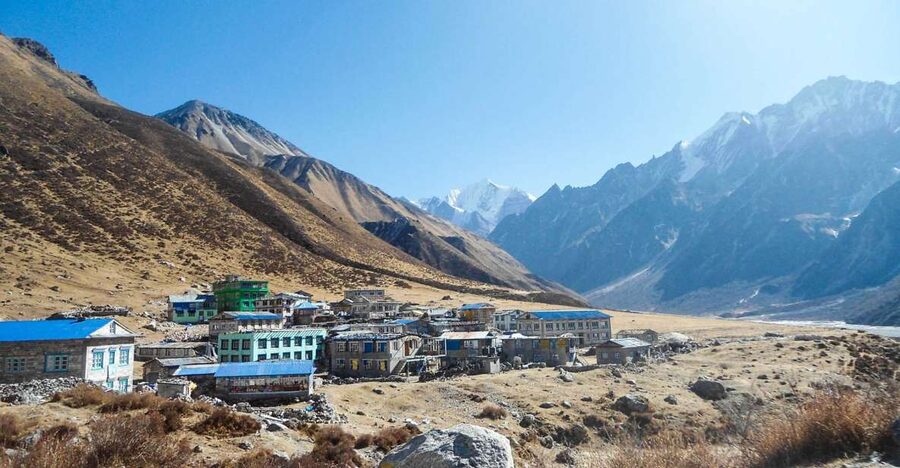
The Langtang Valley trek is a fast way to get that classic Himalaya feeling, where giant peaks look close enough to be personal. In practical terms, the route gives you big altitude gains in a short amount of time, but it also builds in a smart pause at Kyanjin Gompa. That’s the difference between “we hiked” and “we actually got the view without rushing the body.”
The best part is how the mountain drama builds day by day. You start in warmer, lower-elevation settings near Syabrubesi, then the air changes, and the trekking becomes more about steady climbing and watching the weather. By the time you’re in the Kyanjin Gompa area, the peaks feel like they’re part of your daily routine.
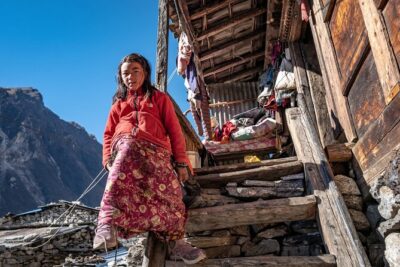
I also like the cultural rhythm of the trek. You pass through forest and rivers at first, then you reach places connected to Tamang and Sherpa life. You’re not just collecting postcard moments. You’re walking through a living area where people host trekkers and keep their traditions in daily conversation, food, and small routines.
More Langtang Valley treks:
- Trekking in Annapurna/Langtang/Everest/Upper Mustang regions
★ 5.0 · 161 reviews - Langtang Valley Trek
★ 5.0 · 140 reviews - Langtang Valley Trek
★ 5.0 · 61 reviews
Day-by-day trek walkthrough, what each stop actually gives you
Day 1: Kathmandu to Syabrubesi, settle in where the trek begins
Your day starts with a drive from Kathmandu to Syabrubesi. Expect villages and countryside passing by steadily, then a real shift when you arrive at the trail start point. Syabrubesi is where your whole hike becomes real. After the drive, you’ll rest, eat, and reset your focus for the first walking day.
Practical tip: keep your day-one packing light. You’re likely to feel a little stiff the moment you start walking the next morning, so set yourself up to start comfortably.
Day 2: Syabrubesi to Lama Hotel, forest trails and the Langtang River rhythm
Day two is your first real trek day, walking through lush forest and crossing suspension bridges. The trail follows the Langtang River corridor, so the sound of water and the valley feel like a constant companion. This is a good day to find your pace, because it’s your first chance to test your breathing and leg stamina.
You reach Lama Hotel for the night. This stop matters because it’s the first time you’ll settle into the teahouse rhythm: early walk, afternoon rest, then dinner and an early night.
More Treks in Nepal:
- Everest Base Camp Trek – 14 Days
★ 5.0 · 1,499 reviews - Everest Base Camp Trek
★ 5.0 · 842 reviews - Everest Base Camp Trekking
★ 5.0 · 485 reviews - Nagarkot Sunrise View and Day Hiking from Kathmandu
★ 5.0 · 471 reviews
Day 3: Lama Hotel to Langtang Village, rhododendron, oak, and community life
On day three, you climb toward Langtang Village, moving through rhododendron and oak forest. The route gradually ascends, and the mountain views start to show more consistently. You also get more of the human side of the trek, with time around the Tamang community atmosphere.
This day is often where people feel the altitude, not necessarily by panic, but by slower steps and warmer lungs. Keep your effort steady. If you push hard because the views look amazing, you’ll feel it later.
Day 4: Langtang Village to Kyanjin Gompa, yak pastures, streams, and the monastery zone
Day four is about continuing upward into more dramatic terrain. You pass yak pastures and glacial streams, so the scenery gets colder and cleaner-looking, and the trail feels more “high valley” than “forest valley.”
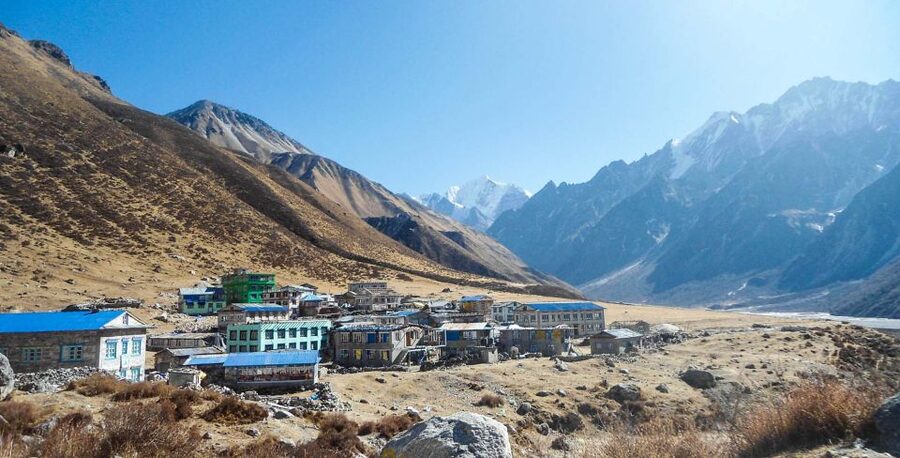
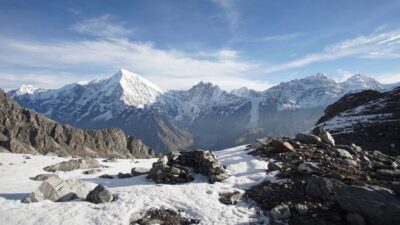
You arrive at Kyanjin Gompa (around 3,870m). Here you can explore the ancient Buddhist monastery, and you’ll get a huge panorama of Langtang Lirung and nearby peaks. This is one of those stops where you’ll want time to sit, not just stroll. Let your legs rest, then look outward.
Day 5: Kyanjin Gompa acclimatization day, choose views or a slower day
This is the day that makes the trek feel smarter. You stay at Kyanjin Gompa and use the time to acclimatize at higher elevation. Instead of pushing higher immediately, you take short hikes to manage breathing and reduce the risk of getting too worn out too fast.
You can go for peak viewpoints like Kyanjin Ri or Tserko Ri. If you’d rather take it easier, you can explore the local cheese factory. Either way, this day is about giving your body time to adjust while you still get something beautiful to do.
Day 6: Kyanjin Gompa to Lama Hotel, descent that still counts as work
You start descending back to Lama Hotel, retracing your path through the same valley terrain. Descents can feel easier than climbs, but don’t underestimate them. Your knees and quads do the heavy lifting, and your pace often slows when footing gets repetitive.
The goal is to walk safely and steadily. Take short breaks before you feel drained, not after.
Day 7: Lama Hotel to Syabrubesi, then drive back to Kathmandu
On your final trek day, you hike from Lama Hotel back to Syabrubesi and then board a vehicle for the return to Kathmandu. This final leg is satisfying because the end is close, but it still takes focus. You’ll likely be tired. That’s normal.
When you get back to Kathmandu, the real reward is a shower, a proper meal, and sleep that feels heavier than you expected.
What you’ll get for the money, and what you need to budget extra
This trek is priced around $450 per person, and the value mostly comes from the structure. You’re not just paying for walking routes. You’re paying for permits, transport, a licensed guide, and the basic logistics that keep you moving without daily decision stress.
Included items that matter:
- Hotel pickup and drop-off
- Permits, including Langtang National Park and the TIMS card
- Teahouse lodge accommodation during the trek
- An experienced, licensed guide who knows the route (English is available)
- Porter service as an option to carry your main backpack
- Transportation between Kathmandu and the trek start and end
- Hotel accommodation in Kathmandu (usually one or two nights)
- First aid kit
Not included:
- Meals during the trek. You can buy meals at about Npr 2,500 per person per day (approx).
So the practical way to look at the price is this: the trek covers your route access and essential support, and you top up with food and your personal trekking comforts. If you hate surprises, you’ll want to plan meals and snacks in advance so you can keep your budget steady.
One more value point: the private group setup. If your fitness level is different from other walkers, a private guide can keep you from getting dragged or from overpushing alone. A great guide is worth real money in places like this.
The guide and the pace, what makes or breaks your week
This is a trek where pace matters more than hero moves. The experience is physically real, with long walking days and lots of stairs. One booked trekkers’ feedback highlighted that it can be around 1,200 meters of climbing per day over about 15 km, and roughly eight hours of uphill walking each day. Even if your exact numbers differ, the message holds: you need to be ready to climb steadily.
That’s why I like the “you have a guide” approach here. A good guide helps you keep time, choose a safer pace, and handle route flow. It also helps if you’re not sure how to manage cold, fatigue, or simple daily logistics.
And yes, you should also pay attention to guide quality. Not every tour runs the same. If you want a week that feels smooth, ask your operator specific questions before you go, especially about how the schedule is protected relative to your return travel plans and how teahouses are chosen.
Teahouses and day-to-day comfort, simple but workable
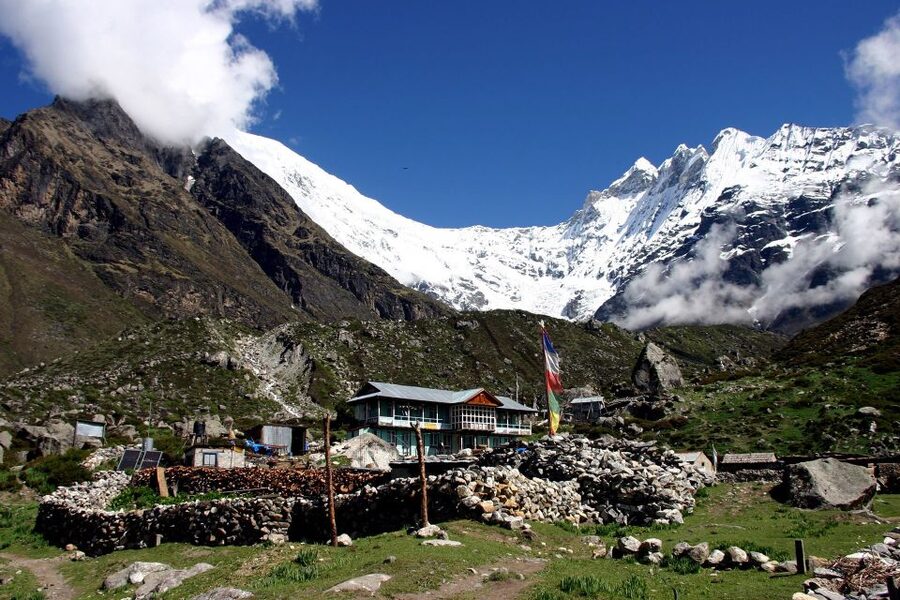
You’ll sleep in teahouse lodges during the trek. That usually means basic rooms, communal dining, and the kind of comfort that comes from being warm, dry, and fed rather than from luxury. You’ll also have hotel nights in Kathmandu, usually one or two nights before and after.
How that affects your experience:
- You’ll spend more time with your group or guide in the dining area
- You’ll want to plan warm layers because nights can feel chilly
- You should carry a small stash of snacks and water strategy for the day
Also remember that you will climb hundreds of steps over the week. Even if the trekking distance is manageable, the step count stresses your legs in a different way than a flatter hike.
A simple leg strategy: start slower than you think, especially days two through four. If you can keep a calm rhythm early, the later days feel more controlled.
Fitness, altitude, and the real definition of doable
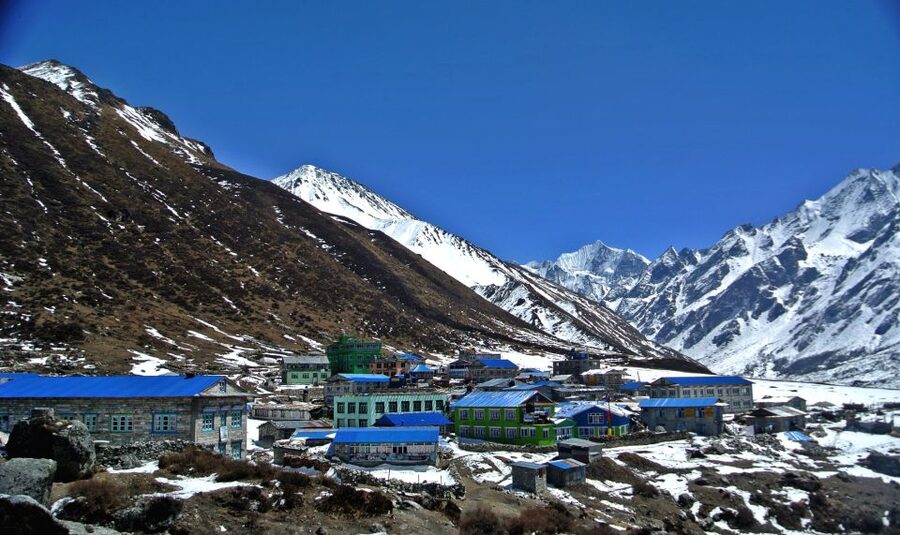
This trek is best for people who can handle steady uphill trekking and don’t mind frequent stairs. It’s not presented as a walk-in-the-park adventure, and it shouldn’t be treated that way.
The acclimatization day at Kyanjin Gompa is a big plus. It gives you a built-in chance to adjust to higher altitude while still doing meaningful activities like short hikes or the cheese factory visit. If you show up unprepared, the altitude and climbing can still beat you up, even with a good plan.
If you’re training, think in terms of endurance and leg strength:
- practice long walks with elevation if possible
- build up stair time, not just treadmill time
- accept that you’ll move slower on steep segments
And don’t ignore pain signals. A trek like this can be memorable for the right reasons only if you walk smart and recover.
Who this Langtang trek is for, and who should skip it
This trek is private group, with an experienced English-speaking guide. It’s a strong fit for independent-minded travelers who still want the support of a licensed guide.
Best match:
- hikers who can do around a full day of uphill work
- people who enjoy mountain views plus community time
- travelers who want a route with permits and logistics handled for them
Not suitable for:
- pregnant women
- people with mobility impairments
- wheelchair users
- people with back problems
If you fall into any of those categories, this route is likely to be too demanding and too physically intense.
Practical prep that actually helps on trail
Before you go, the essentials are straightforward:
- Bring a passport-sized photo
- Bring your passport or ID card (a copy is accepted)
What you shouldn’t plan to bring:
- oversize luggage
- drones
Also, pack with stairs in mind. Good traction matters. Warm layers matter. And if you can, consider using the porter option so your main backpack is lighter. It’s one of the few ways to make the week feel less punishing without changing the route.
Finally, do a quick paperwork check before you leave Kathmandu. Since permits like Langtang National Park and TIMS card are part of the included package, your job is mostly to make sure your ID info is correct and usable.
Should you book the Kathmandu to Langtang Valley trek?
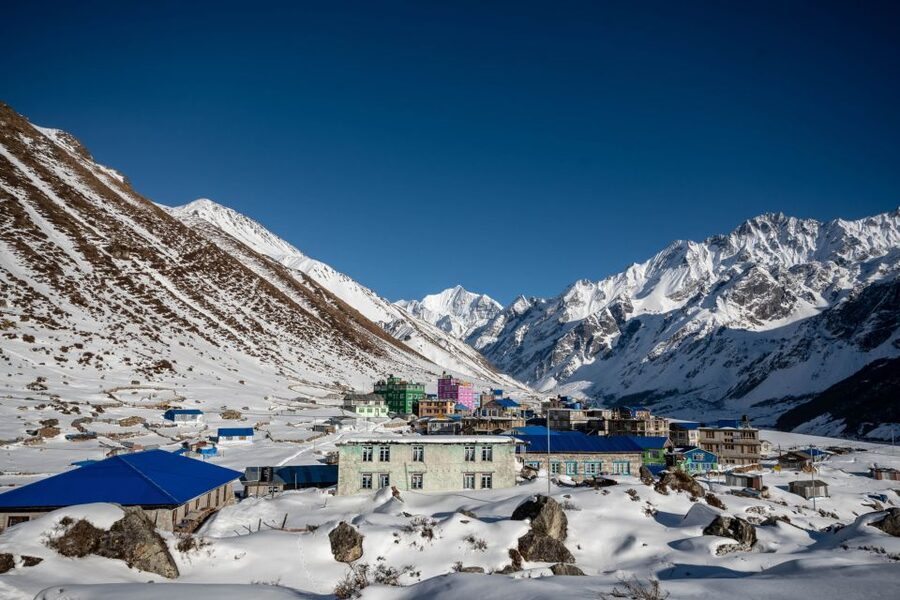
I’d book it if you want a focused 7-day trek with a clear rhythm, a true acclimatization day, and a private English guide who can keep pace and logistics under control. It’s also a good choice if you like the idea of mountain views plus real community contact in Tamang and Sherpa areas, not just scenery from behind a bus window.
I would hesitate if you have tight timing pressure, like needing to catch a specific flight immediately after the trek, or if you know you’re sensitive to poor accommodation standards. In that case, ask detailed questions before paying, especially about schedule protection and what teahouses look like on your exact dates.
If you’re physically ready for steep days, you’ll likely find the experience rewarding in a way that lasts past the photos. Langtang has that effect, where every step feels like it’s pulling you closer to the peaks.
FAQ
How long is the Kathmandu: 7 Day Langtang Valley Trek?
The trek runs for 7 days.
What route does the trek follow?
It starts with transportation from Kathmandu to Syabrubesi, then trekking progresses from Syabrubesi to Lama Hotel, Langtang Village, Kyanjin Gompa, back to Lama Hotel, and finally Lama Hotel to Syabrubesi before returning to Kathmandu.
Are trekking permits included?
Yes. Permits for Langtang National Park and the TIMS card are included.
Where do you stay during the trek?
You stay in teahouse lodges during the trek.
Are meals included in the price?
No. Meals are available to purchase on the trail, at about Npr 2,500 per person per day (approx).
Is there an acclimatization day?
Yes. Day 5 is an acclimatization day at Kyanjin Gompa, with short hike options like Kyanjin Ri or Tserko Ri and an option to explore a cheese factory.
What language is the guide?
The live tour guide provides English.
What should I bring, and are there any restrictions?
Bring a passport-sized photo and your passport or ID card (a copy is accepted). Oversize luggage and drones are not allowed.
Latest additions near Nepal
- Jeep safari (4-5 hrs. Sharing) inside Chitwan National Park.★ 4.5 · 8 reviews
- Pokhara: Pokhara Highlights Tour by Bus★ 3.6 · 10 reviews
- White Water River Rafting – 1 Day★ 4.3 · 3 reviews
- Traditional Momo Making Class★ 5.0 · 10 reviews
- Mission Tiger, 4 days tour inside Chitwan National Park.★ 5.0 · 4 reviews
- Jungle Towernight Stay: 4-Day Tour in Chitwan National Park★ 5.0 · 4 reviews
- Private Jeep Safari (8-10 hrs.)inside Chitwan National Park.★ 5.0 · 3 reviews
- Canoeing and Nature Walk in Chitwan National Park★ 5.0 · 13 reviews
Langtang Valley Treks, compared.
Trekking in Annapurna/Langtang/Everest/Upper Mustang regions
Read our review →
Browse the lists this tour appears in