
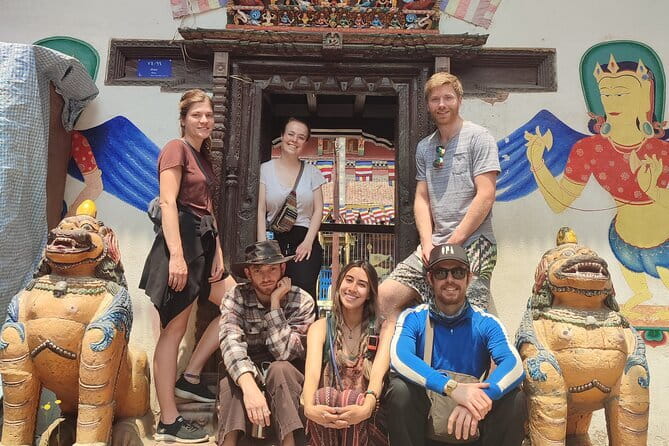
Reviewed · BHAKTAPUR & PATAN TOURS
Folklore and Everyday Life in Ancient Patan
Patan’s stories are written into daily life. This walking tour in ancient Patan traces folklore and faith through courtyards, shrines, and narrow streets. You focus on Newar Buddhism and Tantric Hinduism, then connect old traditions to what young Nepalis carry forward today.
I especially like the way the route stays local, not stuck only on the famous big sights. I also like the guide-led storytelling, including the humor and attention you get from guides such as Sandip (with Pinhua helping keep things moving smoothly in the group). You end up noticing details you would likely miss on your own, like how rest areas and small ancestral shrines fit into the spiritual layout of the neighborhood.
One consideration: Patan Durbar Square is not included. You will finish near it at Swotha Square, and you can visit the complex afterward on your own, but the museum and entry there involve extra tickets.
In This Review
- Key highlights you can plan around
- Entering the old town from Patan Dhoka, then walking the “real” Patan
- Pimbahal: Newar Buddhism in a working courtyard monastery
- Nyakhachowk: falchaa rest stops, ancestral shrines, and daily architecture
- Nagbahaa: Greek and Hellenistic impressions in iconography
- Swotha Square ending: temples, shrines, tea shops, and a short walk to Durbar Square
- Price and value: what you get for $65 in Patan
- What you’ll learn about Newar Buddhism and Tantric Hinduism
- The route logic: why courtyards, not just monuments
- Logistics, walking conditions, and who the tour fits best
- Should you book this Patan folklore and everyday life walking tour?
- FAQ
- Where does the tour start and where does it end?
- How long is the walking tour?
- What time does the tour begin?
- Is Patan Durbar Square included?
- Are there admission fees for the stops during the tour?
- How many people are in the group?
- Is pickup or drop-off provided?
- What kind of ticket do I need?
- Is there free cancellation?
- Is the tour suitable for most travelers?
Key highlights you can plan around
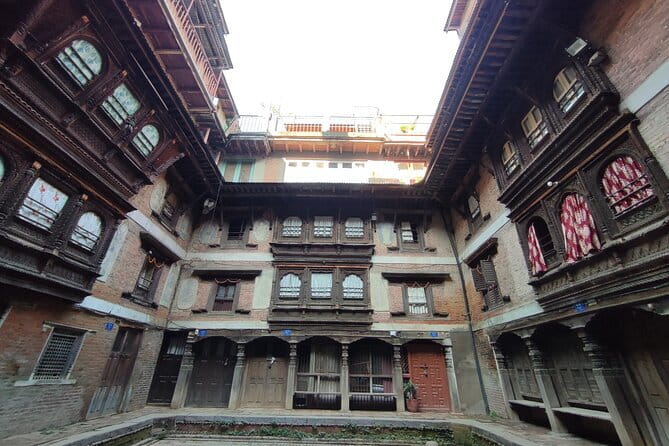
- Small-group pace with a maximum of 10 travelers and about 2 to 2.5 hours on foot
- Pimbahal monastery stop focused on a Newar Buddhist monastery tied to more than 4,000 ordained monks and detailed woodwork
- Courtyard-first urban design where spiritual practice and local knowledge shape everyday routes
- Nyakhachowk’s everyday architecture like falchaa resting areas, ancestral shrines, and vernacular houses
- Nagbahaa iconography meets global influence, including Greek and Hellenistic impressions in Buddhist and Hindu imagery
- Easy follow-on to Patan Durbar Square since you end at Swotha Square, just a short walk away
Entering the old town from Patan Dhoka, then walking the “real” Patan
The tour starts at the old town entrance at Patan Dhoka, Lalitpur. From there, you’re guided into streets that feel more like living neighborhoods than museum corridors. That matters. If you’ve ever rushed through a city by hitting only the biggest monuments, you know how much context you miss. Here, you get context through the everyday spaces Newars have used for generations: courtyards, shrines, and the way people move between them.
You’re typically on the walk for about 2 to 2.5 hours, and the group size is capped at 10. That keeps things manageable. It also makes it easier to pause for questions when the guide points out small visual details, like carvings, symbols, or the layout of a religious courtyard.
The tour runs at 10:00 am, and you get a mobile ticket. There’s no pick-up or drop-off included, so plan on arriving near public transportation and walking the final bit to the meeting point. The tour also runs best in good weather, since it is outdoors.
More Bhaktapur and Patan visits:
- Private Bhaktapur and Nagarkot Day Tour From Kathmandu
★ 5.0 · 305 reviews - Day Trip to Bhaktapur and Panauti from Kathmandu
★ 5.0 · 184 reviews - Bhaktapur & Patan Durbar Square Day Tours
★ 5.0 · 122 reviews
Pimbahal: Newar Buddhism in a working courtyard monastery

The first main stop is Pimbahal, introduced as a traditional courtyard settlement tied to spiritual practice and local knowledge. Pimbahal is described as a Newar Buddhist monastery in the Patan area with more than 4,000 ordained monks. That scale alone changes how you read the space. You start to understand these aren’t just decorative religious locations. They are tied to an active monastic system that shapes what the surrounding neighborhood values.
This stop is where the tour shifts from general Patan sightseeing into “how the faith works in real space.” You’re encouraged to look closely at intricate woodwork, and you get time to slow down and notice it. Even if you are not a woodcarving specialist, you can still appreciate what the guide highlights: the craftsmanship is part of religious expression, not an added bonus.
Why this stop is valuable is simple. It gives you a reference point for everything that follows. Once you’ve seen how a monastery and courtyard space are treated as important, the next stops start to feel like chapters in the same story.
Practical note: the time listed for Pimbahal is around 30 minutes, and the stop includes admission ticket free as listed. Still, you’ll want to allow a little buffer to move through the area and pause for photos.
Nyakhachowk: falchaa rest stops, ancestral shrines, and daily architecture
Next is Nyakhachowk, reached via a cozy path. This is the kind of street-level wandering that makes a walking tour feel worth paying for. You’re not just moving between big landmarks. You’re noticing the design logic of the old city.
Here, the guide points out traditional architecture and everyday features such as falchaa resting areas. These places may seem minor at first glance, but they show how community life is built into the physical layout. When a city has dedicated resting spaces linked to neighborhood rhythms, it signals that social and spiritual life share the same geography.
You also see ancestral shrines and vernacular houses. This is one of the tour’s key strengths: it connects religion and identity not only to temples, but also to the smaller pieces of daily space people pass on routine routes. You start to understand why folklore survives. It isn’t only in formal stories. It is also in the objects and corners people repeatedly visit.
The time at Nyakhachowk is also listed at about 30 minutes and includes admission ticket free. One thing to keep in mind: since this part is more about observation, you’ll get more out of it if you slow your pace a bit and let the guide point things out rather than treating it like a photo sprint.
Nagbahaa: Greek and Hellenistic impressions in iconography
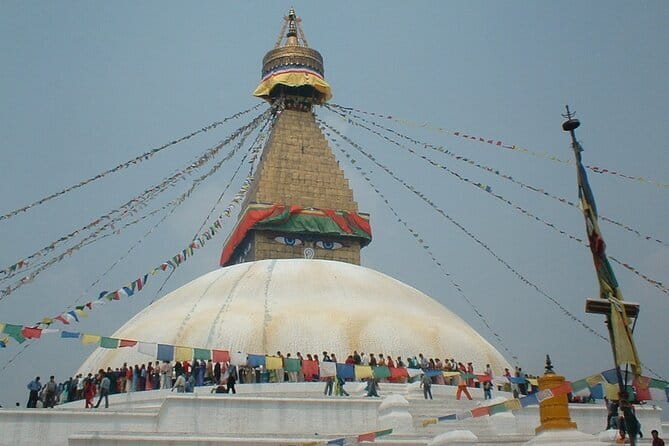
The next stop is Nagbahaa (Nag Bahal), described as one of the larger courtyards in old Patan. This is a short stop, around 15 minutes, but it packs a specific theme: globalization in ancient times and how it shows up in traditional art.
The guide highlights that Greek influence and Hellenistic impressions can appear in Buddhist and Hindu iconography. That’s a fascinating idea because it reframes what you may expect from a place like Patan. Instead of imagining iconography as isolated local art, the tour invites you to consider long-distance cultural contact as part of the region’s art history.
Important reality check for your expectations: you won’t be conducting a scholarly comparison in 15 minutes. What you get is a guided way of looking. The guide steers your attention to visual traits they associate with broader influence, and that helps you practice reading symbols with more confidence.
This stop is admission ticket free as listed. It’s also a good “reset” moment before the tour ends. After walking narrow lanes and moving between courtyards, the open space of a larger courtyard can feel like a breath of air.
Another way to spend the time in Nepal:
- Everest Base Camp Trek – 14 Days
★ 5.0 · 1,499 reviews - Everest Base Camp Trek
★ 5.0 · 842 reviews - Private Kathmandu Sightseeing Tour | UNESCO World Heritage sites
★ 5.0 · 756 reviews - Kathmandu: 7 UNESCO Sites with Lunch
★ 4.8 · 744 reviews
Swotha Square ending: temples, shrines, tea shops, and a short walk to Durbar Square
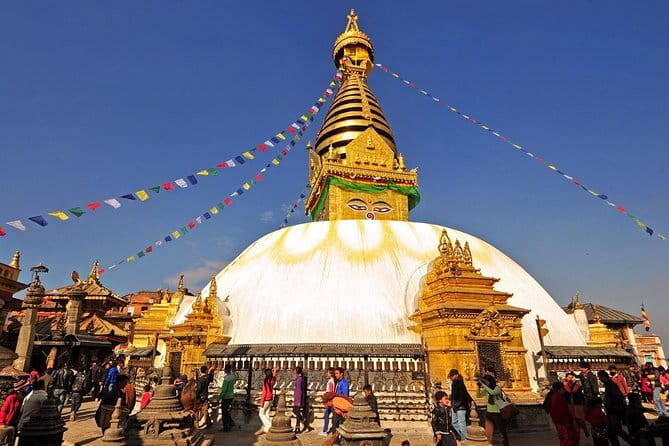
The tour finishes at Swotha Square. This ending stop lasts about 15 minutes, and it’s designed to bring you into a wider square space with temples and shrines around you plus tea shops nearby.
Ending in a lively square is practical. You can stand back and orient yourself. You can also grab a drink without rushing, which is a real help after a morning walk through courtyards.
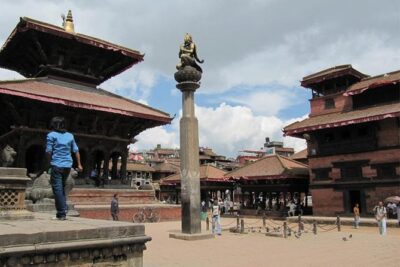
The tour also sets you up for a follow-on. If you want to see the main palace complex, the guide can point you toward Patan Durbar Square, and it is described as only a couple minutes walk away. Since the tour itself intentionally does not cover that complex, you’ll need separate tickets if you choose to go in. The museum inside is specifically flagged as worth visiting, but you should expect extra admission fees there.
If you like your sightseeing to stay grounded in everyday neighborhoods, the overall design makes sense: you experience the living texture of old Patan first, then you can choose whether to add the more ticketed, headline sights after.
Price and value: what you get for $65 in Patan
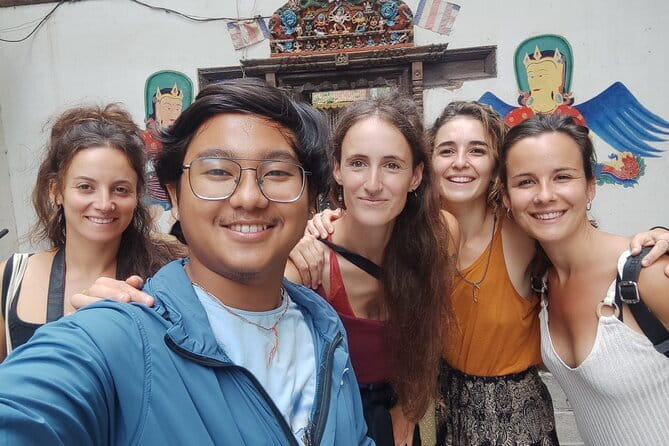
At $65, this tour is not a cheap “just a walk” add-on. You are paying for a local guide, a curated route, and a small-group setting. The math looks even better once you consider two things.
First, the route includes multiple stops where admission is listed as ticket free. That helps keep your total day cost predictable. Second, the experience is built around interpretation, not only transportation between sites. You’re paying for someone to point out why these courtyards and shrines matter, and how faith connects to daily life for Newars living in the Kathmandu Valley.
Also, the time is reasonable. About 2 to 2.5 hours is long enough to build a coherent story, but short enough that you don’t lose your whole day. If you are doing other Patan or Kathmandu Valley sights, this fits well as a thematic morning or early afternoon plan.
What you’ll learn about Newar Buddhism and Tantric Hinduism
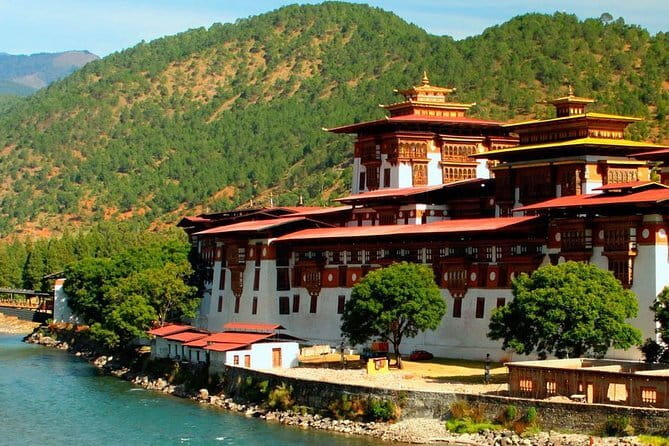
The tour’s promise is not generic religion talk. It connects faith to how people organize everyday space.
You spend time focusing on Newar Buddhist monastery life and courtyard settlements, and you also hear about Tantric Hinduism as part of how local traditions shape daily living. The big idea is that faith is not confined to big festivals or museum objects. It shows up in the way people build and use courtyards, maintain shrines, and keep routines tied to spiritual symbols.
A useful way to think about it as you walk: you are learning how to look at Patan like a resident would. Instead of asking only what a temple is called, you’re asking how it functions within community movement and memory.
The tour also frames tradition as something young Nepalis keep alive while engaging modern values. Even if you do not know the names of every symbol, that framing helps you understand what you see as more than old stone.
The route logic: why courtyards, not just monuments
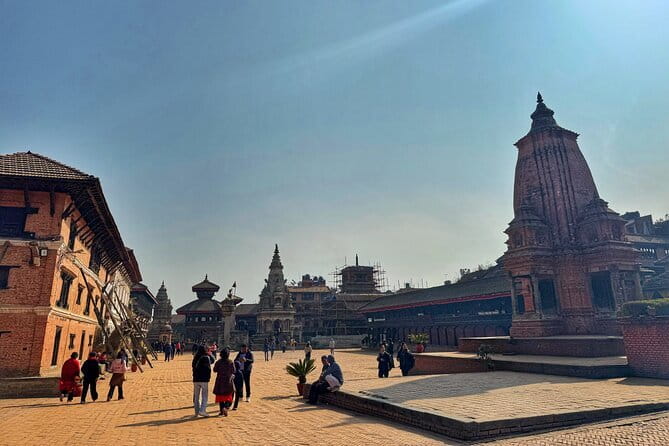
Many first-time visitors to Patan focus on Durbar Square because it is the obvious centerpiece. This tour intentionally avoids that approach. By skipping Patan Durbar Square during the guided portion, you trade one headline complex for a wider pattern of spaces.
You start at Patan Dhoka and move through multiple courtyards: Pimbahal, then Nyakhachowk, then Nagbahaa, and finish at Swotha Square. Each one supports a different angle of the city.
- Pimbahal helps you anchor in monastic life and craft details.
- Nyakhachowk shows how everyday architecture supports spiritual identity.
- Nagbahaa gives you a “how did art travel?” moment through iconography.
- Swotha Square gives you a social and practical landing point with temples and tea shops.
The overall payoff is feeling like you understand how Patan works as a human city, not only as a collection of monuments.
Logistics, walking conditions, and who the tour fits best
This is a walking tour, and the route includes narrow streets and courtyard transitions. That means you should come prepared for uneven old-street walking and frequent short stops. Still, it’s described as suitable for most travelers, and service animals are allowed.
Since there is no pick-up or drop-off, arriving on your own is part of the plan. Swotha Square end point is positioned so you can easily branch out afterward, particularly to Patan Durbar Square on your own.
Group size is small, up to 10 travelers. That tends to make the guide more responsive, and it supports a conversation style rather than a lecture you tune out.
Who will enjoy it most: people who want cultural context, visitors who like foot-level observation, and anyone interested in the Kathmandu Valley beyond the biggest list of sights. If you want a quick checklist photo run, you may find the stop structure feels more slow-paced than you expected.
Should you book this Patan folklore and everyday life walking tour?
Yes, consider booking if you want to understand Patan as a living neighborhood shaped by Newar Buddhism and Tantric Hinduism, and you value a route that prioritizes courtyards and local design over only Durbar Square.
Skip or plan a follow-on if Patan Durbar Square is your top priority. This tour ends near it, and you can add it afterward, but the guided portion is intentionally designed to be more local and nuanced, not to repeat the main palace complex experience.
FAQ
Where does the tour start and where does it end?
The tour starts at Patan Dhoka on Patandhoka Road, Lalitpur 44600, Nepal. It ends at Swotha Square, Lalitpur 44600, and the end point is described as just a couple minutes walk to Patan Durbar Square.
How long is the walking tour?
It runs about 2 hours to 2 hours 30 minutes.
What time does the tour begin?
The start time is 10:00 am.
Is Patan Durbar Square included?
No. Patan Durbar Square is not covered during the tour. You can visit it on your own after the tour, since Swotha Square is very close.
Are there admission fees for the stops during the tour?
The listed courtyard stops (Pimbahal, Nyakhachowk, Nagbahaa, and Swotha Square) show admission ticket free. Patan Durbar Square and the museum there involve extra admission fees if you choose to go.
How many people are in the group?
The tour has a maximum of 10 travelers.
Is pickup or drop-off provided?
No. Pick up and drop off are not included.
What kind of ticket do I need?
The tour uses a mobile ticket.
Is there free cancellation?
Yes. You can cancel for free up to 24 hours in advance for a full refund.
Is the tour suitable for most travelers?
Most travelers can participate, and service animals are allowed.
Latest additions near Kathmandu
- White Water River Rafting – 1 Day★ 4.3 · 3 reviews
- Traditional Momo Making Class★ 5.0 · 10 reviews
- Kathmandu to Pokhara Premium sofa bus ticket★ 4.0 · 17 reviews
- Ghorepani Poon Hill Trek★ 5.0 · 16 reviews
- Amazing 1 Day Trekking Experience in Kathmandu Nepal★ 5.0 · 24 reviews
- Ghorepani Poonhill Trek★ 5.0 · 5 reviews
- Walking tour of real Kathmandu through back streets.★ 5.0 · 3 reviews
- Wildlife Adventure in Chitwan Nepal★ 4.0 · 4 reviews
Bhaktapur & Patan Tours, compared.
Private Bhaktapur and Nagarkot Day Tour From Kathmandu
Read our review →
Day Trip to Bhaktapur and Panauti from Kathmandu
Read our review →

Nagarkot Sunrise & Bhaktapur UNESCO Heritage Private Tour
Read our review →

Bhaktapur & Nagarkot Day Tour with Lunch – Private/Group
Read our review →
Browse the lists this tour appears in