Reviewed · KATHMANDU TOURS
Fixed Departure Tibet Overland Group Joining Tours.
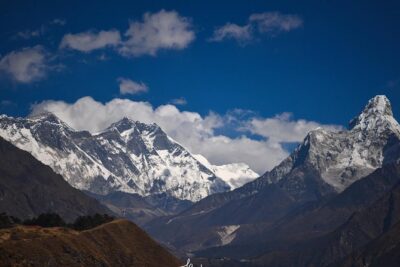
Tibet is a long ride, and it’s worth every mile. This fixed-departure overland tour threads Kathmandu-to-Lhasa roads with high mountain passes, big monastery days, and panoramic Himalayan views that can include sightlines toward Mt. Everest. It’s also built for people who want structure, not chaos.
I like that you get an English-speaking Tibetan guide and practical land transport by van or bus, so you’re not figuring out logistics in a place where paperwork and timing matter. I also like the value of having the Tibet Travel Permit and monastery entrance fees handled as part of the package, plus breakfast included most days.
One thing to think about: this is an overland route with high-altitude passes, including passes over 5,000m, so you’ll want to plan for slower pacing and bring altitude-friendly patience.
In This Review
- Key things I’d zero in on before you go
- Tibet overland from Kathmandu: what makes this route feel real
- Permits and your passport: the part you must not leave to the last second
- The 8-day route, day by day: Kerung border to Lhasa and back
- Day 1: Kerung border, countryside driving, uphill start
- Day 2: heading toward the plateau, mountain panoramas
- Day 3: Shigatse route, Gyatchu La (5,220m)
- Day 4: Tashlhumpu Monastery and the Gyantse valley
- Day 5: into Lhasa via Karo La and Kamba La, Yamdrok Tso stops
- Day 6: Potala Palace, Norbulingka Palace, Barkhor Bazaar, Tibet Museum
- Day 7: Drepung and Sera monasteries, plus key Lhasa sacred sites
- Day 8: checkout and drive to Kathmandu or Mainland China
- Lhasa is the star, but you’re not just ticking boxes
- Transport and comfort: van or bus, twin-share rooms, and a real fixed schedule
- Price and value: is $1,300 per person a good deal
- Who this tour fits best
- Should you book this fixed-departure Tibet overland tour?
- FAQ
- What time does the tour start?
- Is pickup offered for this tour?
- How many days is the tour?
- What is included in the price?
- Are lunch and dinner included?
- What is the maximum group size?
- Do I need to submit my passport, and when?
- Does the itinerary include high-altitude passes?
- How does cancellation work for a refund?
Key things I’d zero in on before you go
- Permit-first planning: you’re told when your passport must be submitted for Tibet visa and permit processing.
- Everest-range mountain panoramas: you’ll chase big views across the Tibetan plateau, not just cities.
- Serious Lhasa time: Potala Palace plus major monasteries like Drepung and Sera, and key temples and bazaars.
- Gyantse and Tashlhumpu focus: you don’t just speed through, you actually explore.
- Group size capped at 30: small enough to feel organized, big enough to keep momentum on the route.
- Breakfast included (7 days): it reduces daily expense and makes early starts easier.
Tibet overland from Kathmandu: what makes this route feel real
This tour is exactly what it sounds like: a fixed, group joining overland trip that starts in Kathmandu and moves you into Tibet overland, ending with a drive back toward Kathmandu or Mainland China. The rhythm is built around driving days, then sightseeing blocks, with monasteries and historic sites anchoring most of the culture time.
What makes it interesting is the balance between dramatic terrain and full religious-city days. You’ll spend time looking out at Himalayan views from high points, then you’ll switch gears into places that are all about careful walking, quiet observation, and understanding daily monastic life.
I also appreciate the practical timing. The tour starts early, with a listed meeting start time of 5:15am, which usually means fewer long midday delays and more daylight for scenic stops and slower browsing.
More from Kathmandu worth a second look:
- Everest Base Camp Trek – 14 Days
★ 5.0 · 1,499 reviews - Everest Base Camp Trek
★ 5.0 · 842 reviews - Private Kathmandu Sightseeing Tour | UNESCO World Heritage sites
★ 5.0 · 756 reviews
Permits and your passport: the part you must not leave to the last second
Tibet travel is paperwork-heavy, and this tour spells out the key deadlines. You need to provide your original passport at least 3 working days in advance for the Tibet visa, and the tour permit needs booking confirmation at least 15 working days in advance.
Here’s how to use that information smartly:
- If you’re traveling near holidays, build extra buffer days because working days matter.
- If you have a tight schedule, start your passport submission sooner than the minimum. It’s one of those tasks that can’t be fixed on the road.
- If you’re planning other travel after Tibet, make sure your passport situation will still be clear and stable.
The good news is that the package includes the Tibet Travel Permit, which takes a chunk of stress off your plate. You still have to meet deadlines, but you’re not doing everything alone.
The 8-day route, day by day: Kerung border to Lhasa and back
Below is what you can expect across the full run. The big theme is altitude and distance, then concentrated culture time once you reach Lhasa.
Day 1: Kerung border, countryside driving, uphill start
You’ll wake early and drive toward the Kerung Border. The day is about the first transition, getting through border formalities, then continuing uphill driving toward Kerung.
What I’d watch for on Day 1 is how you feel after border time. Long waiting can make you tired, so keep your pacing easy. Since you’re on an early start, having snacks and water handy is smart even though breakfast is included later in the overall schedule.
Another way to spend the time in Nepal:
- Kathmandu: 7 UNESCO Sites with Lunch
★ 4.8 · 744 reviews - Everest Base Camp Helicopter Tour landing at Everest View Hotel
★ 5.0 · 668 reviews - Half day cooking class in Thamel kathmandu
★ 5.0 · 607 reviews - Everest Base Camp Trekking
★ 5.0 · 485 reviews
Day 2: heading toward the plateau, mountain panoramas
After starting with breakfast, you continue toward the highest plateau of the world. The driving itself is part of the show, with Tibetan terrain and broad Himalayan views.
This is one of the days where you should go with the mindset of watching, not rushing. On plateau drives, small changes in weather can shift the clarity of distant peaks. If the view looks better, you’ll usually get chances to pause and look.
Day 3: Shigatse route, Gyatchu La (5,220m)
You continue after breakfast toward Shigatse, crossing Gyatchu La (5,220m), listed as the highest pass of the trip. The day is again scenic road time with Tibetan scenery and Himalayan views along the way.
Altitude check-in: at passes this high, your breathing will feel different for a while. If you’re prone to headaches or feel out of sync, keep walking light and take it slow.
Day 4: Tashlhumpu Monastery and the Gyantse valley
This day shifts more into cultural stops. You visit Panchen Lama’s Tashlhumpu Monastery, then drive onward into the Gyantse valley.
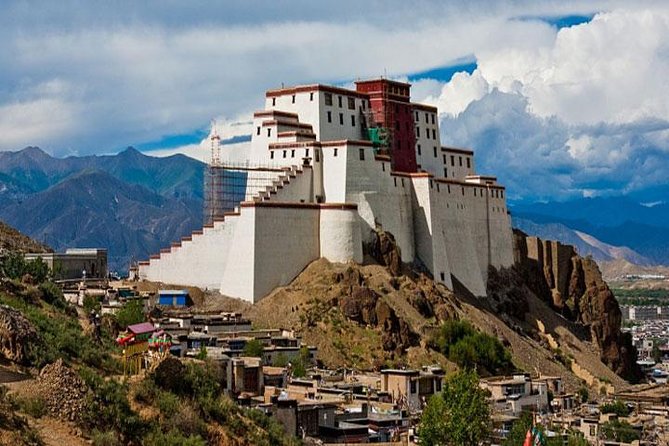
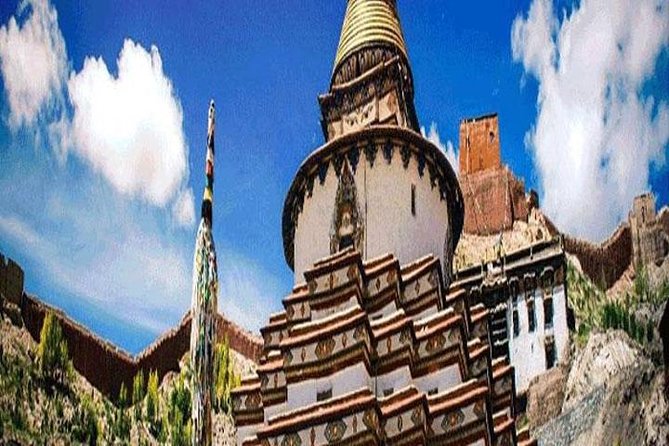
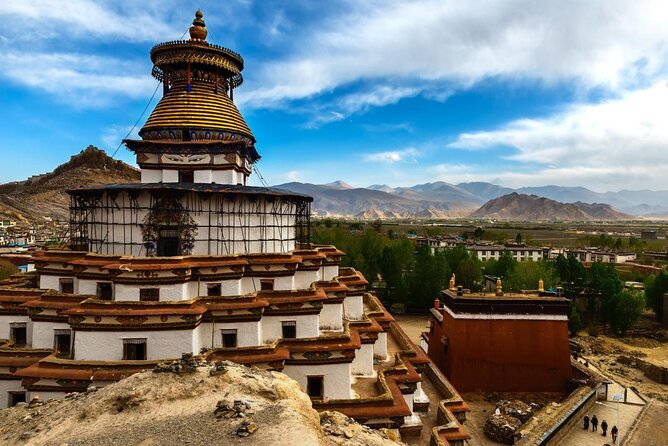
This is where Gyantse adds texture to the trip. The overall tour features call out Gyantse Kumbum and Gyantse Dzong, which typically work well for travelers who want more than the Lhasa highlights. You’ll likely come away with a better sense of how regional Tibetan Buddhism looks in practice, not just in capital-city highlights.
The potential drawback on days like this is time in the vehicle. If you’re the kind of traveler who hates being on the road, build in extra patience. The payoff is you get more places, not just one or two.
Day 5: into Lhasa via Karo La and Kamba La, Yamdrok Tso stops
You drive to Lhasa, crossing two passes, Karo La Pass (5,010m) and Kamba La Pass (4,794m). This day also includes sighting stops featuring Yamdrok Tso (Turquoise Lake) and the Brahmaputra River.
This is one of the most “wow” days for pure scenery, because the lake and river create visual variety in a terrain that can otherwise feel uniform. Plan to bring layers for road conditions. At these elevations, weather can change quickly.
Also, since you’re arriving in Lhasa at the end of a high pass day, keep your first evening low-key. You’ll get enough walking during sightseeing days, so save energy here.
Day 6: Potala Palace, Norbulingka Palace, Barkhor Bazaar, Tibet Museum
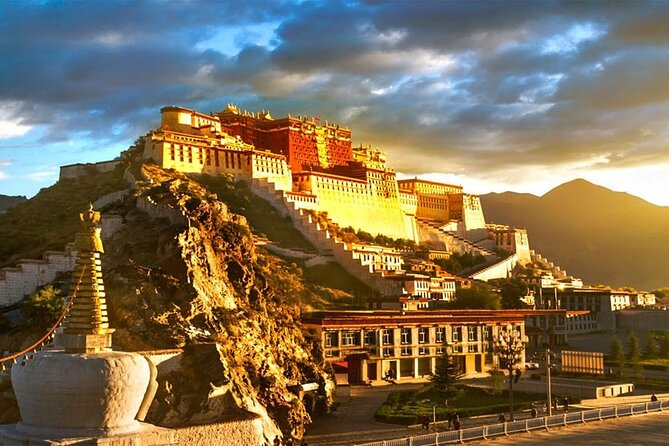
After breakfast, it’s guided sightseeing. You’ll start with the Potala Palace, described as the winter palace of the Dalai Lama, plus you’ll get a view over Lhasa town from there.
Then the tour includes Norbulingka Palace, Barkhor Bazaar, and the Tibet Museum as part of the Lhasa sightseeing lineup. This day is a mix of architecture, royal-adjacent history, and everyday city texture around the temple circuit.
If you like to slow down, Day 6 is workable because you have a variety of stops. If you’re rushing, you can feel drained because Lhasa sightseeing can add up fast.
Day 7: Drepung and Sera monasteries, plus key Lhasa sacred sites
This is your second major Lhasa day. You’ll visit Drepung Monastery, described as built in the 14th century and historically the largest monastery sheltered by 10,000 monks. After that, you go to Sera Monastery.
The overall tour highlights also include major Lhasa sacred sites like Jokhang Temple, plus Sakya Monastery and Shalu Monastery within the broader schedule. Think of Day 7 as your “monasteries and temple focus” day, built for travelers who want to understand Tibetan religious life in multiple forms.
One practical note: monastery days often involve standing, walking, and time outdoors. Wear footwear that feels stable, and keep your pace gentle.
Day 8: checkout and drive to Kathmandu or Mainland China
After breakfast, you check out and drive toward your next destination, either Kathmandu or Mainland China. The drive is scenic again, acting as a transition day from Tibet’s monastery rhythm back to travel.
This is not a day for big plans in the final hours. Keep it flexible and plan your onward travel with buffer time when possible.
Lhasa is the star, but you’re not just ticking boxes
The Lhasa portion has the kind of highlights that most Tibet-first-time visitors come for: Potala Palace and the cluster of major monastic sites. What makes this program feel useful is that it doesn’t just list big names, it gives you multiple ways to see the city.
You get the royal-palace angle at Potala, plus cultural and museum time. Then you get the monastic learning spaces via Drepung and Sera, and the temple-world feel through places like Jokhang. Add Barkhor Bazaar and you have a social element too, not only religious spaces.
If you’re the type who likes to understand what you’re seeing, this itinerary’s mix helps. You’ll see buildings associated with leadership and pilgrimage, then you’ll see how monasteries structure everyday life and learning.
Transport and comfort: van or bus, twin-share rooms, and a real fixed schedule
You’ll ride in van or bus as per the itinerary, with pickup offered. Rooms are twin sharing and listed on a bed and breakfast basis.
A recurring practical theme around this kind of group overland trip is that your comfort depends on the driver and the pacing, not luxury. This tour’s structure also matters: with a fixed departure and a maximum group size of 30 travelers, your days tend to feel organized instead of improvisational.
From the experiences described with this operator, people specifically liked that everything felt well organized and safe, and that hotels were comfortable and clean. I’d take that as a sign this is a logistics-focused operation, which matters when your schedule involves border formalities and high passes.
Price and value: is $1,300 per person a good deal
At $1,300 per person, the pricing can feel high at first glance, until you break it down.
Here’s what the package includes:
- Twin-share rooms on a bed and breakfast basis
- An English-speaking Tibetan guide
- Transportation by van or bus across the itinerary
- Monastery entrance fees
- Tibet Travel Permit
- Breakfast for 7 days
What’s not included:
- Lunch and dinner
- Train or air fare for any sector
- Visa fee and flight fare (if applicable)
- Personal expenses like drinks and tips
- Single supplement (if needed)
So your real “value math” comes down to whether you’d rather pay for included permit and entrance fees now, or do that yourself. Given the listed passport deadlines and the need for a Tibet permit, having the permit covered is usually worth it for many travelers.
If you’re watching your budget tightly, the biggest variable is meals. Lunch and dinner are not included, so you’ll want a daily spending estimate and a plan for how you’ll handle it on sightseeing days.
Who this tour fits best
This tour is a strong fit if you:
- Want Lhasa monasteries and historic sights with guided interpretation
- Prefer a fixed departure schedule rather than independent planning
- Like mountain views, including Yamdrok Tso and Brahmaputra River stops
- Appreciate group structure, with a cap of 30 travelers
- Want permit handling included, especially with clear submission timelines
It might not be the best fit if you:
- Get uncomfortable at high altitude passes (the trip crosses multiple passes over 4,700m)
- Hate long driving days and want a low transport time ratio
- Plan to travel super independently and would rather manage permits yourself
Should you book this fixed-departure Tibet overland tour?
If you want a tour that takes care of the hardest parts, this one makes sense. You’re getting permit coverage, monastery fees, an English-speaking guide, and structured sightseeing in Lhasa, plus meaningful regional stops like Tashlhumpu and Gyantse.
My main recommendation is to book only if you can meet the passport and permit timing. The deadlines for original passport submission and permit booking confirmation are the real gatekeepers. If you can handle those, you’ll likely appreciate how smoothly the trip is designed.
Finally, go in with realistic expectations: this is big scenery plus serious days on feet. Bring patience, dress in layers, and let the route set the pace. If you do that, this kind of overland Tibet trip can feel like more than a checklist, it becomes the story of how you got there.
FAQ
What time does the tour start?
The start time listed is 5:15am.
Is pickup offered for this tour?
Yes, pickup is offered.
How many days is the tour?
It runs for 8 days (approx.).
What is included in the price?
Included features are twin sharing rooms (bed and breakfast), an English speaking Tibetan guide, transportation by van or bus, monastery entrance fees, the Tibet Travel Permit, and breakfast for 7 days.
Are lunch and dinner included?
No. Lunch and dinner are not included.
What is the maximum group size?
The tour has a maximum of 30 travelers.
Do I need to submit my passport, and when?
You need your original passport for a minimum of 3 working days in advance for the Tibet visa, and booking confirmation for the Tibet tour permit is needed at least 15 working days in advance.
Does the itinerary include high-altitude passes?
Yes. The route crosses passes including Gyatchu La (5,220m), Karo La Pass (5,010m), and Kamba La Pass (4,794m).
How does cancellation work for a refund?
You can cancel up to 6 days in advance for a full refund. For a 50% refund, you must cancel 2 to 6 full days before the experience start time. If you cancel less than 2 days before the start time, the amount paid is not refunded.
Latest additions near Kathmandu
- White Water River Rafting – 1 Day★ 4.3 · 3 reviews
- Traditional Momo Making Class★ 5.0 · 10 reviews
- Kathmandu to Pokhara Premium sofa bus ticket★ 4.0 · 17 reviews
- Ghorepani Poon Hill Trek★ 5.0 · 16 reviews
- Amazing 1 Day Trekking Experience in Kathmandu Nepal★ 5.0 · 24 reviews
- Ghorepani Poonhill Trek★ 5.0 · 5 reviews
- Walking tour of real Kathmandu through back streets.★ 5.0 · 3 reviews
- Wildlife Adventure in Chitwan Nepal★ 4.0 · 4 reviews
Kathmandu Tours, compared.
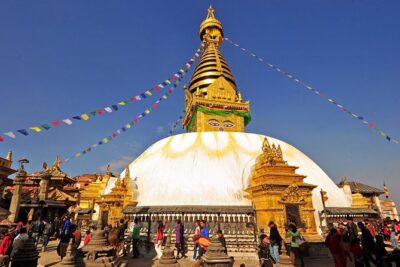
Private Kathmandu Sightseeing Tour | UNESCO World Heritage sites
Read our review →
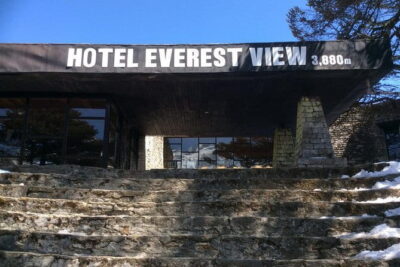
Everest Base Camp Helicopter Tour landing at Everest View Hotel
Read our review →