Reviewed · KATHMANDU TOURS
Annapurna Panaroma
Poon Hill sunrise makes this trek feel cinematic. You get a guided, teahouse-based hike in the Annapurna region, plus sightseeing in Kathmandu and Pokhara that helps you settle in before the mountains take over. What I like most is how Bishnu (and the team, including Bhupen) focus on keeping things running smoothly, and how the route times the biggest views around early starts.
The one thing to consider is the schedule. You are up early for viewpoints, and the higher you go (Poon Hill tops out at 3,210m), the colder the evenings can get, especially around Ghorepani.
In This Review
- Key highlights you should know
- Annapurna Panorama, the best kind of “views plus real life”
- Kathmandu arrival and heritage sightseeing before you hike
- The road to Pokhara, your mental switch from city to trail
- From Nayapul to Tikhedhunga, a steep start through subtropical forests
- Ghorepani, where your cold evenings start
- The Poon Hill morning climb, and why it’s the classic Annapurna intro
- Tadapani to Ghandruk, forest trails and a big culture stop
- Back to Nayapul, then Pokhara again for a softer landing
- Kathmandu finale in Thamel, and why the market time matters
- Trek support that actually helps: guide, porter, permits, and meals
- What the price covers, and what you still need to budget
- Who this trek suits best
- Should you book this Annapurna Panorama trek?
- FAQ
- How high do you reach on the trek?
- What kind of lodging is included?
- Are meals included?
- Do you get a guide and porter?
- How do you travel between Kathmandu and Pokhara?
- Where do the sightseeing days fit in?
- What is not included in the price?
Key highlights you should know
- Poon Hill viewpoint (3,210m) for early-morning mountain panoramas
- A guide plus porter setup (2 trekkers per porter) to keep your pack lighter
- Kathmandu heritage circuit with major UNESCO-area stops plus evening time in Thamel
- Teahouse nights on the trek with included meals for day-to-day simplicity
- Ghandruk Gurung village time for culture, not just scenery
- Permits and papers handled (ACAP, TIMS) so you avoid day-of paperwork stress
Annapurna Panorama, the best kind of “views plus real life”
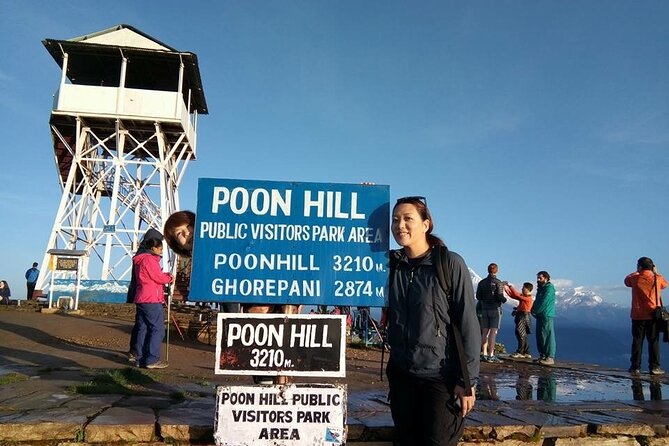
If you’re chasing classic Annapurna views without doing a long, punishing technical trek, this is a smart fit. The route is built around the famous Poon Hill panorama and the back-and-forth trek through villages like Tikhedhunga, Ghorepani, and Ghandruk. That means you’ll spend your time walking local trails, not just commuting between checkpoints.
And you do not just vanish into the mountains. You also spend meaningful time in Kathmandu and Pokhara. In Kathmandu you hit major temples and squares around the valley. In Pokhara, you get lake-town downtime plus optional add-ons listed for the Annapurna Panorama version, like Fishtail Mountain viewpoints, Mahendra Cave, and Sharangkot for sunrise or sunset.
This mix matters. It helps you acclimate to Nepal slowly. You can see how people live, how food tastes, and how the pace changes when you trade city streets for forest paths.
More from Kathmandu worth a second look:
- Everest Base Camp Trek – 14 Days
★ 5.0 · 1,499 reviews - Everest Base Camp Trek
★ 5.0 · 842 reviews - Private Kathmandu Sightseeing Tour | UNESCO World Heritage sites
★ 5.0 · 756 reviews
Kathmandu arrival and heritage sightseeing before you hike
Day 1 is all about removing stress. A representative from Himalayan Sanctuary Adventure meets you at the airport terminal gate holding your name, then you’re transferred to your hotel. It’s a small thing, but it saves you from the first-day confusion that can drain your energy.
Day 2 is a big Kathmandu culture day. You’ll tour several headline sights in the valley, including:
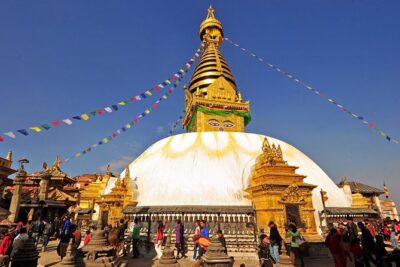
- Swayambhunath Temple, the Monkey Temple hilltop with wide views over Kathmandu
- Durbar Squares covering the royal palace areas associated with Kathmandu, Bhaktapur, and Lalitpur (Patan)
- Pashupatinath Temple, one of Asia’s most significant Hindu shrines
The tour description also includes Boudhanath Stupa and Patan Darbar Square, so expect at least these major stops to be part of your day. The key value here is not checking boxes. It’s perspective. Before you climb mountains, you learn why people build their lives around sacred places, family courtyards, and layered traditions.
Practical note: you’re sightseeing today, but tomorrow you start moving toward the trek. Wear comfortable shoes you can walk in for hours, not just for short temple visits.
The road to Pokhara, your mental switch from city to trail
On Day 3 you head from Kathmandu to Pokhara. The drive is long, around 7 hours, but it’s treated as part of the experience. You’ll travel by bus with breaks, and when you arrive you get downtime to walk near the lake.
Pokhara works as a staging point because it feels calmer than Kathmandu. It’s also where your body and mind start adjusting to life at lower altitude before you climb higher. If the add-ons like Mahendra Cave and Sharangkot are included in your specific departure, Pokhara is where that fits in. Sharangkot is especially useful for sunrise or sunset planning, because it puts you near the action while still being reachable.
Even if you keep it simple and just enjoy the lakeside, this day pays off later. You’ll sleep better, eat better, and start the trek with more energy.
From Nayapul to Tikhedhunga, a steep start through subtropical forests
Day 4 is where the trek officially begins, after you drive to Nayapul. From there you walk along the Modi Khola route, passing through places like Birethanti, Hille, and then into Tikhedhunga.
This stretch feels like a warm-up that’s not totally gentle. You’ll move through subtropical valley forests, sometimes on carved trail along cliff sides. After lunch, you cross the Bhurungdi Khola by bridge to reach Tikhedhunga, where you sleep.
Why this matters: Tikhedhunga is often one of those first-true-legs stops that teaches you how your body handles the rhythm of uphill steps. It’s also a good place to test your gear. If something is rubbing your heel or your water bottle feels awkward, this is the day you notice it.
What to watch: the trail description includes some steep sections and cliff-side paths. Take your time. Nepal mountain trails reward patience.
Another way to spend the time in Nepal:
- Kathmandu: 7 UNESCO Sites with Lunch
★ 4.8 · 744 reviews - Everest Base Camp Helicopter Tour landing at Everest View Hotel
★ 5.0 · 668 reviews - Half day cooking class in Thamel kathmandu
★ 5.0 · 607 reviews - Everest Base Camp Trekking
★ 5.0 · 485 reviews
Ghorepani, where your cold evenings start
Day 5 takes you from Tikhedhunga up to Ghorepani, about a half-day of walking with a noticeable climb. You’ll ascend toward Ulleri, where you pass through Magar settlements. Then you keep climbing more gently through forests of rhododendron and oak.
Ghorepani sits at 2,840m, so it’s a different temperature world than the lower villages. The trek plan specifically notes that evenings can get chilly once you’re here, especially because you’re higher and wind can catch you after sunset.
The practical win: Ghorepani is also a working trekking town with small shops and stalls for local products and crafts. That means you’re not just sleeping in a remote dot. You can buy essentials, grab a hot drink, and adjust your routine before the big sunrise morning.
The Poon Hill morning climb, and why it’s the classic Annapurna intro
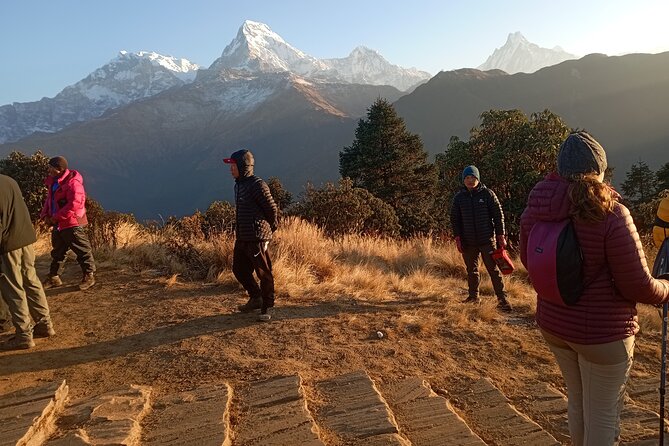
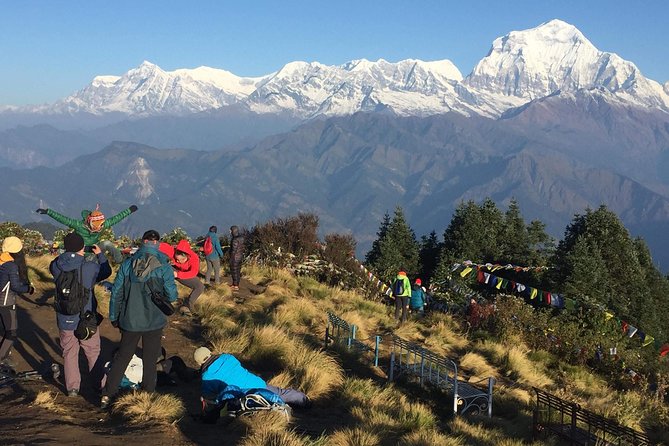
Day 6 is the money day for most people. You wake early to climb to Poon Hill, 3,210m, one of the best-known viewpoints in the Annapurna region. The plan emphasizes sunrise, and it’s easy to see why. At this height and at this specific angle, you get a panorama that includes the Annapurna and Dhaulagiri ranges, plus more than 20 high mountains in the broader view.
The trek plan also frames this stop as a top photo opportunity. That tracks. Expect you’ll want a few minutes to stand, breathe, and let the scene settle before you start clicking away.
Then you do the smart thing: after the sunrise viewpoint, you head back to Ghorepani briefly, eat breakfast, and continue onward to Tadapani.
This day is not just about seeing peaks. It’s about pacing your energy. If you push too hard on the sunrise climb, you’ll feel it later. Follow the group pace, take short rests, and focus on steady breathing.
Tadapani to Ghandruk, forest trails and a big culture stop
Day 7 shifts you from ridge and viewpoint energy into forest hiking. You descend from Tadapani through dense forest, and after around 3 to 4 hours you reach Ghandruk, a major Gurung village at 1,940m.
This is one of the most human parts of the trek. You’re not only walking through nature. You’re entering a community where people live year-round with traditional culture and village life. The route specifically calls Ghandruk the biggest Gurung settlement in Nepal, which is why the village stop is more than a rest point. It’s a chance to interact with locals and get a sense of how mountain communities organize life, from homes to daily routines.
Ghandruk also gives you strong mountain views, so your evening is usually a mix of rest, conversation, and quiet peak watching from the village area.
Practical tip: because this is a descent day to start, your knees will feel it. Take shorter steps on downhill sections, and if your shoes are worn, this is when they announce it.
Back to Nayapul, then Pokhara again for a softer landing
Day 8 brings you back. You trek from Ghandruk to Nayapul, which is described as a return along the trail, then you drive back to Pokhara and check into your hotel.
This is a quieter day, but it’s not automatically easy. Walking out after several days in the mountains is when your body starts negotiating with you. Still, mentally it helps because you’re moving toward the finish line.
Once you’re in Pokhara, you get overnight hotel time and more relaxed evening energy. If you missed any Pokhara viewpoints earlier, this is the time to squeeze in a little extra.
Kathmandu finale in Thamel, and why the market time matters
Day 9 is travel day back to Kathmandu. After breakfast, you go to the tourist bus station and return to the valley. Then you’re driven to your hotel in Thamel, a central neighborhood known for shops and street life.
The tour includes time for independent exploring and souvenir shopping. And you also get a farewell dinner, which is a nice way to close the loop with the people who kept the trek moving. A trek can feel like teamwork, even if you’re walking separately most of the day.
Day 10 is your final departure. Your driver picks you up from your hotel and goes to Tribhuvan International Airport a couple of hours early.
Trek support that actually helps: guide, porter, permits, and meals
This trek includes the practical backbone that makes the trek feel manageable.
Guide and porter
You get an experienced English-speaking trek leader and porter support. The plan specifies a ratio of 2 trekkers to 1 porter, with the porter carrying luggage and with salary, insurance, equipment, food, and lodging covered for that porter.
Value for you: you’ll walk more comfortably because you’re not hauling a heavy pack on uphill trail days. It also usually means better navigation and fewer delays.
Meals and lodging
You stay in 3-star hotels in Kathmandu and Pokhara, then use teahouses during the trek. Breakfast in Kathmandu and Pokhara is included, and all meals during the trek are included, plus a farewell dinner.
This is a strong “stress reducer.” When meals are included, you don’t waste decision energy each day trying to find food or comparing menu options in villages you just reached.
Permits
The tour includes the necessary paper work and permits, including ACAP and TIMS, plus government and local taxes.
That matters because permit lines and forms can be a headache. Getting this handled for you is part of the real value, not just a nice-to-have.
What the price covers, and what you still need to budget
At $687 per person for a roughly 10-day trip, the price feels reasonable when you consider what’s included. You’re getting:
- hotel stays in Kathmandu and Pokhara
- teahouse lodging during the trek
- breakfast in Kathmandu and Pokhara, plus all meals during the trek
- a guide, plus porter support (with the porter expenses covered)
- transport between Kathmandu and Pokhara, plus transfers from airport and back
- permits and taxes
- sightseeing in Kathmandu, and time in Thamel
What’s not included is equally important. You still need to plan for:
- Nepalese visa fee
- international airfare to and from Kathmandu
- entrance fees for sightseeing
- lunch and dinner in Kathmandu and/or Pokhara
- travel and rescue insurance
- alcohol and personal expenses (phone calls, laundry, bottled or boiled water, showers, and similar)
- tips for guides and porters
My take: if you already have travel insurance and you keep personal expenses tight, this package does a good job of protecting your budget from surprises. If you expect to drink a lot, buy lots of extras, or skip insurance, your total cost will climb.
Who this trek suits best
This is a good match if you:
- want a classic Annapurna-area viewpoint experience without a long multi-week trek
- prefer guided support with porter help
- like mixing mountains with cultural stops in Kathmandu and Pokhara
- can handle early mornings and a cold evening or two
It may be less ideal if you want a slow, sleep-in style trip. The schedule includes early climbs for sunrise viewpoints, and that affects rest more than you might expect.
Should you book this Annapurna Panorama trek?
If you want a rewarding “mountains and culture” package with Poon Hill sunrise as the headline, I’d say yes. The value is strongest in the logistics: guide, porter support, permits, and most meals handled for you. That’s what turns a trek from a DIY challenge into a trip you can actually enjoy.
Book it if you’re ready for early starts and comfortable walking on mountain paths, including steep climbs and descents. If you know you’re sensitive to cold at higher elevations, pack layers and plan for chilly evenings in Ghorepani.
If you want a purely relaxed holiday with no early mornings and no uphill effort, look for a more gentle plan.
FAQ
How high do you reach on the trek?
The itinerary reaches Poon Hill at 3,210m (10,529ft). The tour summary also mentions reaching about 10,500 feet (3,200 meters).
What kind of lodging is included?
You stay in 3-star hotels in Kathmandu and Pokhara, and teahouses during the trek.
Are meals included?
Breakfast in Kathmandu and Pokhara is included. All meals during the trek are included, plus a farewell dinner.
Do you get a guide and porter?
Yes. The trip includes an experienced English-speaking trek leader and porters to carry luggage, with a ratio of 2 trekkers to 1 porter.
How do you travel between Kathmandu and Pokhara?
You travel by tourist coach for the Kathmandu-Pokhara-Kathmandu route, with private car transfers for airport and hotel pickups and drops.
Where do the sightseeing days fit in?
You have a Kathmandu sightseeing day before the trek, and you spend time in Thamel in Kathmandu after the trek. Pokhara also includes lake-area time, and the tour description lists sights like Fishtail Mountain, Mahendra Cave, and Sharangkot for sunrise or sunset.
What is not included in the price?
Not included are Nepalese visa fees, international airfare, entrance fees for sightseeing, lunch and dinner in Kathmandu and/or Pokhara, travel and rescue insurance, alcohol, personal expenses, and tips for guides and porters.
Latest additions near Kathmandu
- White Water River Rafting – 1 Day★ 4.3 · 3 reviews
- Traditional Momo Making Class★ 5.0 · 10 reviews
- Kathmandu to Pokhara Premium sofa bus ticket★ 4.0 · 17 reviews
- Ghorepani Poon Hill Trek★ 5.0 · 16 reviews
- Amazing 1 Day Trekking Experience in Kathmandu Nepal★ 5.0 · 24 reviews
- Ghorepani Poonhill Trek★ 5.0 · 5 reviews
- Walking tour of real Kathmandu through back streets.★ 5.0 · 3 reviews
- Wildlife Adventure in Chitwan Nepal★ 4.0 · 4 reviews
Kathmandu Tours, compared.
Private Kathmandu Sightseeing Tour | UNESCO World Heritage sites
Read our review →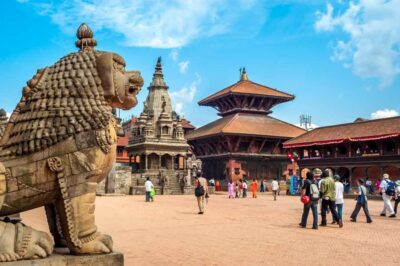
Everest Base Camp Helicopter Tour landing at Everest View Hotel
Read our review →