Reviewed · KATHMANDU TOURS
8 Days Tour in Nepal (3 Star Accommodation)
Eight days, three worlds: temples, jungle, and mountains. I like the mix of UNESCO sights in Kathmandu and the hands-on Chitwan wildlife safari, timed so you get real variety instead of rushing. The big drawback to plan for is energy, early starts, and long drives between regions.
The pricing feels fair for what you’re getting, especially with airport pickup, guided sightseeing, and multiple included highlights. You also keep things manageable with a maximum group size of 30, though most of the route is shared-transport style once you leave Kathmandu.
Key points at a glance
- UNESCO Kathmandu day, with Patan Durbar Square, Swayambhunath, and Boudhanath Stupa handled in a logical order
- Chitwan National Park safari time, with chances for rhinos and gharial crocodiles, plus tiger sightings if luck is on your side
- Sarangkot sunrise in Pokhara, plus Phewa Lake boating and a visit to Mahendra Cave
- Mostly smooth logistics, including airport pickup and air-conditioned transport
- Good midrange comfort, with 3-star accommodation in Kathmandu and air-conditioned rooms in Chitwan
In This Review
- What You Really Get for $860 in Nepal
- Day 1 in Kathmandu, airport pickup and settling into your hotel
- Day 2 in the Kathmandu Valley, Patan, Swayambhunath, and Boudhanath
- Patan Durbar Square and the Patan art vibe
- Swayambhunath viewpoints, temple steps, and a morning feel
- Boudhanath Stupa, big scale and smaller details
- Kathmandu comfort meets real-world pacing: private guidance with mixed transport
- Day 3 travel to Chitwan, Prithvi Highway and safari lodge time
- Day 4 Chitwan National Park safari, rhinos, gharial crocodiles, and the tiger question
- Day 5 to Pokhara on Prithvi Highway, Phewa Tal and lake-town calm
- Day 6 Sarangkot sunrise, Mahendra Cave, and Phewa Lake boating
- Day 7 back to Kathmandu by deluxe tourist bus, Basantpur strolling time
- Day 8 airport drop and how the mobile ticket fits in
- Chitwan and Pokhara are the payoff, but Kathmandu is the glue
- What to watch out for before you book
- Who this Nepal route is best for
- Should you book this 8-day Kathmandu, Chitwan, and Pokhara tour?
- FAQ
- What is included for Kathmandu sightseeing?
- How do you travel from Kathmandu to Chitwan and back?
- Is Sarangkot sunrise included?
- What wildlife experiences are included in Chitwan?
- What is the accommodation like in Kathmandu and Chitwan?
- Are meals like lunch and dinner included?
- How many people are in the group?
What You Really Get for $860 in Nepal
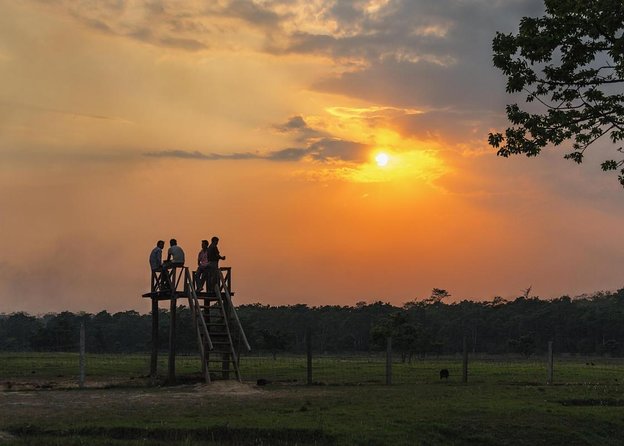
For $860 per person, this is a practical “big three” Nepal route: Kathmandu heritage, Chitwan wildlife, and Pokhara mountain views. What makes the value work is that it bundles real costs that add up fast on your own: international airport pickup, multiple nights of lodging, major intercity travel by tourist bus, guided sightseeing on the Kathmandu day, and sunrise and lake time in Pokhara.
One detail I appreciate is that it’s designed around specific highlights rather than vague sightseeing blocks. You’re not just “in Nepal for a week.” You’re going to Patan’s carved arts area, rolling into Chitwan with a safari expert, then waking up for Sarangkot views over the Annapurna and Manaslu region.
The one thing you should double-check before you go is the meal mix. The inclusions list mentions Lunch (2) and Dinner (2), while the not-included list also says Lunch and dinner are not included. That contradiction is common in some tour listings. I’d message the operator to confirm what meals are truly covered on your departure date.
Day 1 in Kathmandu, airport pickup and settling into your hotel
Your arrival day starts with staff meeting you at the international airport. They help you get oriented and take care of check-in at your hotel, which keeps your first afternoon from turning into a scavenger hunt for transport and change.
This tour includes accommodation at a 3-star level in Kathmandu with breakfast. The hotel details also note it’s near public transportation, which is handy if you want to step out on your own during downtime.
Practical tip: because your guided day of sights comes early the next day, try not to overbook your arrival evening. Kathmandu is active, but your schedule wants you rested.
More from Kathmandu worth a second look:
- Everest Base Camp Trek – 14 Days
★ 5.0 · 1,499 reviews - Everest Base Camp Trek
★ 5.0 · 842 reviews - Private Kathmandu Sightseeing Tour | UNESCO World Heritage sites
★ 5.0 · 756 reviews
Day 2 in the Kathmandu Valley, Patan, Swayambhunath, and Boudhanath
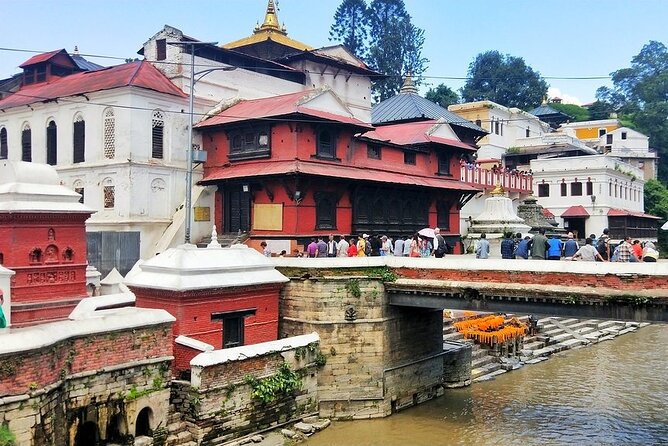
This is your main UNESCO day, and it’s planned as a steady sequence of Kathmandu Valley’s most important religious and artistic places.
Patan Durbar Square and the Patan art vibe
Patan Durbar Square is where you’ll see the city’s famous wooden and stone carving traditions up close. The Patan Museum is included, which matters because it turns those carvings from “pretty stuff” into context. Even if you’re not a museum person, it helps you decode what you’re looking at.
Swayambhunath viewpoints, temple steps, and a morning feel
Next comes Swayambhunath. It’s one of those places where the views do half the storytelling. Going early helps you get better light and fewer headaches from the heat and crowds.
This is also a place where you should dress respectfully. Think shoulders and knees covered. You’re entering sacred space, not a photo backdrop.
Another way to spend the time in Nepal:
- Kathmandu: 7 UNESCO Sites with Lunch
★ 4.8 · 744 reviews - Everest Base Camp Helicopter Tour landing at Everest View Hotel
★ 5.0 · 668 reviews - Half day cooking class in Thamel kathmandu
★ 5.0 · 607 reviews - Everest Base Camp Trekking
★ 5.0 · 485 reviews
Boudhanath Stupa, big scale and smaller details
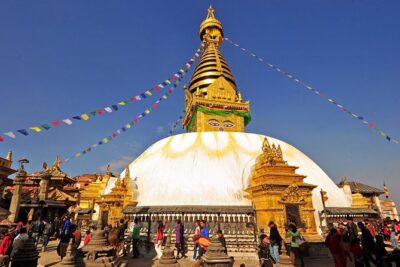
Boudhanath Stupa brings a different energy. The sheer scale makes your camera feel small, but the details are what hold your attention: prayer flags, the flow of visitors, and the way the stupa pulls the whole area into a calm rhythm.
This day is guided, and the plan includes admissions. That’s good for value because it reduces ticket hunting and lets you focus on actually seeing things.
Kathmandu comfort meets real-world pacing: private guidance with mixed transport
The tour describes private attention on a private tour, but once you leave Kathmandu, you switch to tourist bus travel for the longer legs. That’s normal for this style of trip, and it’s not automatically a bad thing.
Here’s how it typically feels in practice:
- In Kathmandu, you get a structured guided day, with a professional guide included for the sightseeing portion.
- Between major destinations, you’re on shared transport, with an air-conditioned vehicle involved on the local moving parts.
Group size is capped at 30, which is a sweet spot. You get enough people to keep things lively, but not so many that every stop becomes a slow shuffle.
Day 3 travel to Chitwan, Prithvi Highway and safari lodge time
Chitwan is where the trip changes gears. Day 3 includes a roughly six-hour drive from Kathmandu along the scenic Prithvi Highway. It’s long enough that you’ll want to settle in, but not so long that it feels like punishment.
When you arrive, you stay at a safari lodge with accommodation that includes air conditioning and a big garden setting. You also get a welcome dance by locals when you reach the area, which adds personality beyond the logistics.
The admission includes are part of what you’re paying for here. You’re not just driving to a park and hoping it works out. The tour builds the safari schedule so you can actually do wildlife activities.
Practical tip: bring a light layer for morning and evening. Jungle areas can feel humid in the day and cooler at night, and you’ll be out at odd hours.
Day 4 Chitwan National Park safari, rhinos, gharial crocodiles, and the tiger question
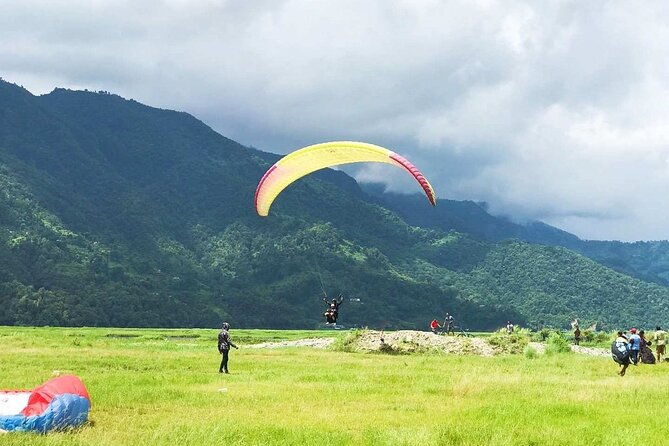
This is your main wildlife day. You start with early bird watching, then return for breakfast before joining a guided safari tour.
The tour is built around spotting specific species, including rare rhinos, gharial crocodiles, and a possible tiger sighting. The tiger part is a “maybe,” because that’s the honest truth of wildlife travel. You’re buying the expertise and the access to the right habitat and routes. You’re not buying a guaranteed animal photo.
That’s also why having a safari expert matters. The day is described as a grand tour through abundant wildlife, and the guide’s role is what turns “we’re in a park” into a real chance at sightings.
What you can do to increase your odds:
- Go in with patience, not a checklist.
- Keep quiet during animal spotting time.
- Stay flexible. The best moments often happen when you stop expecting them.
Day 5 to Pokhara on Prithvi Highway, Phewa Tal and lake-town calm
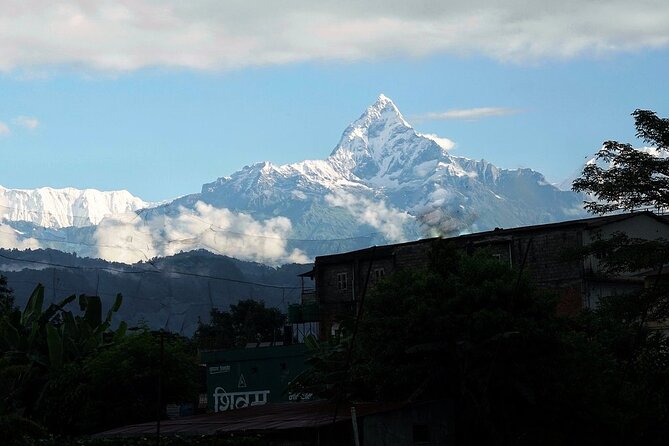
After Chitwan, you head to Pokhara early after breakfast. The drive uses the same Prithvi Highway route style, and it usually feels like a reset. Pokhara is described as a charming town with a backdrop of the Annapurna and Manaslu region, which sets the tone for the next chapter.
Phewa Tal is included for sightseeing. Even if you’ve seen lakes before, Phewa carries a particular mix of views, walking paths, and day-to-day life that feels easy compared to the Kathmandu pace.
If you like photography, this is also a good day to watch weather. In mountain regions, clouds can change the game fast.
Day 6 Sarangkot sunrise, Mahendra Cave, and Phewa Lake boating
This is one of the big reasons people choose this route: Sarangkot sunrise. You go early in the morning, aiming for the bird’s-eye view over the Annapurna and Manaslu mountain region and Pokhara Valley.
Sunrise days are always weather dependent. If clouds roll in, you still get the experience and the valley atmosphere, but the dramatic views might be limited. That’s not a reason to skip it, just a reason to be mentally prepared.
After the sunrise portion, the schedule includes Mahendra Cave, with admission included. It’s a shorter add-on that gives you a change of pace from high viewpoints.
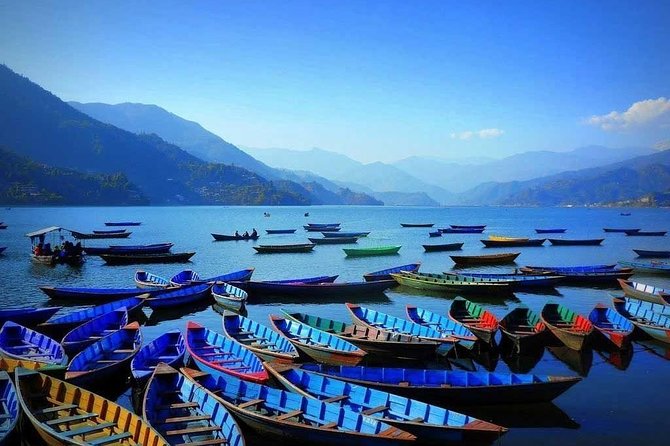
Then you get an hour boating at Phewa Lake. That’s a smart inclusion because it turns the lake from something you look at into something you actually experience at human speed.
Practical tip: wear shoes you can move in comfortably, especially if cave surfaces are uneven.
Day 7 back to Kathmandu by deluxe tourist bus, Basantpur strolling time
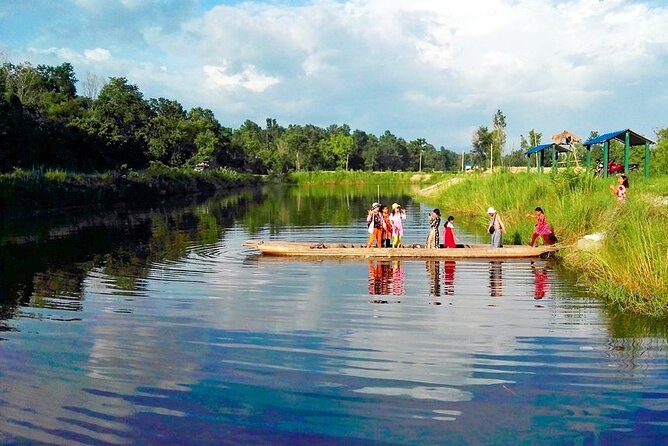
You head back to Kathmandu on a deluxe tourist bus along the scenic highway overlooking the Himalayas. The goal here is comfort plus views, and it also keeps your travel day straightforward instead of forcing you into a complicated transfer.
Once you reach Kathmandu, you can stroll around the Basantpur area. This is your chance to soften the hard edges of the schedule and pick up a snack, do some walking, or just absorb the city without a set program.
Day 8 airport drop and how the mobile ticket fits in
On your final day, your staff drops you at the airport so you can board your flight to your destination. The tour also notes a mobile ticket, which is usually handy for quick access on your phone, especially if you don’t want paper documents.
Keep your departure time in mind because Kathmandu traffic can turn a short ride into a longer one. Plan a buffer so you don’t start your travel day stressed.
Chitwan and Pokhara are the payoff, but Kathmandu is the glue
If you’re deciding whether this tour is worth your time, here’s the balance that makes it work.
Kathmandu gives you the cultural glue:
- Patan shows craftsmanship through art and museum context.
- Swayambhunath and Boudhanath show religion at street level and scale, so you feel the city’s spiritual rhythm.
Chitwan is the reset:
- Wildlife travel forces you to slow down.
- Early bird watching and safari structure create a day that feels active but not frantic.
Pokhara is the visual reward:
- Sarangkot sunrise is a classic for a reason, but the schedule also adds Mahendra Cave and lake boating, so you’re not doing only one big view moment.
That combination is why the package gets strong marks for the overall experience.
What to watch out for before you book
Here are the realistic considerations I’d plan for, based on how the schedule is built.
- Early mornings are part of the deal. Sarangkot sunrise and Chitwan early bird watching are not optional if you want the full experience.
- Long travel days add up. You have a six-hour drive to Chitwan and a four-hour drive to Pokhara, plus the return by bus.
- Wildlife is never guaranteed. The tour gives chances at rhinos, gharial crocodiles, and a possible tiger sighting, but you’re in the field, not a theme park.
- Meals need confirmation. The inclusions list mentions Lunch (2) and Dinner (2), while the not-included list says lunch and dinner are not included. Ask your operator to clarify what meals you personally get.
Who this Nepal route is best for
This works especially well if you want:
- A first Nepal trip that covers major regions without requiring advanced planning
- A balance of culture and nature, not only temples or only safari
- Midrange comfort, with air-conditioned rooms in Chitwan and 3-star accommodation in Kathmandu
- A trip that handles the hard logistics so you can focus on experiences
You might want a different style of tour if you:
- Hate early starts
- Want total control over every meal and stop
- Need frequent private transfers, not tourist bus segments
Should you book this 8-day Kathmandu, Chitwan, and Pokhara tour?
If your goal is a complete Nepal sampler with strong highlights, I’d say yes, with one caution: confirm the meal situation with the operator before you pay. The rest of the structure makes sense. You get guided UNESCO time in Kathmandu, a real safari day in Chitwan with species-focused expectations, and Pokhara with sunrise, cave time, and lake boating. That mix gives you three distinct memories in one week, and it’s built to keep logistics from stealing your energy.
If you’re looking to add on later, this is also the kind of route where you can tack in extra experiences. One of the add-on stories linked with this broader Nepal style even mentioned a phenomenal flight through Everest and a day trekking with a guide named Nishan, with strong care described around a person named Mani. That’s the vibe: get the core route done, then extend if you want.
FAQ
What is included for Kathmandu sightseeing?
The tour includes sightseeing around World Heritage sites in Kathmandu: Pashupatinath, Bouddhanath, and Patan Durbar Square. A professional tour guide is included for the Kathmandu day tour, and admissions are listed for stops on that day.
How do you travel from Kathmandu to Chitwan and back?
You drive to Chitwan National Park from Kathmandu by tourist bus. You travel back to Kathmandu on a deluxe tourist bus.
Is Sarangkot sunrise included?
Yes. Sunrise from Sarangkot is included, along with Pokhara sightseeing.
What wildlife experiences are included in Chitwan?
Chitwan National Park activities are included, with chances to spot rhinos and gharial crocodiles, and the possibility of tiger sightings. A safari expert guides you.
What is the accommodation like in Kathmandu and Chitwan?
Kathmandu is listed as 3-star accommodation with breakfast. Chitwan includes air-conditioned rooms with a big garden at the safari lodge.
Are meals like lunch and dinner included?
The details provided include Lunch (2) and Dinner (2) under inclusions, but the not-included section also lists lunch and dinner. I recommend confirming exactly which meals are covered for your specific departure.
How many people are in the group?
The tour notes a maximum of 30 travelers.
Latest additions near Kathmandu
- White Water River Rafting – 1 Day★ 4.3 · 3 reviews
- Traditional Momo Making Class★ 5.0 · 10 reviews
- Kathmandu to Pokhara Premium sofa bus ticket★ 4.0 · 17 reviews
- Ghorepani Poon Hill Trek★ 5.0 · 16 reviews
- Amazing 1 Day Trekking Experience in Kathmandu Nepal★ 5.0 · 24 reviews
- Ghorepani Poonhill Trek★ 5.0 · 5 reviews
- Walking tour of real Kathmandu through back streets.★ 5.0 · 3 reviews
- Wildlife Adventure in Chitwan Nepal★ 4.0 · 4 reviews
Kathmandu Tours, compared.

Private Kathmandu Sightseeing Tour | UNESCO World Heritage sites
Read our review →
Everest Base Camp Helicopter Tour landing at Everest View Hotel
Read our review →