Reviewed · KATHMANDU TOURS
8 Days Special Nepal Tour Package
Three big regions in one go.
This 8-day special Nepal tour stitches together Kathmandu temples, Pokhara lakeside calm, and Chitwan’s flatland forest safari days into one ticket and one plan. It is the kind of route that helps you see Nepal beyond one city, without the hassle of arranging each leg separately.
I especially like how this trip handles the busy stuff for you, with an air-conditioned vehicle, entrance fees, and a guided Kathmandu city tour built into the schedule. I also like the way the days alternate energy levels, temple mornings and stupa walks, then Tharu cultural evening, then jeep safari time, then Pokhara sunrise at Sarangkot.
One consideration: the travel days involve long road time and early starts, so if you get cranky on bumpy rides or prefer a slower pace, you may feel the schedule pressure.
In This Review
- Key highlights worth your attention
- A smart loop through Nepal’s most different worlds
- Entering Kathmandu: Pashupatinath, Boudhanath, and Swayambhunath
- Thamel evenings and your welcome start
- Kathmandu culture dinner: Nepal food and dancing
- Chitwan National Park days: Tharu culture plus safari time
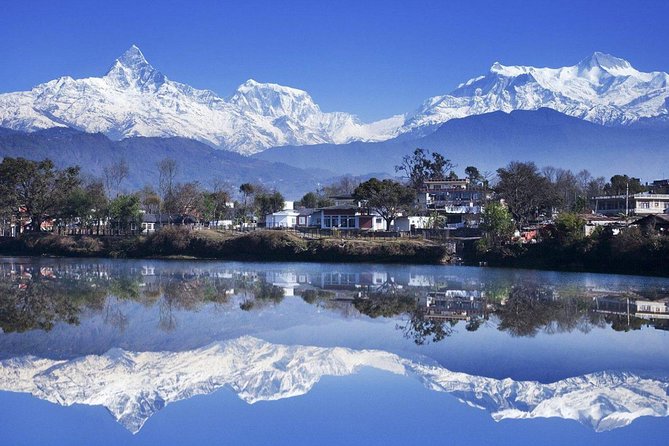
- Pokhara: a calm landing with lakeside freedom
- Sarangkot sunrise: the morning payoff in one short push
- Pokhara sightseeing after sunrise: Davis Falls, Guptesore, Tibetan camp, World Peace Pagoda
- The long ride back to Kathmandu and your last free window
- Price and value: what you are paying for, and what you still need to budget
- What to expect from the group size and on-the-ground pace
- Practical tips before you go
- Should you book this 8-day special Nepal tour package?
- FAQ
- Where does the tour start and end?
- What time does the experience start?
- How long is this tour?
- What is the price per person?
- What is included in the tour accommodation?
- Are entrance fees included?
- Which meals are included?
- What is not included?
- Is there a group size limit?
- Is free cancellation available?
Key highlights worth your attention
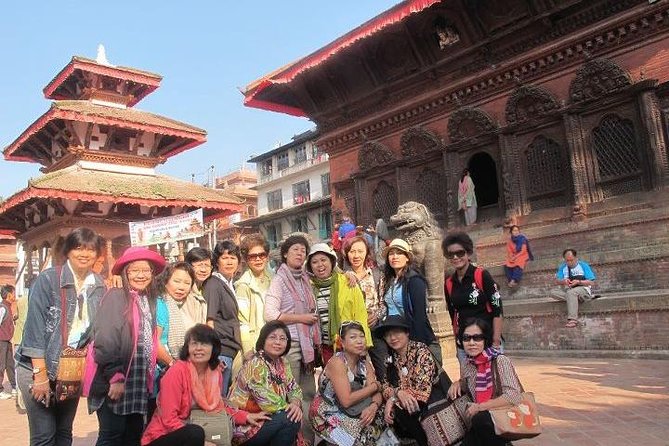
- A three-region route that covers Kathmandu, Pokhara, and Chitwan in just 8 days
- Guide-led heritage days focused on major sites like Pashupatinath, Boudhanath, and Swayambhunath
- Chitwan includes both culture and wildlife time, with a Tharu village program plus jeep safari
- Pokhara sunrise from Sarangkot adds payoff even if you only have one morning there
- Clear meal coverage in Chitwan, with full board meals included during those days
A smart loop through Nepal’s most different worlds
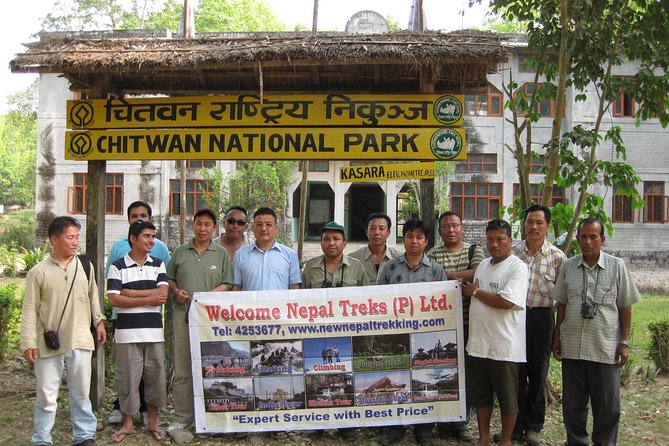
What makes this package work is the rhythm. You start with Kathmandu’s dense spiritual energy, then you swap city noise for wildlife and canoe-and-forest style afternoons in Chitwan, and finally you land in Pokhara where mornings are made for views and evenings are for wandering near the lake.
The pacing is mostly day-by-day and hands-on, with sightseeing on set schedules and transport lined up. That is great if you want to keep moving and avoid decision fatigue. It is not ideal if you like to improvise heavily or if you get worn out by constant transitions.
Expect a mix of walking and getting in vehicles. The driving segments are substantial, including a 4 to 5 hour transfer to Chitwan and about a 5 hour drive to Pokhara, then roughly 6 hours back to Kathmandu. Plan to sit back, hydrate, and treat the ride time as part of the journey.
More from Kathmandu worth a second look:
- Everest Base Camp Trek – 14 Days
★ 5.0 · 1,499 reviews - Everest Base Camp Trek
★ 5.0 · 842 reviews - Private Kathmandu Sightseeing Tour | UNESCO World Heritage sites
★ 5.0 · 756 reviews
Entering Kathmandu: Pashupatinath, Boudhanath, and Swayambhunath
Kathmandu days on this tour focus on the big names, and that choice has real value. These are not random stops. They are major Hindu and Buddhist sites that give you a fast, layered sense of how religions and architecture shape daily life in the city.
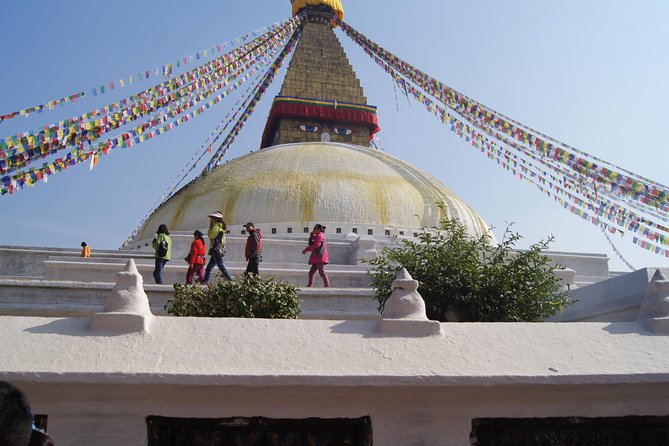
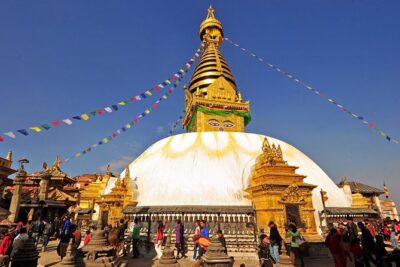
On day 2, you visit the Pashupatinath area, a major Hindu pilgrimage zone. You also head to Boudhanath Stupa, one of the most important Buddhist stupas in the Kathmandu Valley. Then there is Swayambhunatha Stupa, an older hilltop stupa that helps you understand why people describe the Kathmandu skyline as part sacred stage and part everyday neighborhood.
What I like about this setup is that the sites are spaced across different spiritual styles. You get Hindu temple focus one moment, a large stupa atmosphere the next, and then a viewpoint-and-walk experience at Swayambhunath. If you are the type who likes to connect what you see with why it matters, having a city guide on board helps you get your bearings fast.
Potential drawback: these sites can mean more steps than you expect, especially if you are not used to uneven stone paths and short climbs. Wear comfortable shoes and keep your water handy, since the schedule can move without long breaks.
Thamel evenings and your welcome start
The tour eases you into Kathmandu on day 1 with a straightforward arrival flow: airport pickup, transfer to the hotel, check-in, and a welcome drink. Then you get a low-stress evening plan with a visit to a tourist market in Thamel.
Thamel is a useful introduction for a first night because it is where most visitors orient themselves. You do not need a big agenda here. The point is to help you settle, grab any essentials you forgot, and take in the street rhythm at a comfortable pace.
If you arrive with jet lag, the design is friendly. You get a short activity window, then the rest of the evening is yours.
Kathmandu culture dinner: Nepal food and dancing
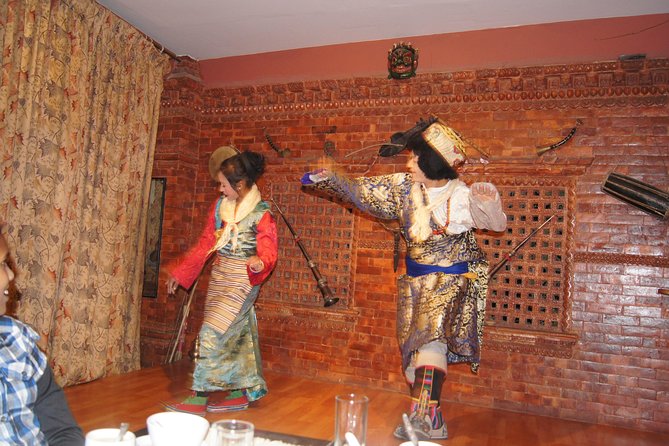
On day 7, before you finish up, you return to Kathmandu and enjoy a farewell dinner with Nepal cuisine and dancing. This is one of those inclusions that is easy to underestimate until you experience it. Cultural meals like this work best when you do not treat them like a quick show and then run away. Sit down, eat slowly if you can, and let it be part entertainment, part introduction to local tastes and performance styles.
Since the trip also includes a traditional Nepali dinner with a culture program earlier, you are not relying on chance for a night of local flavor. That matters for value, because organized cultural programming is often one of the first things tourists end up paying extra for.
Another way to spend the time in Nepal:
- Kathmandu: 7 UNESCO Sites with Lunch
★ 4.8 · 744 reviews - Everest Base Camp Helicopter Tour landing at Everest View Hotel
★ 5.0 · 668 reviews - Half day cooking class in Thamel kathmandu
★ 5.0 · 607 reviews - Everest Base Camp Trekking
★ 5.0 · 485 reviews
Chitwan National Park days: Tharu culture plus safari time
Chitwan is where this tour starts changing gears. After breakfast on day 3, you drive about 4 to 5 hours from Kathmandu to Chitwan National Park. The evening plan is a Tharu village tour paired with a Tharu culture program. That is a smart pairing because it gives context for the region rather than treating wildlife as the only storyline.
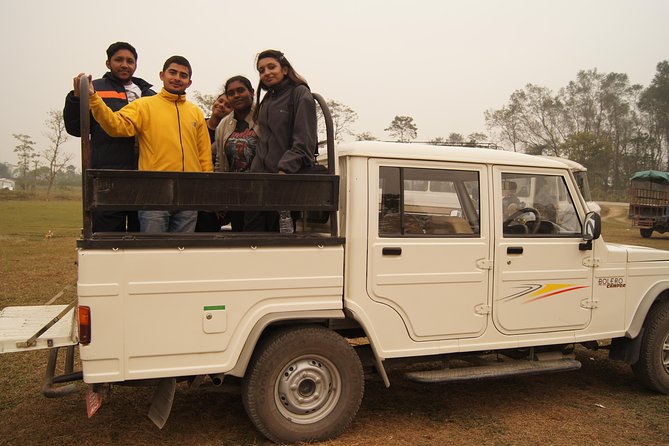
Day 4 leans into action. After breakfast you go for cannoning (listed as canoeing) and jungle walking, then after lunch you do a Jeep safari.
Here is how to think about those activities realistically. Canoeing and jungle walking can be the most physically demanding part of the schedule, and safari time is the one where your patience pays off. Jeep safaris usually involve waiting, watching, and staying alert for animal sightings. Even when sightings are limited, you still come away with a sense of how this protected area feels on the ground.
Also, the name Chitwan itself tends to be associated with wildlife, but this itinerary balances it with culture. That balance is often what makes a short safari trip feel complete rather than random.
Pokhara: a calm landing with lakeside freedom
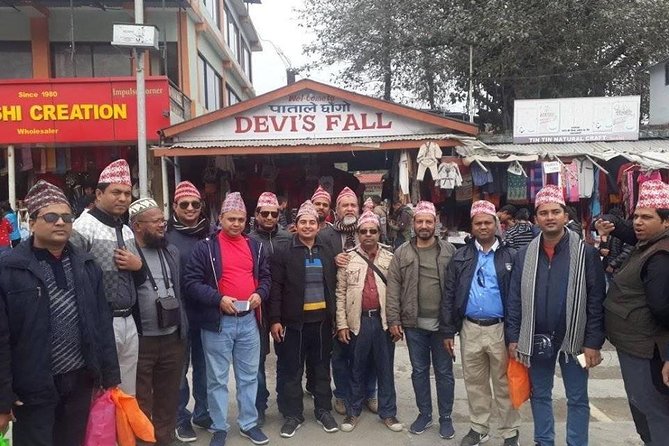
After Chitwan, day 5 sends you to Pokhara with a drive of about 5 hours. When you arrive, the evening is intentionally open-ended. You can hang around Lakeside Pokhara on your own.
I like the choice to build in free time here. Pokhara is one of those places where a walk near the water can reset your body after a couple days of program-heavy travel. Even if you do not do anything major, the lake atmosphere gives you breathing room.
If you are choosing which moments to be extra present for, this is one. Take a slow evening. Let your photos be a bonus, not the main event.
Sarangkot sunrise: the morning payoff in one short push
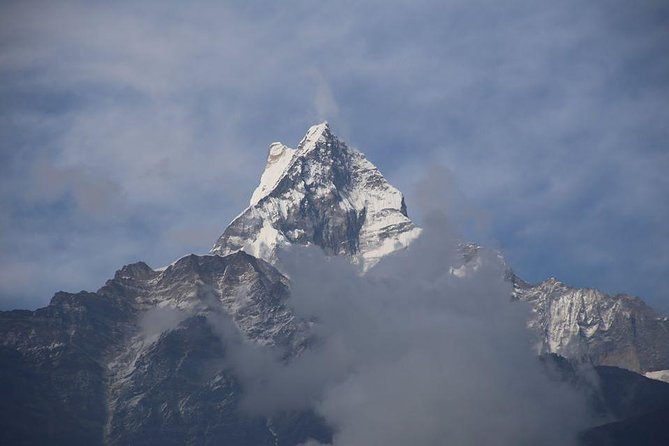
Day 6 is the big Pokhara morning: get up early and drive to Sarangkot for Himalaya views and sunrise. Then you return for breakfast, followed by a sightseeing loop.
This structure is practical. It protects the best view time from the usual chaos of late starts. If sunrise viewing is on your wish list, this is the day you would care most about keeping energy for.
It also sets expectations: you need to be ready for an early start and a brief burst of effort to get the view. If mornings drain you, set yourself up the night before with an easy dinner and an early bed when possible.
Pokhara sightseeing after sunrise: Davis Falls, Guptesore, Tibetan camp, World Peace Pagoda
After breakfast on day 6, you go sightseeing around Pokhara. Stops include:
- Davis Falls
- Guptesore Cave
- Tibetan Camp
- World Peace Pagoda
This mix covers a few different angles of Pokhara, not just scenery. Davis Falls is a well-known urban water feature, so it has an easy-to-visit feel. Guptesore Cave adds a more hands-on, enclosed attraction style. The Tibetan Camp is more about people and community than geology, and World Peace Pagoda typically gives you a bigger viewpoint setting, which pairs well after a sunrise morning.
Potential drawback: this day is action-packed after the early wake-up. If you get sore feet quickly, you will want to keep your shoe choices comfortable and your pace flexible.
The long ride back to Kathmandu and your last free window
Day 7 is another travel day, driving back to Kathmandu in about 6 hours. The schedule notes that you can enjoy Himalayas nature along the way, and then you finish with that farewell dinner.
Then day 8 gives you breathing room: breakfast, checkout, and departure to the airport by private vehicle. The day also includes some free time for activities before you leave, so you can do small personal errands or a final stroll if your timing works out.
Since the tour ends back at the meeting point, the day is designed to keep your logistics simple. You do not have to figure out a last-minute transfer while also packing.
Price and value: what you are paying for, and what you still need to budget
At $1,066.67 per person for an 8-day package, the value question comes down to what is included versus what you would likely pay separately in Nepal.
Here is what the package covers that usually costs real money when booked à la carte:
- Hotel accommodation in twin/double sharing (as listed) for the whole tour
- An air-conditioned vehicle for the entire trip
- All sightseeing entrance fees according to the program
- Kathmandu city tour with a city guide
- A traditional Nepali dinner with a culture program
- Chitwan full board meals, meaning breakfast, lunch, and dinner during the Chitwan portion
- Taxes, VAT, and service charges
What is not included is also important:
- Any lunch, dinner, snacks, and mineral water unless mentioned
- Tipping for guides and driver is expected, even if it is not mandatory
So you are not just paying for transit. You are paying for a bundle of logistics, guides, entrances, and a big chunk of meals during the Chitwan portion. That is often what makes group-style guided tours feel like a win for first-time Nepal visitors, because you spend less time organizing.
My practical take: if you like having meals mapped out and sites planned, this kind of all-in package helps you keep your day on track. If you prefer total freedom to eat wherever you want and skip scheduled stops, you may end up spending extra anyway.
What to expect from the group size and on-the-ground pace
This tour runs with a maximum of 15 travelers. A smaller group often means your guide can keep track of everyone and get you moving smoothly. It is still a group schedule, so you should expect the tour to have a start-time mindset rather than a flexible, whenever-you-feel-like-it style.
The itinerary is also heavy on included activities, which is good for structure. It is not designed for full do-nothing time every day. If you want quiet and solo exploration, plan for the Lakeside Pokhara evening and the last day free window to be your recovery moments.
Practical tips before you go
Here are a few things I would plan for based on what this schedule includes.
- Comfortable walking shoes matter. You will be moving around several temple and sightseeing locations, plus a jungle walking segment in Chitwan.
- Morning energy planning helps. Sarangkot sunrise requires an early start. If you can’t sleep well, treat the day after the sunrise as your pace reset.
- Bring a buffer for meals not covered. The tour includes many breakfasts and Chitwan meals, but not all lunches and dinners are included everywhere.
- Think about canoeing readiness. Since canoeing is on the plan, wear or pack clothes that are okay getting damp.
Also, carry some cash for small purchases. You will likely want snacks, drinks, and personal items even when the big meals are included.
Should you book this 8-day special Nepal tour package?
I would book this if you want a first-timer friendly Nepal mix: major Kathmandu spiritual sights, Pokhara views and waterfalls, and Chitwan wildlife time paired with Tharu culture. It is a strong pick for people who like structure and hate planning legwork.
I would pass or rethink it if you want a slow, flexible trip. The long drives and early sunrise push make this more scheduled than spontaneous. Also, it is listed as not suitable for pets.
If you do book, my best advice is to treat free time in Pokhara as your reward, not an afterthought. This itinerary is packed with highlights, so the best memories often come from the quiet moments between them.
FAQ
Where does the tour start and end?
The tour starts at Tribhuvan International Airport, Ring Rd, Kathmandu 44600, Nepal, and it ends back at the same meeting point.
What time does the experience start?
The start time listed is 12:15 am.
How long is this tour?
The duration is 8 days, approximate.
What is the price per person?
The price is $1,066.67 per person.
What is included in the tour accommodation?
Accommodation is included in all hotels on a DBL/twin sharing basis, as per the list.
Are entrance fees included?
Yes. All sightseeing entrance fees according to the program are included.
Which meals are included?
Breakfast is included 7 times. Lunch is included 2 times, and dinner is included 2 times. Chitwan includes full board meals for breakfast, lunch, and dinner.
What is not included?
Any lunch, dinner, snacks, and mineral water unless mentioned are not included. Tipping is also not included, though it is expected by guides and the driver.
Is there a group size limit?
Yes, the tour has a maximum of 15 travelers.
Is free cancellation available?
Yes. You can cancel up to 24 hours in advance of the experience for a full refund. If you cancel less than 24 hours before the start time, the amount paid is not refunded.
Latest additions near Kathmandu
- White Water River Rafting – 1 Day★ 4.3 · 3 reviews
- Traditional Momo Making Class★ 5.0 · 10 reviews
- Kathmandu to Pokhara Premium sofa bus ticket★ 4.0 · 17 reviews
- Ghorepani Poon Hill Trek★ 5.0 · 16 reviews
- Amazing 1 Day Trekking Experience in Kathmandu Nepal★ 5.0 · 24 reviews
- Ghorepani Poonhill Trek★ 5.0 · 5 reviews
- Walking tour of real Kathmandu through back streets.★ 5.0 · 3 reviews
- Wildlife Adventure in Chitwan Nepal★ 4.0 · 4 reviews
Kathmandu Tours, compared.
Private Kathmandu Sightseeing Tour | UNESCO World Heritage sites
Read our review →
Everest Base Camp Helicopter Tour landing at Everest View Hotel
Read our review →