
Reviewed · KATHMANDU TOURS
7-Wonders of Kathmandu: Thorough, at your comfort 1-Day Tour
Seven UNESCO stops, one relaxed day. This 10-hour private tour strings together Kathmandu Durbar Square and Pashupatinath cremations with a calm pace and an English-speaking, licensed guide. The main drawback to plan for is that it is still a long day with lots of driving in Kathmandu traffic.
What I like most is the focus on comfort. You get a private, air-conditioned vehicle, bottled water, and hot or cold beverages once, plus express security so you spend less time stuck and more time looking up.
The second big win is how the tour explains what you are seeing as you go. You get a guided rhythm that helps you make sense of Buddhist stupa rituals, Hindu temple details, and the former Malla royal world at Durbar Squares. If you hate long sits in traffic, you might want fewer stops or shorter time blocks.
In This Review
- Key points worth knowing
- A 10-hour loop that hits the big Kathmandu Valley icons
- Hotel pickup, express security, and the Kathmandu traffic reality
- Kathmandu Durbar Square and the living goddess Kumari
- Swayambhunath, the Monkey Temple, and Buddhist atmosphere
- Patan Durbar Square: where Malla kings shaped art and faith
- Bhaktapur Durbar Square and the 55-Window Palace
- Lunch in the afternoon: traditional Nepali food with one important caveat
- Changu Narayan Temple: a hilltop Hindu heritage stop
- Boudhanath Stupa and Little Tibet Tibetan Buddhism center
- Pashupatinath Temple: cremation ceremonies and respectful viewing
- Price and value: what $80 buys you (and what it does not)
- Who should book this 1-day Kathmandu Valley circuit
- A few practical tips so your day feels easier
- Should you book the 7-Wonders of Kathmandu 1-Day Tour?
- FAQ
- How long is the 7-Wonders of Kathmandu 1-Day Tour?
- What time does the tour start?
- Is hotel pickup and drop included?
- What language is the tour guide?
- Is lunch included?
- Are monument entrance fees included?
- Does the tour include bottled water and drinks?
- Is the tour wheelchair accessible, and are there luggage restrictions?
Key points worth knowing
- Private air-conditioned vehicle to make the long drives feel manageable
- Licensed English-speaking guide who links the sites to the bigger story
- 7 UNESCO World Heritage Sites in one loop across the Kathmandu Valley
- Lavish traditional Nepali lunch served mid-tour in the afternoon
- Express security check so your day runs closer to schedule
- Flexible return timing so you can adjust how long you linger at each place
A 10-hour loop that hits the big Kathmandu Valley icons
This tour is built for first-time orientation. You start in Kathmandu and work outward through the key UNESCO sites tied to both Hindu and Buddhist traditions. It is not a rushed “photo only” sprint, and that matters because many of these places need a minute to register.
At the same time, it is still a full day. Expect that you will trade some free time for deep coverage, because the distance between stops adds up. If you like seeing everything but hate waiting, plan to treat this as your one “get oriented” day.
More from Kathmandu worth a second look:
- Everest Base Camp Trek – 14 Days
★ 5.0 · 1,499 reviews - Everest Base Camp Trek
★ 5.0 · 842 reviews - Private Kathmandu Sightseeing Tour | UNESCO World Heritage sites
★ 5.0 · 756 reviews
Hotel pickup, express security, and the Kathmandu traffic reality
Pickup is from your hotel or apartment in Kathmandu. You should be ready in the lobby or at your apartment entrance about 5 to 10 minutes before the scheduled time, since the guide and driver are coming to you.
You travel in a private group with an AC vehicle. That is a big quality-of-life upgrade in heat and exhaust, especially when you are hopping between hilltop viewpoints and riverfront areas.
Also, there is express security to help you skip the slow part of getting in. Still, Kathmandu traffic is Kathmandu traffic, so think of the schedule as a useful guide, not a promise.
Kathmandu Durbar Square and the living goddess Kumari
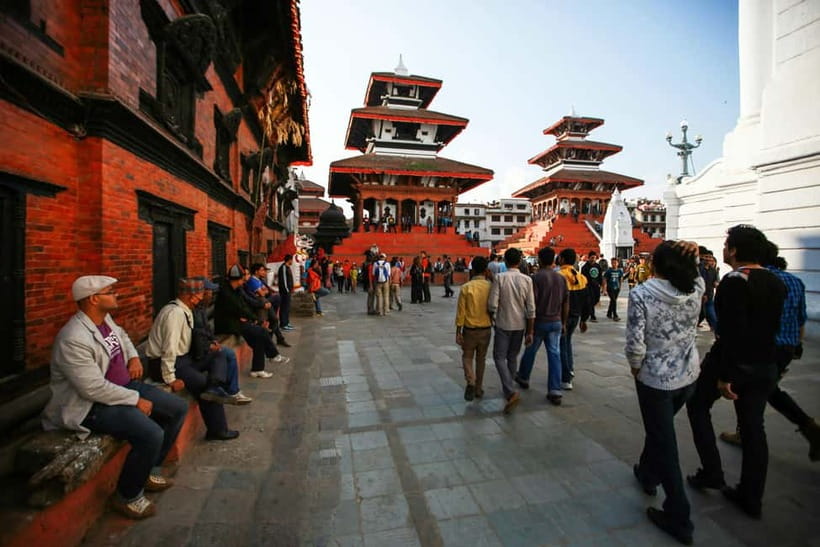
The day begins at Kathmandu Durbar Square, a former royal palace complex that’s central to understanding how old Kathmandu governed itself. This is where the famous living goddess, the Kumari, is associated with the square’s royal tradition.
A guided stop here helps you read the place beyond the stones. You get context on why the courtyards, carved structures, and religious points matter, instead of just moving through as a checklist.
If you are sensitive to crowds, come with a patient mindset. Durbar Squares can draw a mix of locals and visitors, and the “best angles” can mean waiting a little.
Swayambhunath, the Monkey Temple, and Buddhist atmosphere
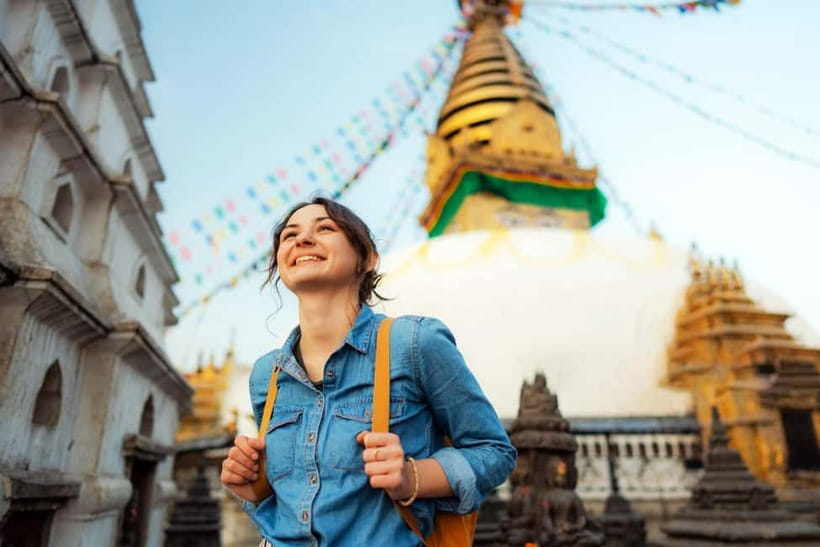
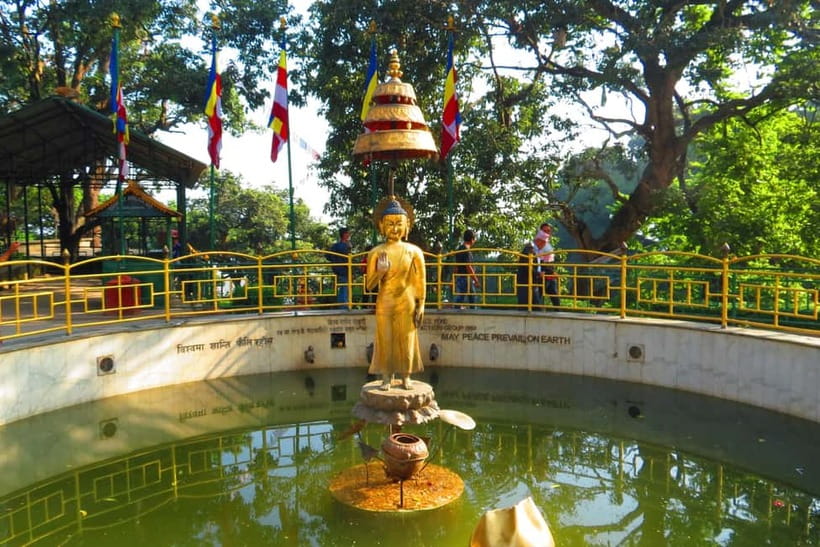
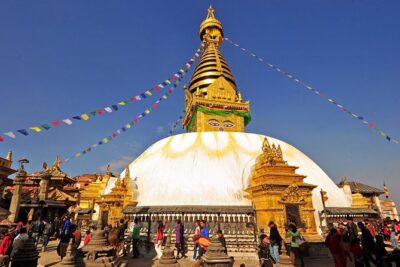
Next up is Swayambhunath Temple, also called the Monkey Temple. The hilltop complex is deeply spiritual, and it has roots reaching back to around the 4th century AD, which gives it that layered, long-lived feeling.
The monkeys are part of the experience. They are not just decoration, so keep an eye on your belongings and be ready for them to get curious when you stop for photos.
This stop is a good breathing space between Durbar Square crowds and the next round of driving. Up here, you tend to slow down naturally because the views and rituals make people linger.
Another way to spend the time in Nepal:
- Kathmandu: 7 UNESCO Sites with Lunch
★ 4.8 · 744 reviews - Everest Base Camp Helicopter Tour landing at Everest View Hotel
★ 5.0 · 668 reviews - Half day cooking class in Thamel kathmandu
★ 5.0 · 607 reviews - Everest Base Camp Trekking
★ 5.0 · 485 reviews
Patan Durbar Square: where Malla kings shaped art and faith
Then you cross into Patan Durbar Square, the old royal seat of the Malla kings of Lalitpur. This square is packed with temples, courtyards, and statues, and it shows you how trade, art, and faith fed each other in the valley.
This is a place where a guide helps a lot. You can see carvings and structural details on your own, but context is what turns it into meaning. The best part is moving courtyard to courtyard with explanations of what you are looking at and why it was built that way.
One practical note: the surfaces are often uneven. Wear shoes you can trust, because you will be walking more than you might expect for “just a square visit.”
Bhaktapur Durbar Square and the 55-Window Palace
The tour continues to Bhaktapur Durbar Square, one of the best-preserved palace complexes in the region. Here you get a stronger sense of the Malla kingdom’s artistic and architectural style, and you can spot highlights like the 55-Window Palace, the Golden Gate, and the Nyatapola Temple.
A standout moment is seeing the statue of King Bhupatindra Malla, which ties the artwork directly to rulers, ceremony, and the way power was displayed. If you like details, Bhaktapur is where you will start noticing patterns across buildings and craftsmanship.
This is also a longer guided walk. It is worth it, but it is also where your legs will tell you the day is real.
Lunch in the afternoon: traditional Nepali food with one important caveat
Around midday you get a lavish traditional Nepali lunch at a local restaurant. In one case, a lunch spot on a rooftop was described as pleasant and enjoyable, which fits the “break and reset” role lunch is playing on this tour.
Here’s the caveat to think about: food can hit different when you are traveling and your stomach is adjusting. I’m not here to scare you off a great meal, but I do think it’s smart to go easy at first if you know you are sensitive. If you are the type who usually travels with gut-safe habits, keep doing that.
After lunch, take a few minutes before the next drive. You will want your energy for Boudha and Pashupatinath later in the day.
Changu Narayan Temple: a hilltop Hindu heritage stop
After lunch, the tour goes to Changu Narayan Temple, perched on a hilltop. This Hindu temple is ancient, with origins traced to around the 5th century AD, so it feels older and more rooted than many “look at the view” stops.
What makes this kind of stop valuable is contrast. After temple complexes and durbar squares, Changu Narayan offers a different tone and a different scale of spiritual focus. You are also going uphill, so you get a change of pace even when the itinerary is tight.
If the day feels too packed, this is still a good place to pause. The surroundings and the temple setting tend to slow most people down.
Boudhanath Stupa and Little Tibet Tibetan Buddhism center
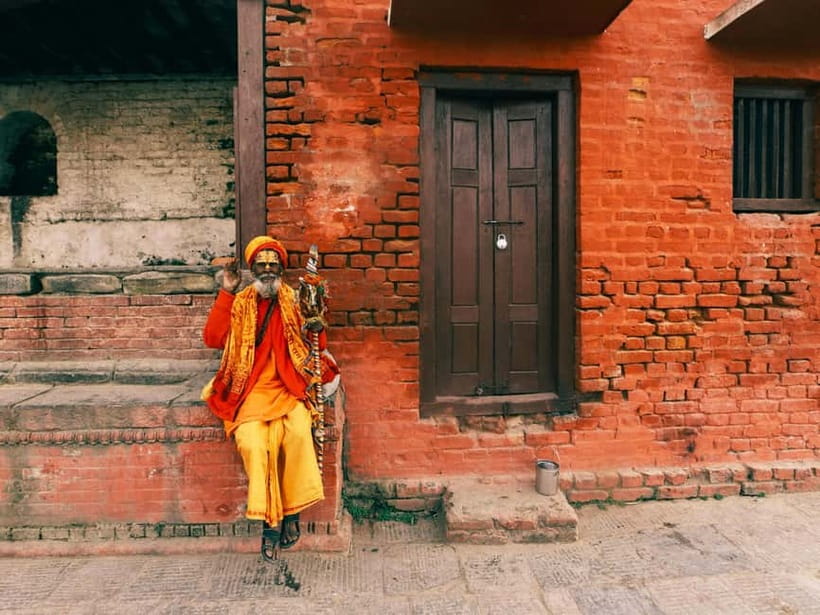
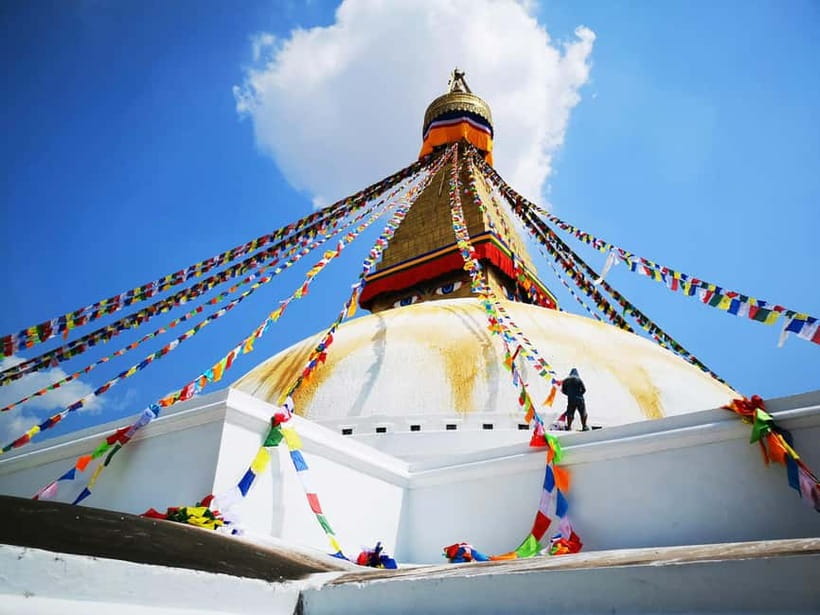
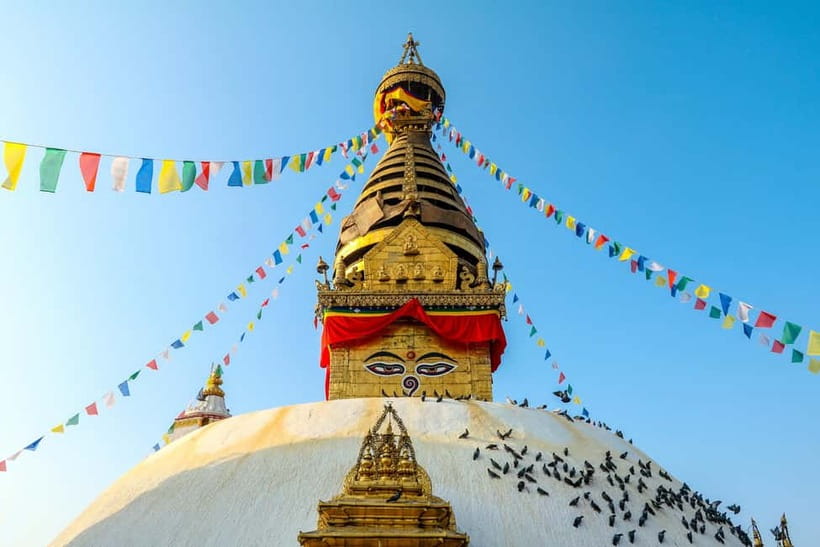
Next is Boudhanath Stupa, one of Nepal’s largest spherical stupas and a major center for Tibetan Buddhism in Kathmandu. The surrounding area is often called Little Tibet, and the atmosphere reflects that connection.
A guided hour here helps you understand what the stupa symbolizes and why people move around it. This is one of the more contemplative stops on the day, and it gives your brain a break from carvings and courtyards.
If you want photos, give yourself time. People are moving, prayer is happening, and the best shots usually come when you stop chasing angles and watch how locals interact with the space.
Pashupatinath Temple: cremation ceremonies and respectful viewing
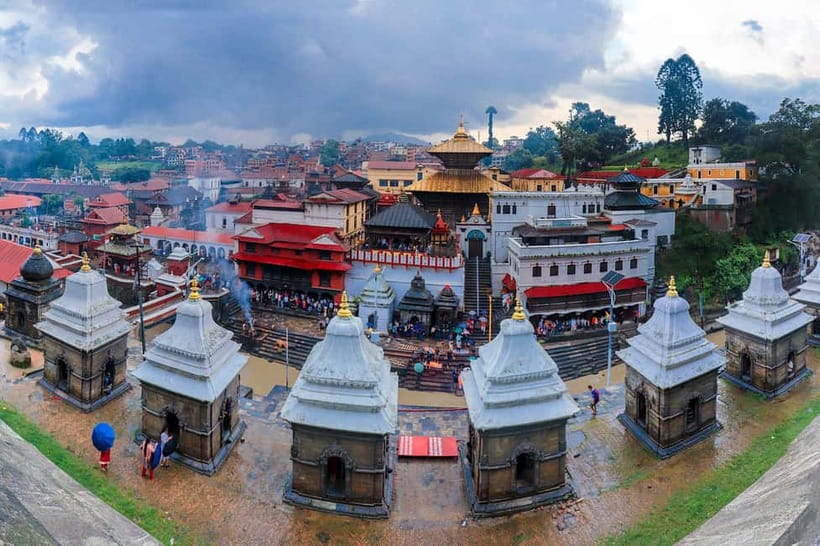
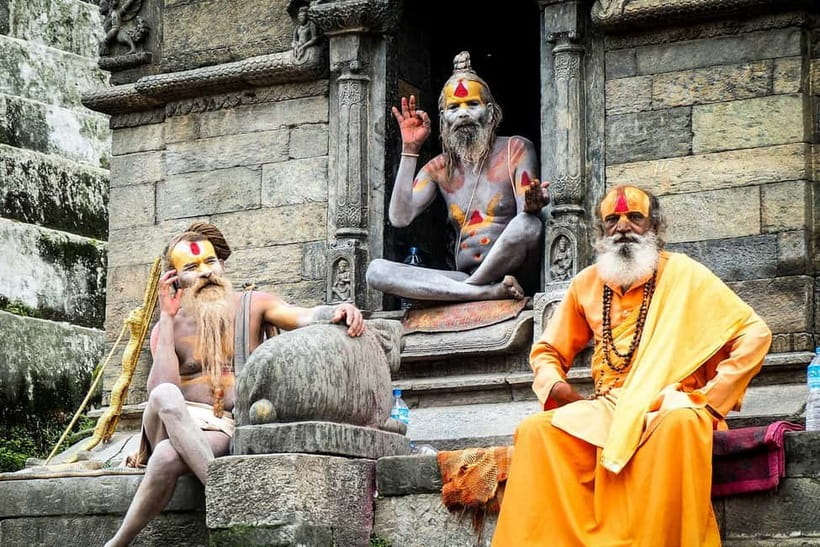
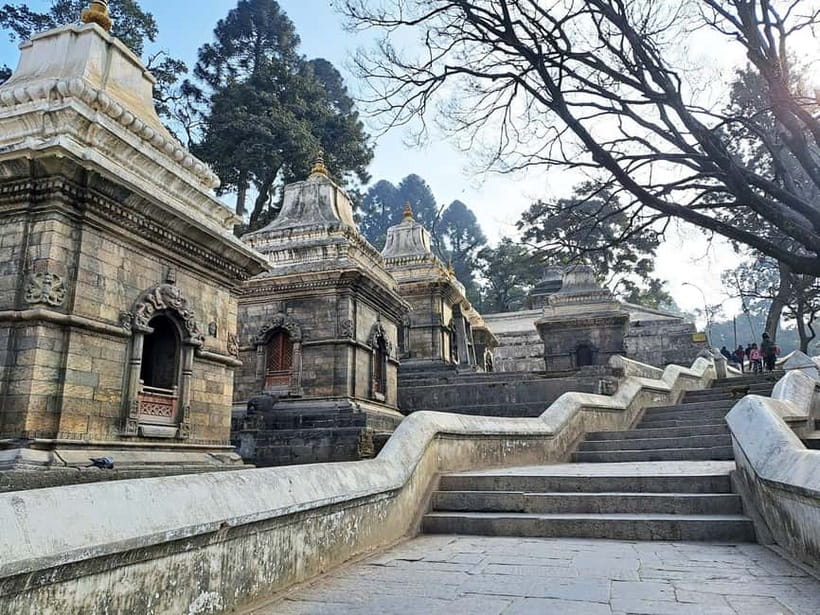
The final major stop is Pashupatinath Temple, a sacred Hindu pilgrimage site connected to Lord Shiva and dating back at least to the 5th century CE. This is also where cremation ceremonies take place along the holy Bagmati River.
This is not a “light and cheerful” site. It is intense, spiritual, and very real. If you plan to watch ceremonies, keep it respectful, stand where you are not in the way, and follow the guide’s cues about where to look and what to do.
There is also an optional evening arati element depending on timing. Even if you skip it, you will still leave understanding why this place is a major draw for pilgrims.
Price and value: what $80 buys you (and what it does not)
The price is $80 per person, for a full day that includes hotel pickup and drop, a private air-conditioned vehicle, a licensed English-speaking guide, bottled water, and a full Nepali lunch.
It also includes hot or cold beverages once, which sounds small but matters when you are out for 10 hours. Entrance fees are included only if you select the option that includes tickets, so you should confirm how your booking handles monuments fees.
Not included is alcohol and personal expenses. That part is pretty standard, but it affects your day planning if you were counting on buying drinks along the route.
Value check: if you would otherwise hire a guide plus a private car for the day, this usually works out well because it bundles the logistics and the explanation. The tradeoff is that you cannot “opt out” of the driving, since the whole point is coverage.
Who should book this 1-day Kathmandu Valley circuit
This tour fits you best if you are:
- Seeing Kathmandu for the first time and want the key UNESCO sites in one day
- Happy with a guided pace and want help understanding Hindu and Buddhist practices
- Traveling with a group who wants private comfort instead of public transport stress
It is less ideal if you:
- Want maximum downtime or minimal driving
- Dislike long walking breaks on uneven temple grounds
- Need wheelchair access, since it is not suitable for wheelchair users
A few practical tips so your day feels easier
You will be walking on and around temples and courtyards, often with uneven paths. Wear shoes you can move in, and bring a light layer for early and late hours.
Keep your phone or camera secured at monkey sites. At Swayambhunath, monkeys can be bold when you stop moving.
For lunch, keep your first bites calm if you have a sensitive stomach. Kathmandu food is delicious, but your body may need a day to adjust.
Finally, bring patience. The route is well planned, but traffic and crowds are part of the Kathmandu experience.
Should you book the 7-Wonders of Kathmandu 1-Day Tour?
If you want a guided, first-trip orientation to Kathmandu Valley UNESCO sites, this is a strong choice. The guide quality and the private comfort are the main reasons it works, and the lunch break helps you make it through a long day.
Book it if you can handle a full schedule and you want history with context, not just selfies. Skip it or consider a lighter version if you prefer fewer stops, or you know long driving days leave you drained.
FAQ
How long is the 7-Wonders of Kathmandu 1-Day Tour?
The tour lasts about 10 hours.
What time does the tour start?
It typically starts at 08:00 AM, though starting times can vary, so you should check availability.
Is hotel pickup and drop included?
Yes. Pickup and drop from your hotel or apartment in Kathmandu are included.
What language is the tour guide?
The tour guide speaks English.
Is lunch included?
Yes. A comprehensive, lavish traditional Nepali lunch is included during the afternoon break.
Are monument entrance fees included?
They are included only if you select the option with tickets. If you choose the option without tickets, entrance fees are not included.
Does the tour include bottled water and drinks?
Yes. Bottled drinking water is included, plus hot or cold beverages once.
Is the tour wheelchair accessible, and are there luggage restrictions?
It is not suitable for wheelchair users. Oversize luggage and large bags are not allowed, and alcohol and drugs are not allowed.
Latest additions near Kathmandu
- White Water River Rafting – 1 Day★ 4.3 · 3 reviews
- Traditional Momo Making Class★ 5.0 · 10 reviews
- Kathmandu to Pokhara Premium sofa bus ticket★ 4.0 · 17 reviews
- Ghorepani Poonhill Trek★ 5.0 · 5 reviews
- Ghorepani Poon Hill Trek★ 5.0 · 16 reviews
- Amazing 1 Day Trekking Experience in Kathmandu Nepal★ 5.0 · 24 reviews
- Walking tour of real Kathmandu through back streets.★ 5.0 · 3 reviews
- Wildlife Adventure in Chitwan Nepal★ 4.0 · 4 reviews
Kathmandu Tours, compared.
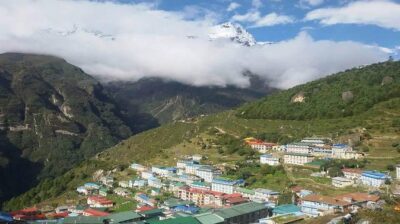
Private Kathmandu Sightseeing Tour | UNESCO World Heritage sites
Read our review →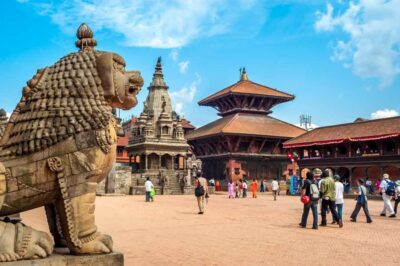
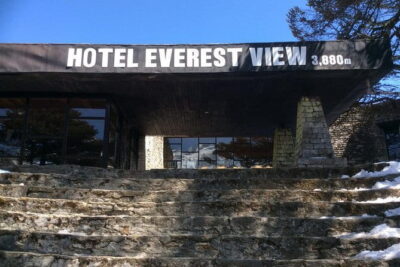
Everest Base Camp Helicopter Tour landing at Everest View Hotel
Read our review →
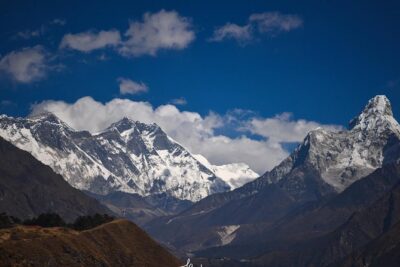
Nagarkot Sunrise View and Day Hiking from Kathmandu
Read our review →Browse the lists this tour appears in