
Reviewed · KATHMANDU TOURS
6 Days Special Kathmandu Pokhara Tour in Nepal
Temple bells meet mountain sun.
This small-group 6-day loop pairs Kathmandu Valley UNESCO sights with Pokhara’s lake views, Davis Falls, cave exploration, and a classic Sarangkot sunrise drive. It’s a tidy mix of culture and nature, with airport pickup and drop-offs that remove a lot of hassle on arrival day.
I especially like two things: you get private vehicle transport throughout, and your days include a set of major, well-chosen stops rather than endless wandering with no plan. I also like the human side, with guides and drivers like Hari and Nawaraj (plus a friendly driver such as Ashok) showing up as the kind of team you can actually ask questions of.
One possible drawback: the road transfer between Kathmandu and Pokhara can be a bumpy, long-feeling ride. If you hate slow overland journeys, it’s worth discussing timing options, but for most people the included comfort still helps.
In This Review
- Key highlights worth noticing
- Why this Kathmandu-Pokhara route works in 6 days
- Day 1 in Kathmandu: Swayambhu, Durbar Square, and Thamel after dark-ish
- Day 2: Monkey Temple views, then Pashupatinath and Boudhnath
- Day 3: Cable car to Manakamana, then check in and find Pokhara’s lakeside rhythm
- Day 4: Sarangkot sunrise plus Davis Falls, caves, and the World Peace Pagoda zone
- Day 5 back in Kathmandu: rest, sightseeing, and shopping time that actually helps
- Day 6: breakfast, free time, then airport transfer
- Price and value: what $1,000 per person is really buying
- Logistics and pacing: where you’ll feel the schedule
- Who should book this tour, and who might not love it
- Should you book this Kathmandu Pokhara 6-day tour?
- FAQ
- Where does the tour start?
- How long is the tour?
- What is included in the price?
- What is not included?
- Do I pay anything extra for Manakamana?
- How big is the group?
- Is free cancellation available?
Key highlights worth noticing
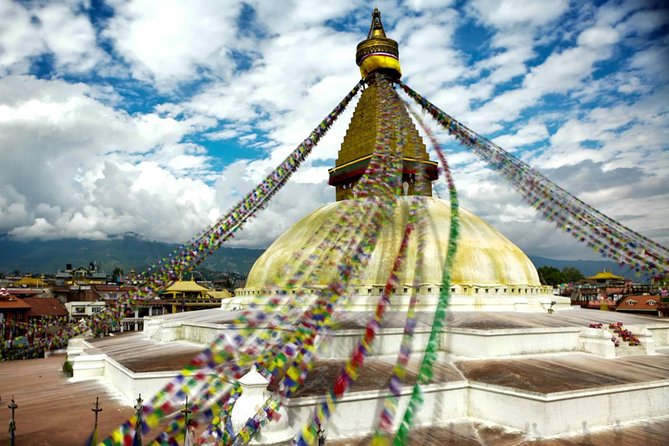
- Kathmandu Valley UNESCO sites in a short time: Swayambhu Nath and the major temple circuits of Kathmandu come packed together.
- Sarangkot sunrise for Himalaya views: an early start that’s built around getting the light right.
- Davis Falls plus gorge-style scenery: a dramatic, water-driven stop that feels different from temple days.
- Cave exploration in Pokhara: a change of pace from pagodas and monuments.
- Fewa Lake time, with boating as a stated highlight: the lakeside setting is the point.
- A guided experience backed by familiar faces: guides like Hari and Nawaraj show up repeatedly in real feedback.
Why this Kathmandu-Pokhara route works in 6 days
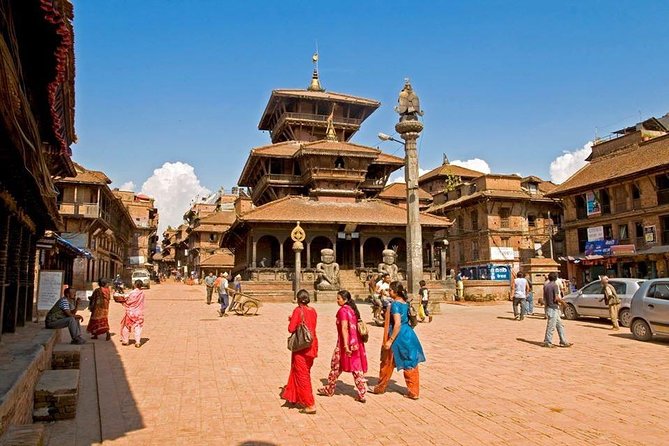
The big idea here is simple: Kathmandu gives you the “why Nepal matters” moments, and Pokhara gives you the “wow, look at that” moments. Kathmandu is where you see old kingdoms in stone, pilgrimage culture in motion, and the kind of architecture that makes you slow down without being told to. Pokhara is where the pace loosens, the air feels different, and you can spend time around lakes and viewpoints.
What makes this tour feel practical is the way it structures your time. Instead of trying to do everything every day, you get temple-heavy blocks in Kathmandu and nature-heavy blocks in Pokhara, with enough free or flexible time to shop in Kathmandu and to decompress on the lakeside.
The small group size, up to 15 people, matters too. Big buses can turn sightseeing into a photo line. Smaller groups tend to move with more breathing room, and you get a better chance to ask your city guide questions during the Kathmandu portion.
More from Kathmandu worth a second look:
- Everest Base Camp Trek – 14 Days
★ 5.0 · 1,499 reviews - Everest Base Camp Trek
★ 5.0 · 842 reviews - Private Kathmandu Sightseeing Tour | UNESCO World Heritage sites
★ 5.0 · 756 reviews
Day 1 in Kathmandu: Swayambhu, Durbar Square, and Thamel after dark-ish
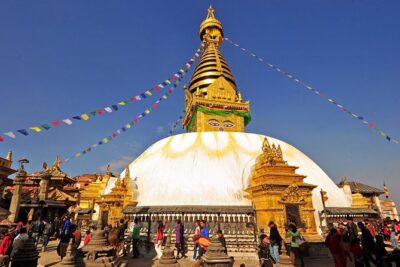
Your day begins with a pickup at Tribhuvan Airport, with a listed start time of 9:00 am, which is a lifesaver when you land tired. From there, you’ll focus on two Kathmandu power stops: Swayambhu Nath (often called the Monkey Temple) and Kathmandu Durbar Square.
Swayambhu Nath is one of those places where the view and the symbolism work together. You can take in the city spread below while also watching worshippers and monks move through daily routines. Then Kathmandu Durbar Square brings you face-to-face with the kinds of carvings and palace-era architecture that make Kathmandu feel like a living museum.
After that, the plan shifts to a lighter, self-walking tour around Thamel. This is your chance to get your bearings fast. Walk, snack, find a place to exchange money, and soak in the street energy without rushing.
How to enjoy it more: If you’re sensitive to steep steps, wear shoes with grip. Kathmandu’s texture is built on stairs, lanes, and sudden uphill turns.
Day 2: Monkey Temple views, then Pashupatinath and Boudhnath
Day 2 keeps the spiritual momentum going with a focused temple circuit. You’ll include Monkey Temple, Kathmandu Durbar Square, Pashupatinath, and Boudhnath.
This is the kind of day that changes your perspective. Pashupatinath is tied to Hindu pilgrimage, and it can feel intense in the way active devotion does. Boudhnath is Buddhist, and it carries a different energy, more expansive and communal. Seeing both in one day helps you understand how Kathmandu isn’t one religion on one street. It’s layers of belief living side by side.
The time allocated is about 5 hours, which is a good length. You’ll get to see the key sights without burning the whole day. You also avoid the trap of trying to memorize every detail. Instead, you’ll remember the feelings: the incense, the rituals, and the scale of the monuments.
Possible drawback to factor in: Temple days can run slower than you expect. If you dislike crowds at pilgrimage sites, go slower and keep your expectations flexible.
Day 3: Cable car to Manakamana, then check in and find Pokhara’s lakeside rhythm
On day 3 you head to Pokhara, with a stop on the way at Manakamana Temple. The plan includes reaching it by cable car, and the cable car ticket is self-paying.
Manakamana works well as a “transition stop.” You’re leaving Kathmandu behind, but you’re not jumping straight into pure relaxation. You get a religious landmark with a dramatic approach, and the cable car ride helps break up the long travel day.
In the evening, you’ll check into your hotel in Pokhara and hang around the lakeside area. This part is quietly important. Pokhara is all about atmosphere. Even if you don’t do anything big that night, being near the water helps you reset after temple-heavy days.
Practical note: Since bottled drinks and meals like lunch and dinner aren’t included, plan to budget for them. If you like simple comfort, keep some cash or card options ready for small purchases around Lakeside.
Another way to spend the time in Nepal:
- Kathmandu: 7 UNESCO Sites with Lunch
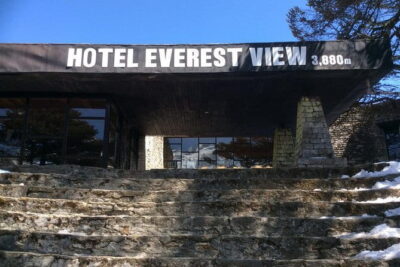
★ 4.8 · 744 reviews - Everest Base Camp Helicopter Tour landing at Everest View Hotel
★ 5.0 · 668 reviews - Half day cooking class in Thamel kathmandu
★ 5.0 · 607 reviews - Everest Base Camp Trekking
★ 5.0 · 485 reviews
Day 4: Sarangkot sunrise plus Davis Falls, caves, and the World Peace Pagoda zone
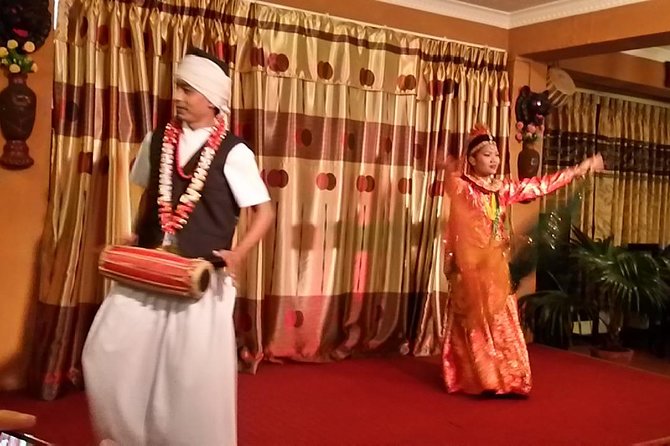
Day 4 is the big nature-and-views day. You’ll get up early for a drive to Sarangkot for Himalaya views and sunrise. Then you switch into a half-day sightseeing run that includes Davis Falls, cave exploration, Bindabasini Temple, White River, and the World Peace Pagoda.
Sarangkot sunrise is one of those classic choices because it aligns the “best light” problem with local geography. Early mornings are rarely fun on paper, but the payoff is why tours keep doing it. If you’re lucky with weather, you’ll see a clearer range of peaks. If not, you’ll still get that mountain-horizon mood that makes Pokhara special.
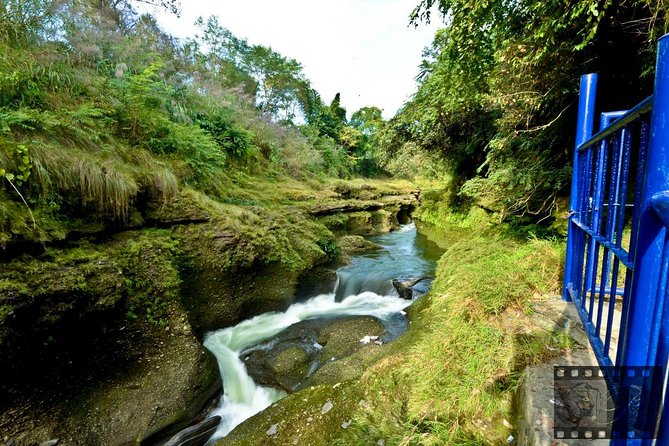
After the viewpoint, Davis Falls adds drama. It’s a waterfall that doesn’t behave like a simple waterfall. The gorge setting and the flow create a sense of mystery that feels very different from Kathmandu’s temple architecture. Then you move into caves, which gives your day real variety, not just another viewpoint.
Finally, the World Peace Pagoda and Bindabasini Temple bring it back to something spiritual and calm. The day is built so you don’t feel like you’re doing the same type of stop repeatedly.
How to be comfortable: Expect early hours. If the sunrise start time feels painful, just remember you’re trading morning comfort for mountain clarity.
Day 5 back in Kathmandu: rest, sightseeing, and shopping time that actually helps
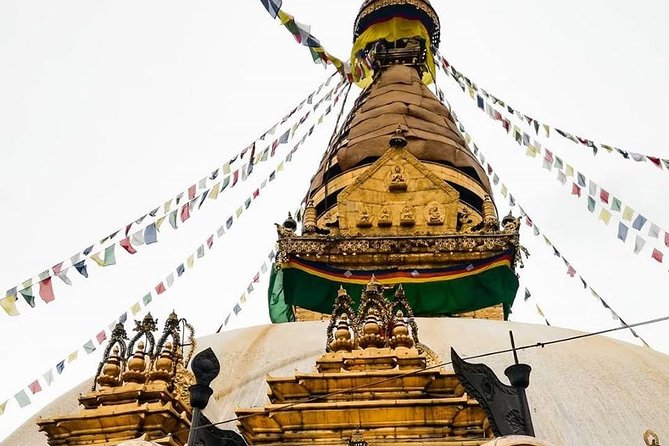
On day 5 you return to Kathmandu and get rest sightseeing and shopping for about 7 hours. This is a smart buffer day. By then, you’ve seen the main monument hits, so you can choose what you care about most.
Maybe you want to revisit a place with a calmer pace. Maybe you want gifts, a nicer coffee spot, or a slower walk in the neighborhoods you liked best. With a guided tour already covering the heavy hitters earlier, this day gives you room to personalize.
I like that the schedule doesn’t force a rigid checklist on your final sightseeing day. In real life, you might want more time where you felt something. This day is built for that.
Small strategy: Put any shopping near the top of your remaining time in Kathmandu. That way you’re not rushing at the end.
Day 6: breakfast, free time, then airport transfer
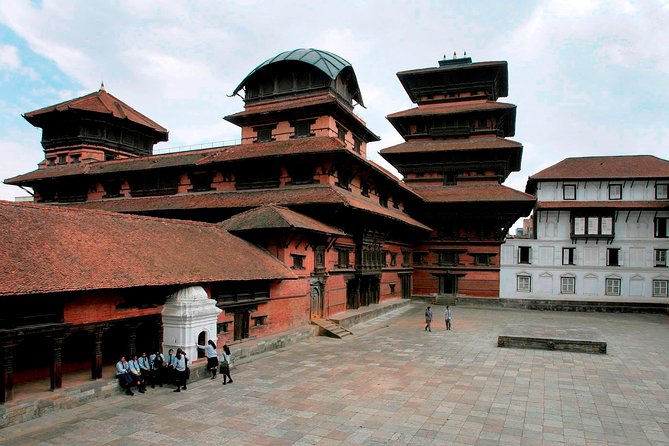
Your last day is simple by design. After breakfast, you have rest time or shopping until departure, then an airport transfer for your flight.
This works because it respects the reality of travel. You avoid the awkward situation where your final hours in Nepal are purely transportation and packing. You can use the time to handle anything you forgot, pick up last-minute items, or just sit somewhere and watch Kathmandu or Pokhara move by.
It also means your tour ends without stuffing one last big sightseeing plan into the same day as departure.
Price and value: what $1,000 per person is really buying
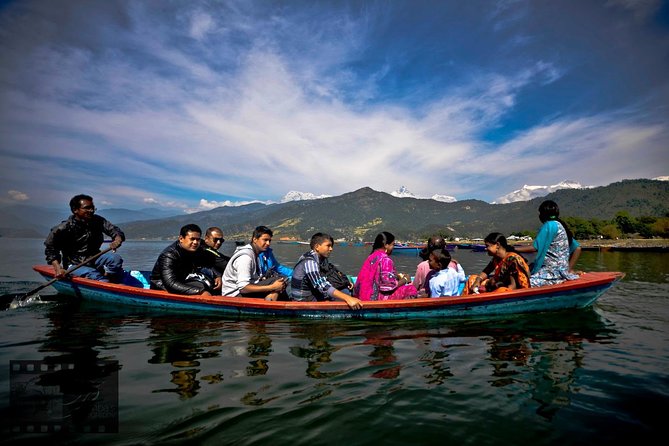
At $1,000 per person for about 6 days, you’re not paying for a bare-bones package. You’re paying for the parts that usually create friction on a Nepal trip: transfers, guided timing, and lodging.
Here’s what the value is built on:
- Private vehicle transport per the itinerary (less waiting, less chaos).
- 5 nights deluxe accommodation across Kathmandu and Pokhara.
- Sightseeing entrance fees as per the plan.
- A Kathmandu city tour with a special city guide.
- Breakfast for 6 days.
- All taxes, VAT, and service charge included.
- Airport pickup and drop-offs included.
So, yes, it’s not the cheapest way to travel Nepal. But if you want a “show up, get picked up, and go” experience with clear major highlights, this price starts to make sense. The cost is going toward convenience and organization, not just the monuments themselves.
The clear budget gaps are also known upfront: visa and your flights aren’t included, and lunch and dinner plus bottled drinks aren’t included. There’s also the Manakamana cable car ticket that you pay yourself.
If you’re the kind of traveler who enjoys arranging your own transport, skipping organized stops, and paying only for entry tickets and food, you might feel limited. If you want fewer headaches and a tight highlight route, this is the type of package that pays off.
Logistics and pacing: where you’ll feel the schedule
This tour moves at a “comfortable busy” pace. You’ll have structured sightseeing blocks in Kathmandu and Pokhara, then room for personal time.
Two schedule things matter most:
- Early starts for sunrise viewpoints. You’re trading sleep for mountain light.
- Overland travel between cities. It’s included and done by private vehicle, which helps, but the road ride itself can still feel long and tiring.
Also note the group size limit of 15 travelers. That’s small enough to keep things coordinated, but large enough that you’re not traveling in a total bubble.
Finally, the tour uses mobile tickets and offers airport pickup. That’s a good combo for reducing day-1 stress.
Who should book this tour, and who might not love it
This package is a great fit if you want:
- Major Kathmandu Valley UNESCO sights and the Pokhara highlights in one trip.
- A guide-led experience where you’re not figuring things out alone.
- Comfort-focused logistics, including private transport and deluxe stays.
- A realistic split between sightseeing and downtime.
It may not be ideal if you:
- Hate early mornings, especially sunrise drives.
- Strongly prefer DIY travel with total control.
- Want the lowest possible daily cost, since lodging, transport, and entrance fees are part of the price.
Should you book this Kathmandu Pokhara 6-day tour?
I think this is a strong choice if your goal is to see the essentials without turning Nepal into a logistics project. The mix of Kathmandu temples, Pokhara lakeside time, Sarangkot sunrise, and stops like Davis Falls and caves gives you variety without requiring you to plan every turn.
The “book it” sign for me is the combination of included transport, included entrance fees, deluxe accommodation, and the fact that support from staff like Hari and Nawaraj comes up positively in real feedback, including help at the airport and on the ground.
My main caution is the road time between cities. If you know you’re sensitive to long drives, talk to the operator about what makes sense for your comfort and timing. Otherwise, this is a clean, organized way to experience Kathmandu and Pokhara in one week.
FAQ
Where does the tour start?
It starts at Tribhuvan Airport in Kathmandu, Nepal, with a listed start time of 9:00 am.
How long is the tour?
It’s a 6-day tour (approx.).
What is included in the price?
The package includes airport pickup and drop-off, all transport as per the itinerary by private vehicle, 5 nights deluxe accommodation in Kathmandu and Pokhara, sightseeing entrance fees as per itinerary, a Kathmandu city tour with a special city guide, all taxes and service charge, and breakfast (6).
What is not included?
Visa and your air ticket from and to your country are not included. Also not included are bottled drinks, lunch, and dinner.
Do I pay anything extra for Manakamana?
Yes. The stop at Manakamana Temple includes cable car access, and the cable car ticket is self-paying.
How big is the group?
The tour has a maximum of 15 travelers.
Is free cancellation available?
Yes. You can cancel up to 24 hours in advance for a full refund.
Latest additions near Kathmandu
- White Water River Rafting – 1 Day★ 4.3 · 3 reviews
- Traditional Momo Making Class★ 5.0 · 10 reviews
- Kathmandu to Pokhara Premium sofa bus ticket★ 4.0 · 17 reviews
- Ghorepani Poon Hill Trek★ 5.0 · 16 reviews
- Amazing 1 Day Trekking Experience in Kathmandu Nepal★ 5.0 · 24 reviews
- Ghorepani Poonhill Trek★ 5.0 · 5 reviews
- Walking tour of real Kathmandu through back streets.★ 5.0 · 3 reviews
- Wildlife Adventure in Chitwan Nepal★ 4.0 · 4 reviews
Kathmandu Tours, compared.
Private Kathmandu Sightseeing Tour | UNESCO World Heritage sites
Read our review →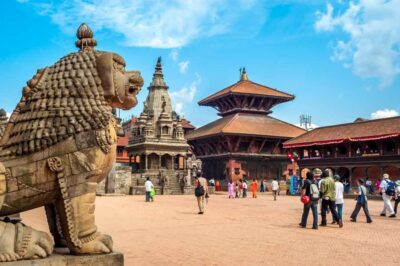
Everest Base Camp Helicopter Tour landing at Everest View Hotel
Read our review →
Nagarkot Sunrise View and Day Hiking from Kathmandu
Read our review →Browse the lists this tour appears in